Kansel door Giovanni Pisano in het Museo civico te Pisa, Italië — History & Analysis
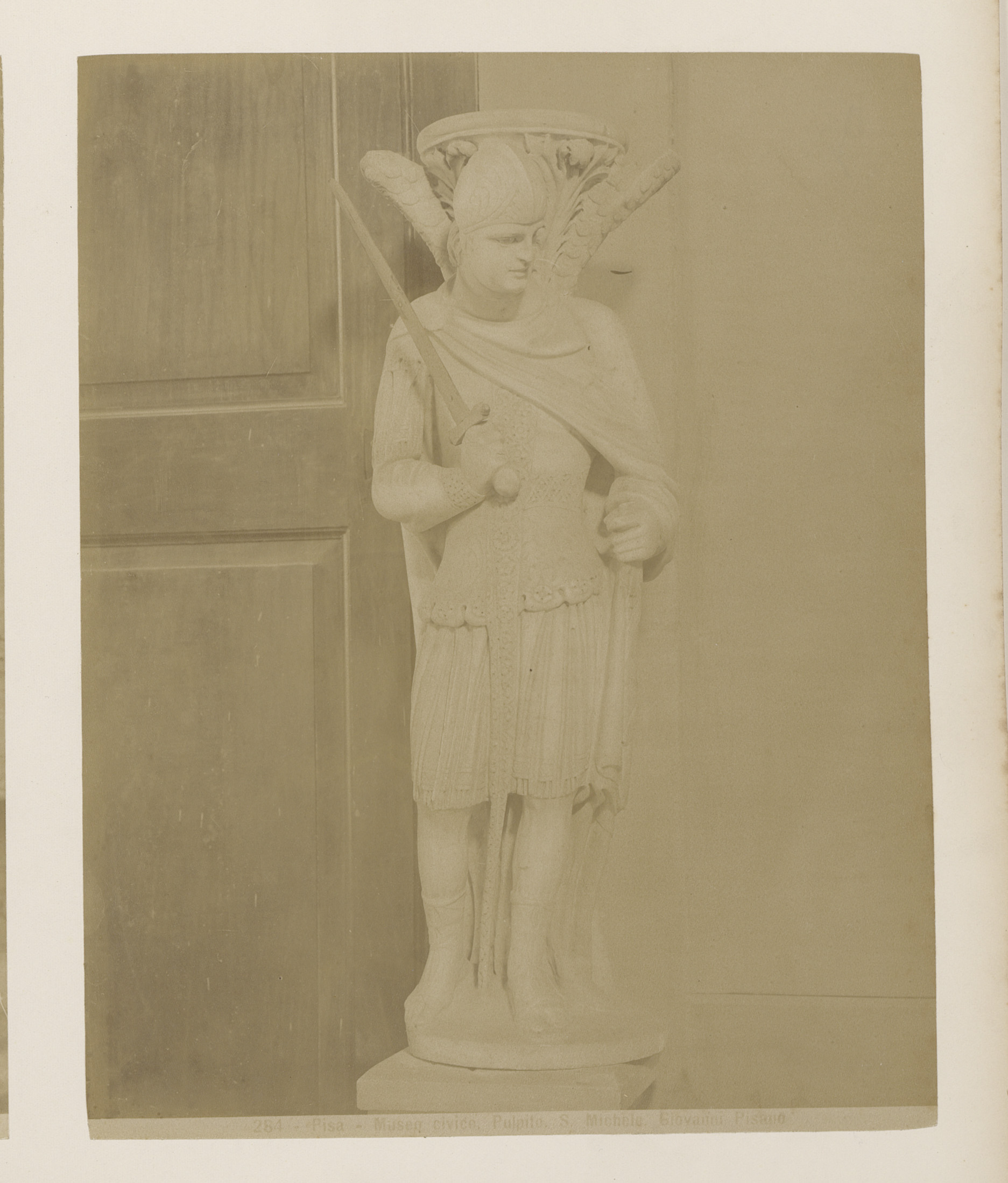
Can beauty exist without sorrow? The intricate details of the Kansel door invite the viewer to ponder this question while reflecting on the dualities embedded in artistic expression. Begin by focusing on the meticulously carved figures that adorn the door’s surface. Each element, from the delicate drapery of the garments to the resolute expressions on the faces, draws your eye along a narrative path.
The interplay of light and shadow brings depth to the reliefs, emphasizing the hard work and dedication of the artist. The warm hues of the stone contrast with the cooler tones in the background, creating a visual harmony that captivates and envelops. As you explore the scene further, consider the juxtaposition of the sacred and the profane represented in the carvings. The figures, both serene and mournful, speak of salvation and suffering, reflecting the complex nature of human experience.
Each character seems to embody a story, a moment suspended in time that resonates with deep emotion, inviting the onlooker to connect their own feelings of joy and despair to the work. Giacomo Brogi captured this masterpiece of architectural sculpture in the latter half of the 19th century, a period marked by a resurgence of interest in the Renaissance and its artistic feats. Working in Italy, Brogi sought to document and preserve the beauty of historical art forms during a time when modernization was rapidly changing the landscape of culture. His photographs, including this one, served as both tribute and commentary on the timelessness of artistry amidst the evolving world around him.