Kapel op ‘t Loo — History & Analysis
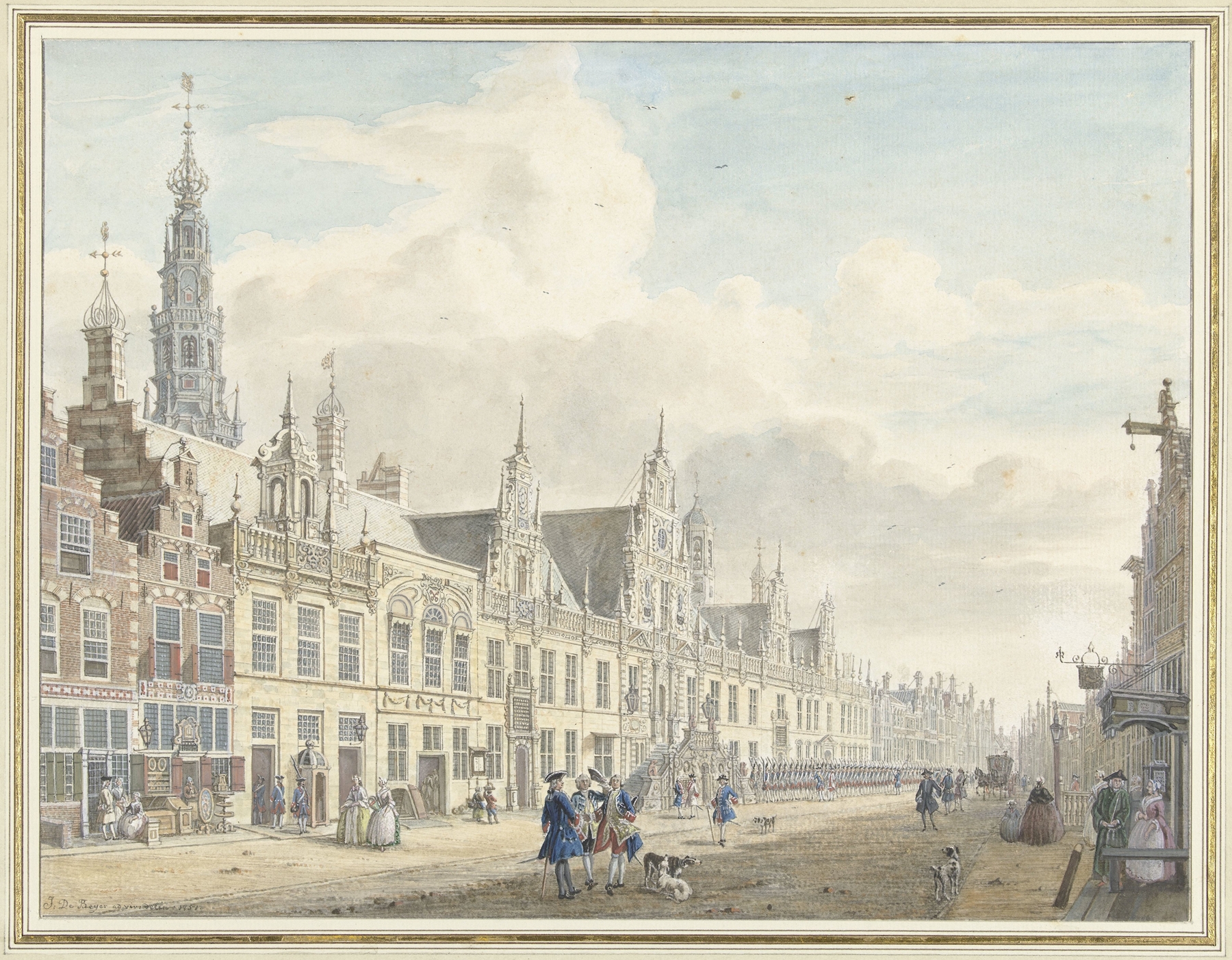
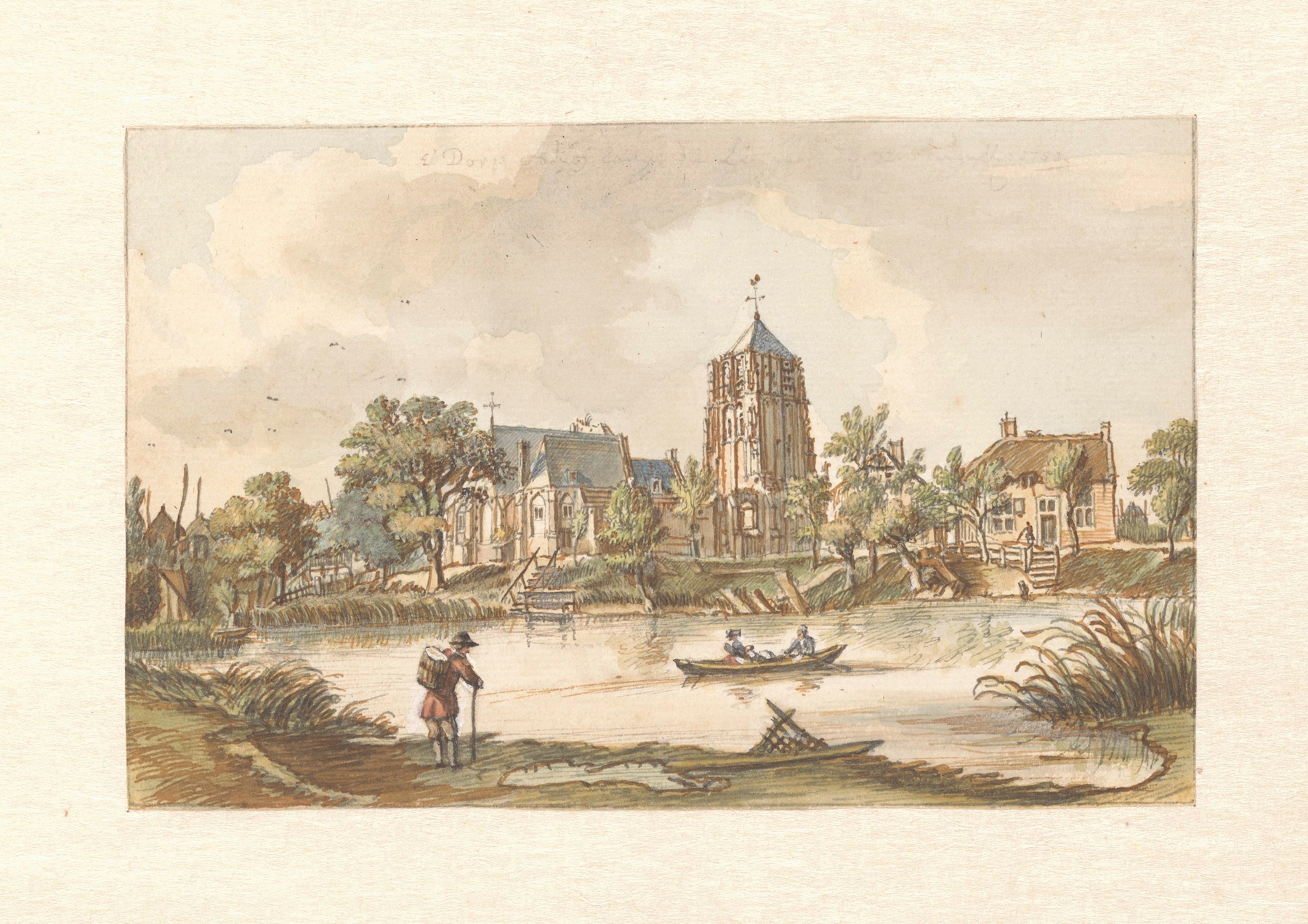
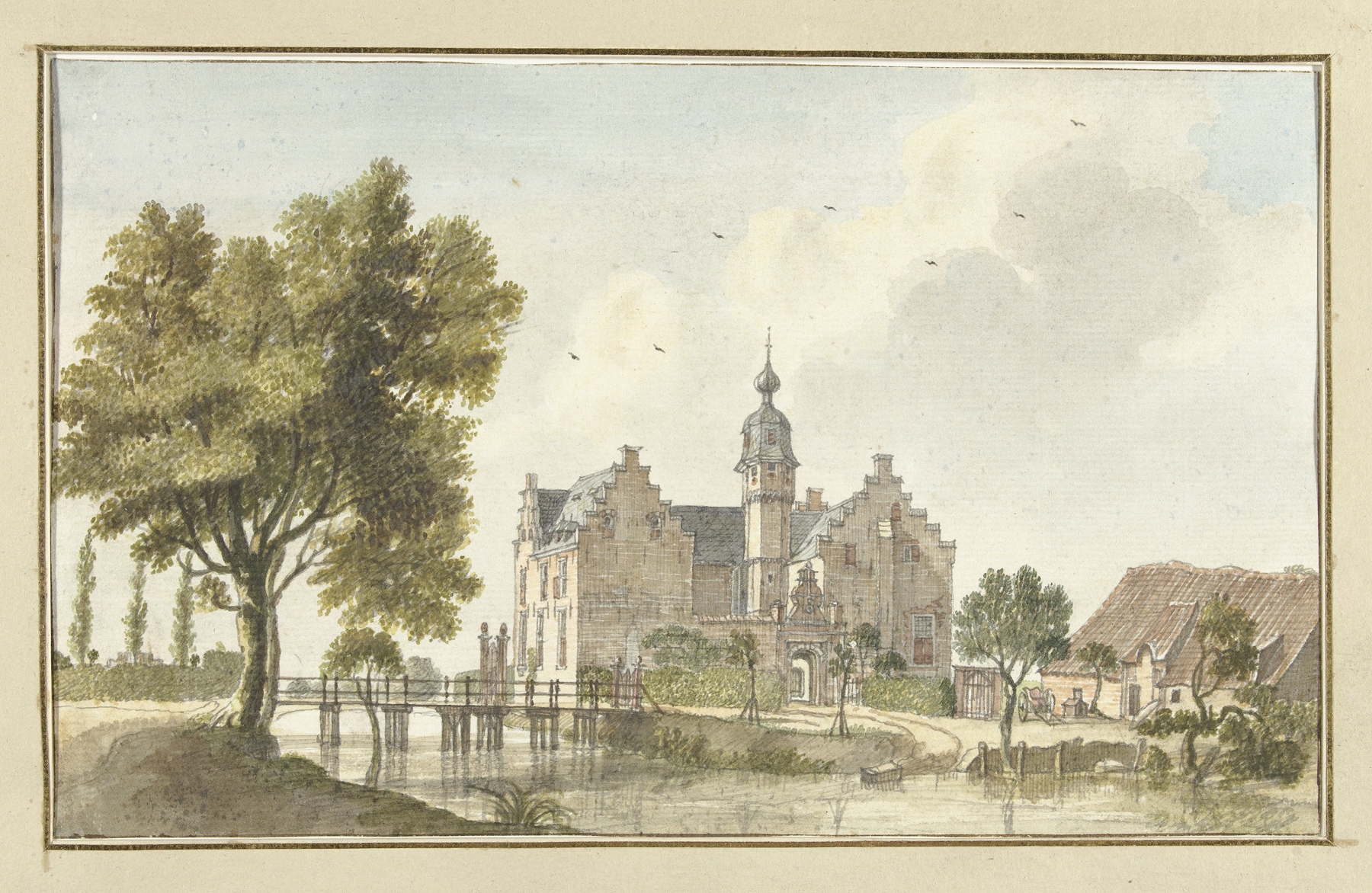
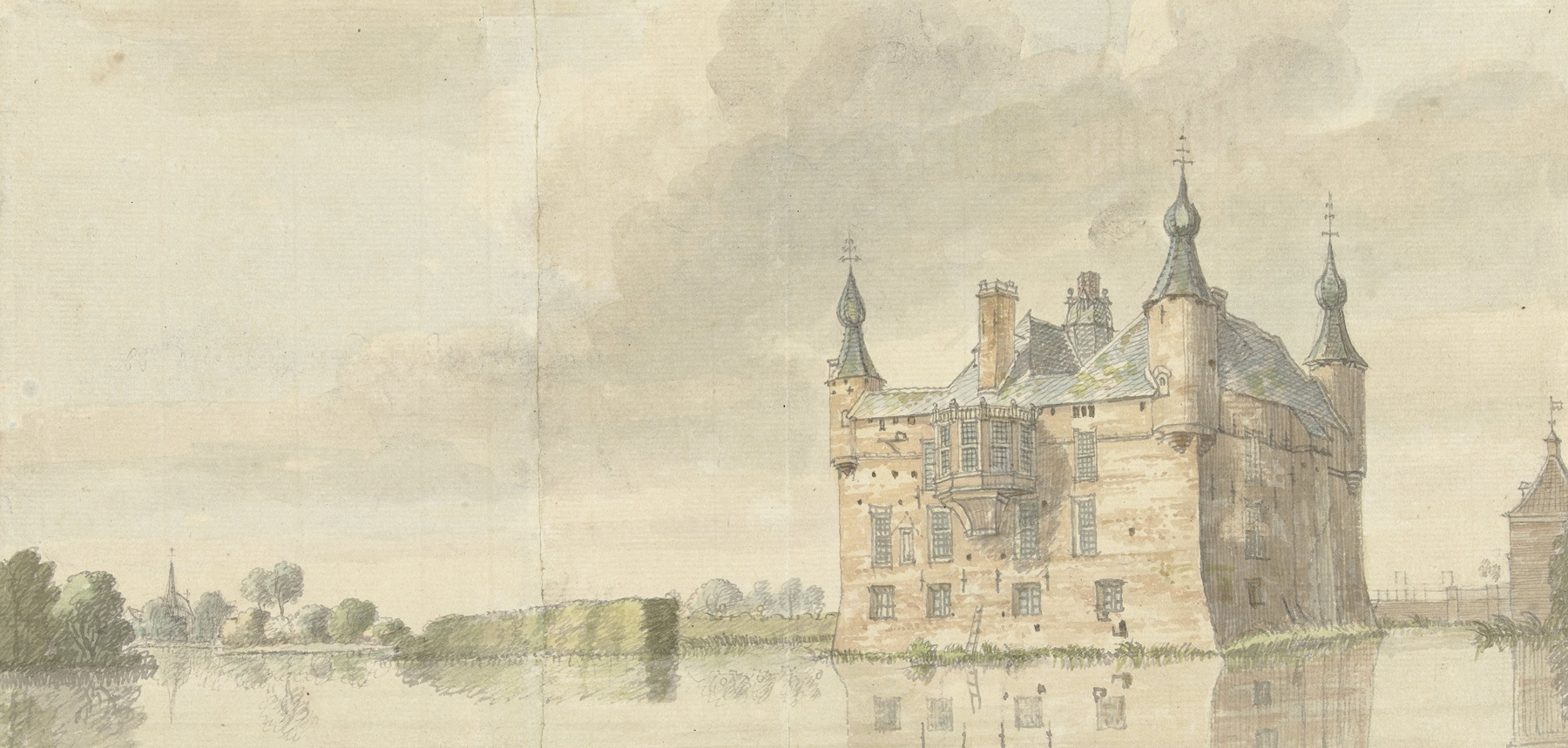
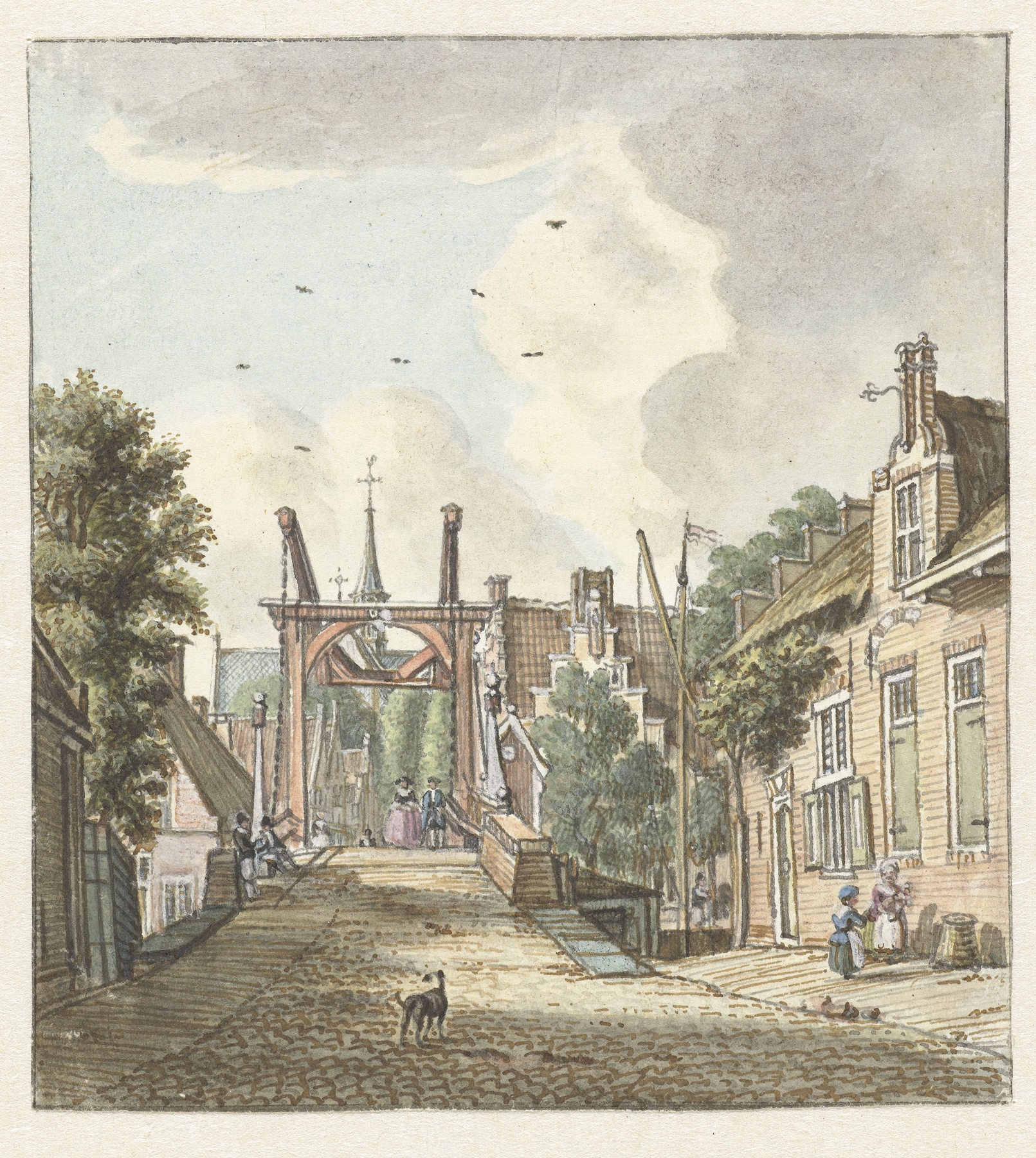
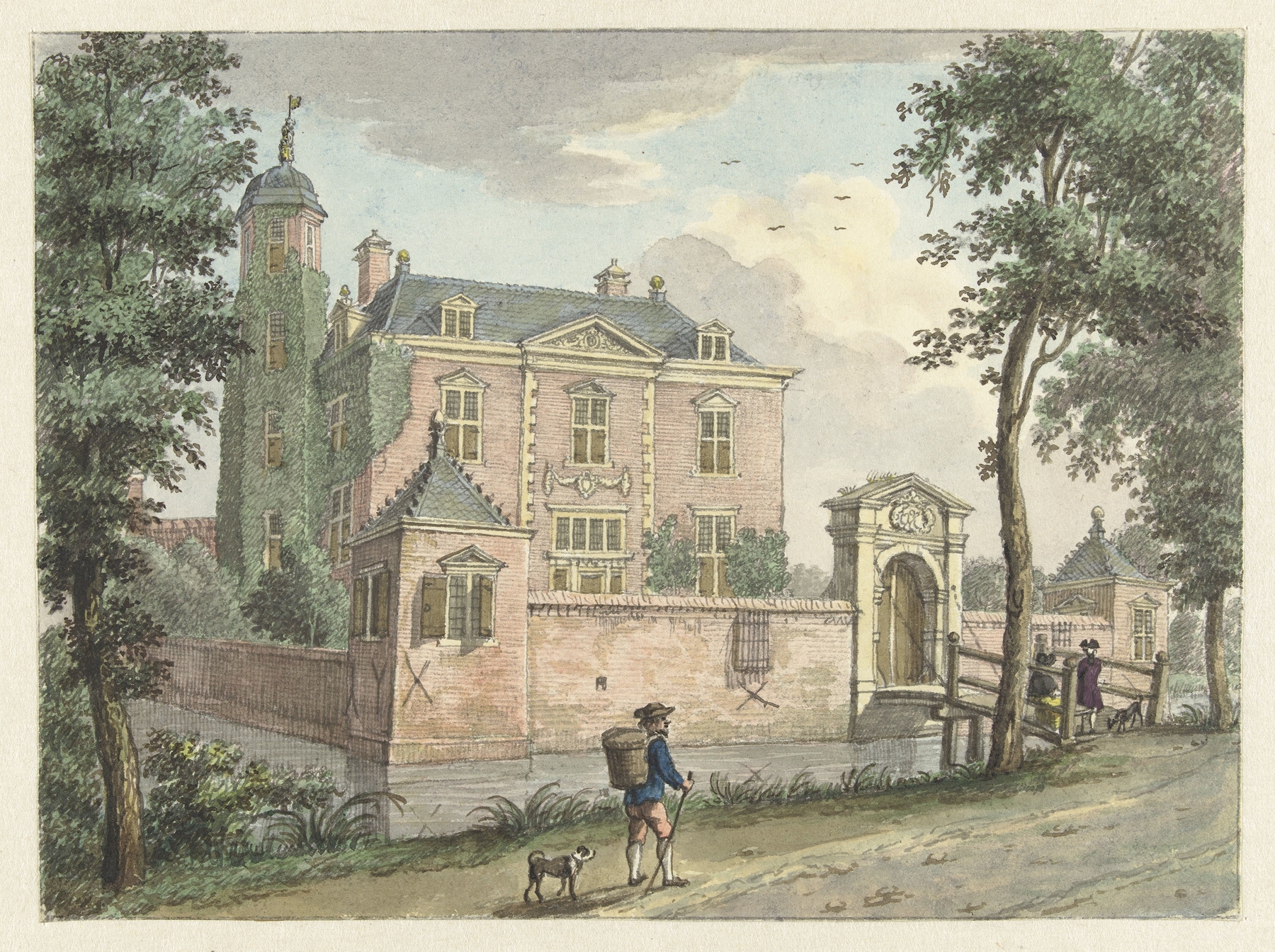
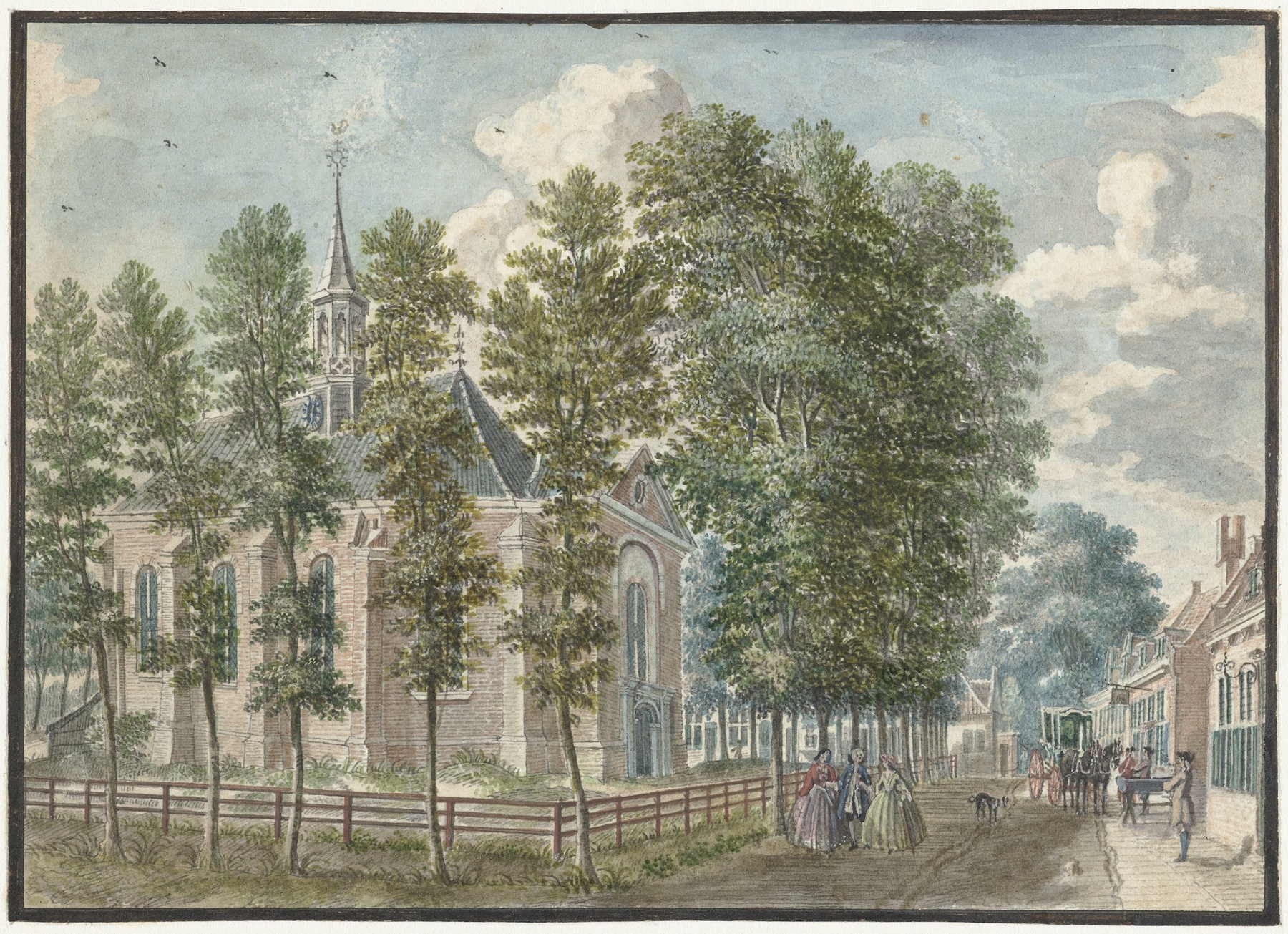
Could a single brushstroke hold eternity? In the quiet elegance of Kapel op ‘t Loo, the essence of a moment reverberates through time, whispering the silent truths of revolution and the passage of life. Look closely at the chapel nestled among the trees; focus on the intricate details of its facade. The delicate interplay of light and shadow crafts a serene atmosphere, drawing your eye to the warmth of the sun illuminating the building.
Notice how the vibrant greens of the surrounding foliage contrast with the muted tones of the chapel, suggesting a harmonious coexistence between man-made beauty and the natural world. Delve deeper into the painting, and you’ll uncover the hidden tensions between stability and transience. The chapel, a symbol of faith and endurance, stands firmly against the encroaching chaos of revolutionary fervor in the broader landscape of Europe. Each brushstroke captures not just the structure itself but also the emotional weight of a society on the brink of change, hinting at the juxtaposition of tradition and the rapidly approaching modern age.
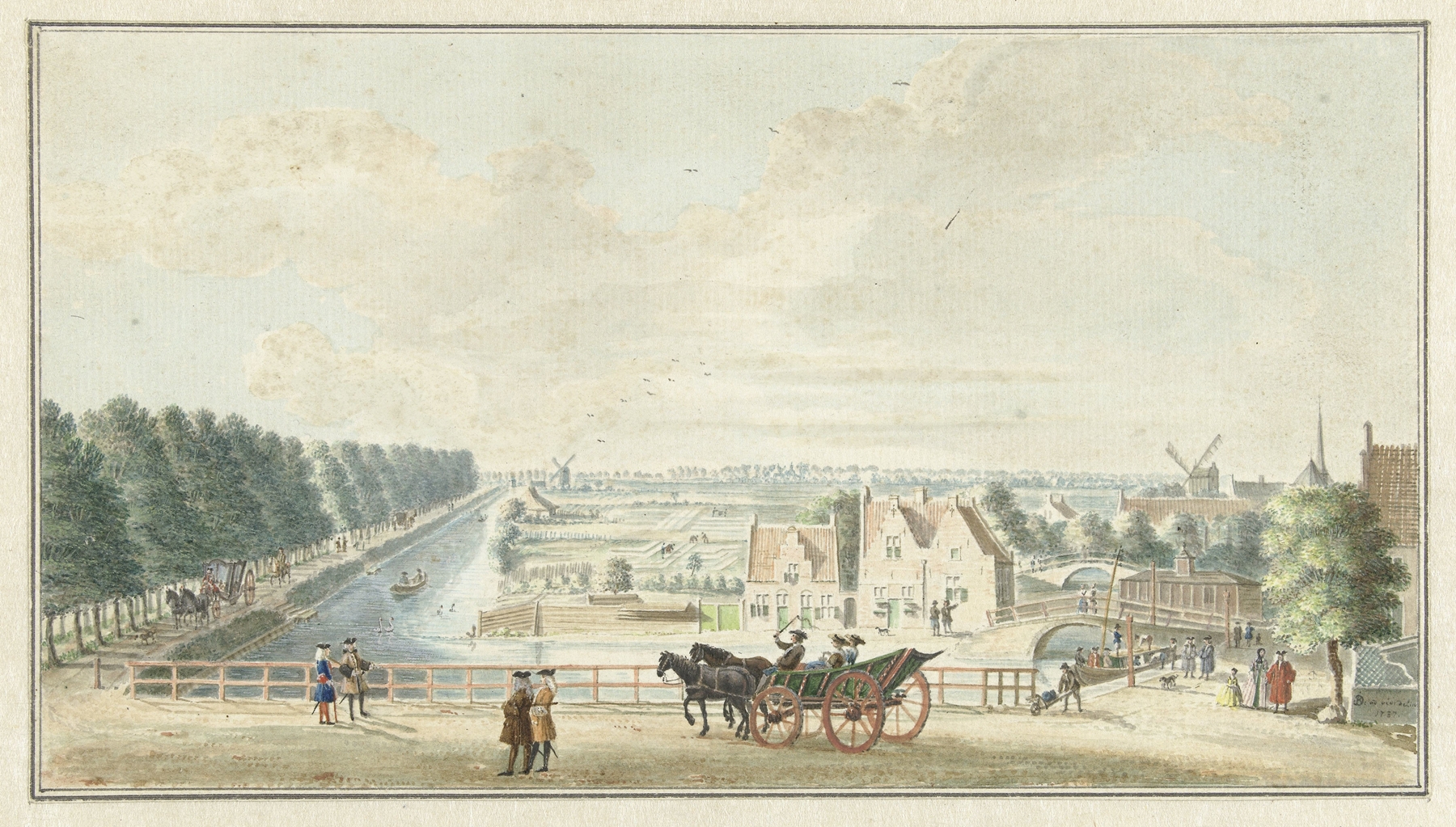
Created in 1742 while Jan de Beijer was in Holland, Kapel op ‘t Loo reflects a period of rising tensions and shifts in artistic practices. The age was marked by a growing interest in naturalism and precise representation, as artists began to explore the balance between the idyllic and the tumultuous realities of their time. De Beijer's careful attention to detail and light not only represents his skill but also serves as a commentary on the transformative landscape of art and society during the pre-revolutionary era.