La Fête De L’assomption À Venise, Le Coup De Canon — History & Analysis
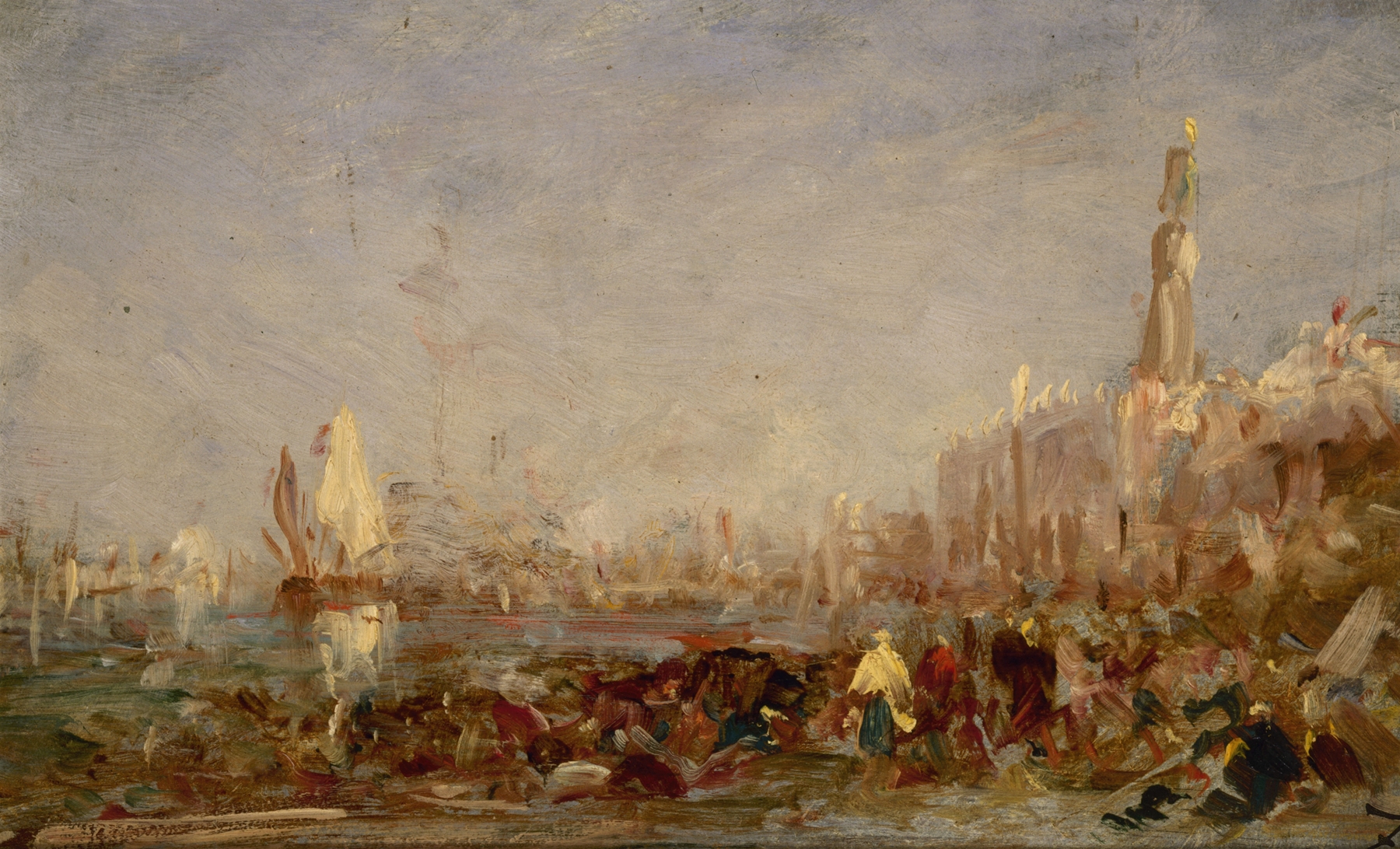
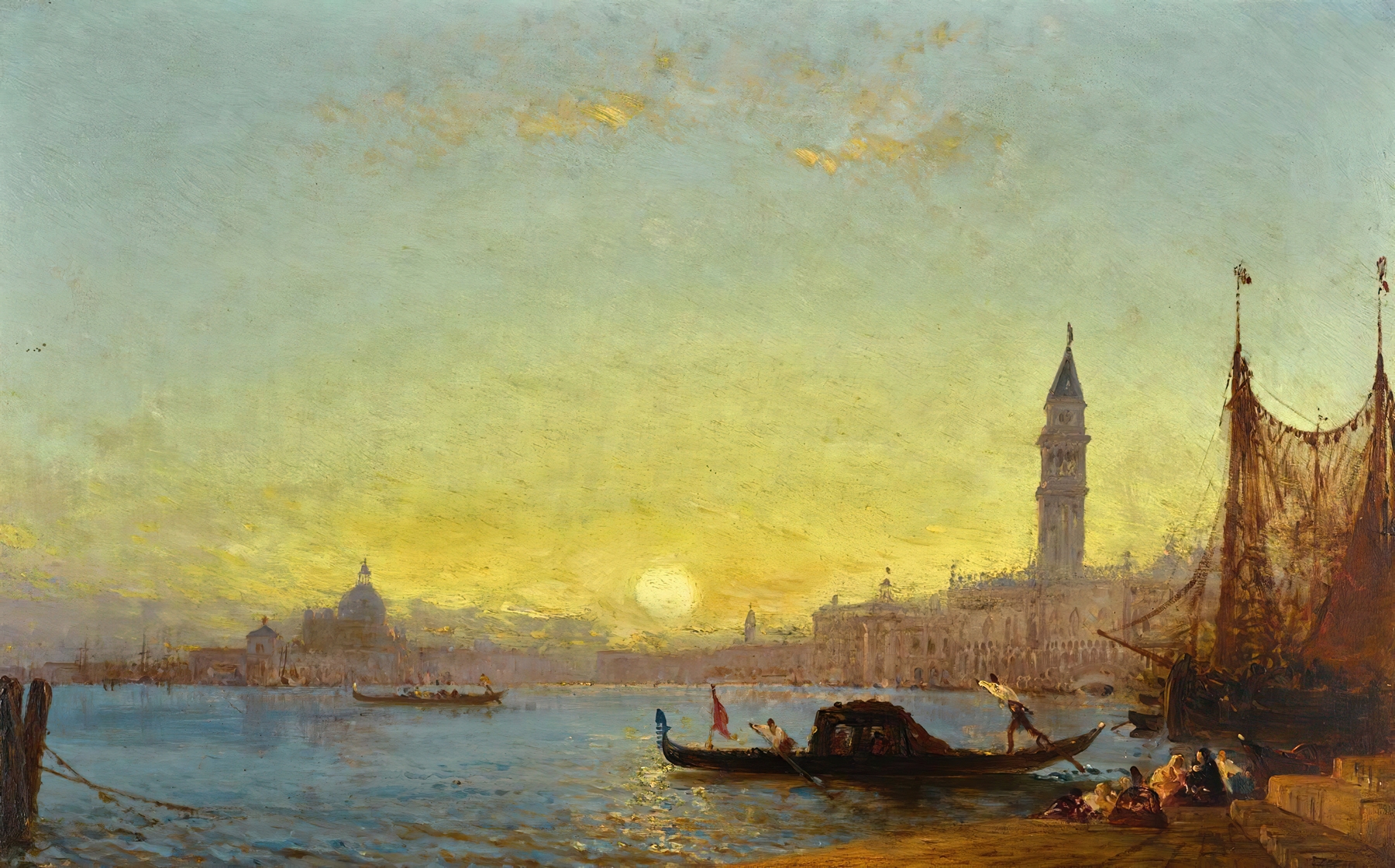
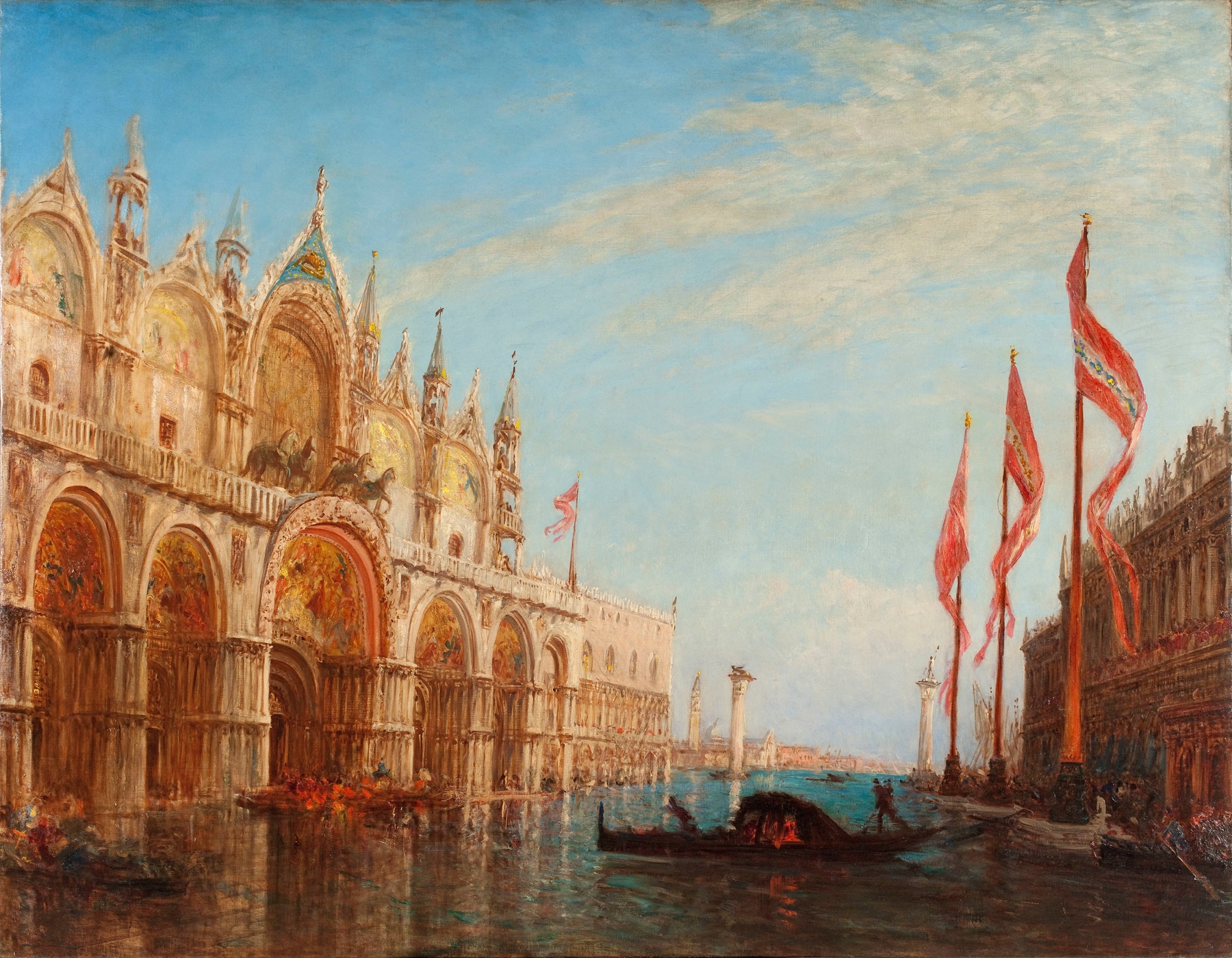
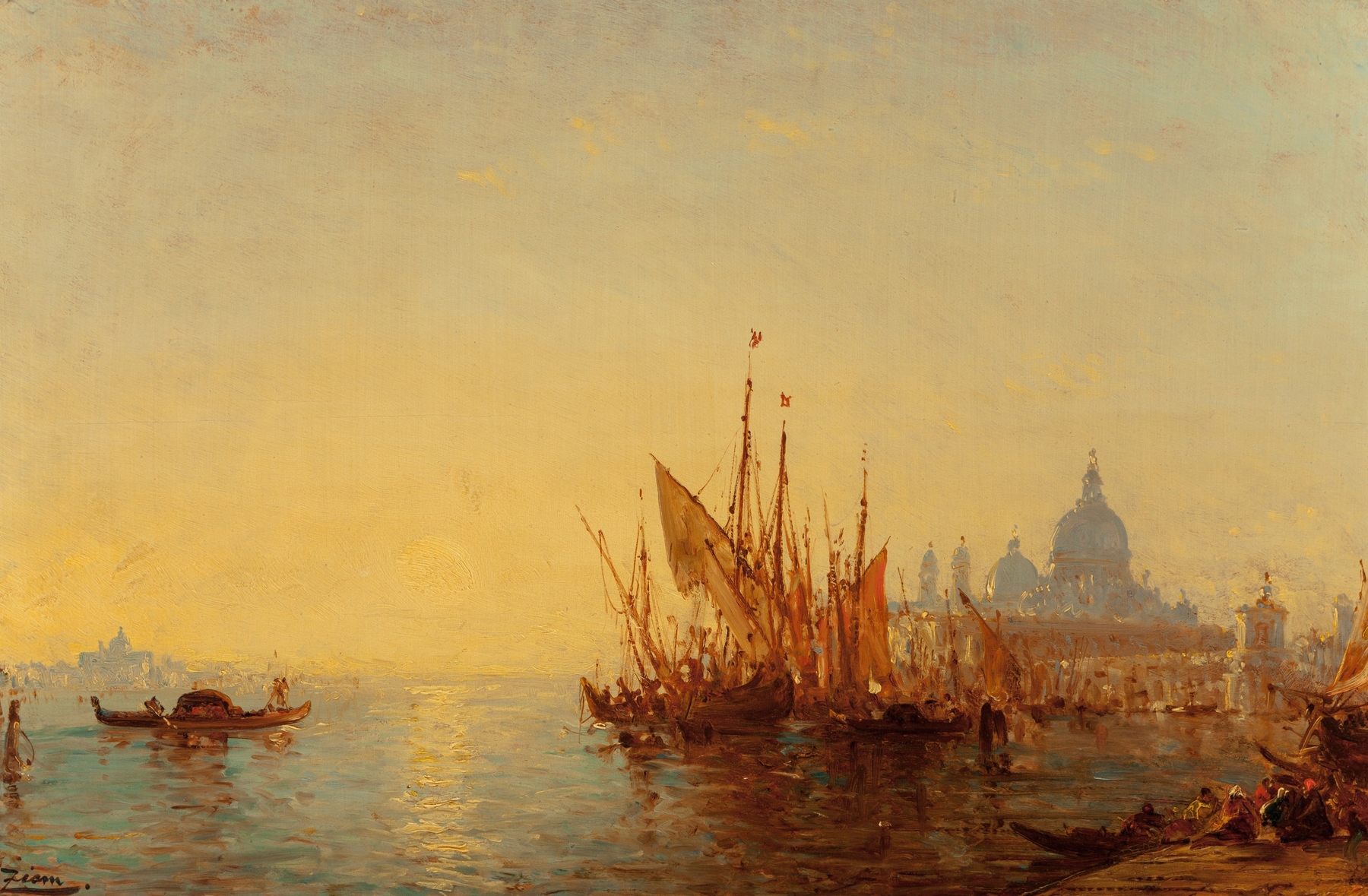
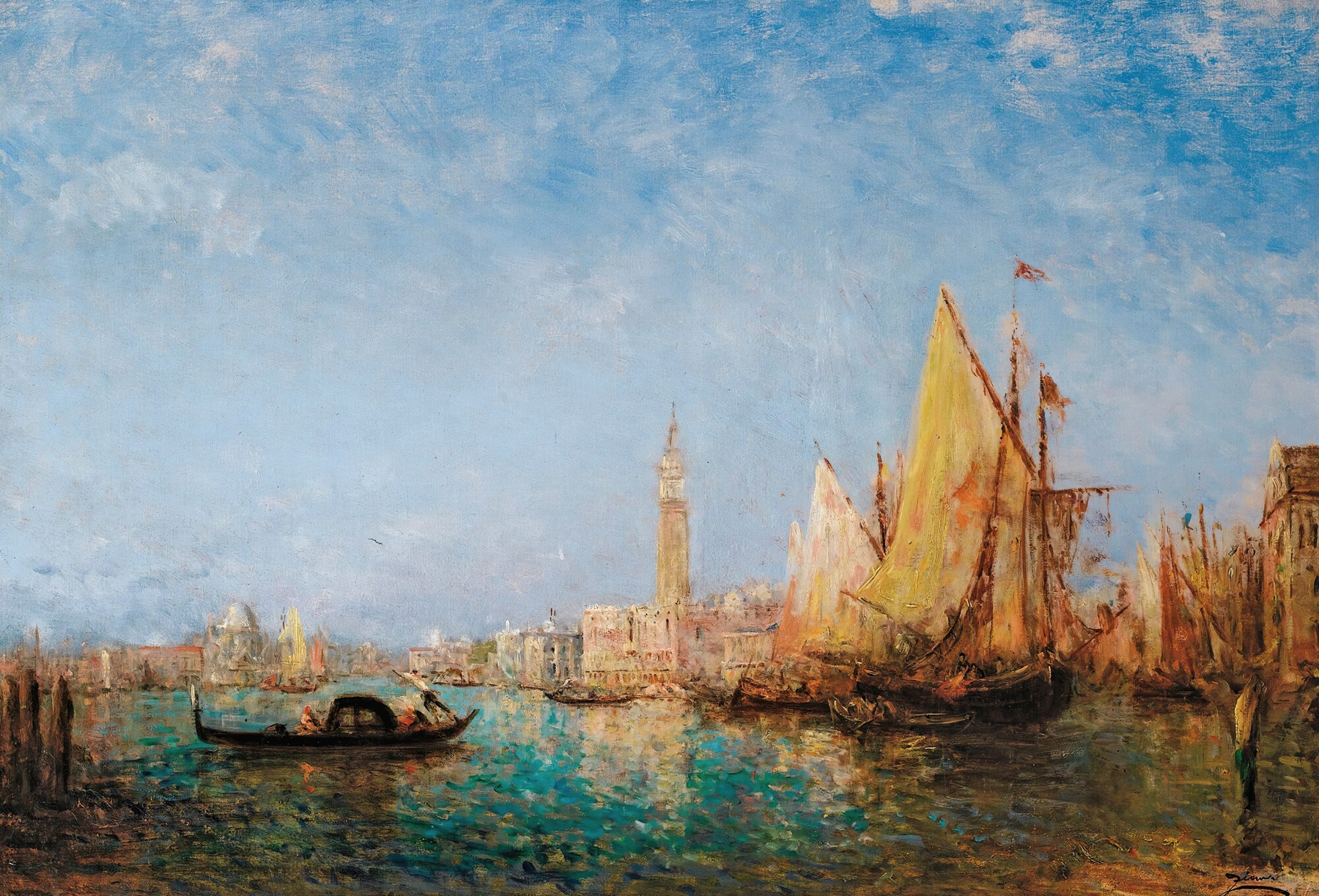
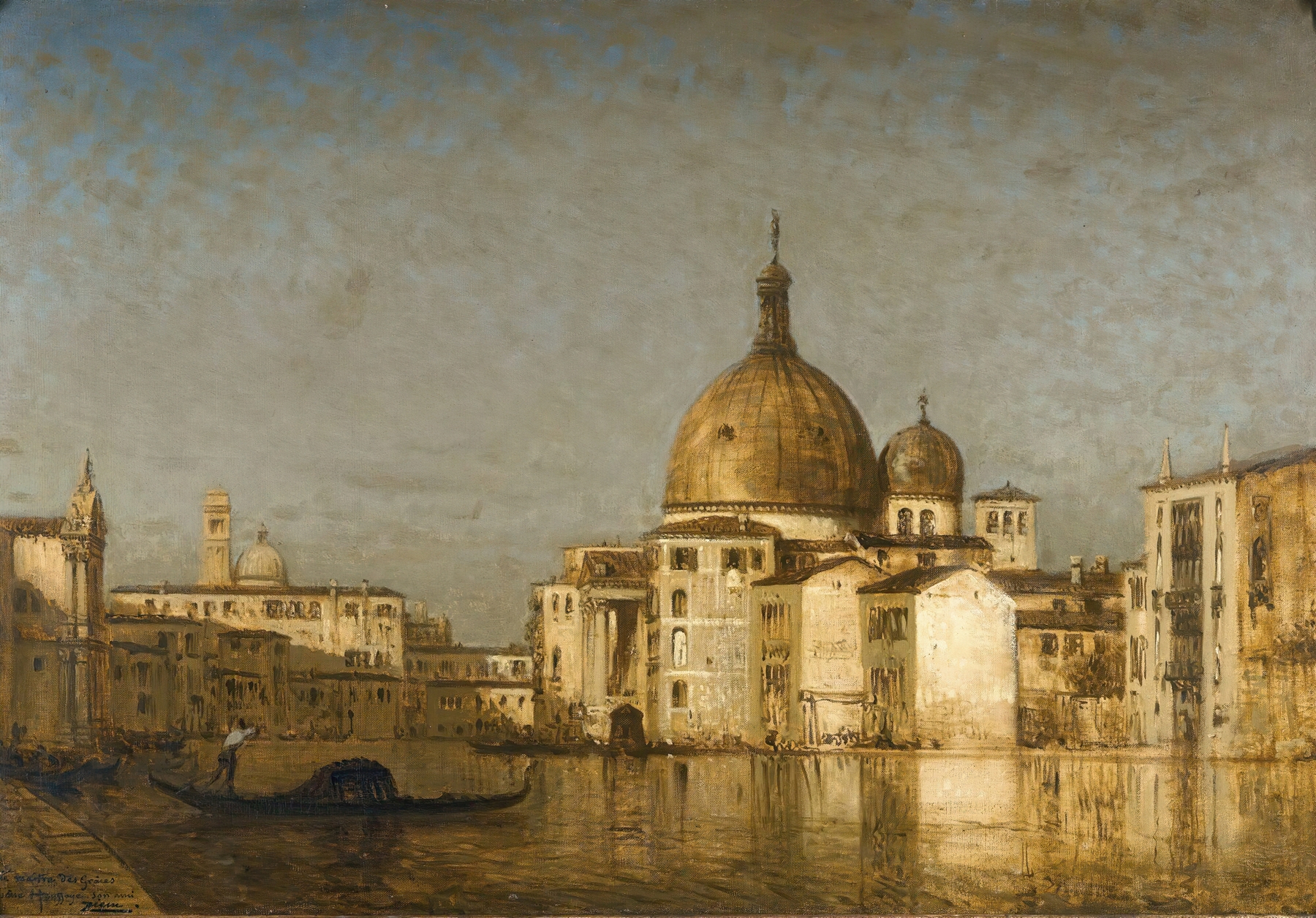
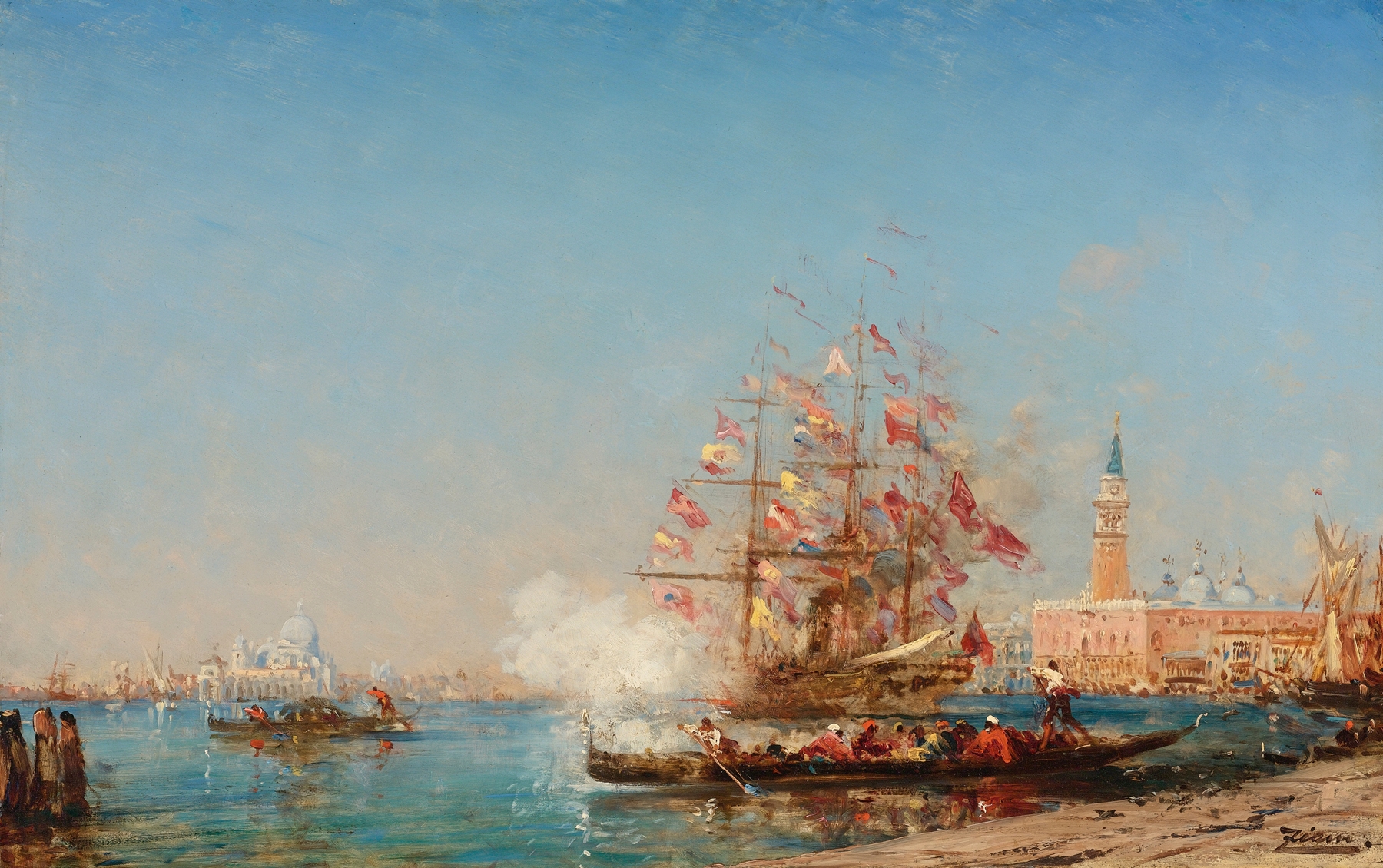
Is this a mirror — or a memory? In the delicate blend of celebration and decay, the essence of Venice flickers between the vibrant and the faded, capturing a moment suspended in time. Focus on the gossamer light that dances across the surface of the water, reflecting a joyful array of boats festooned with vibrant banners. Notice how the artist captures the lively spirit of the festival, with figures in elegant attire blending into the rippling reflections below.
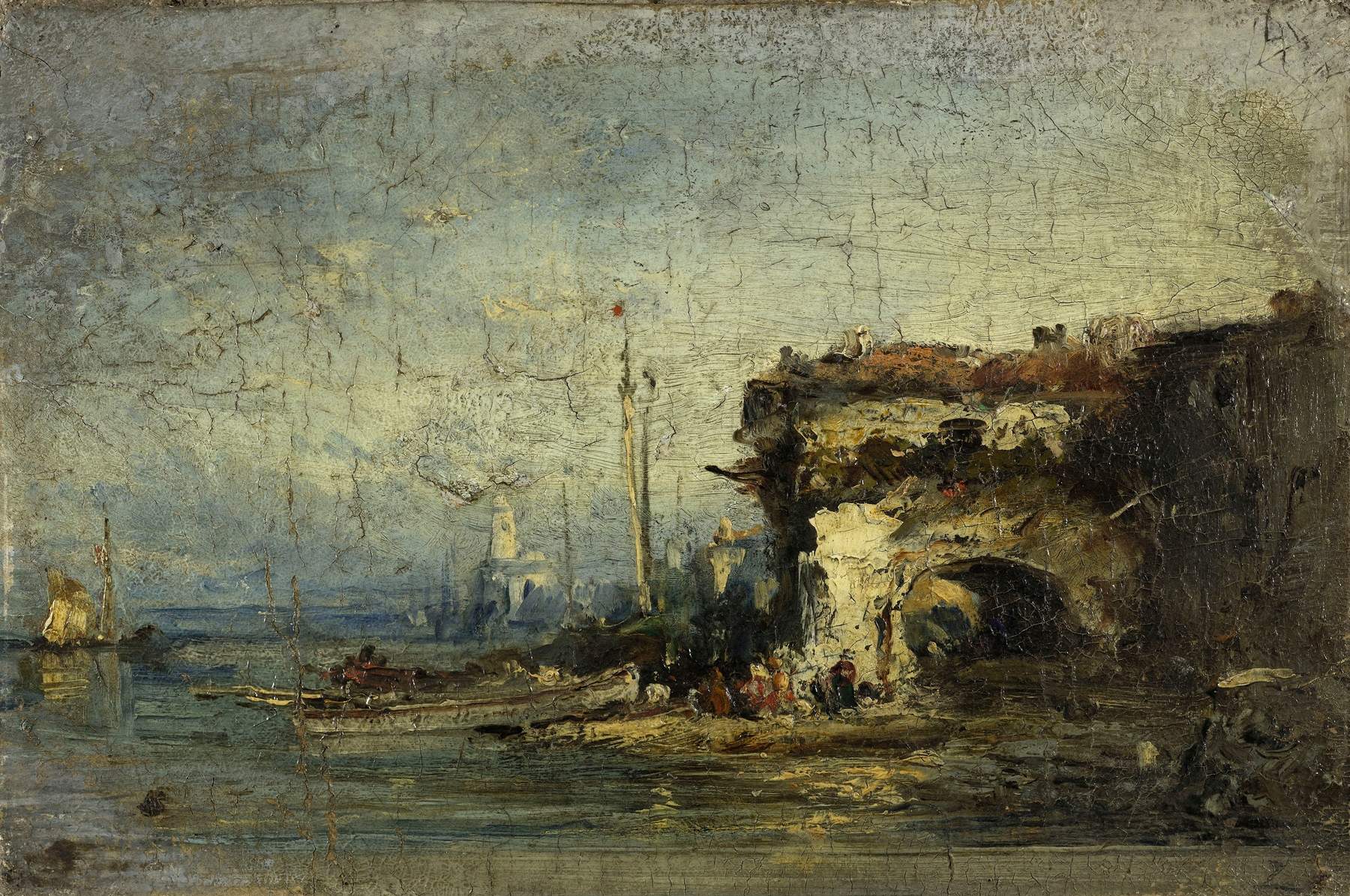
The duality of movement in the water contrasts with the stillness of the architectural marvels that frame the scene, each brushstroke breathing life into the canvas while suggesting an undercurrent of ephemeral beauty. Delve deeper into the interplay of color: the rich blues and golds encapsulate both grandeur and the slow embrace of wear. There’s a bittersweet tension in the way the festivities are depicted; it feels as if every celebration is tinged with the inevitable touch of time's decay. Look closely at the details—a cracked façade on a distant building or the frayed edges of a flag—each element whispers a story of vibrancy slipping into memory, reminding us that even in joy, there lies the shadow of loss.
Félix Ziem created this work during a period when Venice was both a thriving cultural hub and a city grappling with decline. While the exact date remains uncertain, it is likely that he painted this during the late 19th century, a time when the Romantic movement was in full swing and artists sought to capture the emotional resonance of their subjects. Ziem, influenced by his travels and the allure of the Venetian landscape, aimed to blend realism with sentimentality, immortalizing an event that echoed both celebration and nostalgia.