La Maison De Piette À Montfoucault — History & Analysis
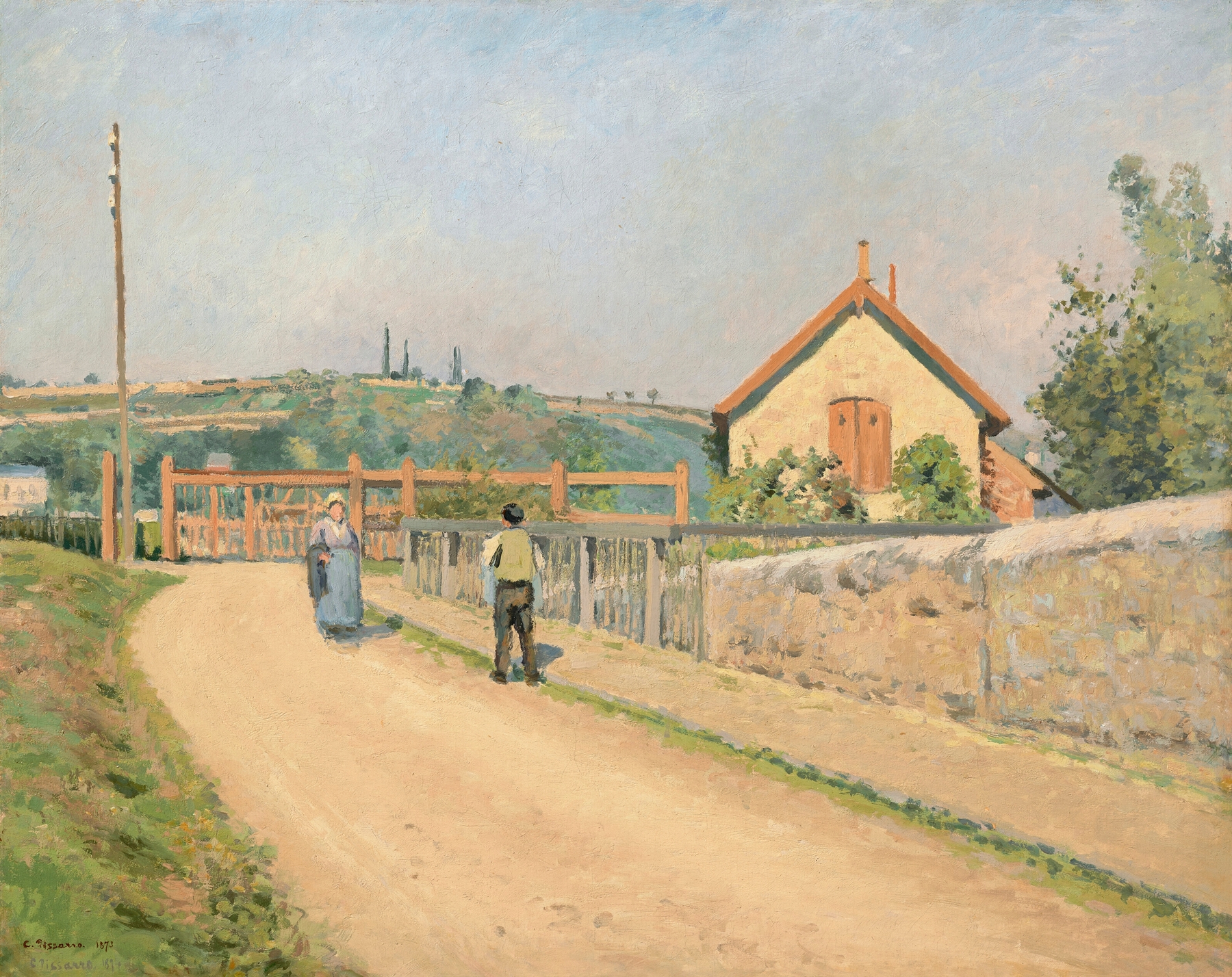
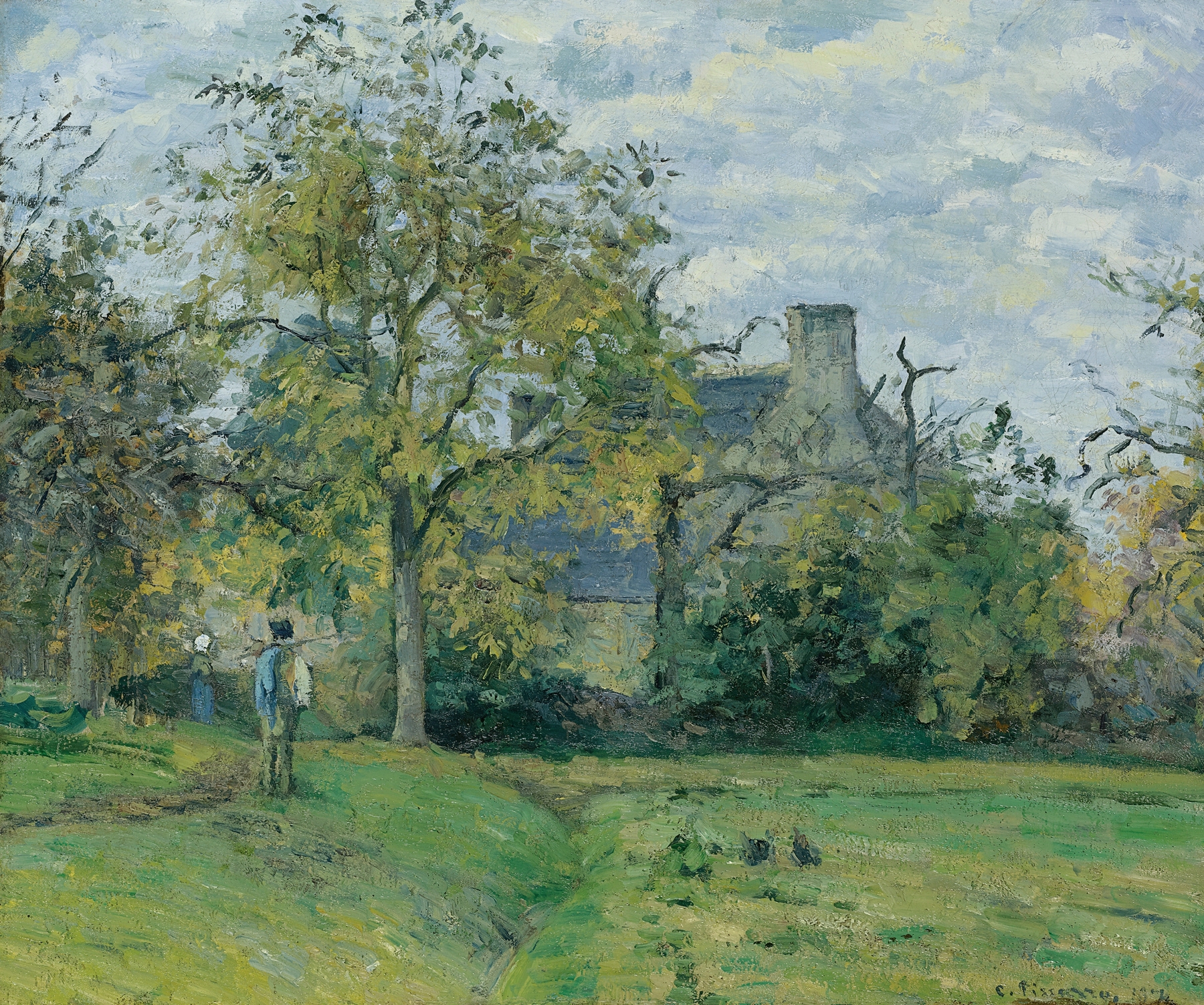
Who listens when art speaks of silence? In La Maison De Piette À Montfoucault, the stillness transcends the canvas, whispering the quiet destinies of a rural landscape. Look to the left at the quaint house, its soft hues inviting you to imagine the lives within. Notice how the gentle brushstrokes create a harmonious blend of greens and browns, capturing the essence of the countryside. The dappled sunlight filters through the trees, casting playful shadows that dance across the scene, enhancing the tranquility and warmth of this idyllic retreat.
The composition, with its deliberate placement of the house amid nature, draws you deeper into a world where time seems to pause. Yet, beneath this serene exterior lies a profound contrast of permanence and transience. The house, a symbol of stability, stands resolute against the shifting seasons, while the fleeting sunlight hints at the inevitable passage of time. This delicate balance evokes a sense of nostalgia, inviting contemplation on the lives that have come and gone, their destinies intertwined with the land.
Each blade of grass and every leaf speaks to the enduring connection between humanity and nature, suggesting themes of legacy and the quiet impact we leave behind. Camille Pissarro painted this work in 1874 during a pivotal time in his life, as he began to embrace Impressionism. Living in rural France, he sought to capture the beauty of everyday scenes, influenced by the evolving art world around him. This painting not only reflects his personal journey but also marks a moment when artists were redefining their relationship with nature and light, seeking to express the essence of life in all its silent complexities.