La Moisson (Les Moyettes) — History & Analysis
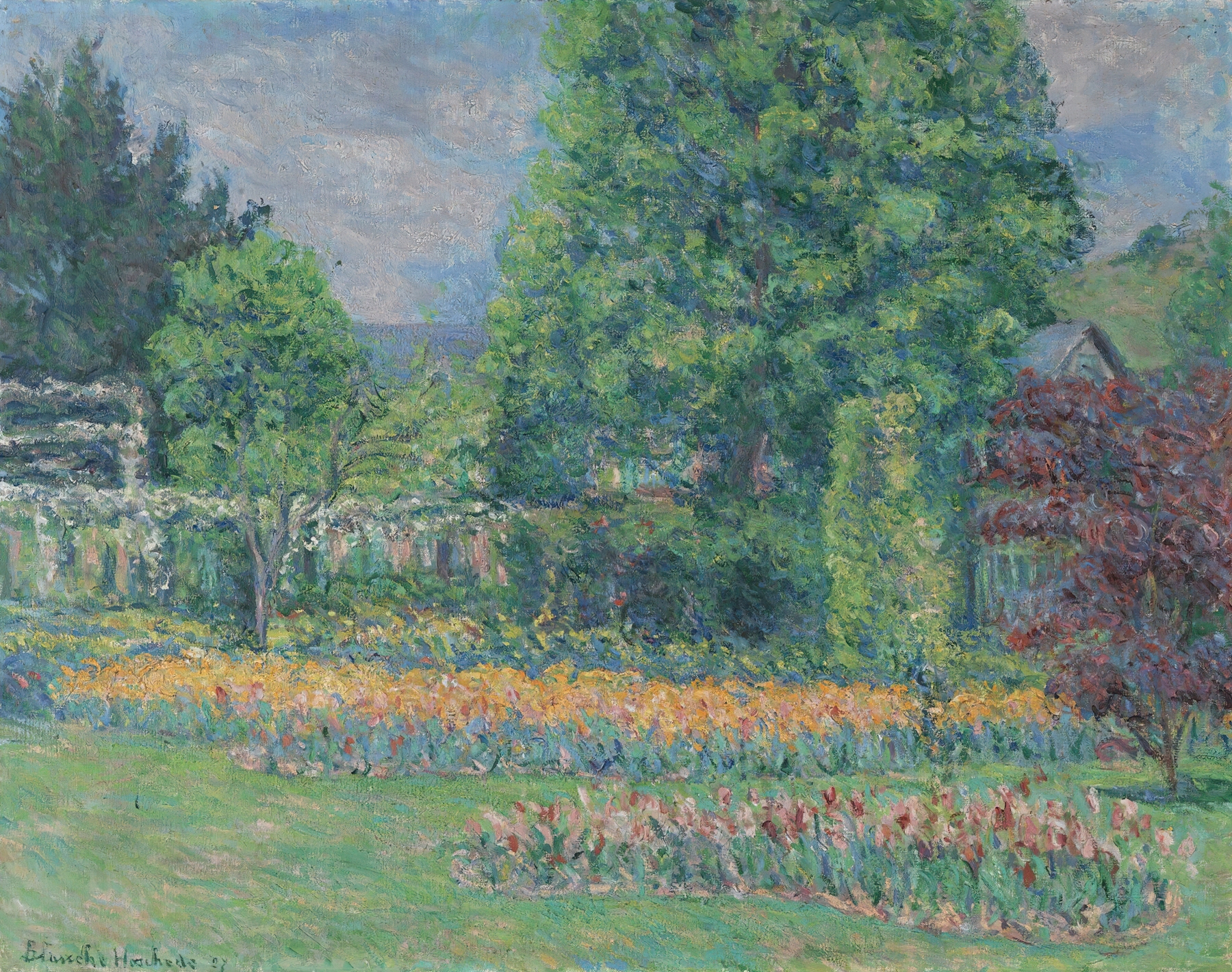
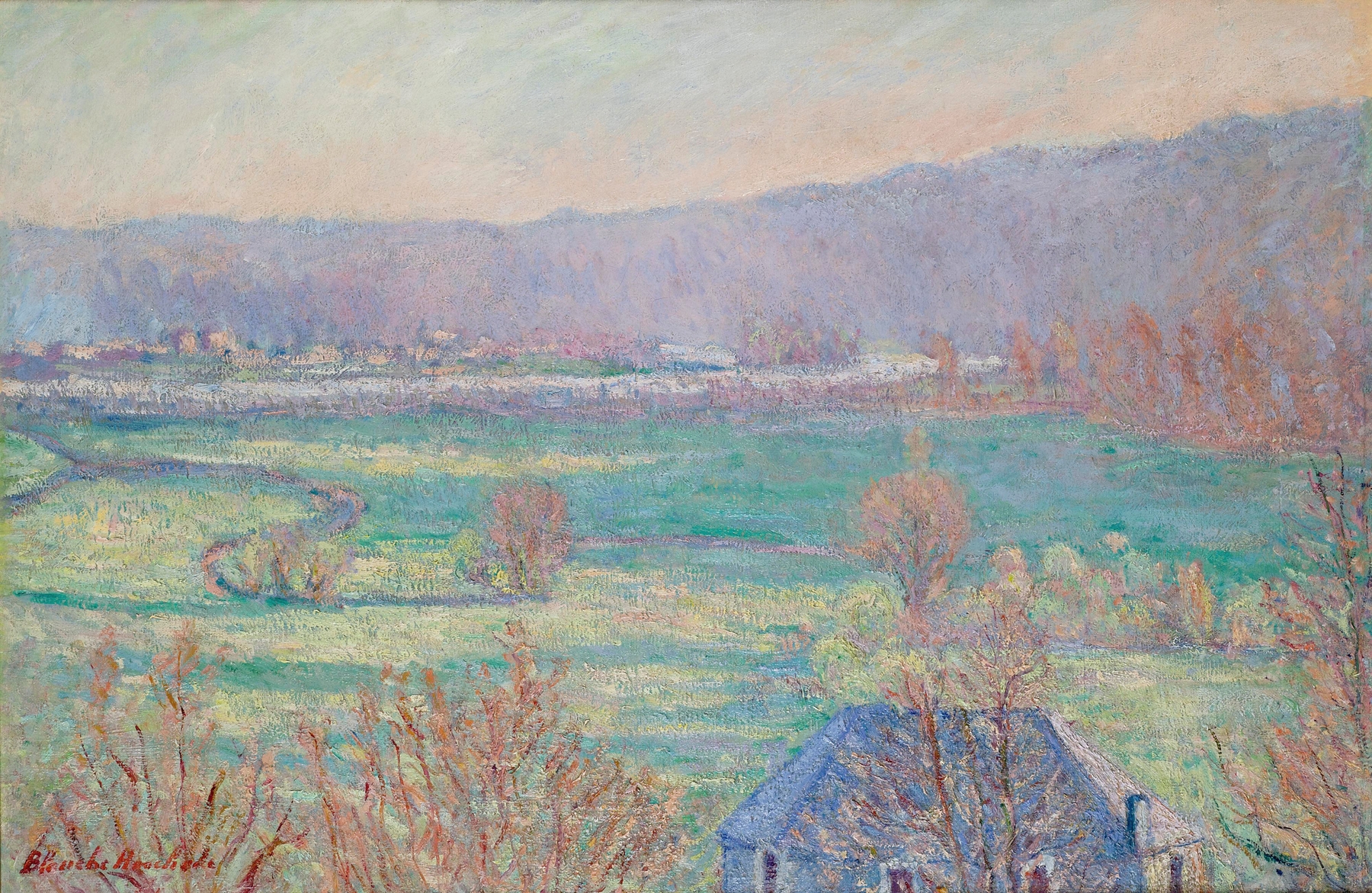
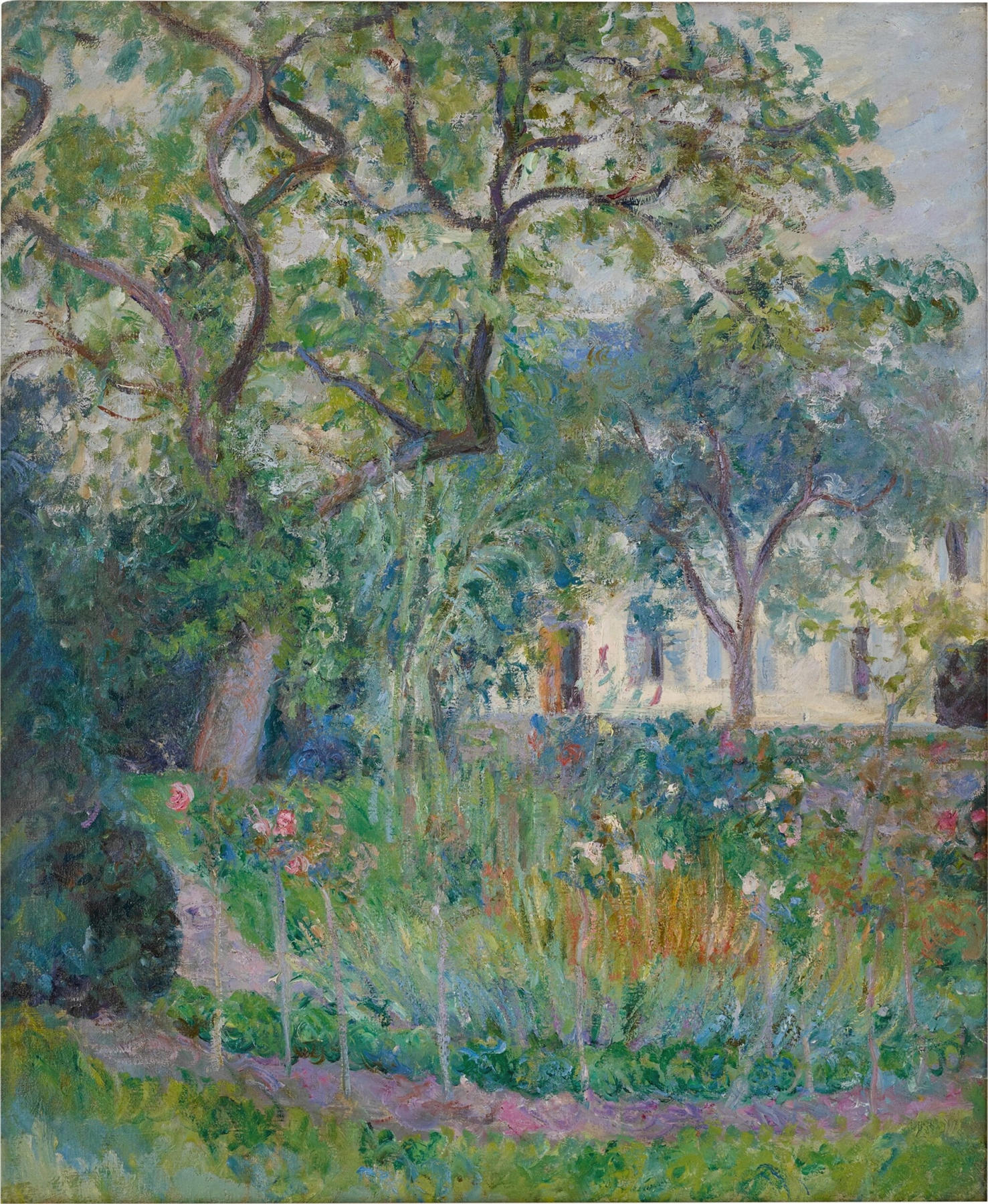
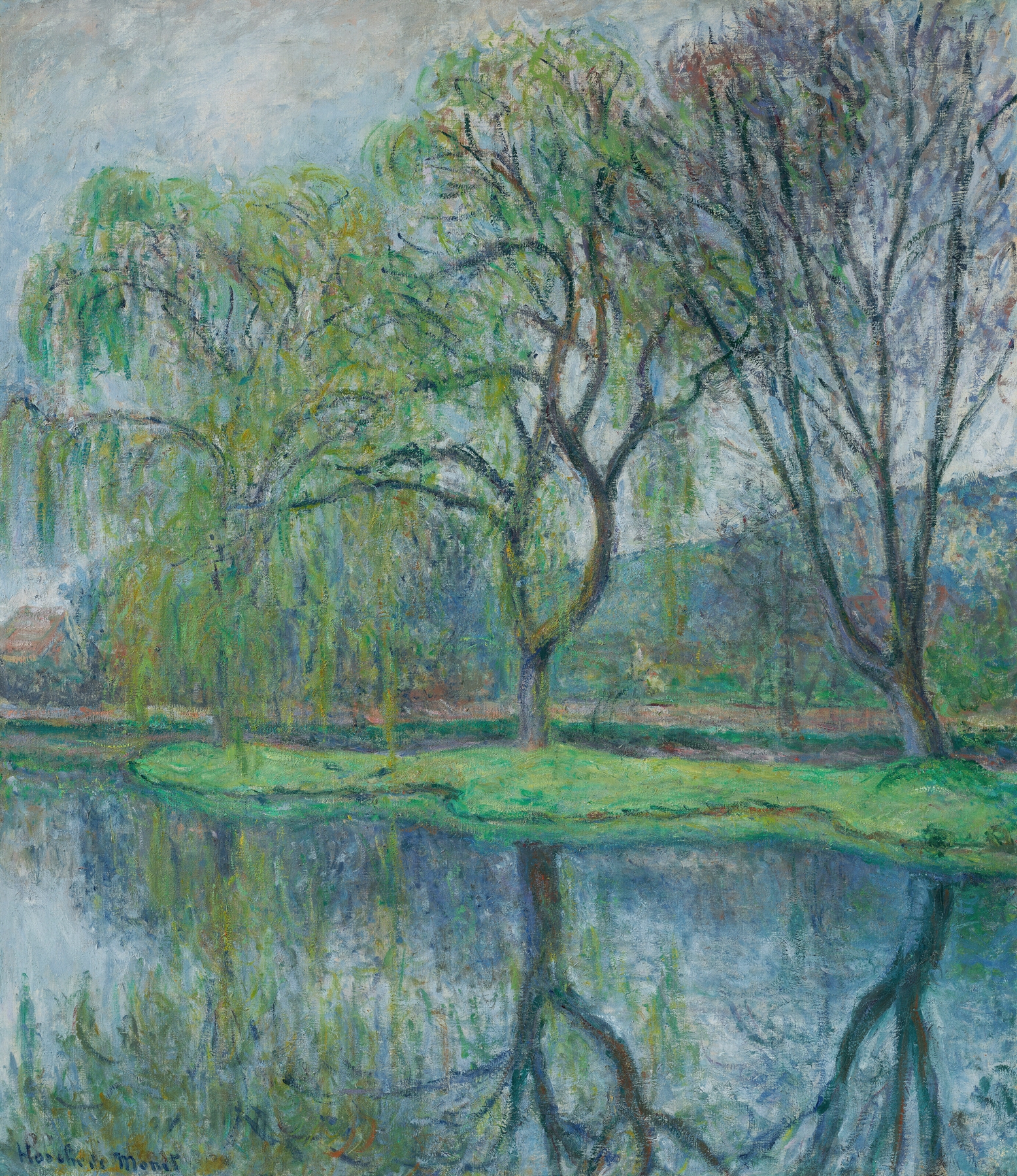
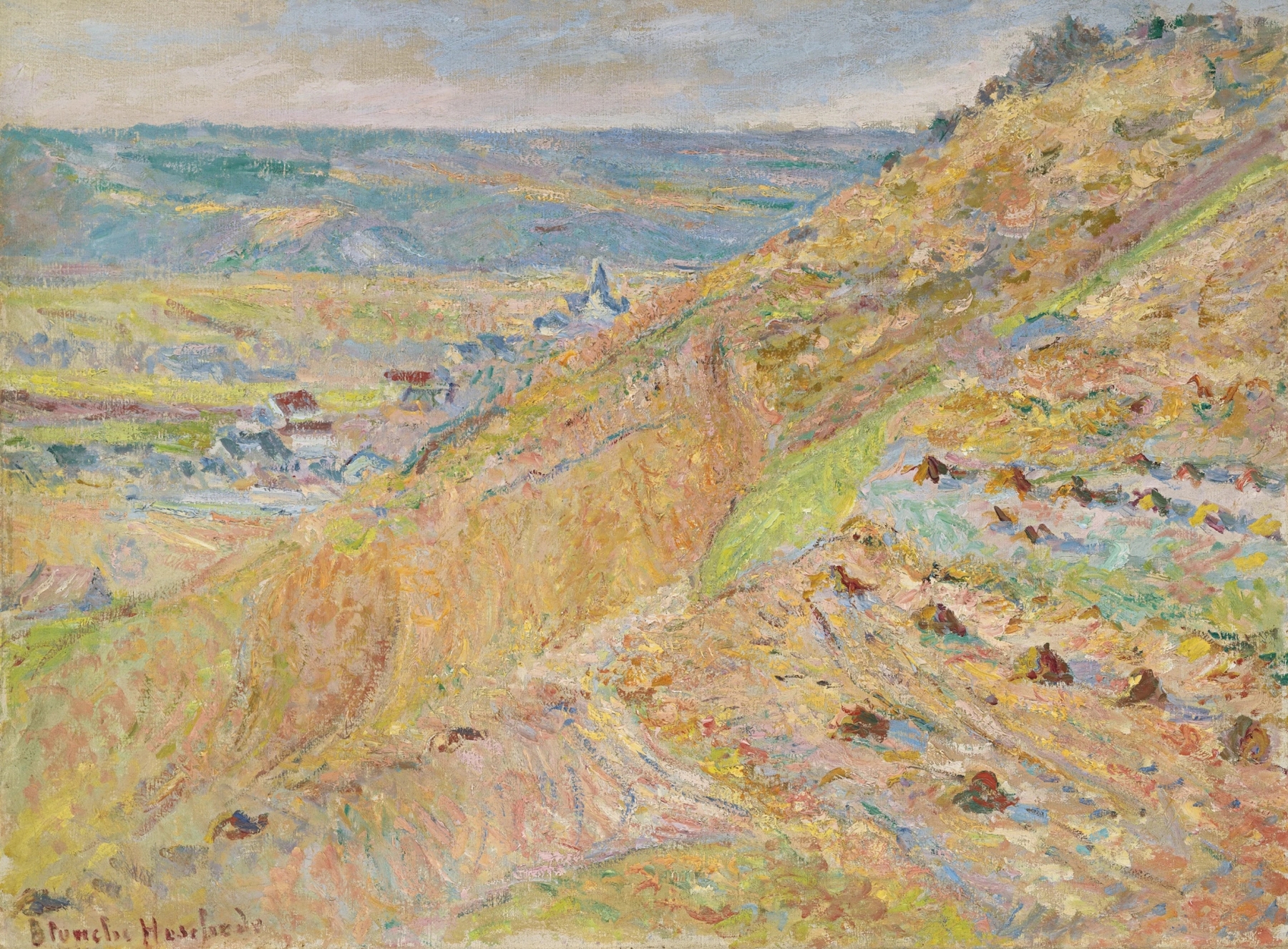
“Every brushstroke is a heartbeat remembered.” In the stillness of an endless summer, the act of harvesting becomes a tender dance with nature, a nostalgic longing captured on canvas. Look to the left, where the golden wheat fields stretch toward the horizon, their rippling waves reflecting the soft glow of the sun. The artist employs a vibrant palette of yellows and greens, creating a rich tapestry that invites the viewer to step into this pastoral symphony. Notice how the figures, mere silhouettes against the brilliance of nature, bend and sway with the rhythm of their labor, their movements echoing the harmony between humanity and the earth.
There’s a contrast between the vibrancy of the harvest and the quiet resilience of the laborers, suggesting a deeper connection with the cycle of life. The wind whispers through the grass, a reminder of the passage of time, while the figures seem to embody both a sense of fulfillment and a poignant yearning for a simpler existence. This juxtaposition evokes an emotional tension that binds us to both the joy of abundance and the bittersweet nature of toil.
Blanche Hoschedé-Monet painted this piece in 1885, during a time when she was deeply influenced by the Impressionist movement. Living in Giverny, she was surrounded by fellow artists, including her stepfather, Claude Monet, who encouraged her exploration of light and landscape. At this juncture, she was establishing her own voice in a world where art increasingly sought to capture fleeting moments and the essence of everyday life.