L’entrée Du Village — History & Analysis
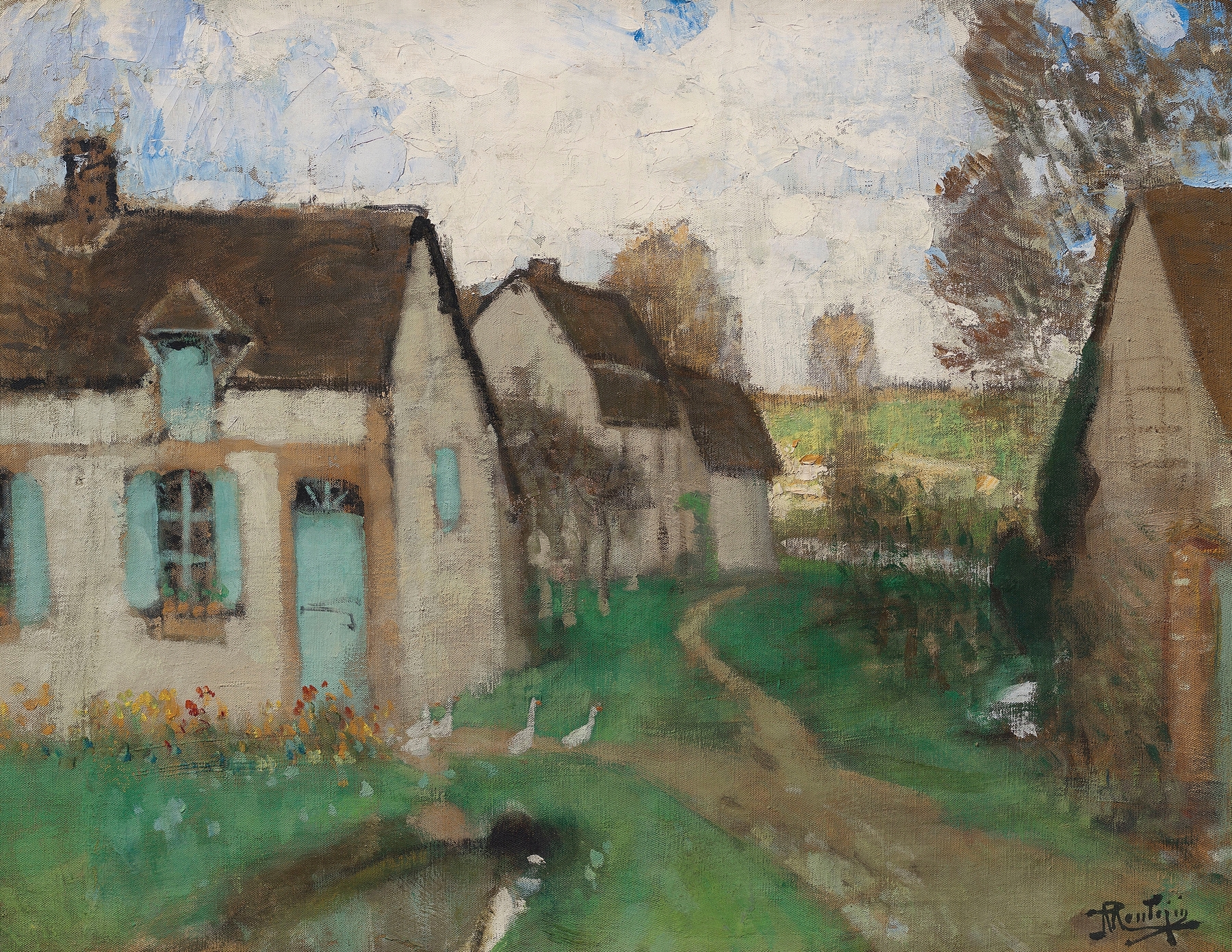
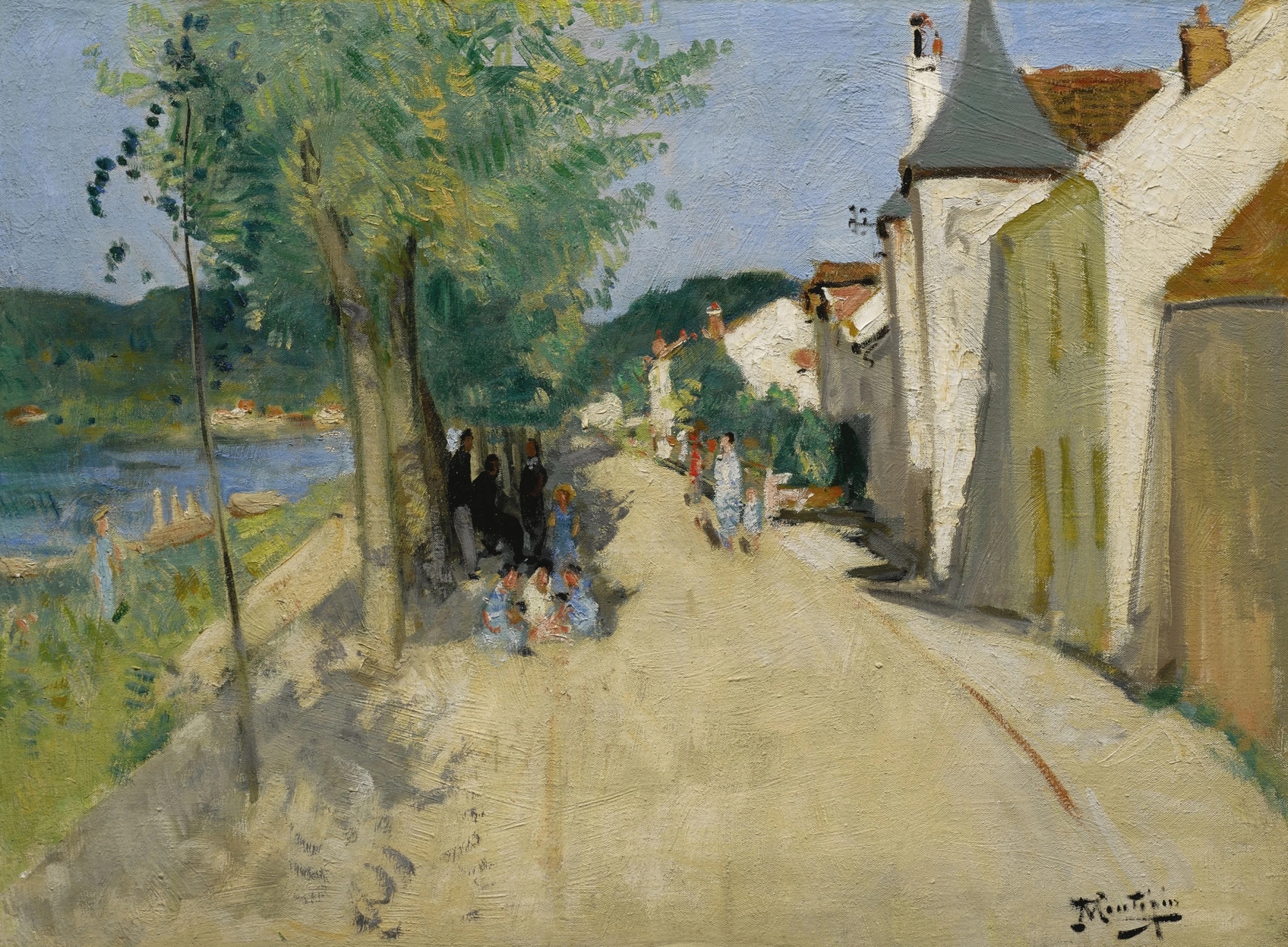
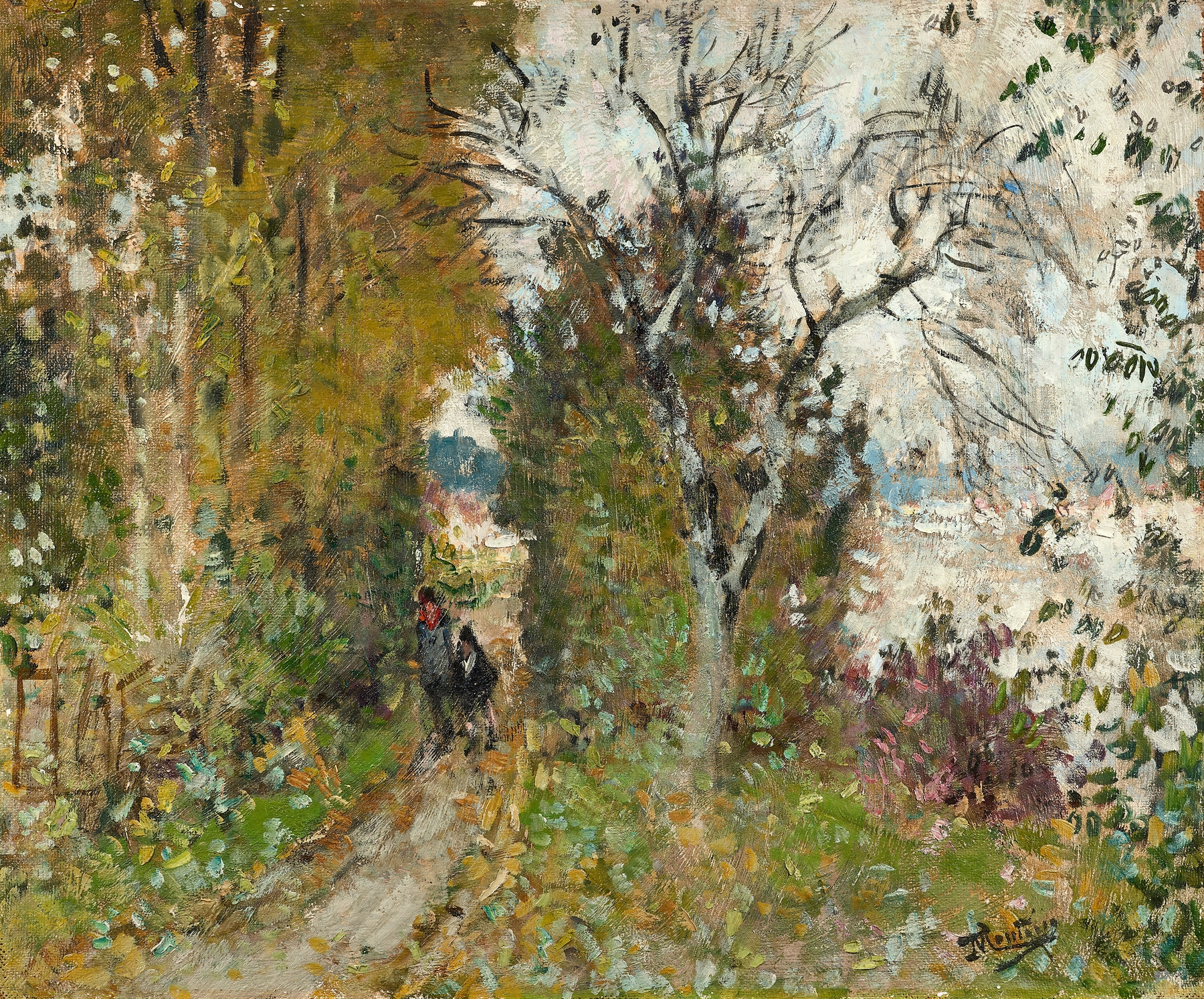
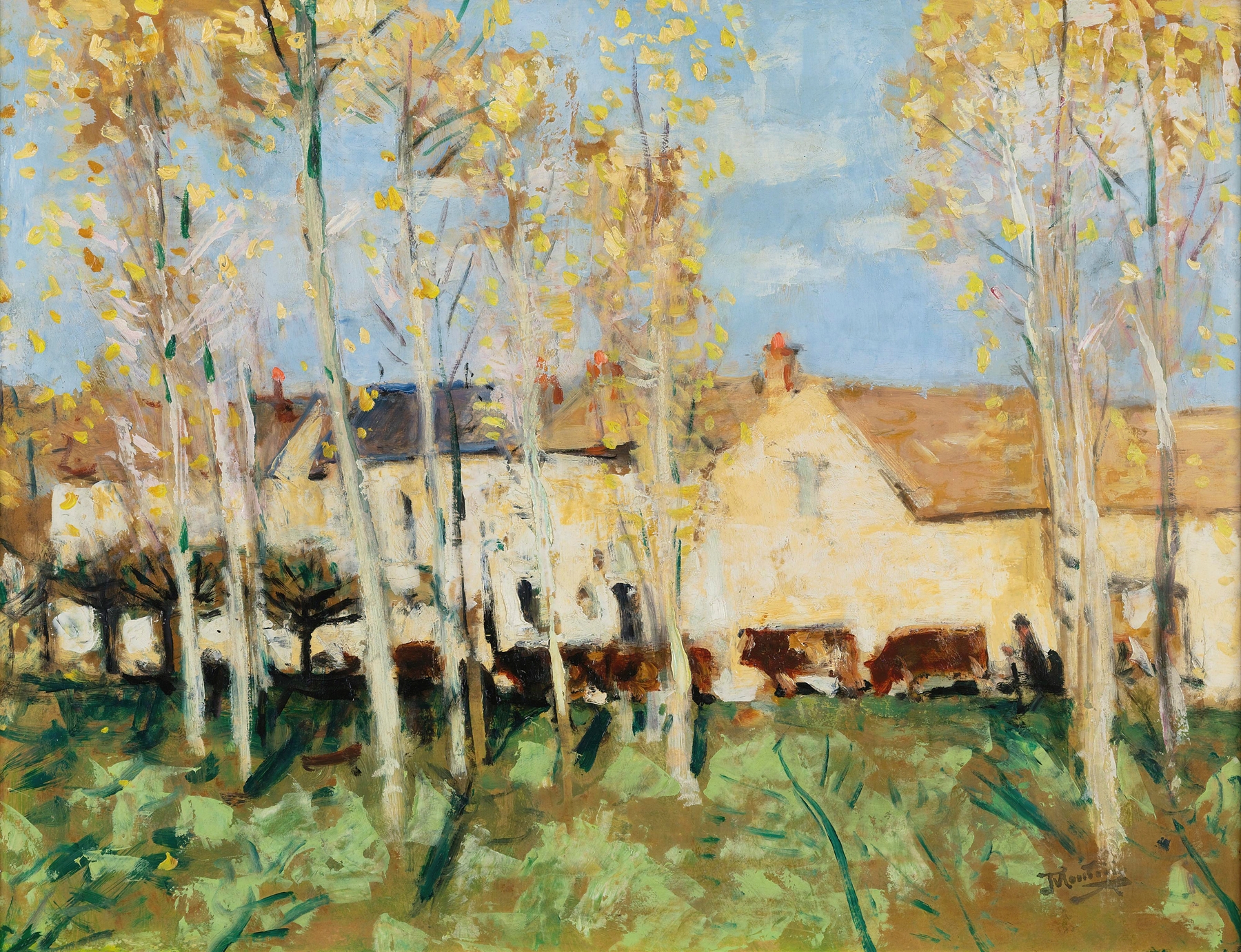
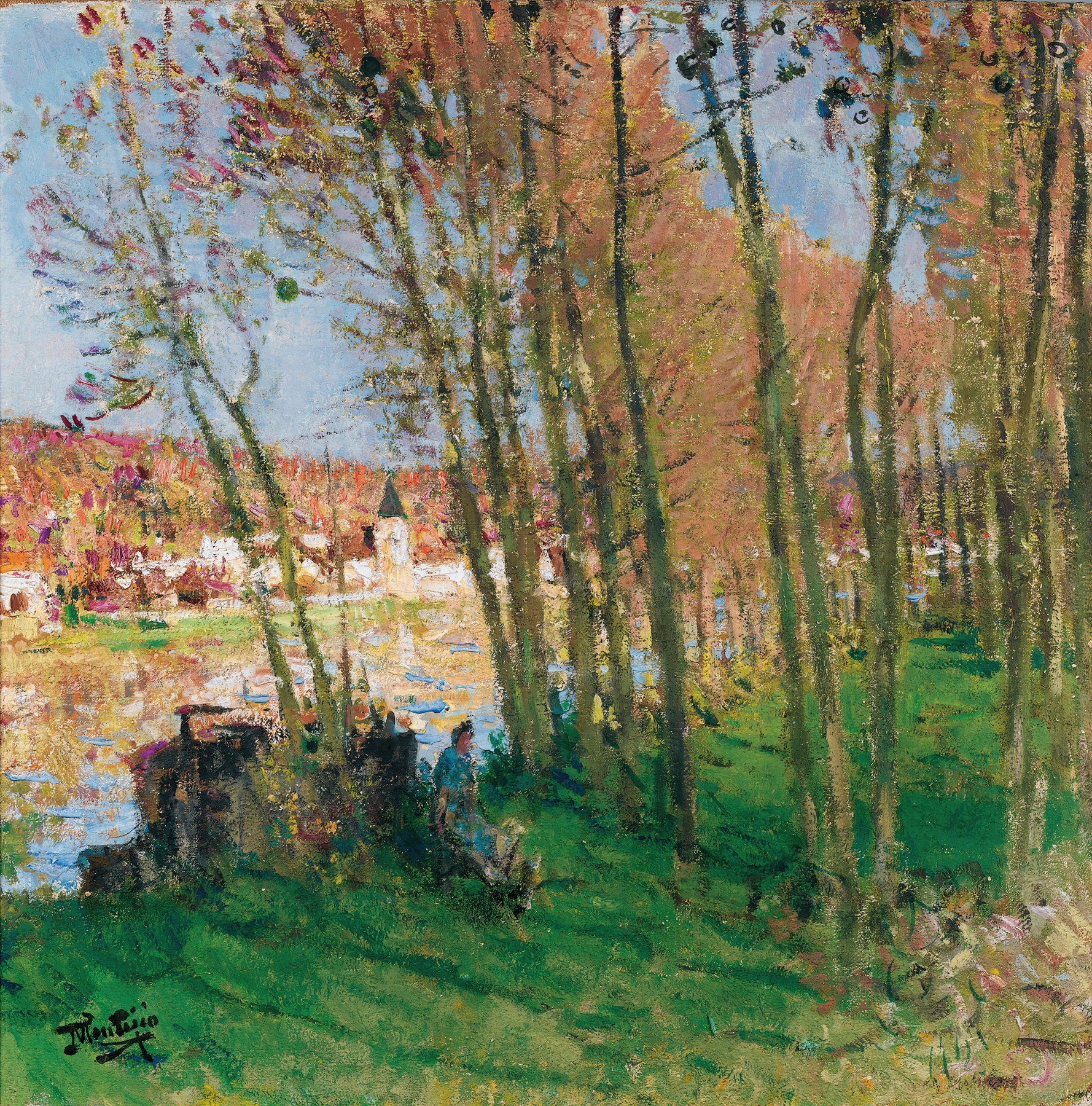
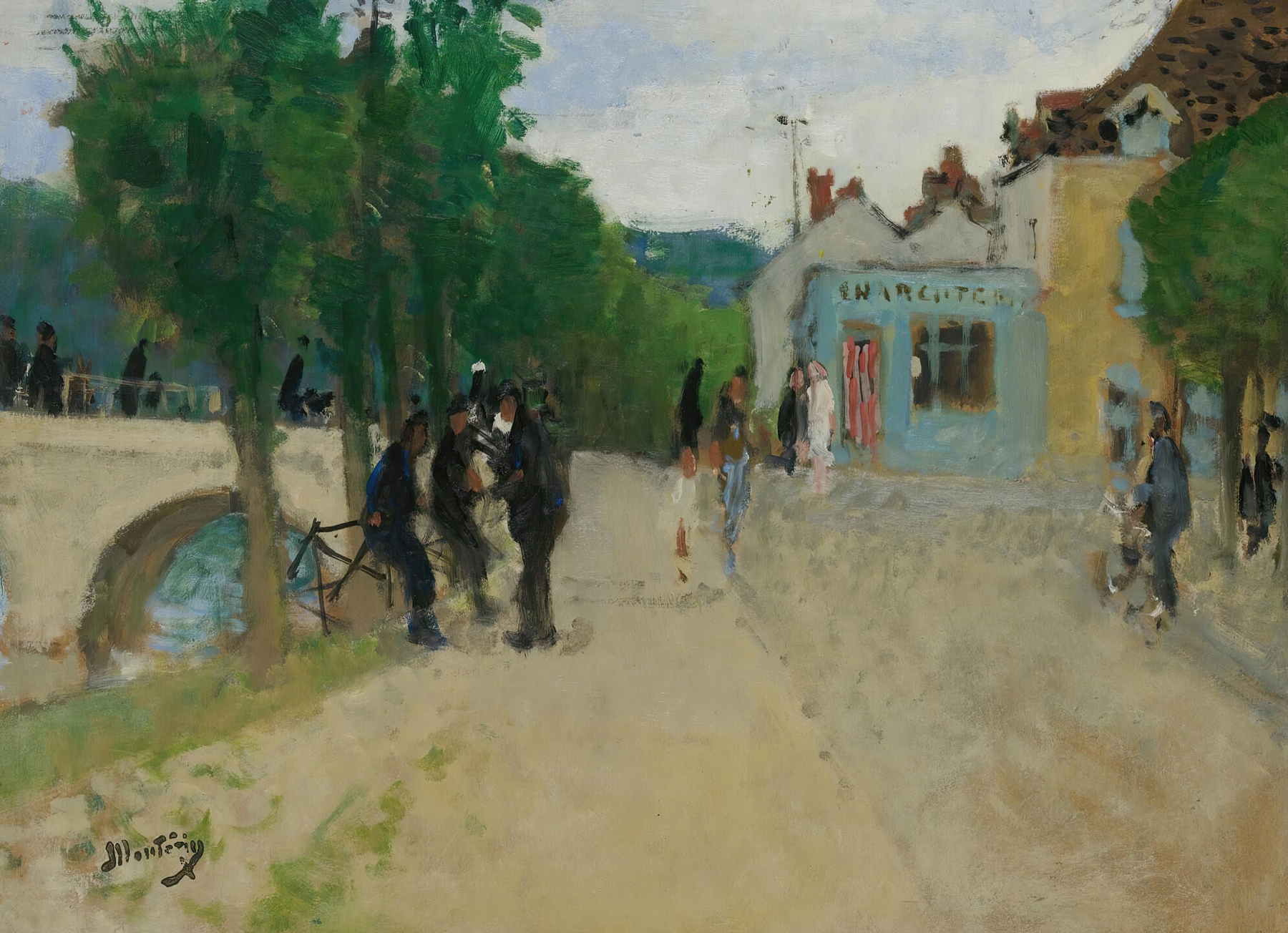
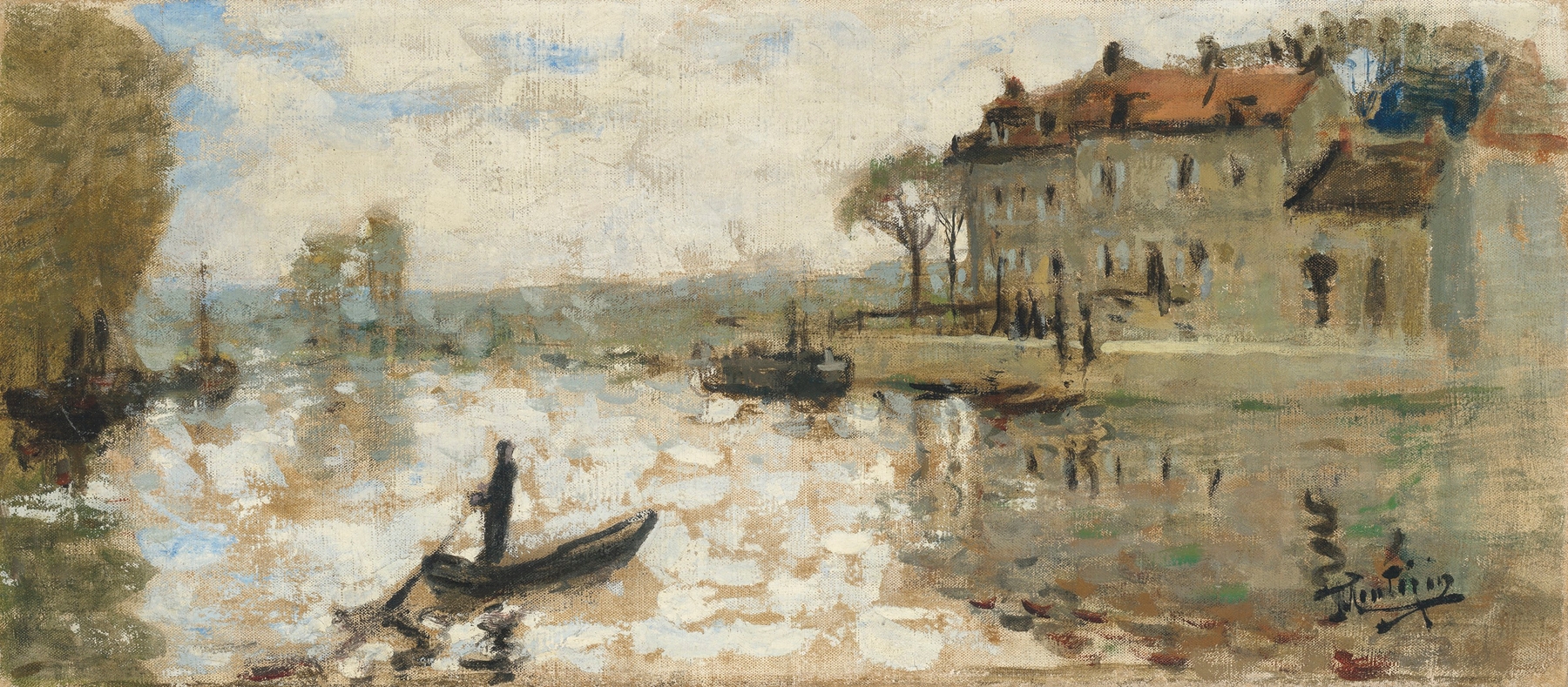
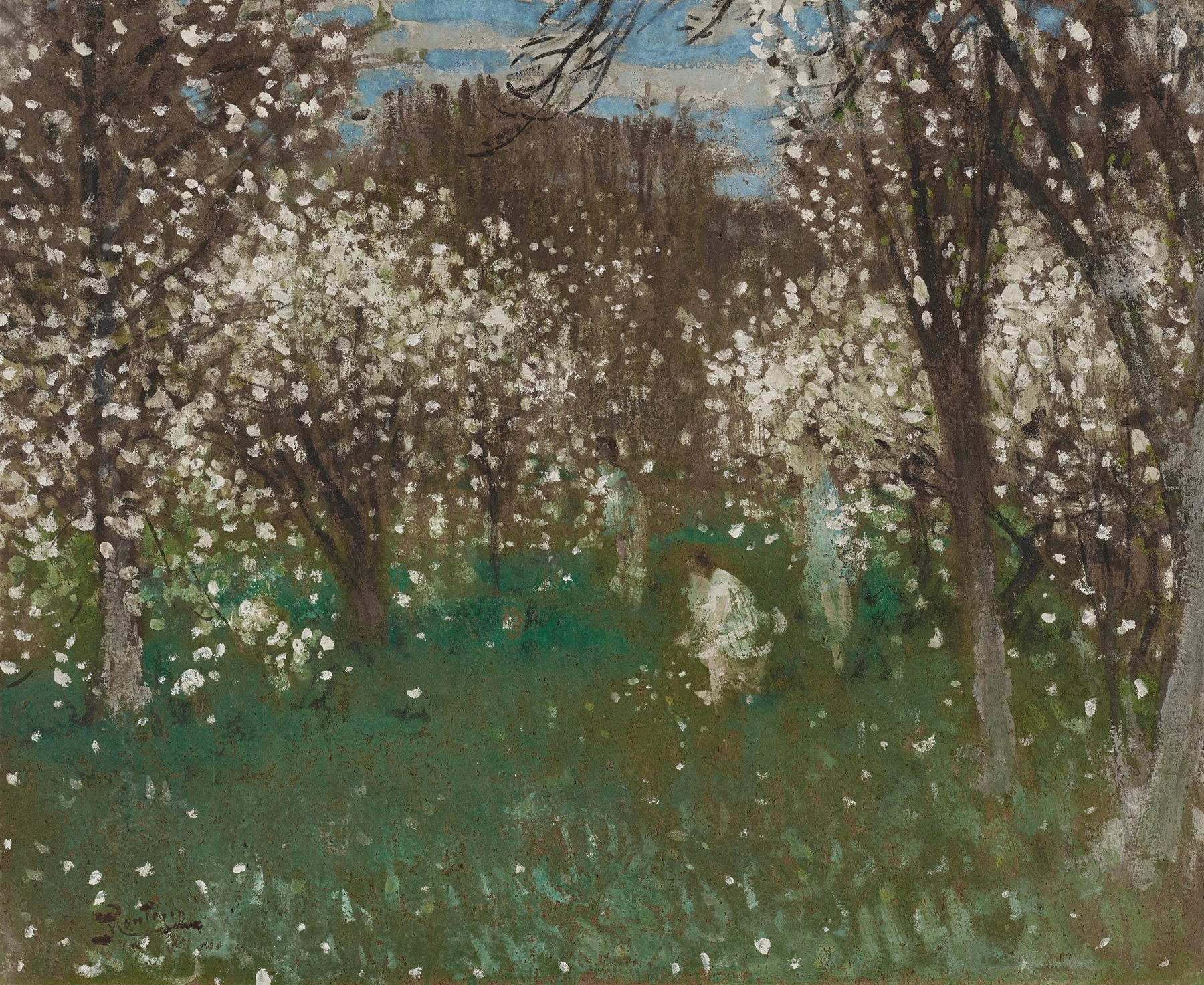
Could beauty survive in a century of chaos? In L’entrée Du Village, an idyllic moment stands as a silent testament to resilience amidst uncertainty. The vibrant landscape seems to pulse with life, yet a lingering sense of unease hovers, suggesting that even within tranquility, fear can quietly gestate. Look to the left at the dense clusters of trees, their leaves whispering secrets to one another. The brushstrokes create a sense of movement, almost as if the foliage breathes with the wind.
Notice how the sunlight filters through the branches, casting delicate shadows on the cobbled path that draws the viewer into the heart of the village. The colors—gentle greens, warm yellows, and soft browns—invoke a pastoral calm, yet beneath this beauty lies an undercurrent of tension, as if the village holds its breath in anticipation. In this work, the contrasting elements of serenity and latent fear collide. The inviting village is framed by encroaching shadows, signaling an unknown threat that lurks just beyond the canvas. The gathering clouds overhead cast a slight gloom, hinting that this perfect scene might be fleeting.
It compels us to reflect on the fragility of beauty when faced with broader turmoil—how one can find comfort amid the chaos, yet remain acutely aware of its presence. Painted during an era of great upheaval, Montézin created L’entrée Du Village amidst the social and political changes sweeping France in the early 20th century. While traditional forms of art were being challenged, he sought to preserve the beauty of everyday life, grounding his work in the familiar landscapes of his youth. This painting serves as both a celebration and a solemn reminder of the delicate balance between peace and fear during tumultuous times.