La roseraie à Giverny — History & Analysis
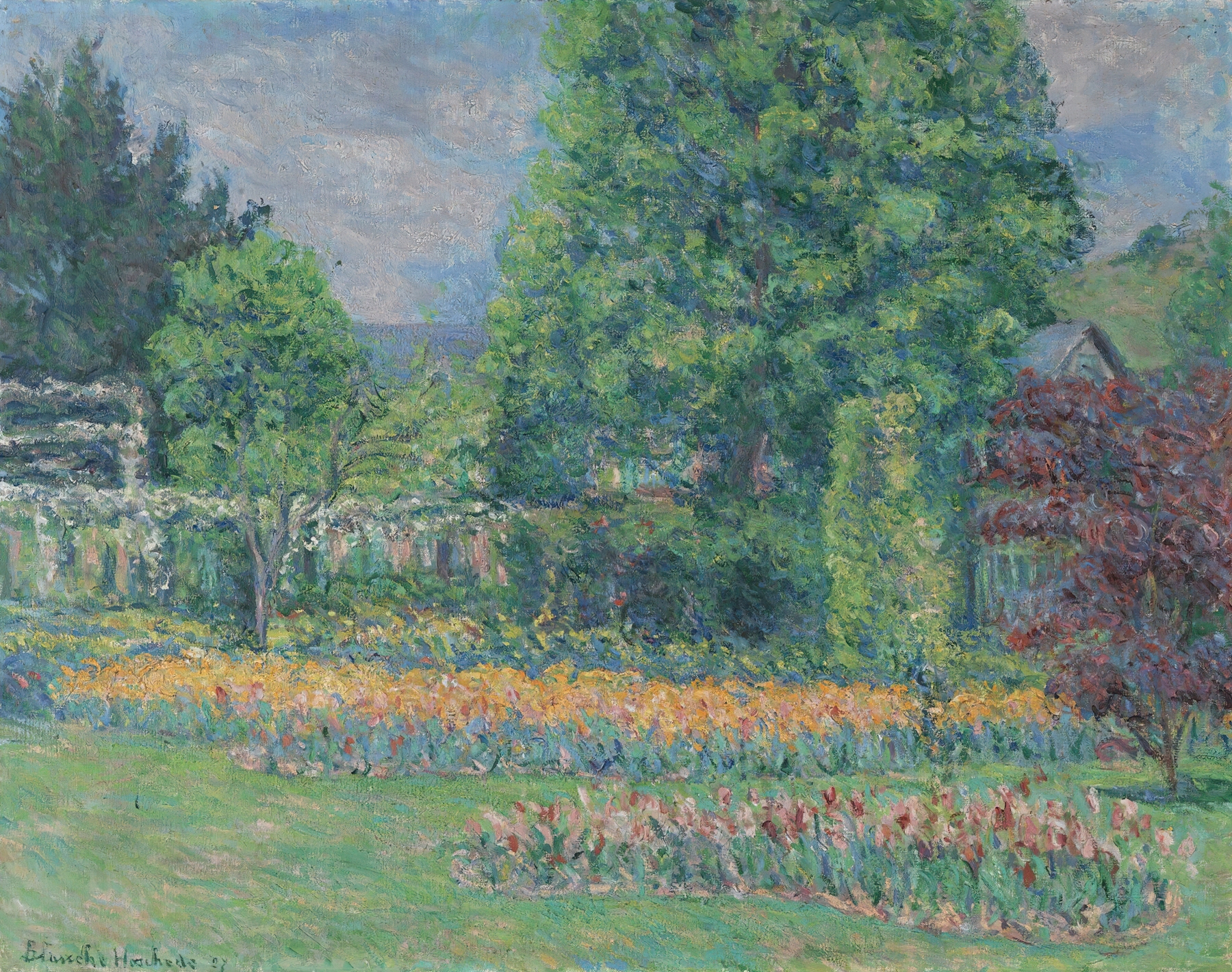
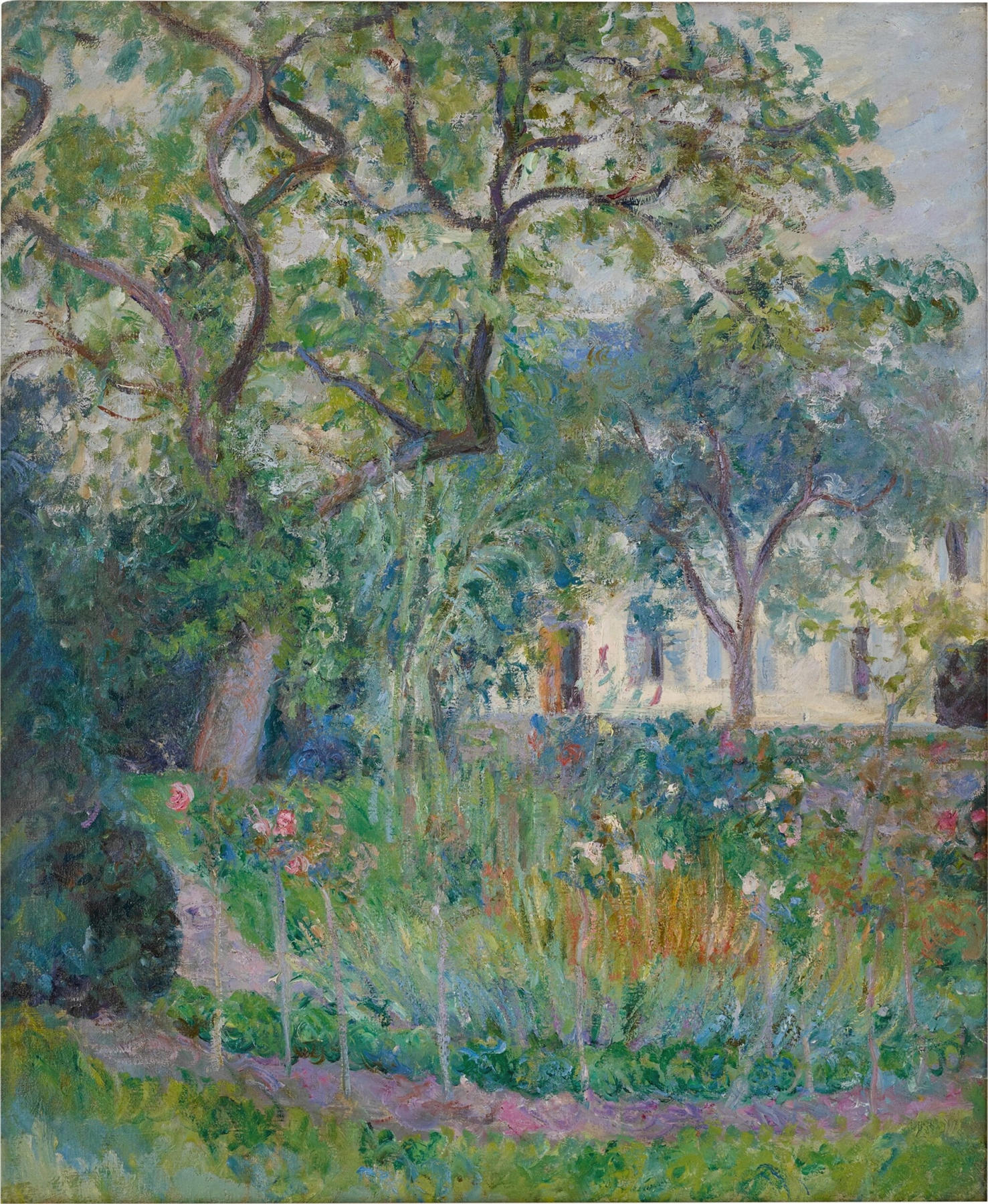
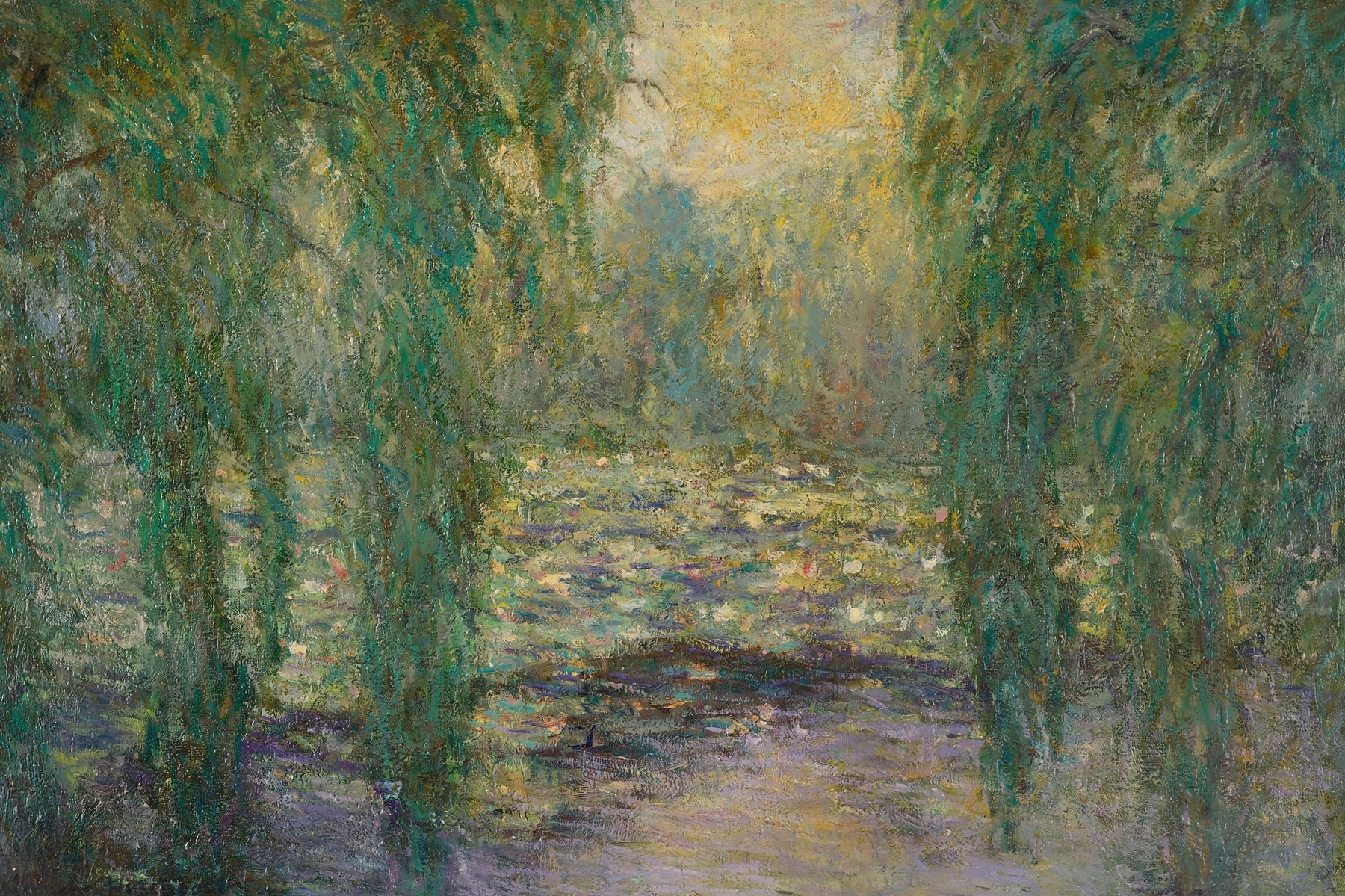
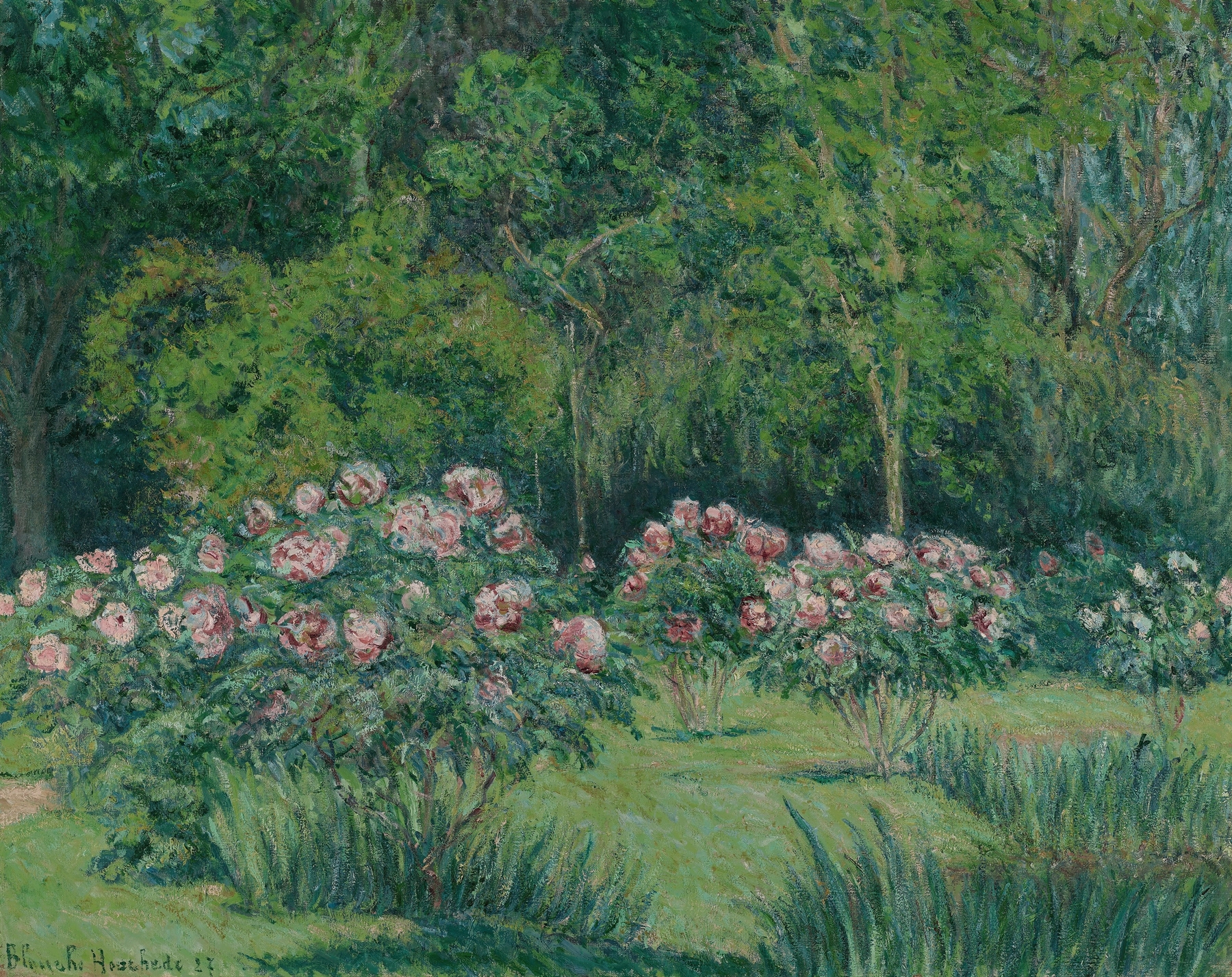
“Art reveals the soul when the world turns away.” In the delicate embrace of color and form, yearning finds its voice, a quiet longing woven into the very fabric of the canvas. Look to the lush greens that cradle the blooming roses, their petals a cascade of soft pinks and whites against the vibrant backdrop. Notice how the brushstrokes dance lightly across the surface, each stroke breathing life into the scene, inviting the viewer to plunge into the intimacy of a garden in full bloom. The play of light filters through the foliage, creating a gentle warmth that envelops the viewer, suggesting a moment of tranquility amidst nature’s chaos.
Upon closer inspection, the juxtaposition of light and shadow speaks volumes, echoing the tension between fleeting beauty and the passage of time. The vividness of the flowers contrasts with the quiet corners of deep green, hinting at secrets hidden in the garden’s embrace. This tension between bloom and decay resonates deeply, evoking a sense of nostalgia for the ephemeral nature of life and love.
Blanche Hoschedé-Monet created this enchanting piece during her years at Giverny, a time of personal exploration and artistic development. As a close associate of Claude Monet, she was surrounded by the Impressionist movement, which was redefining the boundaries of art. In this fertile environment, she captured her reflections on nature, marking her unique voice amid the blooming gardens that surrounded her.