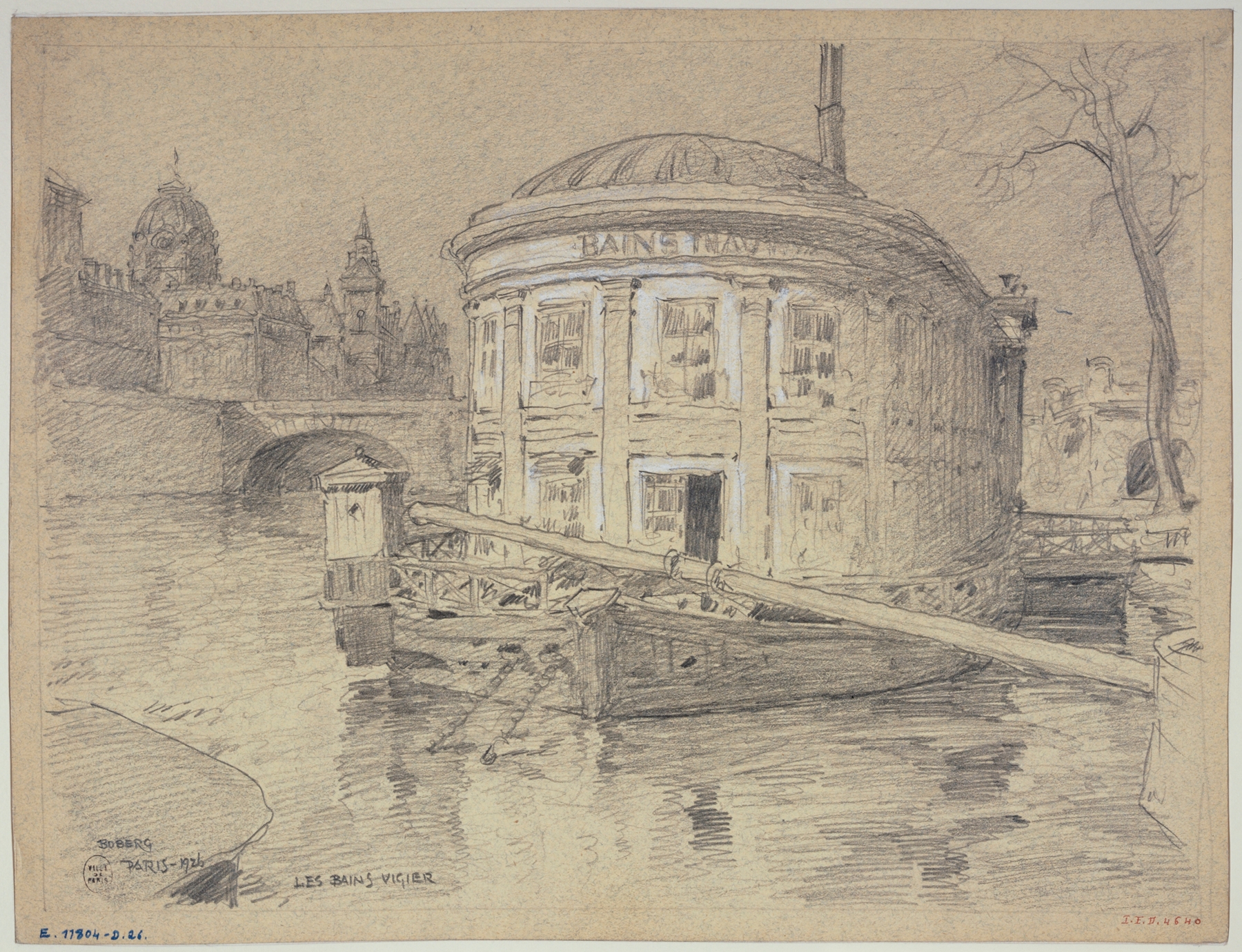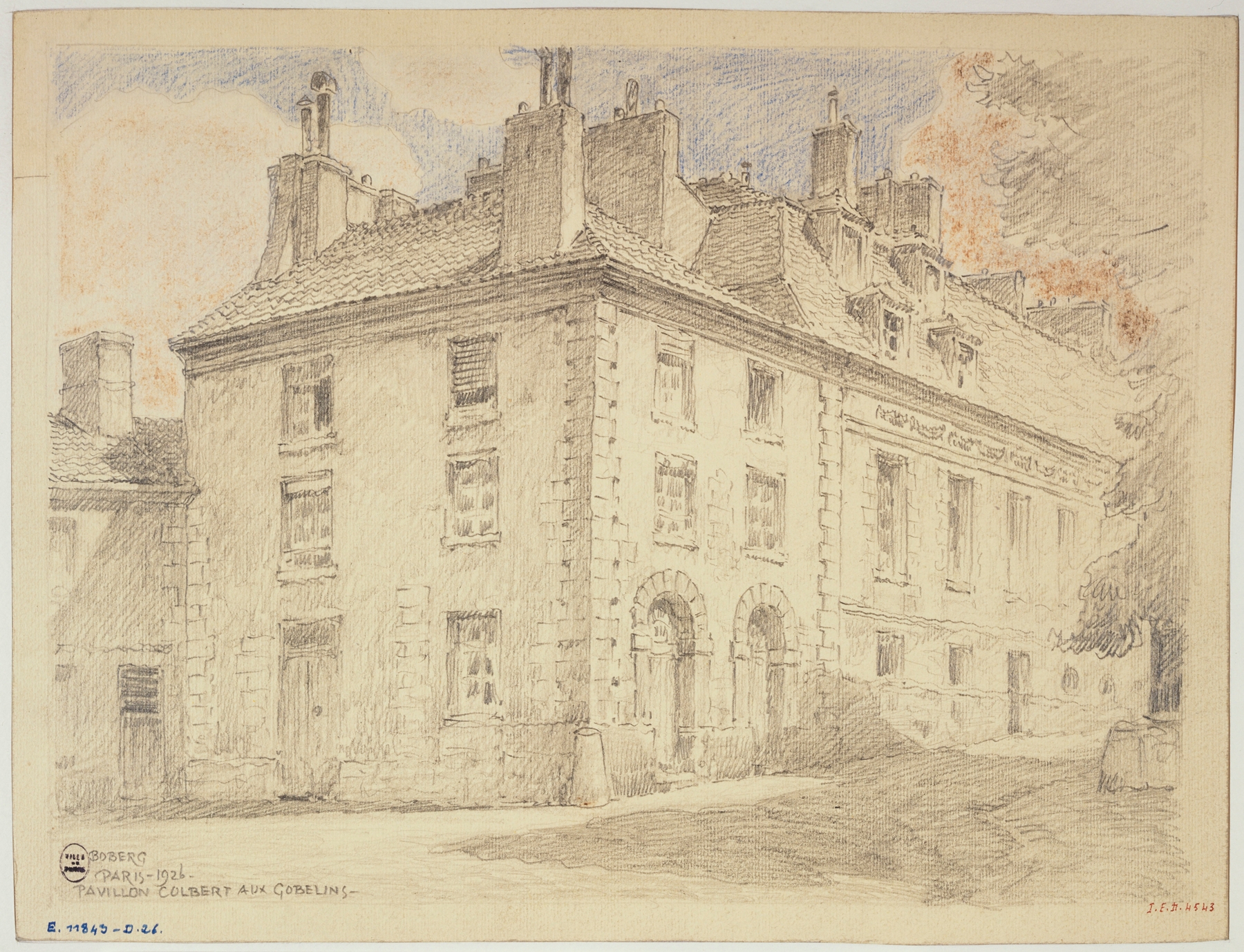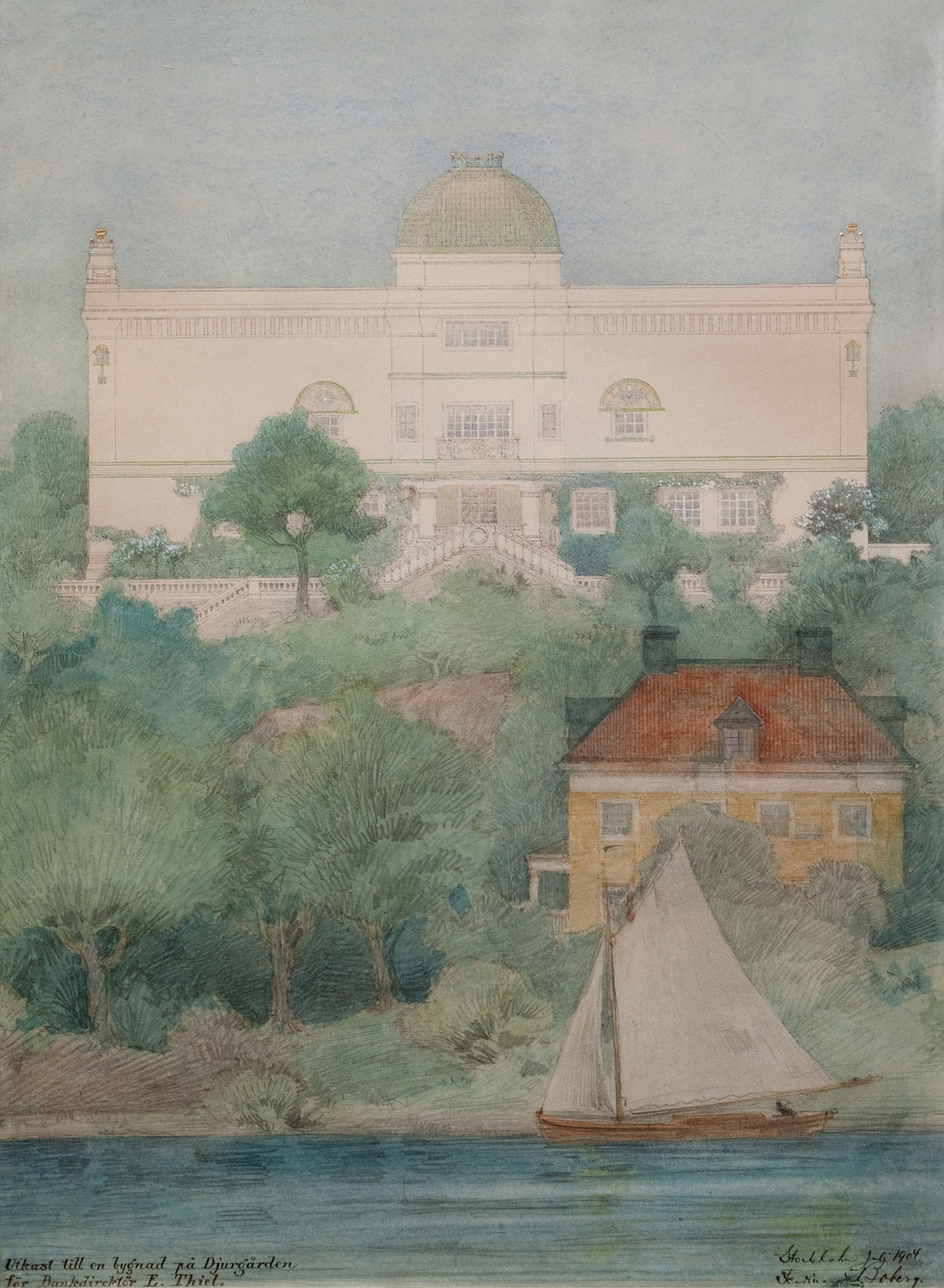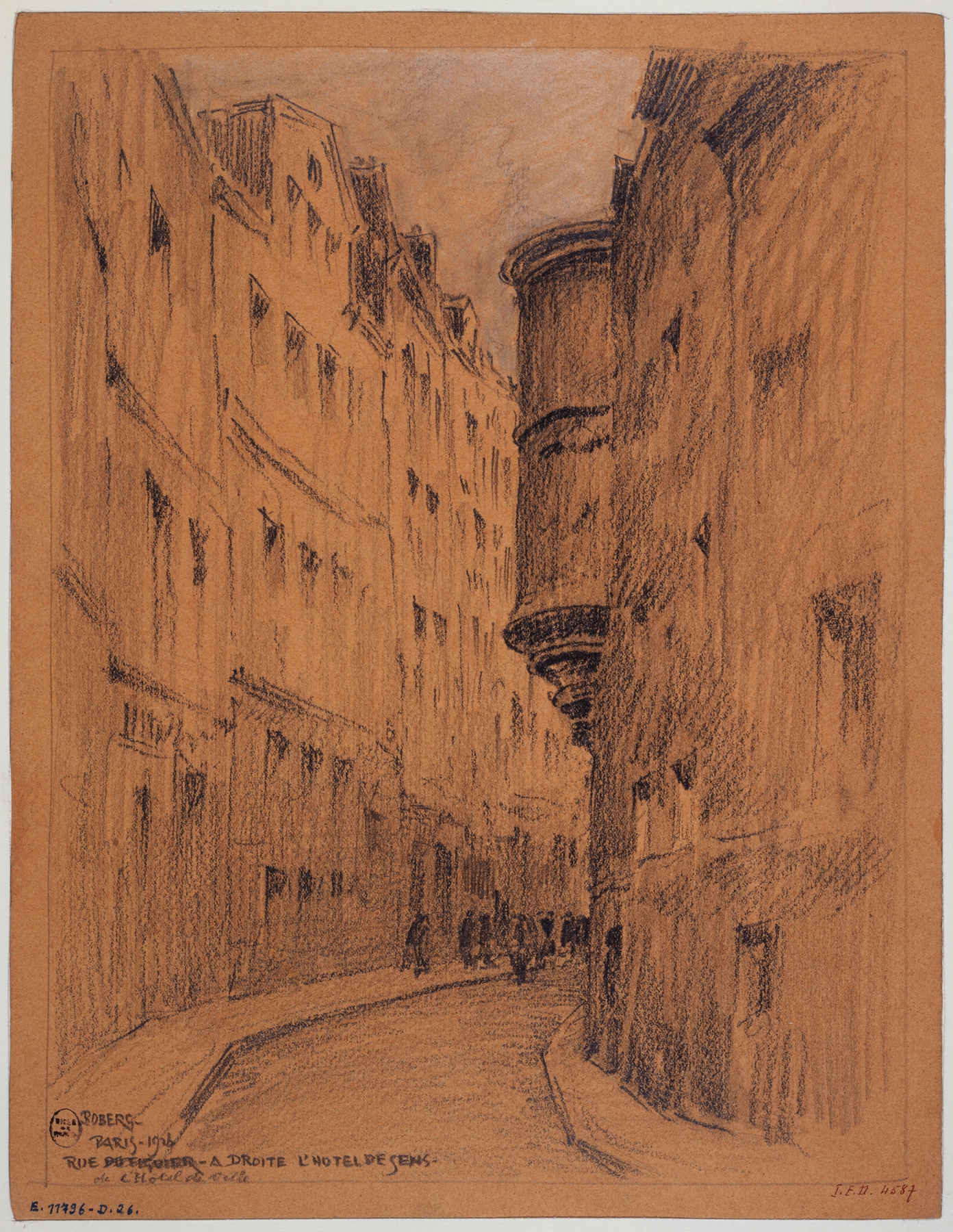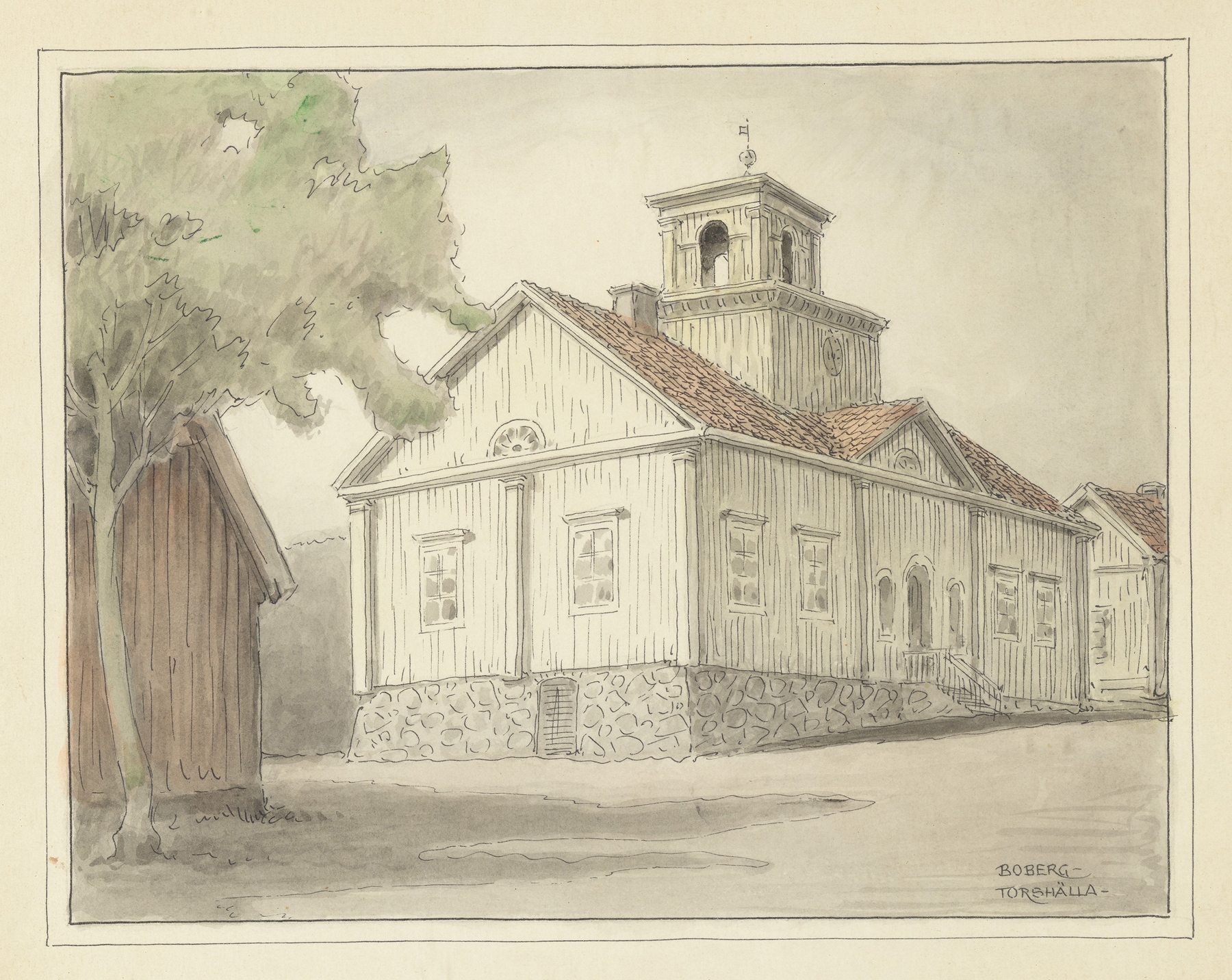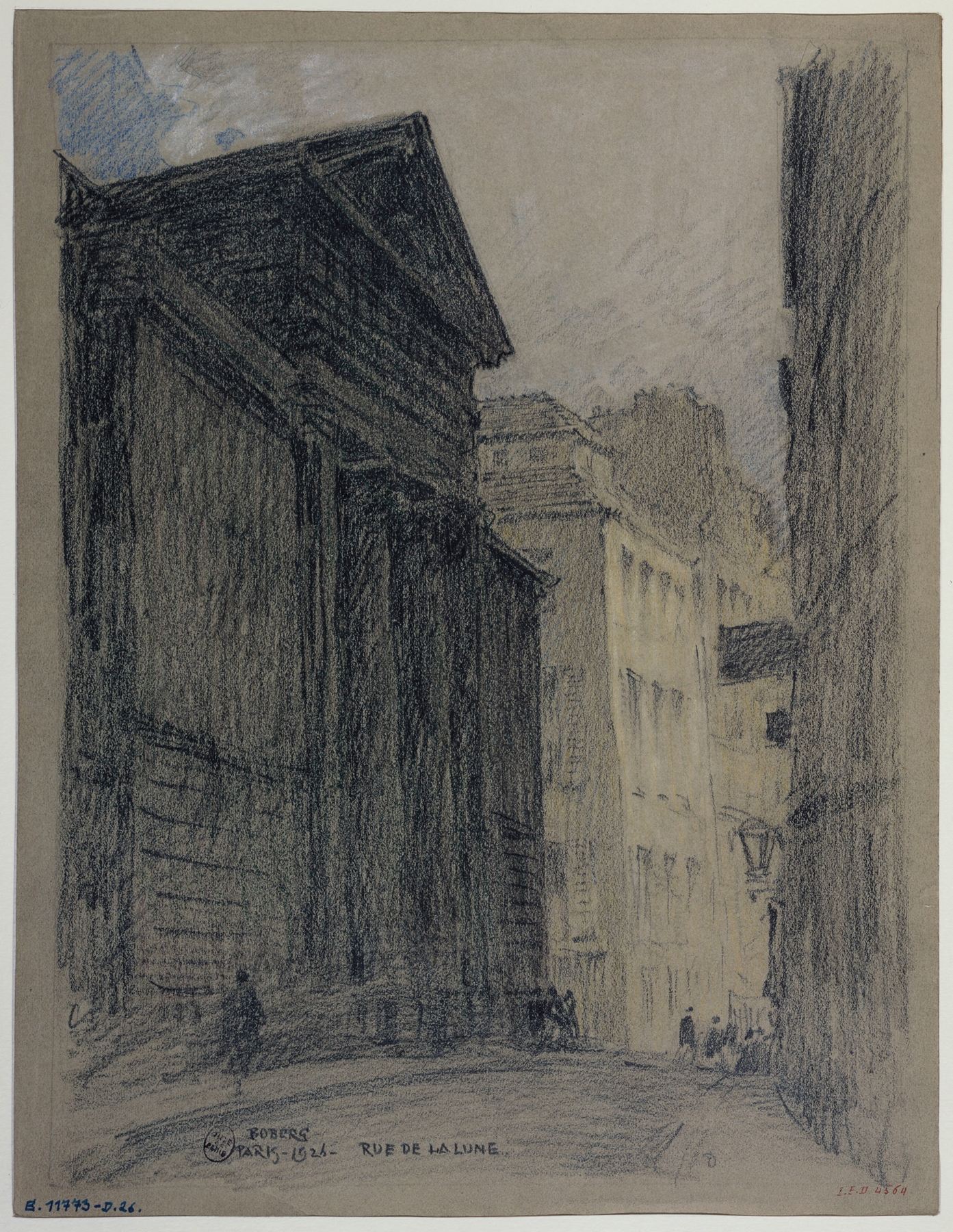
Can beauty exist without sorrow? In *La rue de la Lune*, the delicate interplay of light and shadow invites contemplation, beckoning viewers to explore the serene landscape that cradles hidden depths of emotion. Look to the left where soft pastel hues blend seamlessly into the cool blues of twilight. Notice how the gentle geometry of the buildings aligns with the calming curves of the street, leading your eye downward into the inviting embrace of the scene. The artist’s brushwork captures the luminous glow of the streetlights, creating a gentle contrast against the cool twilight, while the figures meandering through the cobblestones bring life and a sense of timelessness to this urban tableau. Within the tranquil atmosphere lies a juxtaposition of solitude and connection. The absence of bustling crowds allows for introspection, yet the subtle presence of figures suggests narratives untold, lives intersecting and diverging in the tranquil evening. This quiet moment evokes a fragile balance: the beauty of the unhurried life is tinged with an awareness of its ephemeral nature. Each element, from the architecture to the fading light, whispers a story of longing and harmony, inviting deeper reflection. In 1926, Ferdinand Boberg painted *La rue de la Lune* during a period marked by a profound interest in the interplay of modernity and nostalgia in urban environments. Living in Stockholm, he was influenced by the Art Deco movement, while also drawing from his experiences in Paris. This blend of cultures and styles is evident in his work, where the serenity of a street scene simultaneously conveys a longing for connection amid the anonymity of city life.