La Seine au Pont Marie — History & Analysis
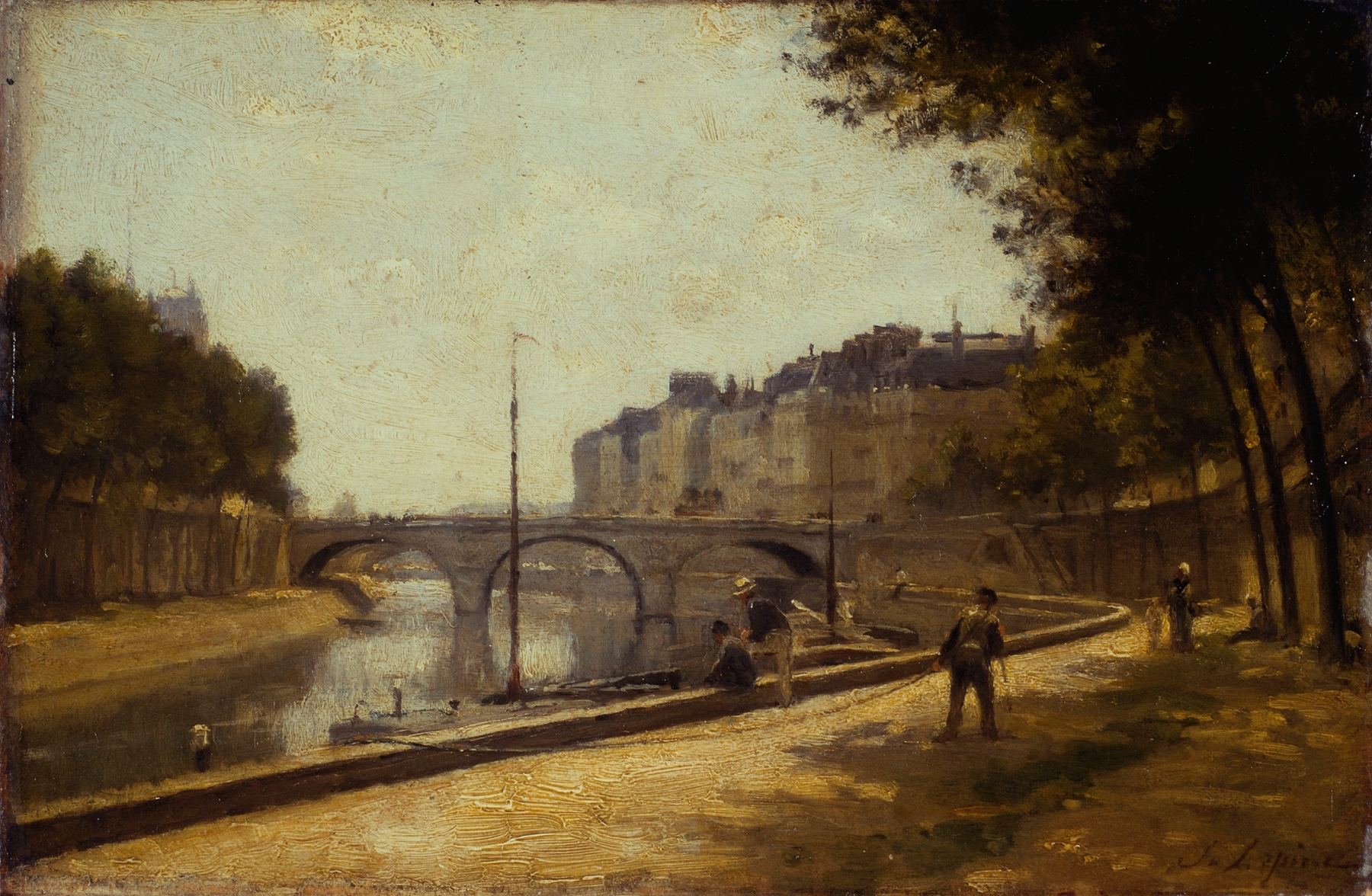
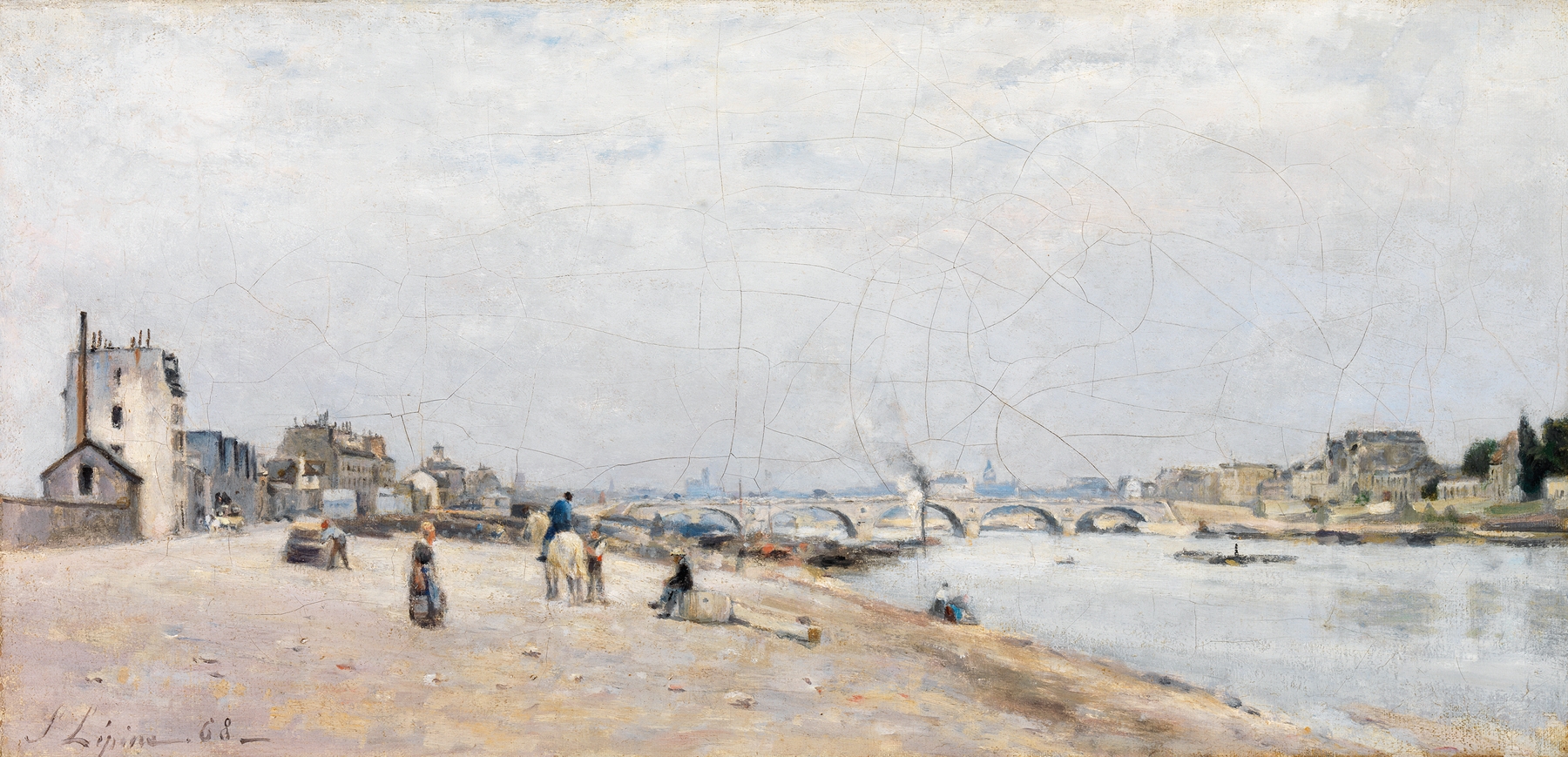
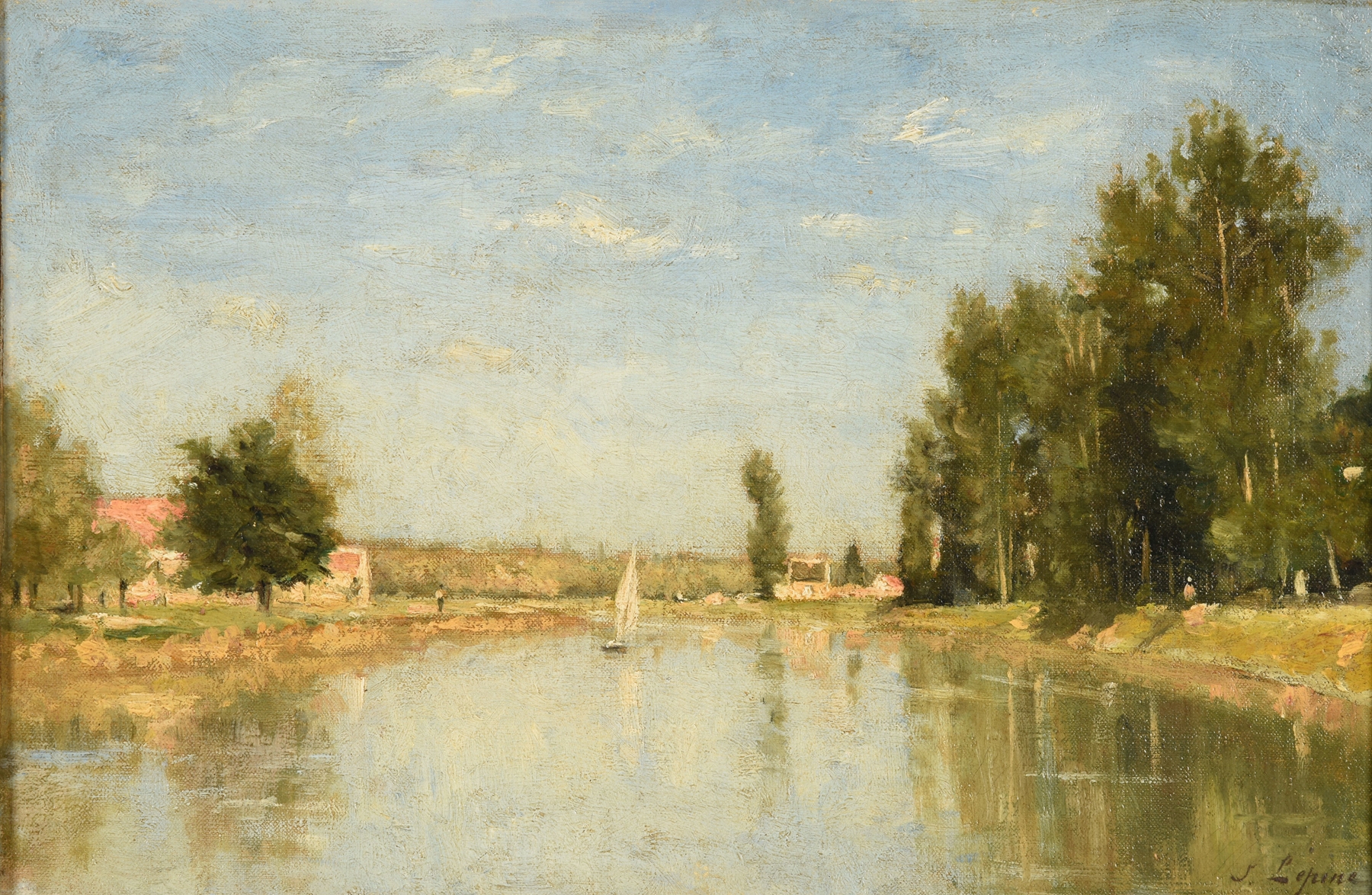
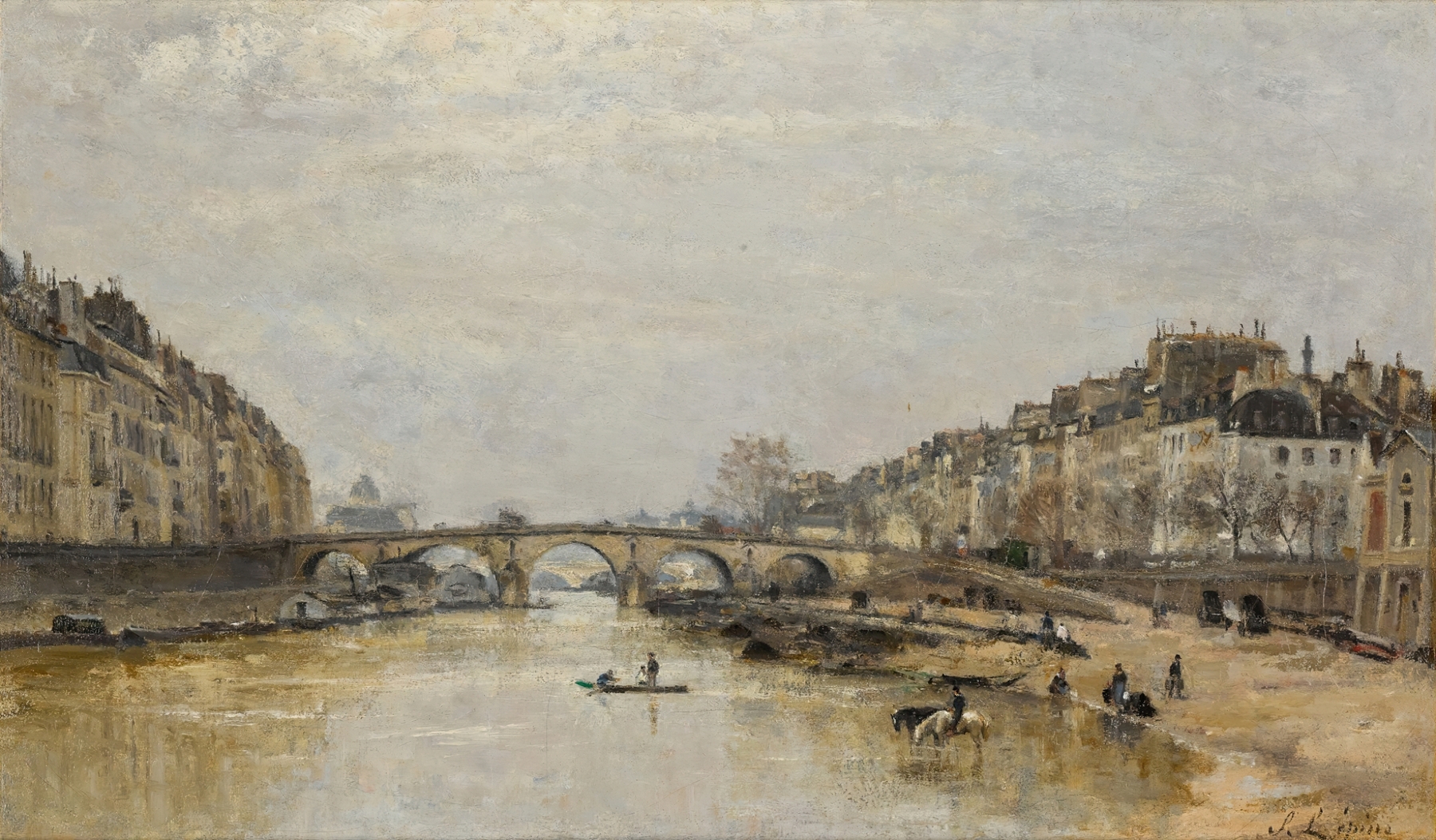
Art reveals the soul when the world turns away. Through the serene strokes of La Seine au Pont Marie, beauty whispers in the stillness, beckoning the viewer to pause and reflect. Focus on the gentle curve of the Seine as it embraces the bridge, drawing your eye along the water's surface, where dappled sunlight dances like fleeting memories. Notice the soft, muted palette—earthy greens and warm browns—contrasting with the glimmering blues of the river, suggesting harmony between nature and urban life.
The brushwork is both delicate and confident, with each stroke mimicking the graceful movement of the water, inviting contemplation. Hidden within the tranquil scene is a profound tension between stillness and motion. The tranquil waters cradle the passage of time, while the bridge stands as a bridge—not just of stone, but of connection and fleeting moments. The gauzy reflections in the river hint at the transience of beauty, a reminder of life’s inevitable flow.
Each detail, from the arching trees to the softly brushed clouds, encapsulates both the serenity of the moment and the underlying currents of the Parisian life that pulses beyond the canvas. Stanislas Lépine painted this captivating landscape in the late 19th century, during a time when Paris was undergoing rapid transformation. As the Impressionist movement flourished, artists like Lépine gravitated towards depicting the picturesque aspects of city life, blending realism with subtle emotive qualities. In this ephemeral landscape, he captured not only the beauty of the Seine but also the essence of a city in flux, reflecting both his personal journey and the broader artistic revolution of his time.