La Seine à Rouen — History & Analysis
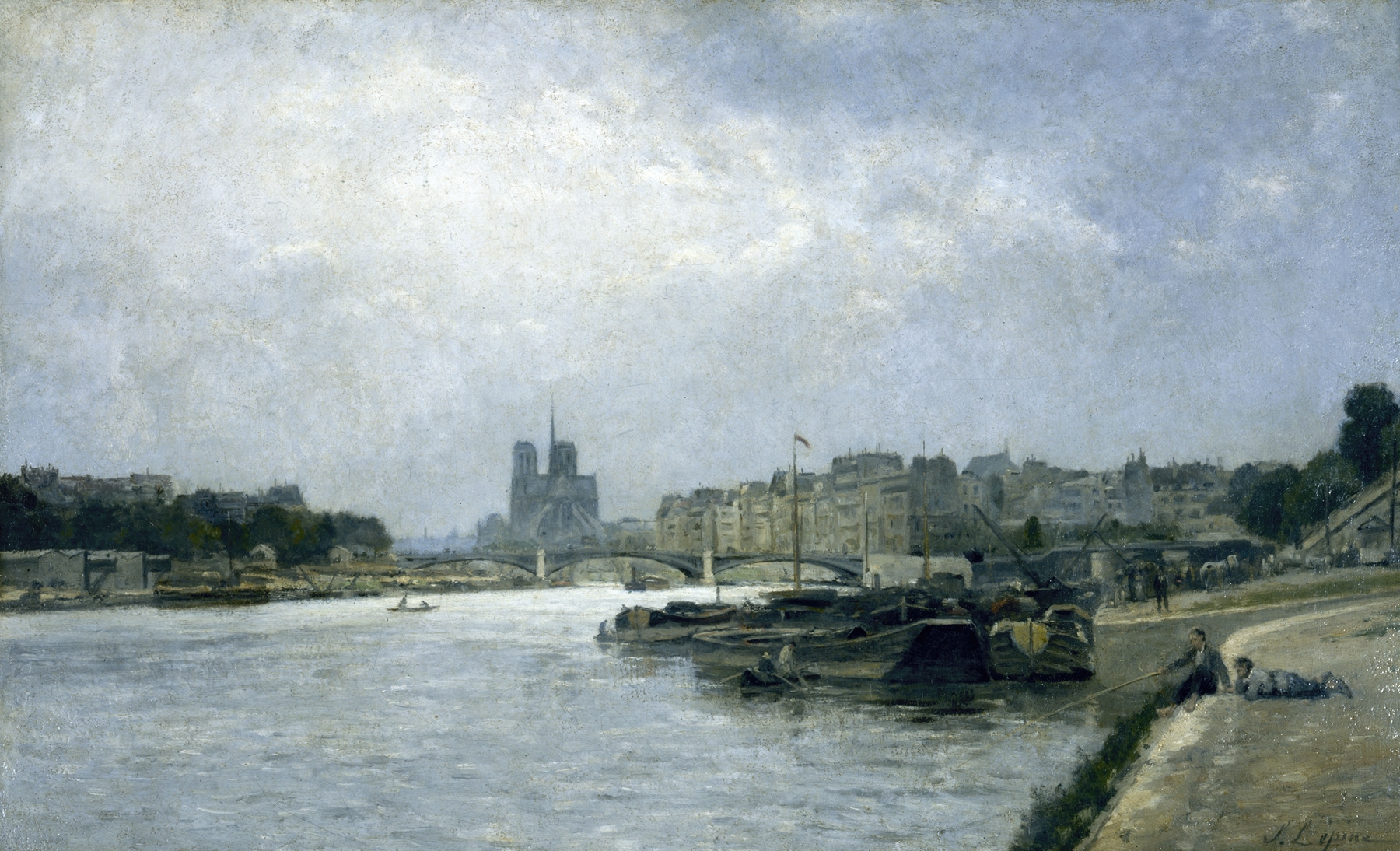
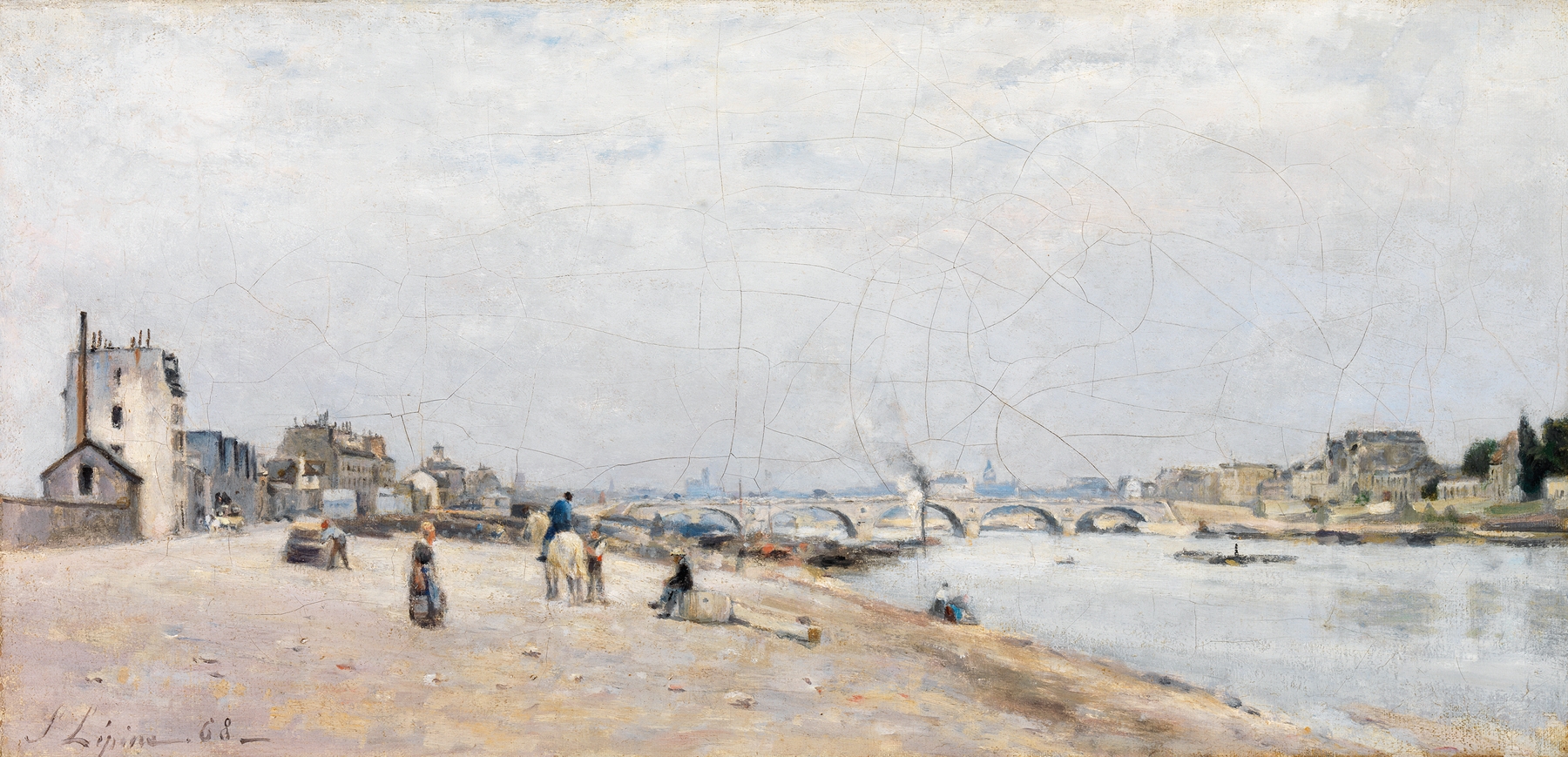
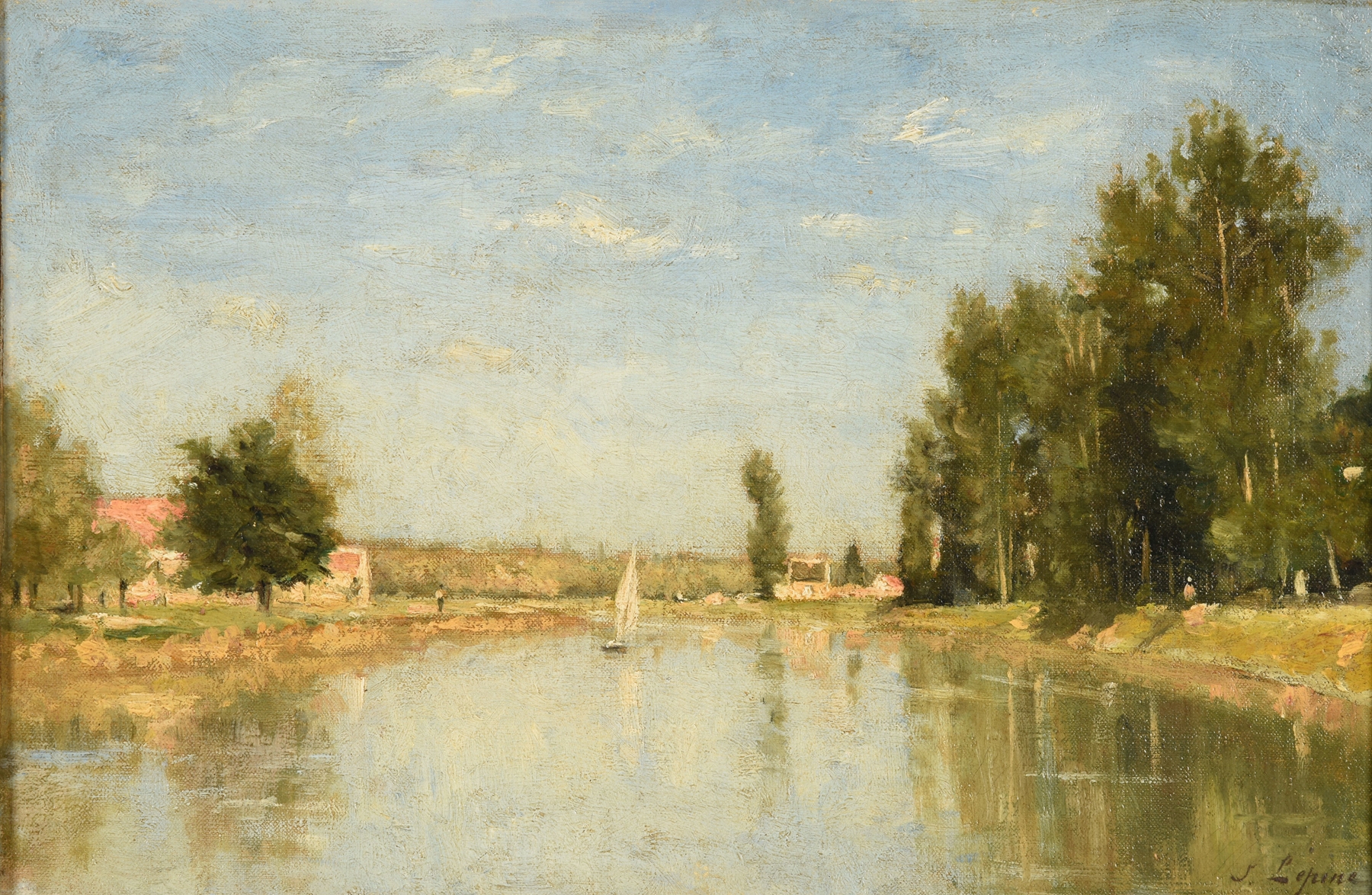
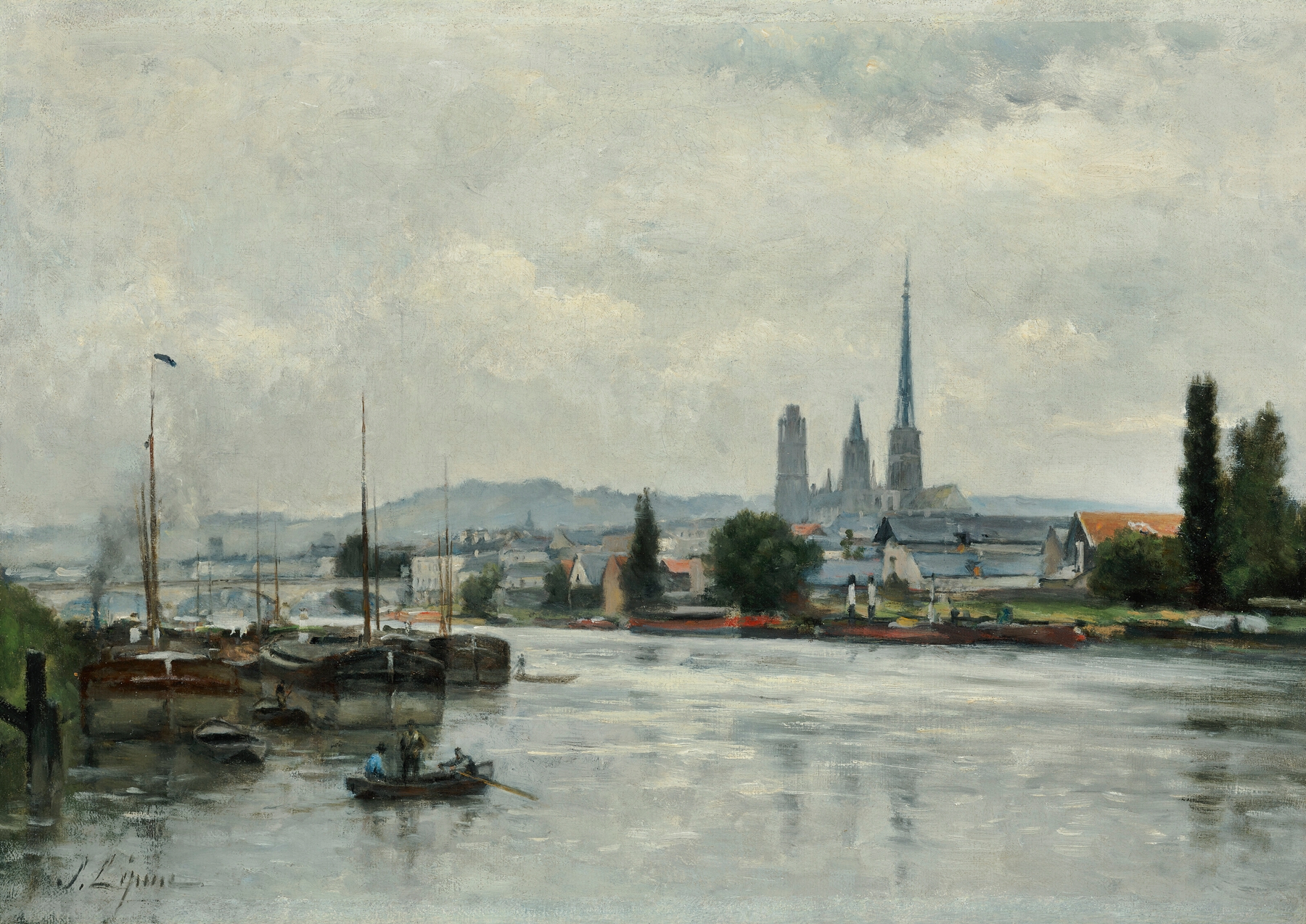
“Under the brush, chaos becomes grace.” In La Seine à Rouen, water becomes a mirror of both serenity and tumult, reflecting the duality of nature and human experience. Look to the center, where the shimmering water draws the eye, its ripples catching fleeting light. Notice how the artist deftly blends shades of blue and green, creating a dance of color that evokes both tranquility and movement. The gentle arches of the bridges frame the scene, guiding our gaze toward the distant horizon, while brushstrokes invoke the subtle play of light across the surface, capturing a moment suspended in time.
Beneath this placid exterior lies a deeper narrative. The dappled reflections hint at the transience of life, suggesting that what we see on the surface may not tell the whole story. The interplay between shadow and light symbolizes the coexistence of hope and despair, a contrast that reverberates through the serene scene. These layers of meaning compel the viewer to look beyond the idyllic landscape, inviting contemplation of the complexities hidden beneath water’s surface.
Created between 1874 and 1878, this piece emerged during a period of profound change for Stanislas Lépine and the art world at large. Working in Paris, he found inspiration in the Impressionist movement burgeoning around him, infusing his landscapes with a fresh perspective. The era was marked by an exploration of light and color, a response to the rapid industrialization transforming the French countryside. In this painting, Lépine captures a fleeting moment that speaks to both the beauty and complexity of the world he inhabited.