La tour de Calvin (ancien collège de Fortet), place Sainte Geneviève — History & Analysis
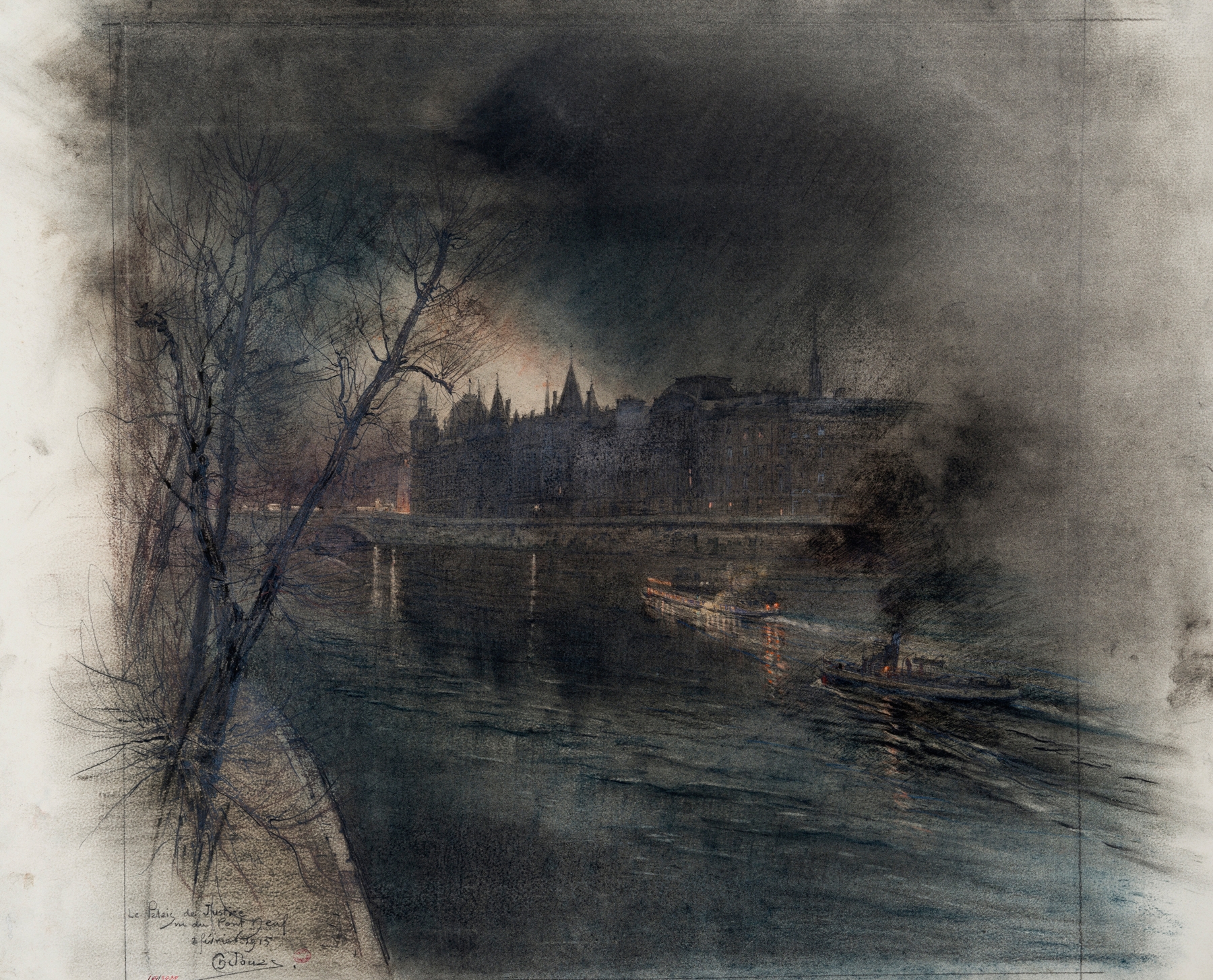
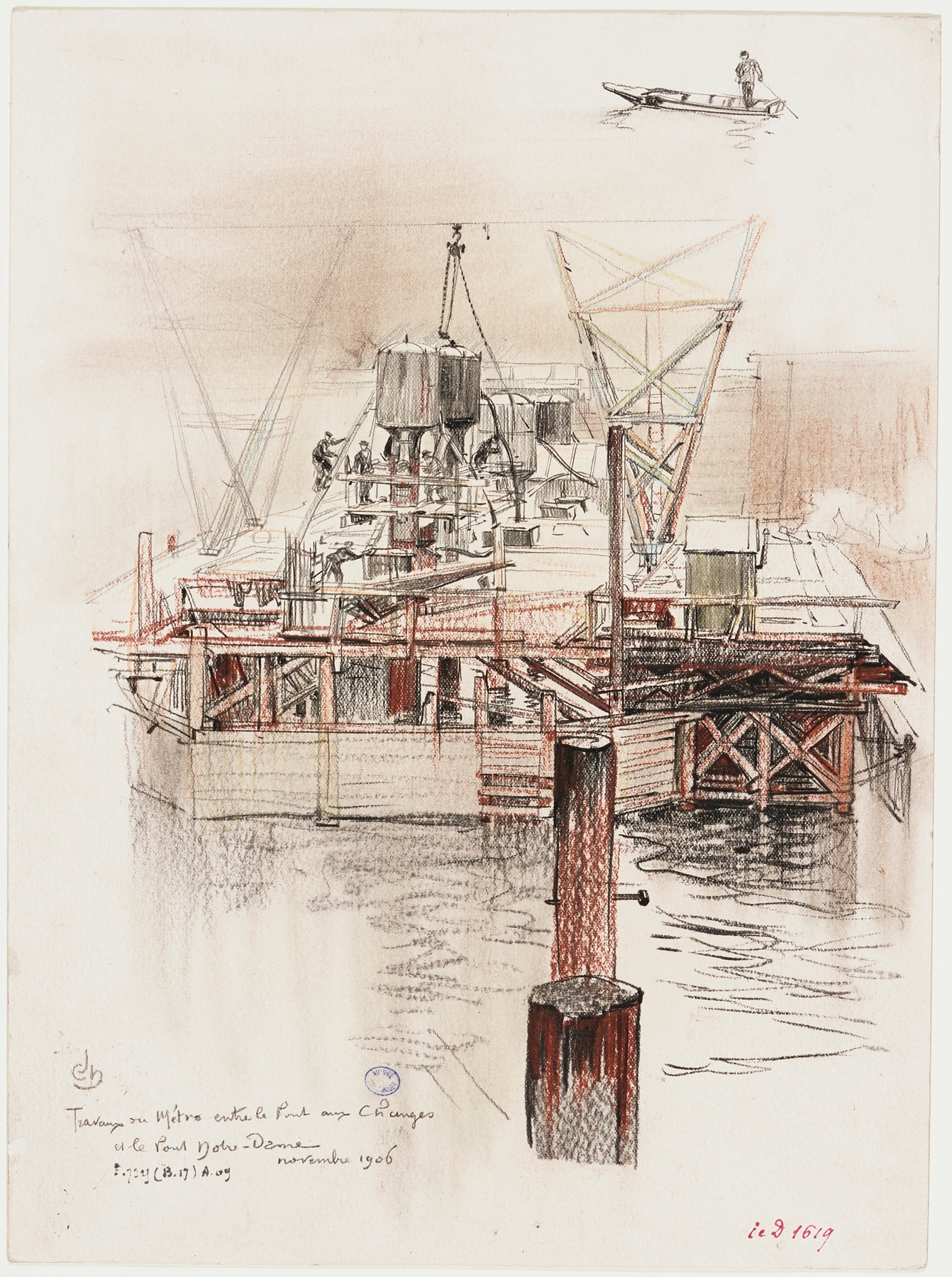
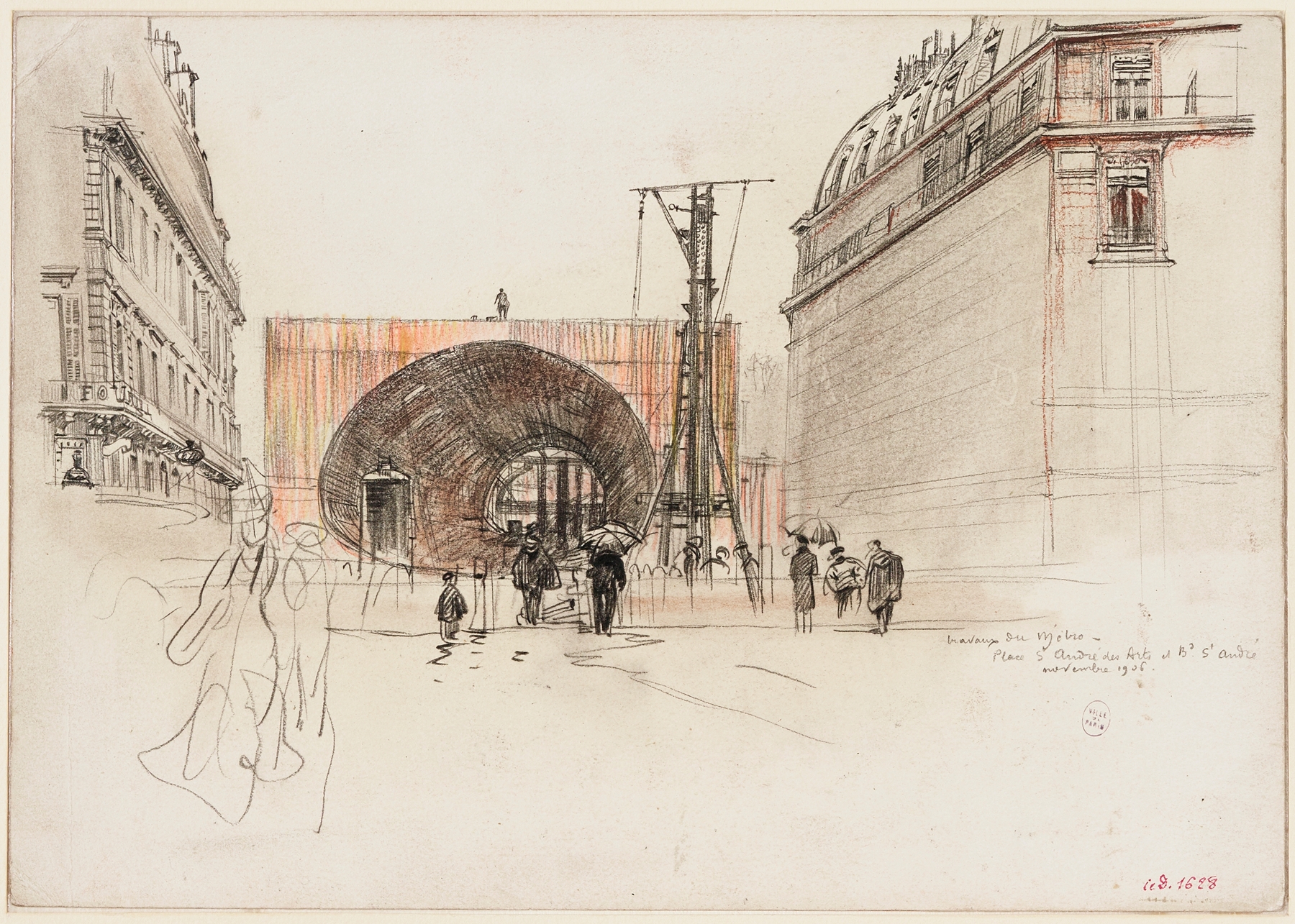
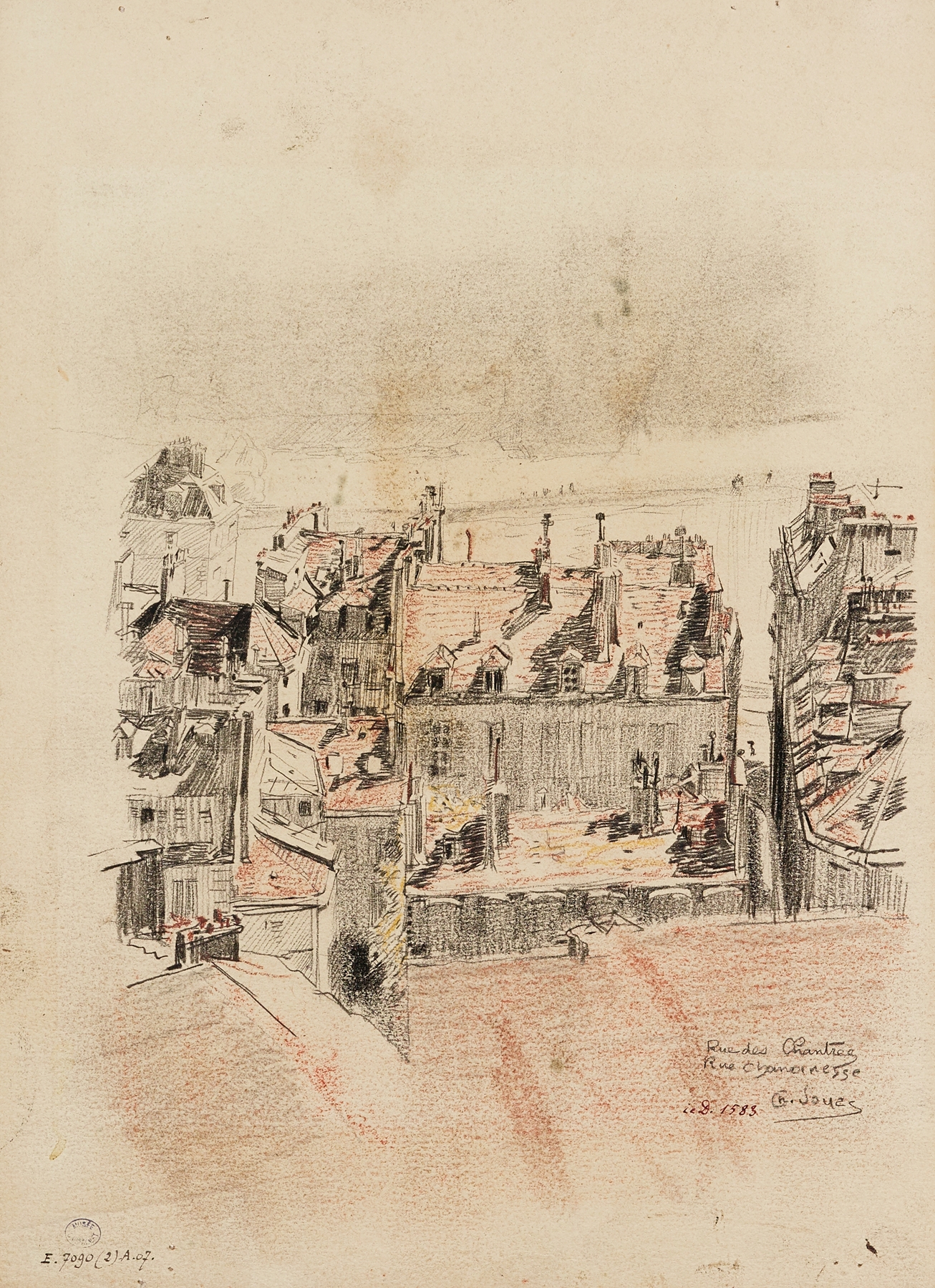
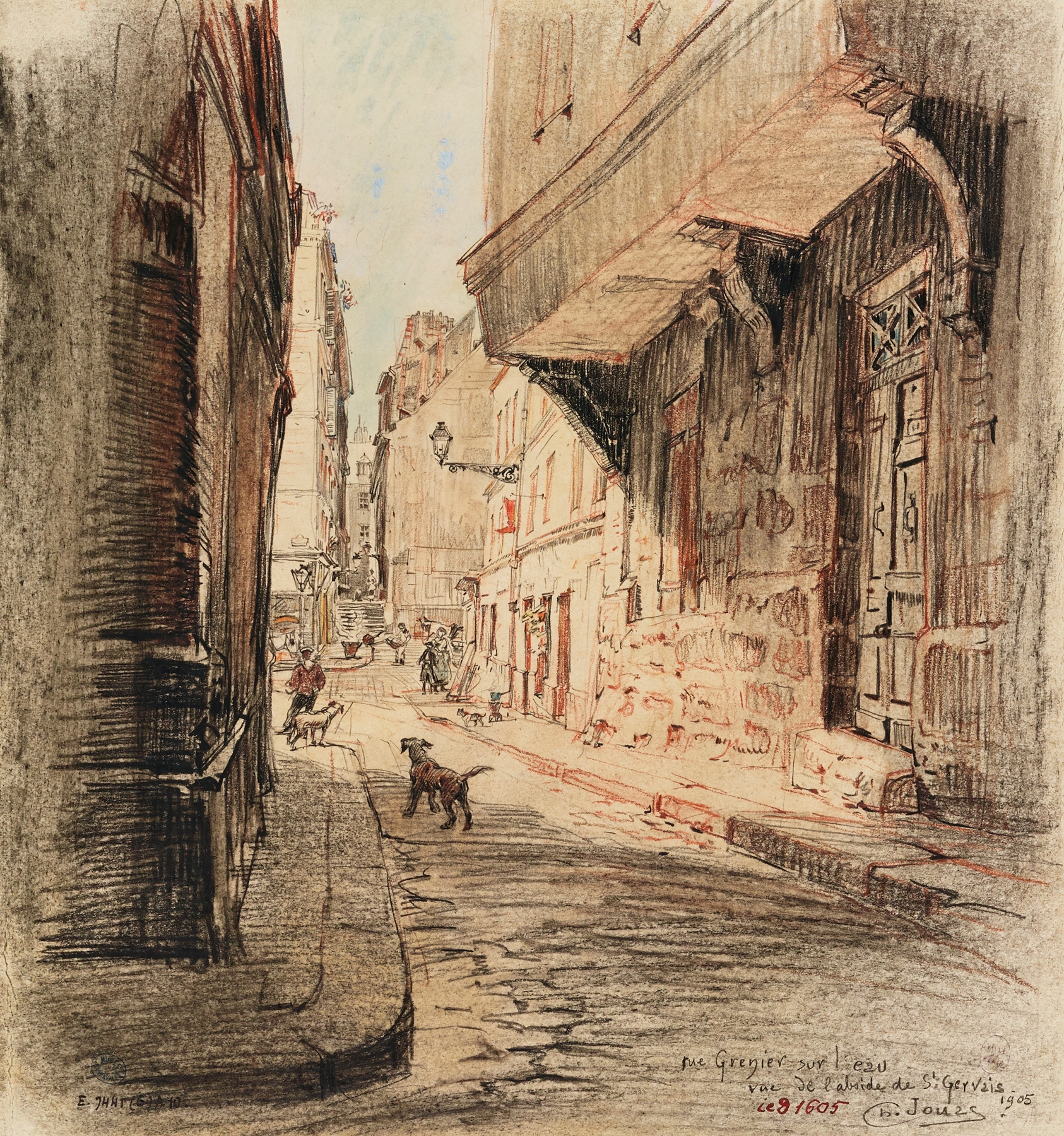
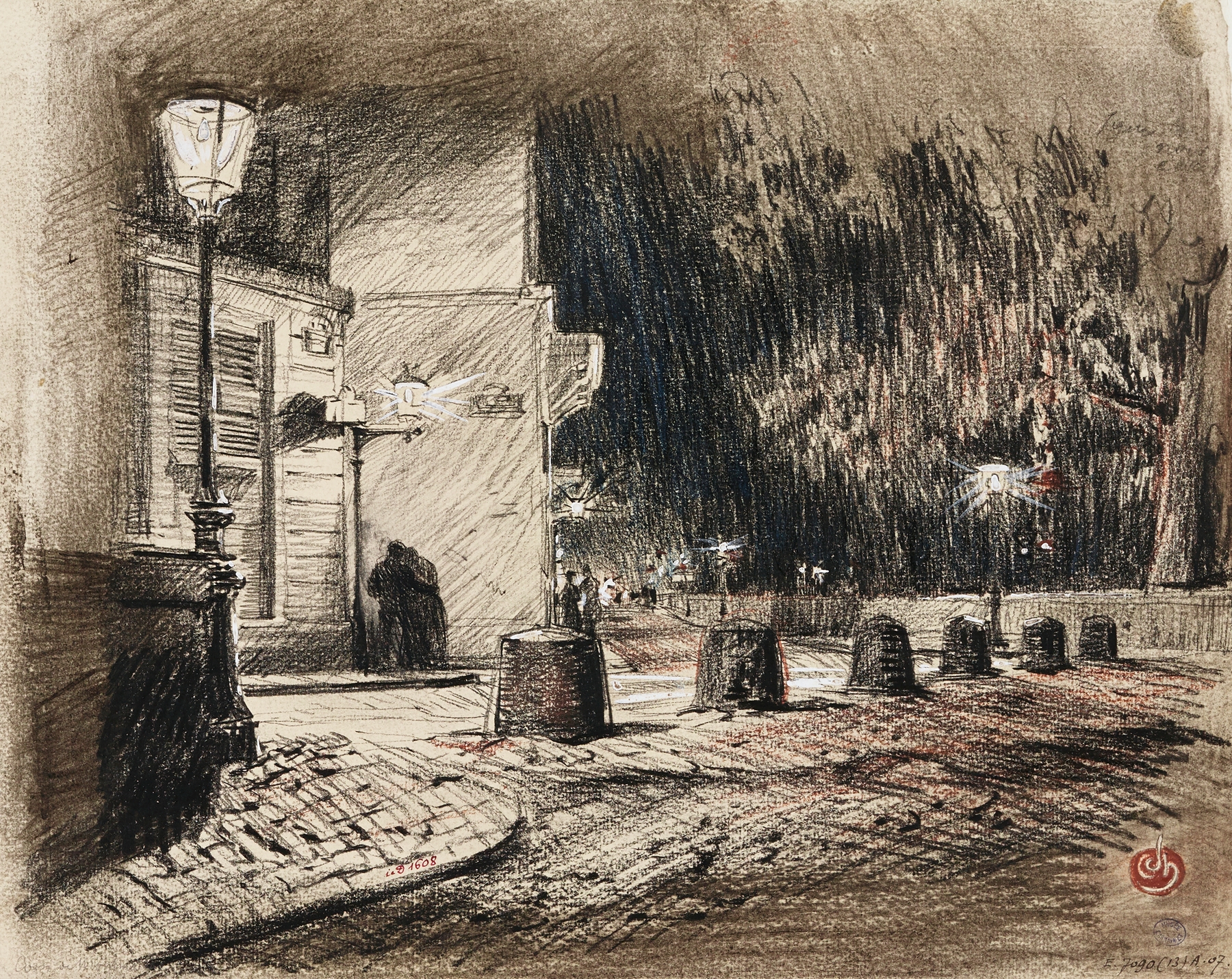
Where does light end, and longing begin? In La tour de Calvin (ancien collège de Fortet), place Sainte Geneviève, the interplay between illumination and shadow invites a profound introspection about time and memory. Focus your gaze on the tower, standing stoically against a backdrop of muted hues. Notice how the soft, golden light bathes the brick facade, creating a warm yet melancholic atmosphere that hints at untold stories of the past.
The textured brushwork breathes life into the scene, while the surrounding trees frame the tower like guardians, their dark shapes contrasting with the luminous tower and sky above. This careful composition directs your eye upward, evoking a sense of aspiration intertwined with nostalgia. Delving deeper, the juxtaposition of light and shadow signifies the duality of remembrance—hope intertwined with loss. The frame captures not just a physical structure but an emotional landscape, where the tower may symbolize knowledge or isolation, echoing the silent echoes of generations.
The slight distortion in perspective evokes a dreamlike quality, suggesting that while the tower stands firm, the memories associated with it drift like wisps of cloud, ephemeral yet persistent. Created between 1915 and 1945, this work emerges from a period of immense change in Europe, reflecting the artist's exploration of identity and place amidst the turmoil of war and societal shifts. Jouas, influenced by the rise of modernism, sought to capture the essence of his surroundings with a blend of realism and romanticism, placing his own emotional resonance within the historical narratives of the time.