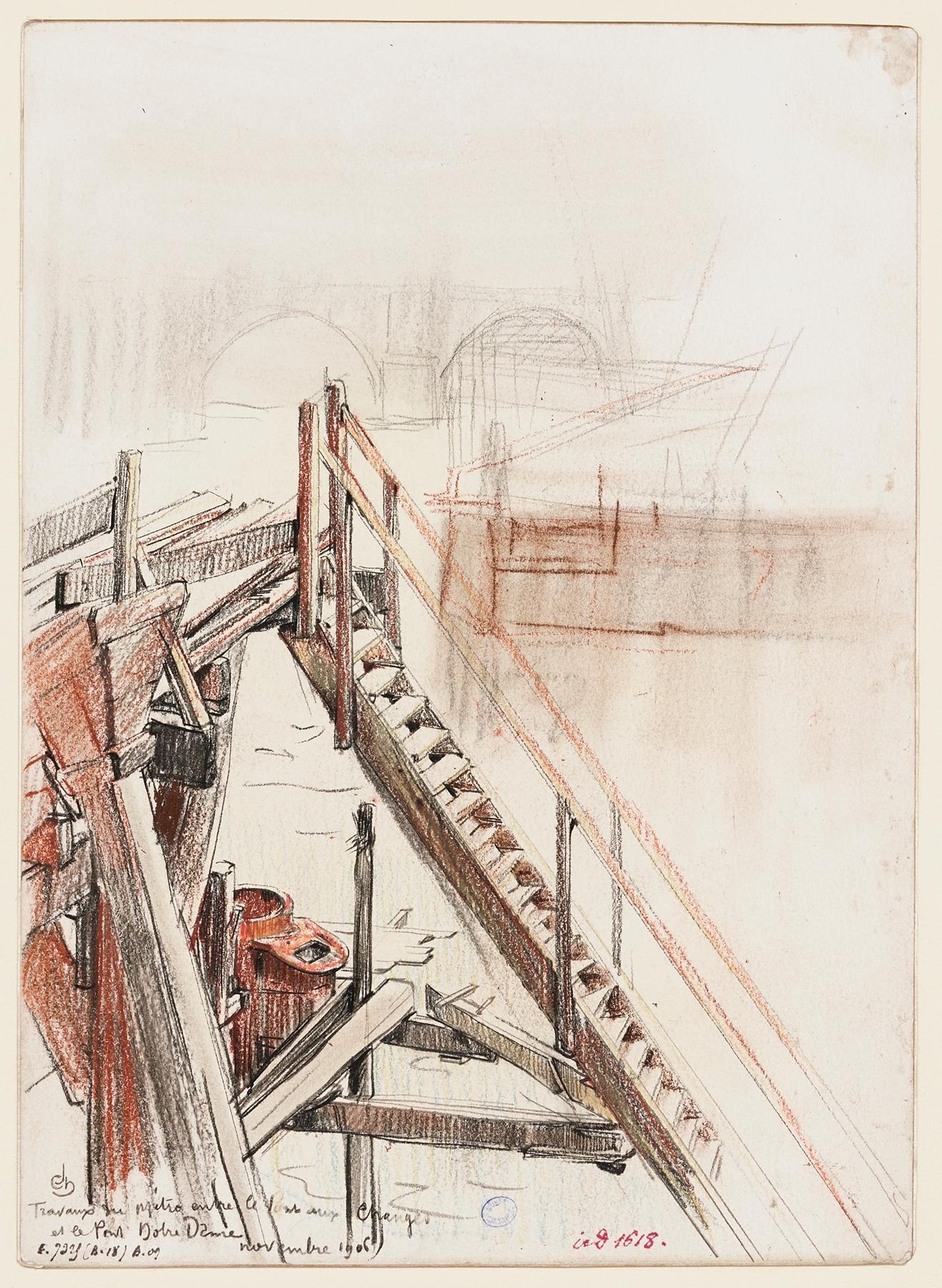
Travaux du métro entre le pont au Change et le pont Notre Dame — History & Analysis
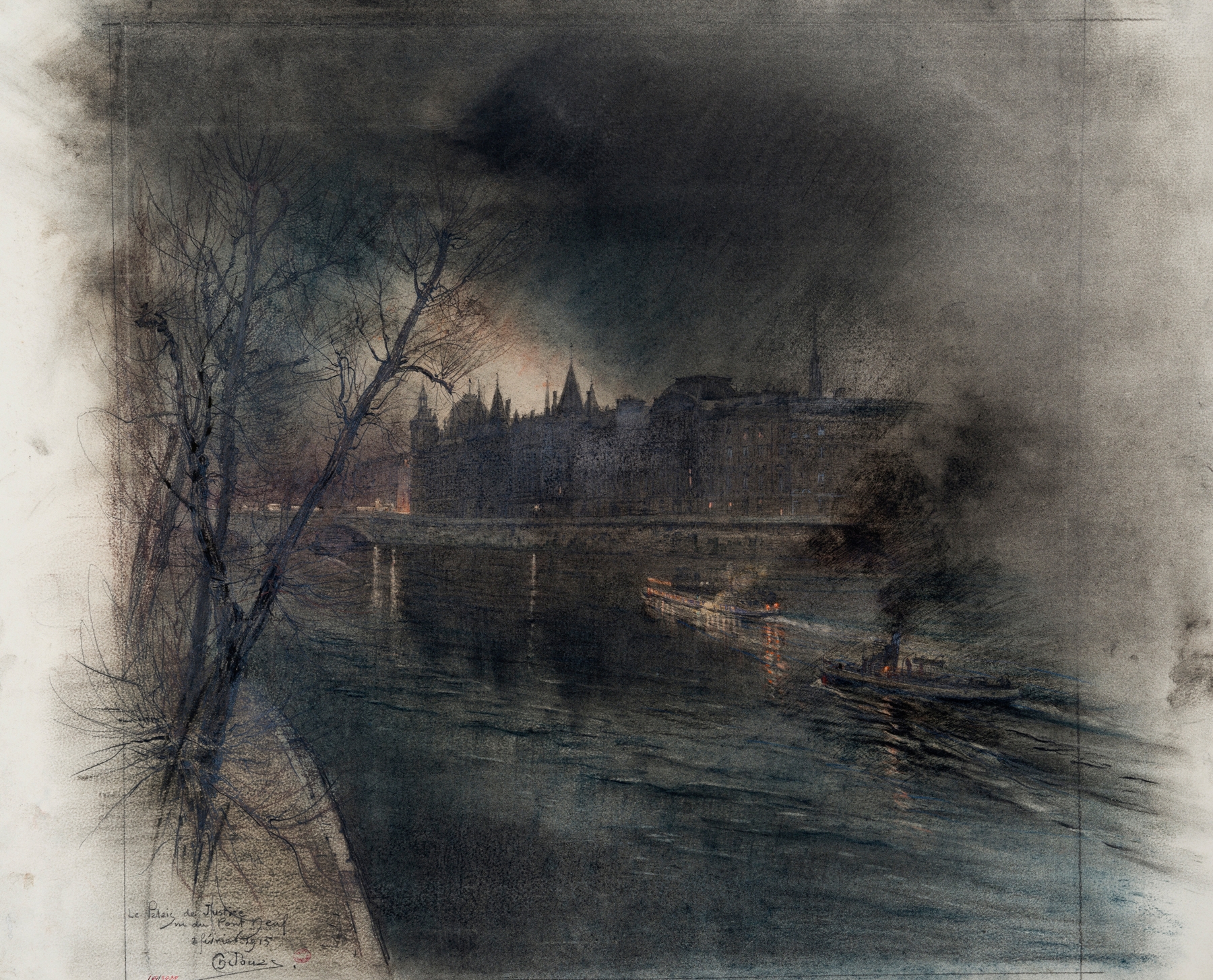
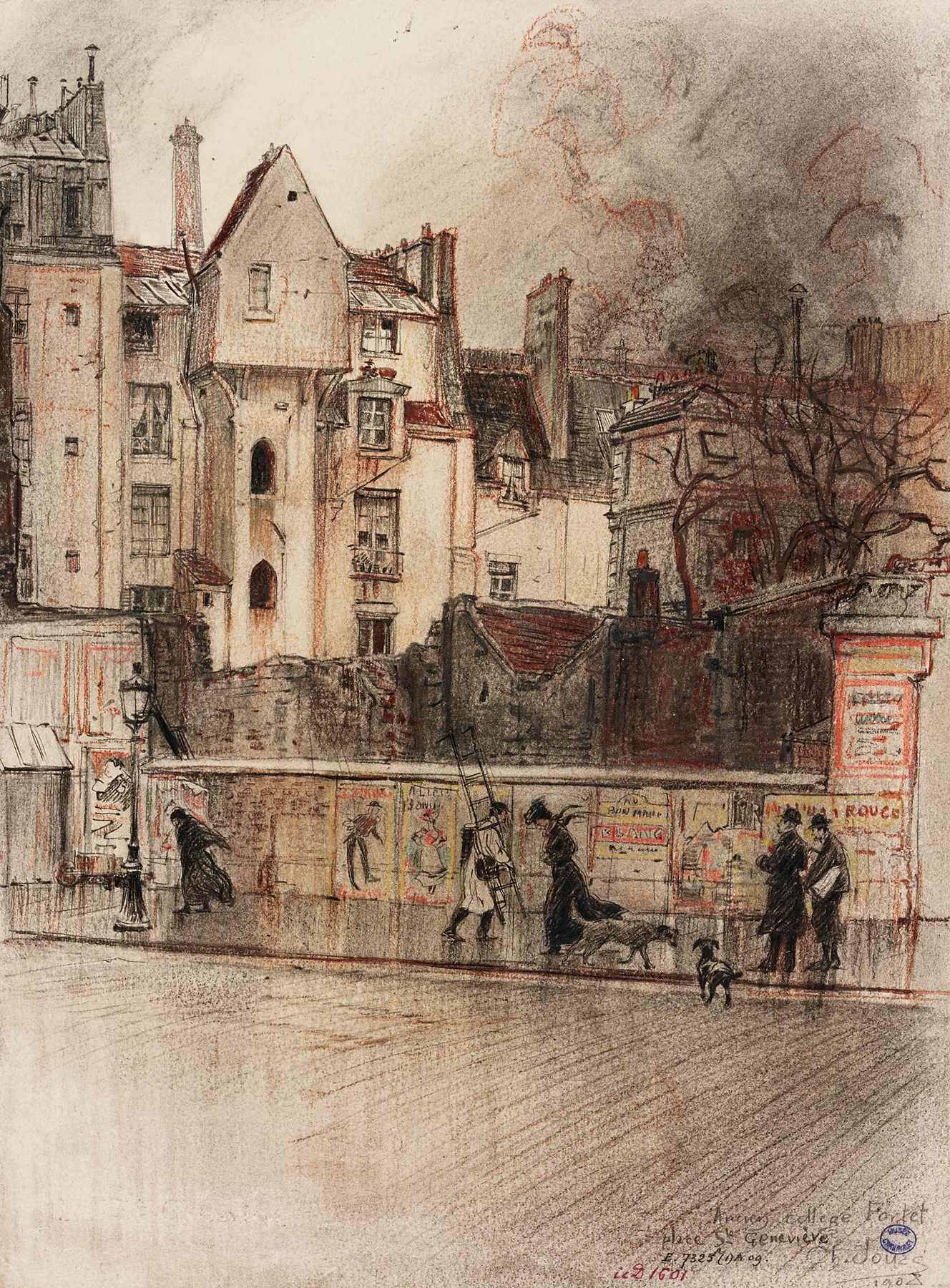
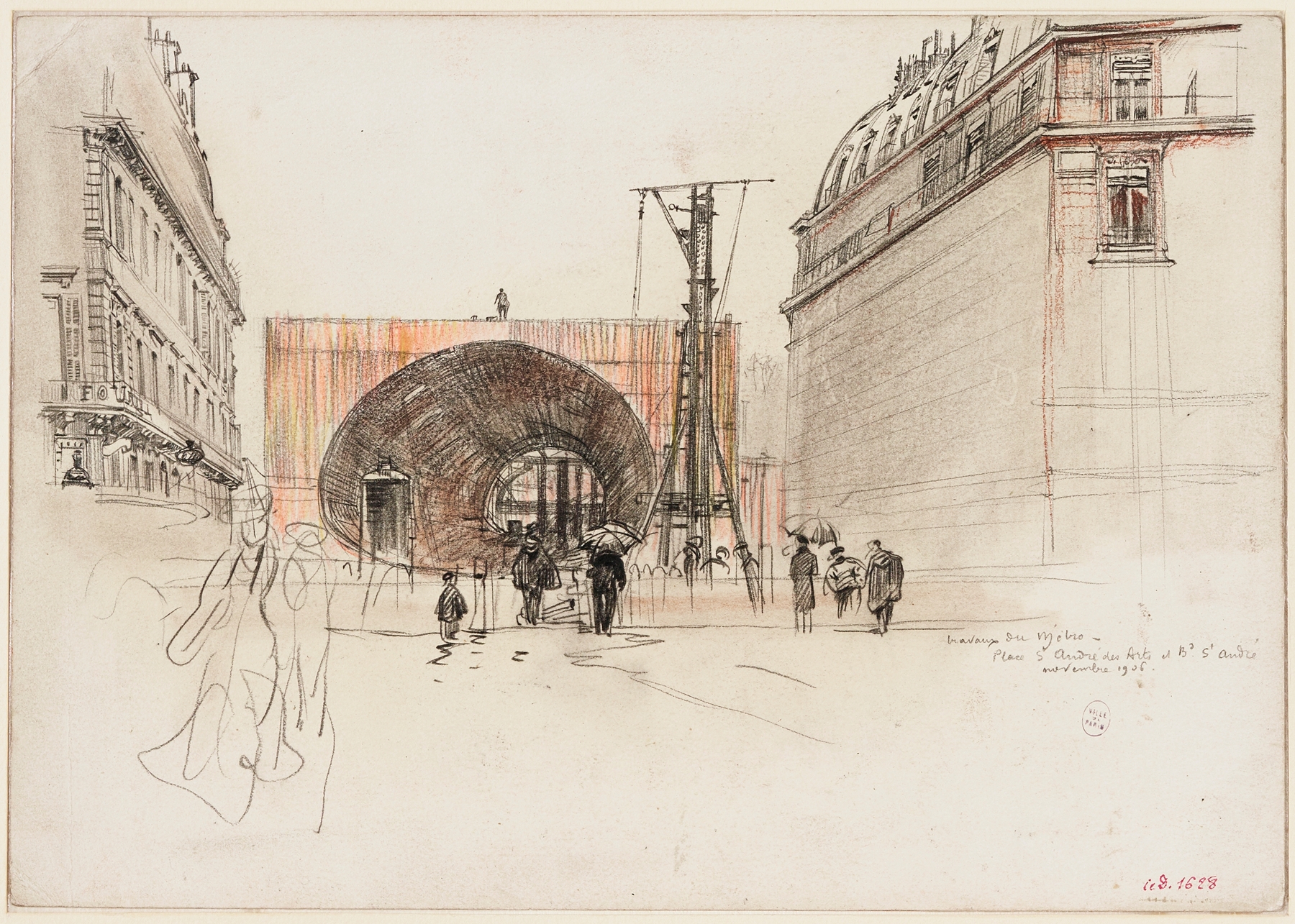
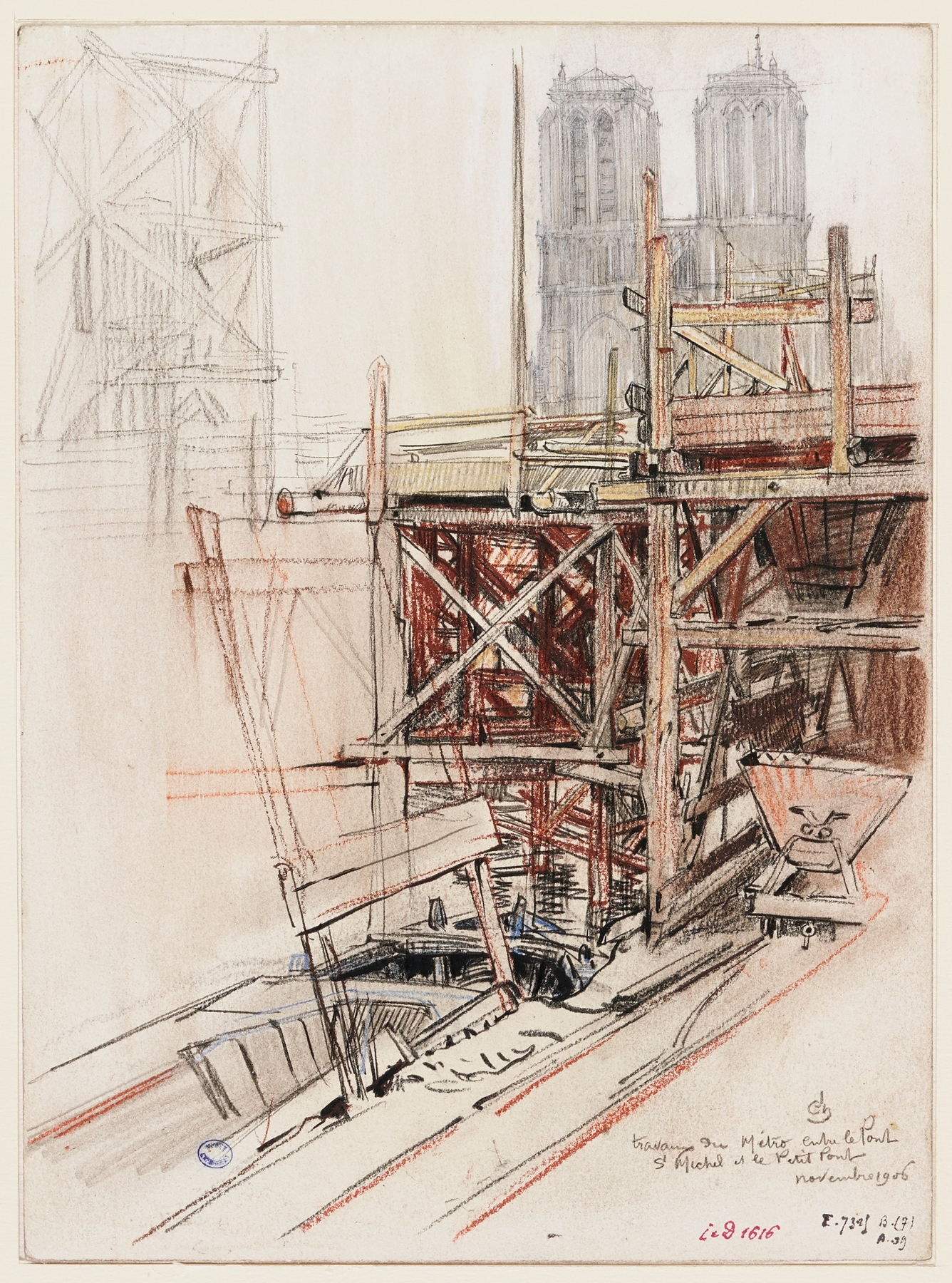
Did the painter know this moment would outlive them? In Travaux du métro entre le pont au Change et le pont Notre Dame, Charles Jouas immortalizes not just a scene of construction, but a fleeting glimpse into the very fabric of Parisian life. This intersection of progress and tradition stands as a testament to the paradox of urban renewal—a snapshot of the city embracing the future while clinging to its rich past. Look to the left, where the towering figures of workers, shrouded in the grit of labor, emerge from a haze of dust and steam. Their gestures, robust yet weary, convey the weight of their task as they channel the energy of modernity.
Notice how the light falls upon the scene, casting both shadow and brilliance, and how the muted palette of browns and grays underscores the solemnity of the moment. Each brushstroke reveals Jouas's meticulous attention to detail, inviting the viewer to step into the heart of this bustling endeavor. As you delve deeper, consider the emotional tension between construction and destruction, creation and chaos. The juxtaposition of the workers' determination against the backdrop of the historic bridges evokes a poignant sense of loss—the old yielding to the new, yet forever intertwined.
The illusion of movement in the painting mirrors the rapid pace of change, while the lingering sense of nostalgia reminds us of the stories hidden beneath the layers of concrete and steel. In 1906, when this work was painted, Jouas was navigating a transformative period in France, amidst the early rumblings of modern art. In Paris, monumental projects such as the Métro were emblematic of progress, reflecting the dynamic shifts in society and the arts. Jouas, capturing this moment, positioned himself within a narrative of evolution—a bridge between the past and the relentless march of time.