L’escalier de la rue des Barres — History & Analysis
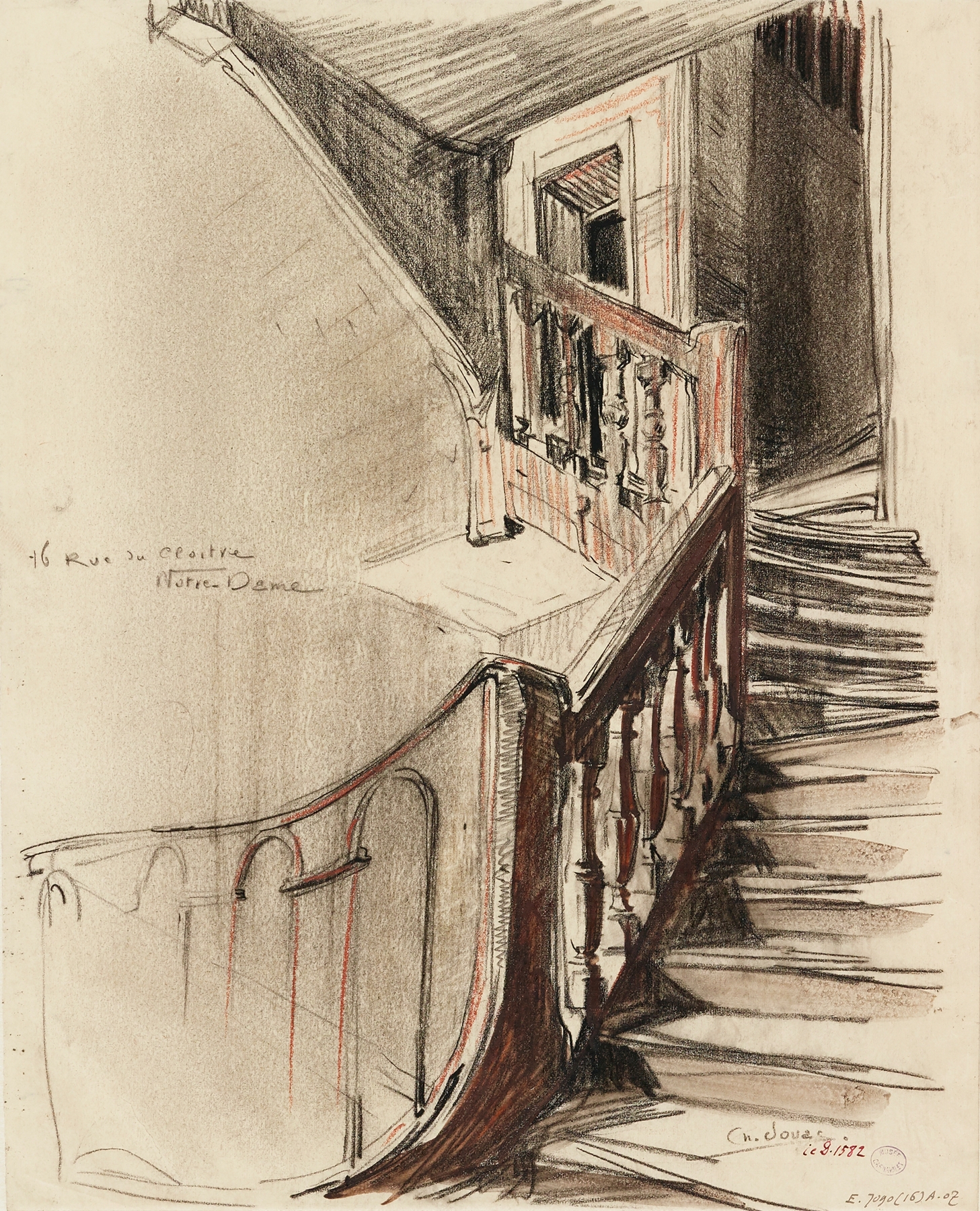
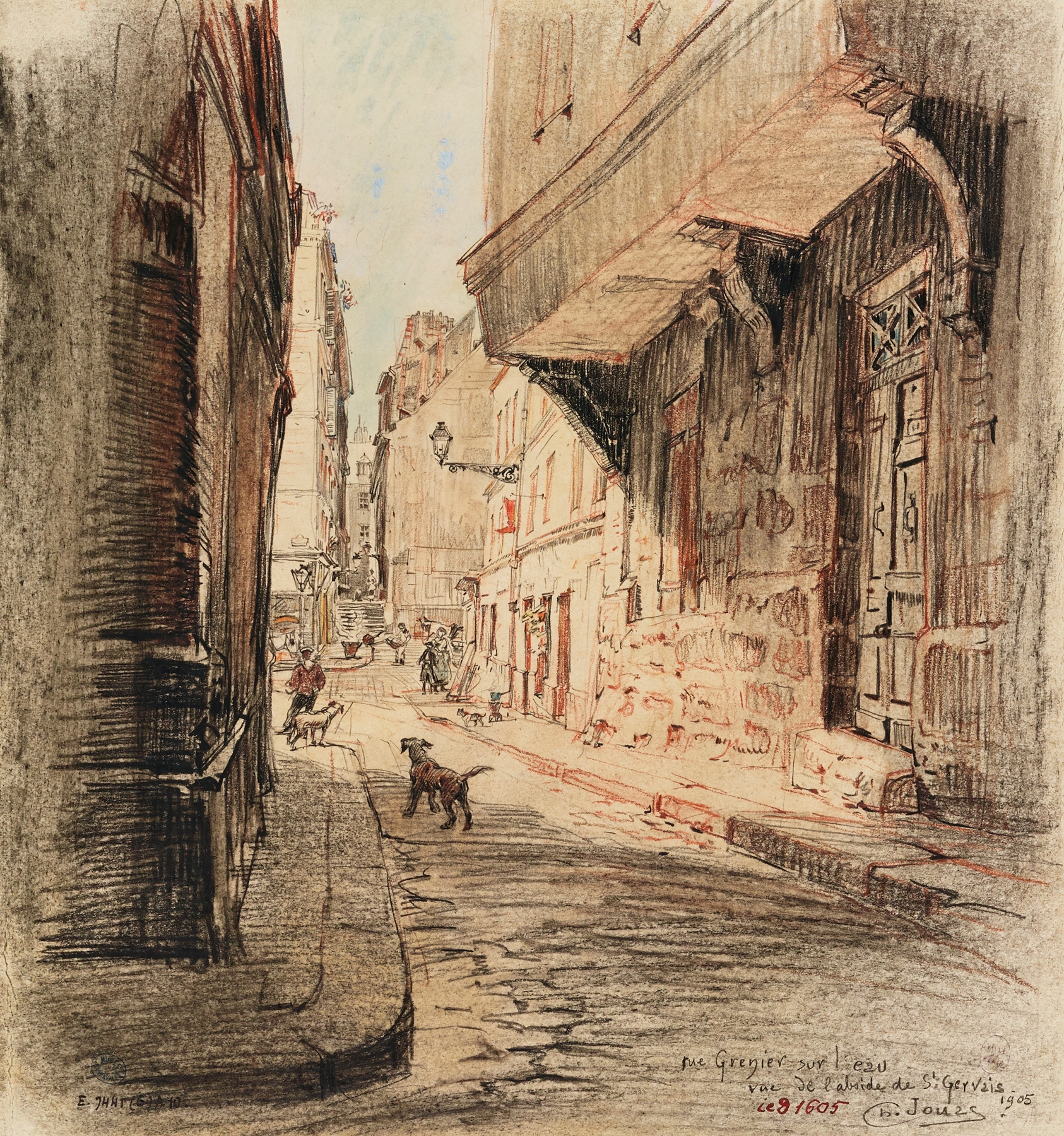
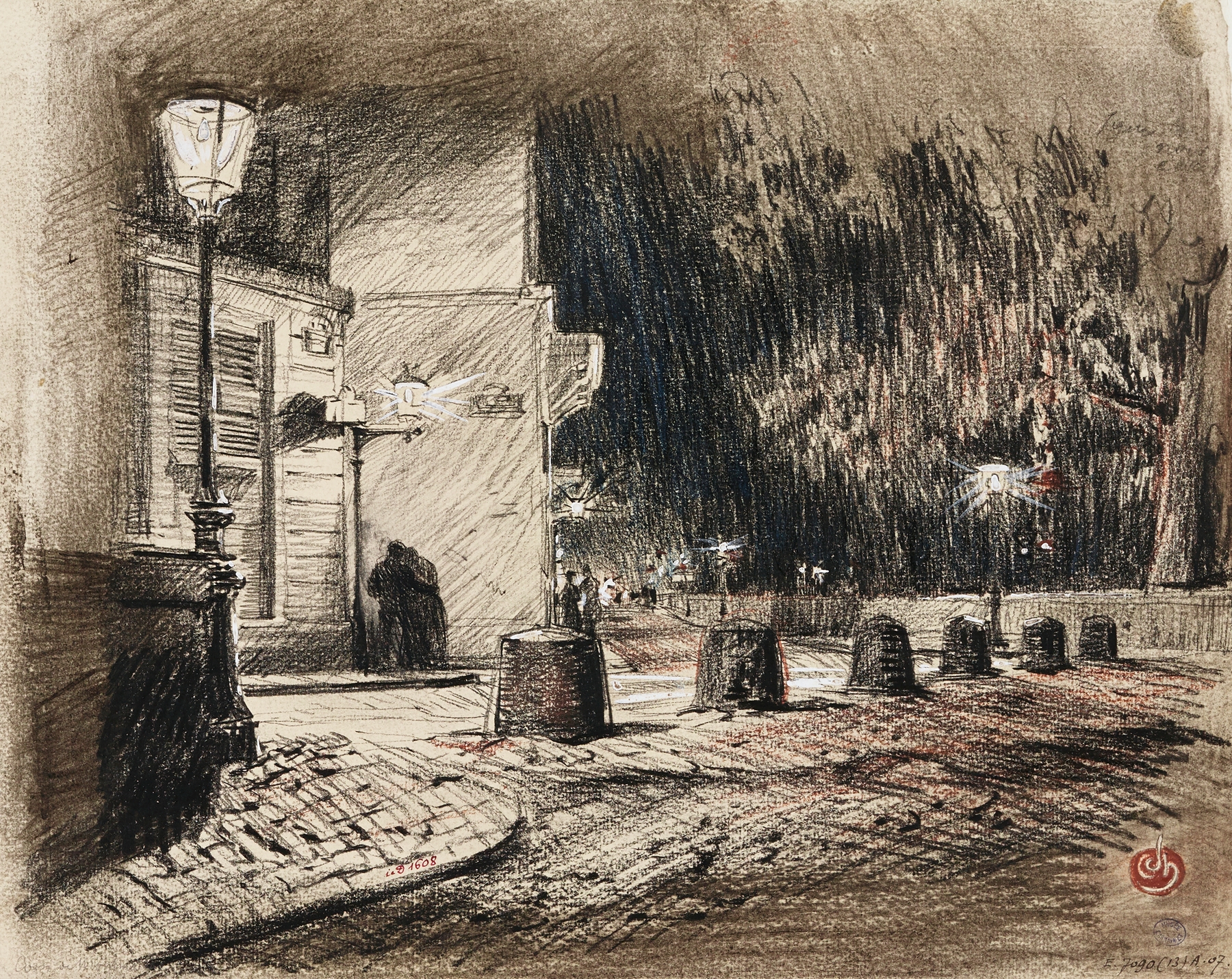
“Every silence here is a confession.” Such is the weight of the unspoken in Jouas’s evocative work, where an ordinary staircase transforms into a portal of profound introspection and hidden truths. Look to the left at the weathered stone steps that curve gently upwards, their textures rich with history and stories untold. Notice how muted earth tones envelop the scene, contrasting with the delicate illumination that spills softly onto the staircase, inviting the viewer to ascend into the unknown. The composition balances light and shadow, creating a palpable tension that hints at both vulnerability and strength, as if each step holds the potential for revelation or retreat.
Within this architectural embrace lies more than mere illusion; it speaks to the collective memory of those who have traversed this space. The positioning of the shadows suggests the presence of unseen observers, interwoven in their own narratives of longing and solitude. Each delicate stroke captures the essence of transition—the inevitability of change and the echoes of footsteps that linger long after they've passed.
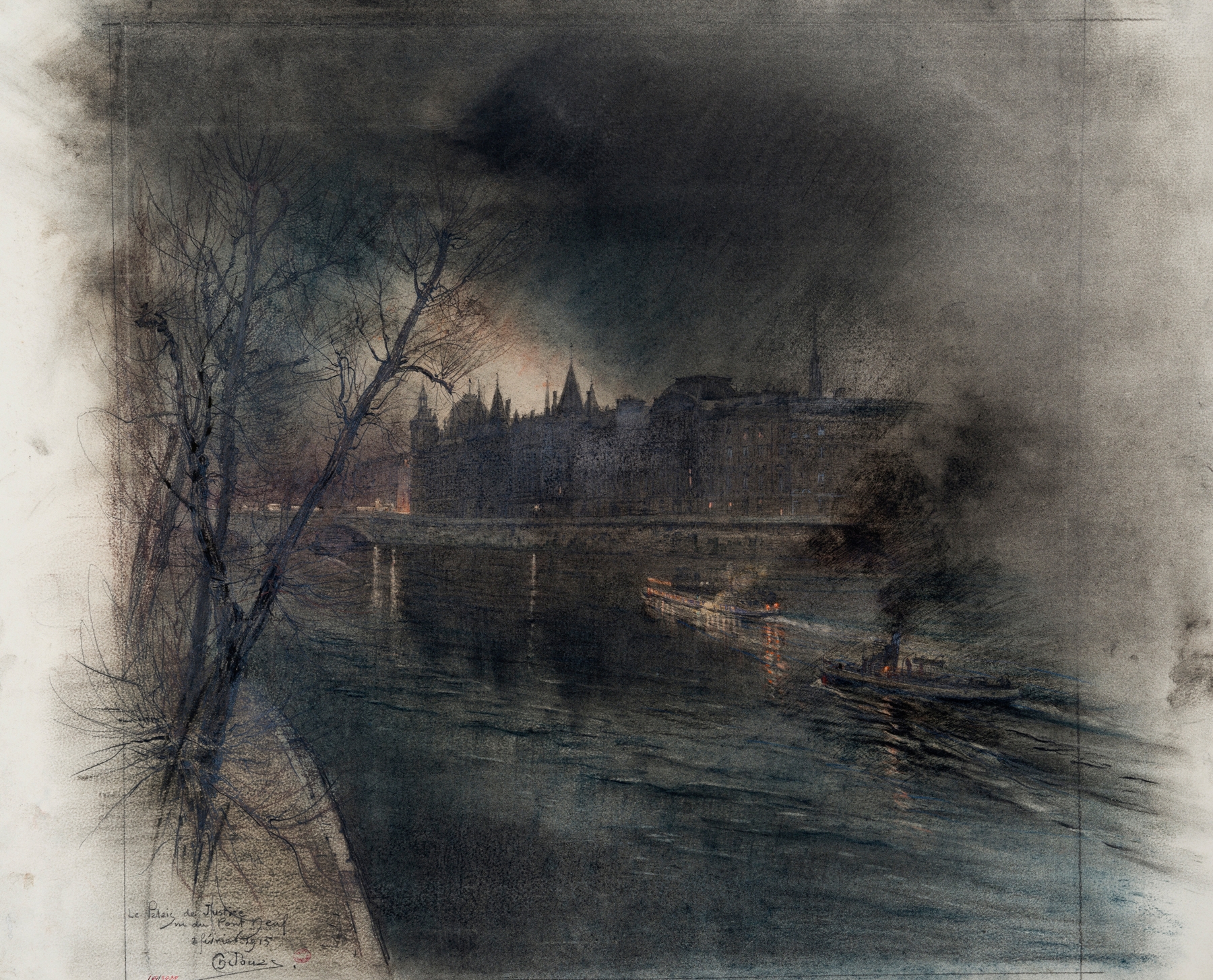
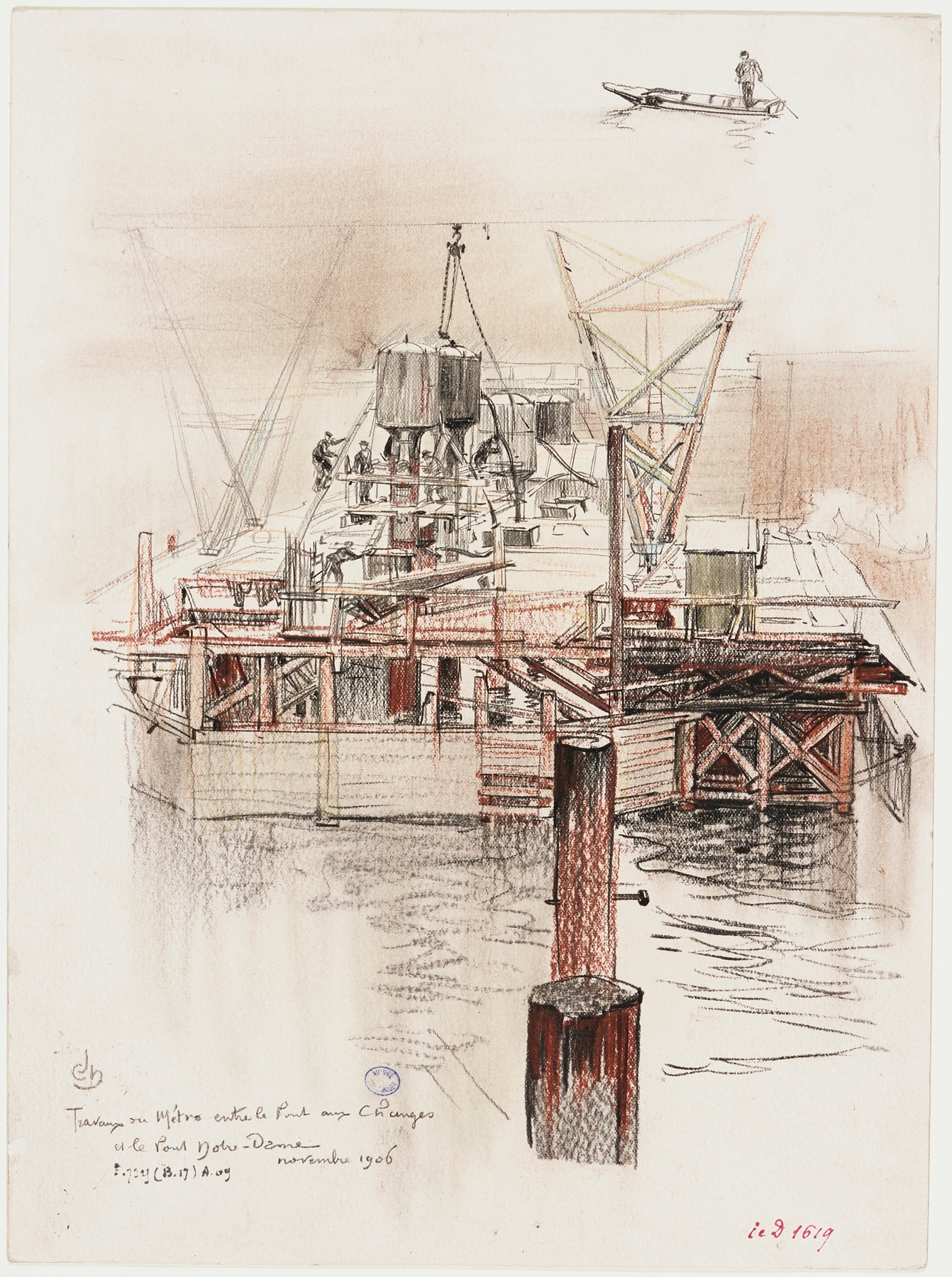
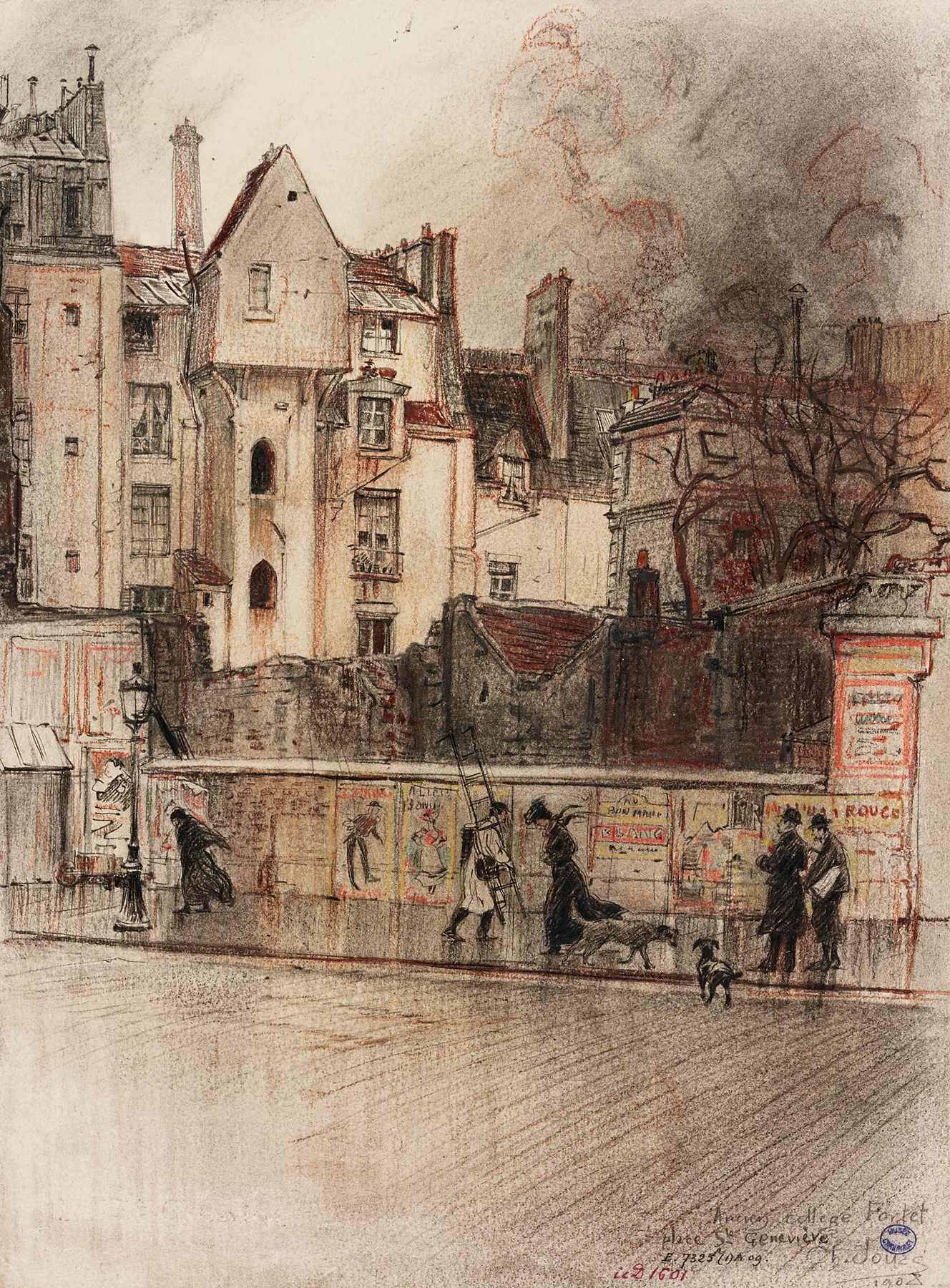
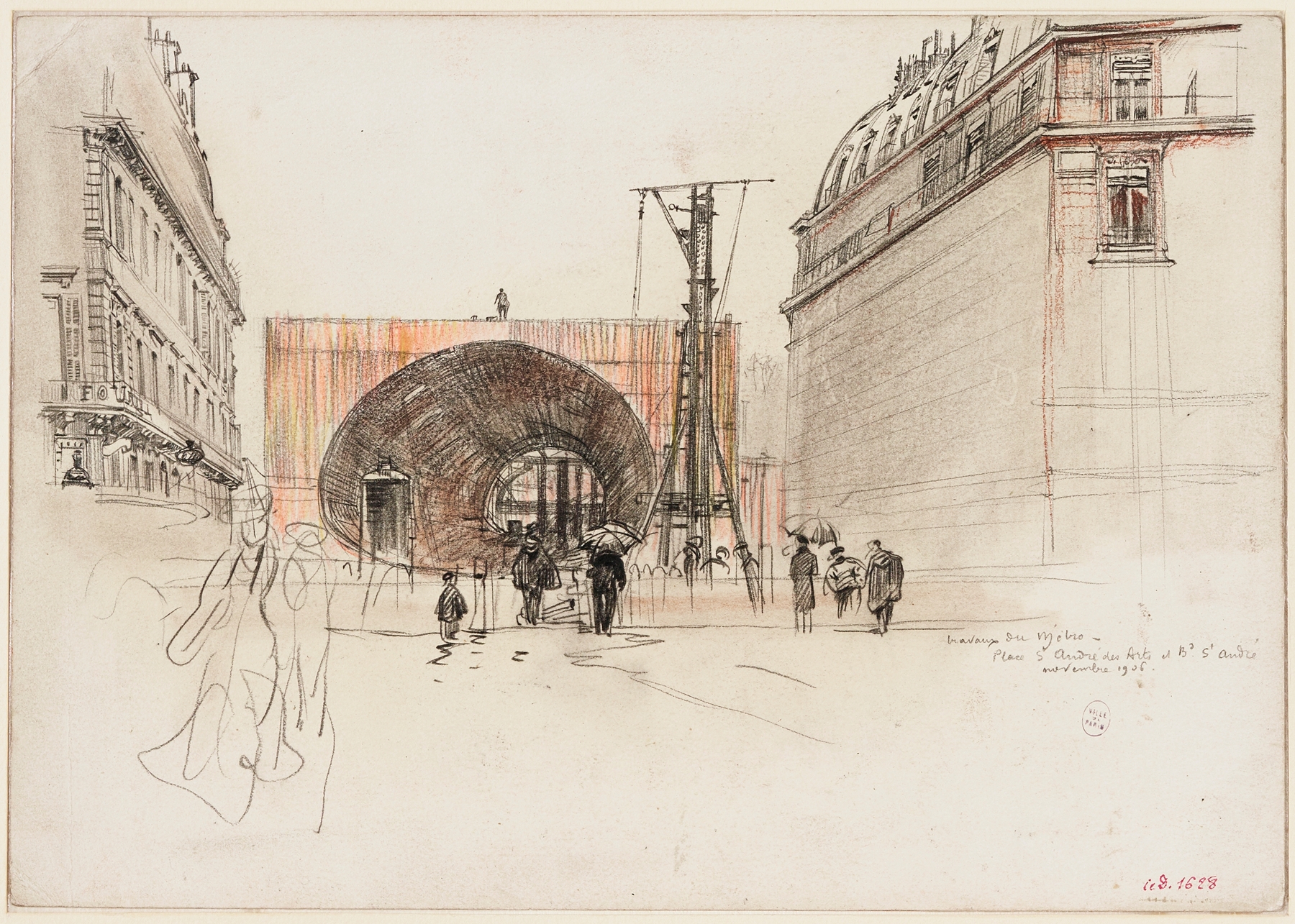
Charles Jouas painted this piece in a period marked by both artistic experimentation and societal transformation. Active in France at the turn of the 20th century, the artist was influenced by the Symbolist movement, which sought to convey emotional depth through atmospheric landscapes and urban scenes. During this time, the world was grappling with modernity, and Jouas’s work encapsulates the bittersweet tension of progress, revealing the human experience that persists even amid change.