Un coin à Montmartre — History & Analysis
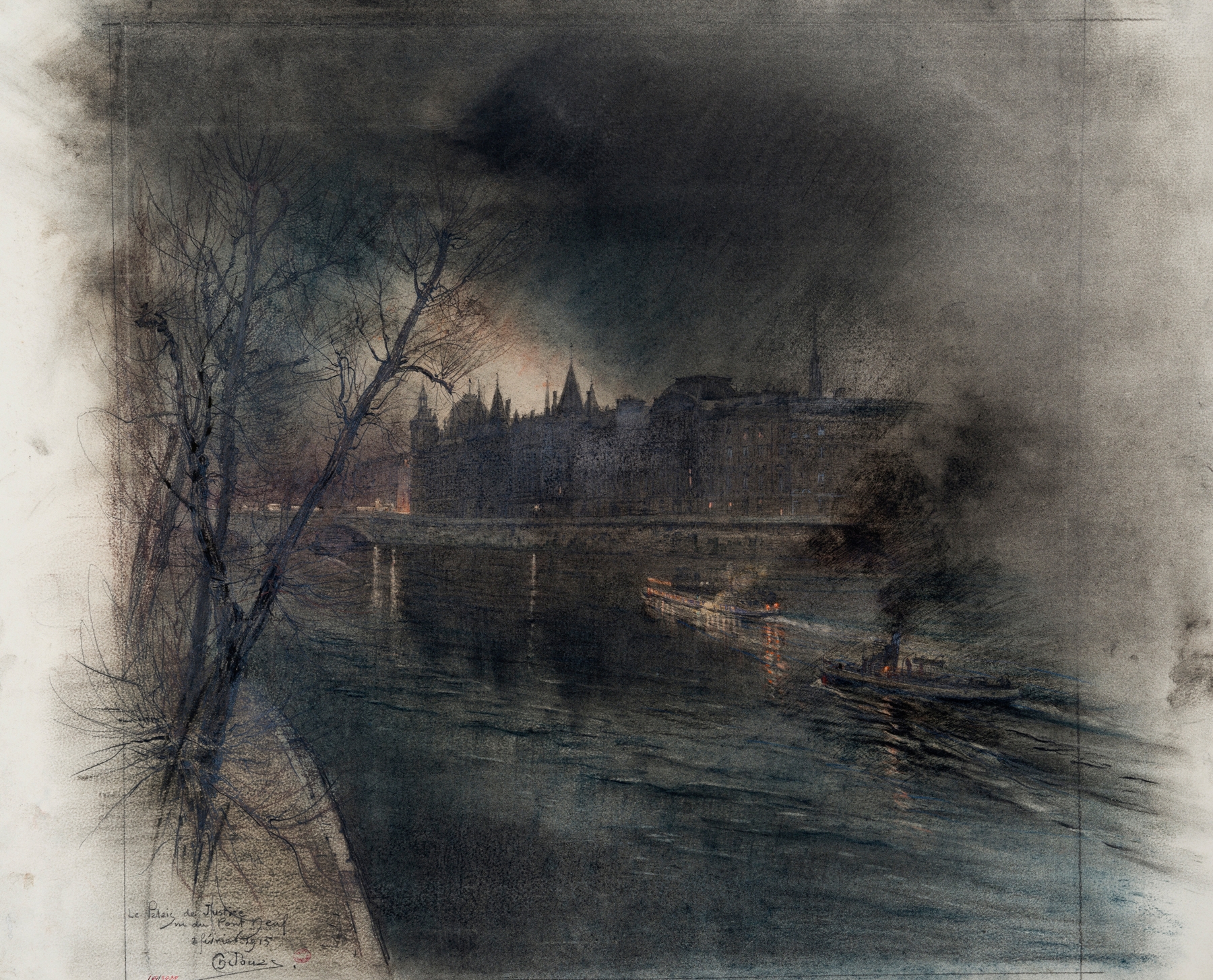
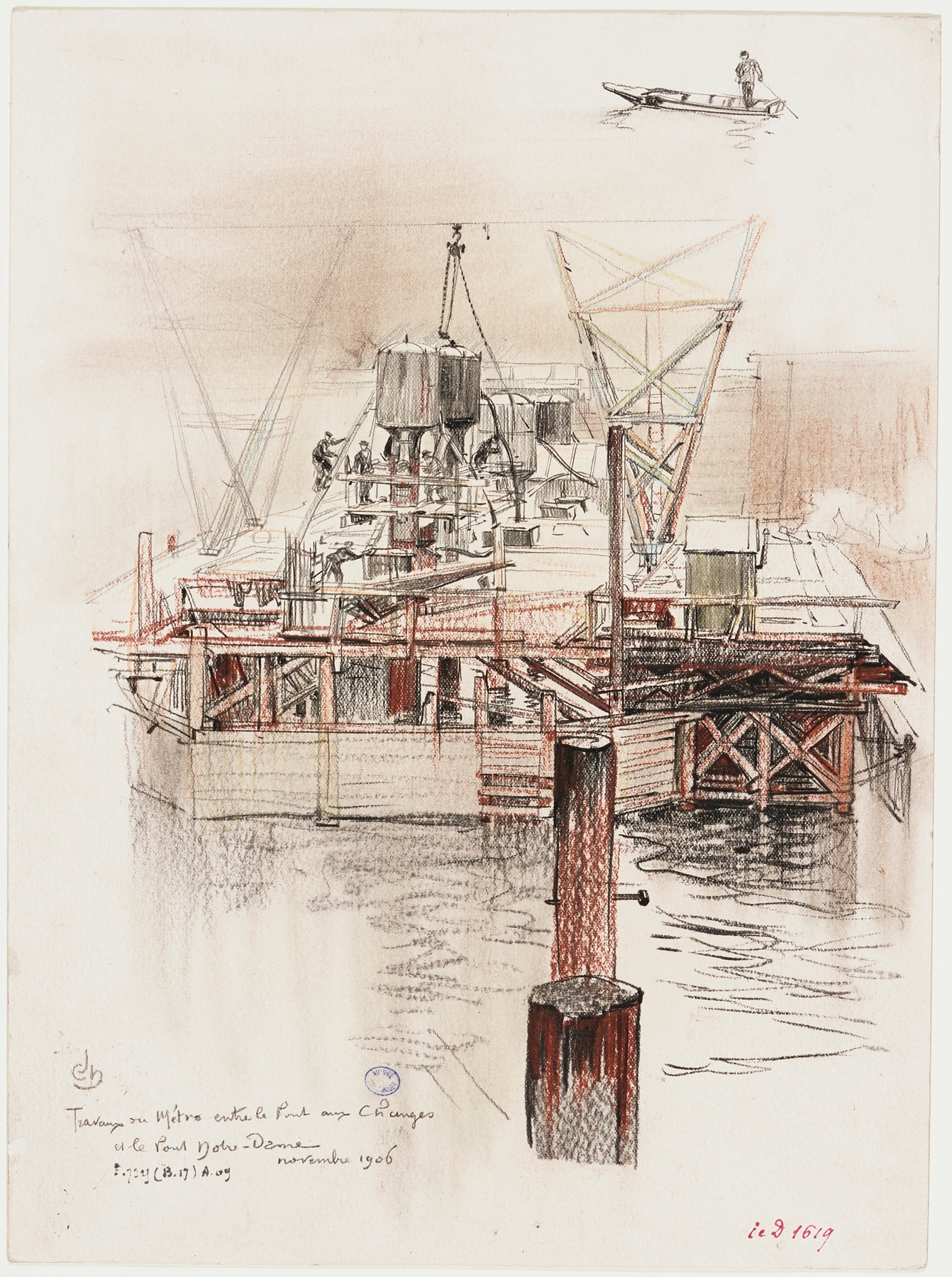
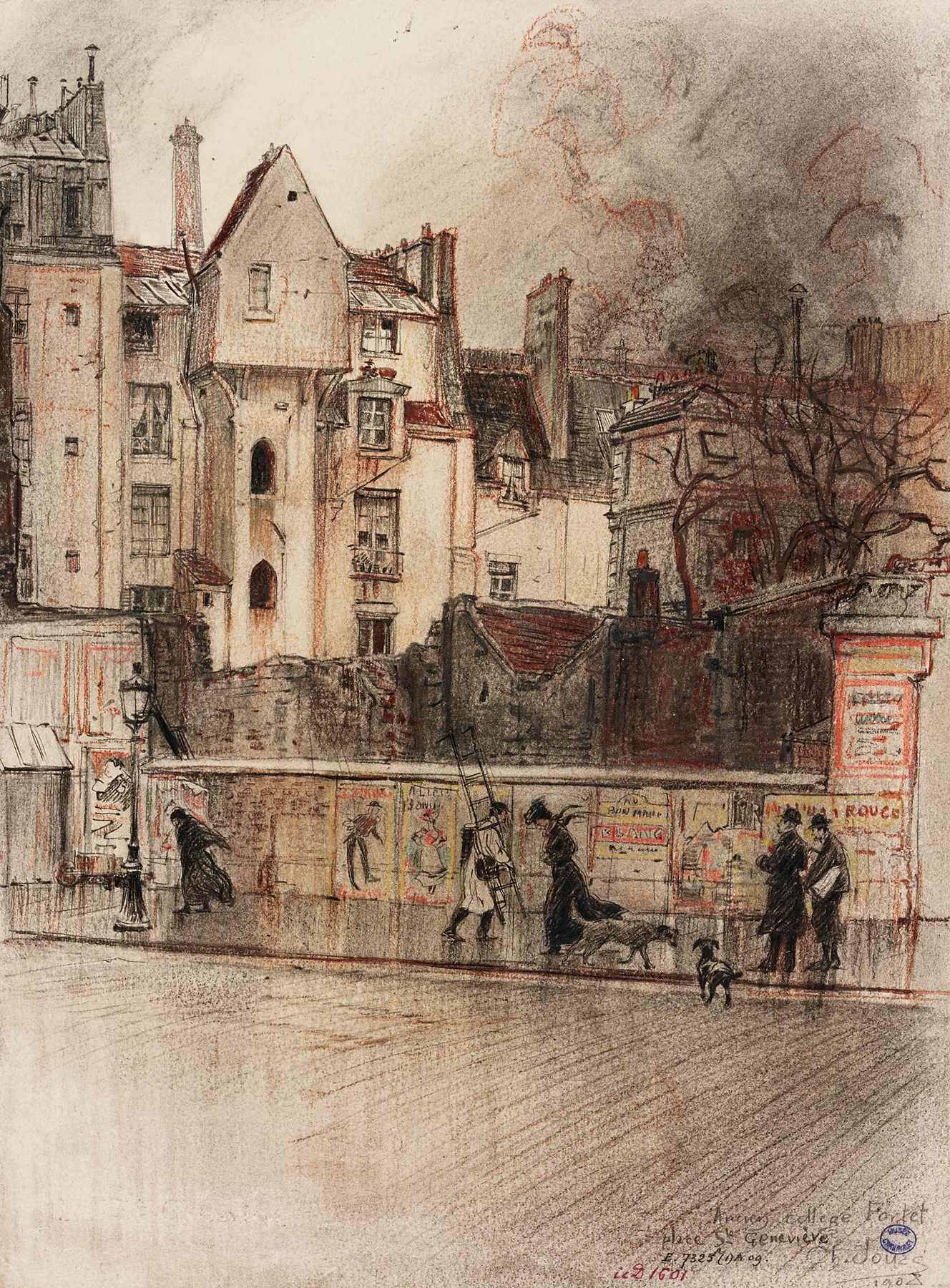
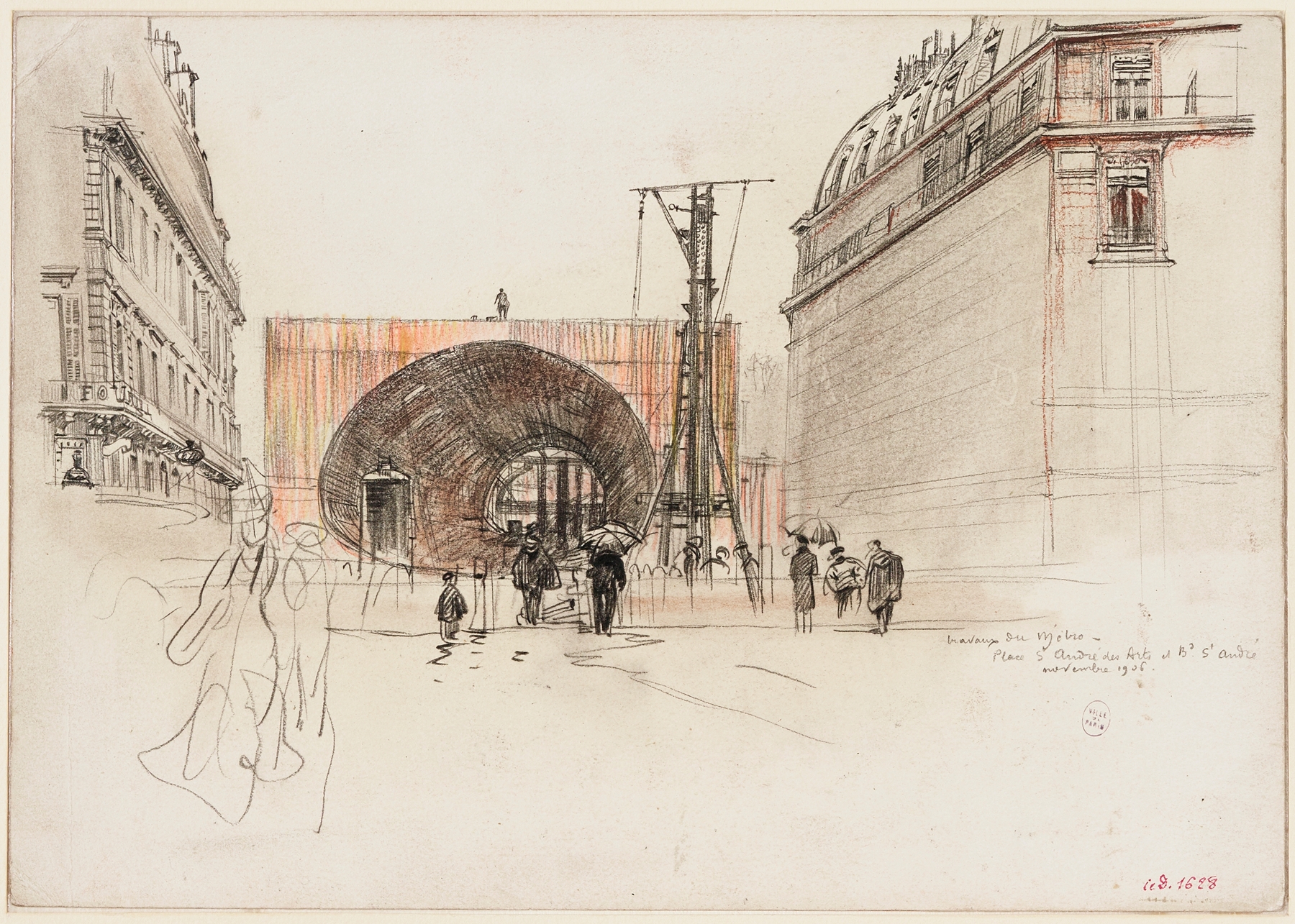
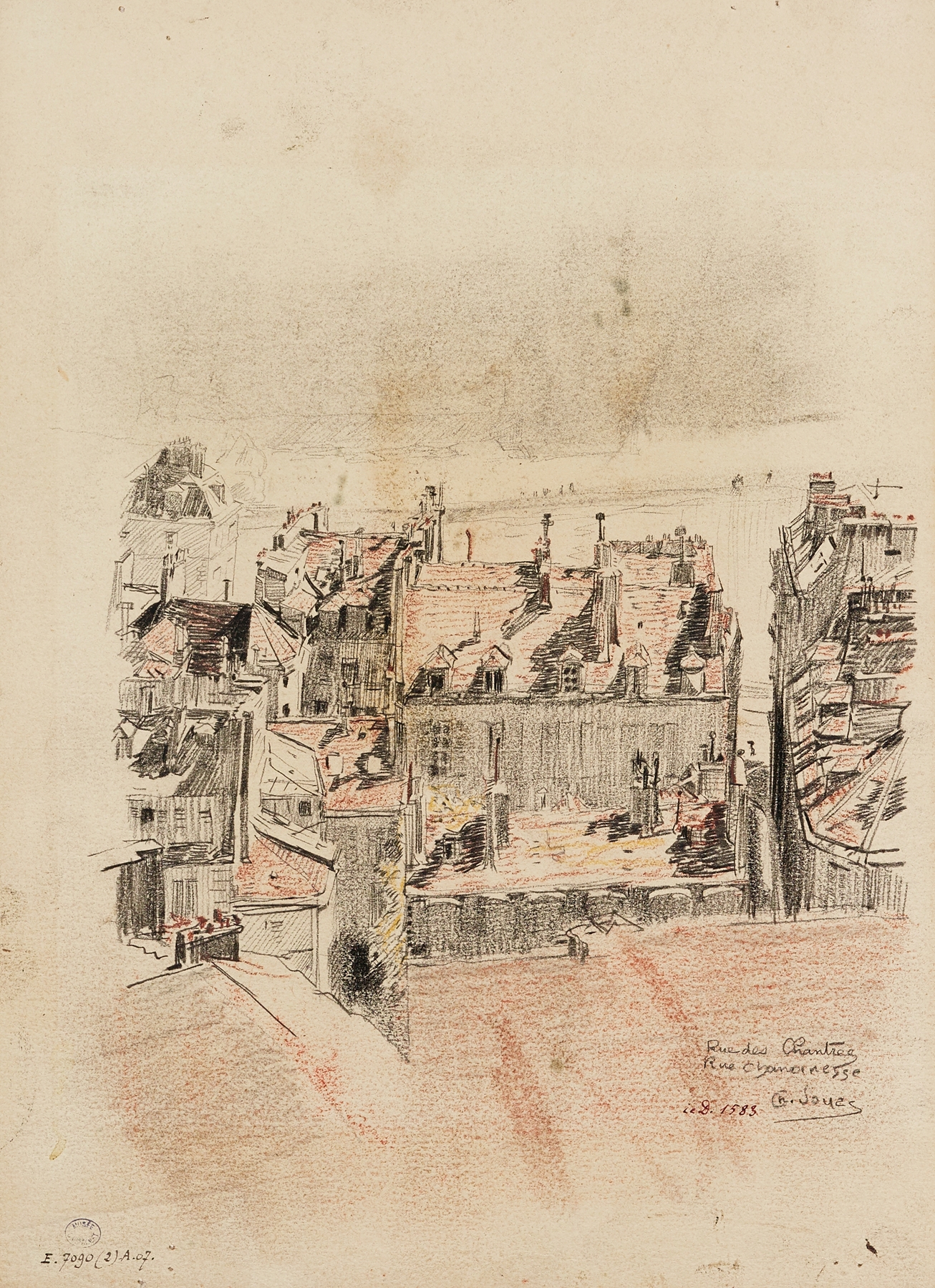
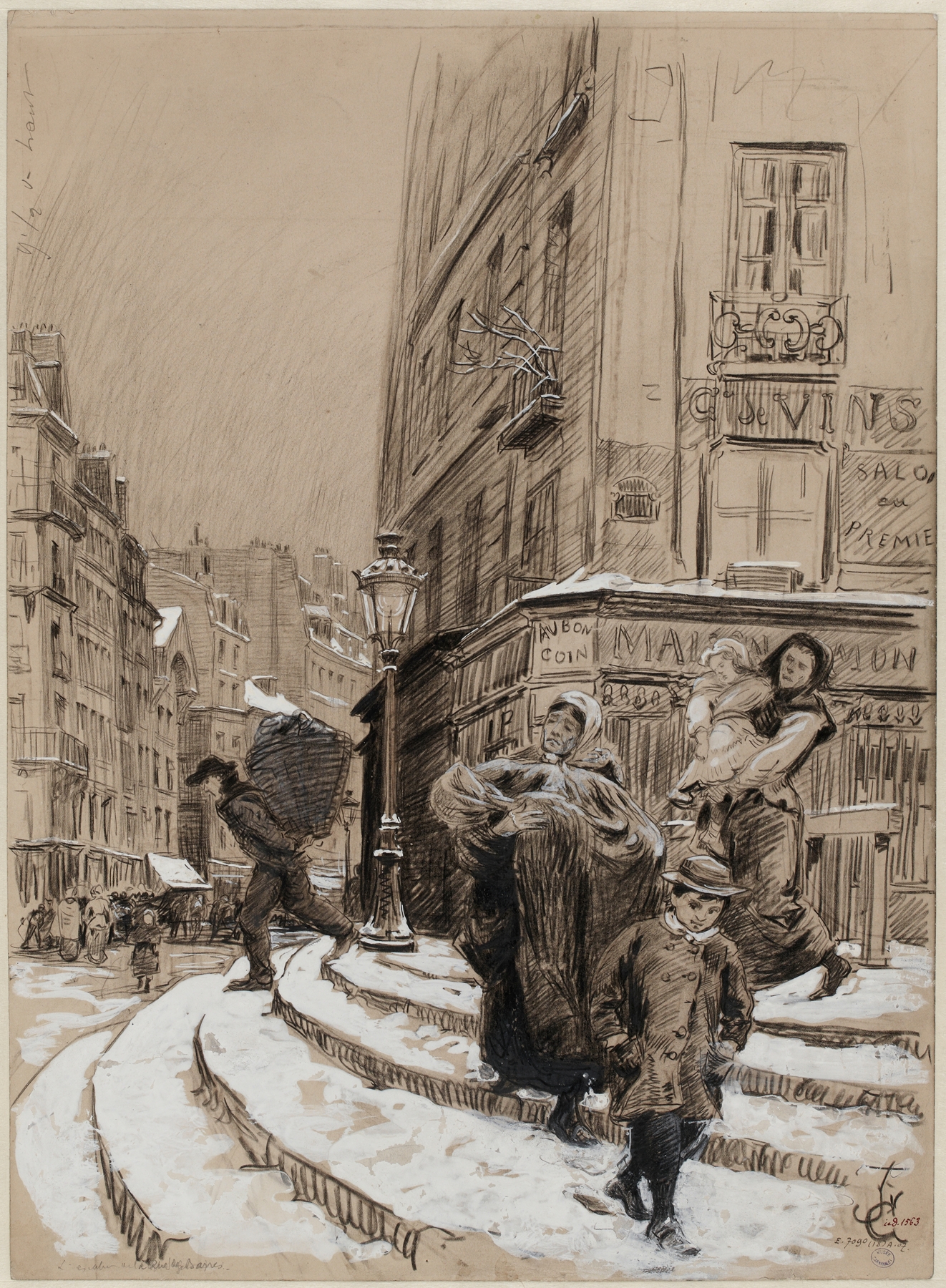
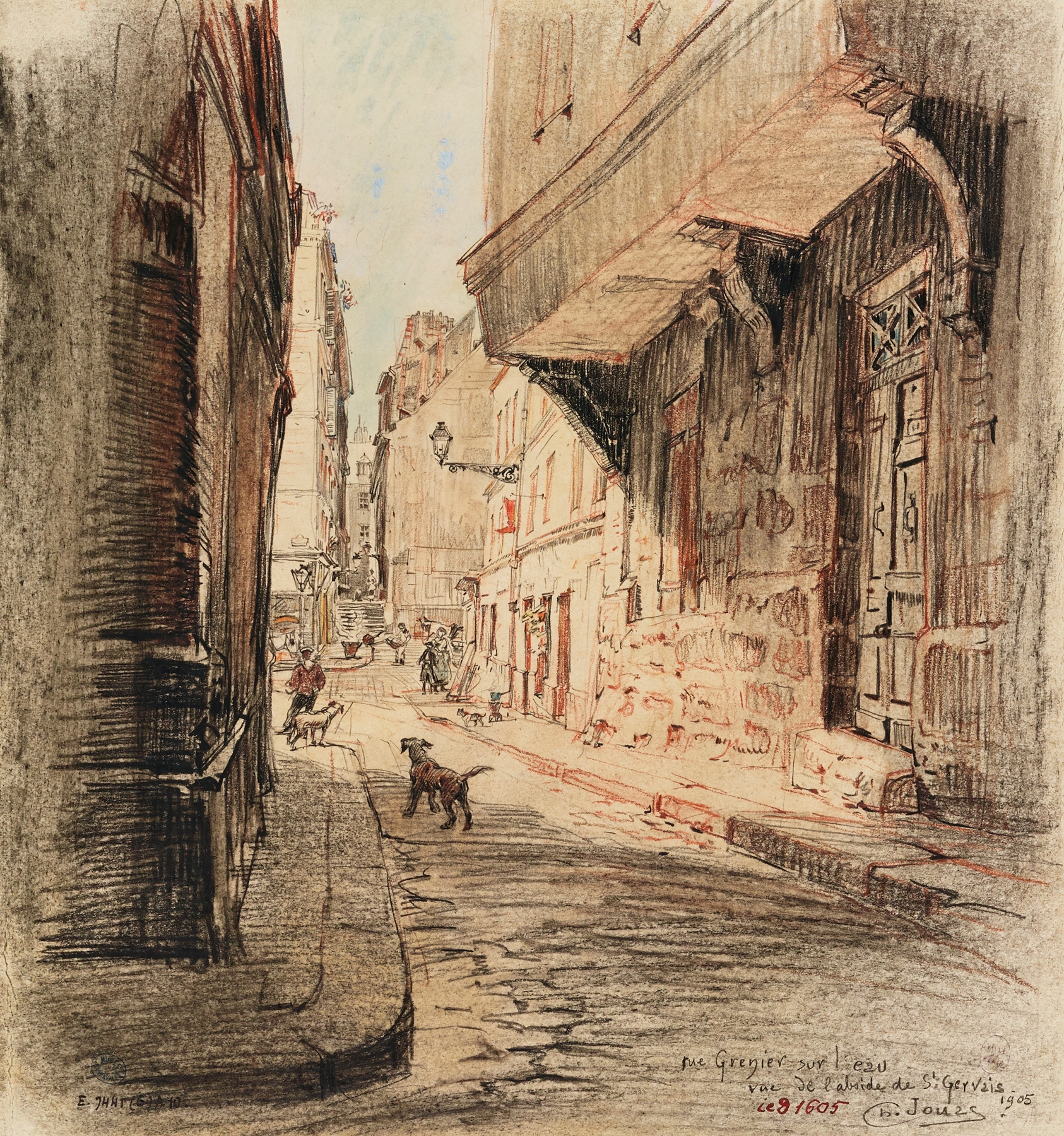
What if beauty was never meant to be finished? In the hush of a Parisian corner, silence claims its territory, inviting contemplation and stillness. Look to the left at the gracefully curving cobblestone path that meanders through the composition, guiding your gaze deeper into the scene. The artist employs soft, muted colors that evoke a sense of nostalgia, while the delicate strokes bring depth to the quiet buildings, each a witness to untold stories.
Notice how light filters through the trees, casting dappled shadows that dance in tandem with the subtle palette, creating an atmosphere of serene introspection. The juxtaposition of stillness and the bustling history of Montmartre lingers in every brushstroke. Here, the empty chairs and tables suggest the presence of absent patrons, hinting at conversations and laughter that once filled the air. Yet, their absence amplifies the emotional weight of the scene, allowing viewers to sense the ghosts of a vibrant past mingling with the palpable silence of the moment.
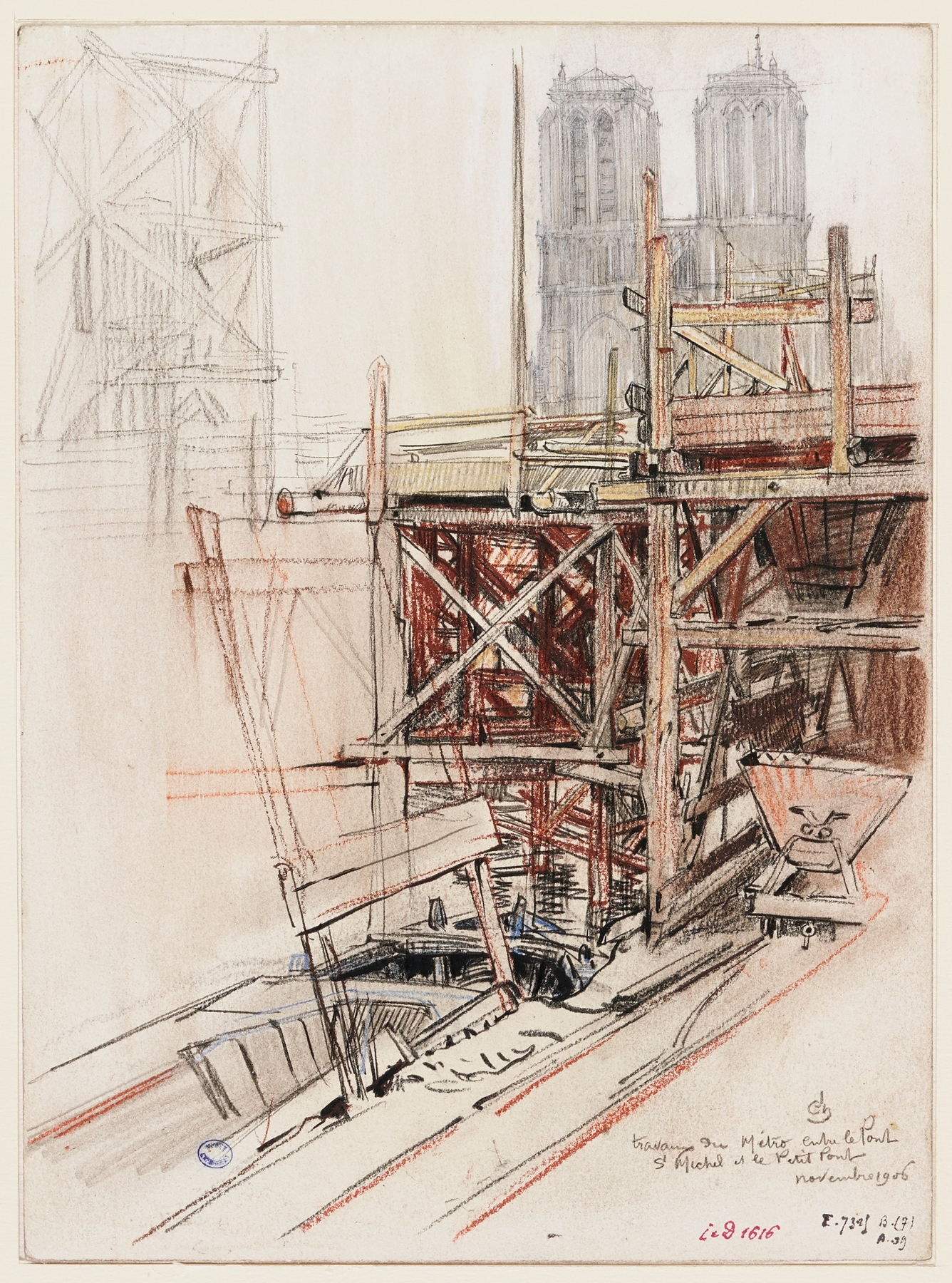
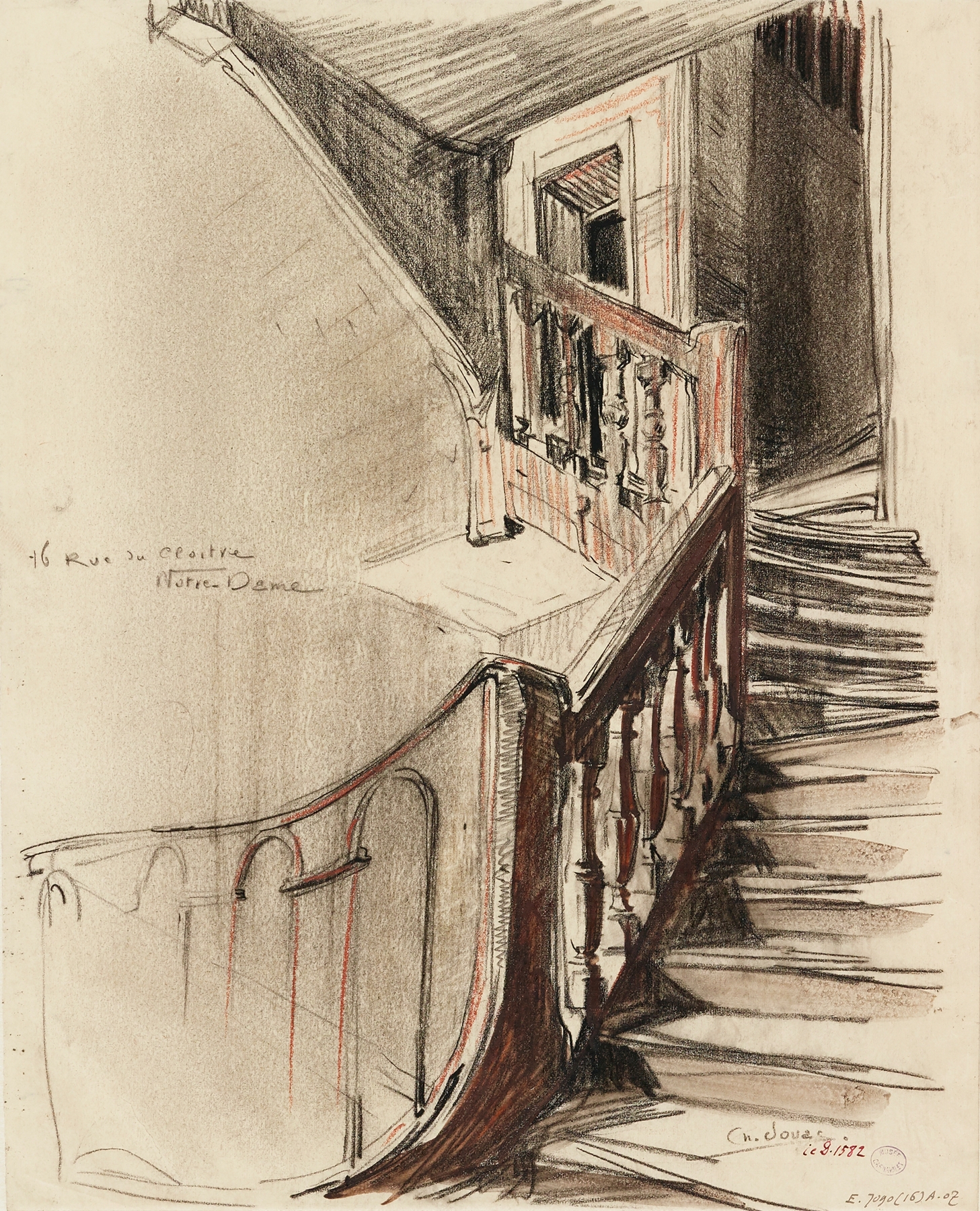
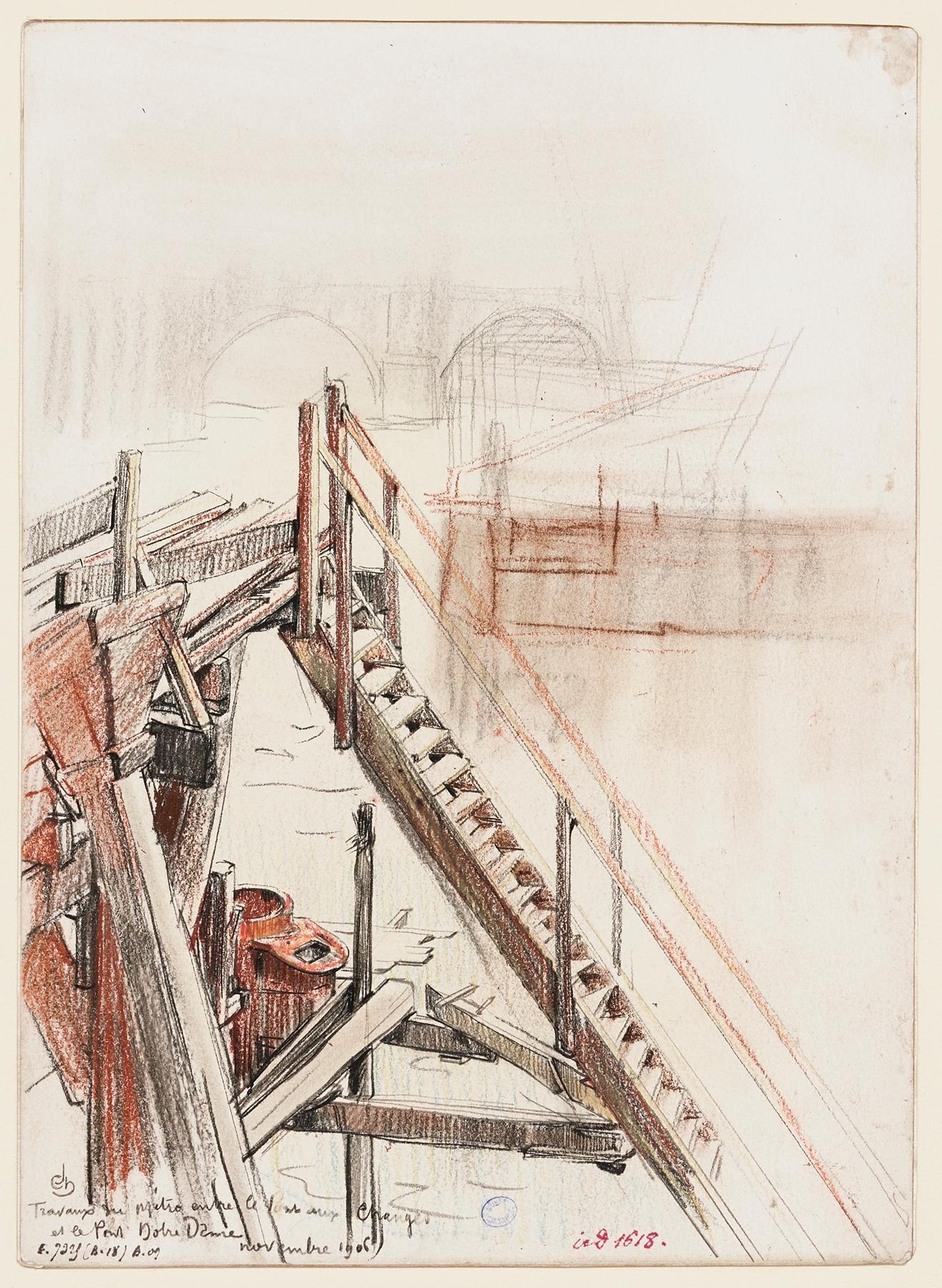
Between 1915 and 1945, when this piece was created, the world experienced upheaval and transformation. Jouas painted during a time when Paris was a beacon of hope amid the shadows of war, capturing the essence of a city that continued to inspire despite the chaos. His representation of Montmartre not only reflects a personal connection to the area but also signifies a longing for beauty in times of despair, as art offered refuge and solace to both the artist and its audience.