L’abside de la chapelle des Gobelins — History & Analysis
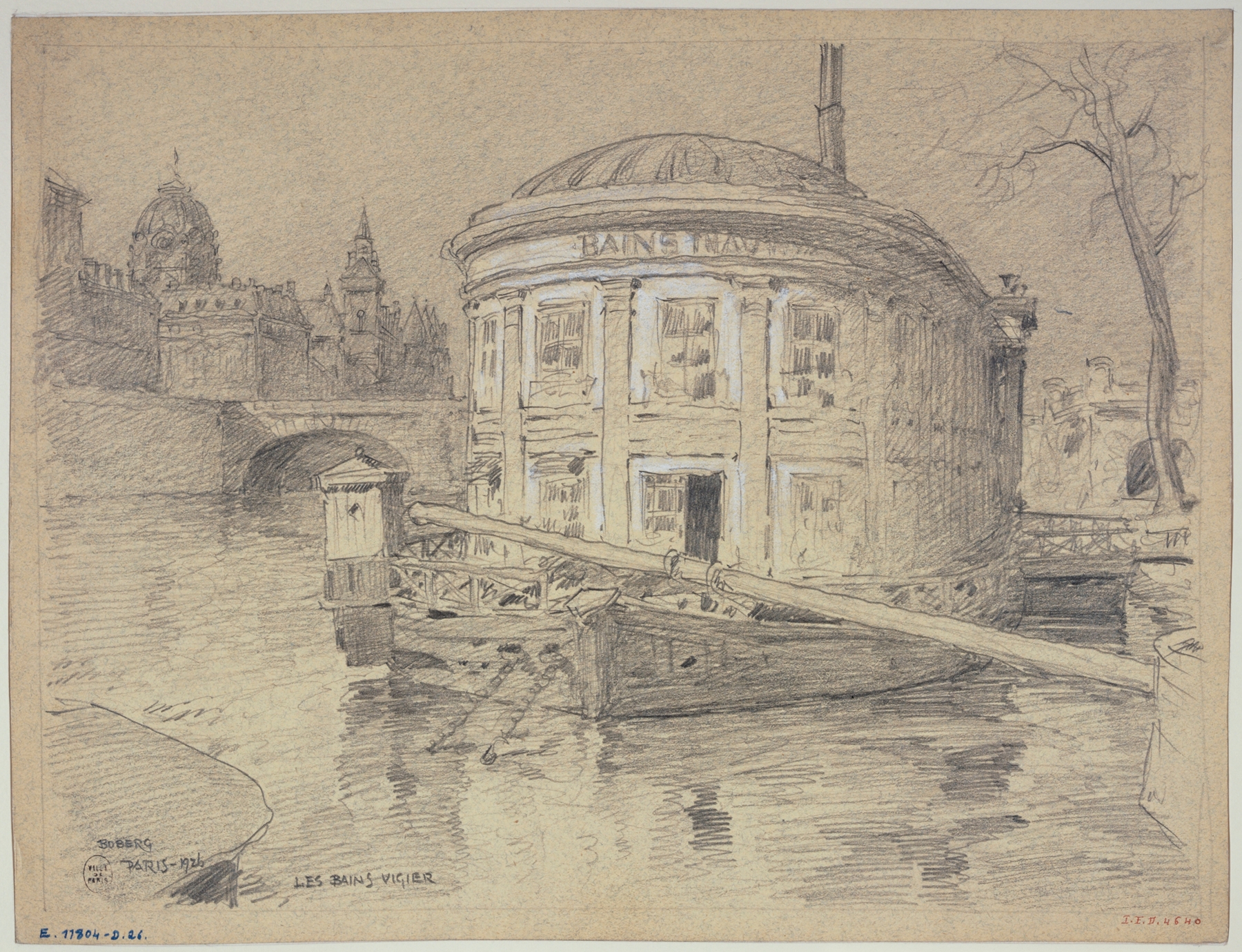
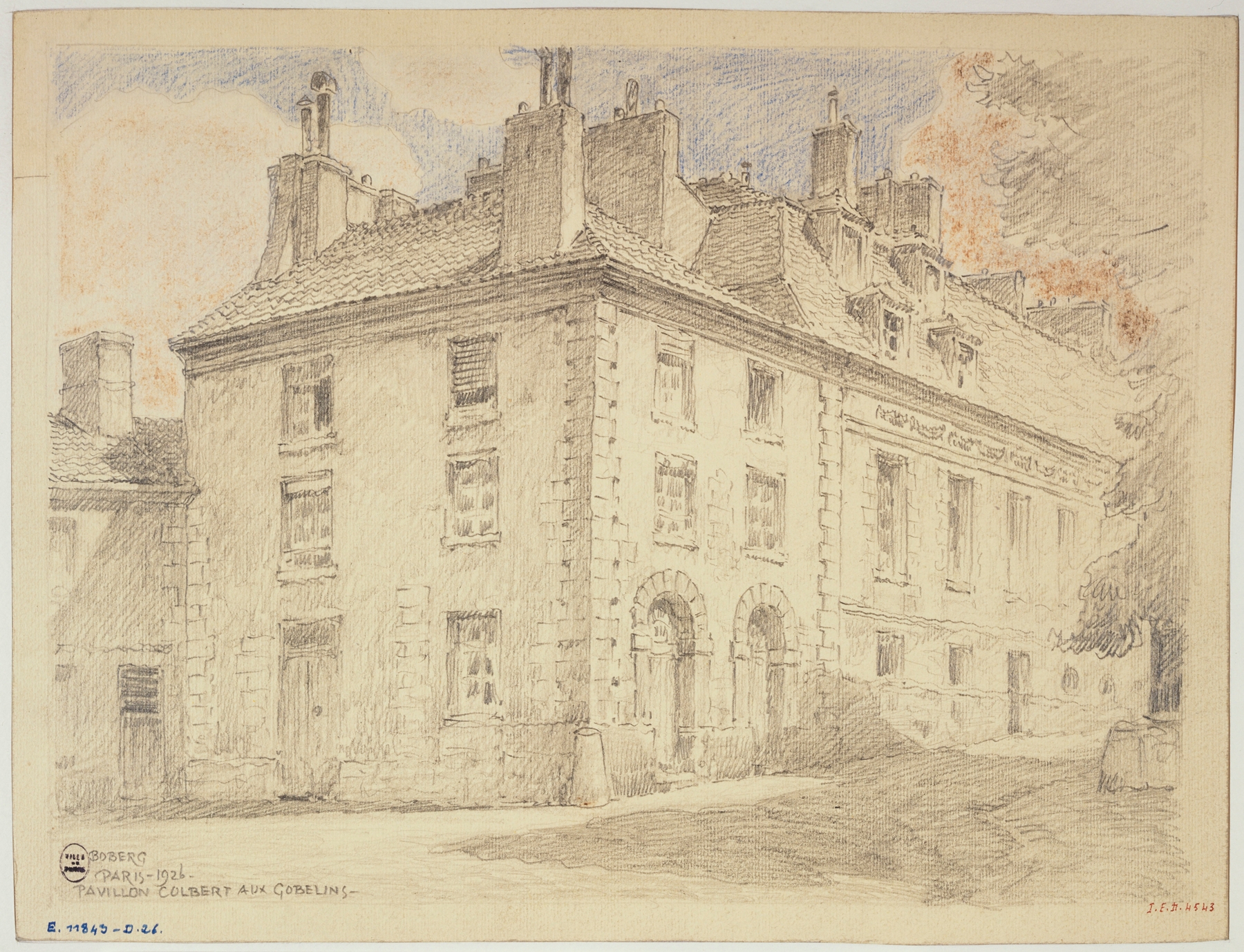
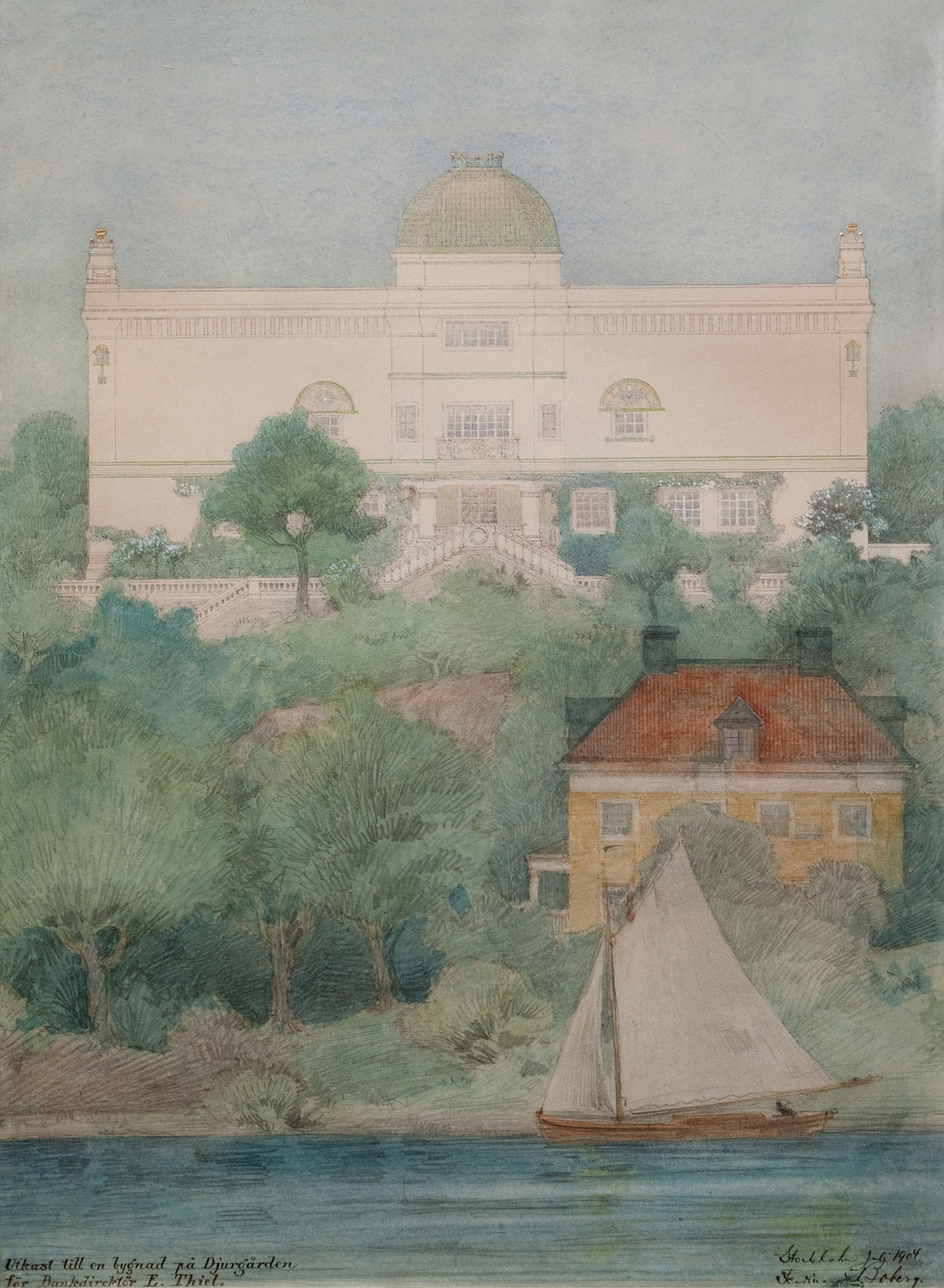
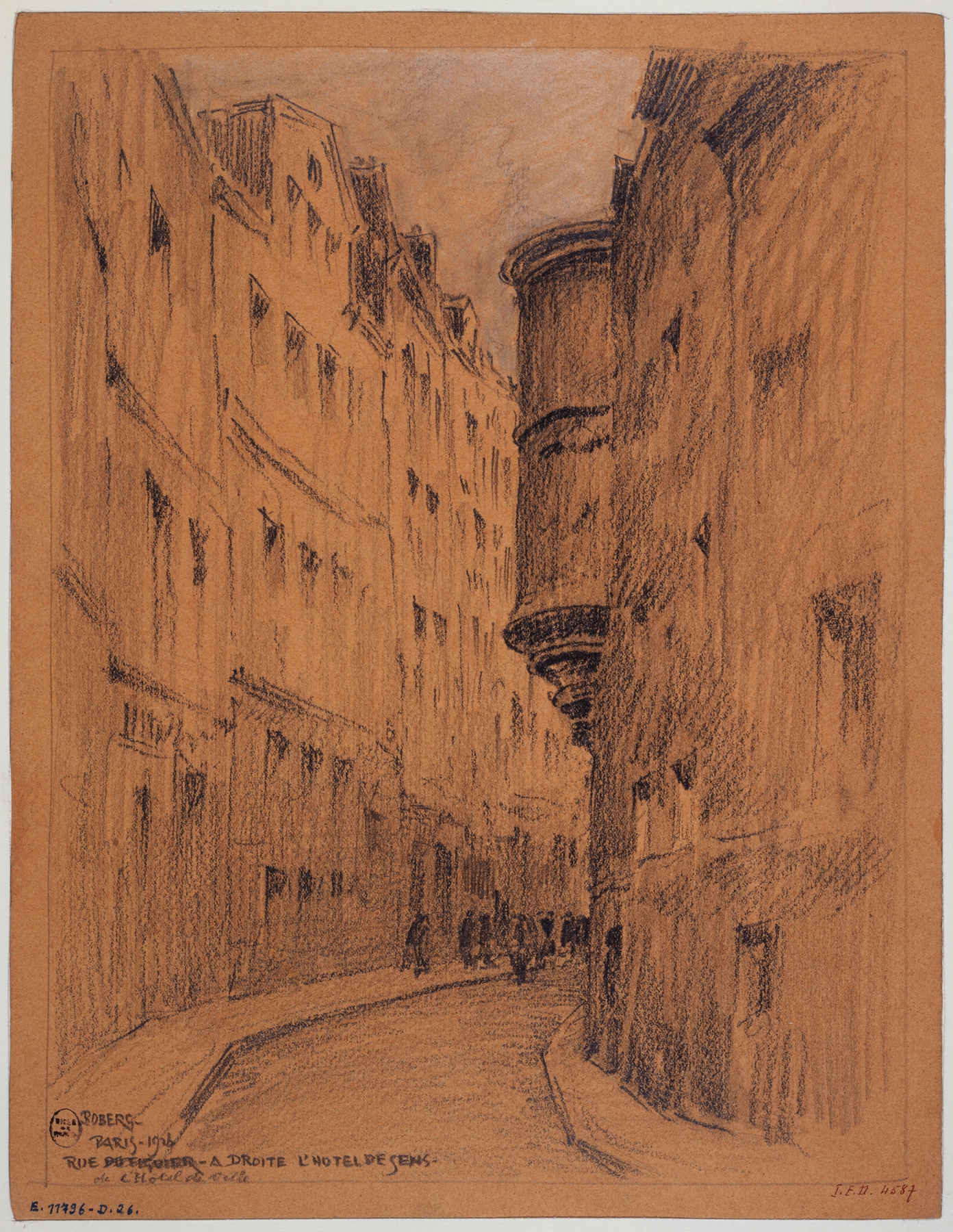
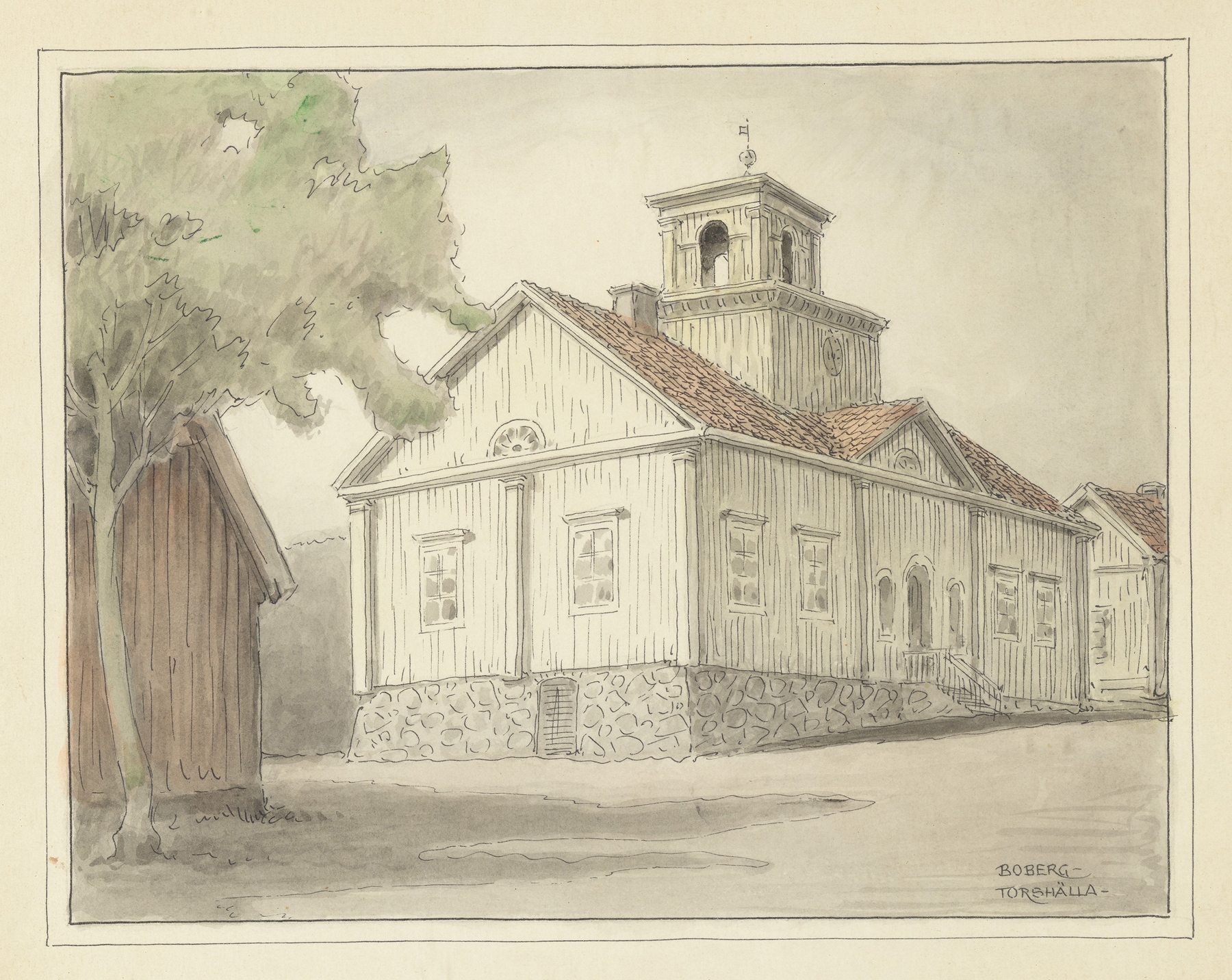
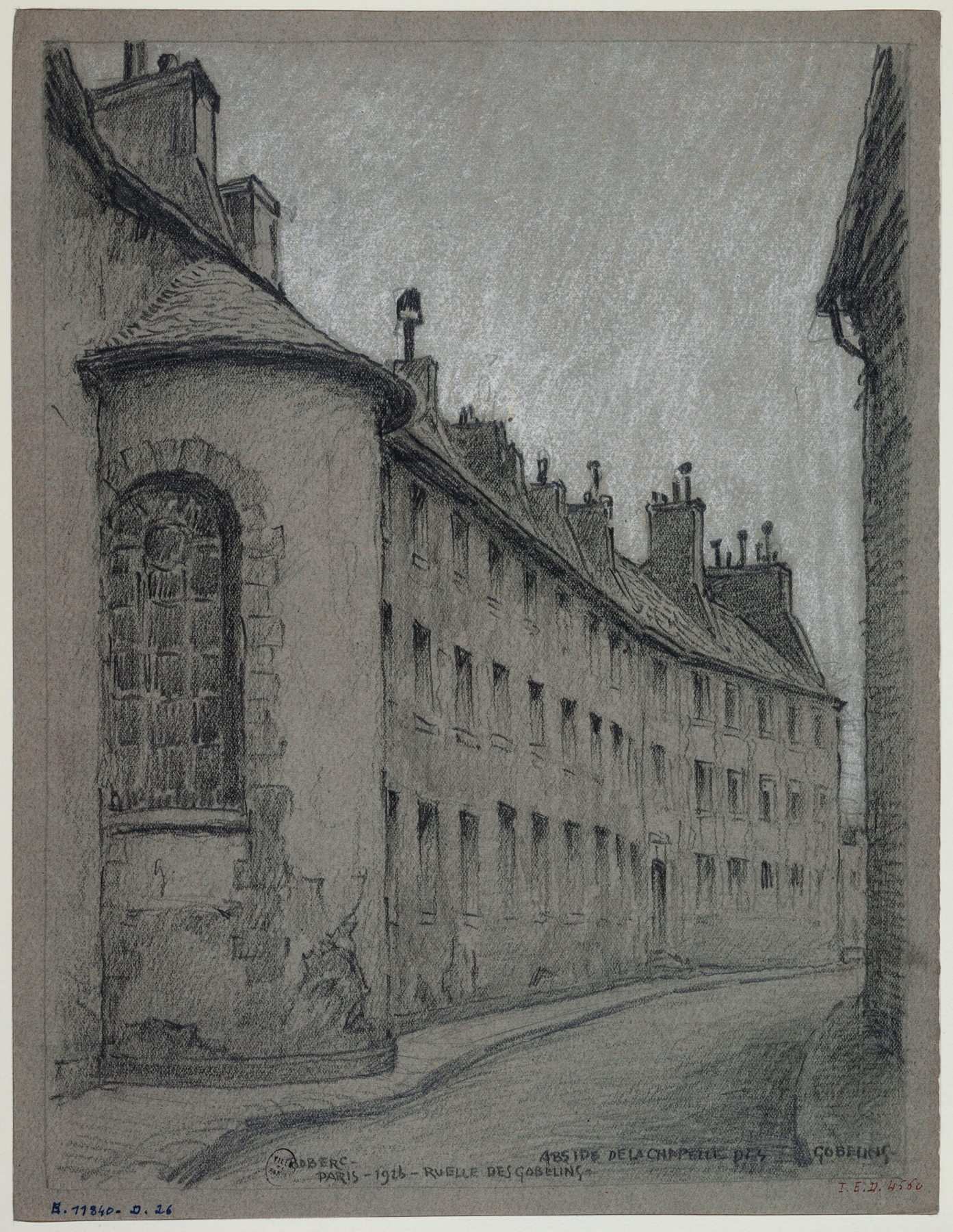
What if silence could speak through light? The stillness of a sacred space often conceals whispers of the past, each ray of illumination hinting at stories of violence and reverence intertwined. Look closely at the interplay of shadow and light that dances across the archways. The soft, muted hues of the walls converge towards the luminous stained glass, pulling your gaze into a kaleidoscope of color. Notice how the pale blues and deep reds create a tension, invoking both serenity and an undercurrent of unrest — the vivid glass depicting scenes that might echo both creation and destruction, hinting at a history laden with conflict. The juxtaposition of the sacred and the profane is palpable here. The ornate details, meticulous in their execution, speak of beauty, while the sharp angles and deep recesses evoke a sense of foreboding. The quiet grandeur of the chapel holds a darkness, as if the very essence of violence has been absorbed into its walls. Each element is a reminder that beauty and brutality often coexist in human experience, crafting a narrative that transcends mere visual appreciation. Ferdinand Boberg created this piece in 1926, a period marked by a post-war Europe grappling with the aftermath of conflict. Living in a world where art was increasingly being used as a means of expression and commentary, Boberg's work reflects the tension and complexity of his time, merging the sacred with the brutal in a way that compels the viewer to confront uncomfortable truths.