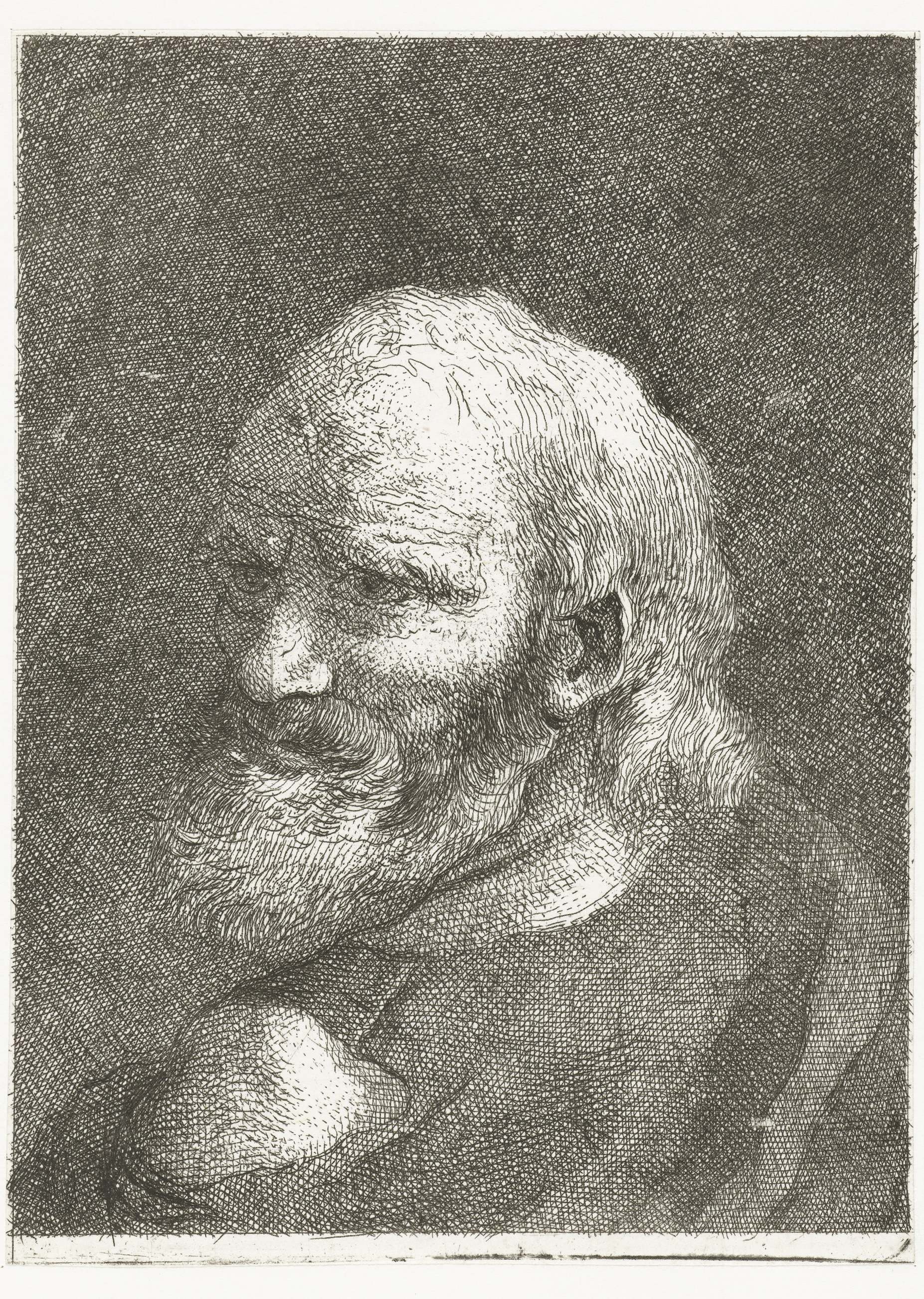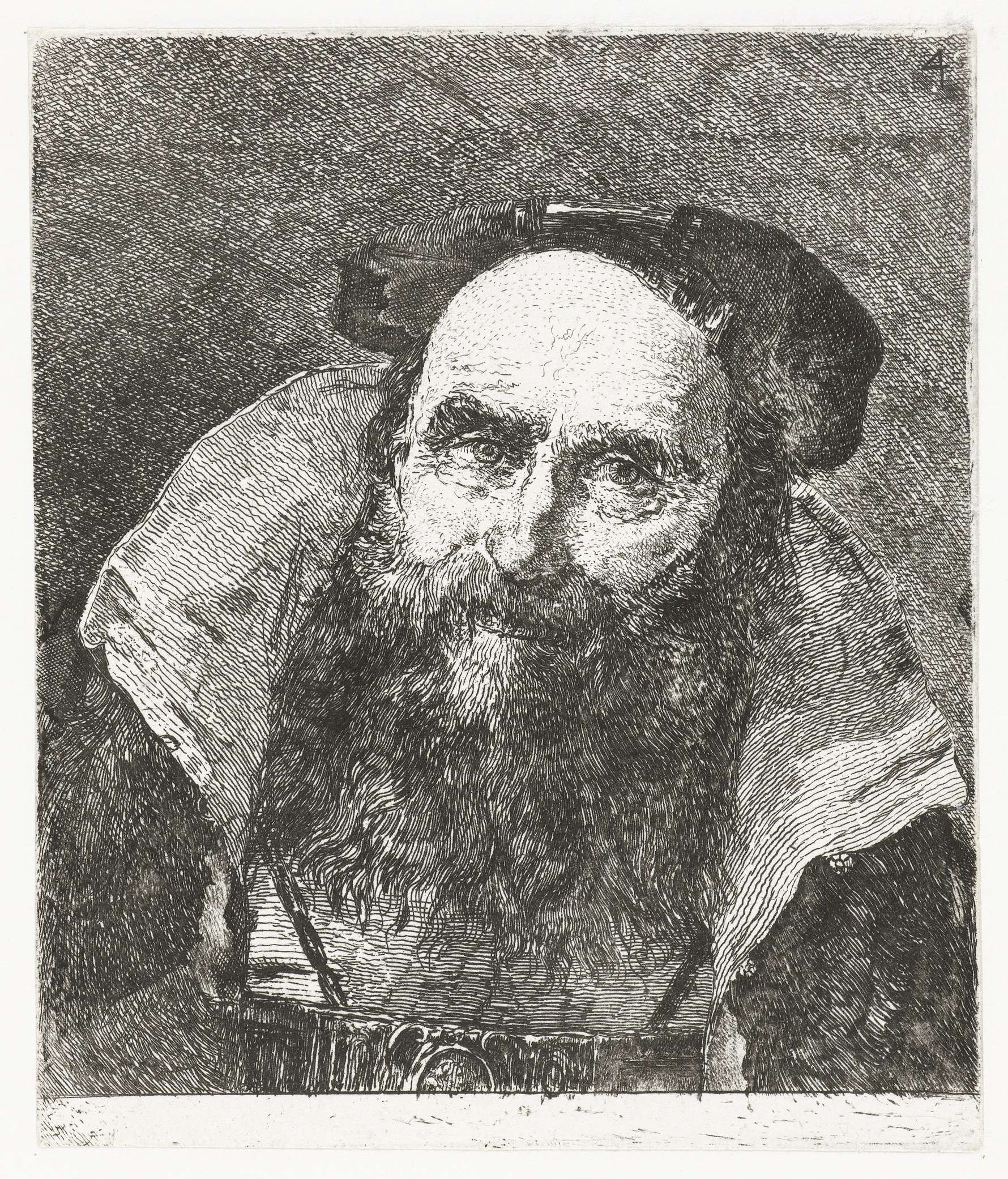
Lachende oude man — History & Analysis
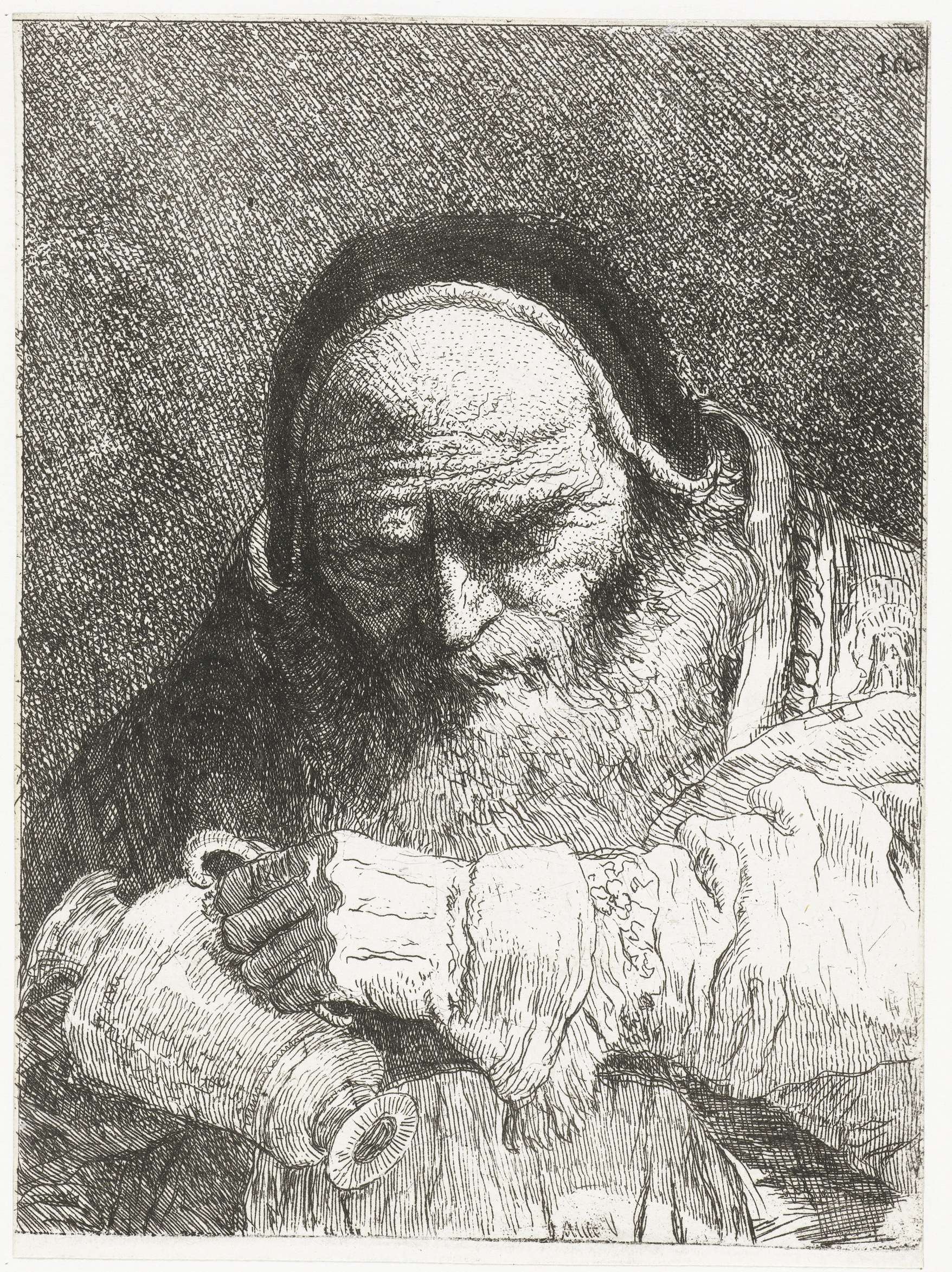
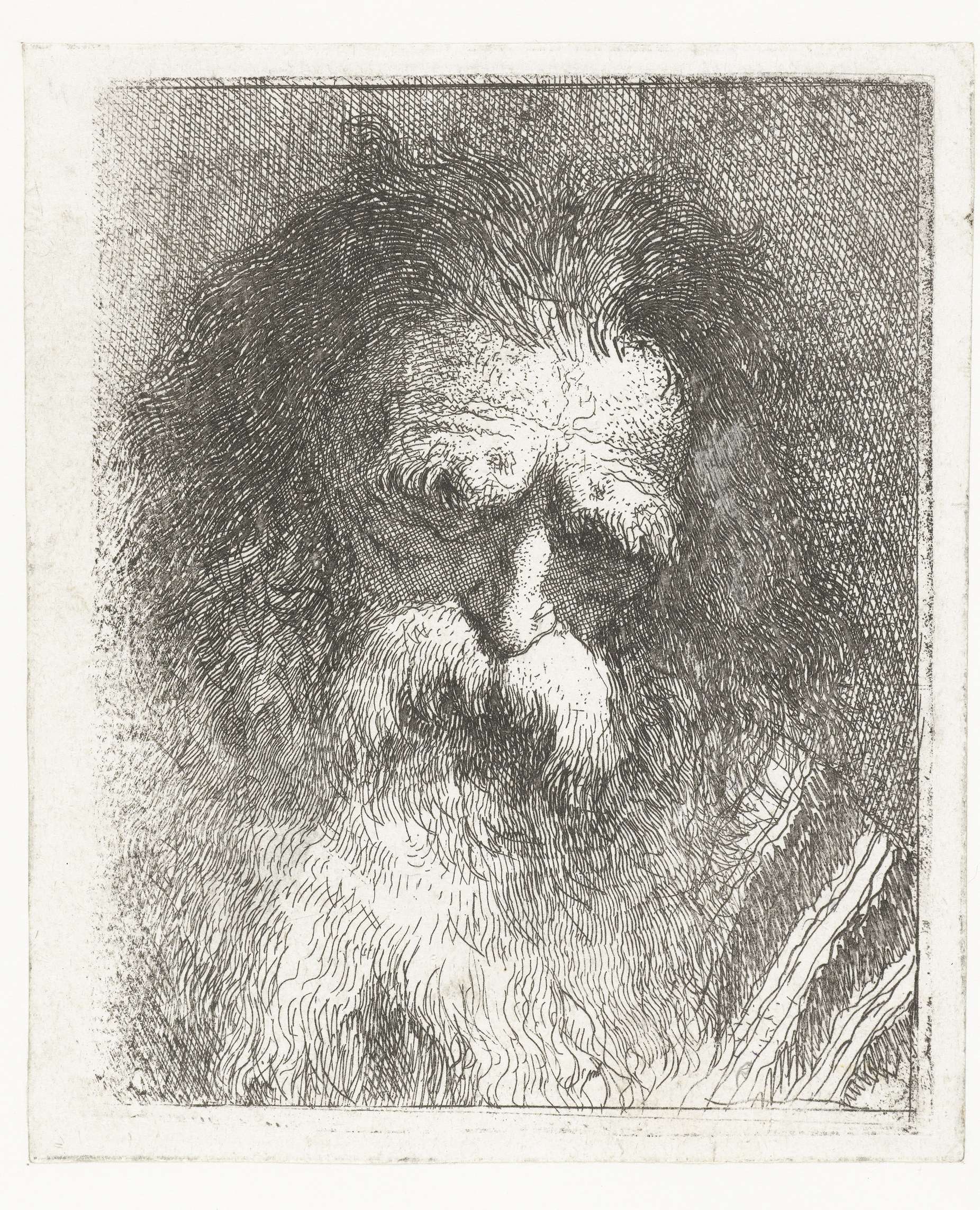
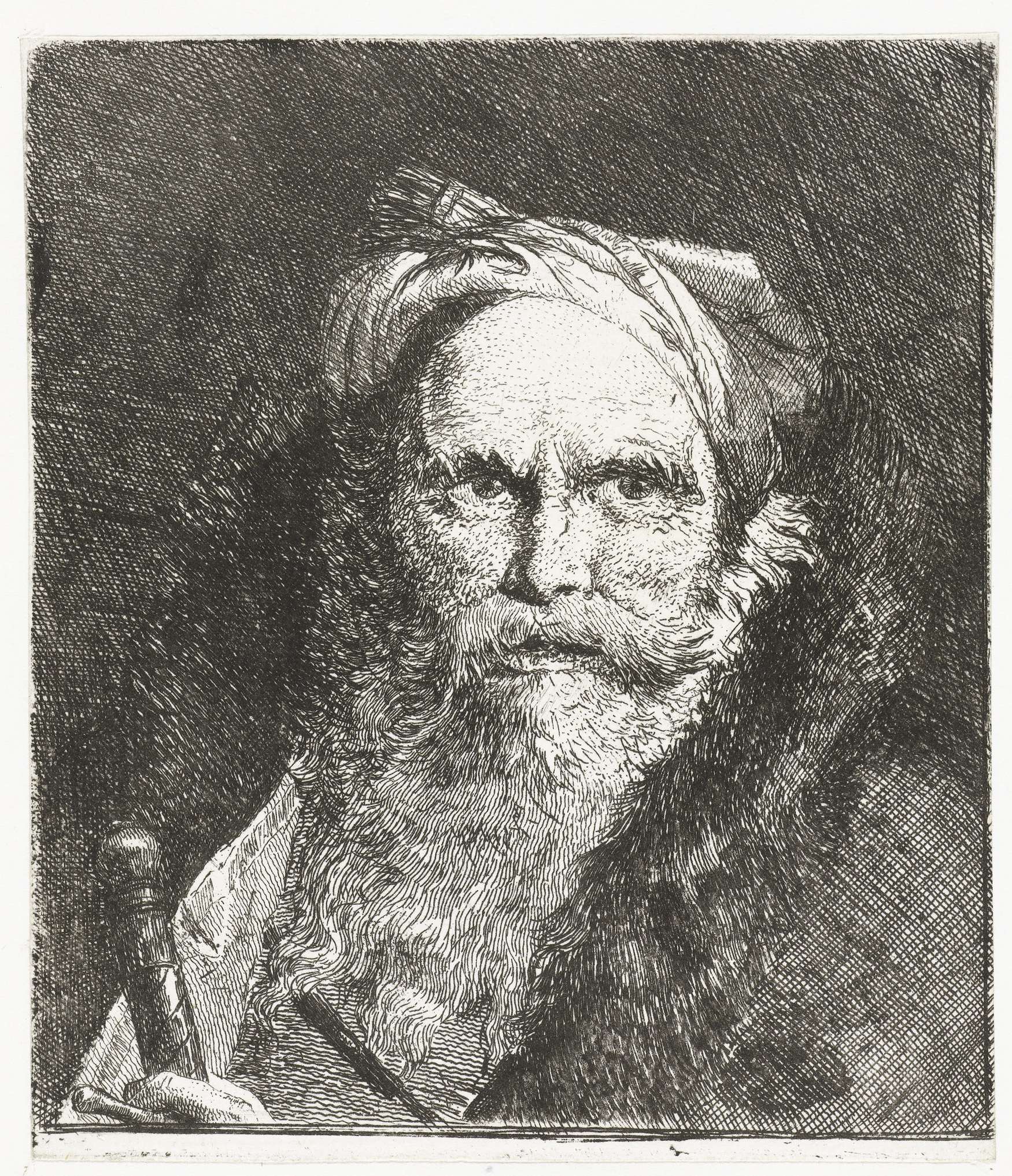
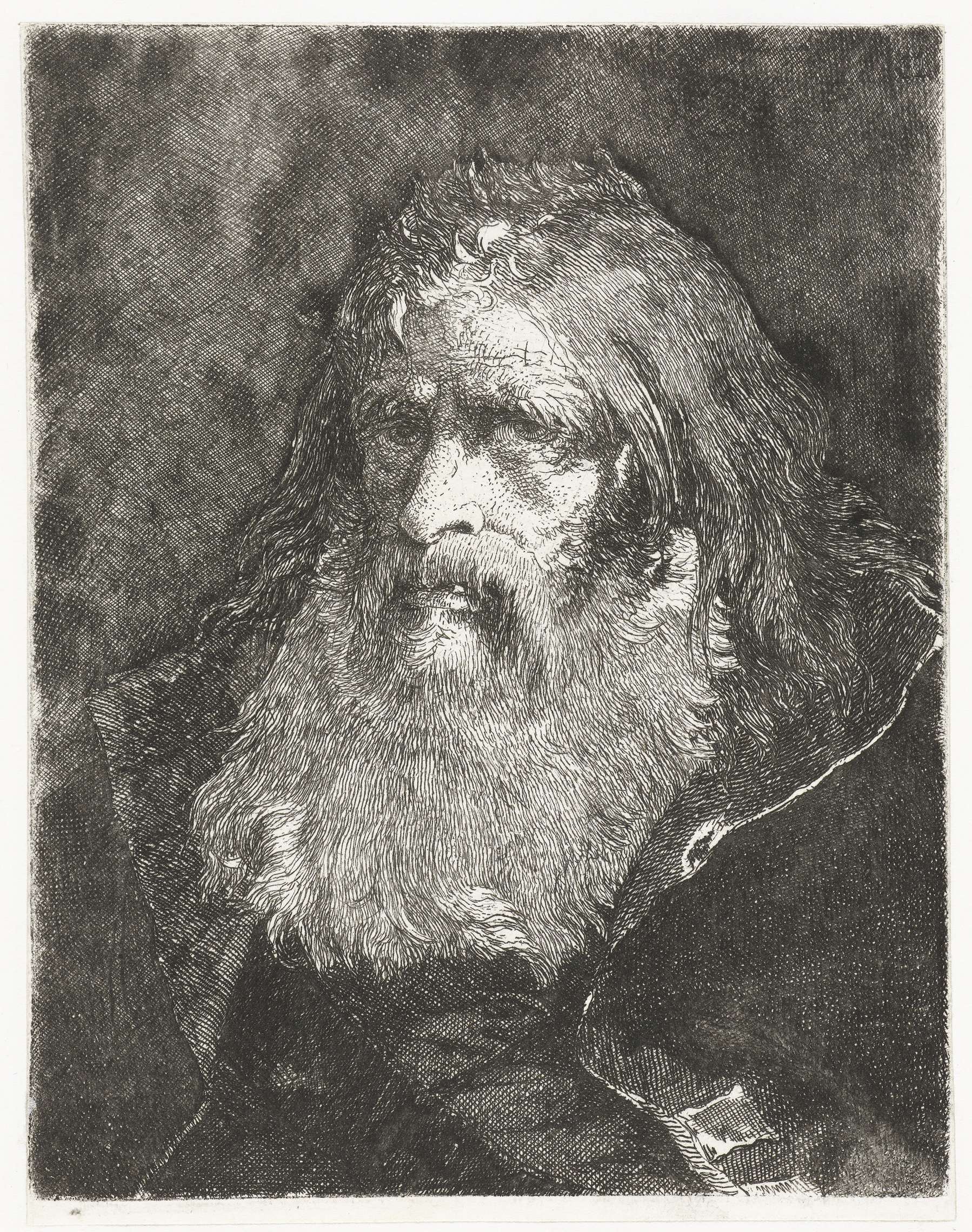
Could beauty survive in a century of chaos? This question looms in the shadowed corners of Lachende oude man, as laughter dances delicately upon the canvas, nearly eclipsed by the weight of grief. The joyful visage of an old man, crinkled and wise, embodies both the fragility of happiness and the inevitable passage of time. It invites us to ponder the paradox of joy amidst sorrow, revealing a heartfelt struggle between light and dark. Look to the old man's eyes first, where the glimmer of laughter merges with a hint of something deeper — perhaps a longing or a missed connection.
Notice how Tiepolo skillfully uses light, casting a warm glow across the man's sun-kissed skin, accentuating his wrinkles as though each creased line is a story longing to be told. The restrained palette evokes a sense of nostalgia, where vibrant hues juxtapose against subtle undertones, highlighting the complexity of human emotion in a singular moment. Delve into the details: the way the laughter seems almost to echo in the air around him, suggesting unspoken stories of loss and resilience. His expression, while seemingly carefree, also hints at a backdrop of experience shaped by adversity.
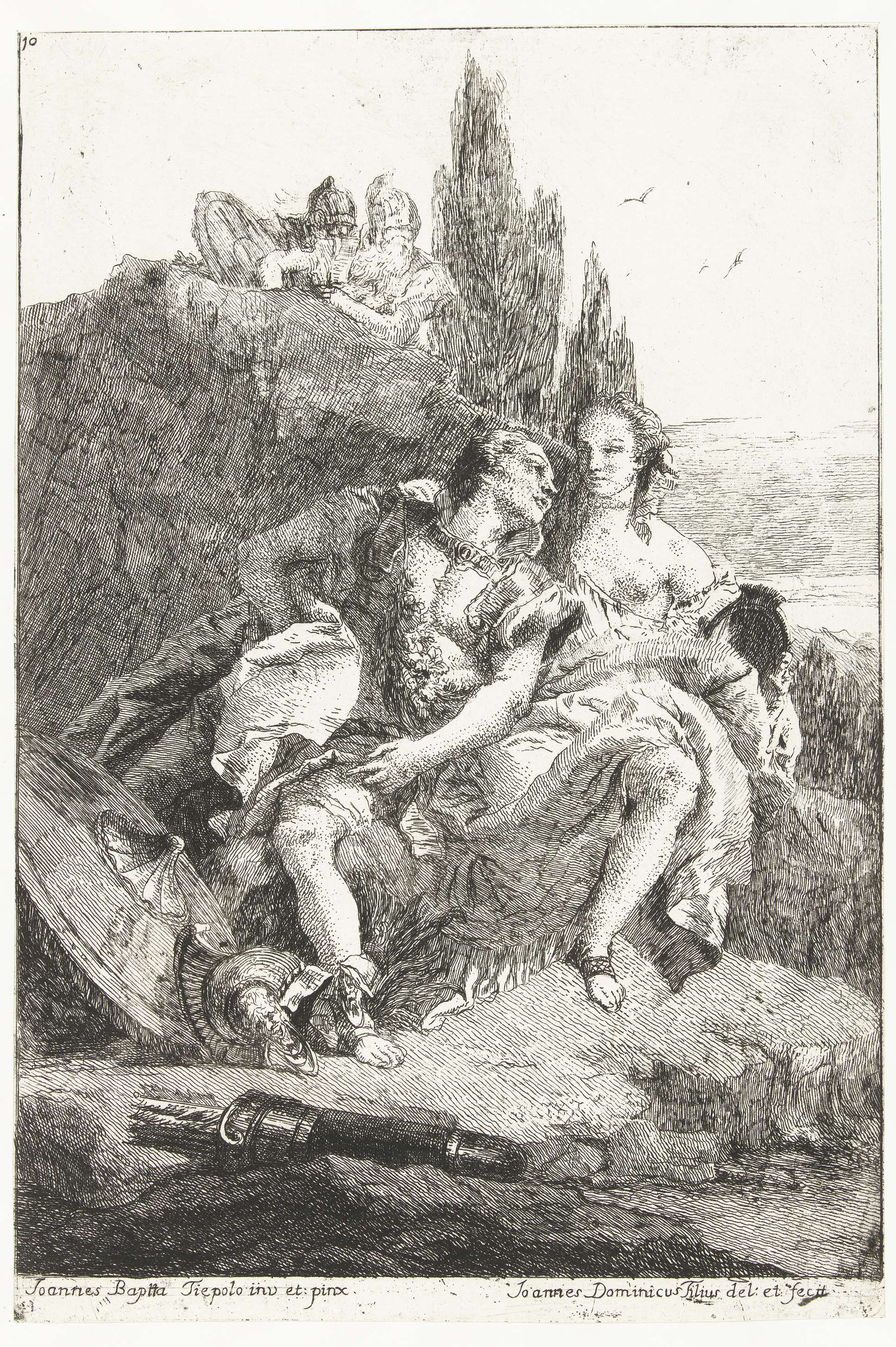
The surrounding environment, though minimal, does not detract from the central figure; rather, it amplifies the tension between joy and the inevitable grief that accompanies a life well-lived, hinting at the shared human experience of loss. In 1774, Giovanni Domenico Tiepolo, the son of the renowned Giambattista Tiepolo, created this piece during a time when the art world was shifting towards the neoclassical style. At this point in his life, Tiepolo had embraced the complexities of human emotion, likely influenced by both personal experiences and the socio-political tumult of the era. His ability to infuse emotional depth into ostensibly simple subjects marked a significant evolution in his artistic journey, capturing the raw essence of humanity.