Lake Scene — History & Analysis
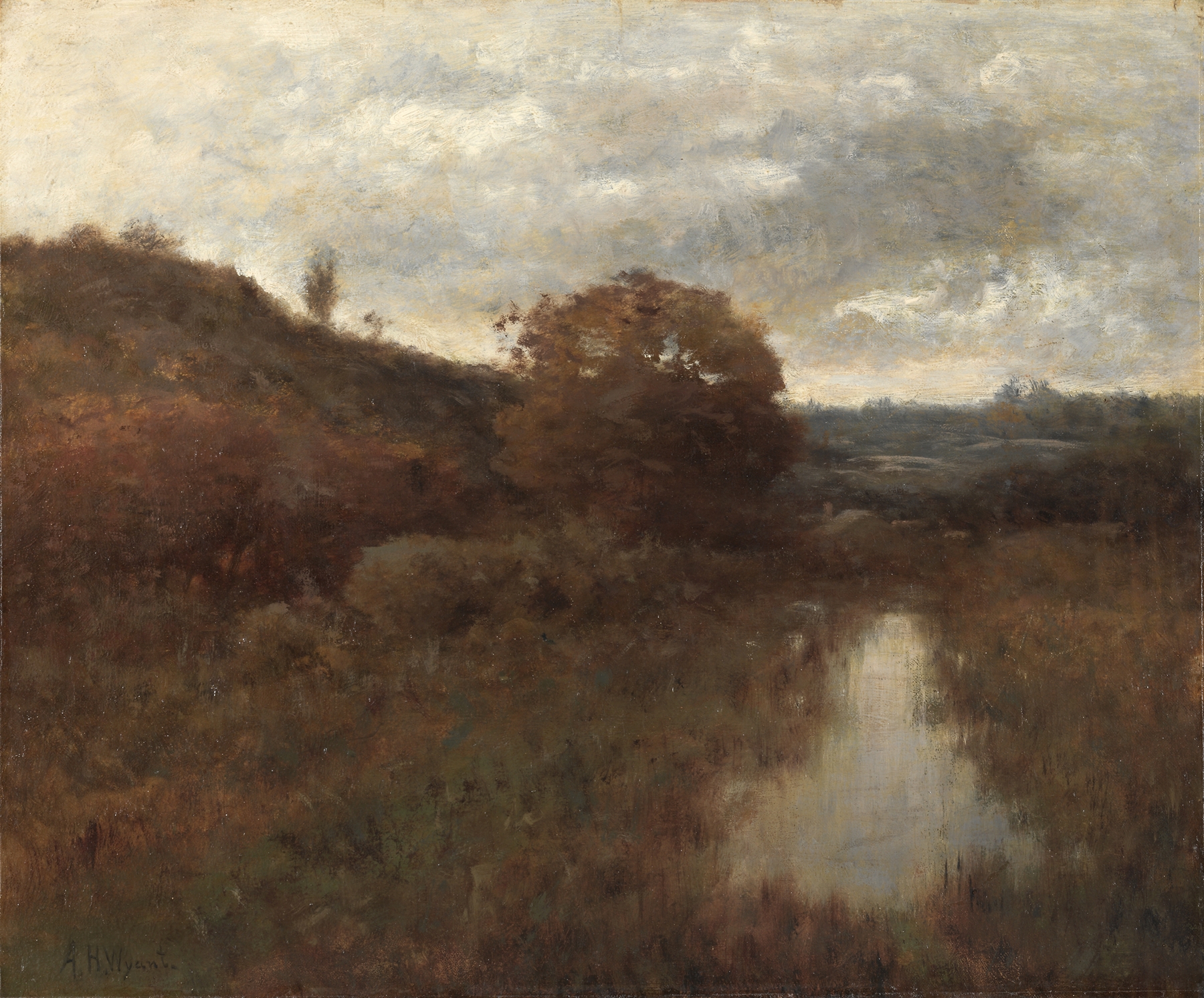
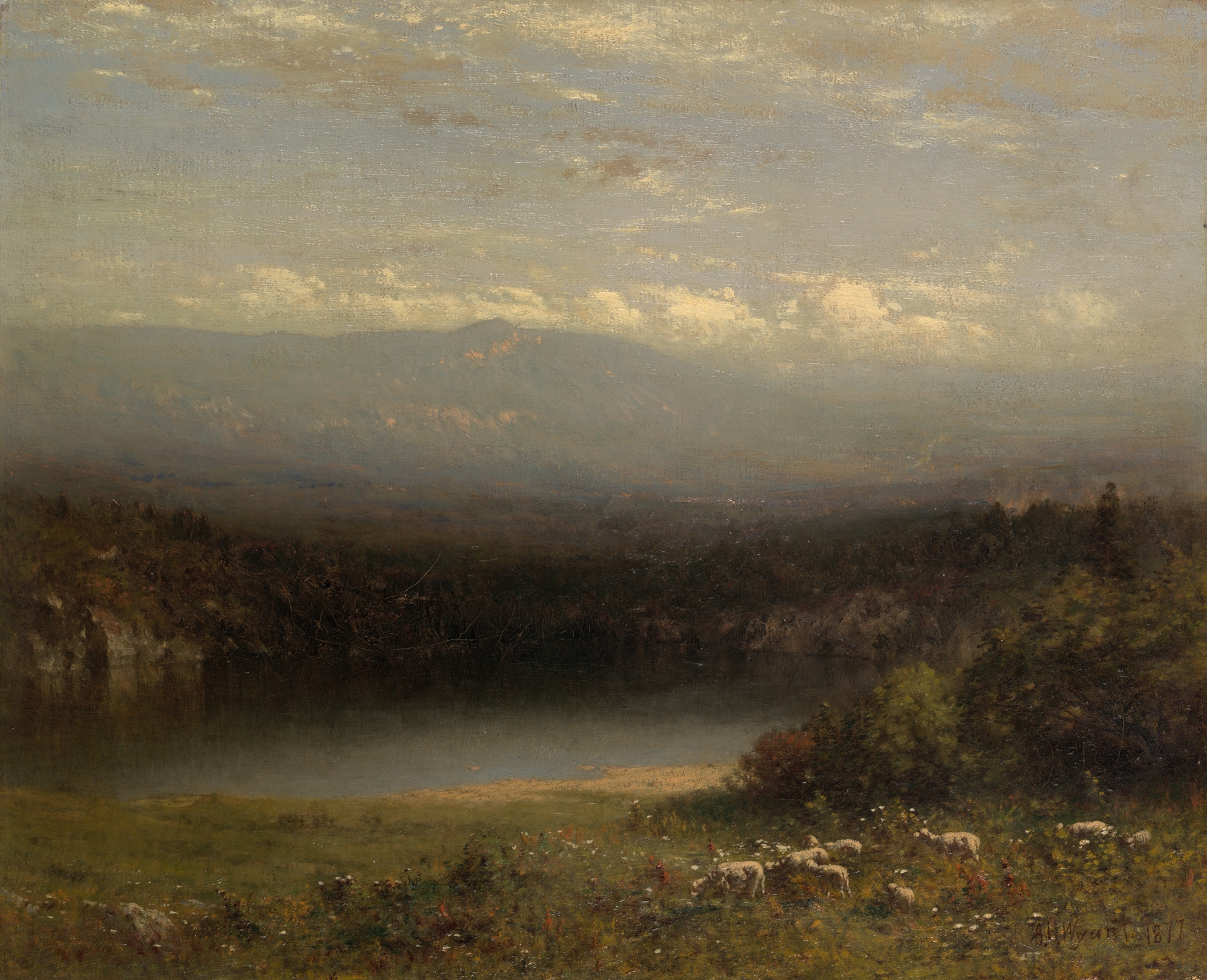
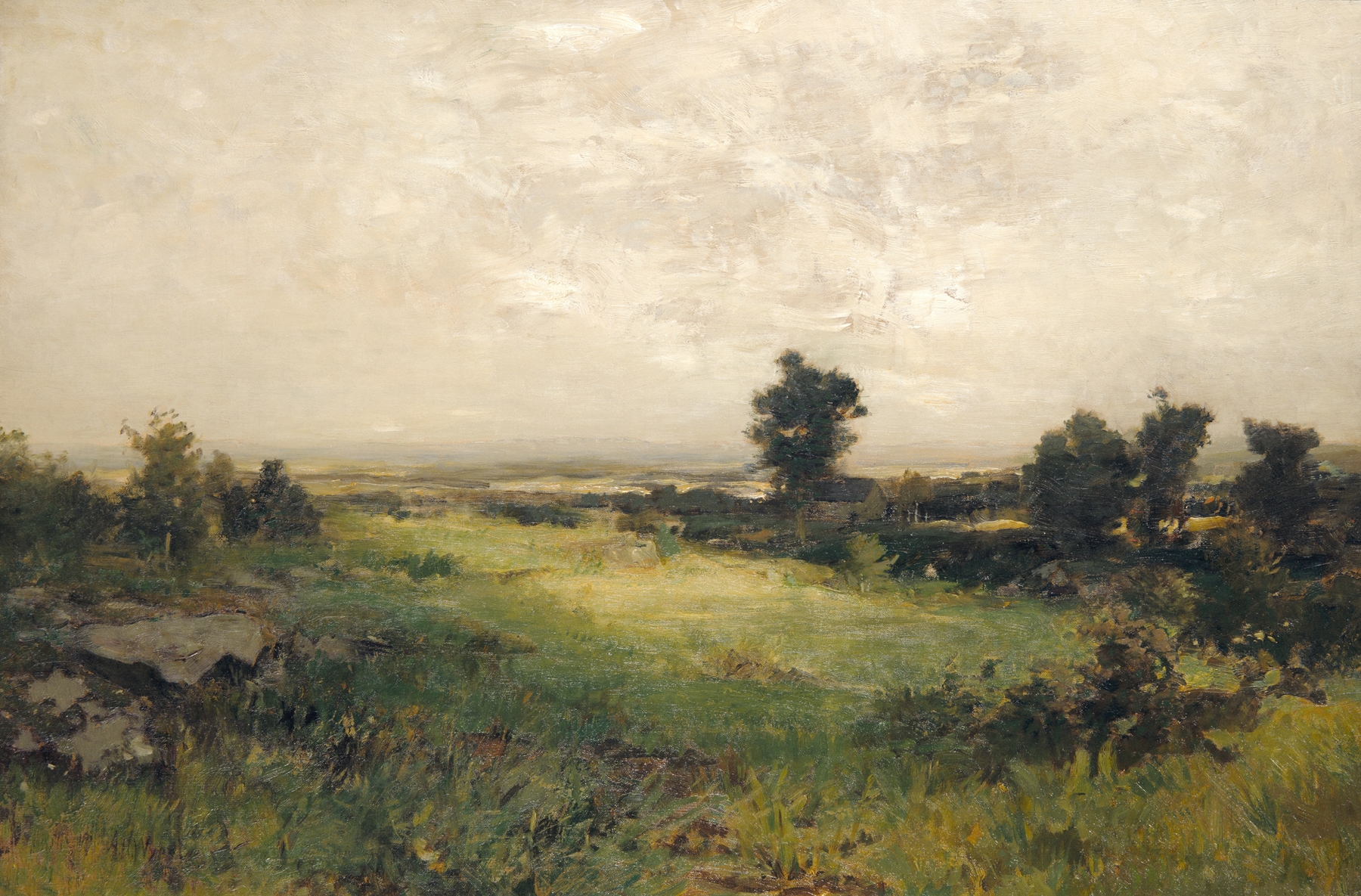
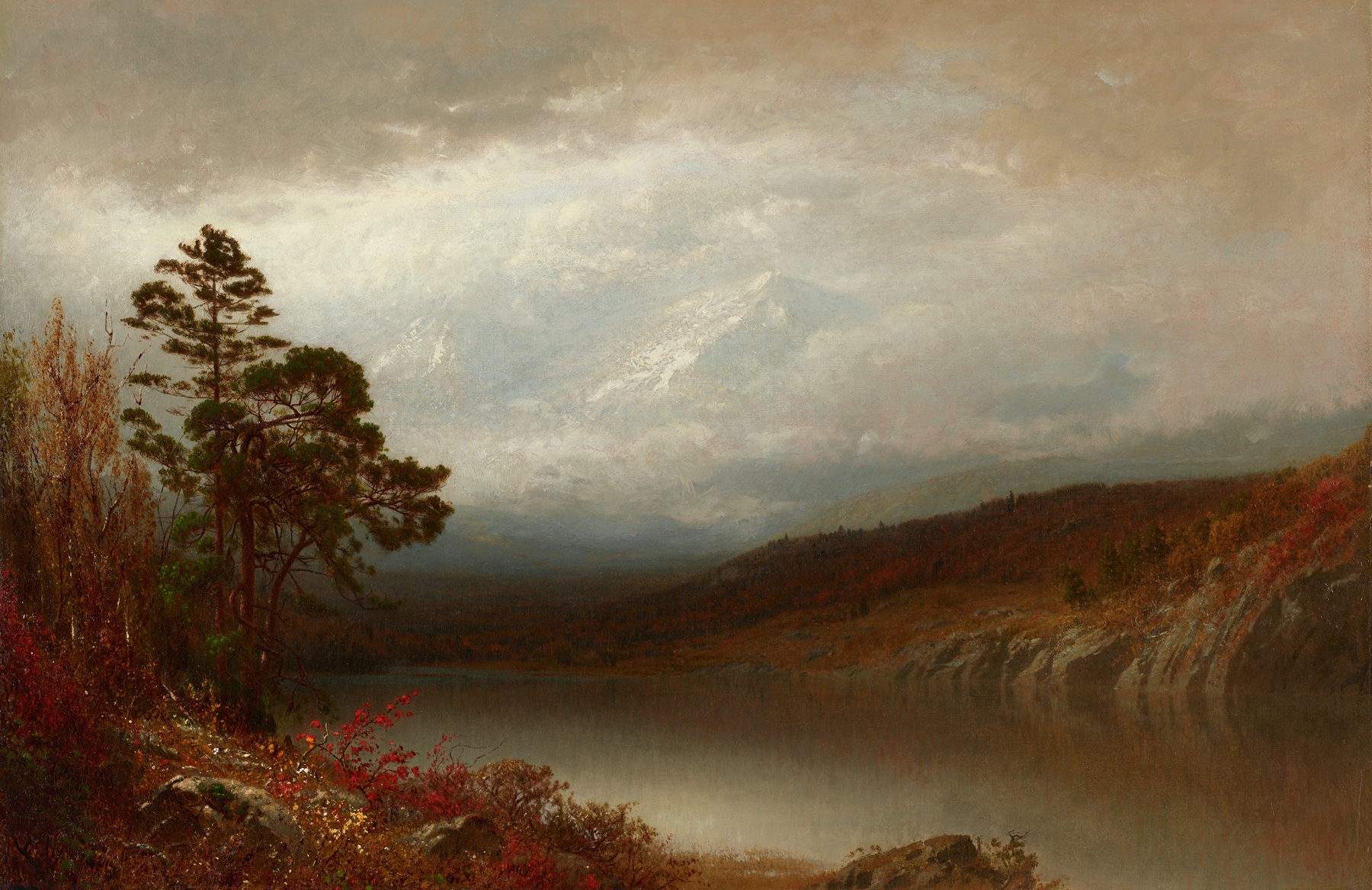
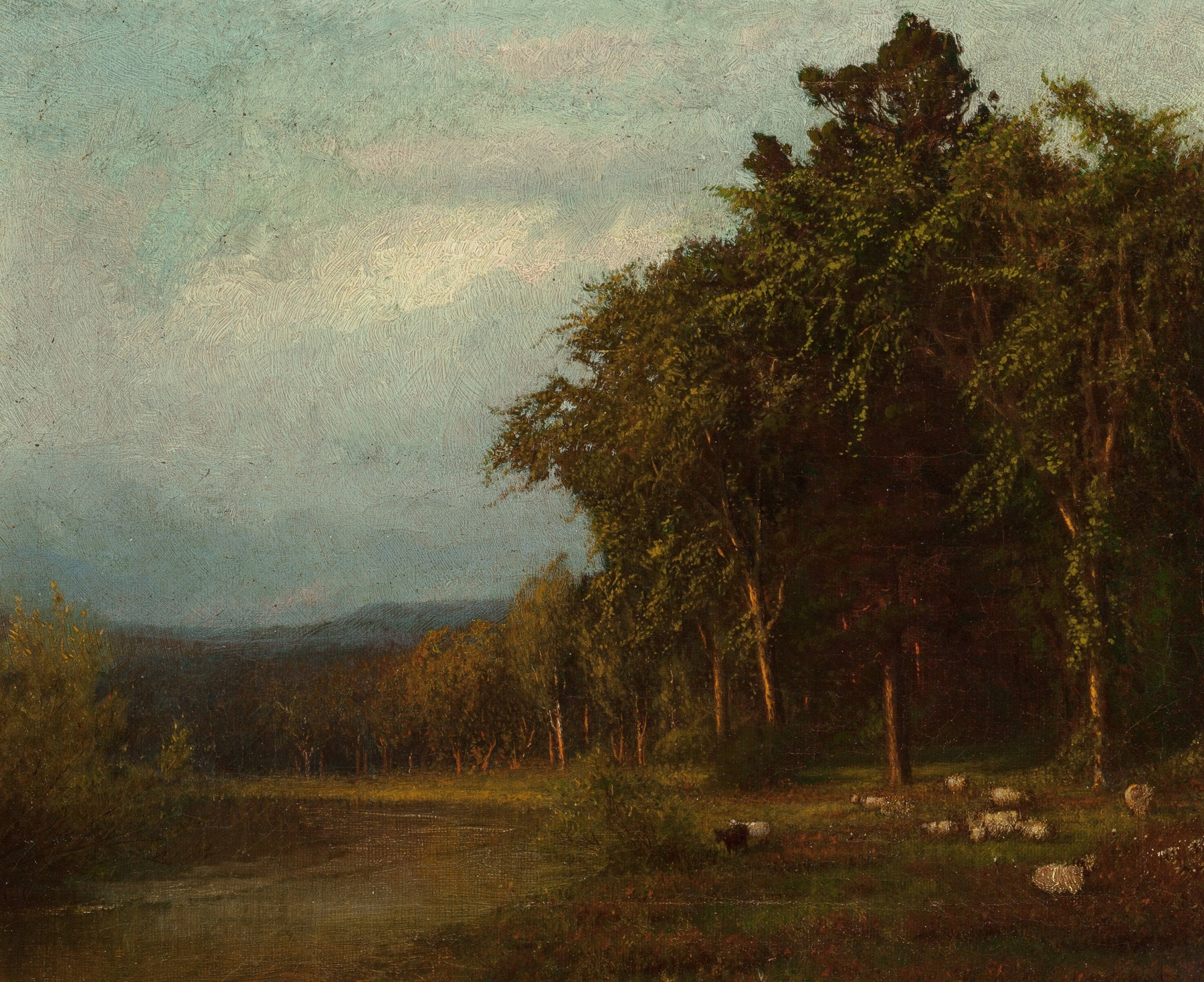
What secret hides in the quiet of the canvas? In the stillness of Lake Scene, a profound solitude resonates, drawing the viewer into its serene depths—a moment suspended in time. Look to the center where the shimmering lake reflects a soft cascade of greens and blues, inviting your gaze to drift over its tranquil surface. Notice how the artist employs delicate brushstrokes to create a gentle rippling effect, harmonizing with the surrounding foliage that frames the scene.
The muted palette evokes a sense of calm, yet the subtle contrast between the bright sky and the darker waters hints at an underlying tension, as if the landscape itself holds its breath. In this moment of solitude, loneliness lingers like a whisper. The solitary tree on the left stands watch, its branches reaching out yet seemingly disconnected from the vibrant life around it. This sense of isolation is further emphasized by the absence of human presence; the landscape feels both inviting and desolate, a mirror to the complexities of human emotion, where beauty coexists with longing.
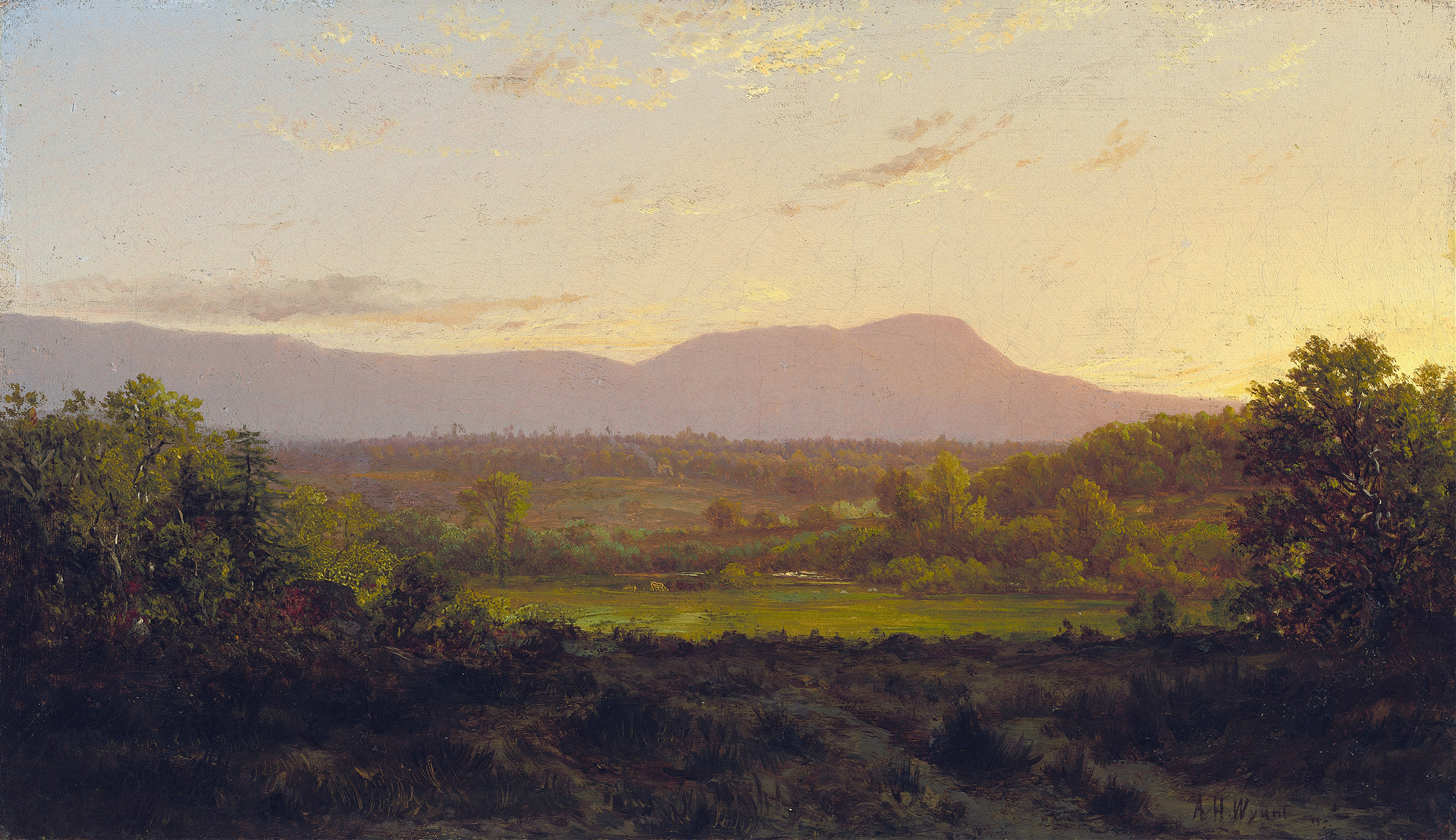
Wyant painted this piece in 1872, during a period marked by a shift towards the American Impressionist movement. He was exploring the interplay of light and atmosphere, capturing fleeting moments in nature. At this time, he was immersed in the bucolic landscapes of the Northeast, where he often sought to convey the emotional resonance of solitude found in nature, reflecting both personal introspection and broader thematic explorations in the art world.