Lake Tahoe — History & Analysis
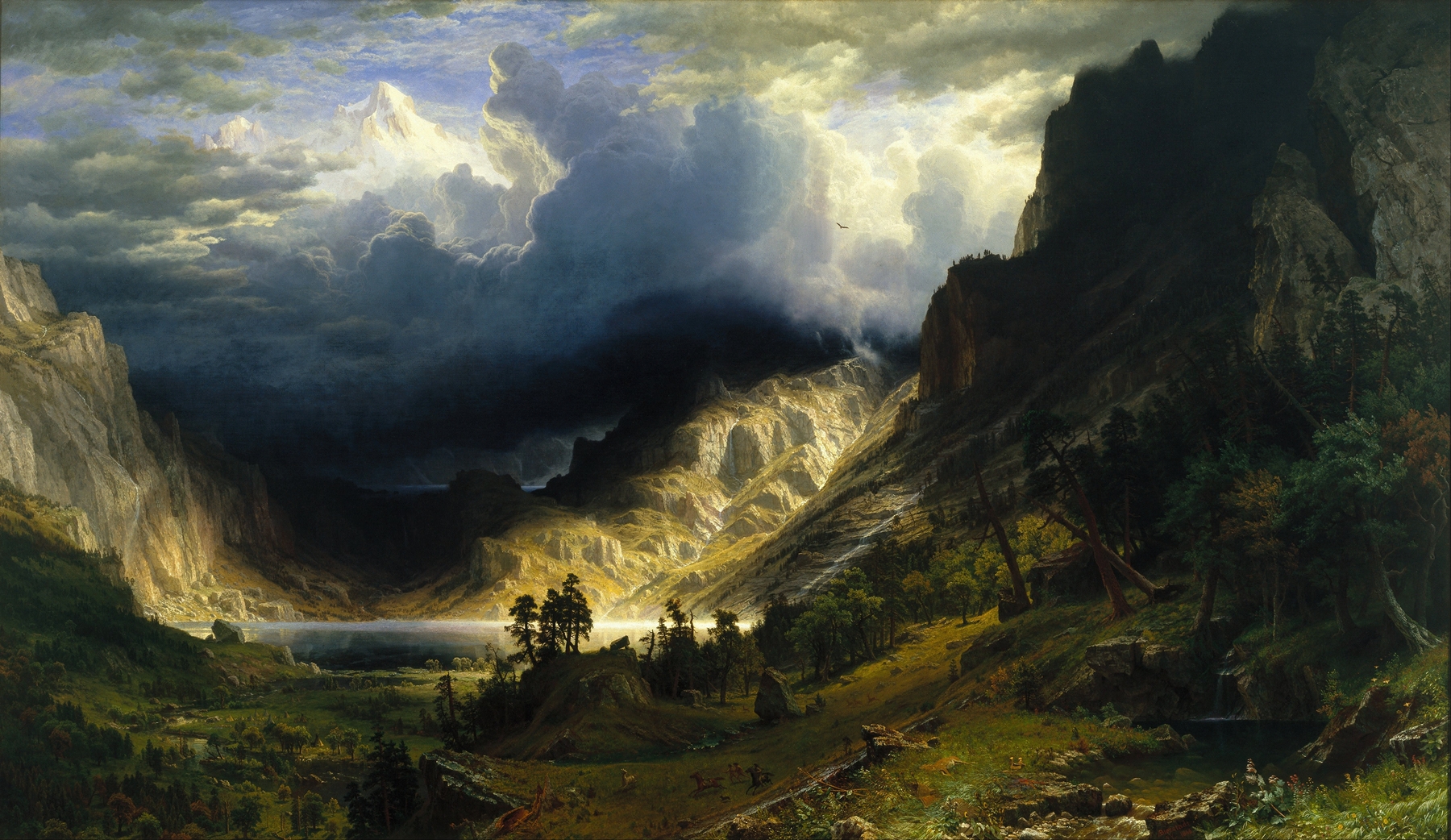
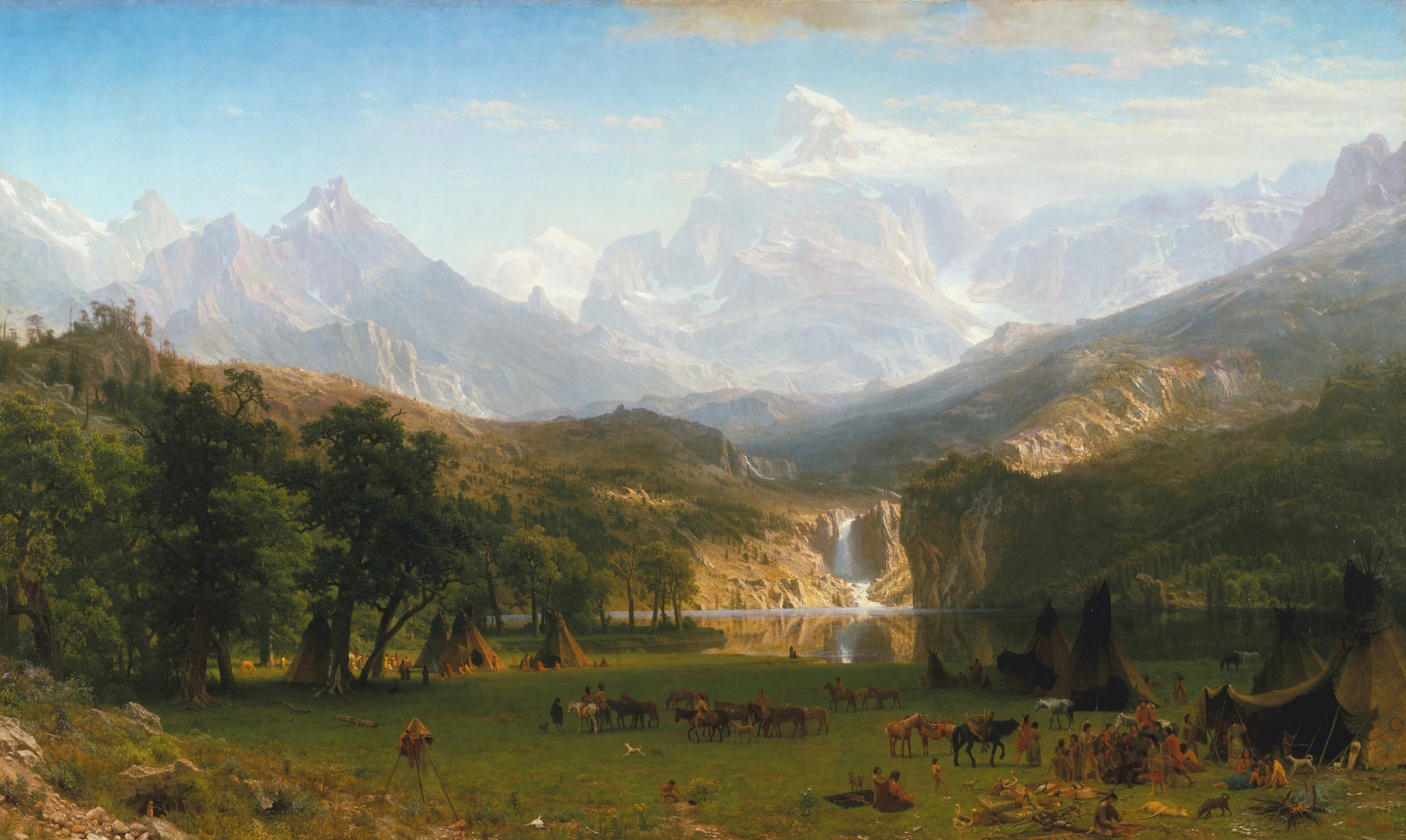
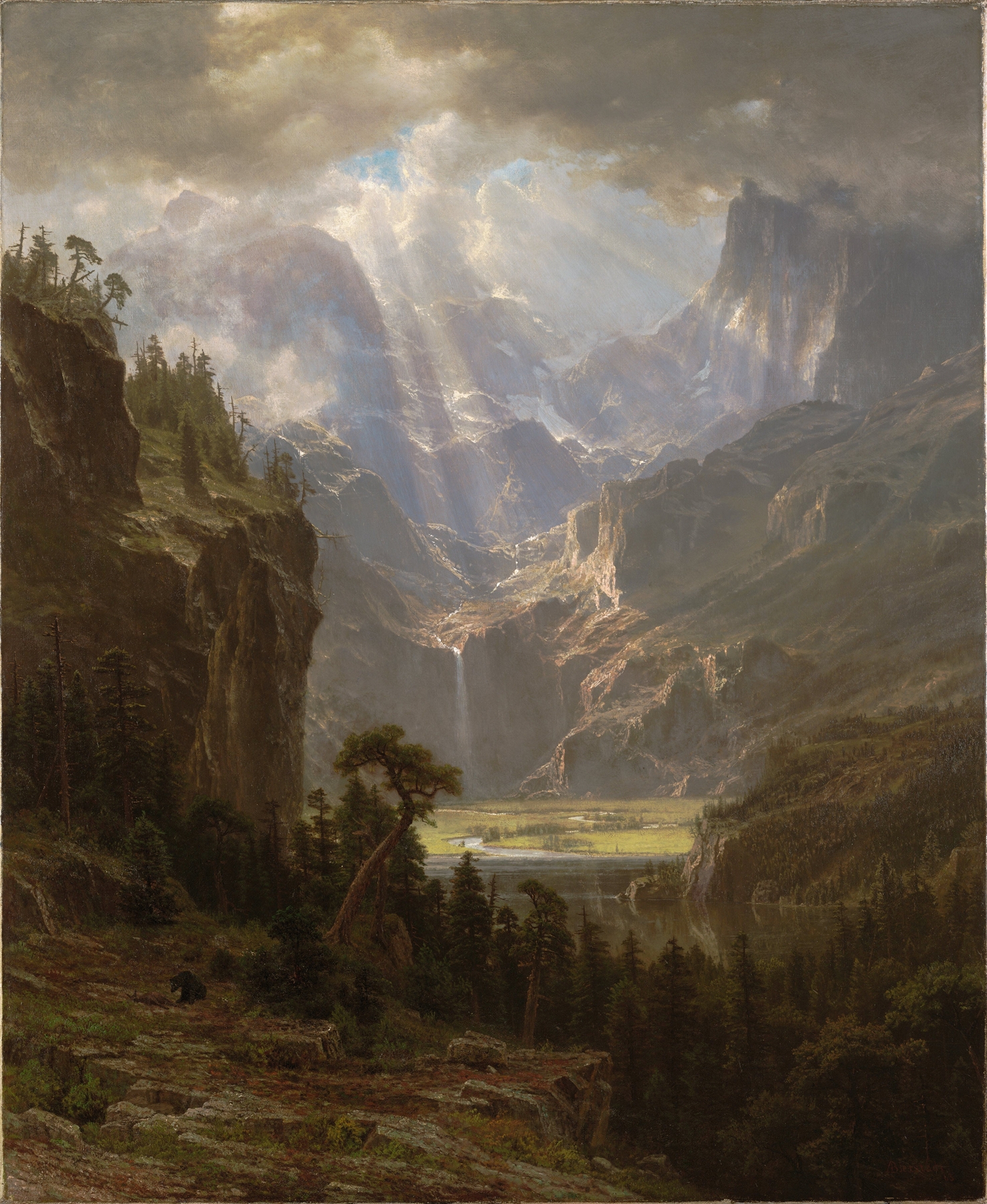
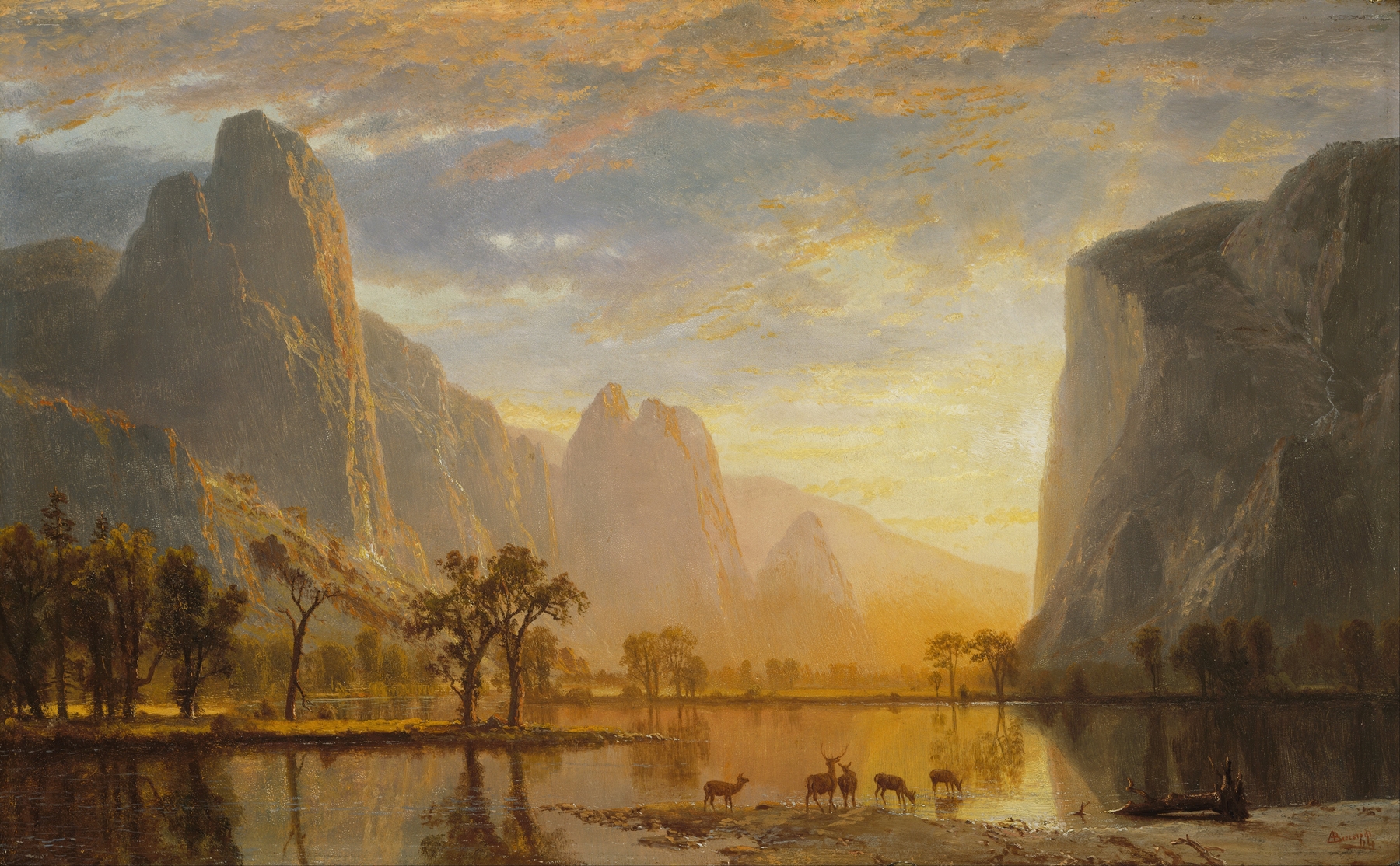
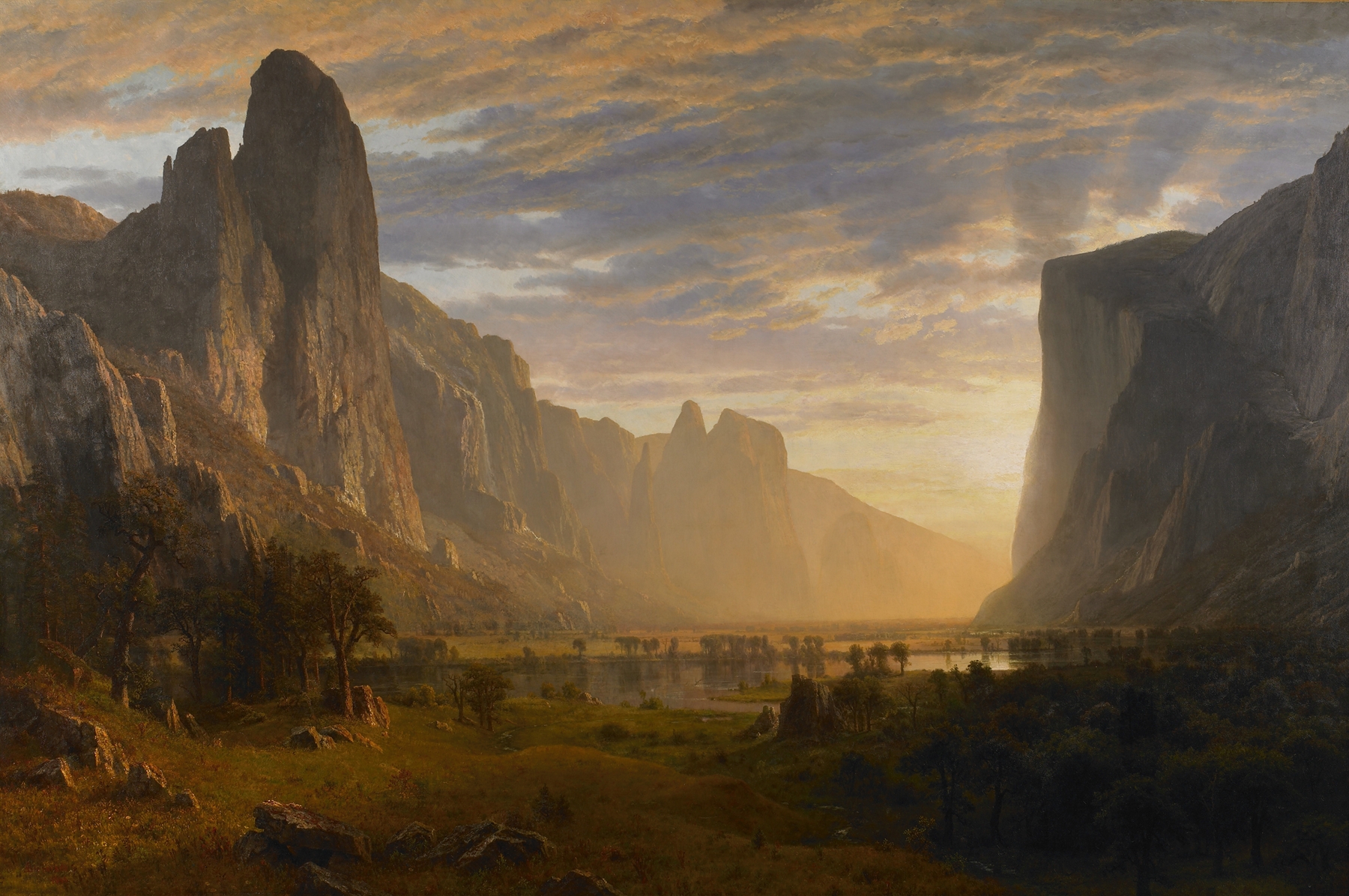
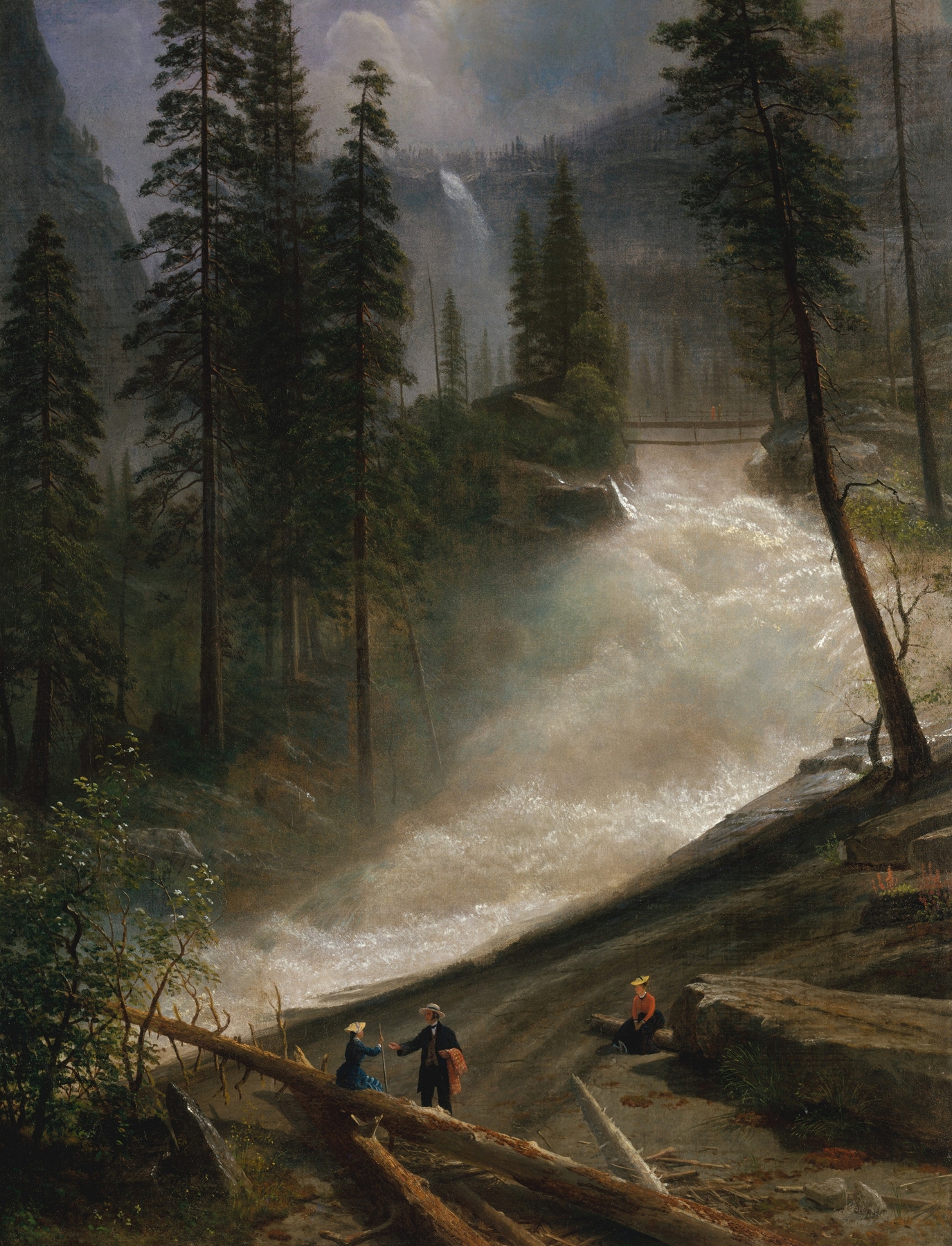
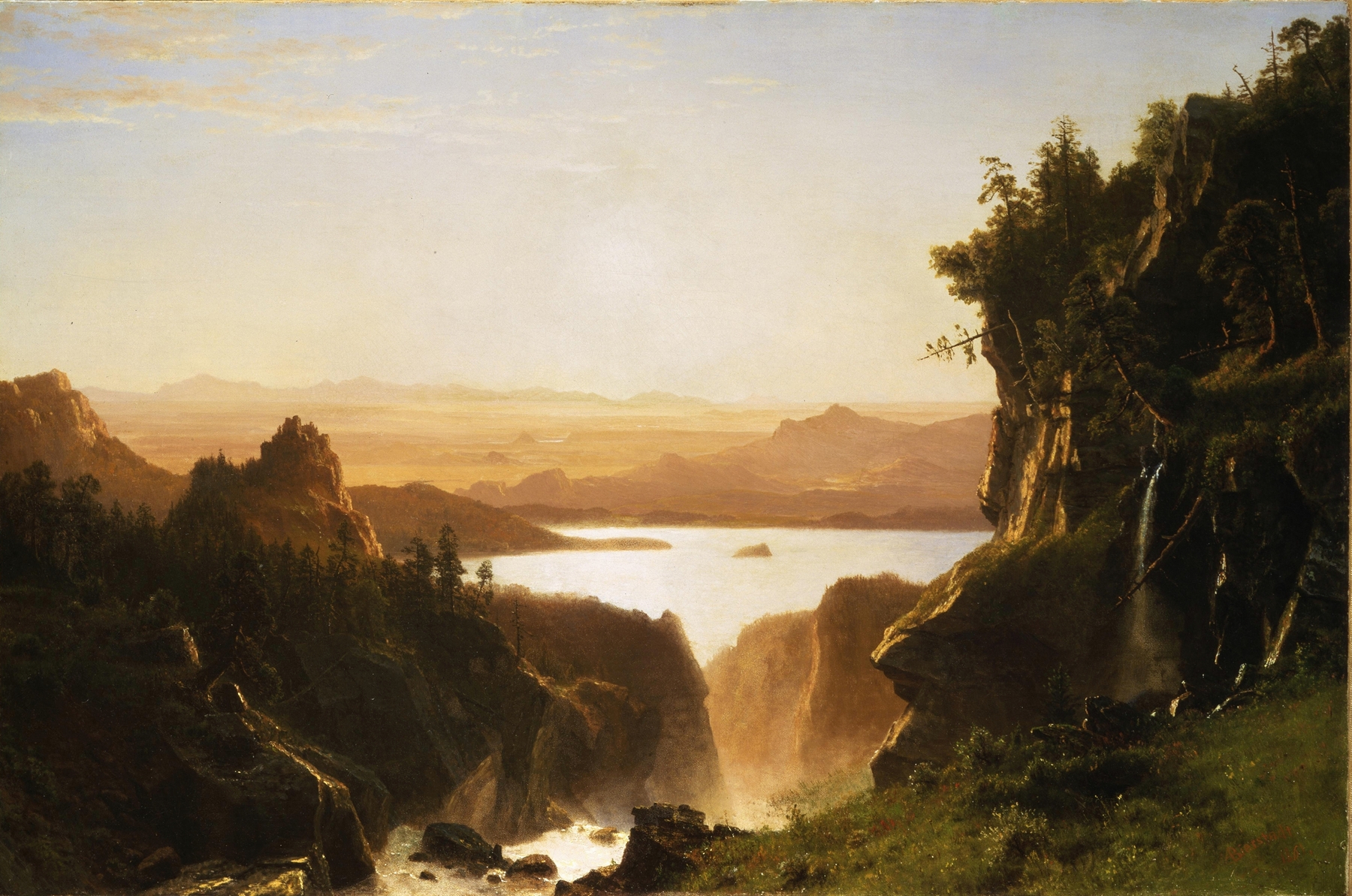
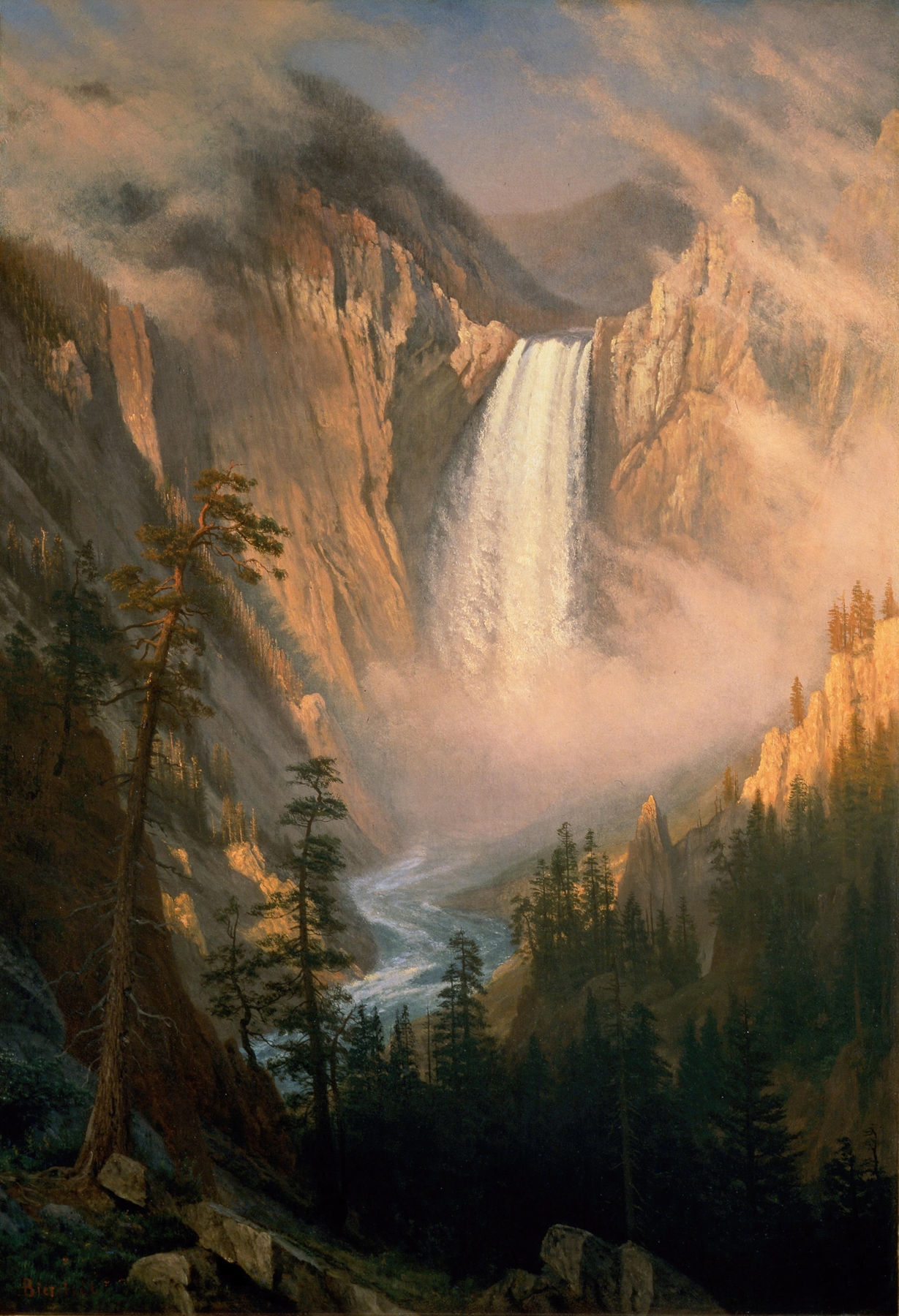
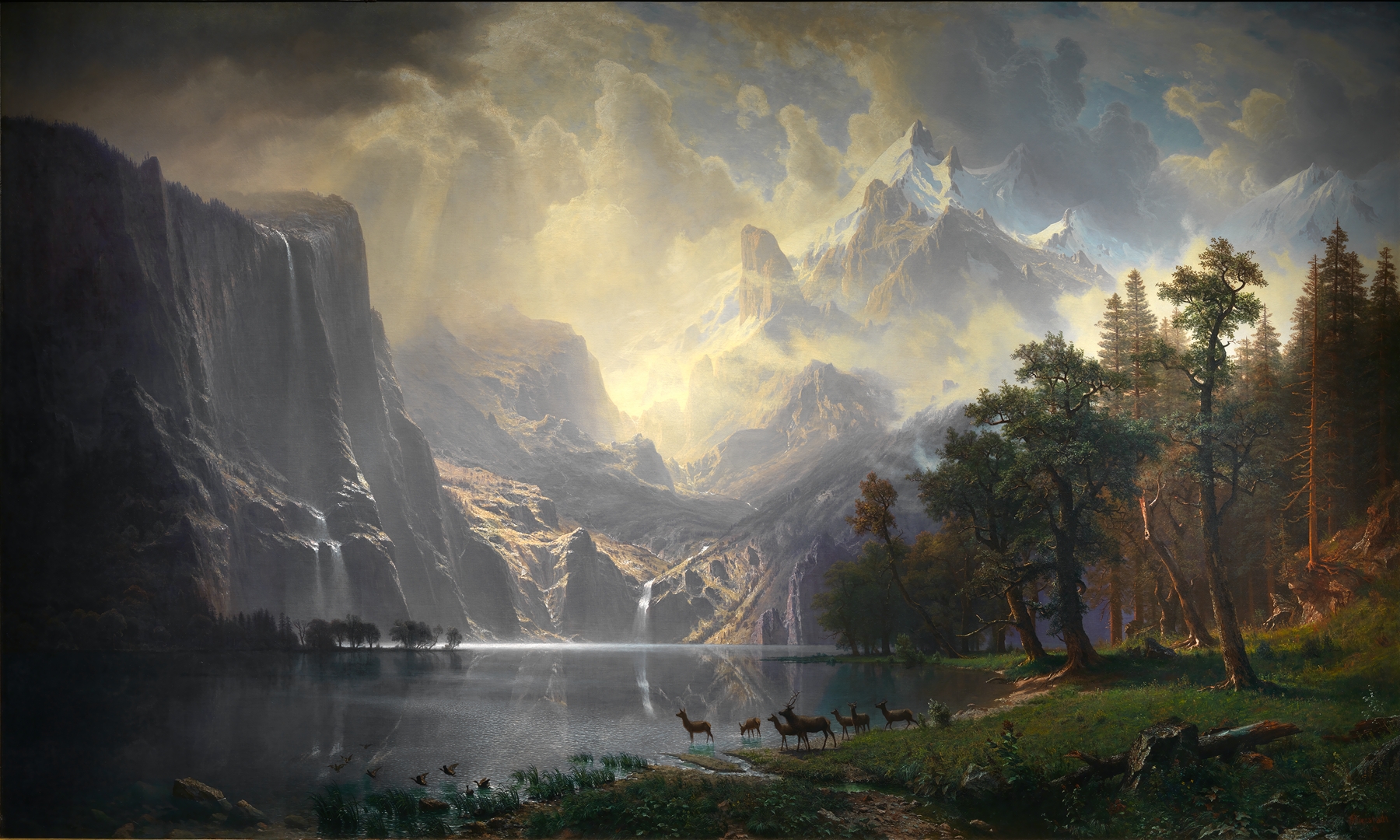
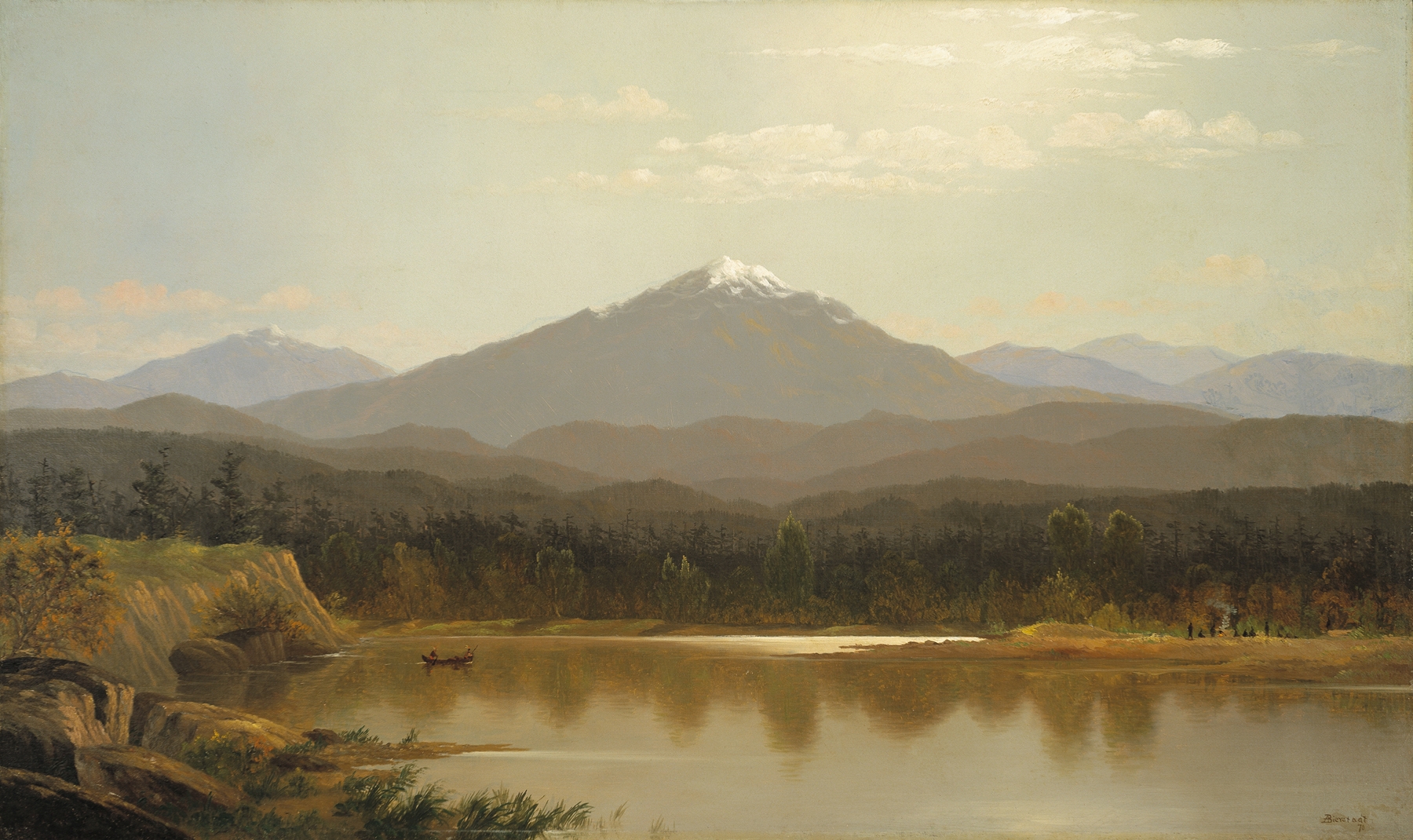
When did color learn to lie? Beneath the radiant hues of Lake Tahoe, there exists a haunting tension, a beauty that conceals the violence of nature’s raw power and unfathomable depths. Look to the left, where towering pines rise like guardians against the backdrop of a vast, shimmering lake. The light dances across the surface, transforming the tranquil waters into a liquid jewel, reflecting the splendid sky above.
Notice the artist's masterful use of color—the deep greens of the trees juxtaposed with vibrant blues and whites of the lake and clouds create a striking contrast, inviting the viewer to linger in this serene yet deceptive paradise. Yet, a closer inspection reveals the subtle turbulence lurking beneath the surface. The ominous shadows cast by the trees hint at secrets held within the depths of the lake, a reminder of the untamed wilderness that surrounds it.
The interplay of light and shadow evokes an emotional tension, suggesting that serenity and violence are intertwined in this seemingly idyllic landscape. Created during a time when Bierstadt was celebrated for his grand depictions of the American West, Lake Tahoe reflects the artist's deep connection to nature and his desire to capture its splendor. Painted in the late 19th century, this work emerges from an era where the exploration of uncharted territories was both a physical and spiritual journey, paralleling the industrial changes sweeping across America.