Landscape — History & Analysis
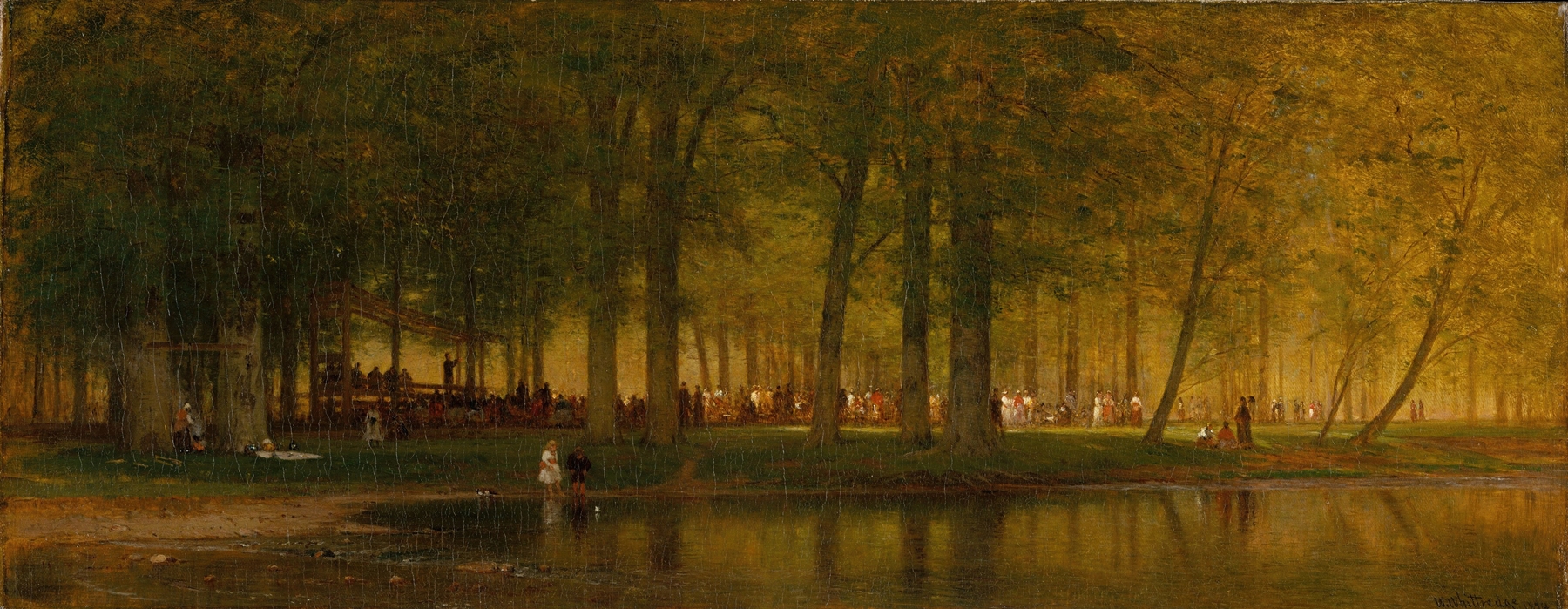
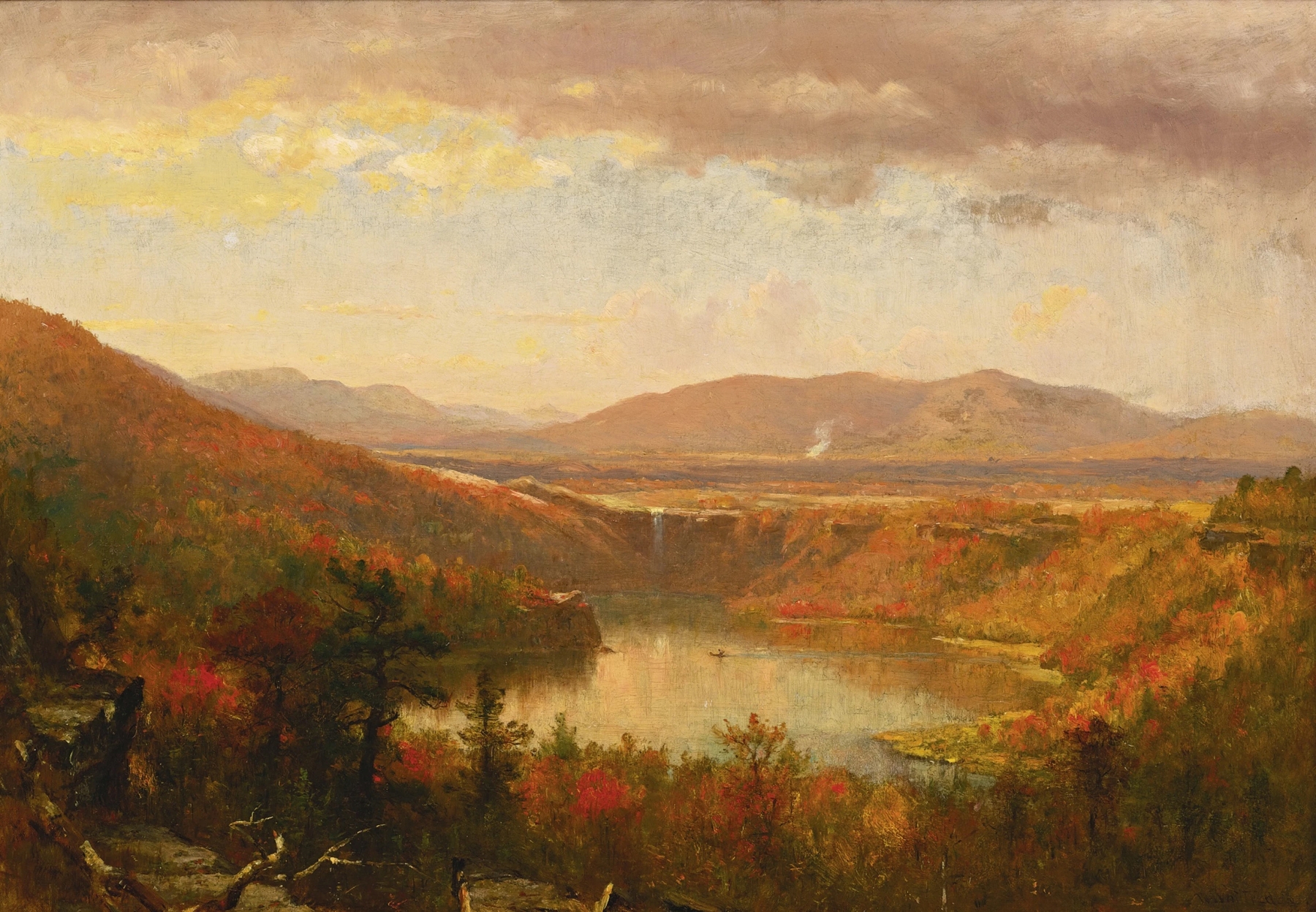
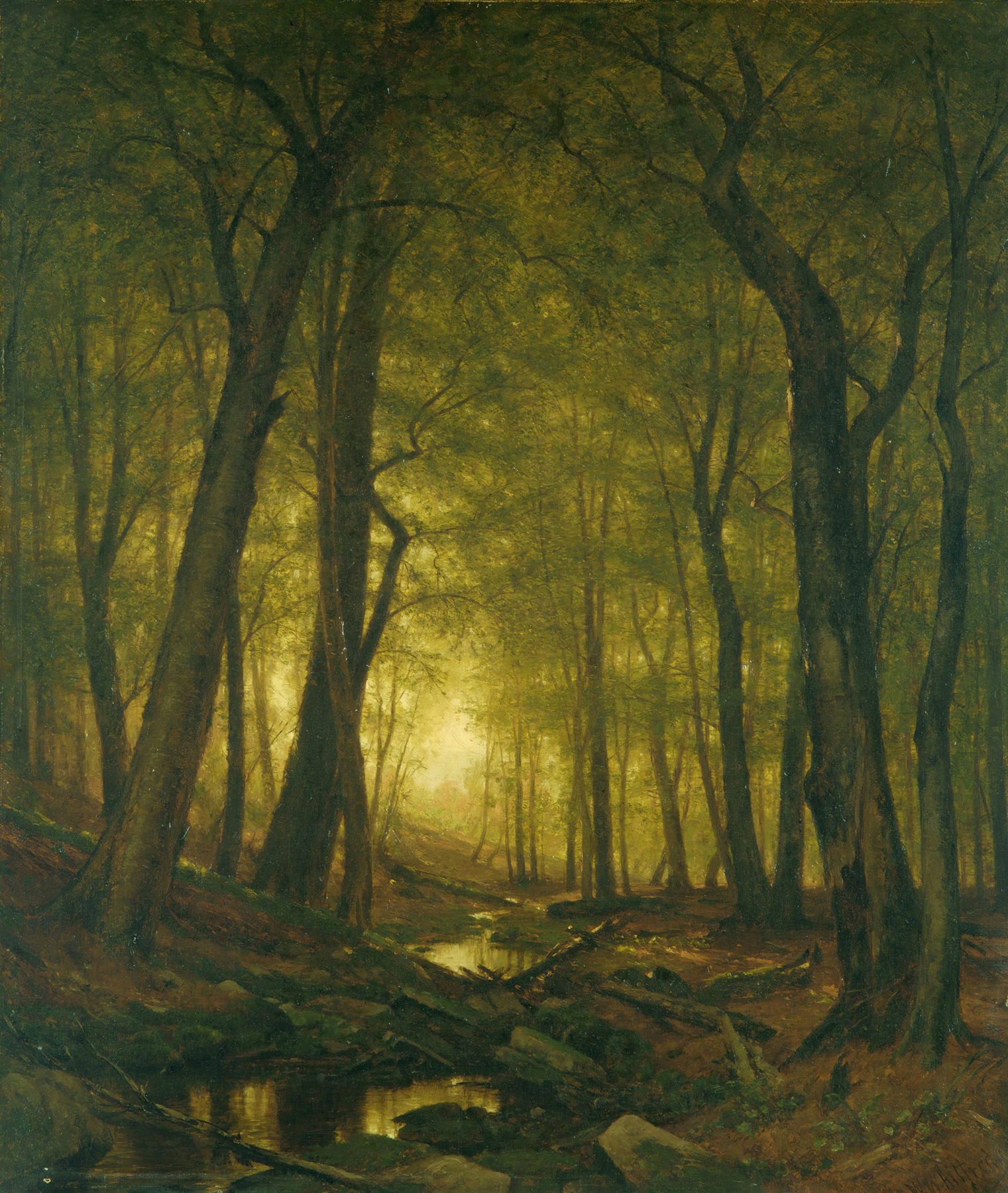
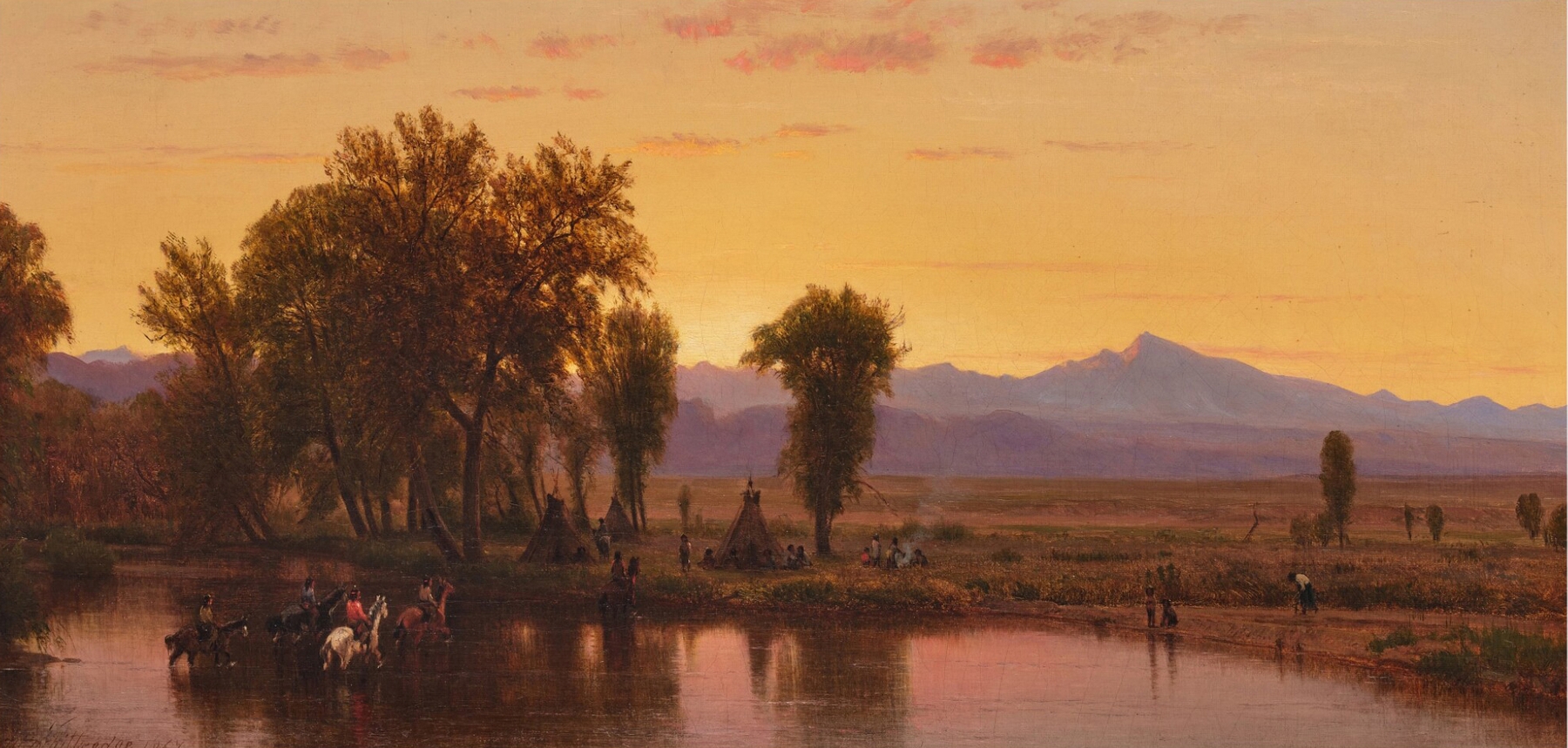
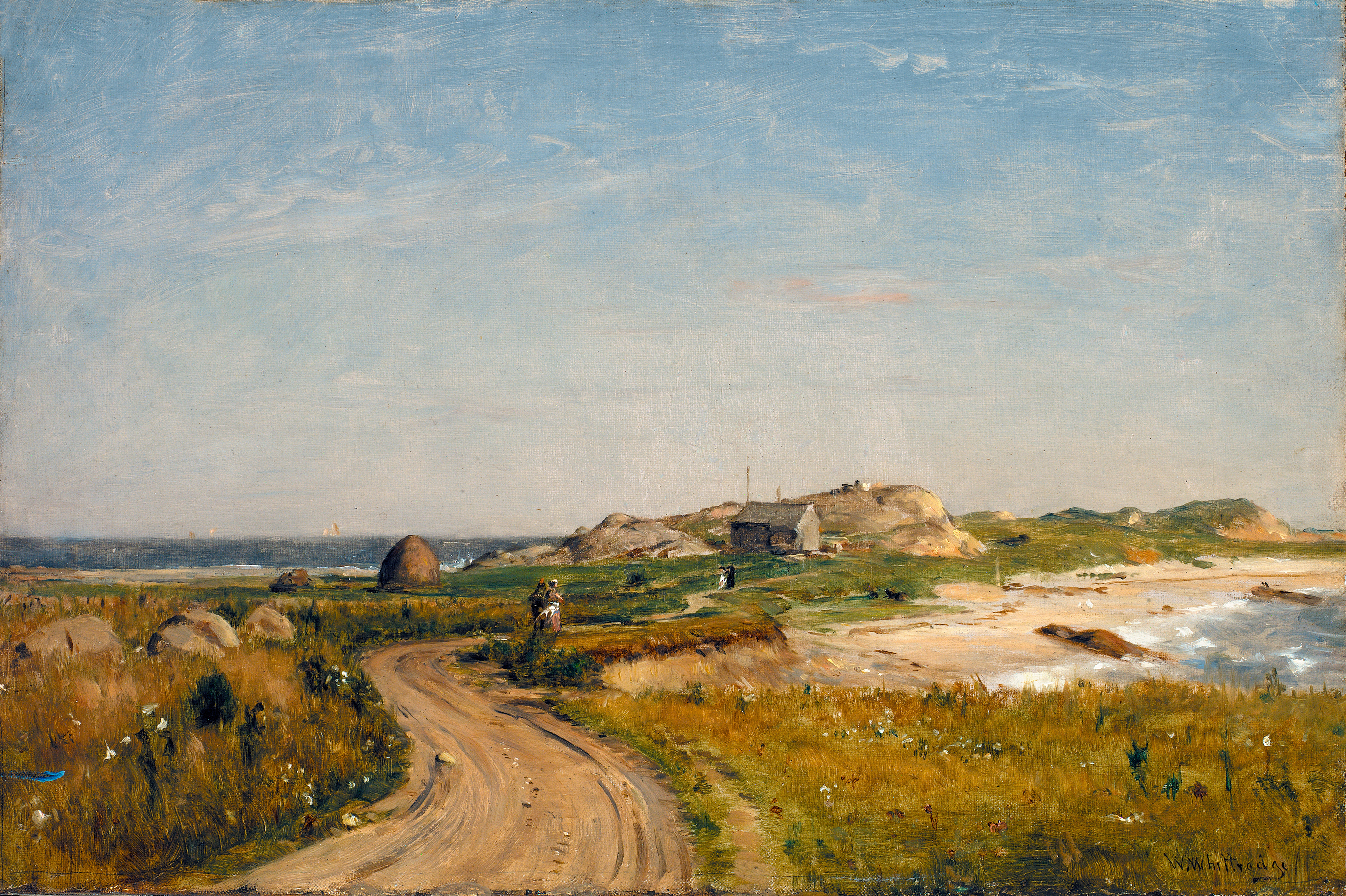
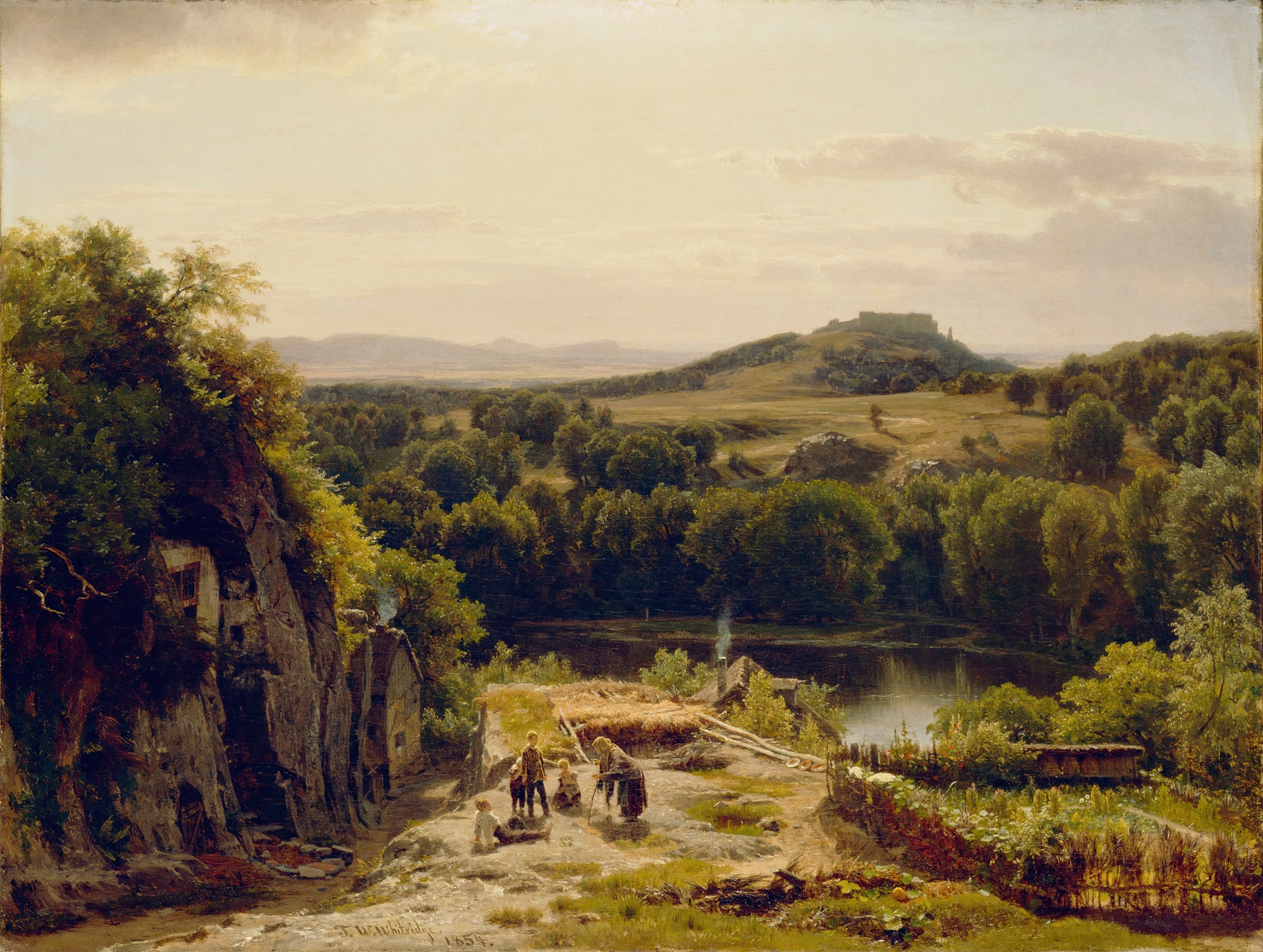
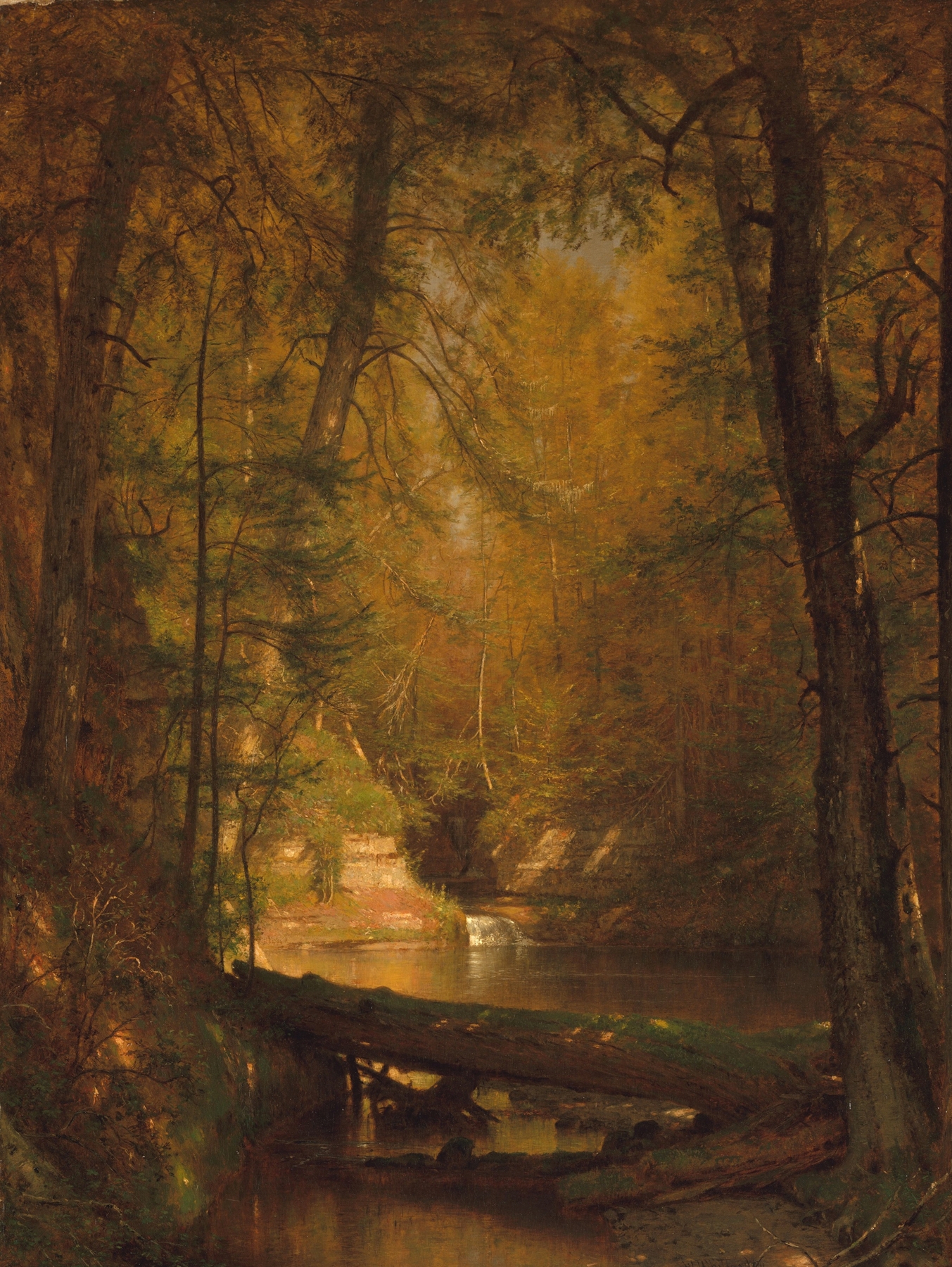
“Every silence here is a confession.” The stillness of a landscape belies the tumult beneath its surface, hinting at the emotional landscapes we traverse every day. Look to the horizon where the gentle undulations of the hills meet the sky, an expanse of serene blues and soft greens. The brushwork creates a delicate interplay between light and shadow, guiding your gaze from the foreground, where a solitary tree stands sentinel, to the distant mountains shrouded in mist.
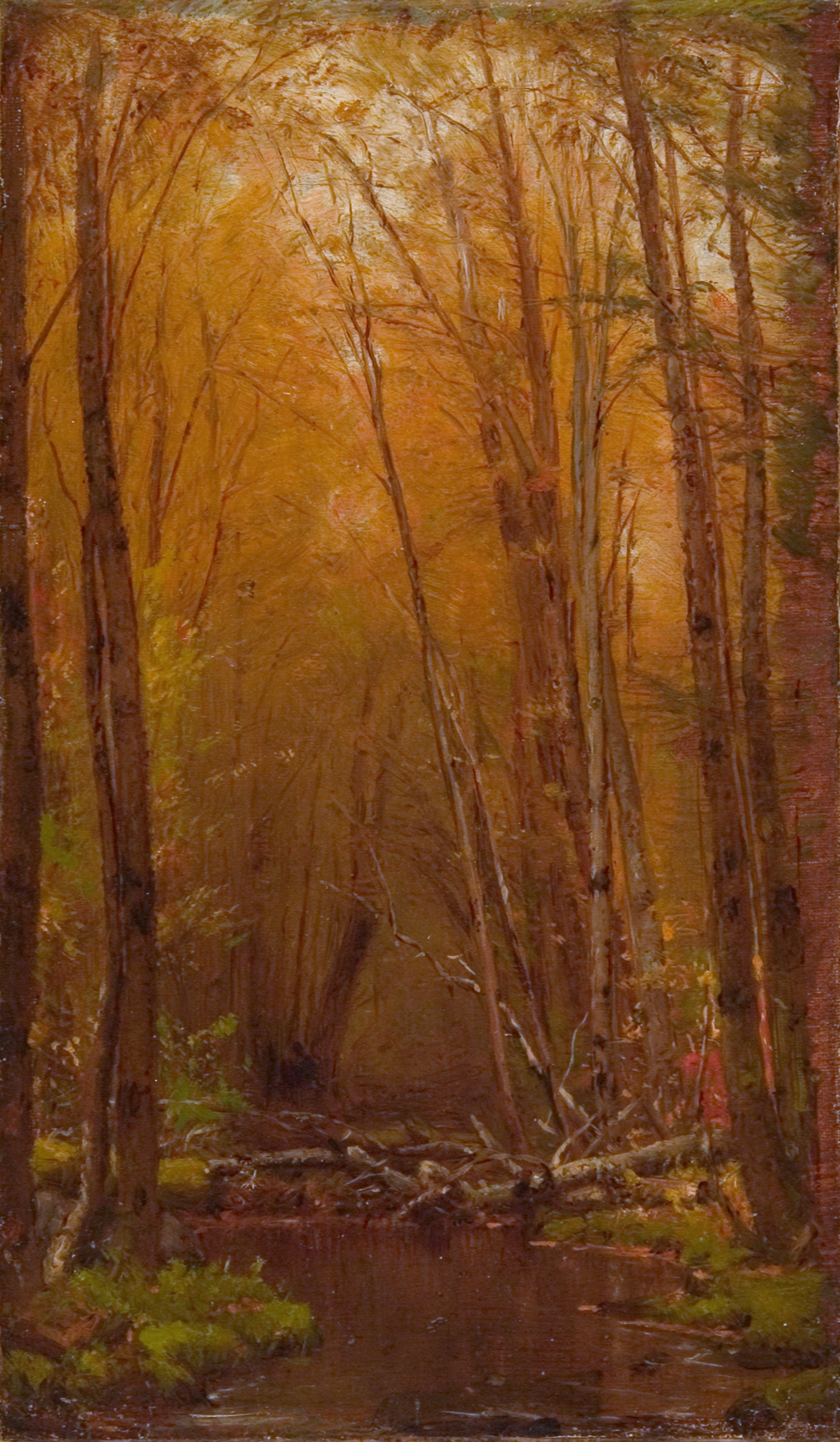
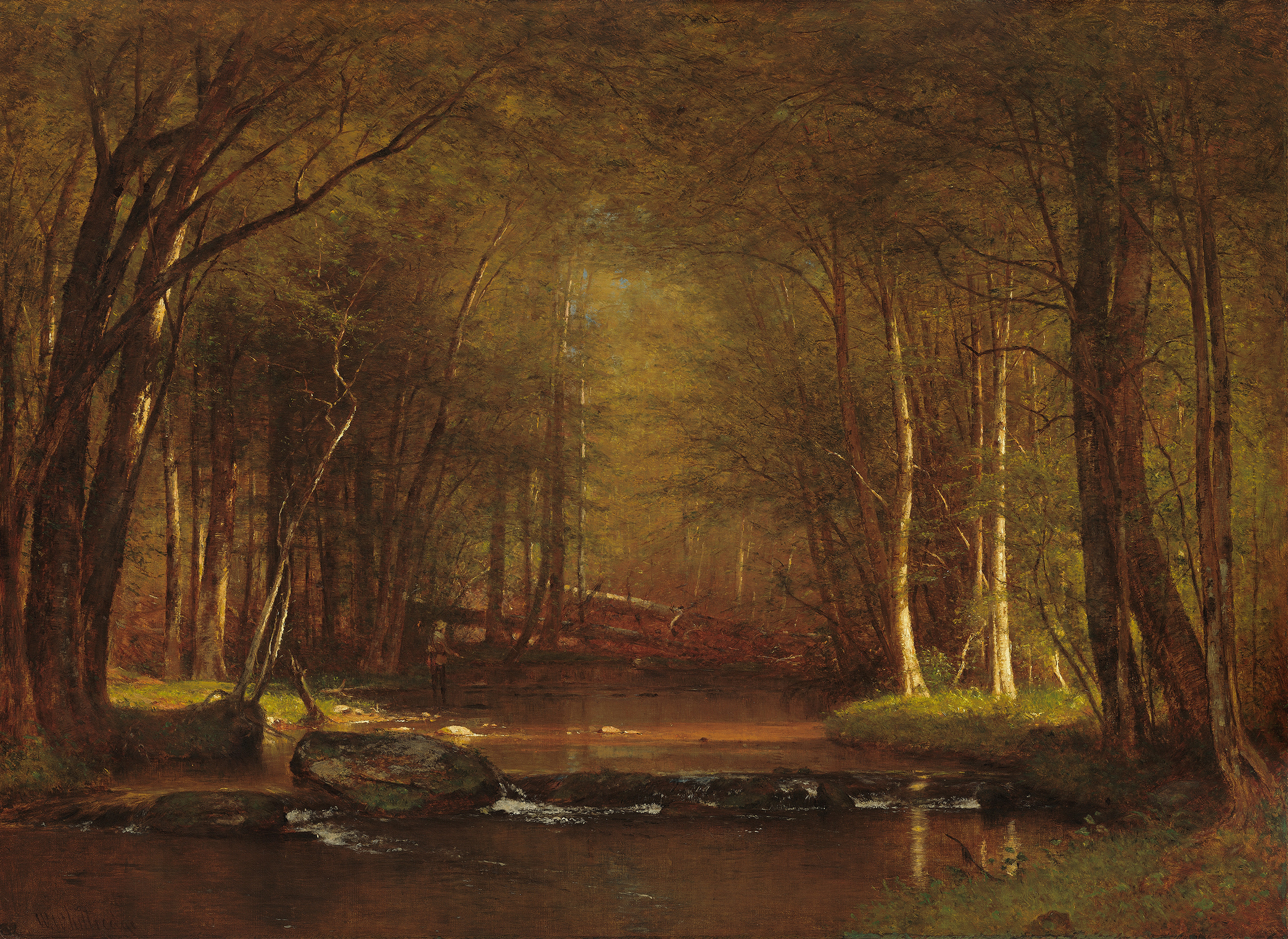
Notice how the golden hues of the setting sun cast a warm glow on the foliage, yet shadows linger in the underbrush, evoking an underlying tension that contrasts the idyllic beauty. The sense of solitude in the painting is palpable, suggesting a silent betrayal hidden within nature’s calm. The lone tree, while proud and unyielding, may also symbolize isolation and the weight of secrets.
Each blade of grass and every swirling cloud seems to whisper a narrative of unspoken truths, of relationships strained under the weight of silence, mirroring the human experience of concealed emotions. In 1886, the artist created this work amidst a flourishing art scene in America, where the Hudson River School influenced many with its focus on the sublime beauty of nature. Whittredge's personal journey was rooted in the tension between romantic ideals and the stark truths of human experience, reflecting an era poised on the brink of modernity while grappling with its own disillusionments.