Landscape — History & Analysis
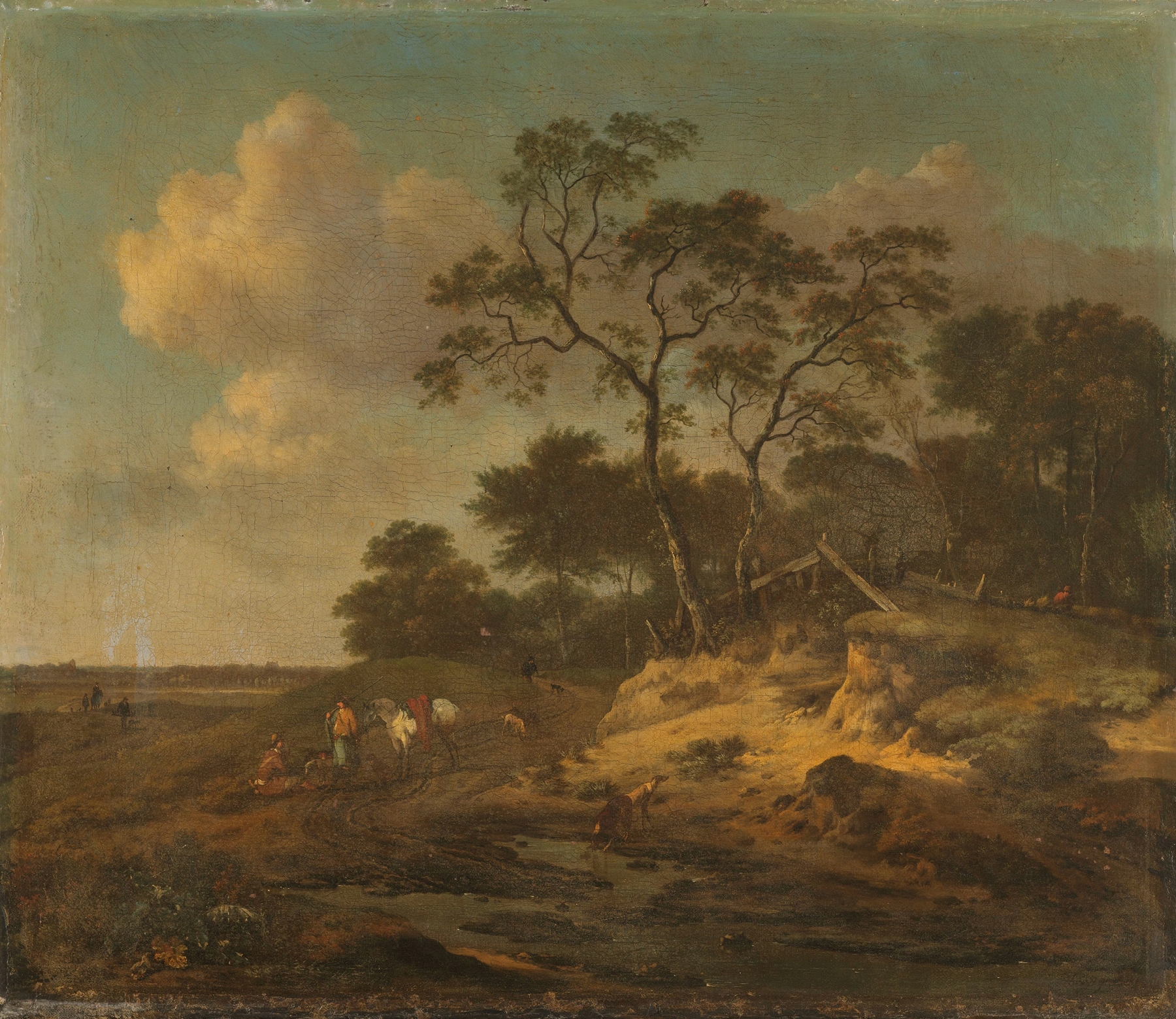
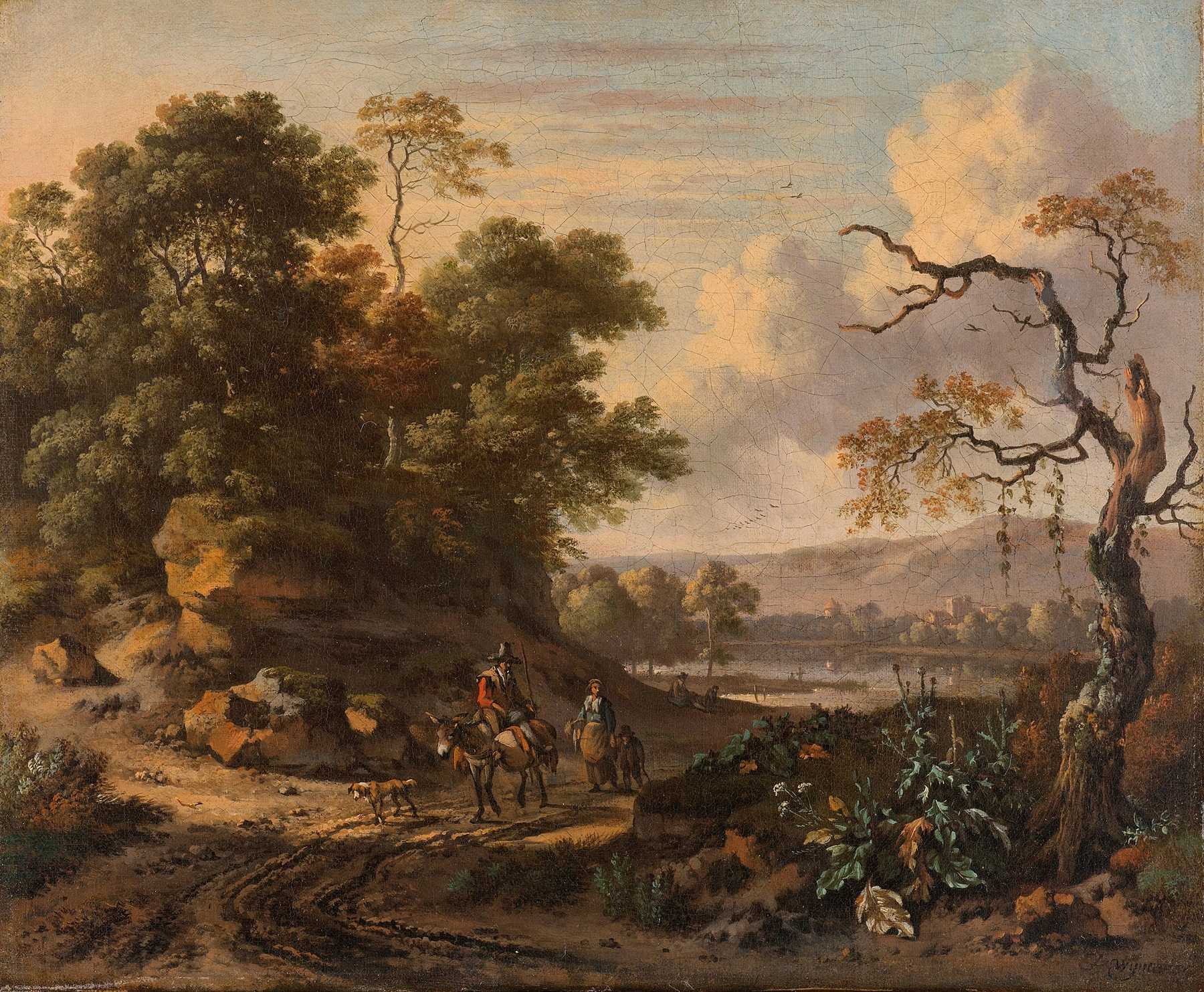
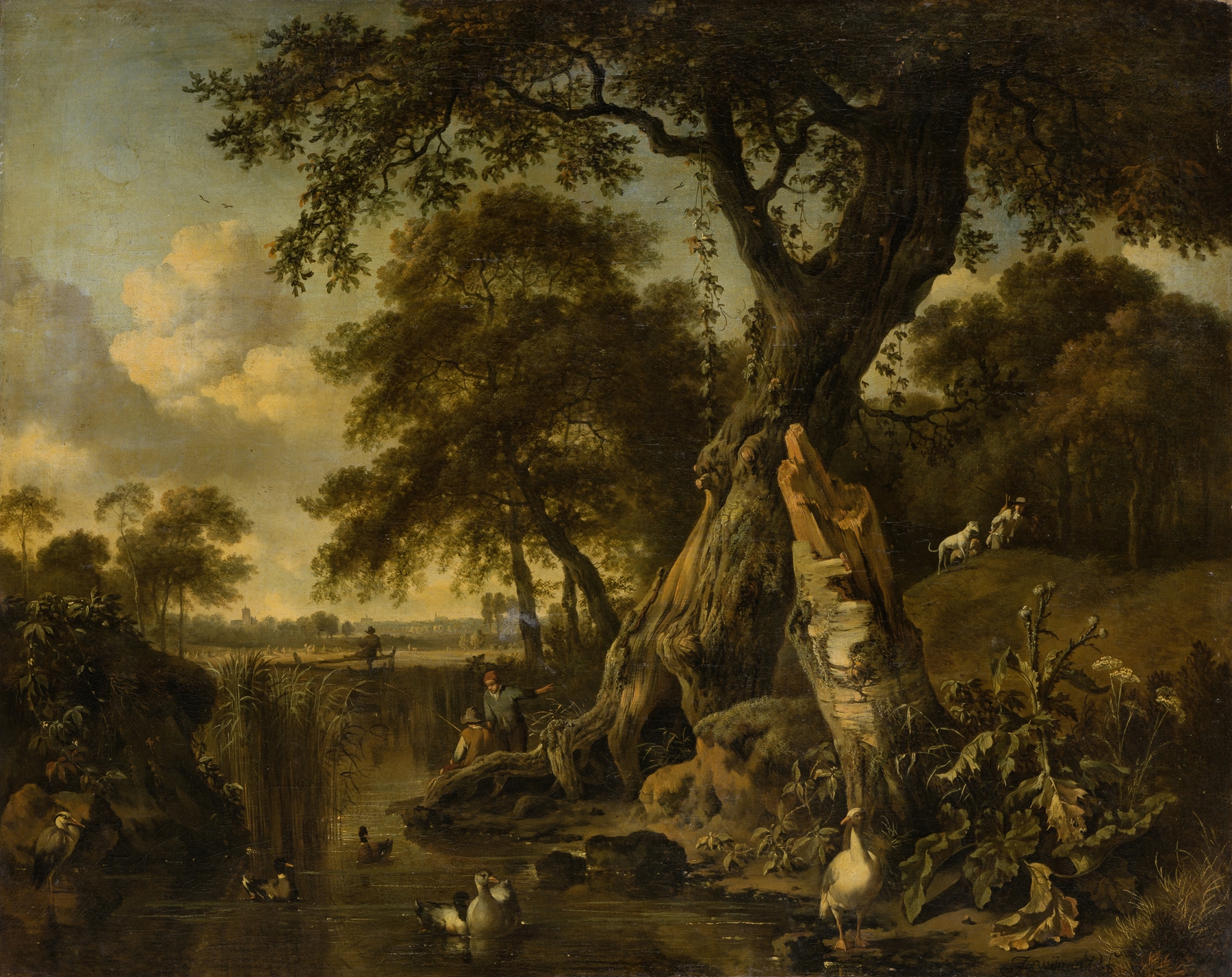
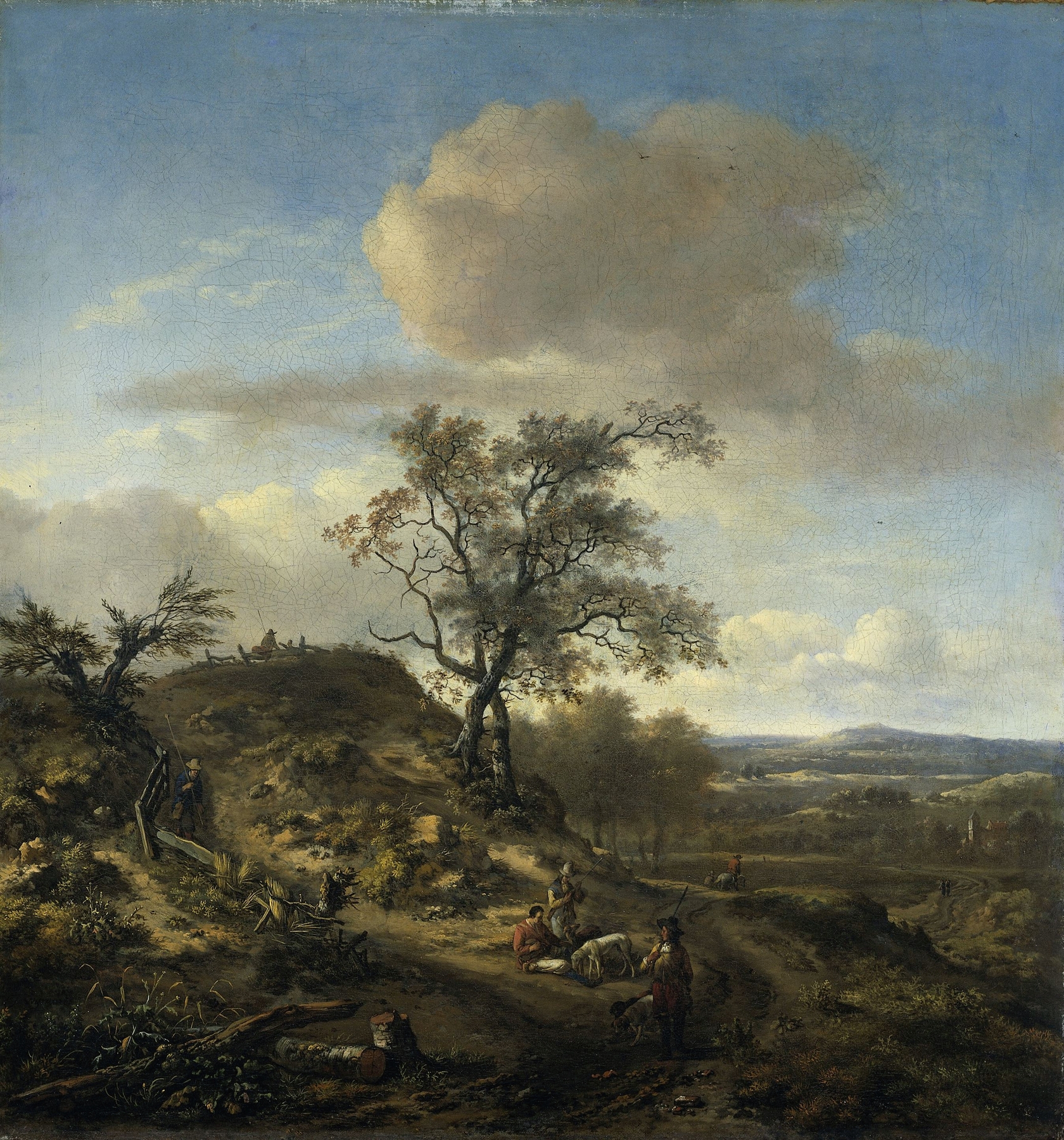
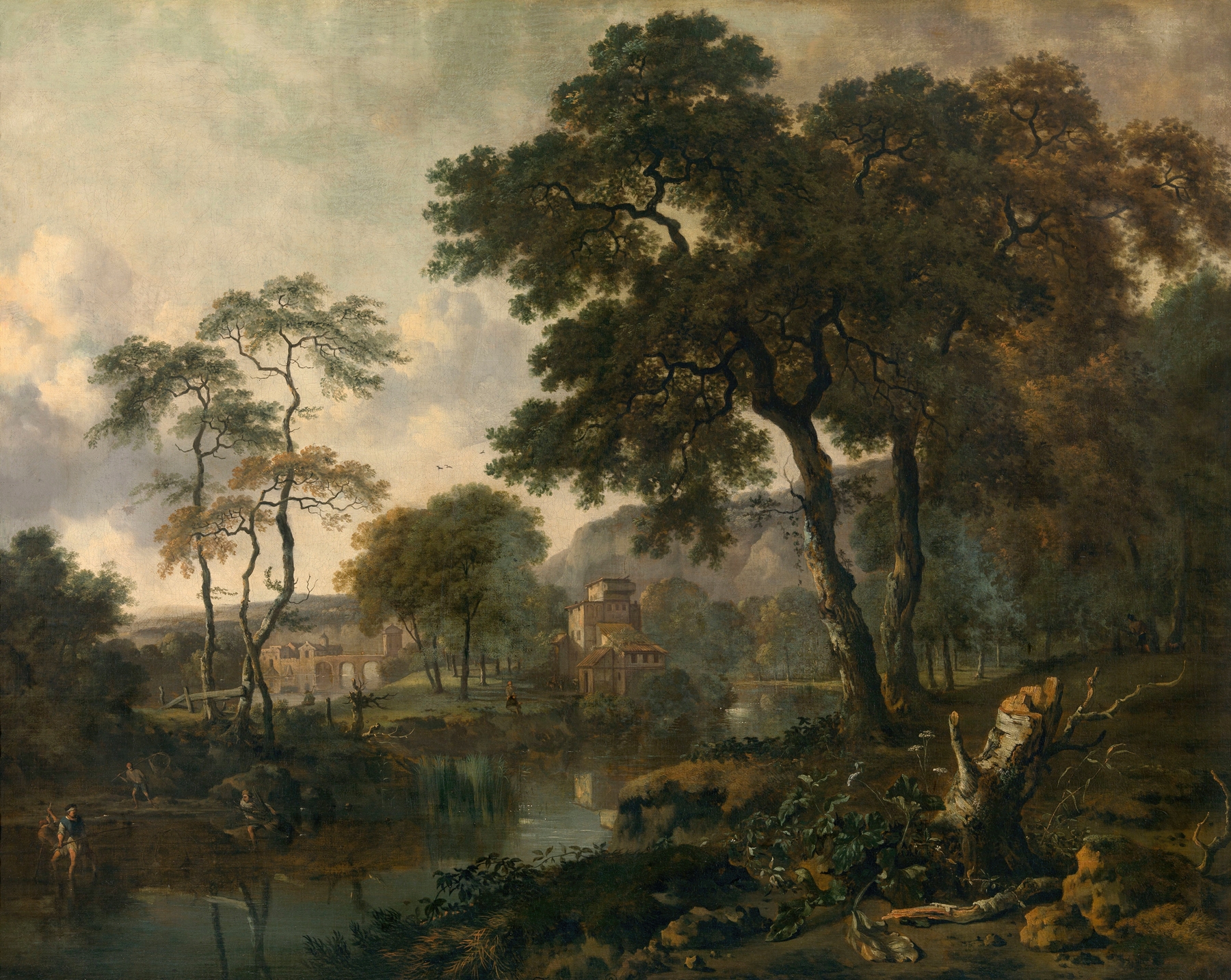
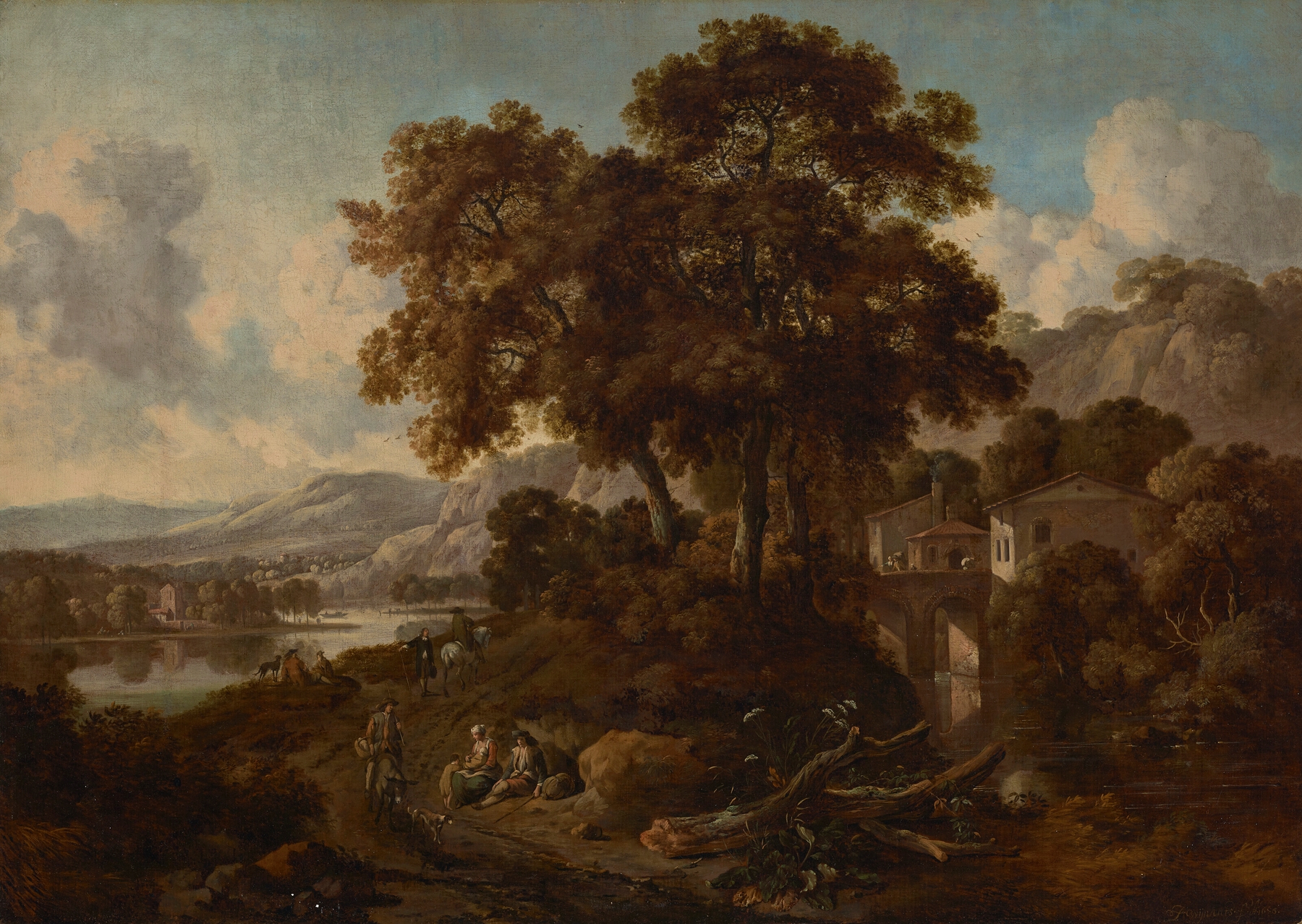
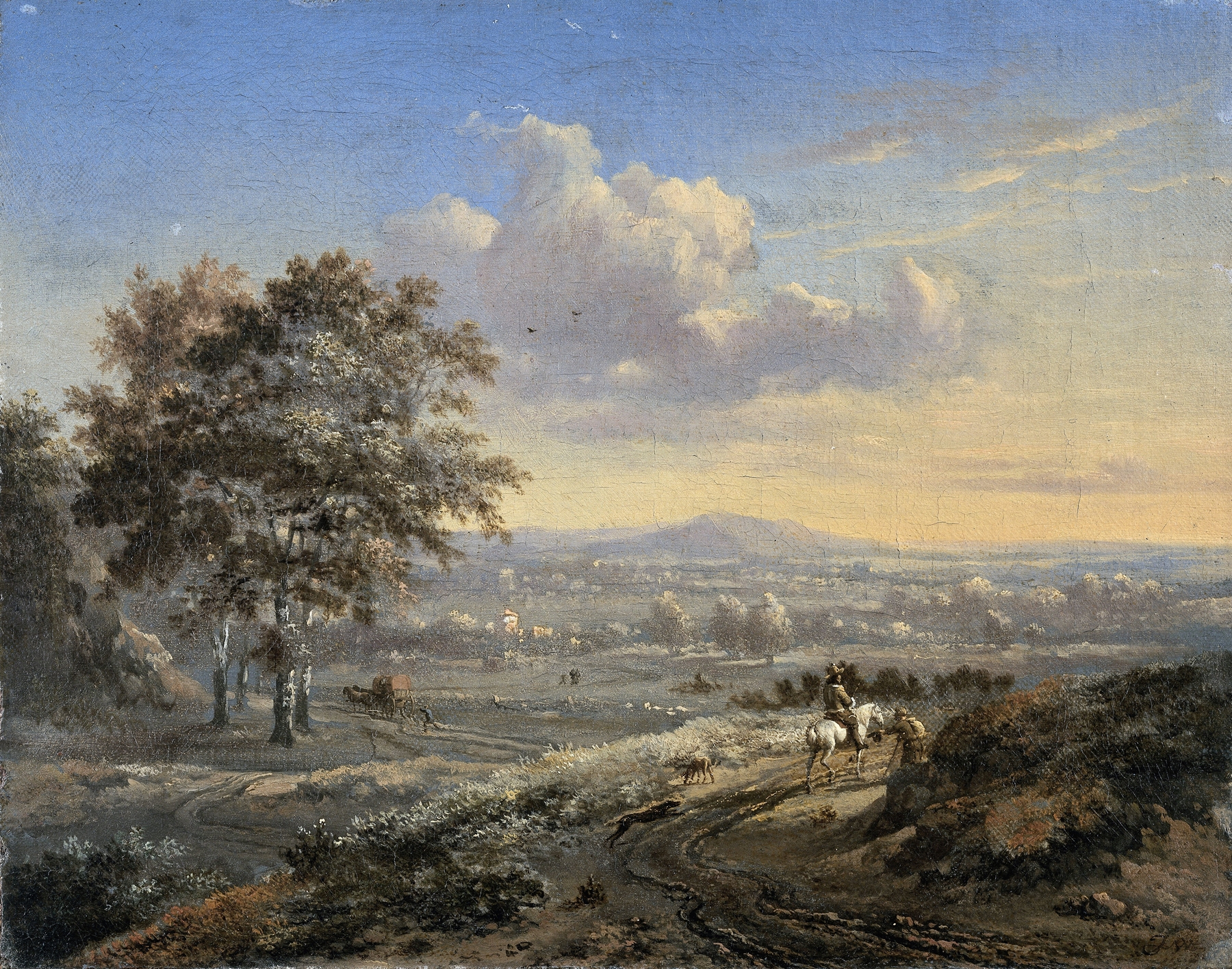
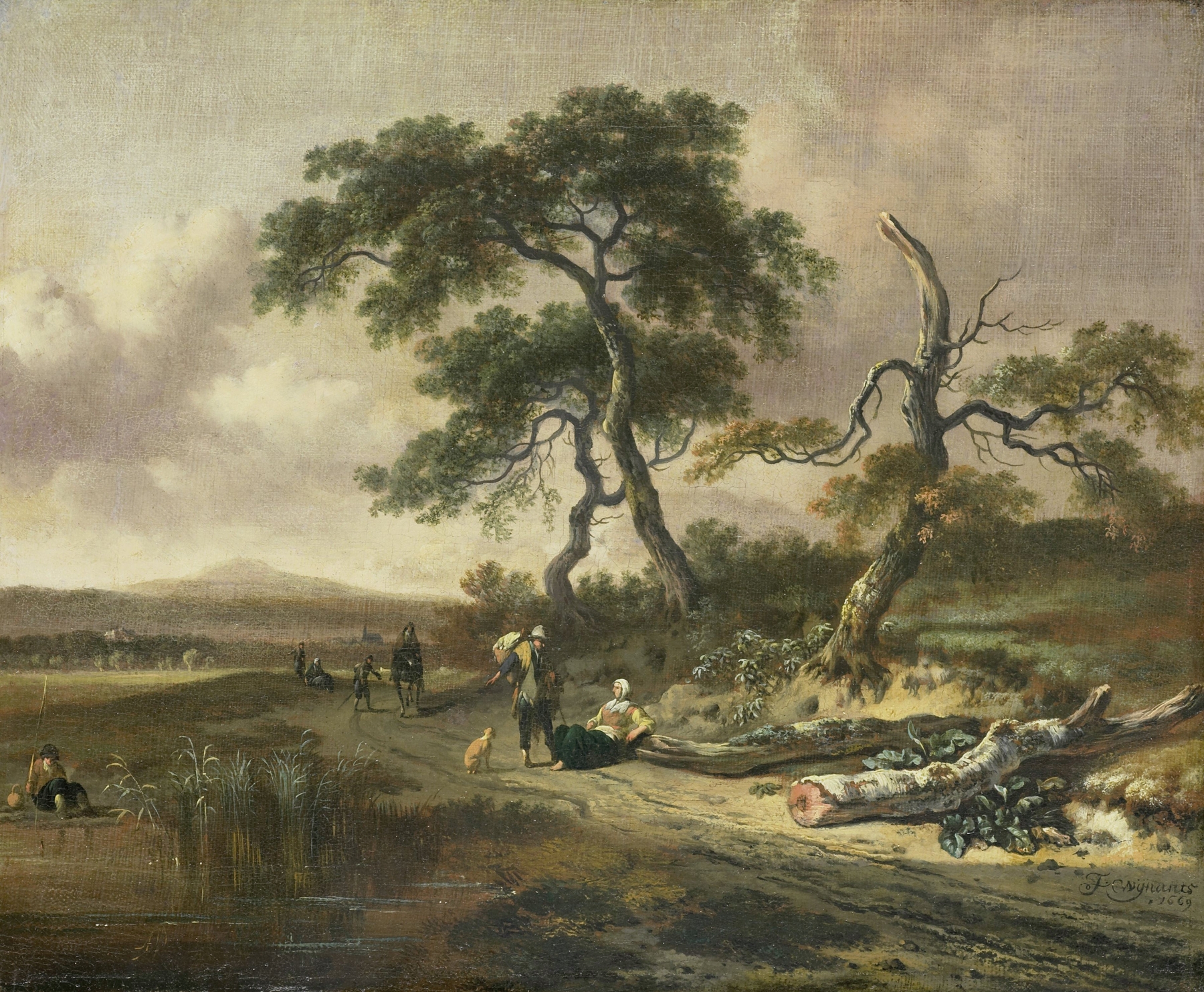
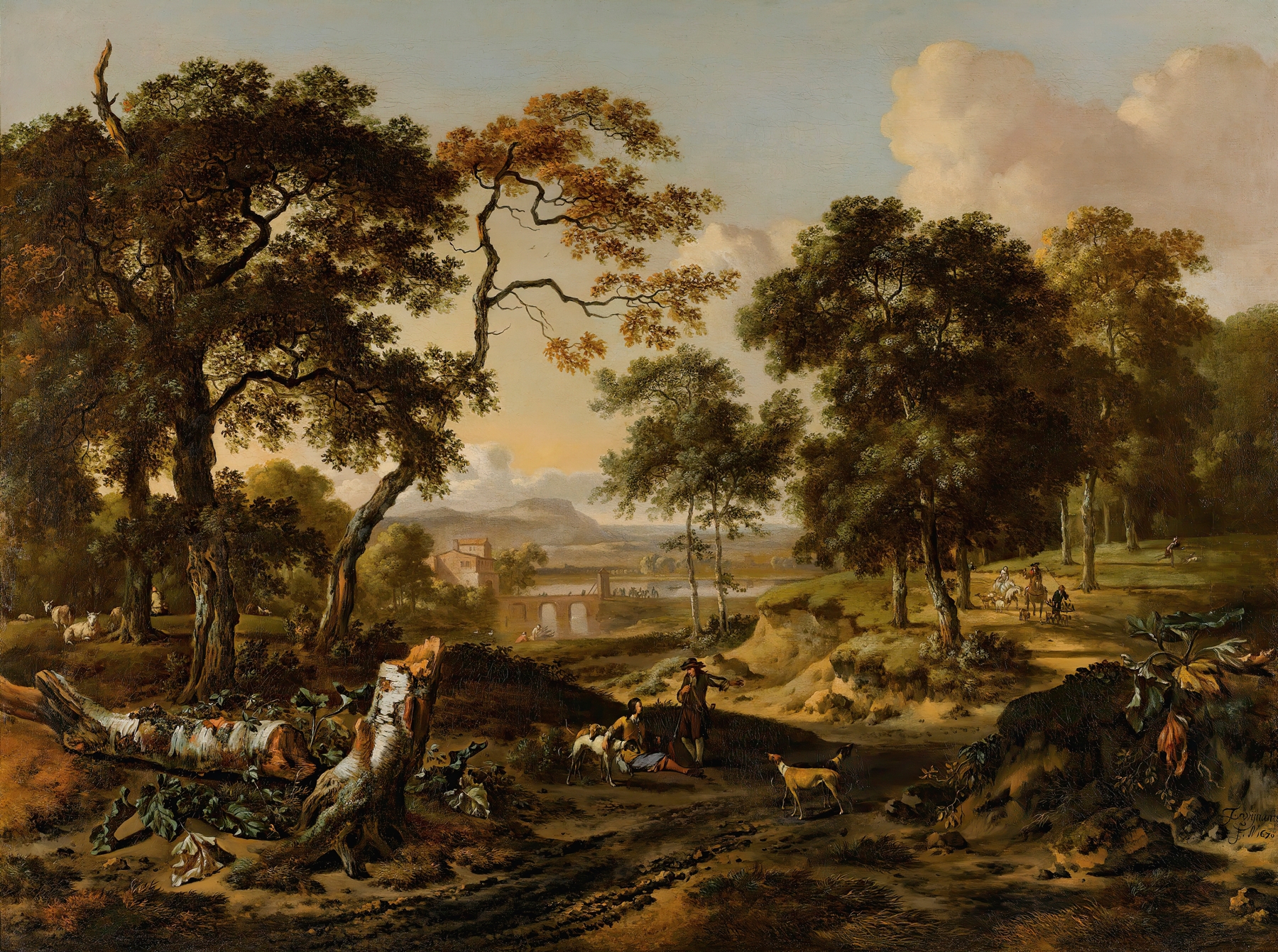
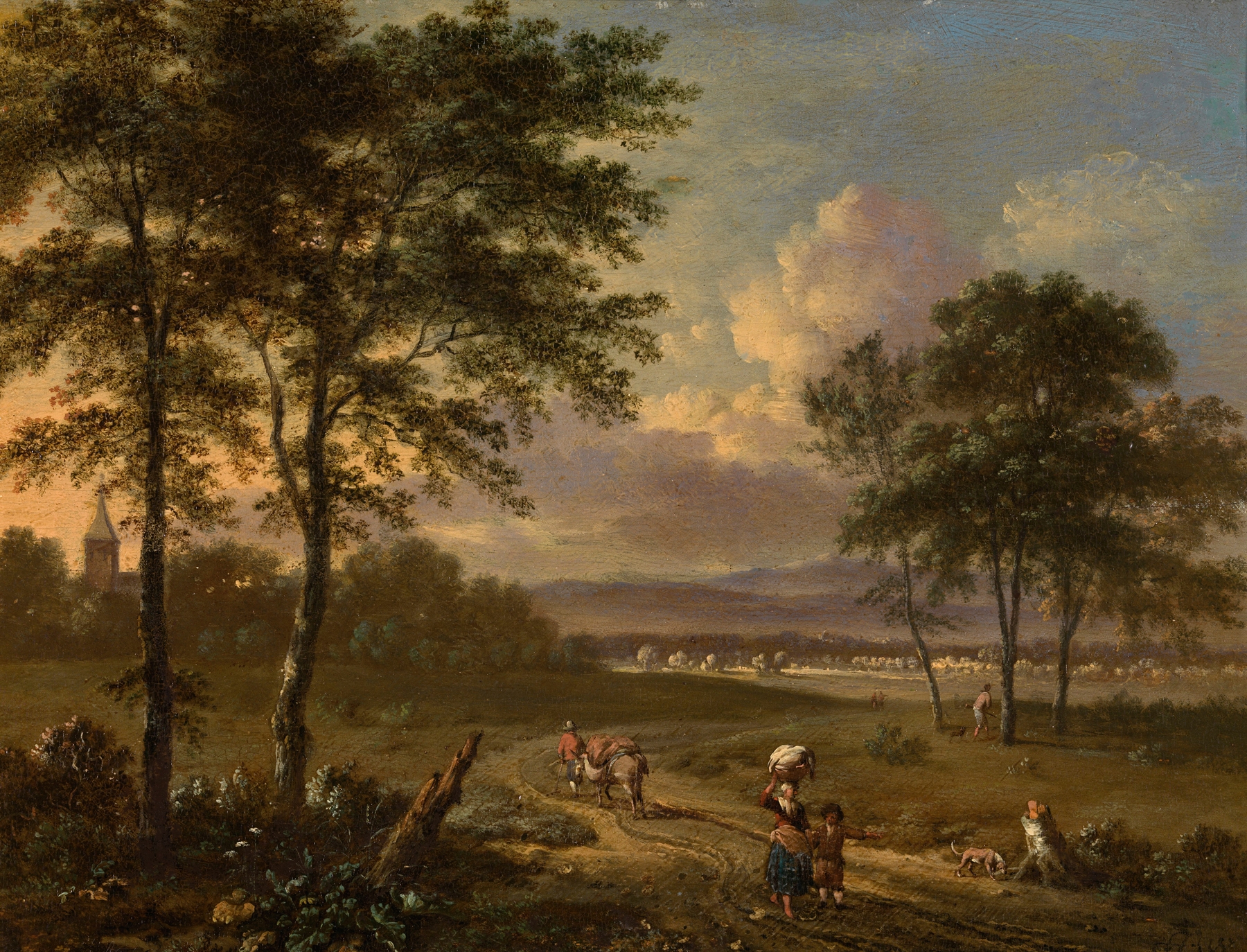
Could beauty survive in a century of chaos? In the quiet corners of our existence, the answer lies in the soft, unyielding embrace of nature. Look to the foreground, where rolling hills unfurl like delicate waves, their verdant greens contrasting sharply with the deeper, moody blues of the sky. The harmony of light and shadow plays across the landscape, inviting an exploration of its textures—each brushstroke whispers secrets of a world both serene and tumultuous.
Notice how the distant trees, silhouetted against the horizon, frame the scene, guiding your gaze towards the shimmering water that mirrors the sky's ethereal hues. Yet within this tranquil setting lies an undercurrent of tension, where the fragile beauty of the landscape serves as a stark reminder of impermanence. The gentle ripples on the water suggest time passing, while the looming dark clouds hint at impending storms—both literal and metaphorical.
Here, the artist captures the duality of existence; a breathtaking view that celebrates life juxtaposed with the inevitable decay looming in the shadows. Jan Wijnants painted this work during the 17th century, a time when the Dutch Golden Age was marked by both flourishing artistic expression and the looming threats of war and social upheaval. Living in an era ripe with contrasts, he sought to encapsulate nature’s beauty as a refuge—a momentary escape from the discord around him, reflecting a collective yearning for harmony amidst chaos.