Landscape — History & Analysis
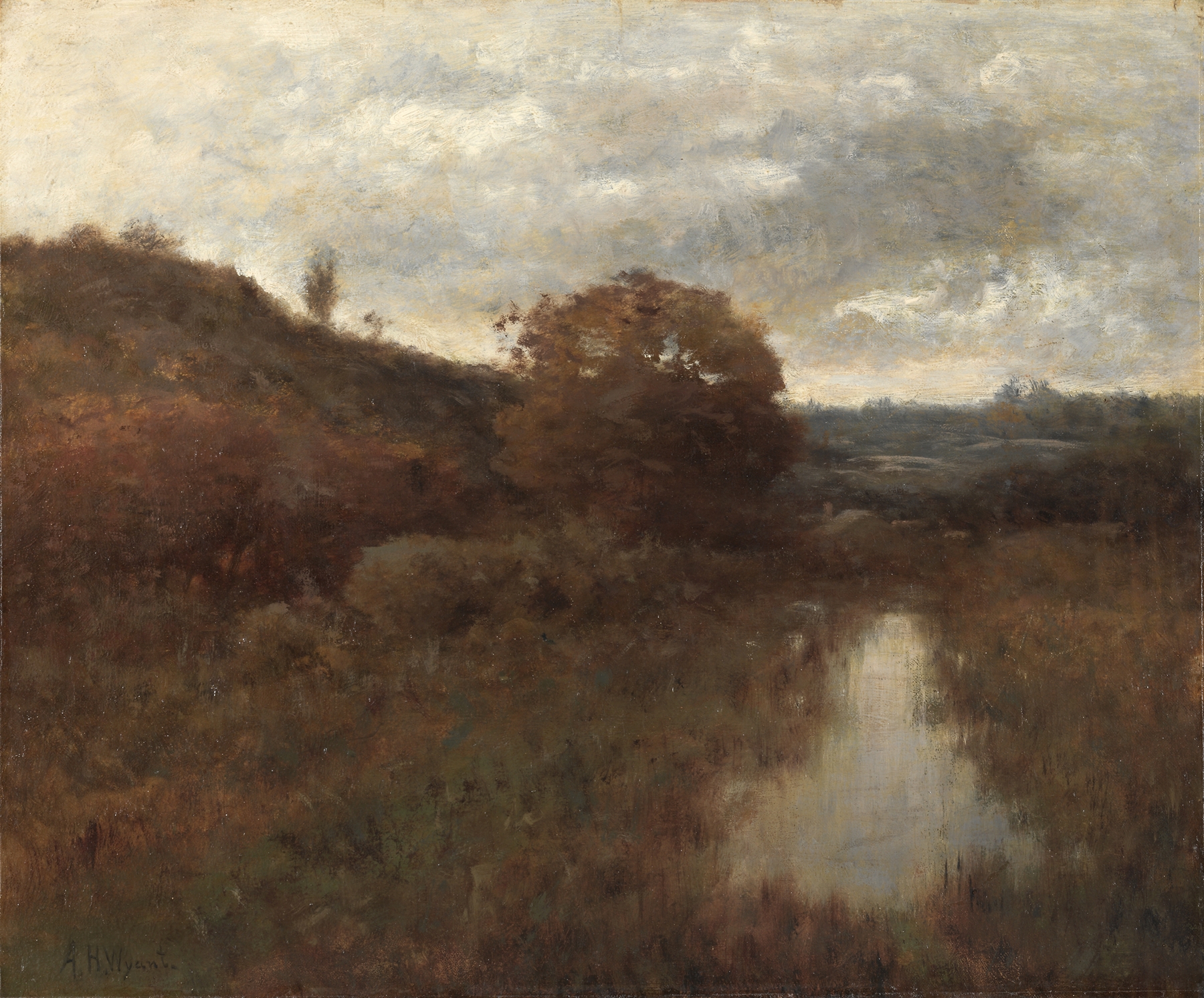
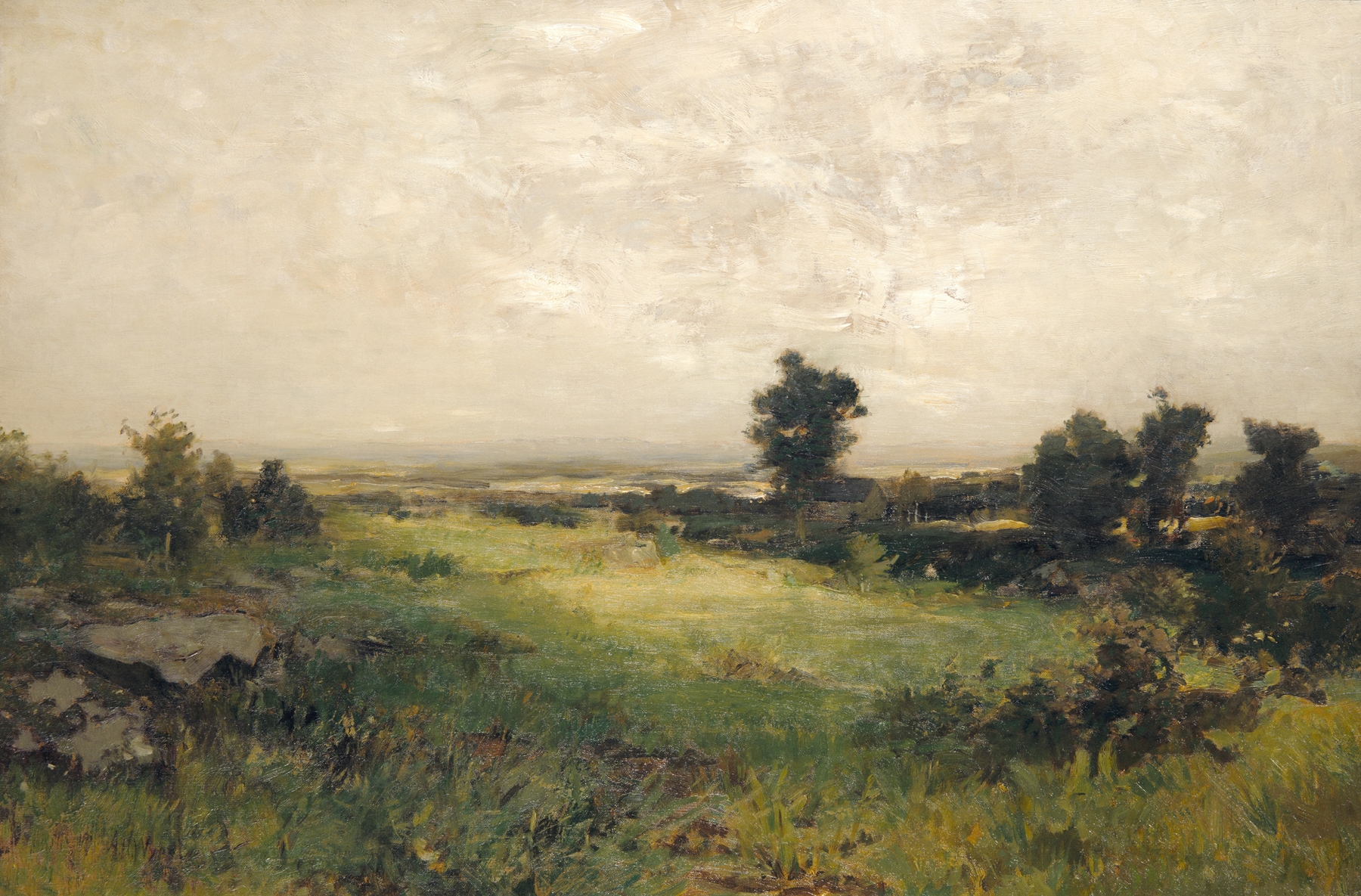
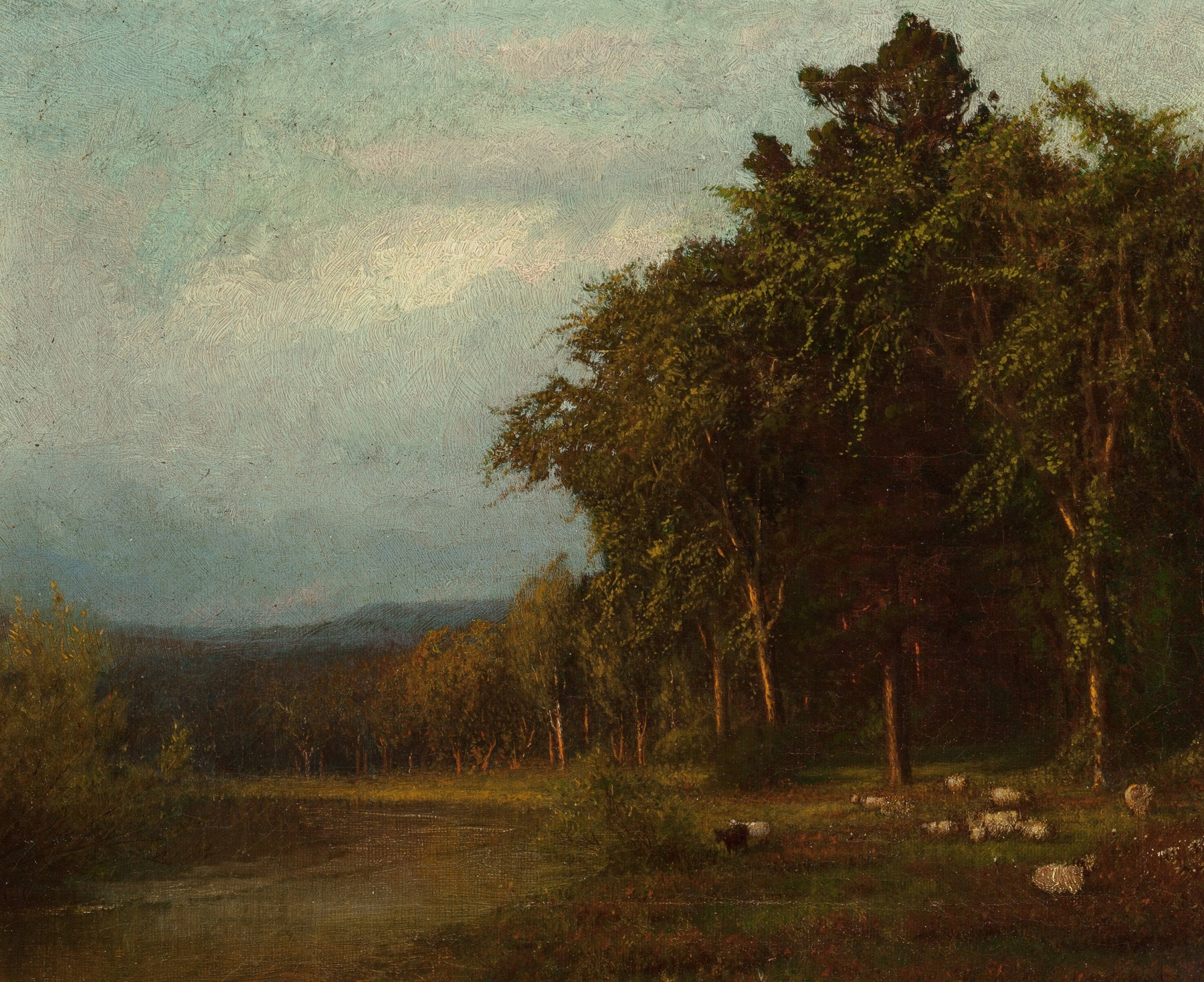
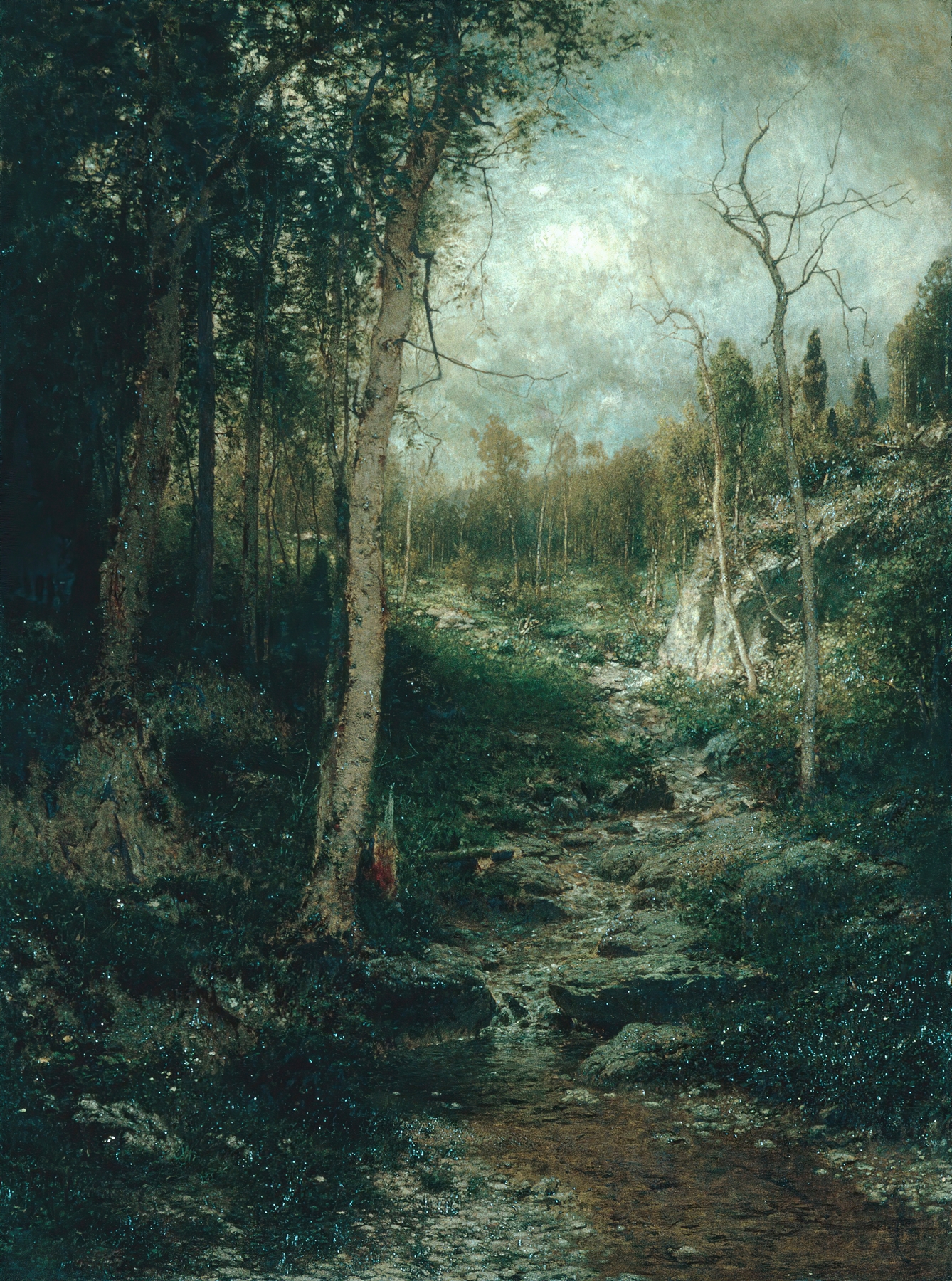
“The canvas doesn’t lie — it simply waits.” In the stillness of nature, a fragile moment lingers, capturing the delicacy of existence. Each brushstroke holds the weight of the world, inviting reflection on the transient beauty of landscapes that are both serene and impermanent. Look to the horizon in Landscape, where layers of soft greens and browns blend seamlessly under a gentle sky. Notice how the light filters through the clouds, casting a tender glow on the rolling hills.
The composition is masterfully balanced, leading the eye into the depth of the scene, revealing a world that feels both inviting and remote. Every detail, from the delicate strokes in the foliage to the subtle variations in color, speaks to the artist's intention to convey the harmony of nature. Beneath the surface, the painting embodies contrasts—the juxtaposition of permanence and decay, tranquility and subtle tension. The fragile beauty of the landscape mirrors the fleeting nature of time itself, urging viewers to pause and appreciate what is often taken for granted.
In the quietness of the scene, there is an unspoken dialogue about the vulnerability of the world around us, suggesting that beauty thrives in moments of stillness and impermanence. During the years between 1885 and 1892, Alexander Helwig Wyant painted Landscape while living in the rapidly changing art world of America. As the Impressionist movement gained momentum, he embraced its principles, focusing on capturing light and atmosphere in his work. This period marked a time of personal exploration for Wyant, as he sought to balance his artistic ambitions with the heartache of loss, deeply influencing his portrayal of nature's fragile yet profound beauty.