Landscape at Øylo in Mist — History & Analysis
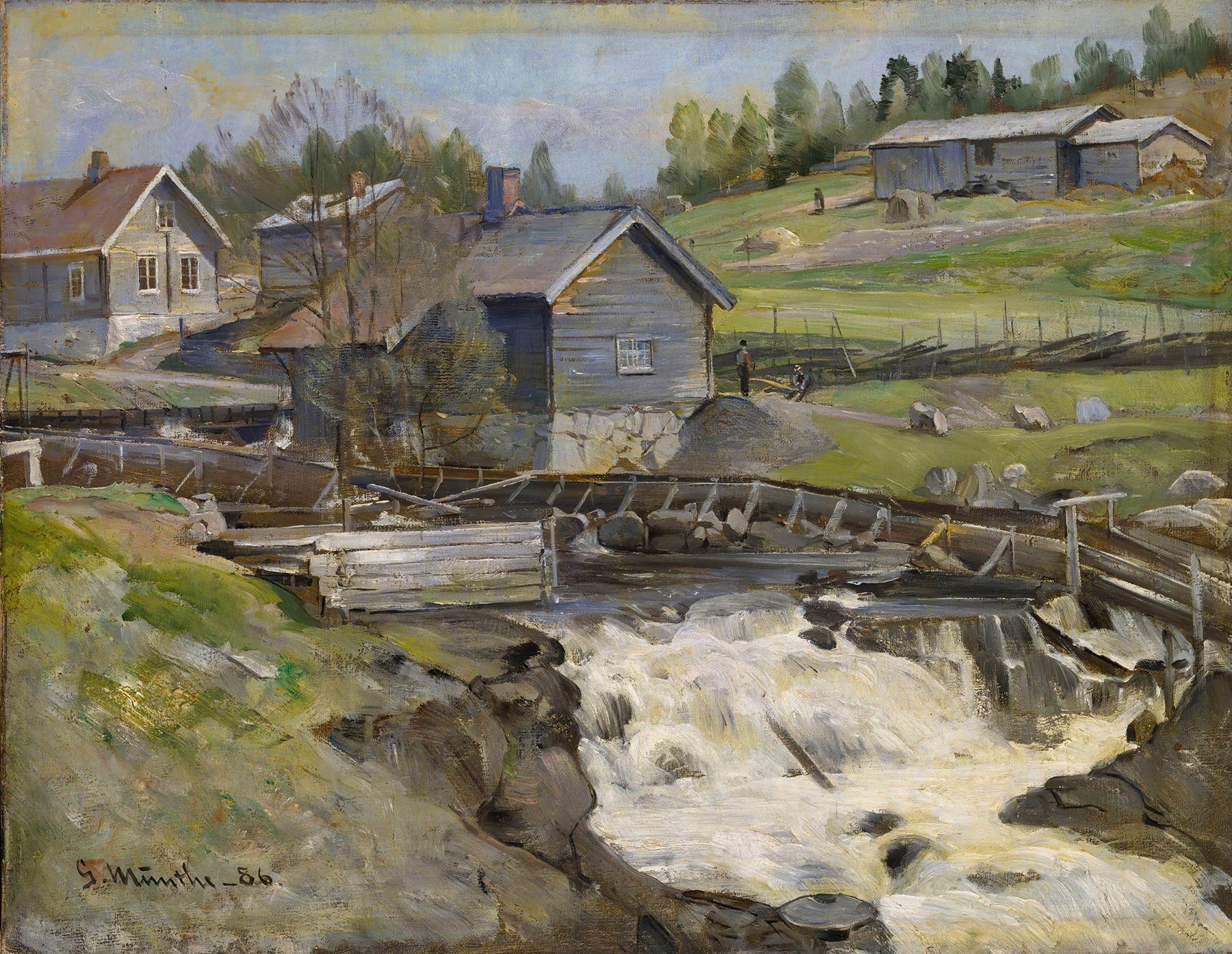
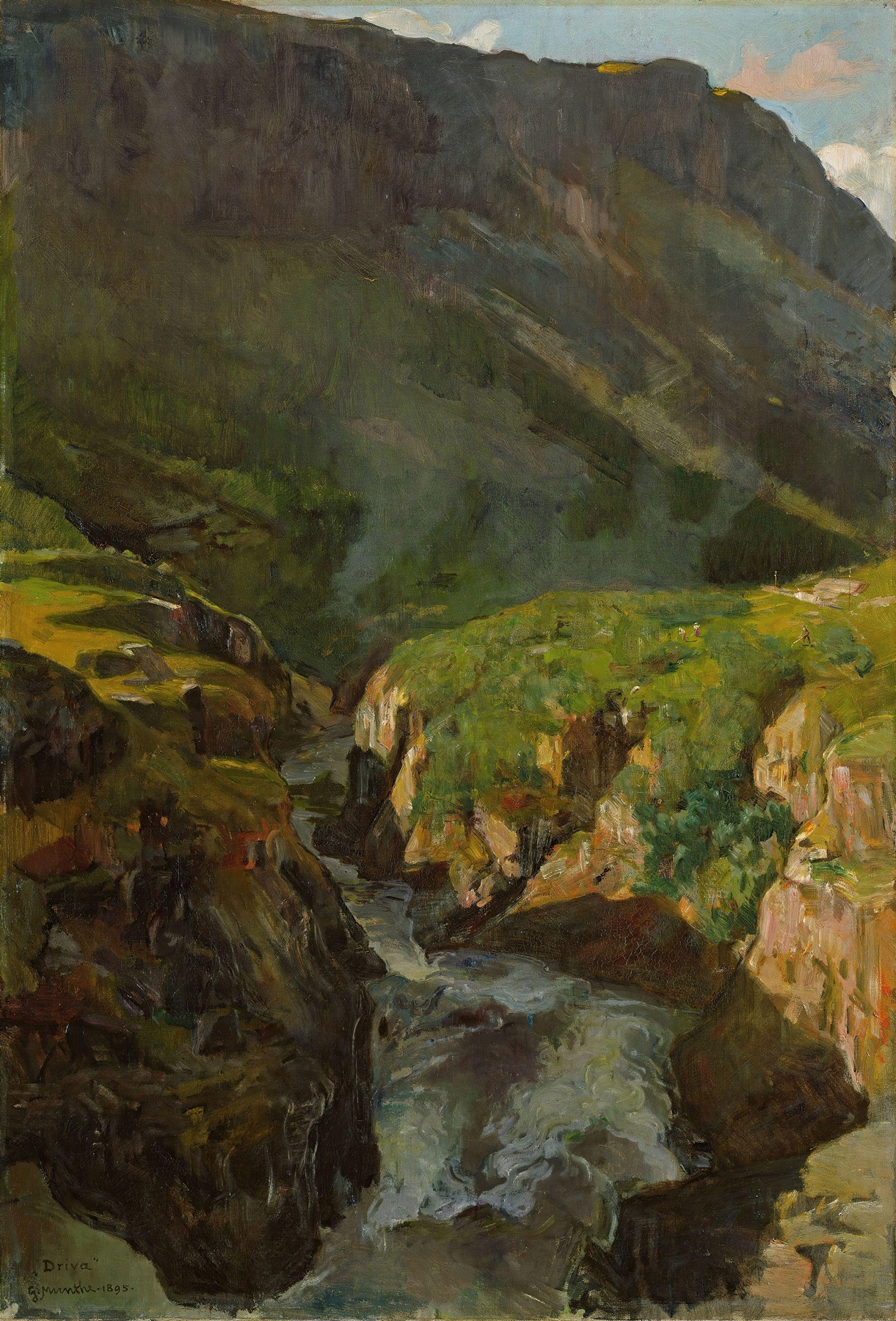
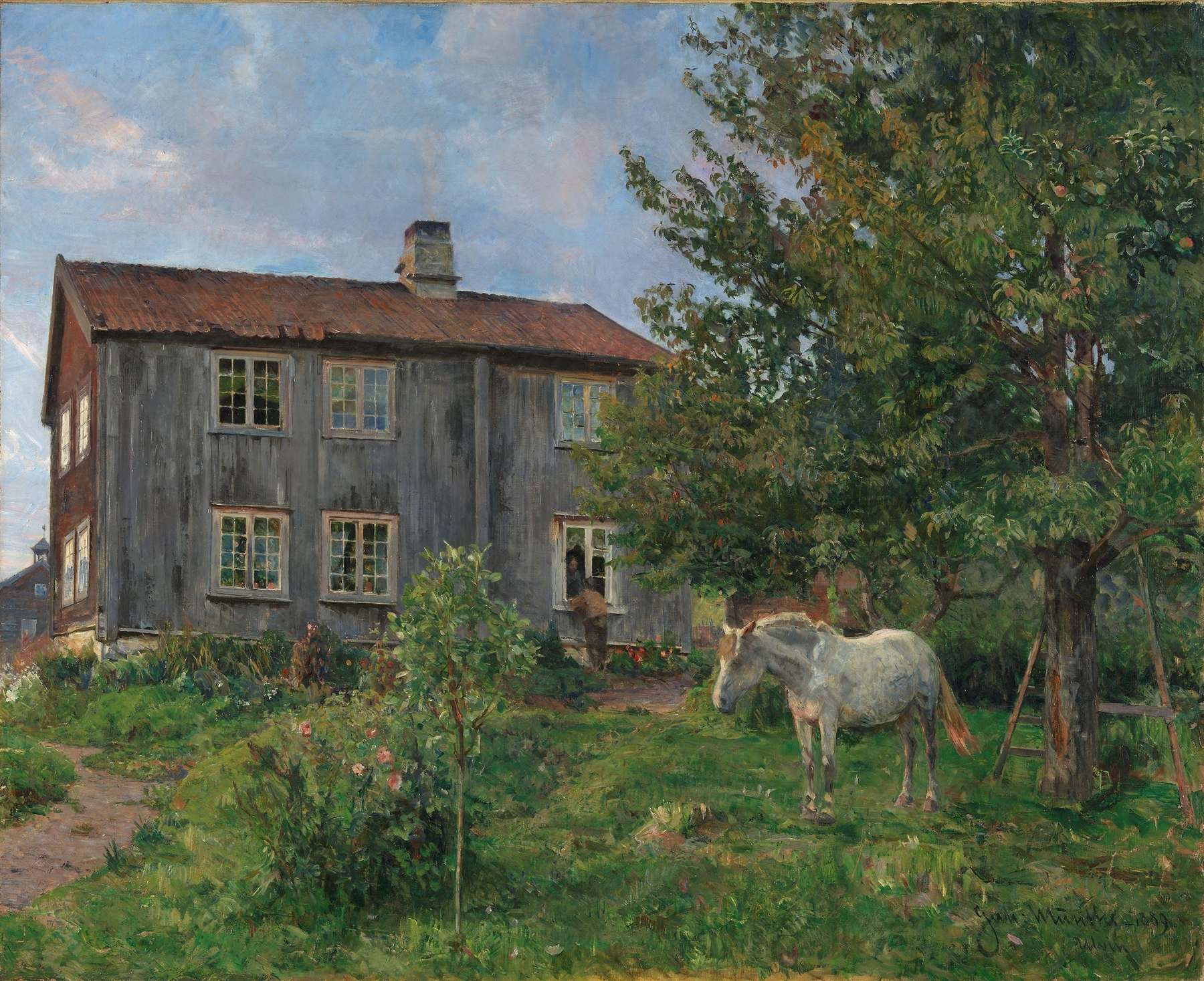
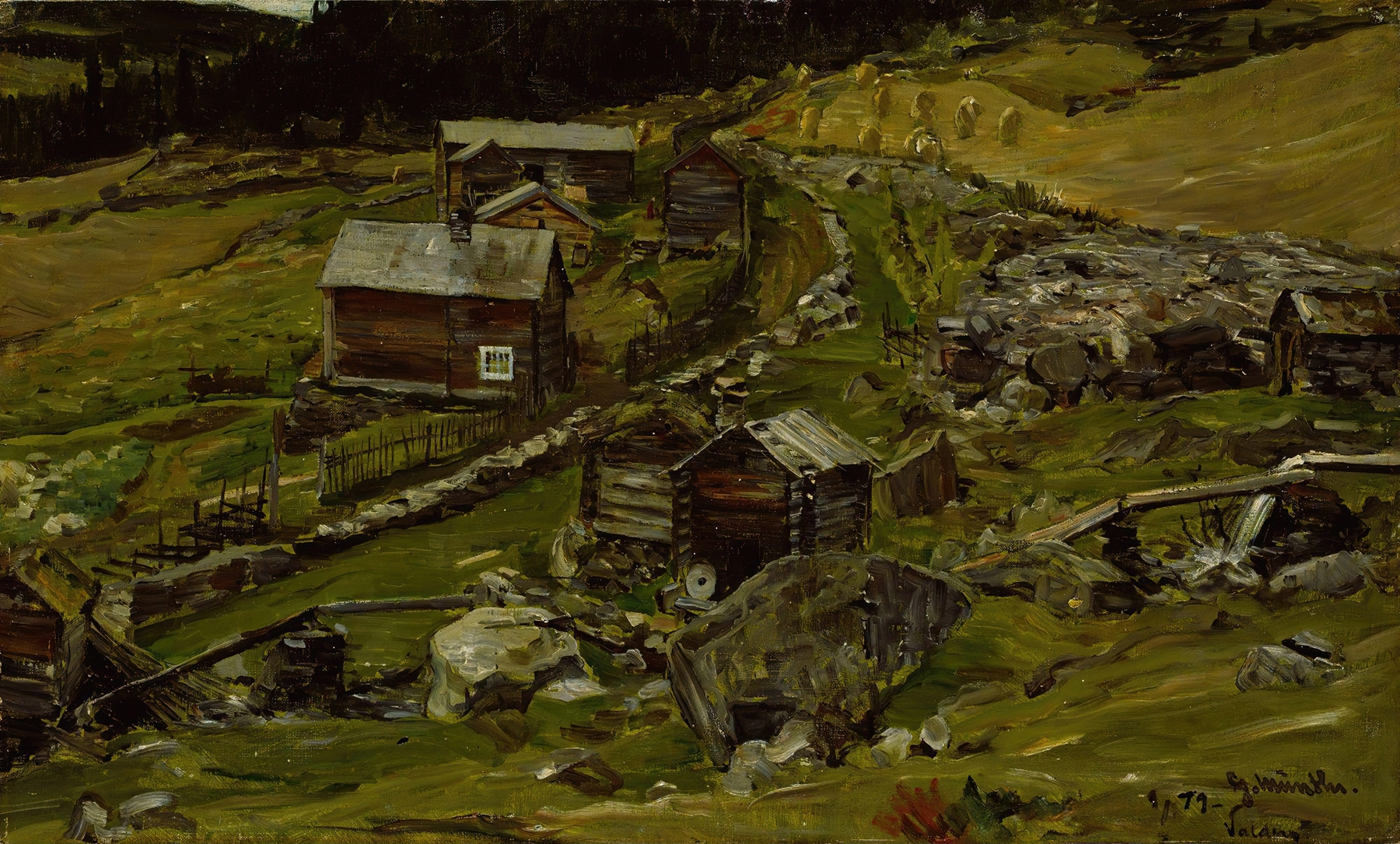
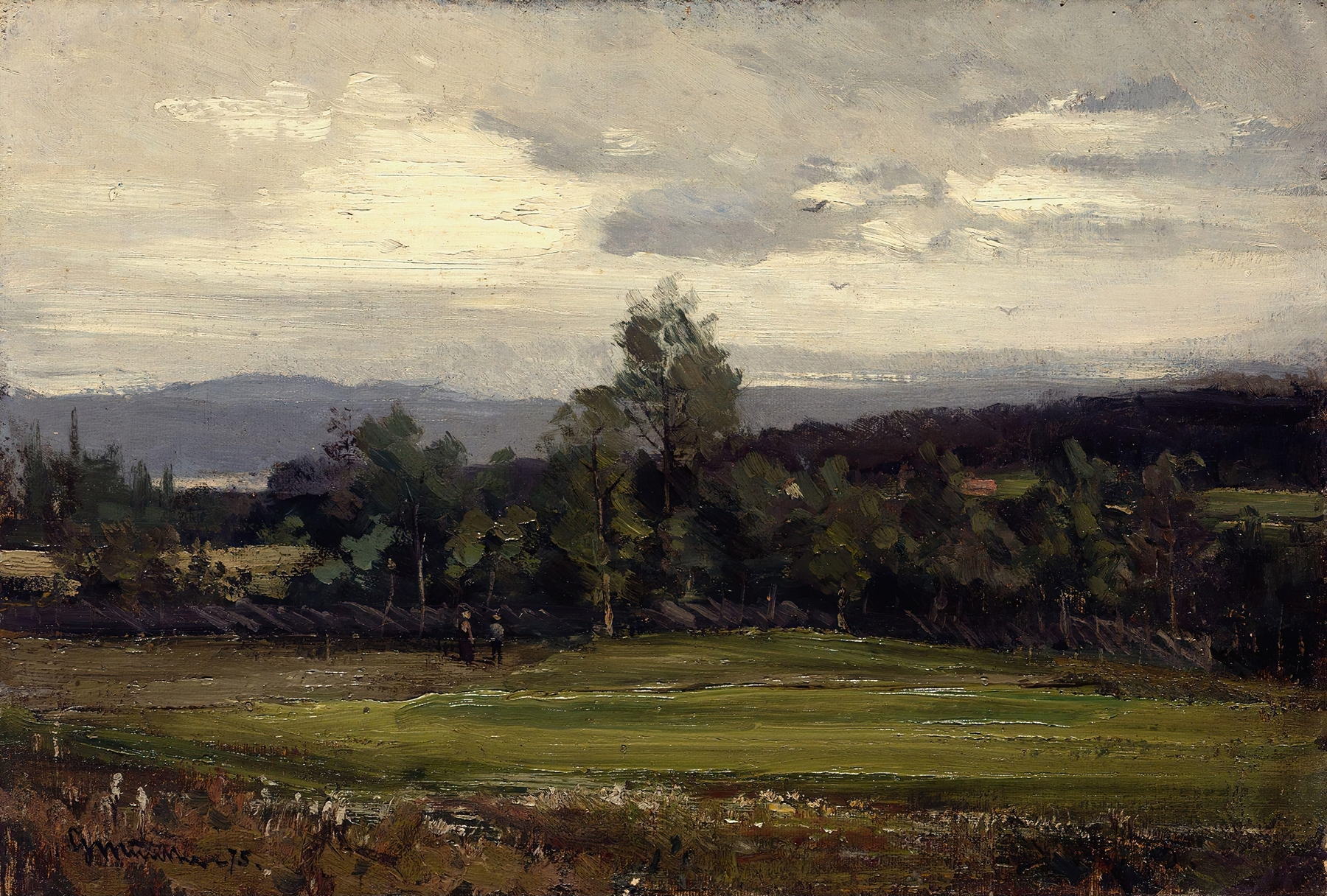
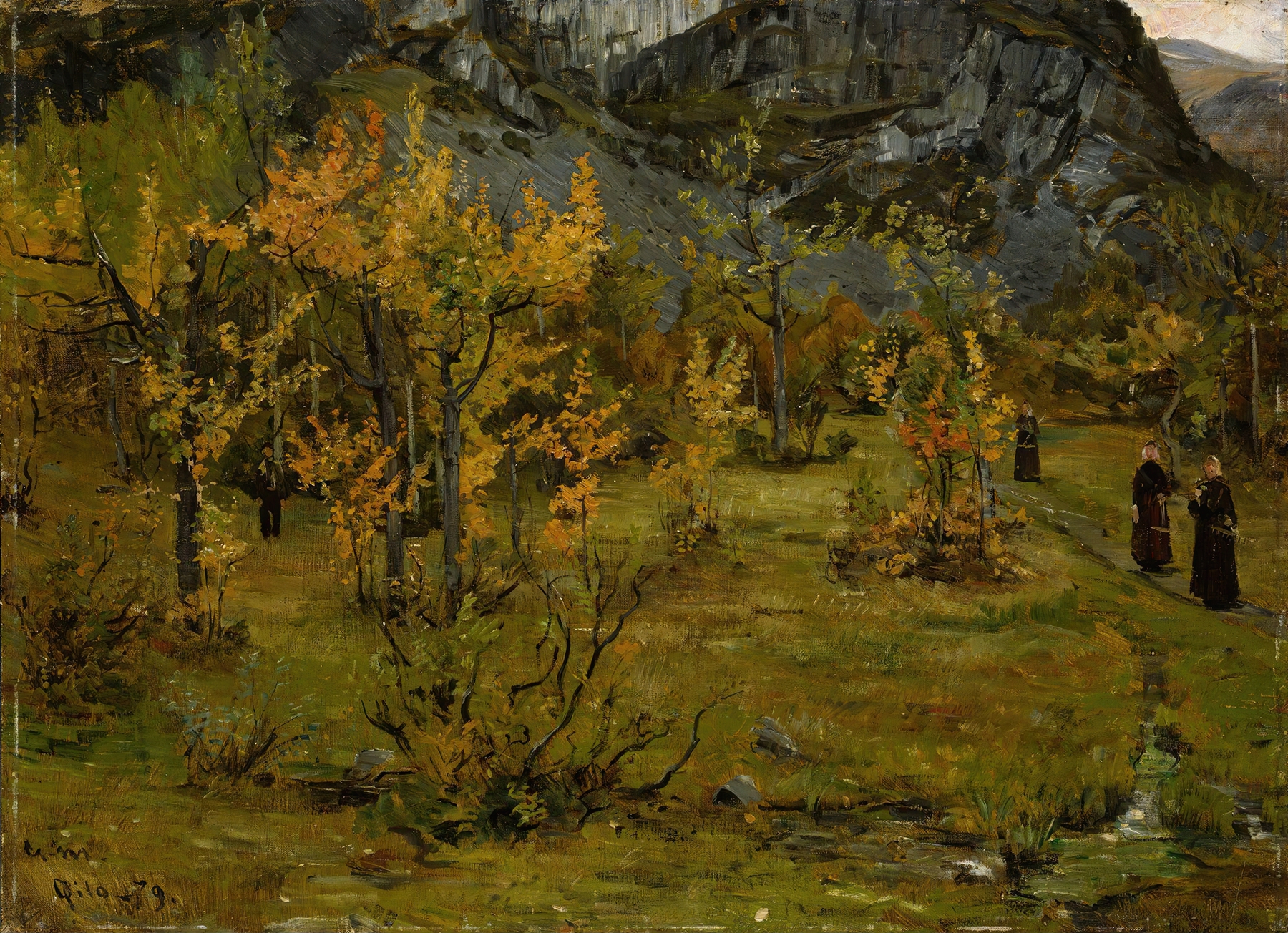
Could beauty survive in a century of chaos? In Landscape at Øylo in Mist, a haunting tranquility envelops the viewer, challenging the tumult of the outside world with its serene embrace. Look to the center of the canvas, where the muted greens and blues meld harmoniously in a dreamy haze. The fog rolls over the landscape, concealing the details while softening the edges of the trees and hills, inviting you to step into this tranquil realm.
Notice how the light diffuses through the mist, casting a gentle glow that transforms the ordinary into something ethereal, as if the scene is caught in a moment of reverie. Beneath its tranquil surface lies a tension between stillness and the chaos suggested by the surrounding mist. The indistinct shapes of the landscape evoke a sense of mystery, raising questions about what lies hidden from view. This ambivalence mirrors the tumultuous period of the late 19th century, marked by social change and industrialization, yet here, one finds an oasis of beauty, suggesting hope amidst uncertainties.
In 1879, Gerhard Munthe was deeply influenced by the Norwegian landscape and the Symbolist movement. Working in Norway during a time of nationalistic fervor and artistic exploration, he sought to capture the spirit of his homeland through a lens that emphasized emotion and mood. This piece reflects his desire to convey both the beauty and the inherent complexities of nature, positioning him as a vital figure in the evolution of Norwegian art.