Landscape by the Sound — History & Analysis
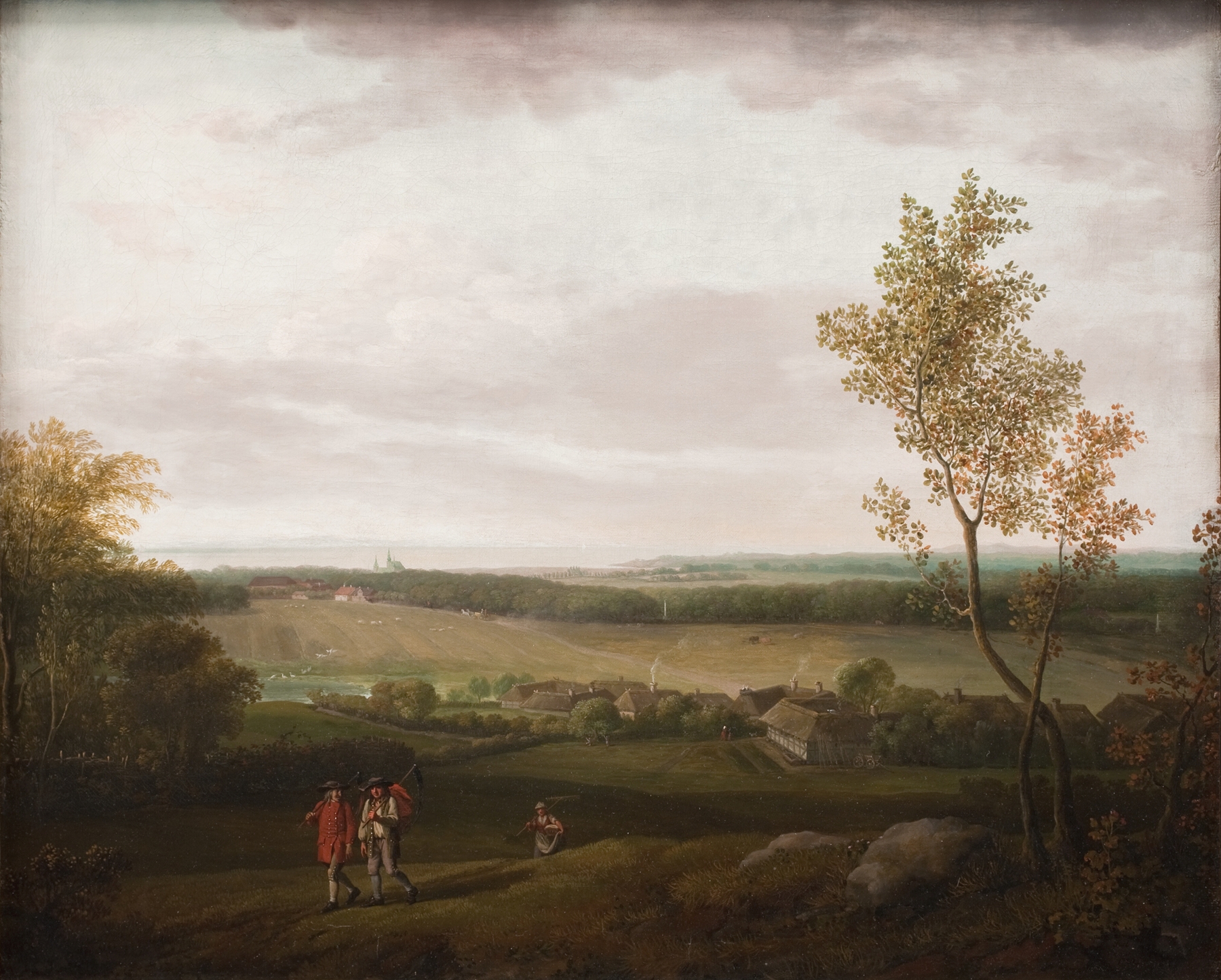
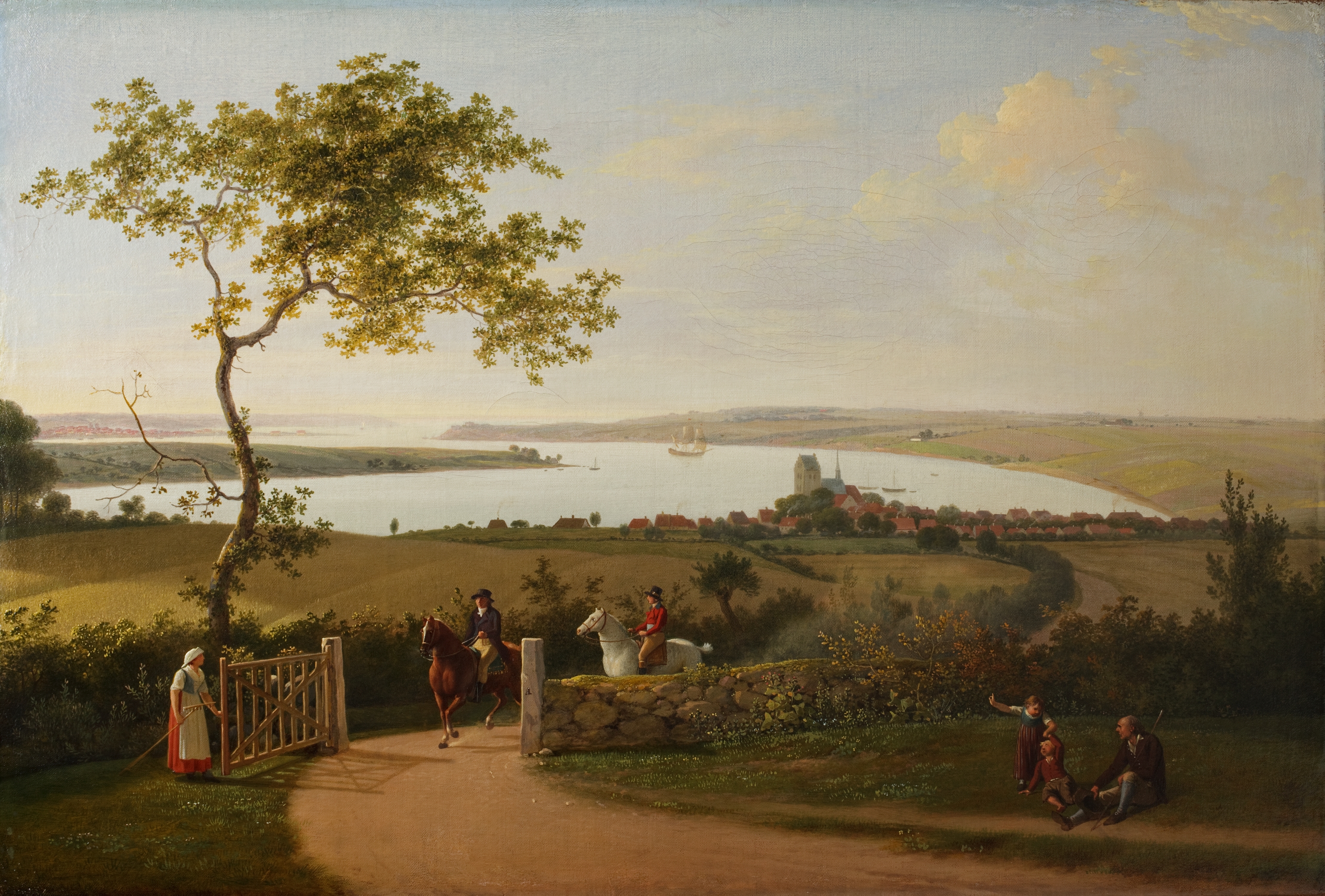
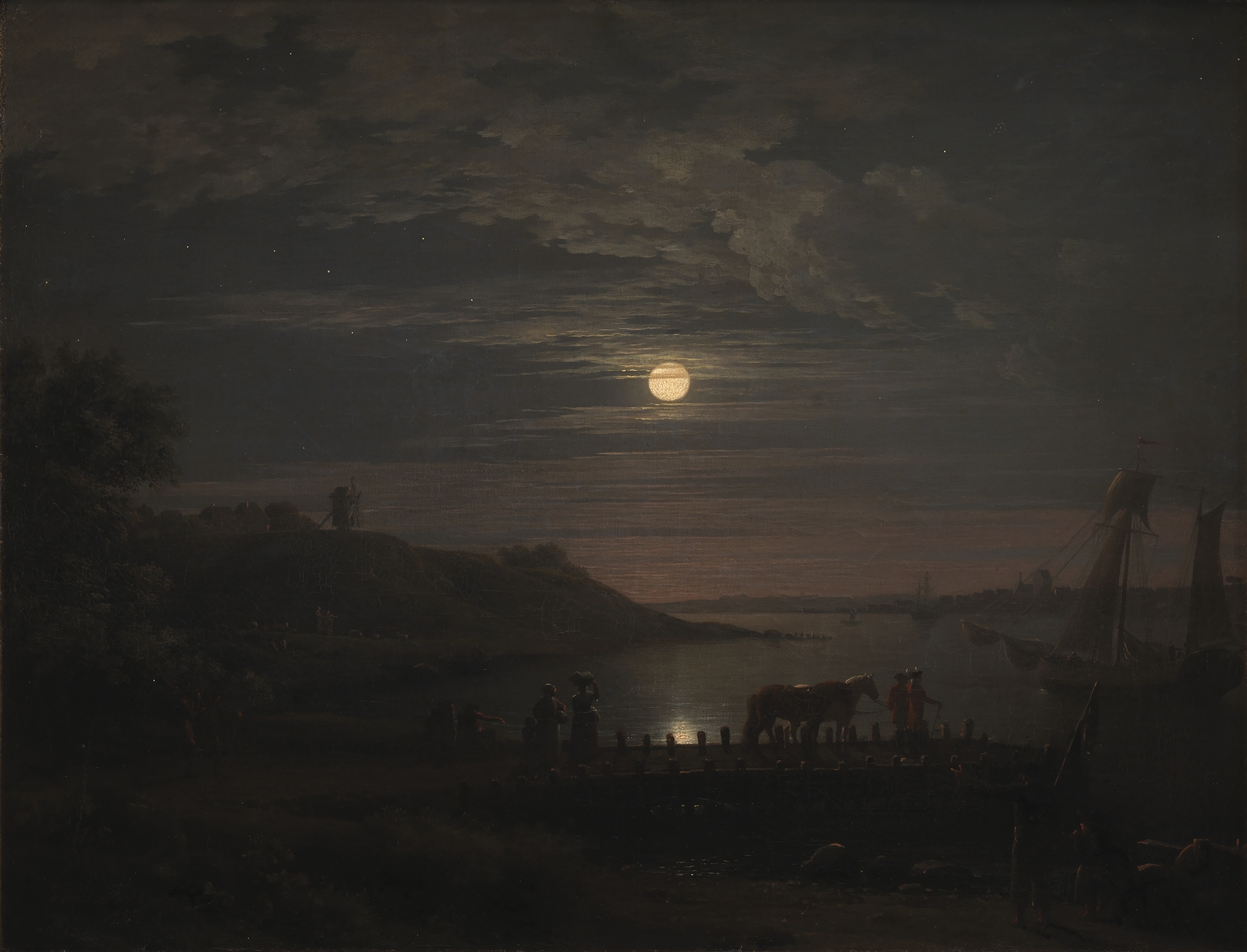
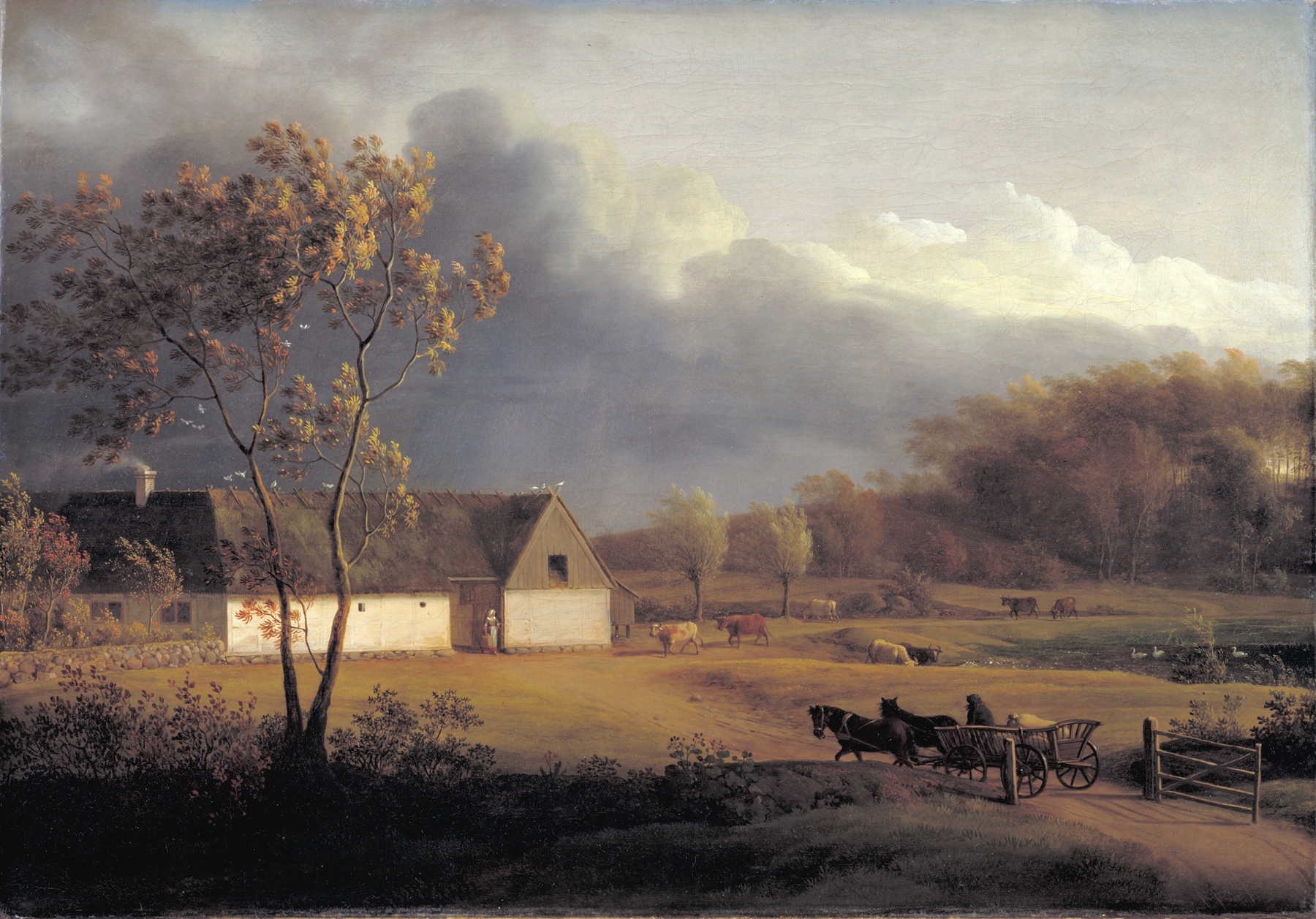
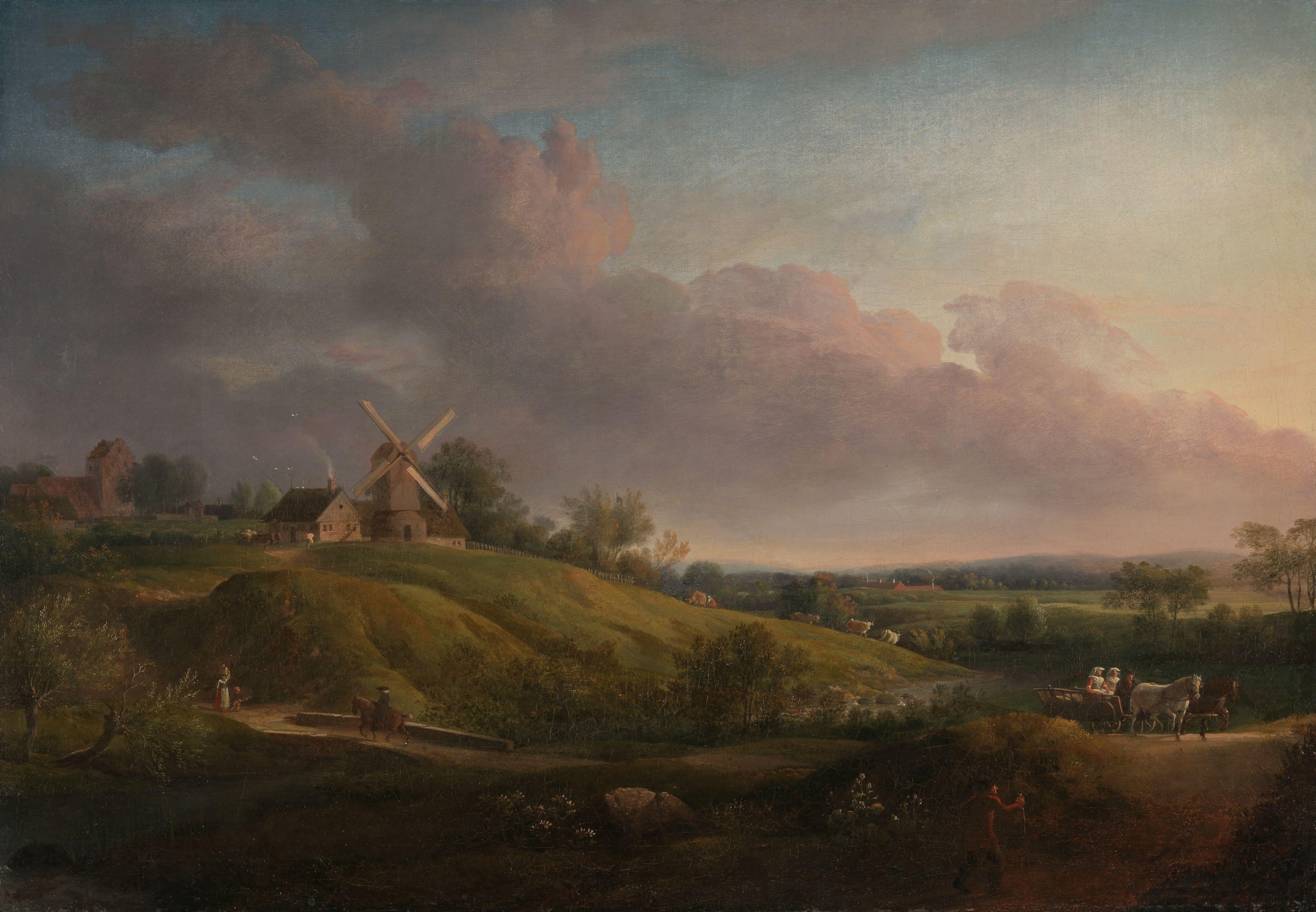
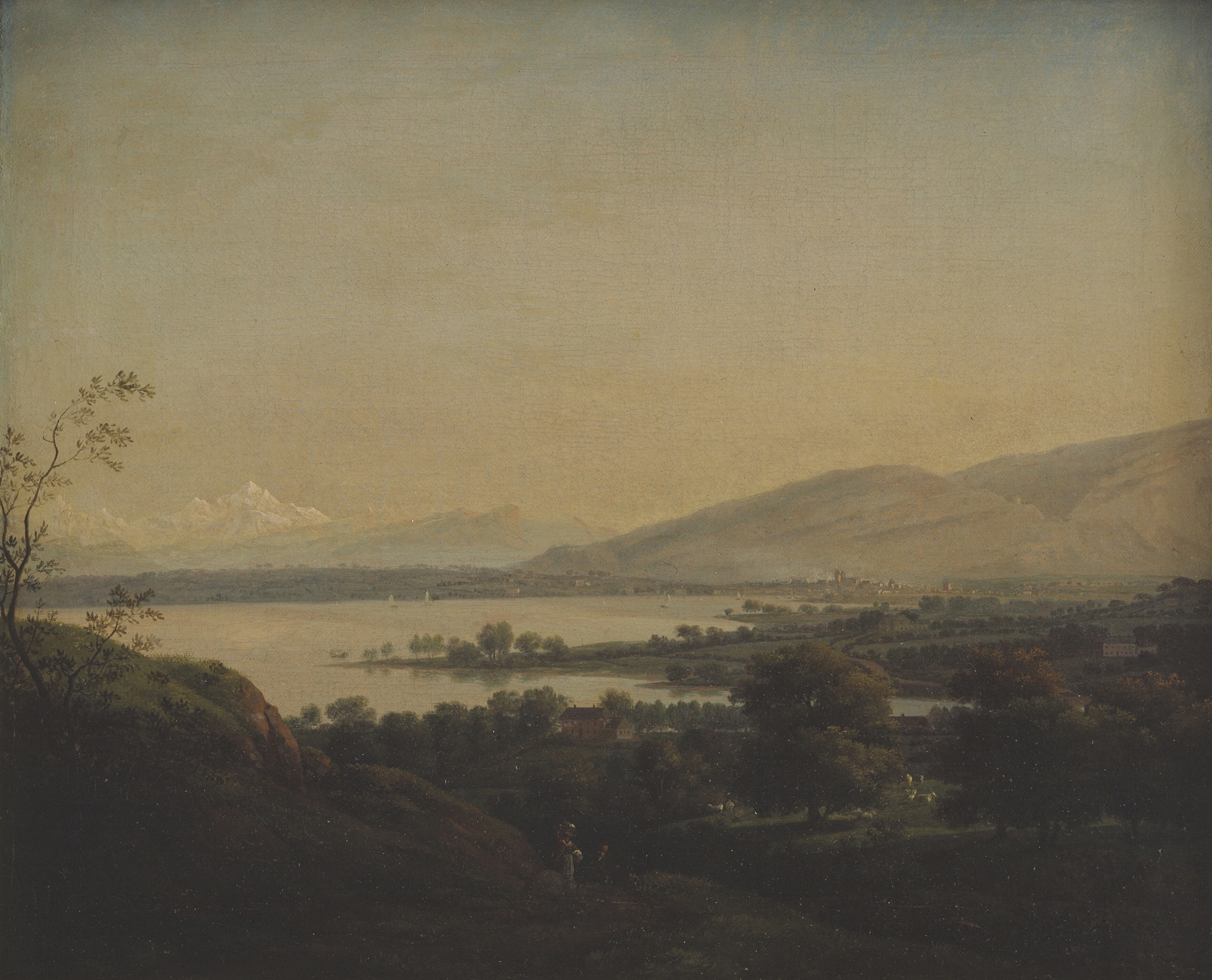
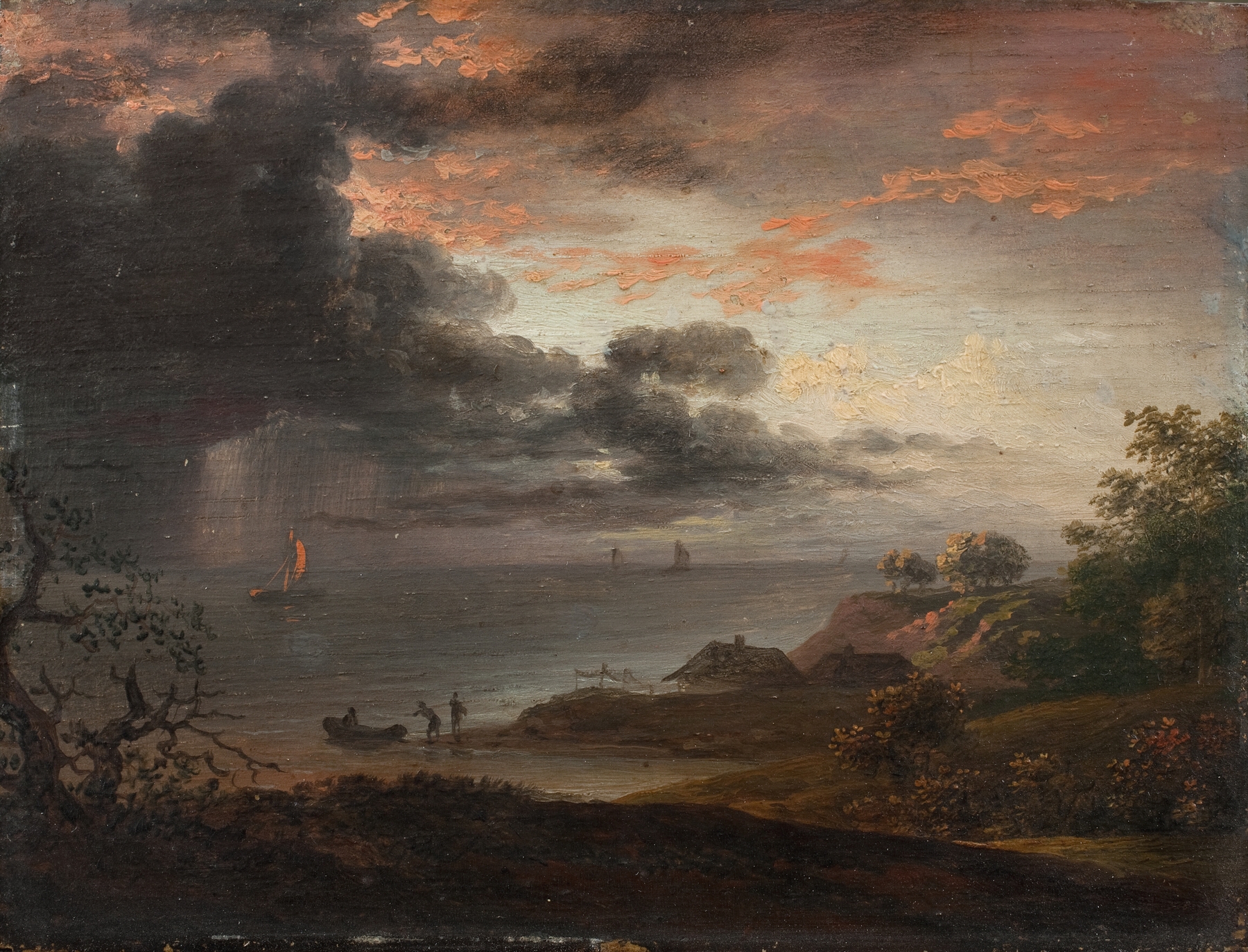
Did the painter know this moment would outlive them? Landscape by the Sound captures a fleeting serenity, an invitation to believe in the enduring beauty of nature and memory. Look to the left at the gentle undulation of hills, where the soft greens and earthy browns harmonize to create a tranquil rhythm. The brush strokes convey a delicate balance between detail and impression, drawing the eye toward the glimmering expanse of water in the distance. Notice how the light dances on the surface of the sound, casting reflections that evoke a sense of calm.
The subtle sky above, rendered in tranquil blues and hints of gold, envelops the entire scene, creating a soothing backdrop. As you linger on the canvas, consider the emotional tensions held within this landscape. The lush foreground teems with life, a sharp contrast to the distant horizon where the water meets the sky, suggesting both connection and separation. It mirrors the duality of existence: the immediate beauty of nature and the distant promise of something greater.
This interplay invites contemplation about faith—faith in nature's cycles, in life’s continuity, and in the artist’s belief that beauty can be captured and cherished. Painted around 1800, this work emerged during a time when Jens Juel was establishing himself within the Danish Golden Age of painting. The period was marked by a rising appreciation for landscape as a genre, reflecting both the Romantic ideals of nature and a burgeoning national identity. Juel's mastery of color and form during this transformative period showcases not only his skill but also his deep connection to the serene beauty of the Scandinavian landscape.