Landscape with a Church and a Mill — History & Analysis
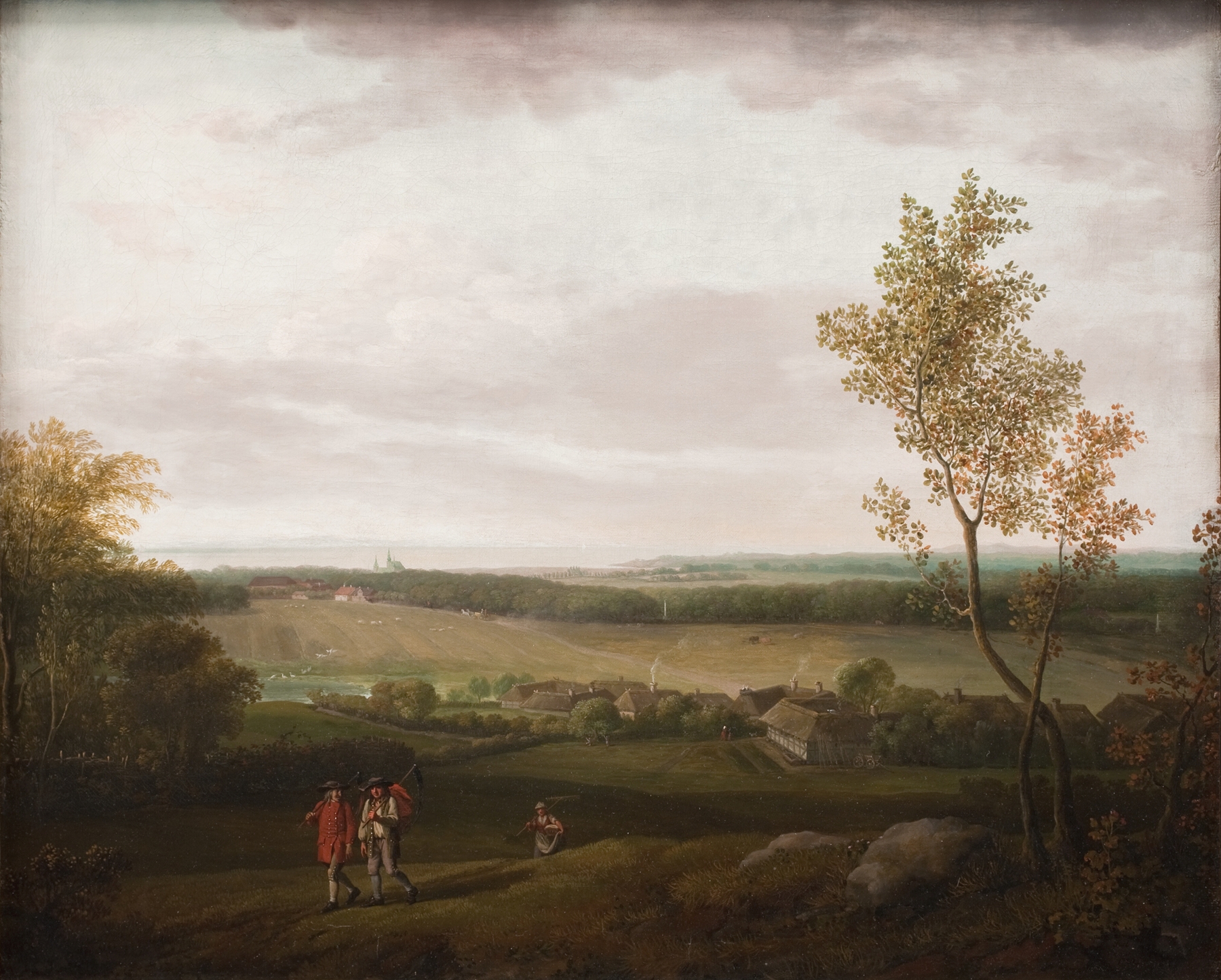
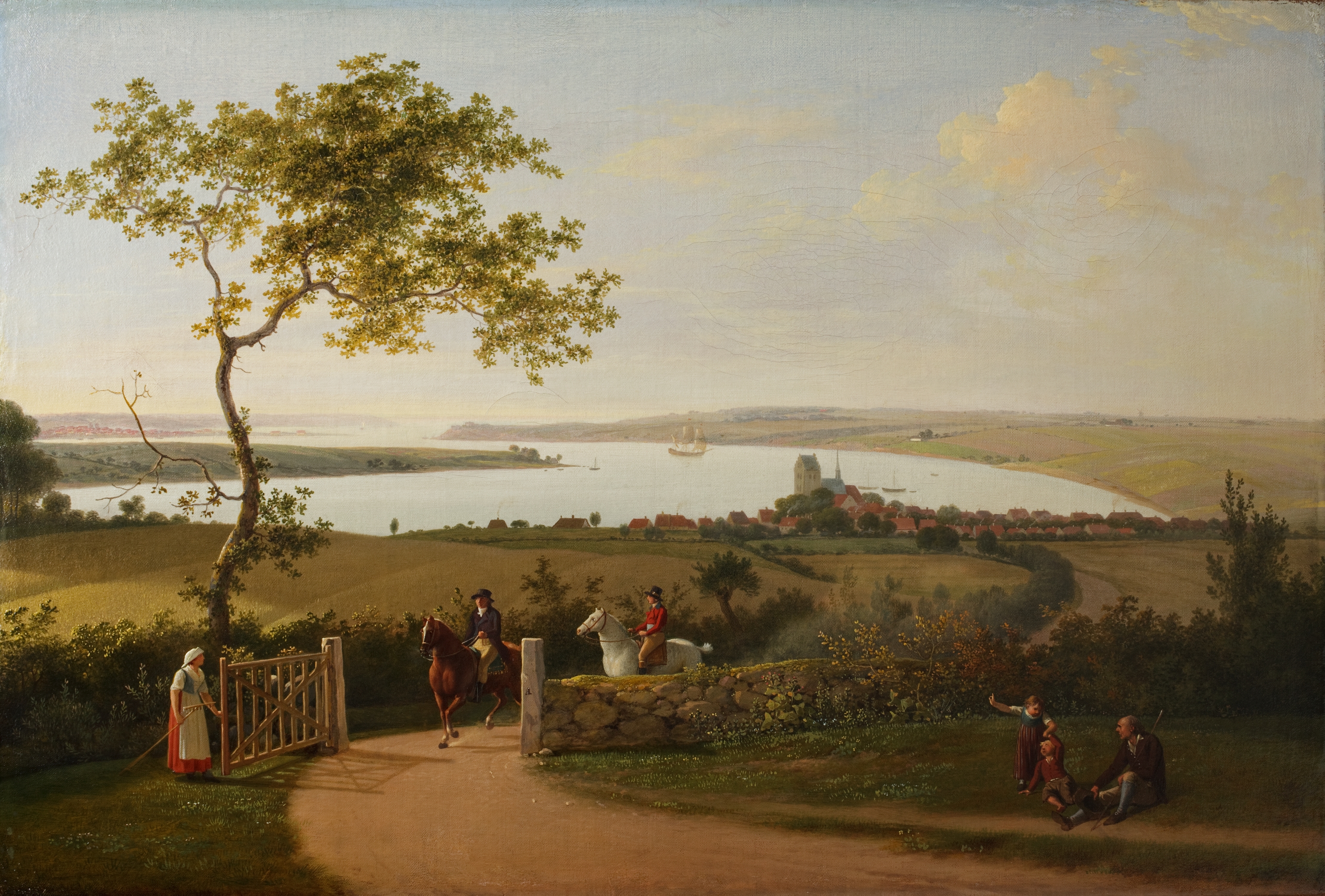
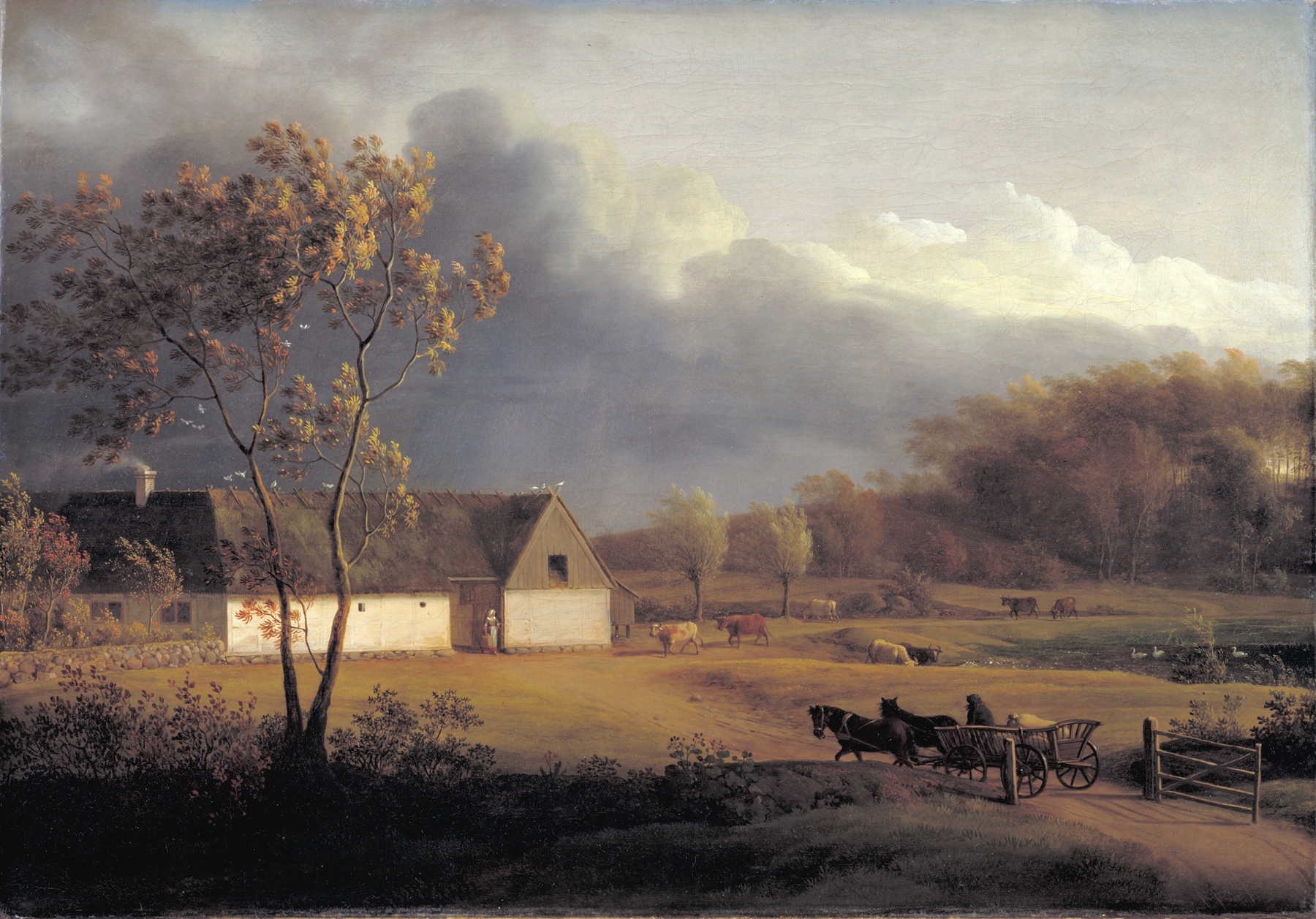
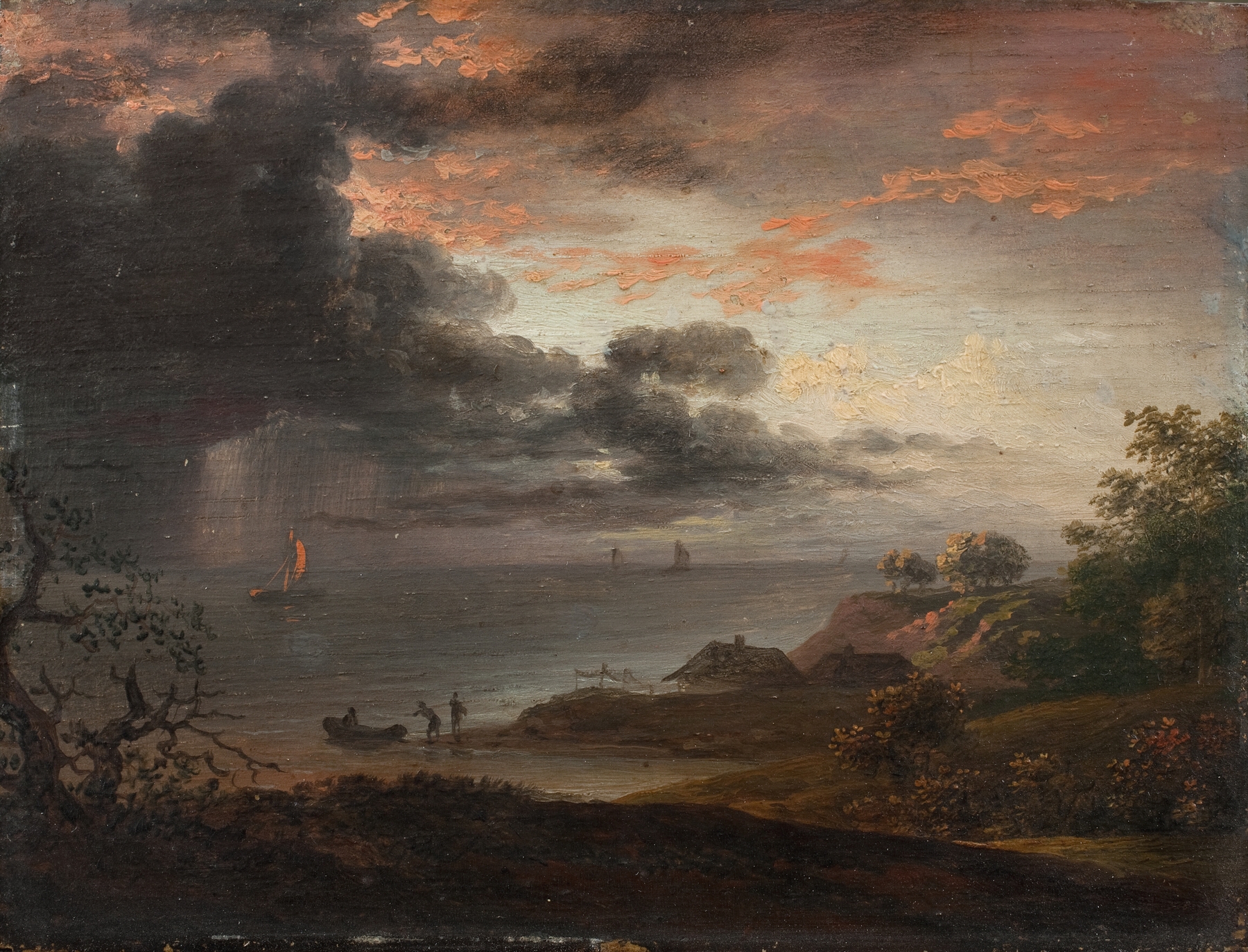
What if silence could speak through light? In Landscape with a Church and a Mill, a tranquil scene unfolds where the whisper of the wind dances through the trees, and the gentle flow of the stream cradles the stillness of the moment. Look to the right at the church, its steeple piercing the sky, a solemn yet inviting presence. The soft hues of green and blue, contrasted by earthy browns, encapsulate the land, while delicate brushstrokes convey the movement of clouds across the sky, suggesting a fleeting passage of time.
This harmonious composition lures the viewer's gaze toward the mill, its sturdy form grounded in nature, yet animated by cascading water, creating a tension between permanence and change. Beneath the serene facade lies a contrasting dialogue between man and nature. The church symbolizes faith and stability amidst the ephemerality of life, while the mill represents human industry, a testament to progress.
The interplay of light and shadow enhances this tension, illuminating the church and softening the mill, inviting reflection on the coexistence of tranquility and movement, of serenity and labor. In 1798, Jens Juel painted this landmark piece amidst a burgeoning era of Romanticism in Denmark, a time when artists began to explore the emotional resonance of landscapes. With a focus on natural beauty and simplicity, Juel sought to capture the essence of his homeland, reflecting both personal contemplation and broader societal shifts in an evolving artistic landscape.