The Dancing Glade at Sorgenfri, North of Copenhagen — History & Analysis
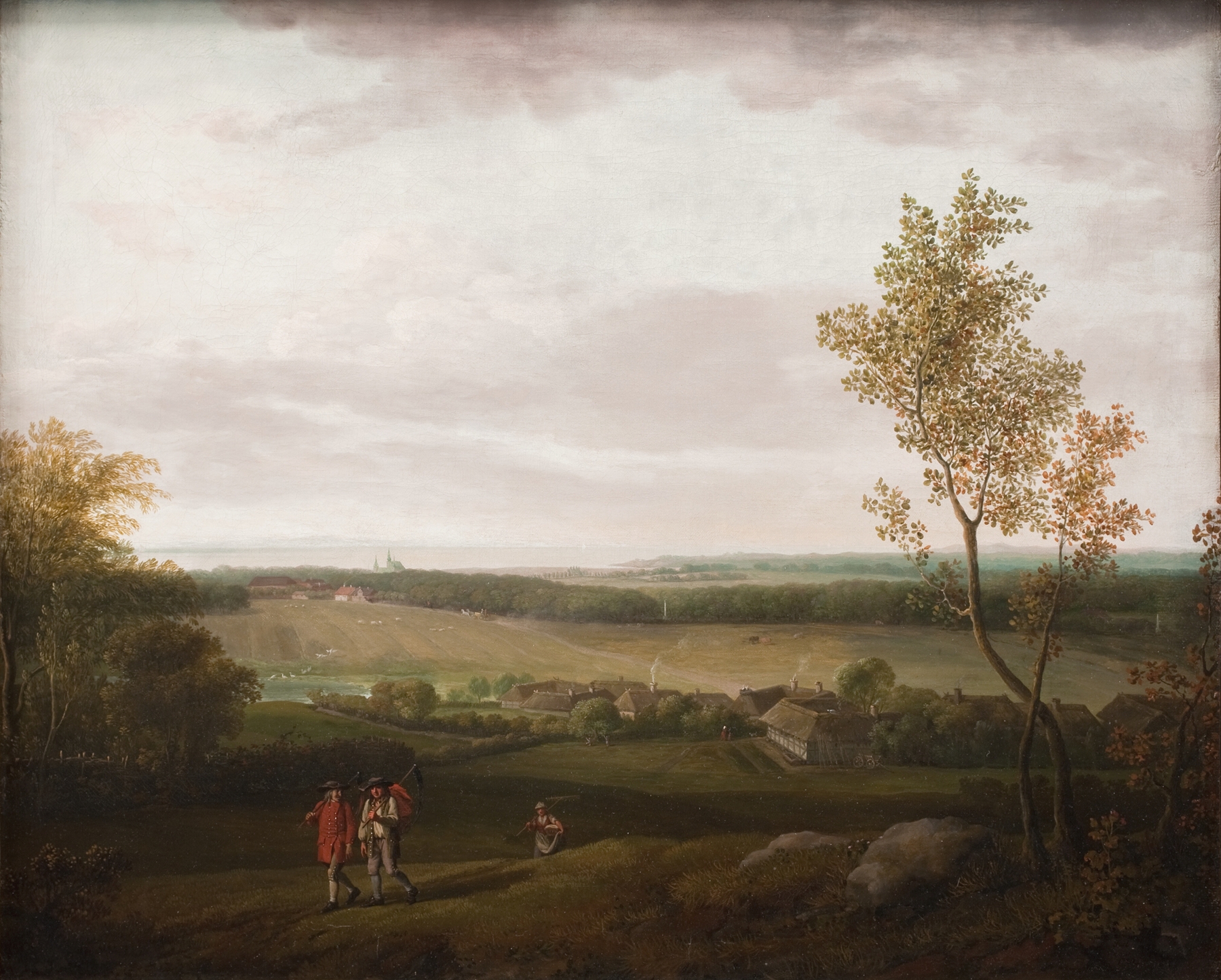
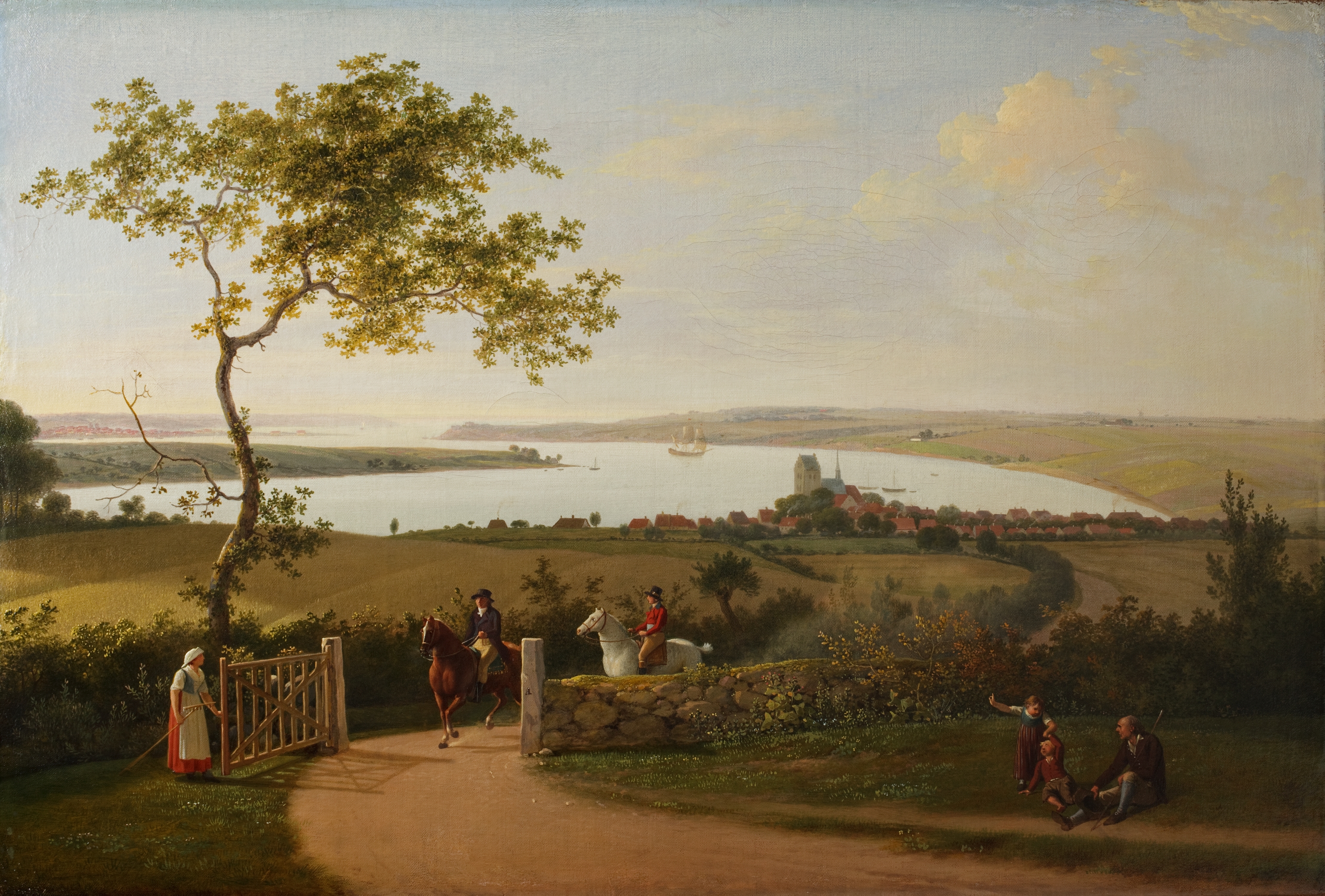
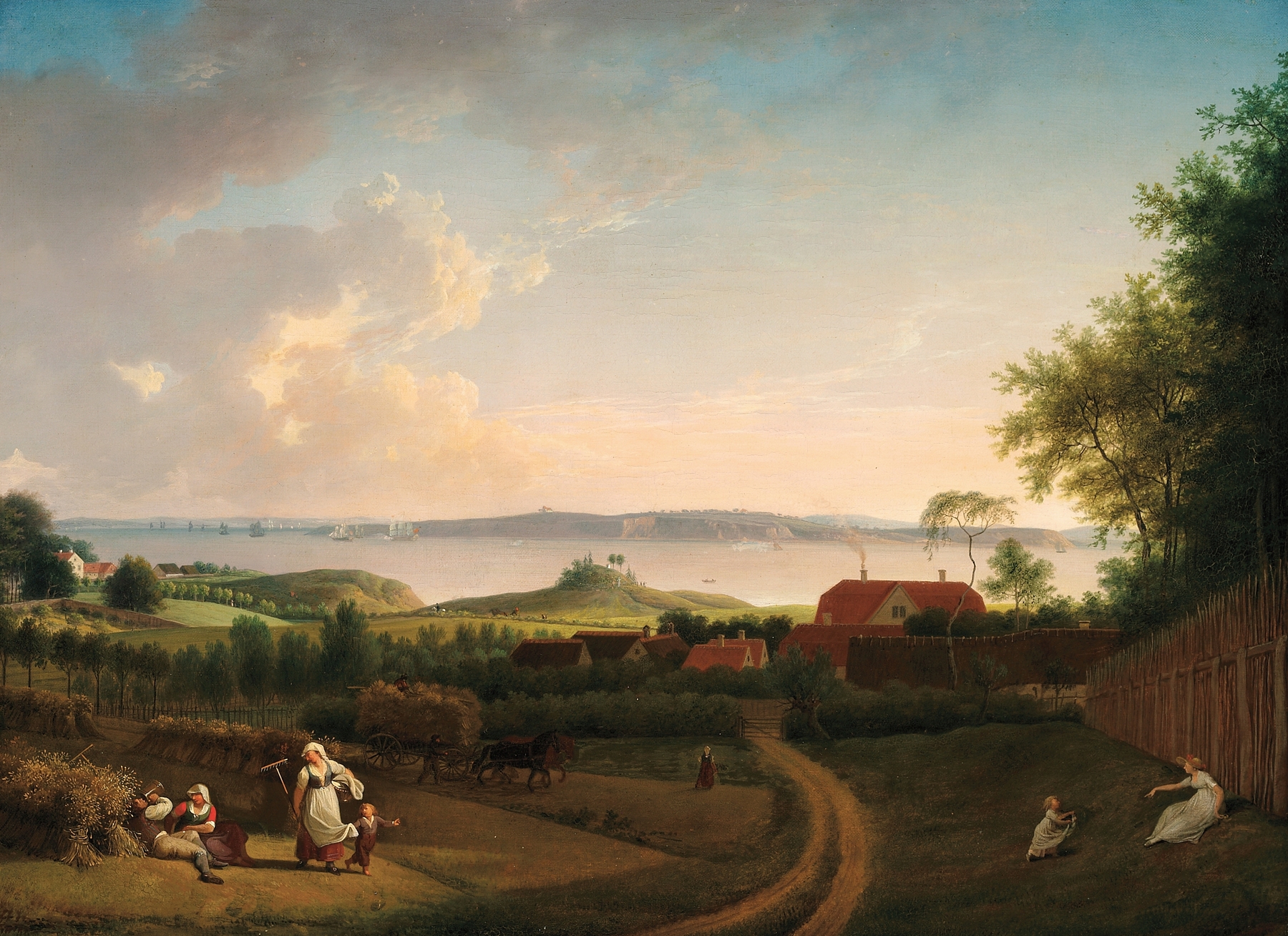
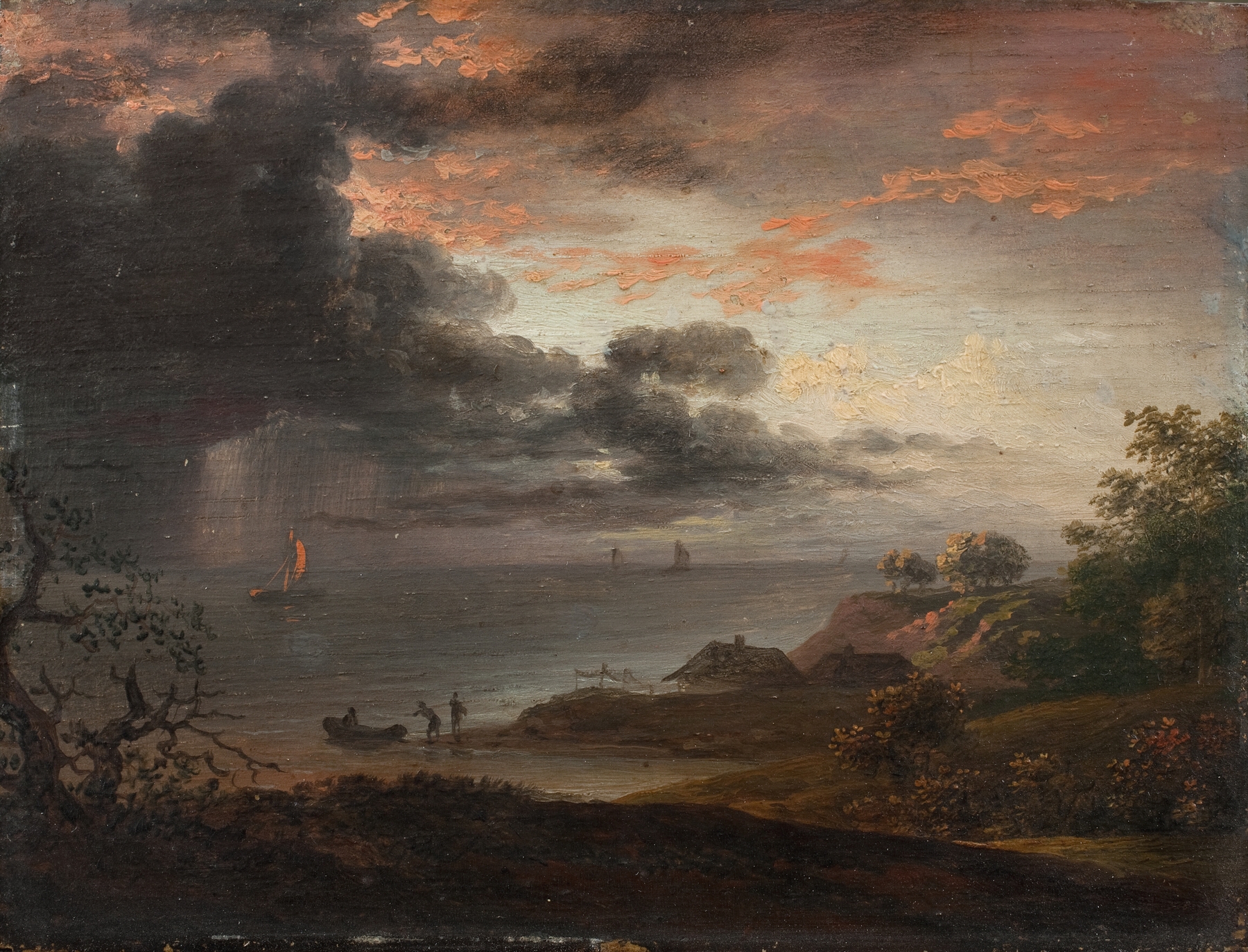
When did color learn to lie? Each brushstroke in this painting wraps itself around the desire for connection, whispering secrets only the heart can hear. Focus first on the luminous greens that dominate the landscape, leading your gaze to the glade where figures dance beneath a canopy of ancient trees. The interplay of light filters through the leaves, casting dappled shadows on the forest floor, inviting a sense of intimacy in the vibrant celebration.
Juel’s use of delicate brushwork captures the fluidity of movement, where the limbs of the dancers mimic the swaying branches above, creating an enchanting harmony between human and nature. Yet, beneath this convivial surface lies an undercurrent of longing. The figures, though engaged in mirth, seem to dance on the precipice of something unfulfilled, hinting at a yearning deeper than momentary joy. The juxtaposition of bright colors with the encroaching shadows of the woods suggests a tension between celebration and solitude, as if the joy of the moment cannot fully escape the grasp of reality.
Created in 1800 while residing in Denmark, Juel was deeply influenced by the Romantic movement, which celebrated nature and emotion. This period marked a shift in artistic expression, where personal sentiment began to take precedence over classical ideals. Amidst a backdrop of evolving artistic philosophies, Juel's work emerges as a reflection of both a serene landscape and the complex desires that dwell within it, capturing an essence that resonates through time.