Landscape in the Canton of Uri — History & Analysis
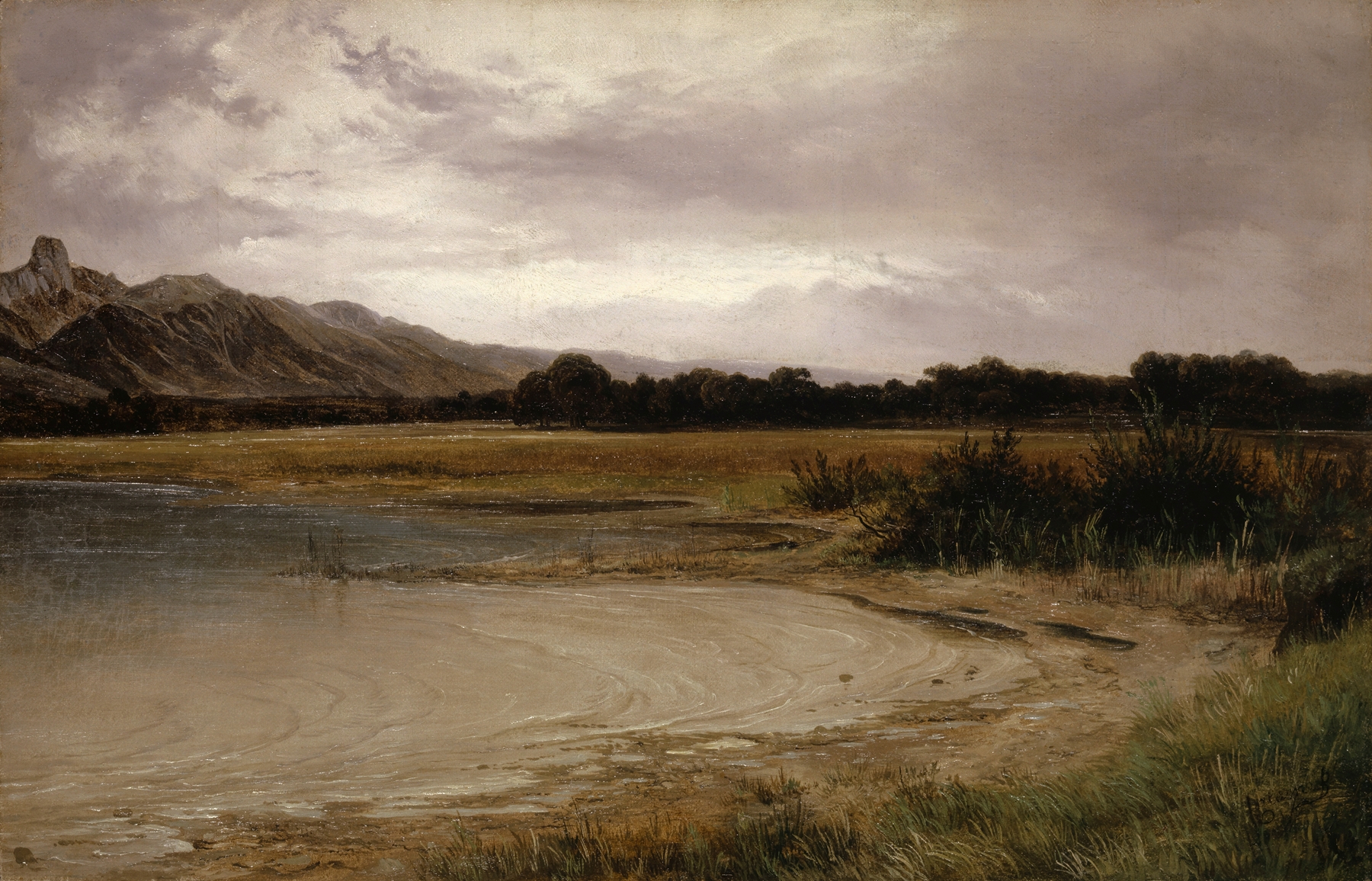
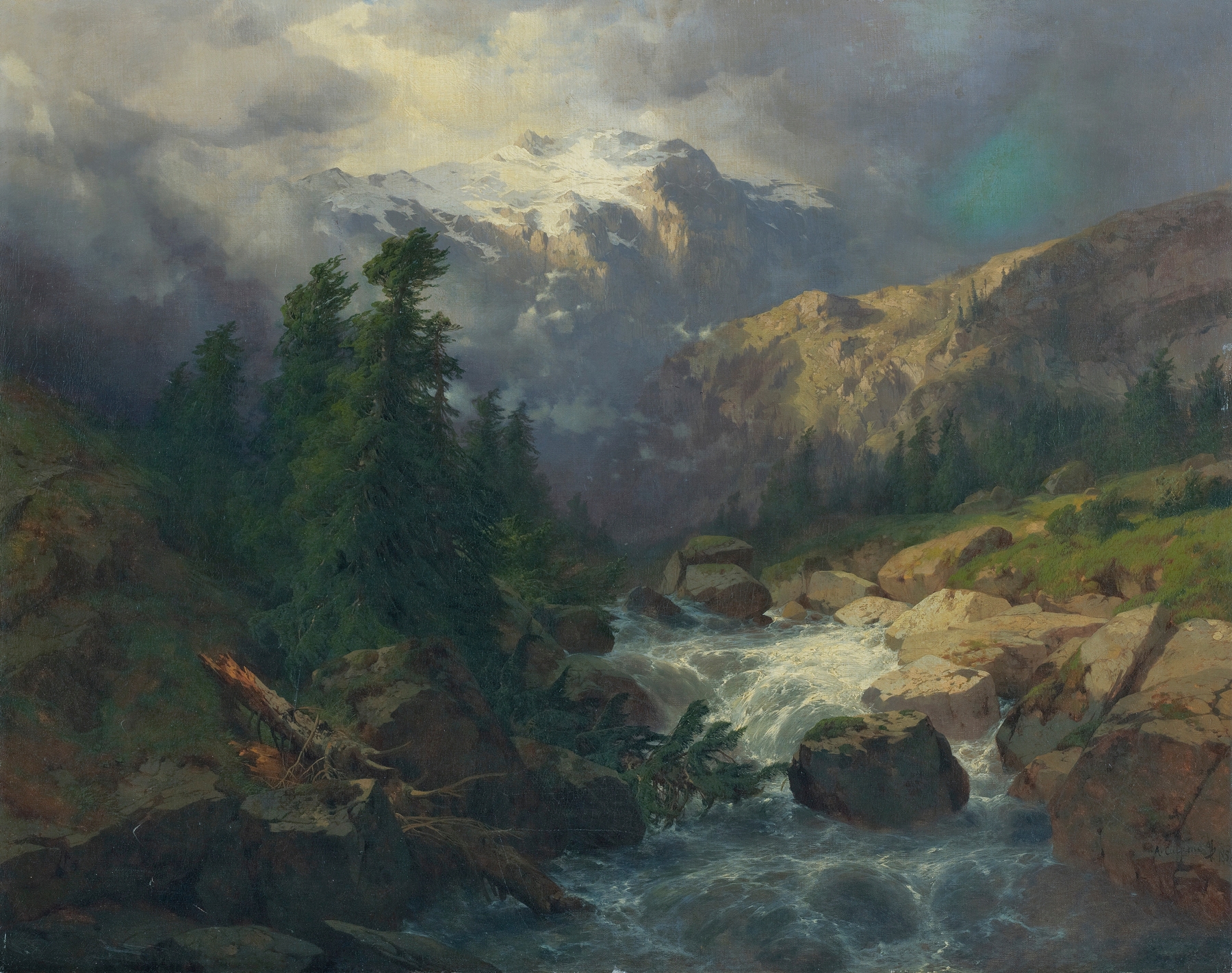
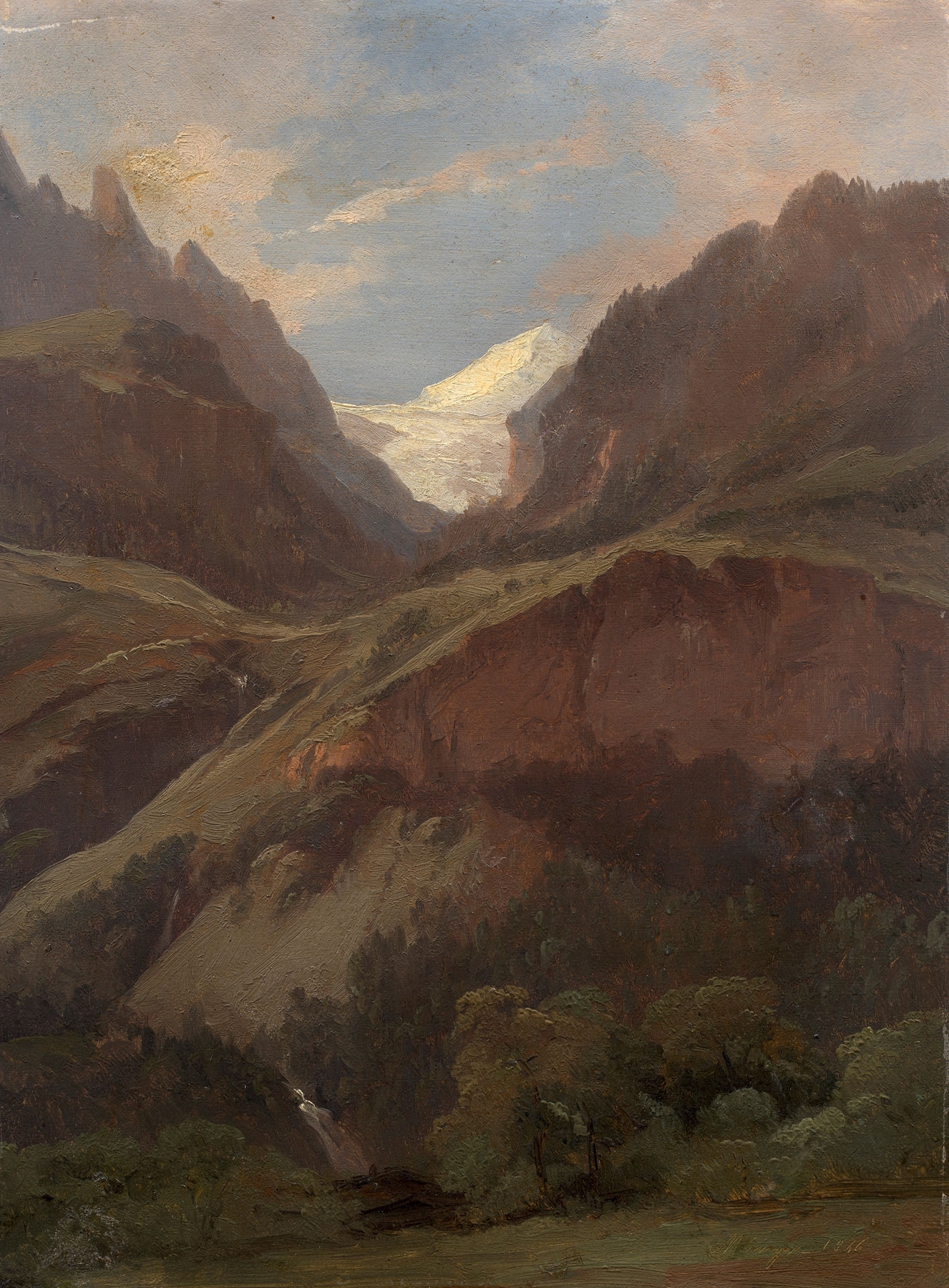
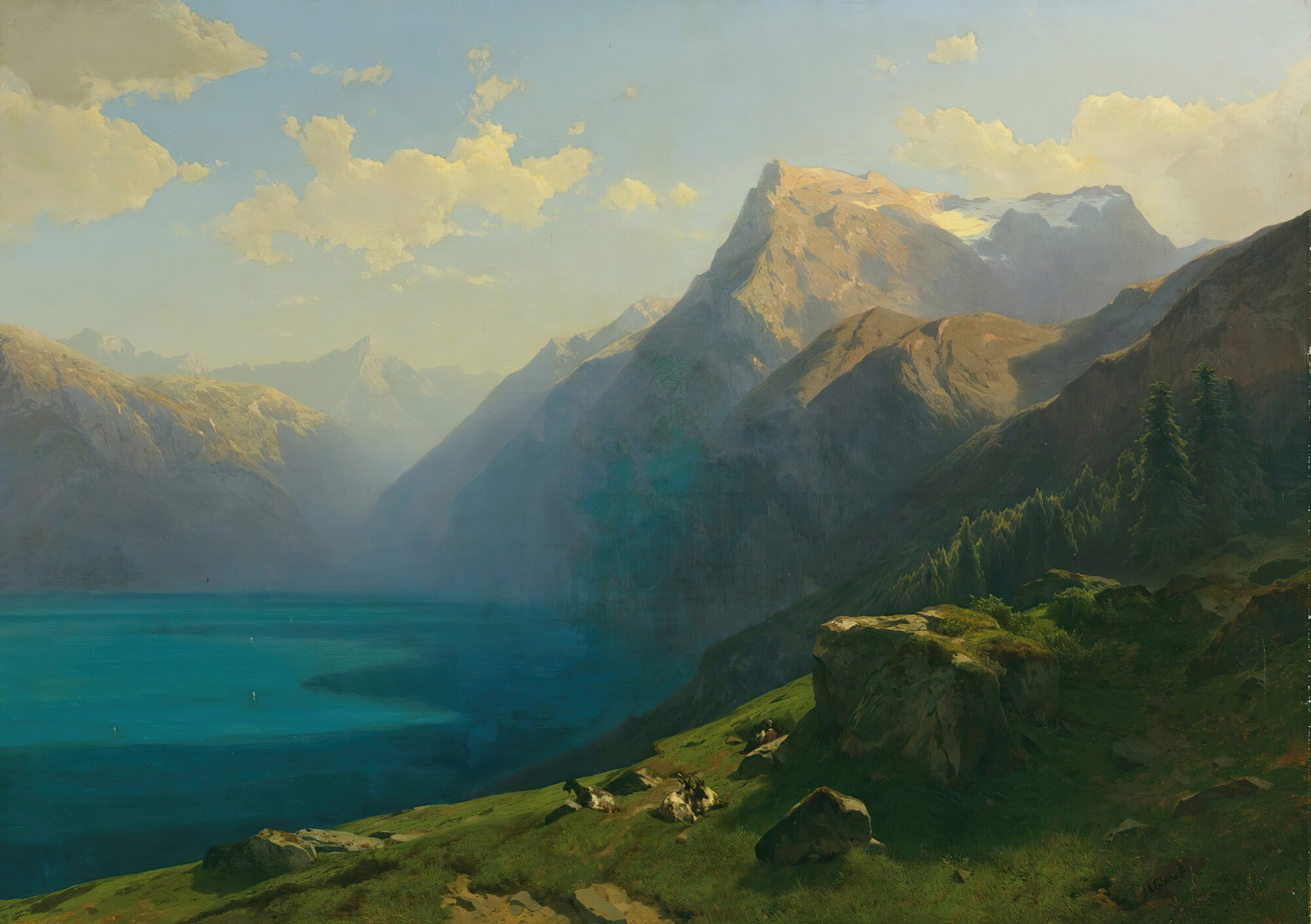
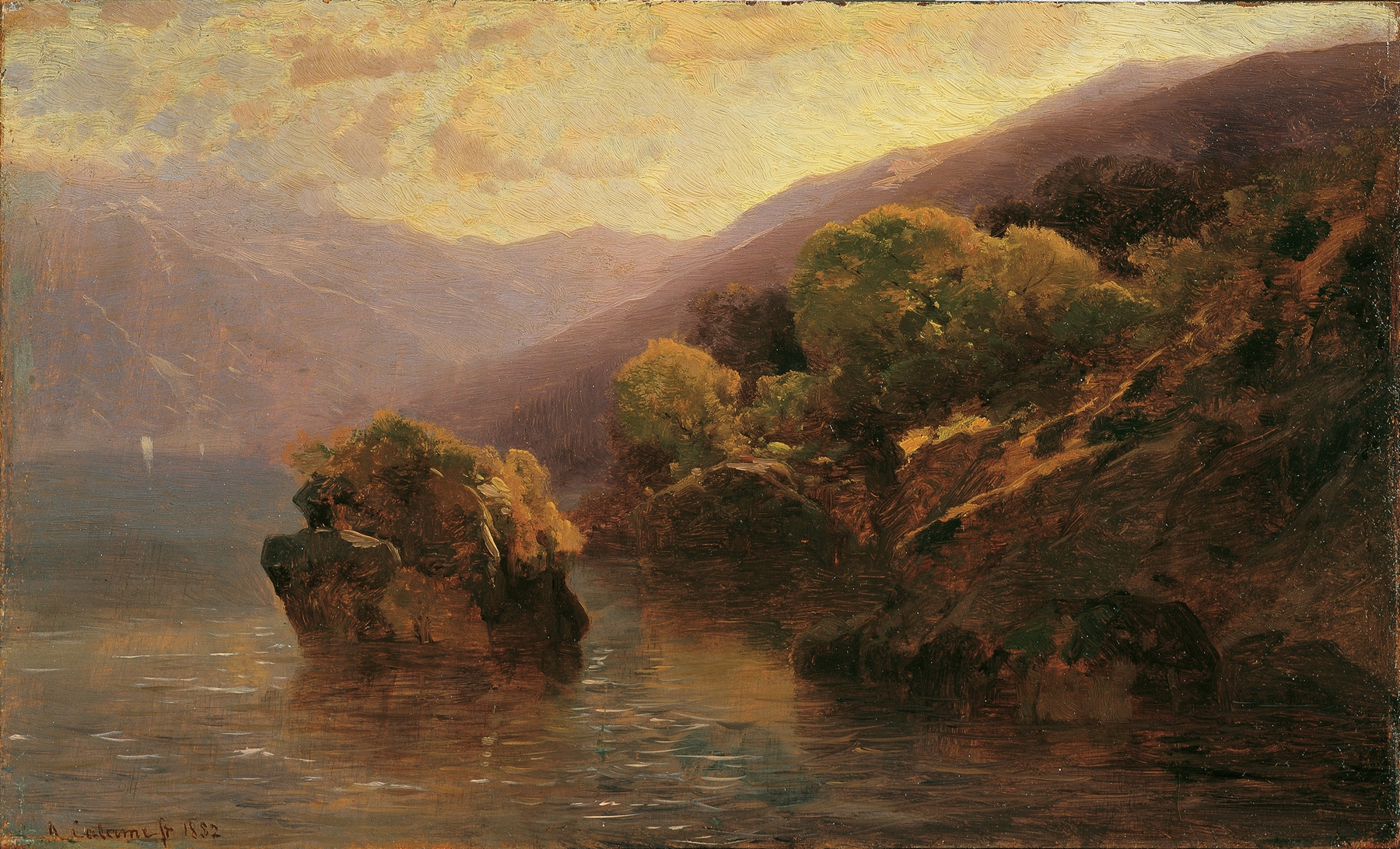
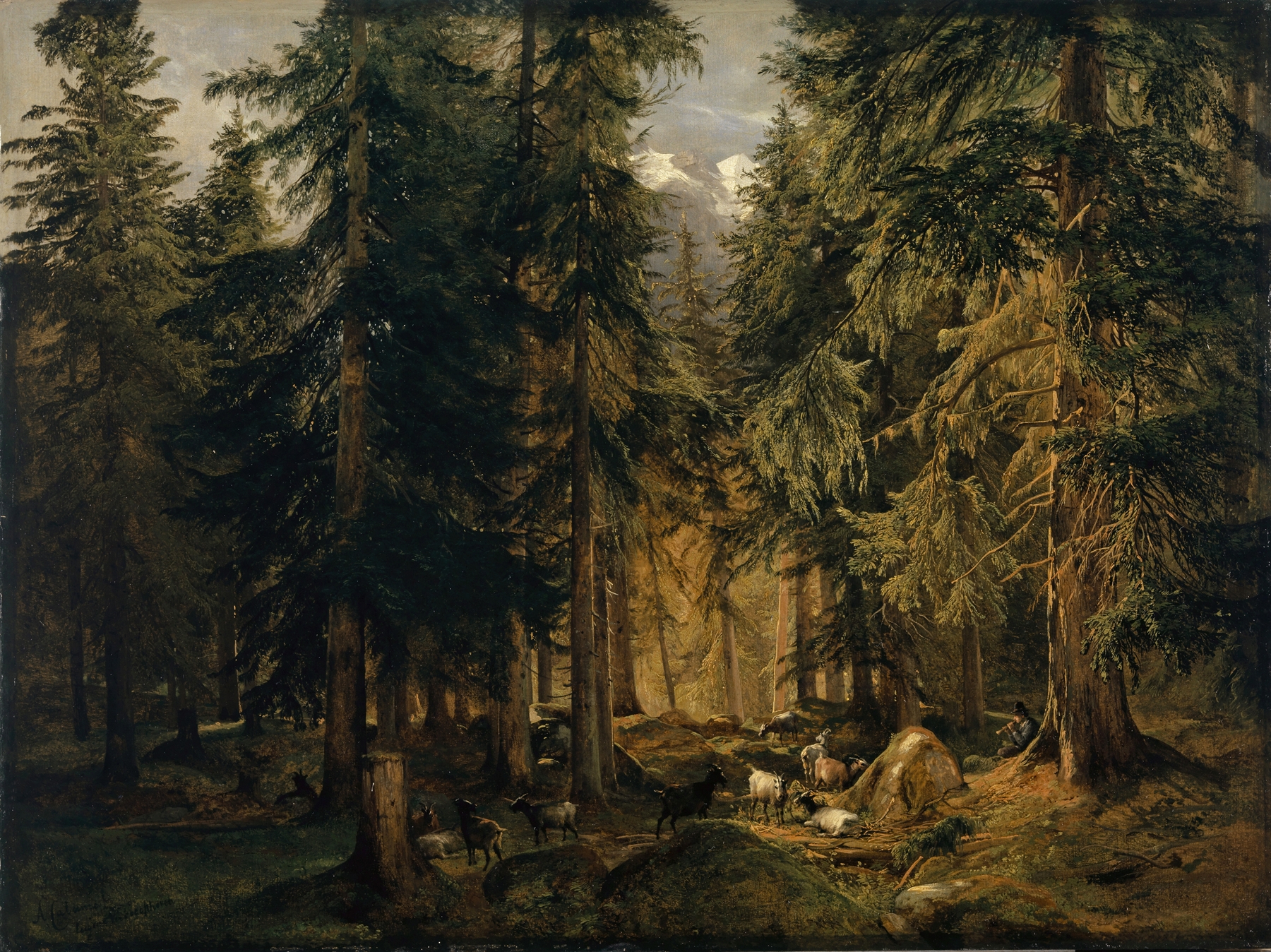
What secret hides in the quiet of the canvas? In the serene embrace of Landscape in the Canton of Uri, divinity reveals itself through the untouched beauty of nature. Look to the left, where towering mountains rise majestically, their peaks kissed by soft, wispy clouds. The delicate play of light illuminates the rocky crags, revealing a palette of earthy greens and grays that harmonize with the brilliant blue sky. Notice how the gentle brushstrokes create a sense of movement in the foreground; the tranquil lake mirrors the divine landscape, enhancing the feeling of a sacred space.
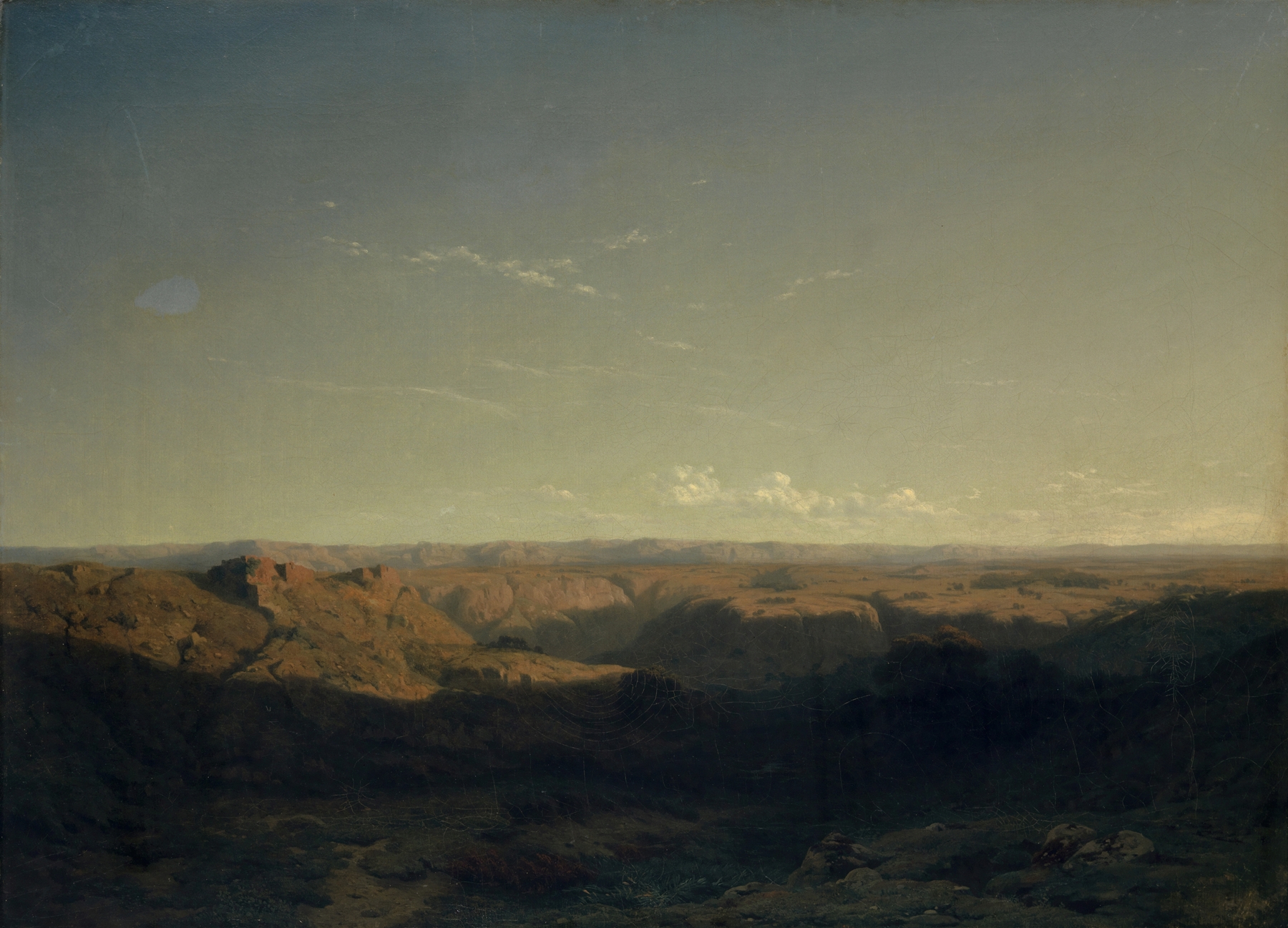
Each detail, meticulously rendered, invites you to step closer and immerse yourself in the serene atmosphere. Beneath this idyllic scene lies a tension between the grandeur of nature and the insignificance of humanity. The vast expanse of the landscape evokes a sense of solitude, as if time stands still, untouched by the chaos of modern life. Tiny figures scattered along the banks hint at a connection to nature, yet they are dwarfed by the overwhelming beauty surrounding them, suggesting humanity's fragile existence amidst the divine.
This delicate balance between tranquility and introspection creates an emotional resonance that draws the viewer deeper into contemplation. During the years of 1857 to 1861, Alexandre Calame was immersed in the Romantic movement, which celebrated the beauty of landscapes and the sublime power of nature. Living in Switzerland, he witnessed the awe-inspiring scenery of the Alps, which profoundly influenced his work. At this time, the art world was shifting towards realism, yet Calame remained devoted to capturing the spiritual essence of nature, offering viewers a glimpse of divinity through his landscapes.