Mountain scenery — History & Analysis
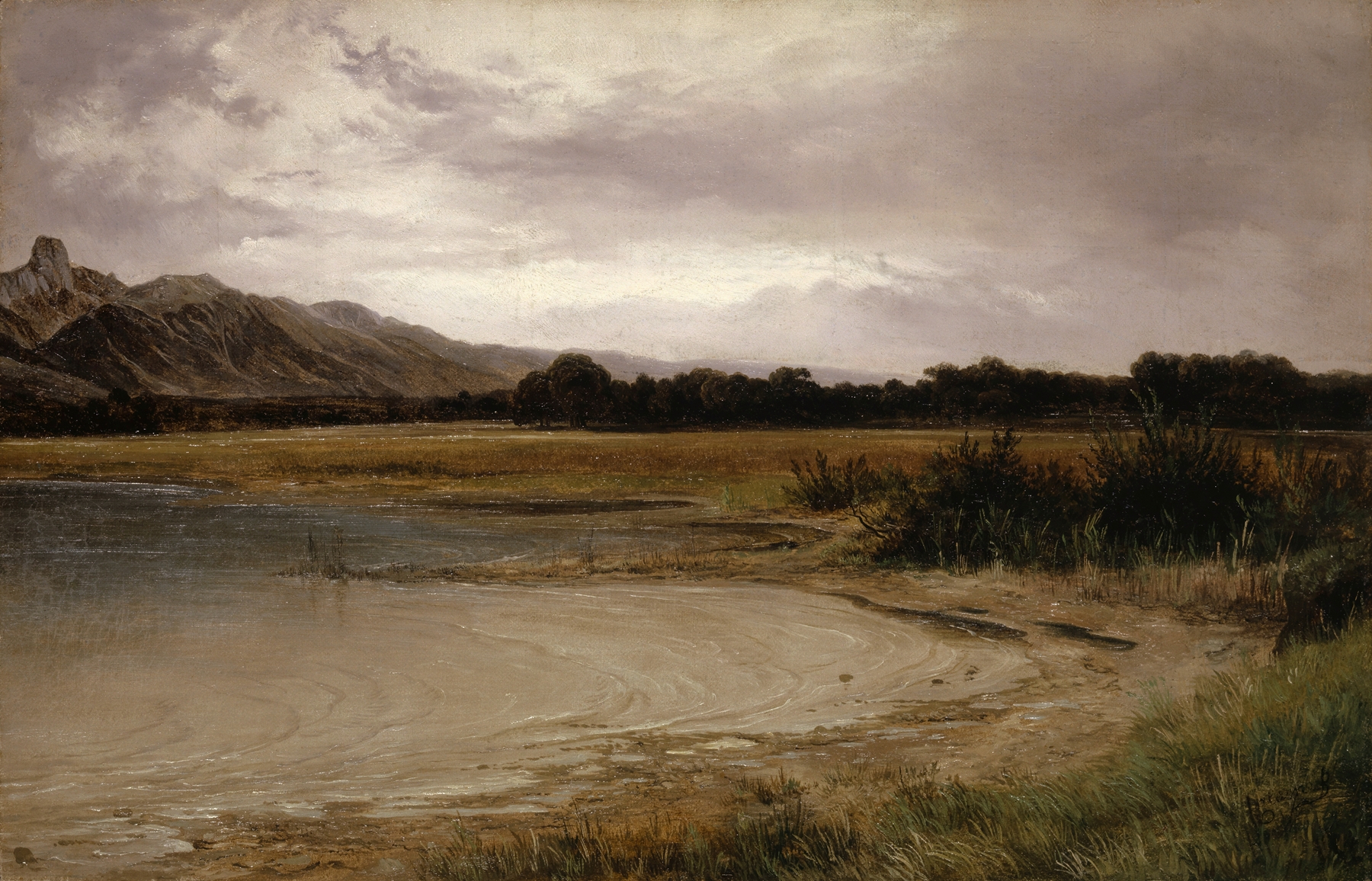
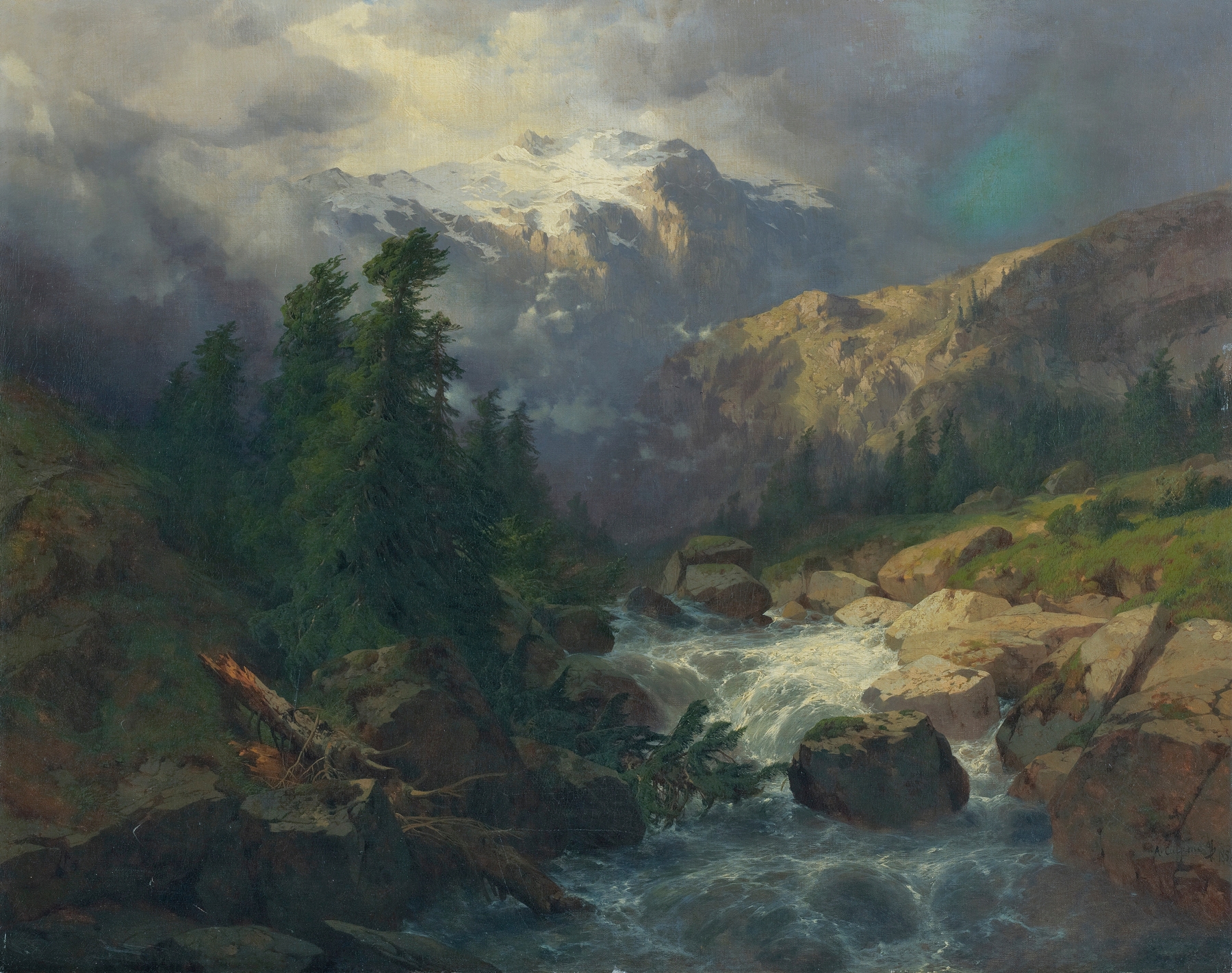
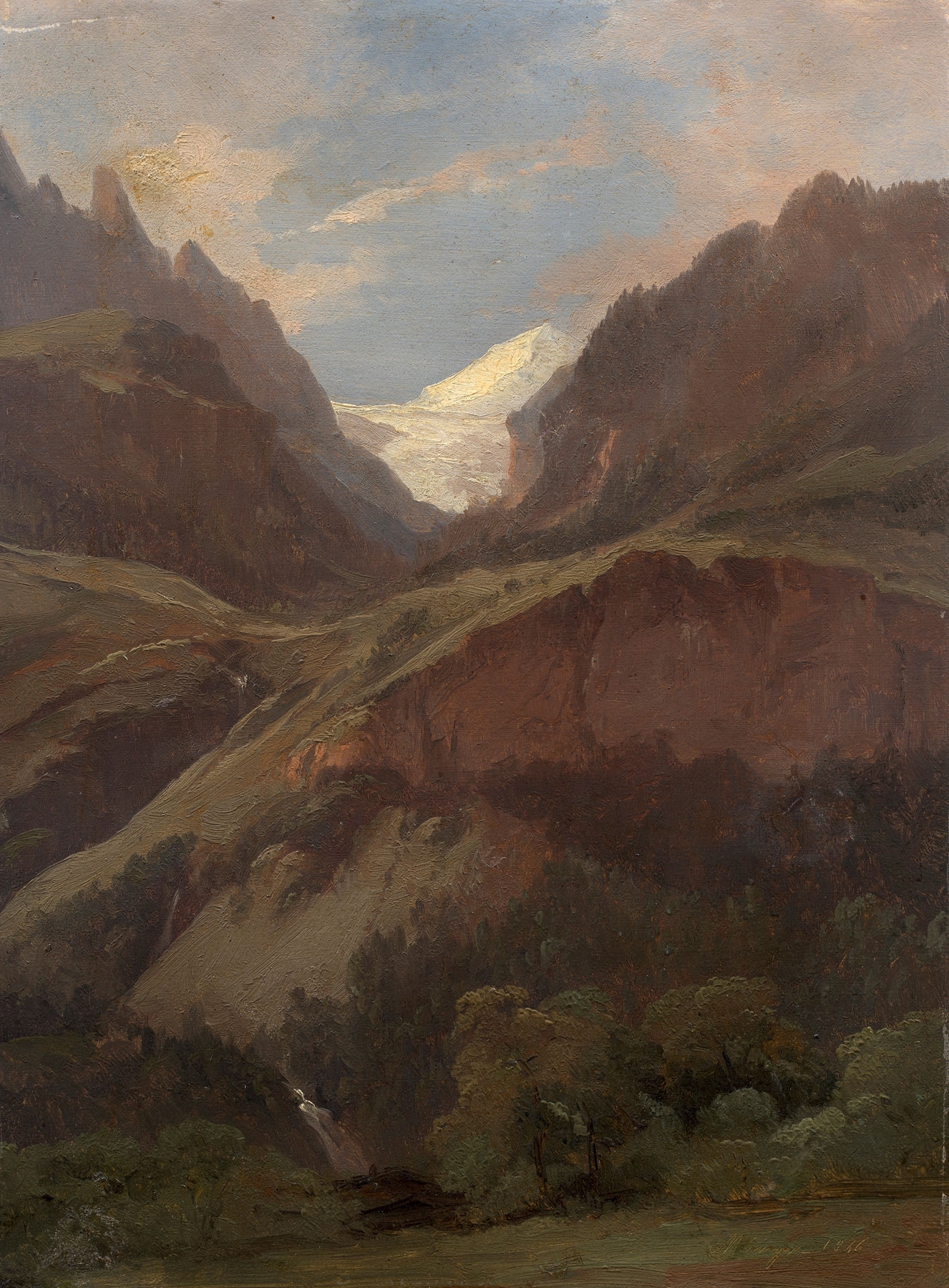
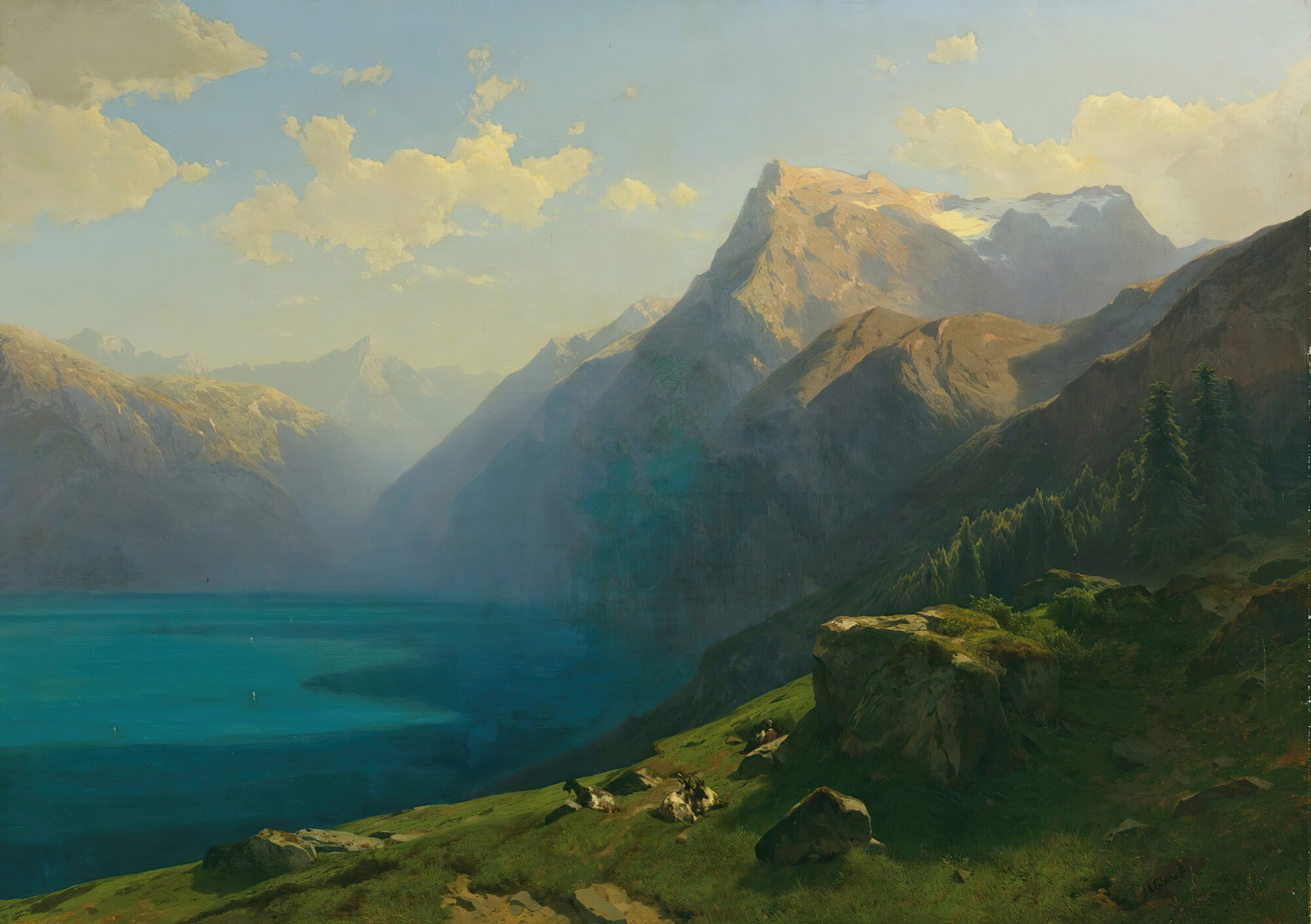
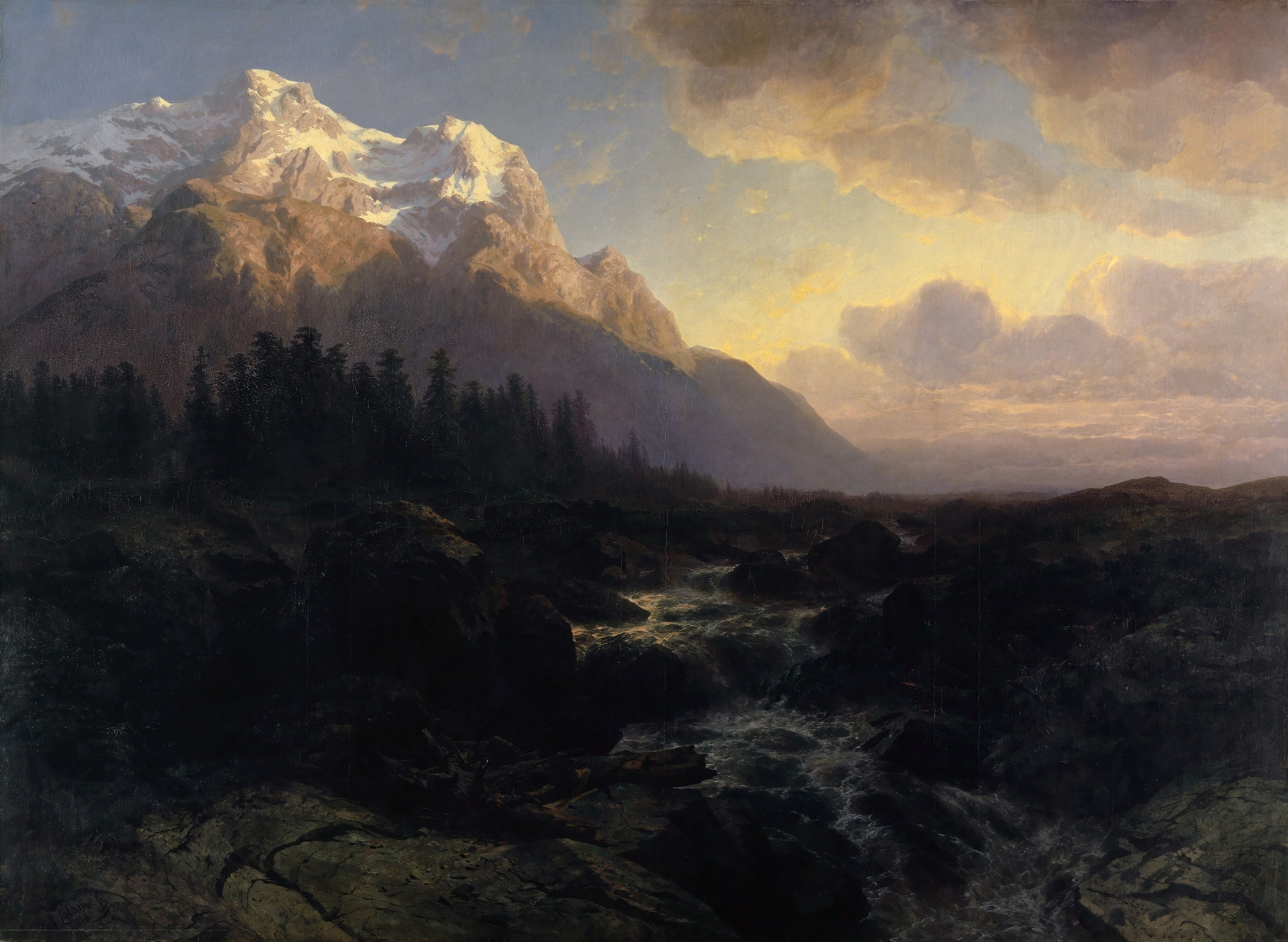
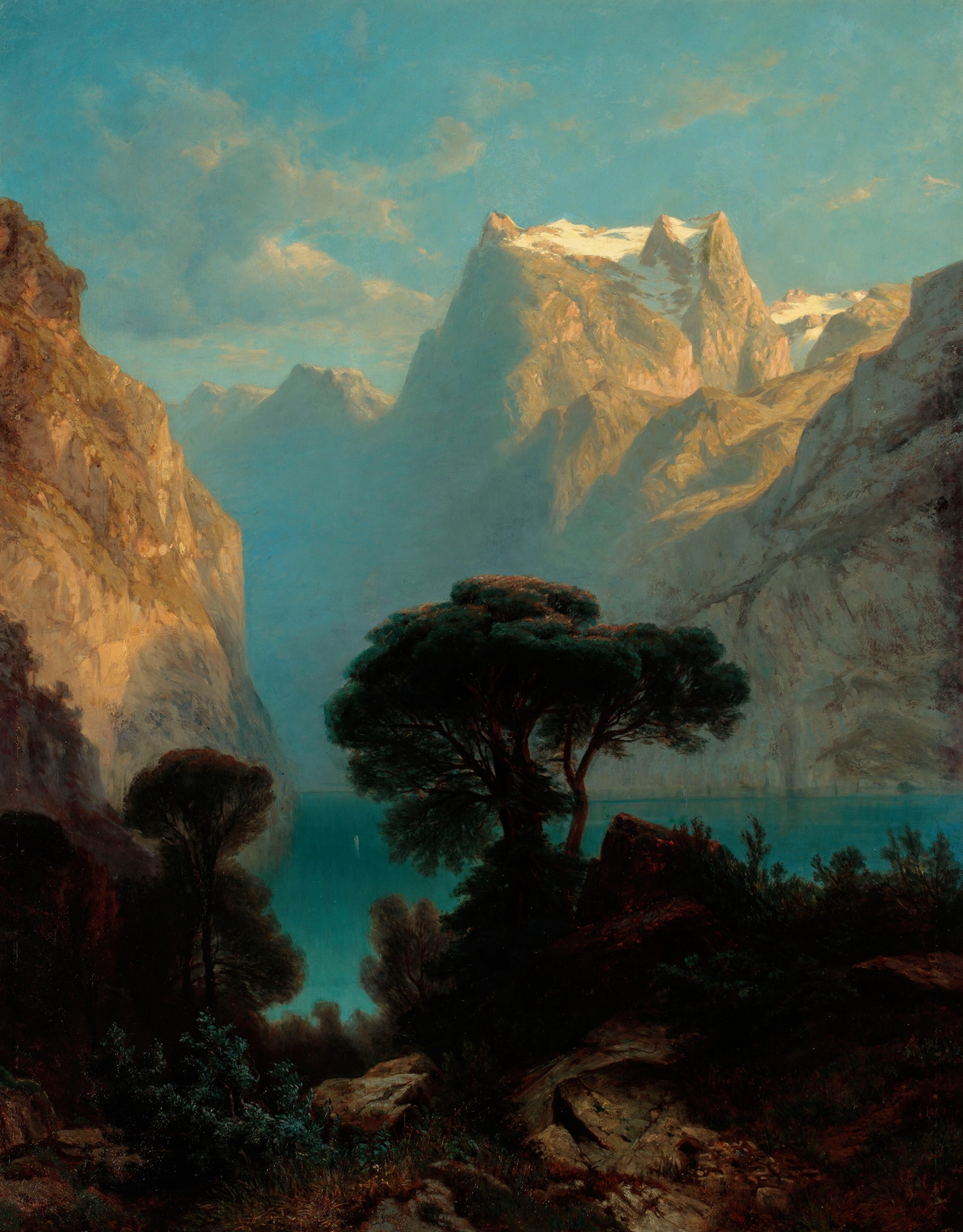
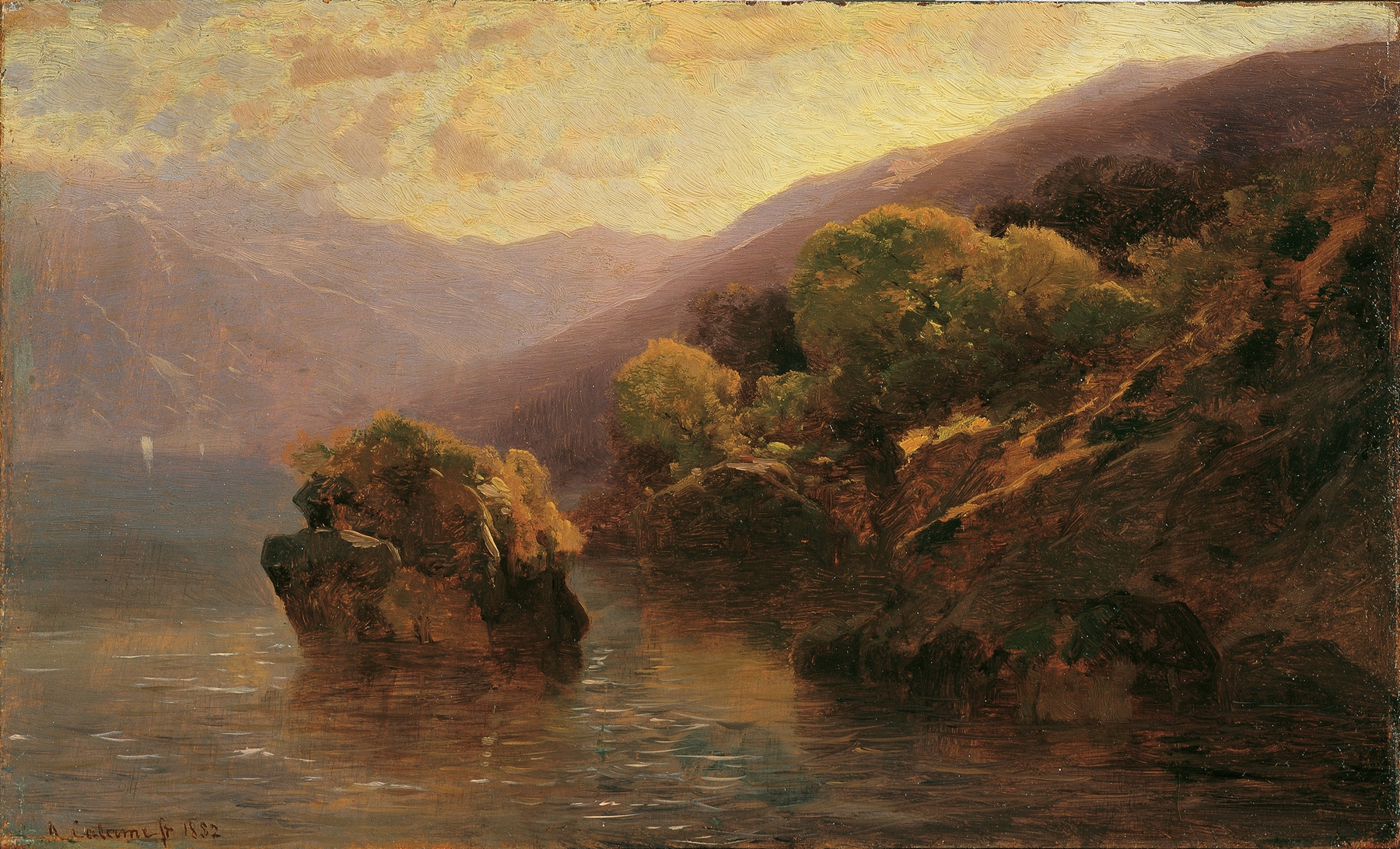
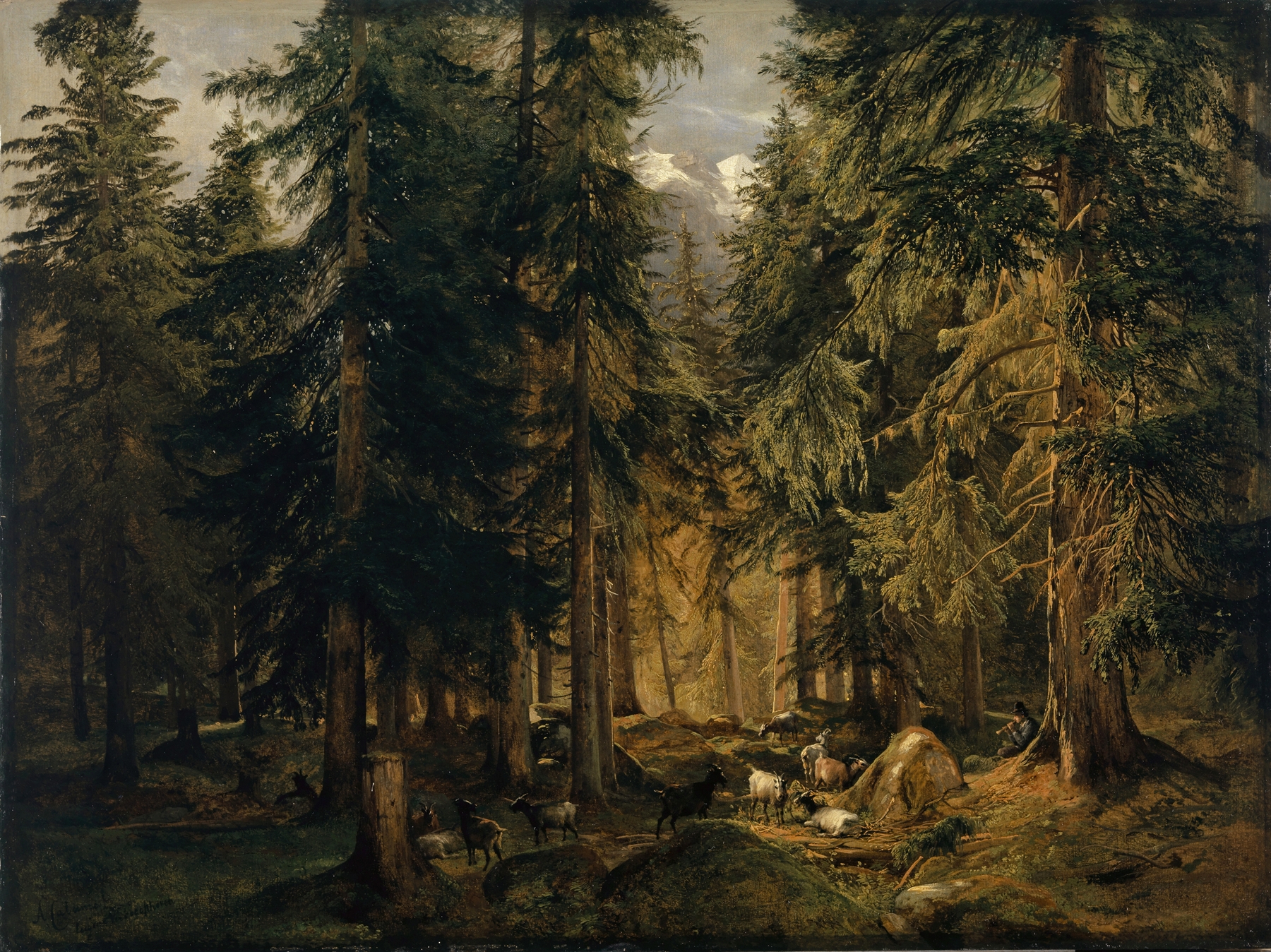
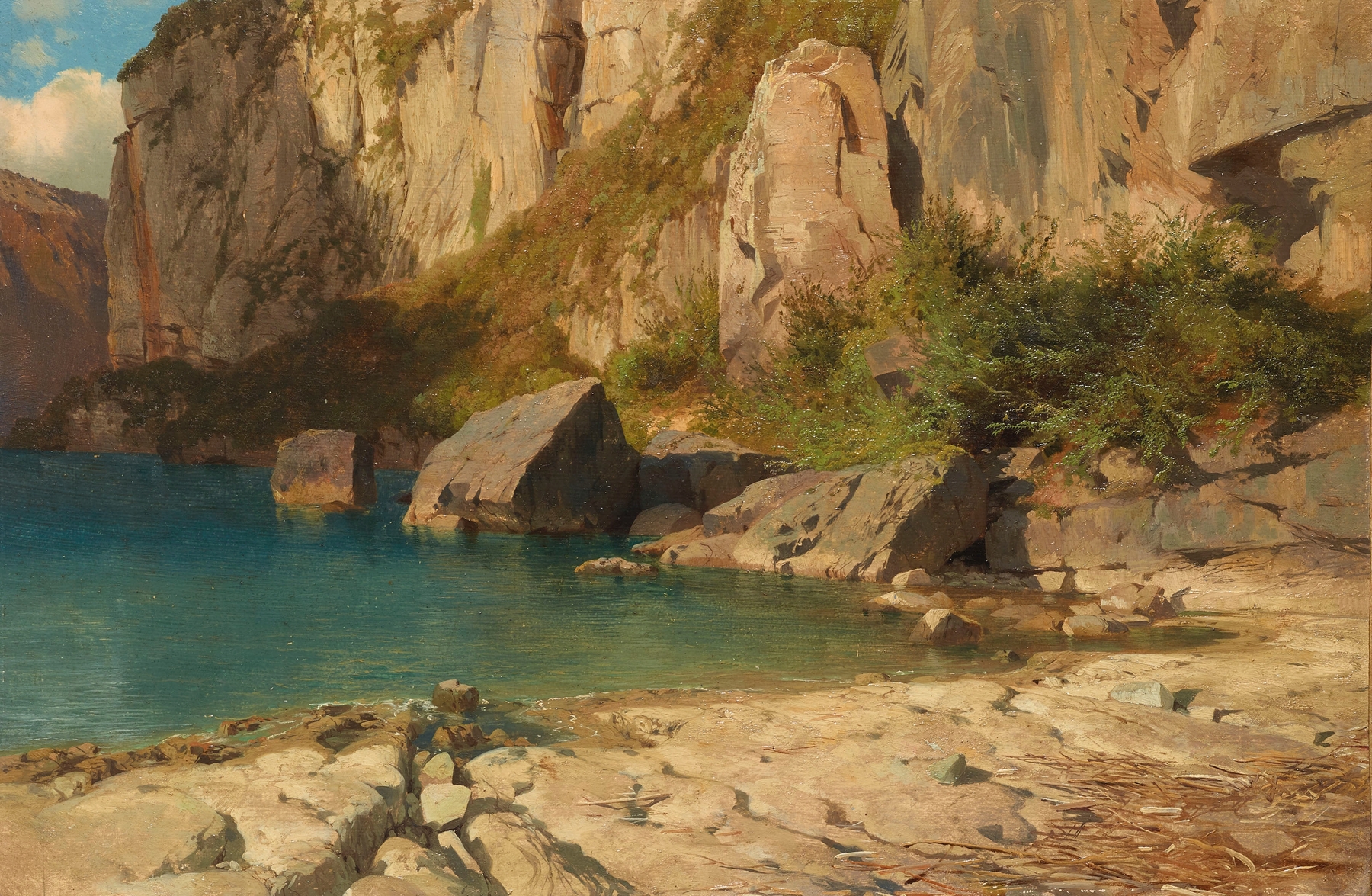
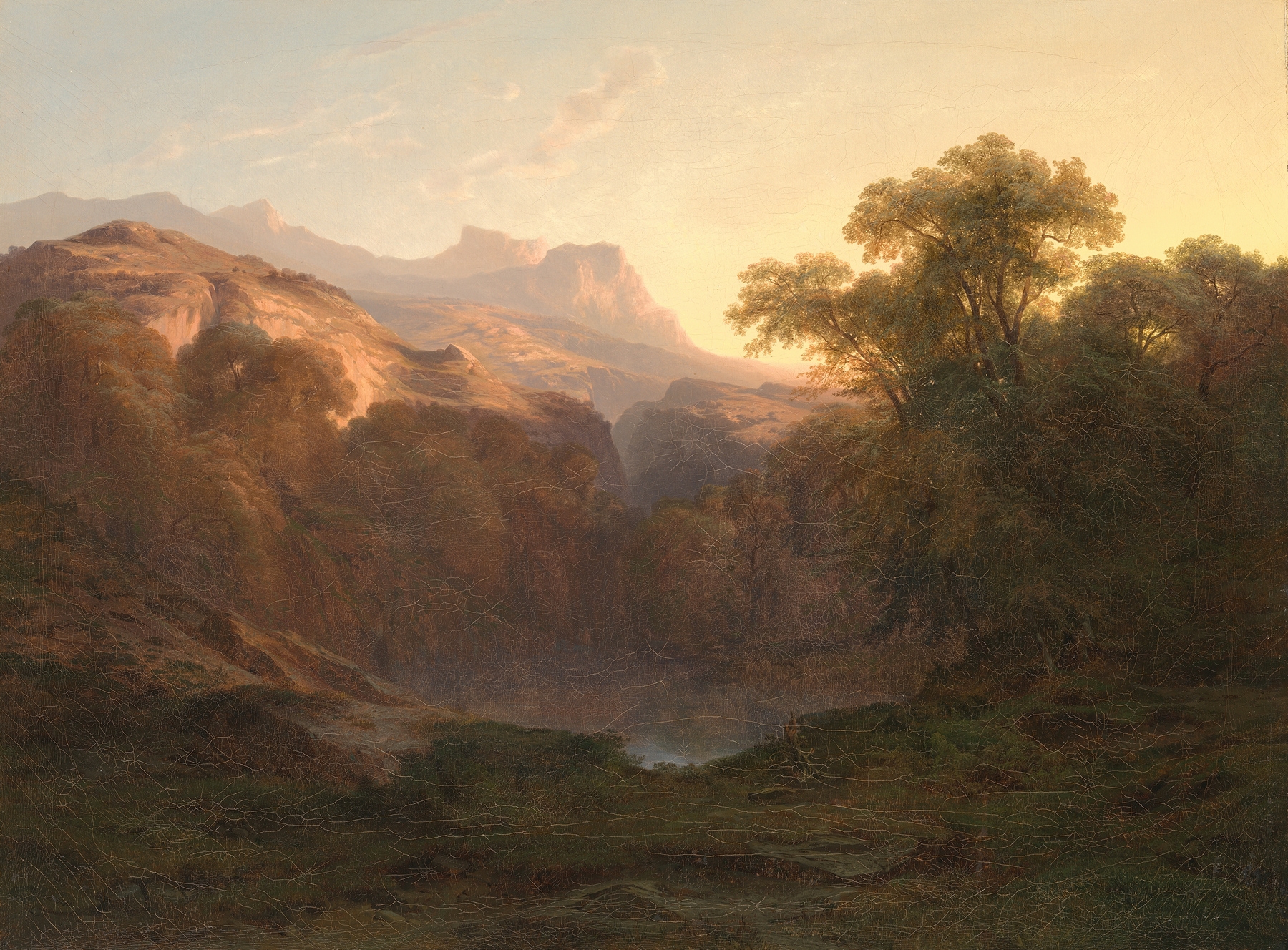
“To paint is to remember what time wants us to forget.” In a world that changes incessantly, the essence of beauty stands as a fleeting treasure, captured in an eternal frame. Look to the center of the canvas, where majestic peaks rise against a brilliant sky, their jagged edges softened by a whisper of mist. The rich greens of the valley below contrast with the cool grays and whites of the mountains, inviting the viewer to explore the delicate interplay of light and shadow. Notice how the artist has layered the textures, from the rugged cliffs to the gentle flow of the river, creating depth that draws your eye deeper into this serene landscape.
Beneath the surface, this artwork reveals a profound dialogue between nature’s grandeur and humanity’s insignificance. The towering mountains symbolize stability and permanence, while the winding river hints at the passage of time and the transience of life. Each brushstroke evokes a sense of nostalgia, reflecting the human desire to find solace and sanctuary in the breathtaking beauty of the natural world.
Alexandre Calame painted Mountain Scenery between 1830 and 1847, amid a growing Romantic movement that celebrated the sublime power of nature. During this period, the artist was focused on establishing his reputation as a prominent landscape painter in Switzerland, a land that provided endless inspiration with its majestic vistas. The world of art was shifting, seeking deeper emotional connections, and Calame’s work exemplified this drive, merging technical precision with an evocative sense of place.