Partie vom Genfer See — History & Analysis
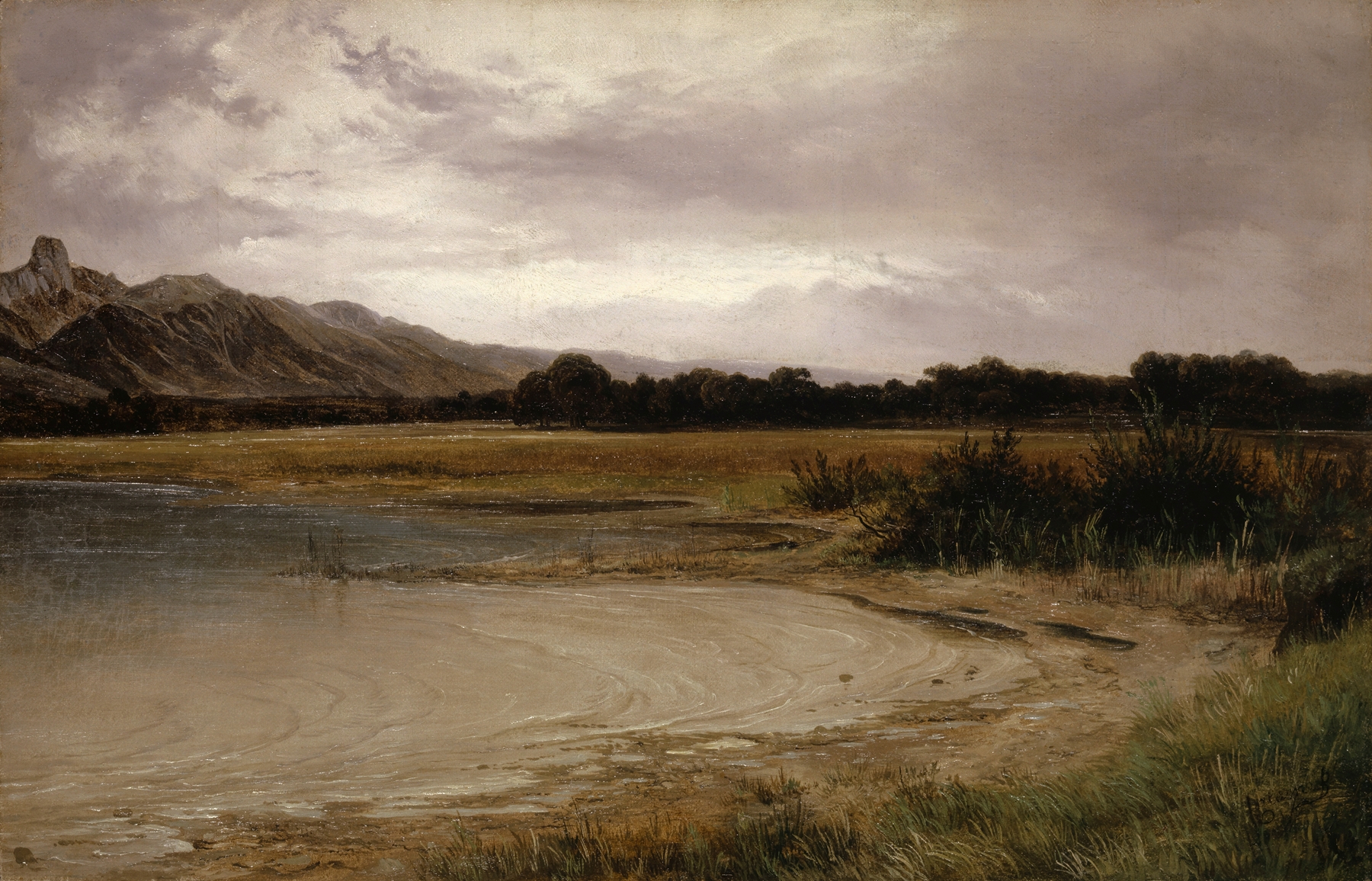
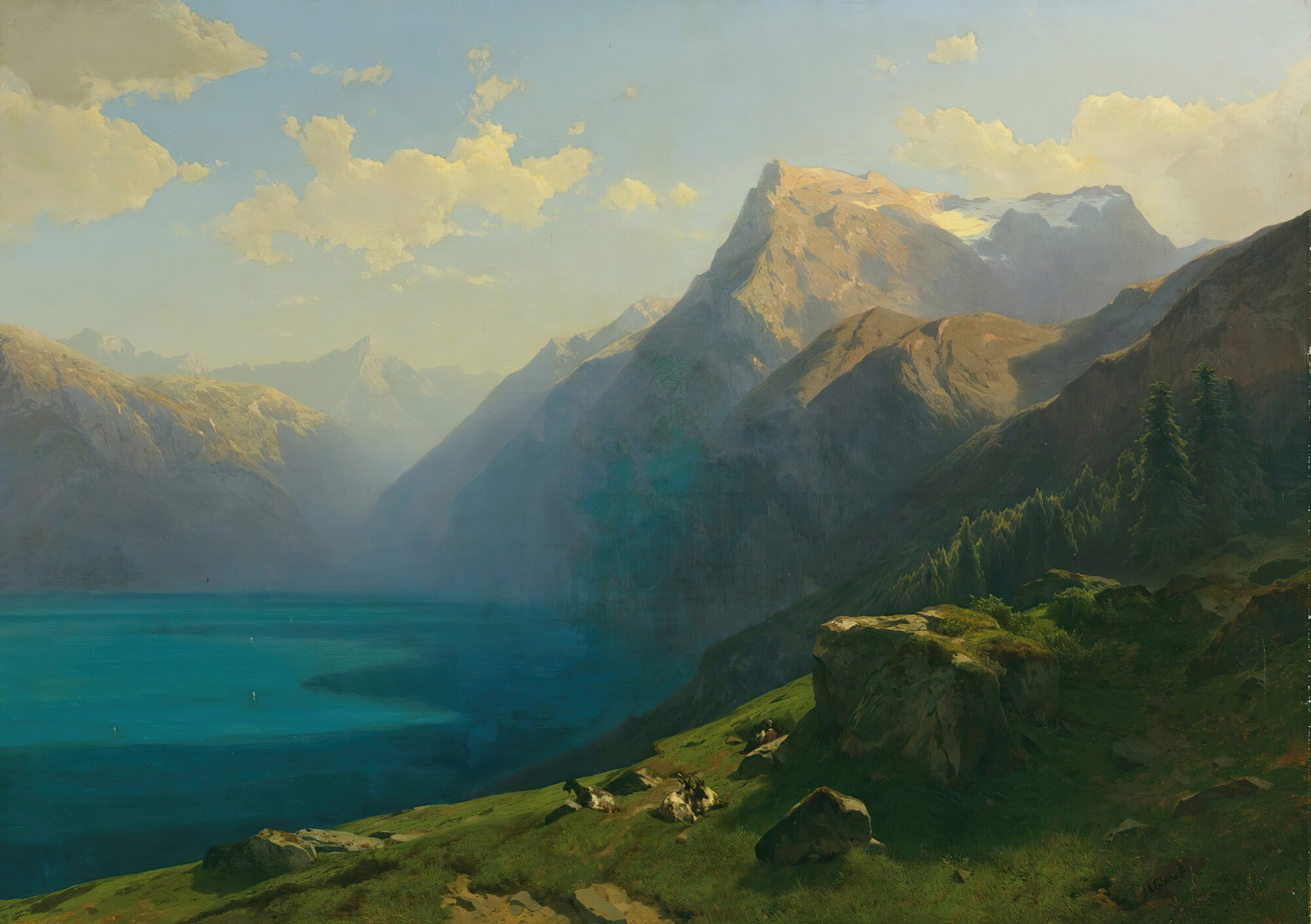
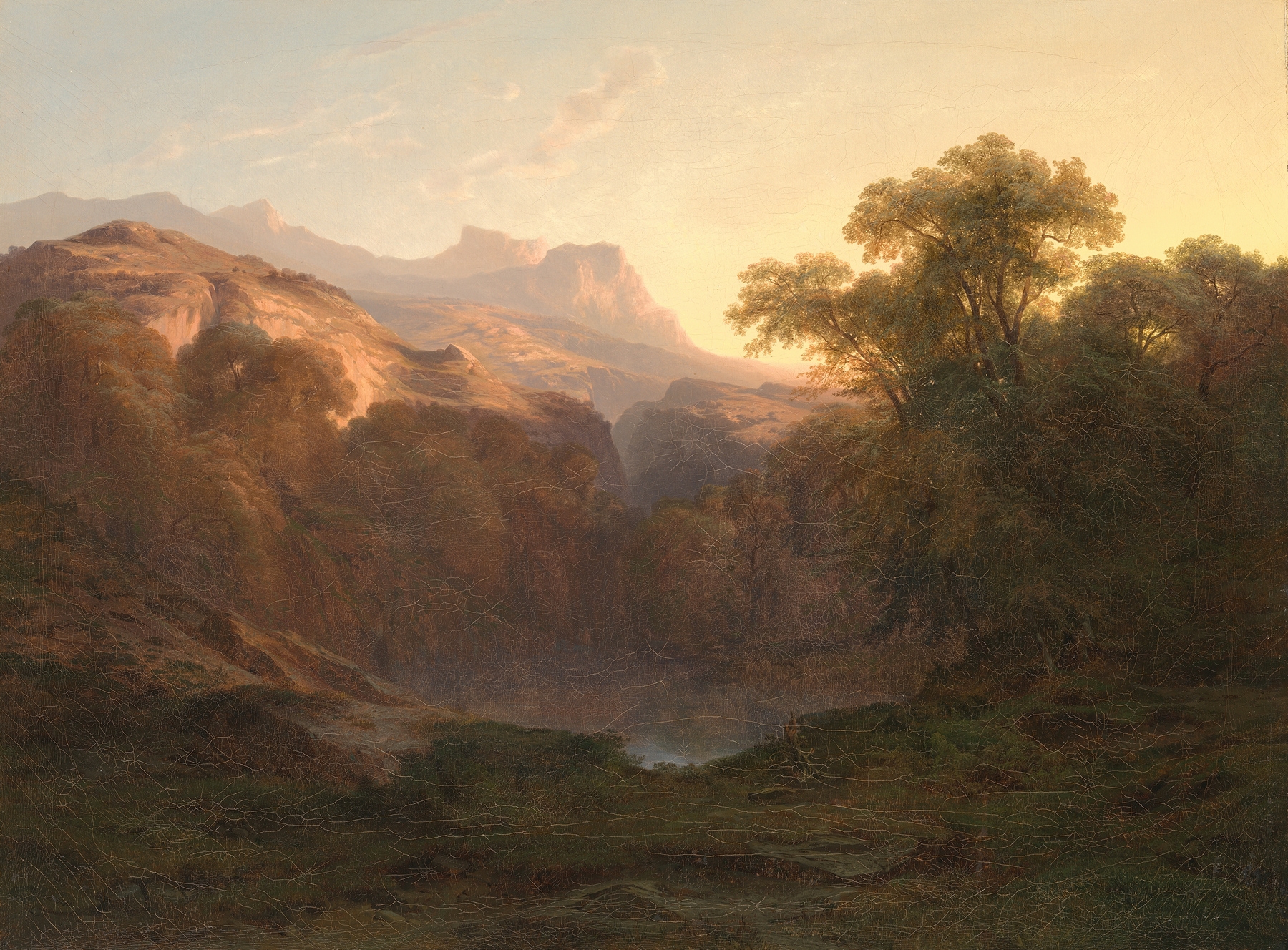
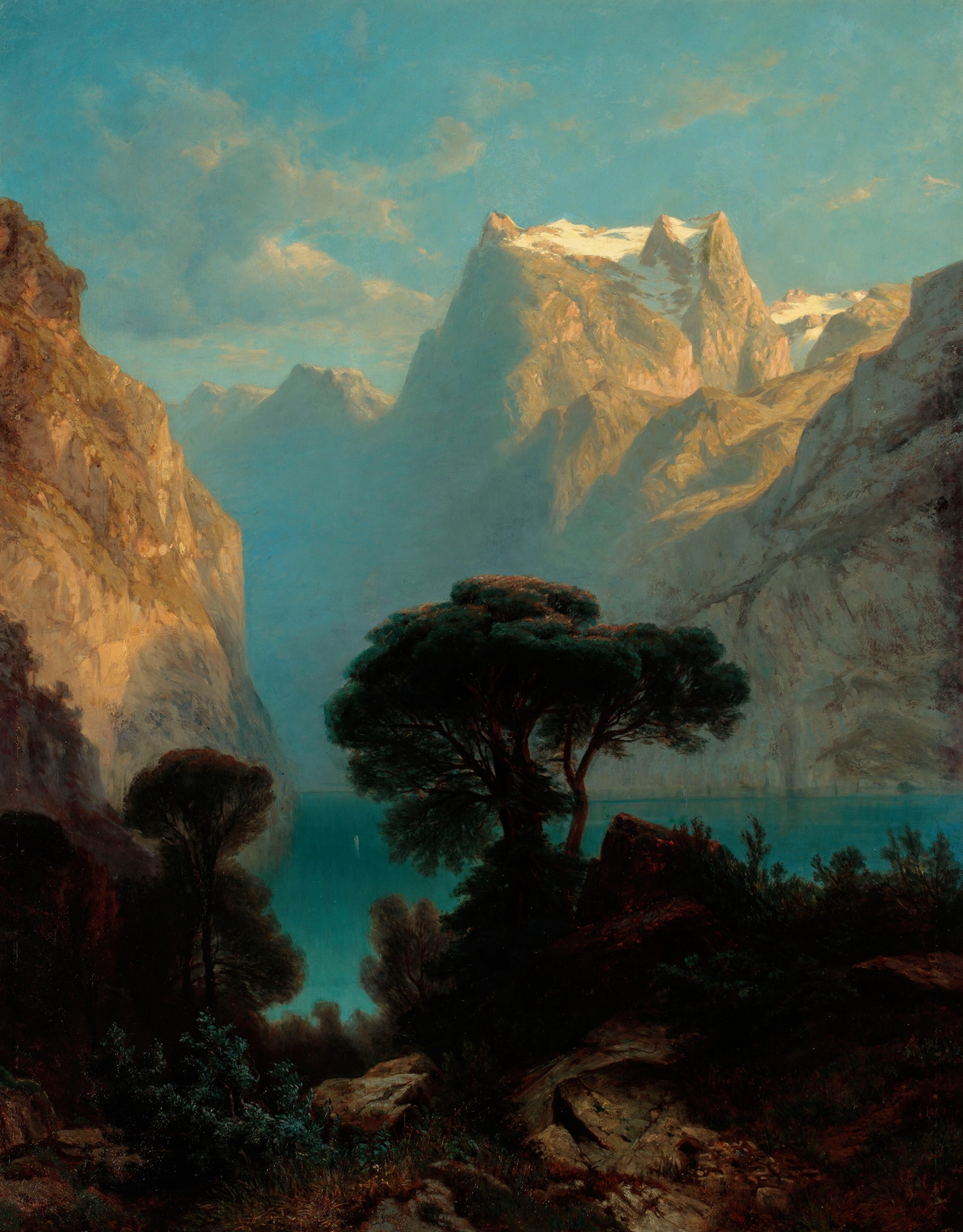
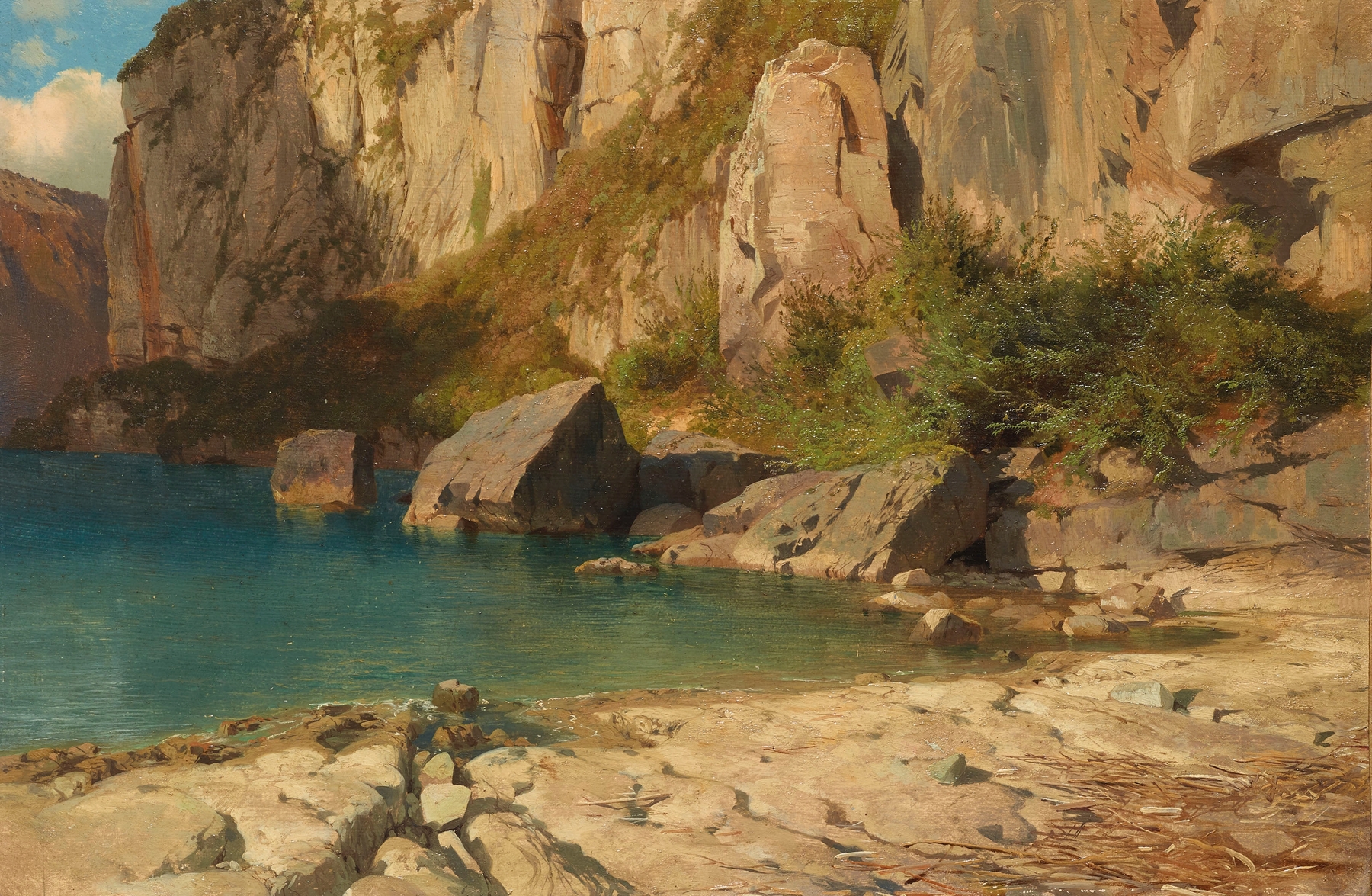
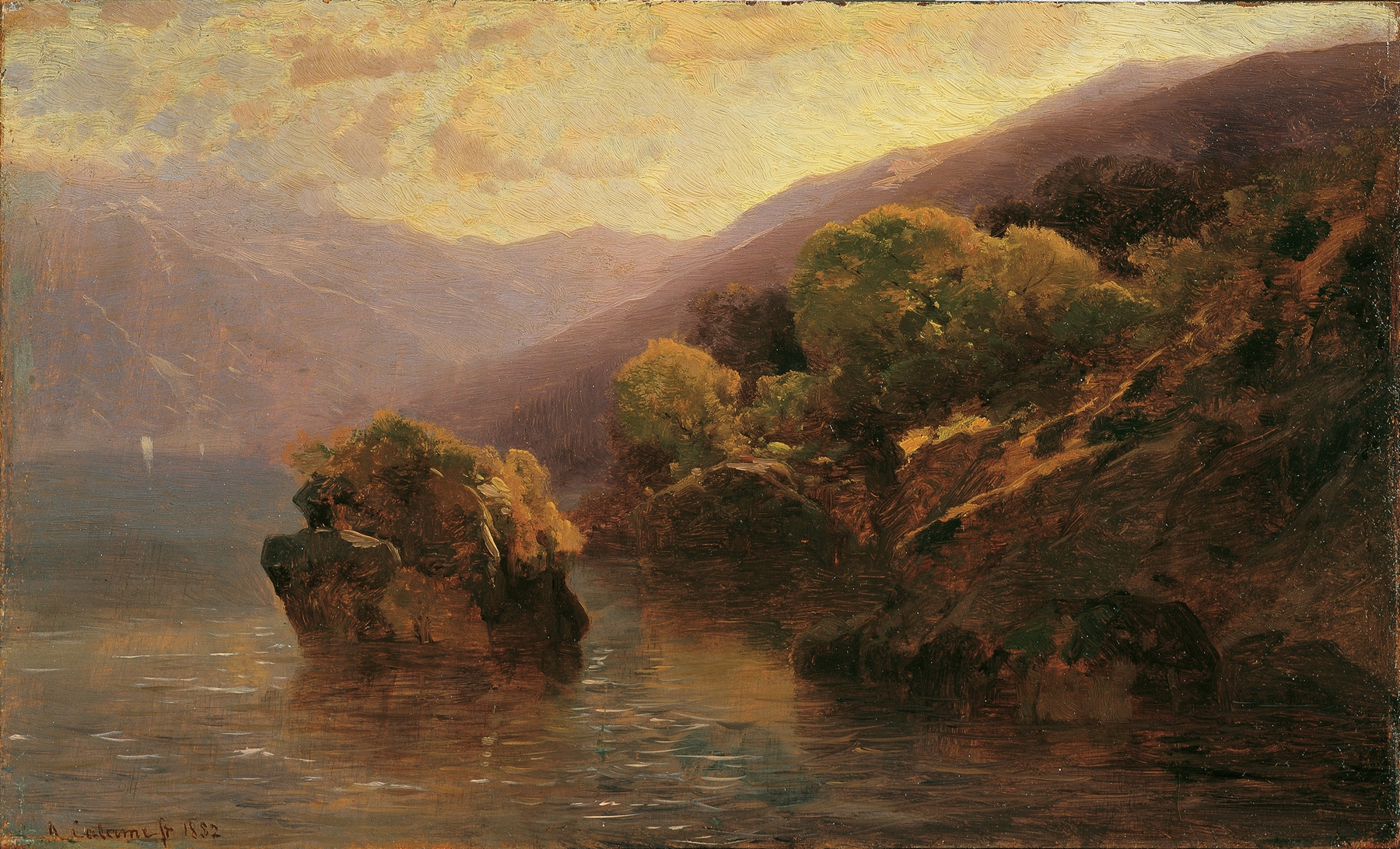
“To paint is to remember what time wants us to forget.” This sentiment resonates deeply within the serene beauty of a still lake, shimmering like a fragile memory. The quiet of nature holds the promise of hope, inviting a moment's pause amidst life’s relentless march. Look to the lower right, where the gentle ripples catch the soft light, reflecting the pastel hues of dawn. The play of blues and greens creates a harmonious contrast with the warm, golden accents of the rising sun, drawing the eye deeper into the tranquil scene.
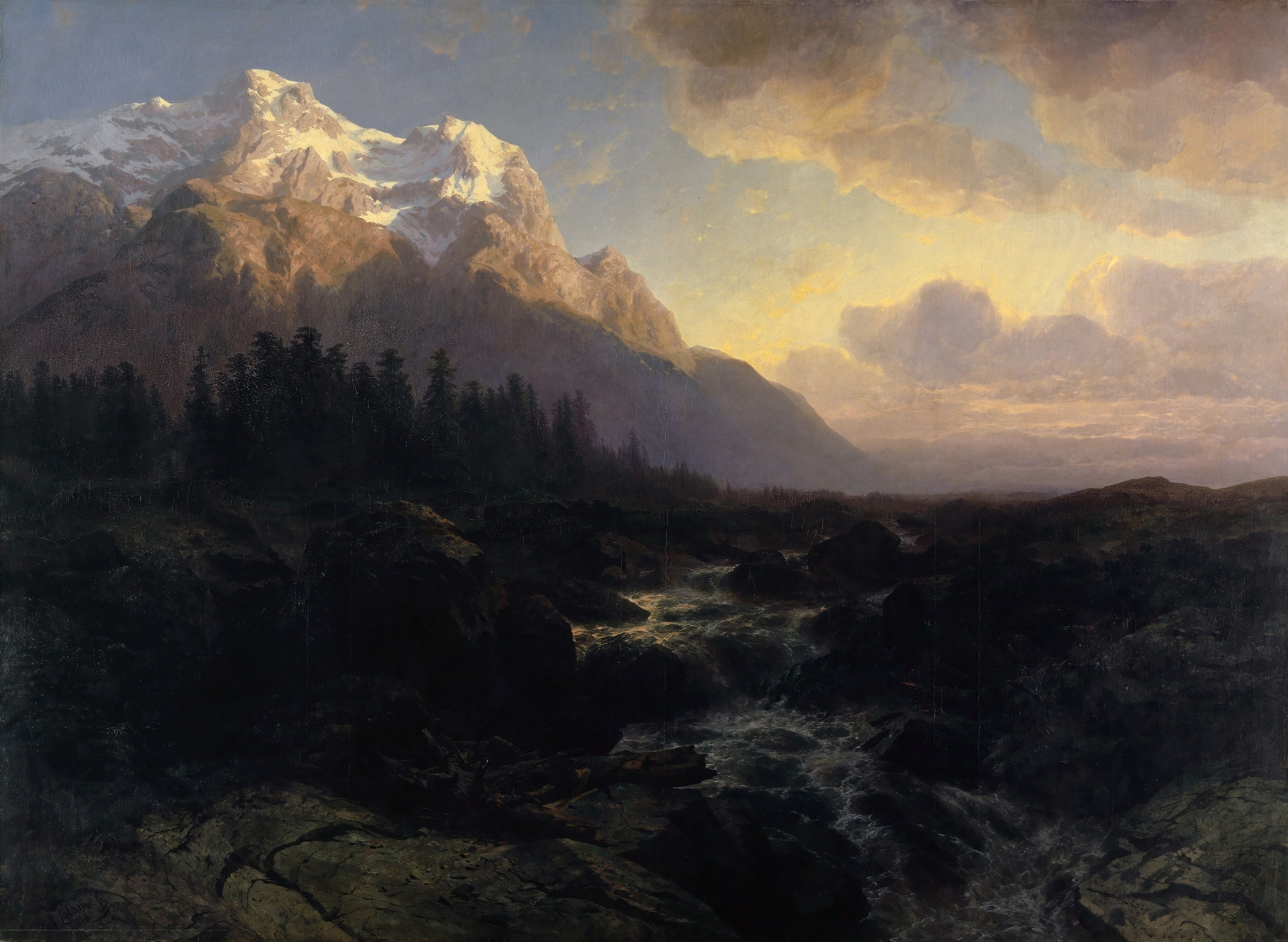
Notice how the distant mountains rise majestically, their rugged outlines softened by atmospheric perspective, a testament to the artist's skillful brushwork and thoughtful composition. Within this idyllic landscape, emotional tensions emerge in the juxtaposition of calm water and formidable peaks. The lake's surface suggests a mirror to the soul, while the imposing mountains symbolize the obstacles life presents. This duality captures a moment of introspection, instilling a sense of resilience amidst nature's grandeur.
Even the wispy clouds, seemingly transient, hint at the passage of time—reminding us that every phase of life, no matter how fleeting, carries the potential for renewal. In 1852, Alexandre Calame created this artwork at a time when Romanticism was flourishing in Europe. Emphasizing the sublime beauty of nature, Calame was influenced by the shifting tastes of the art world, moving from historical subjects to landscapes that evoke emotion and reflection. As industrialization began to reshape lives, artists like him sought solace in the natural world, capturing its essence and permanence in stark contrast to the changing societies around them.