Landscape No. 3, Cash Entry Mines, New Mexico — History & Analysis
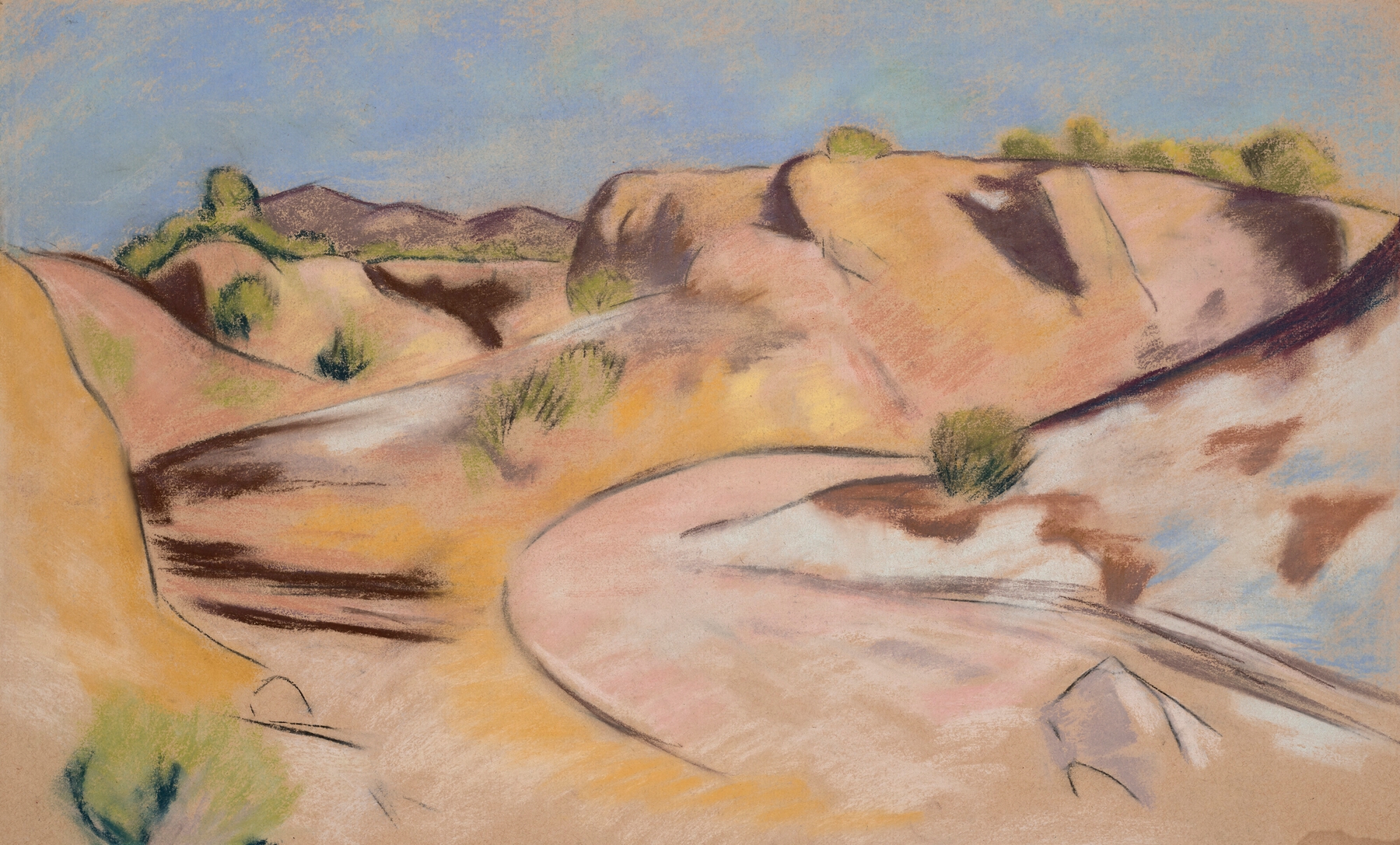
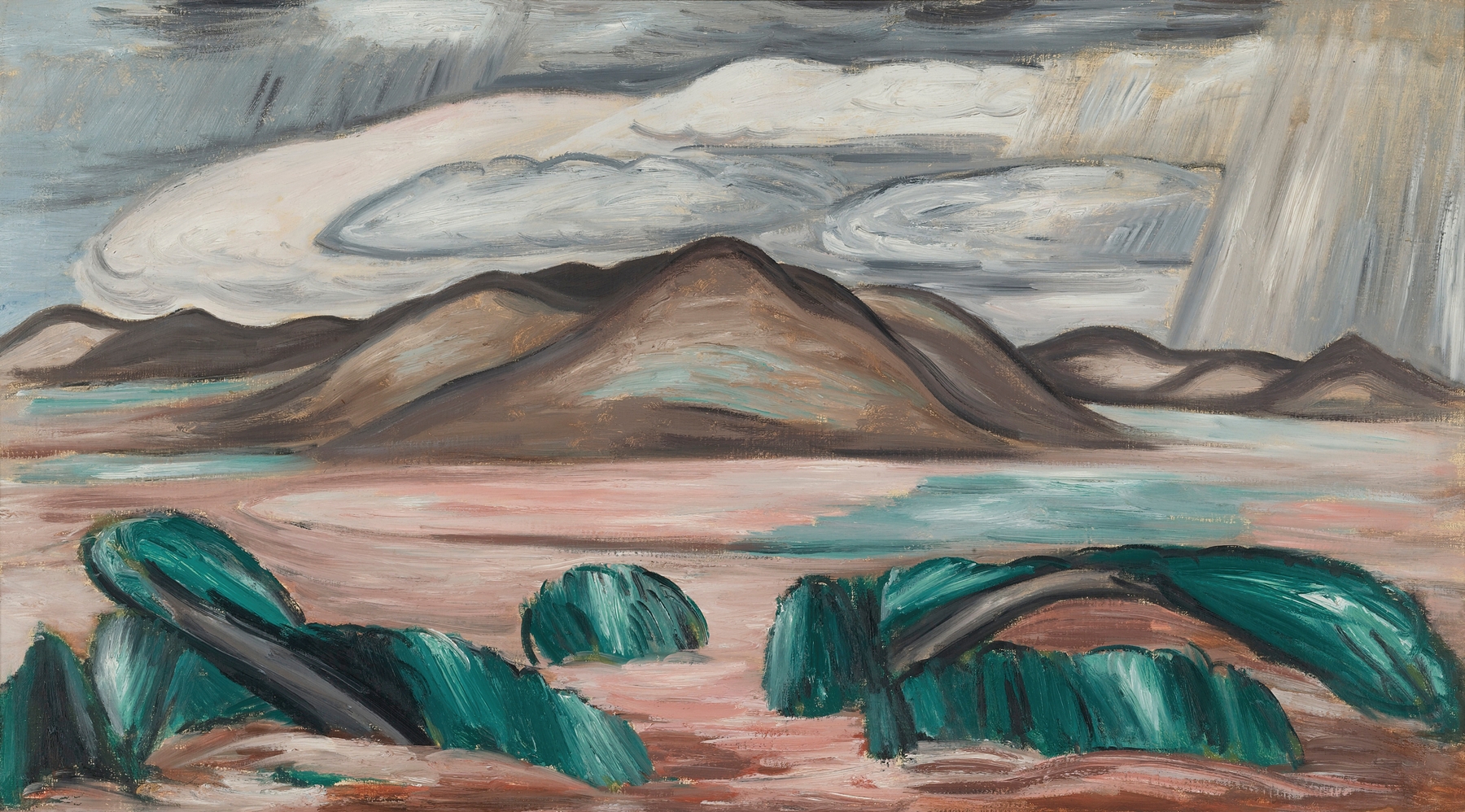
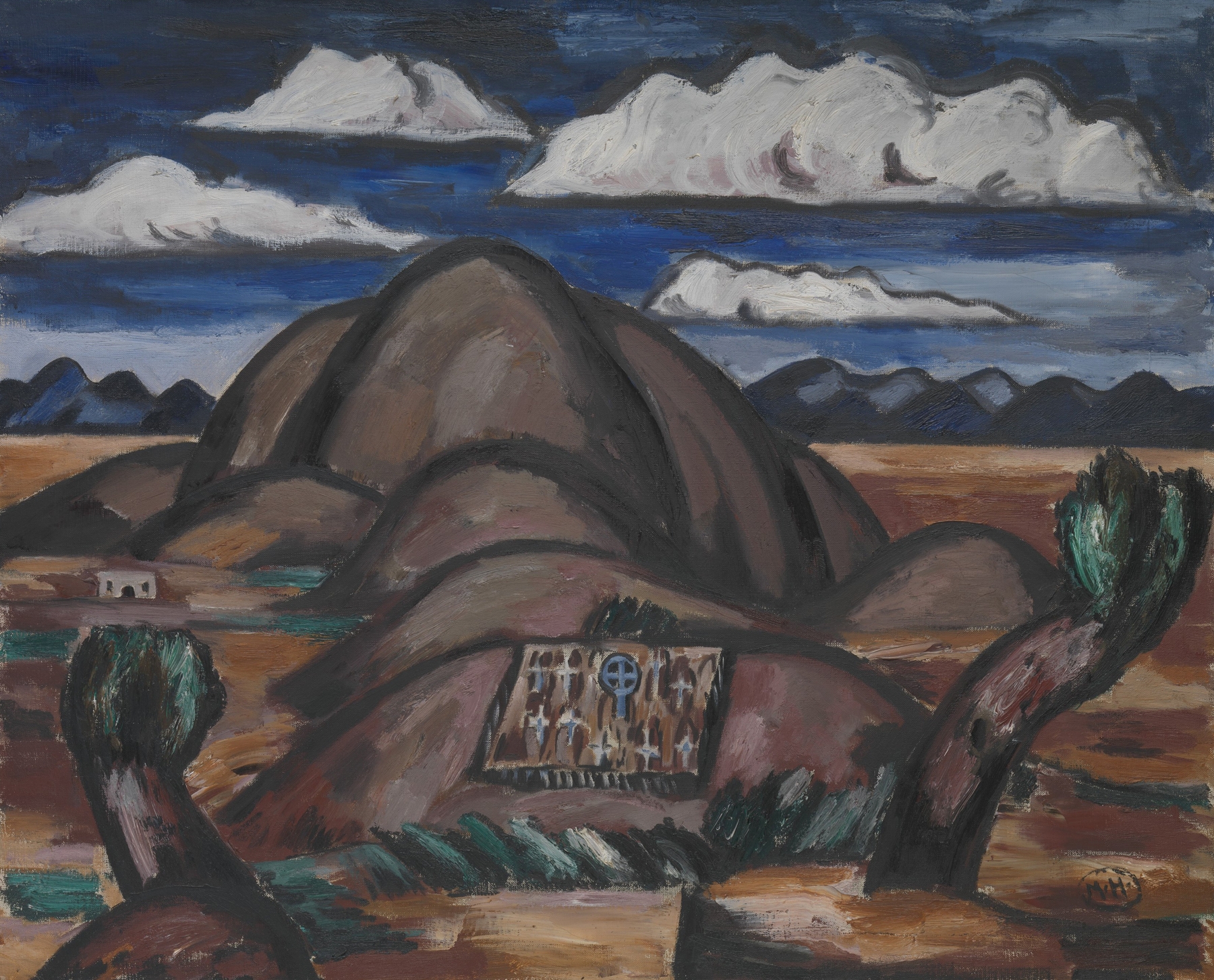
Who listens when art speaks of silence? In Landscape No. 3, Cash Entry Mines, New Mexico, a whisper of innocence unfolds, inviting contemplation on a secluded world untouched by clamor. Look to the foreground, where earthy tones blend seamlessly with the deep blues and ochres of the surrounding terrain.
Notice how the sweeping curves of the land draw the eye towards the distant mountains, their peaks softened by the horizon’s gentle embrace. The brushwork conveys a sense of immediacy, yet the muted colors suggest a quietude, as though the landscape itself holds its breath, waiting for a story to emerge. Amidst this serene panorama, the contrast between the natural elements and the looming mountains hints at an underlying tension. The innocence of the scene belies a history of mining and human endeavor, a poignant reminder of nature’s fragility.
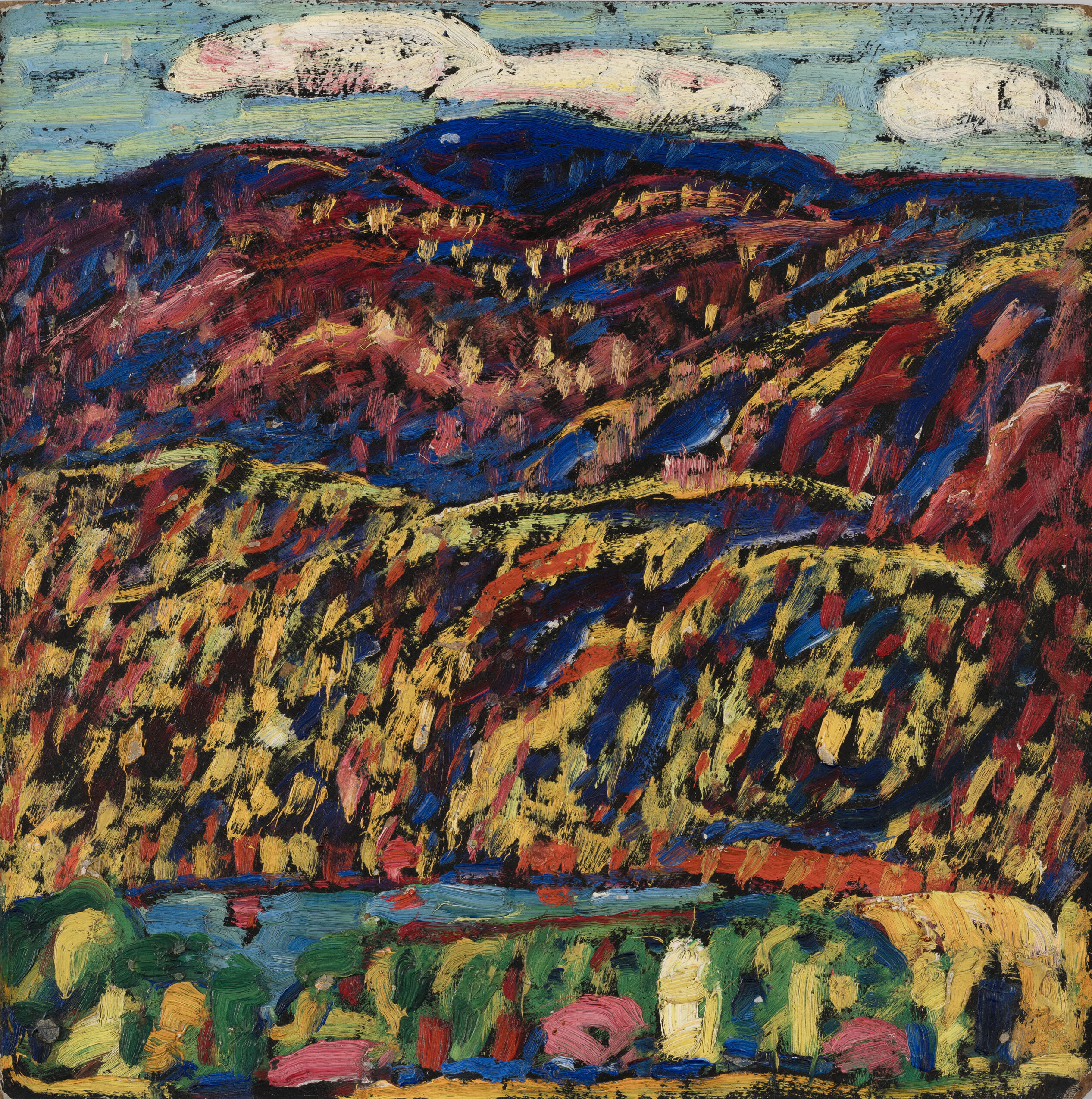
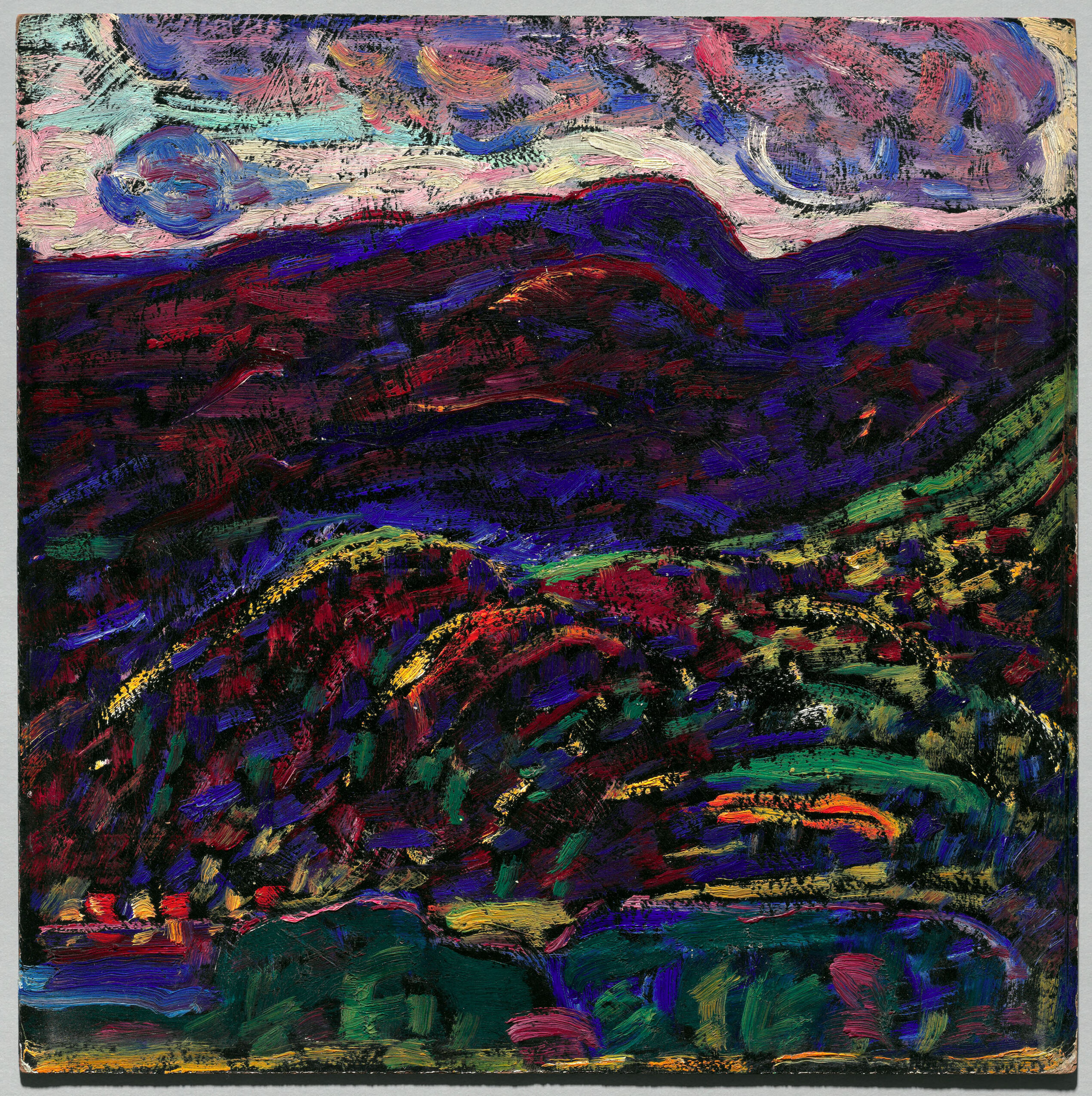
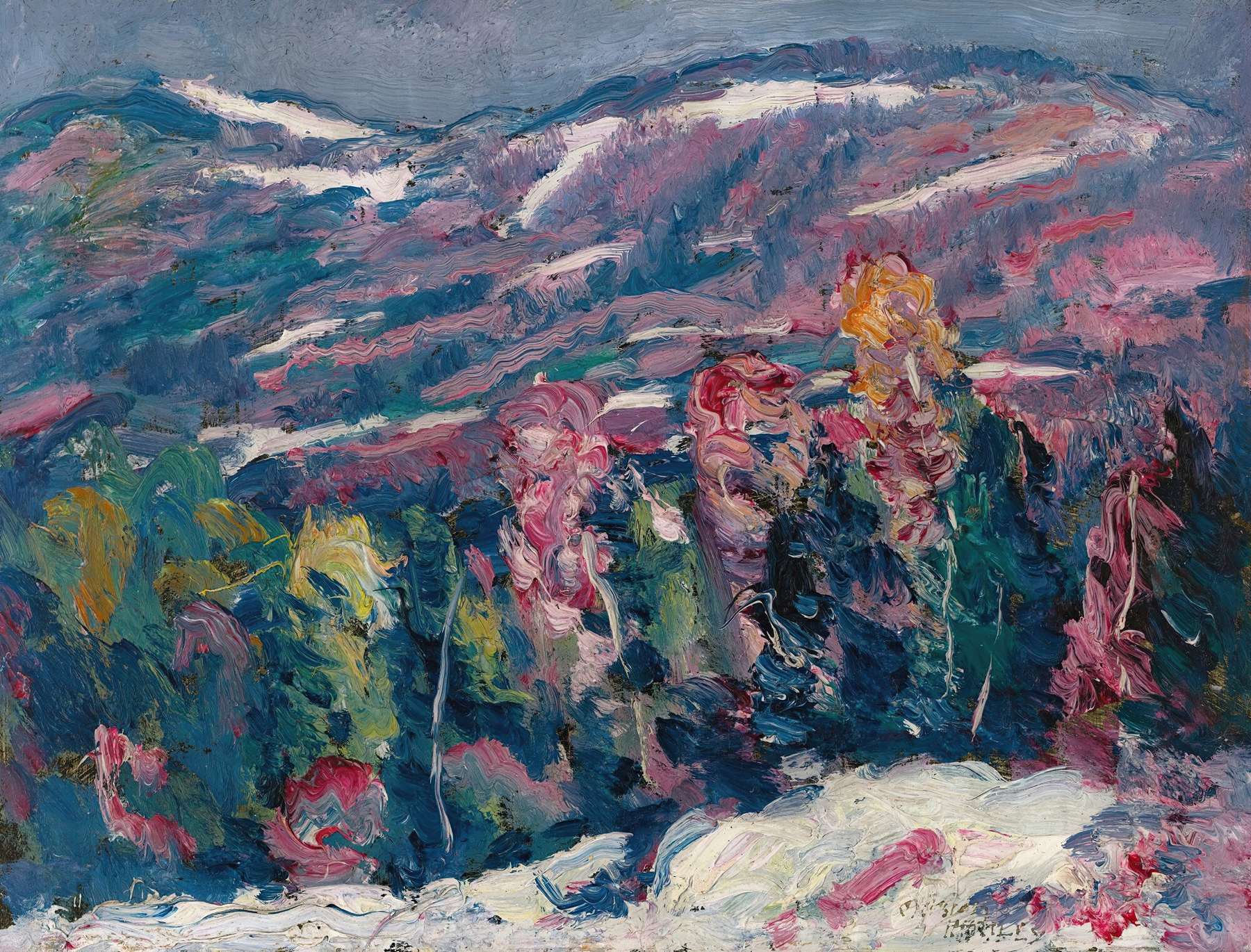
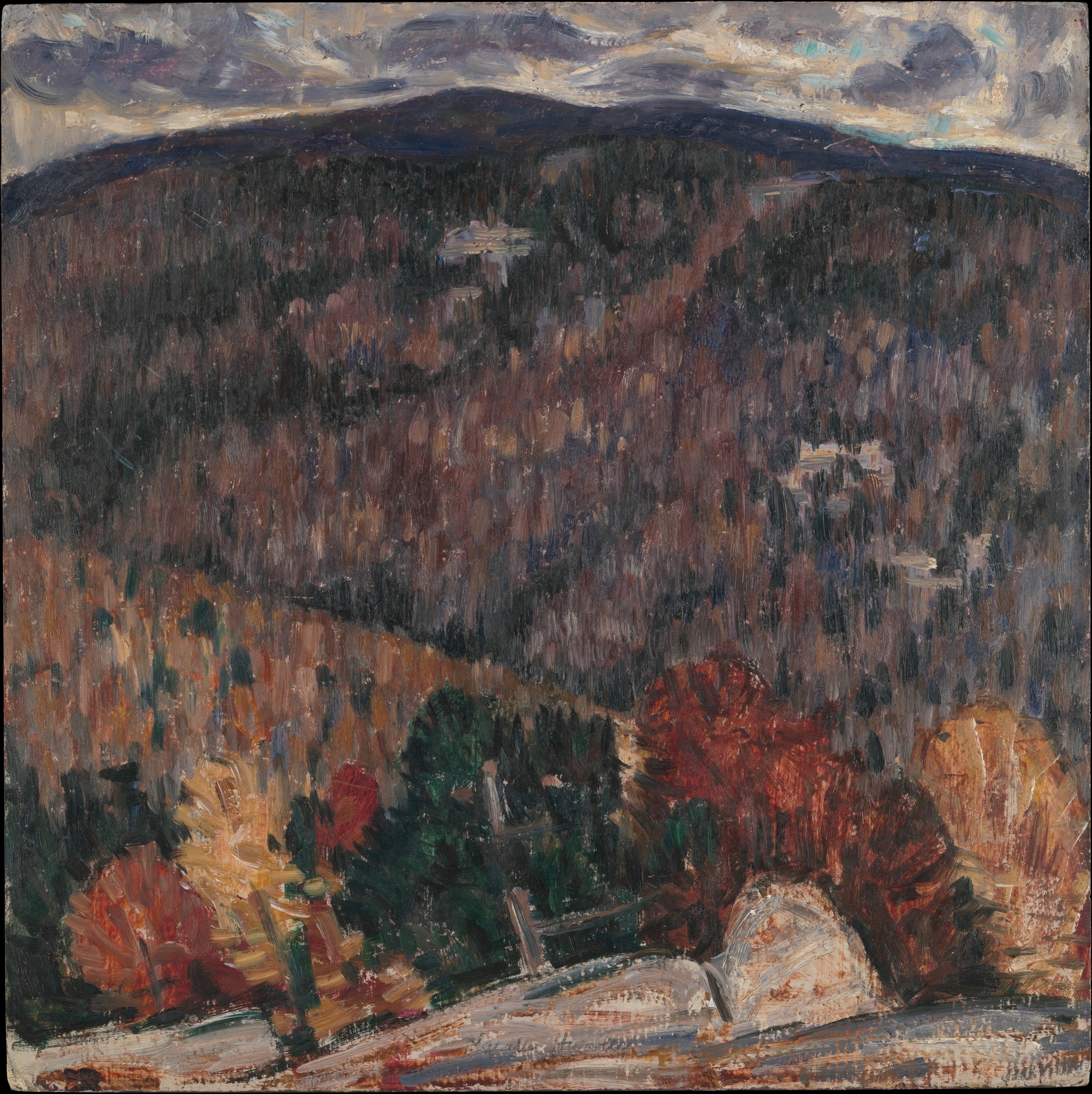
Hartley captures not just the beauty of the New Mexican landscape but also the weight of human impact, asking viewers to reflect on what must be sacrificed for progress. In 1920, Marsden Hartley painted this work during a transformative period in American art, characterized by the rise of modernism and a move towards abstraction. Living in New Mexico at the time, he was influenced by the region's stark beauty and expansive landscapes, seeking to convey a sense of place that resonated with both personal and collective memory.