Landscape with a Wheatfield — History & Analysis
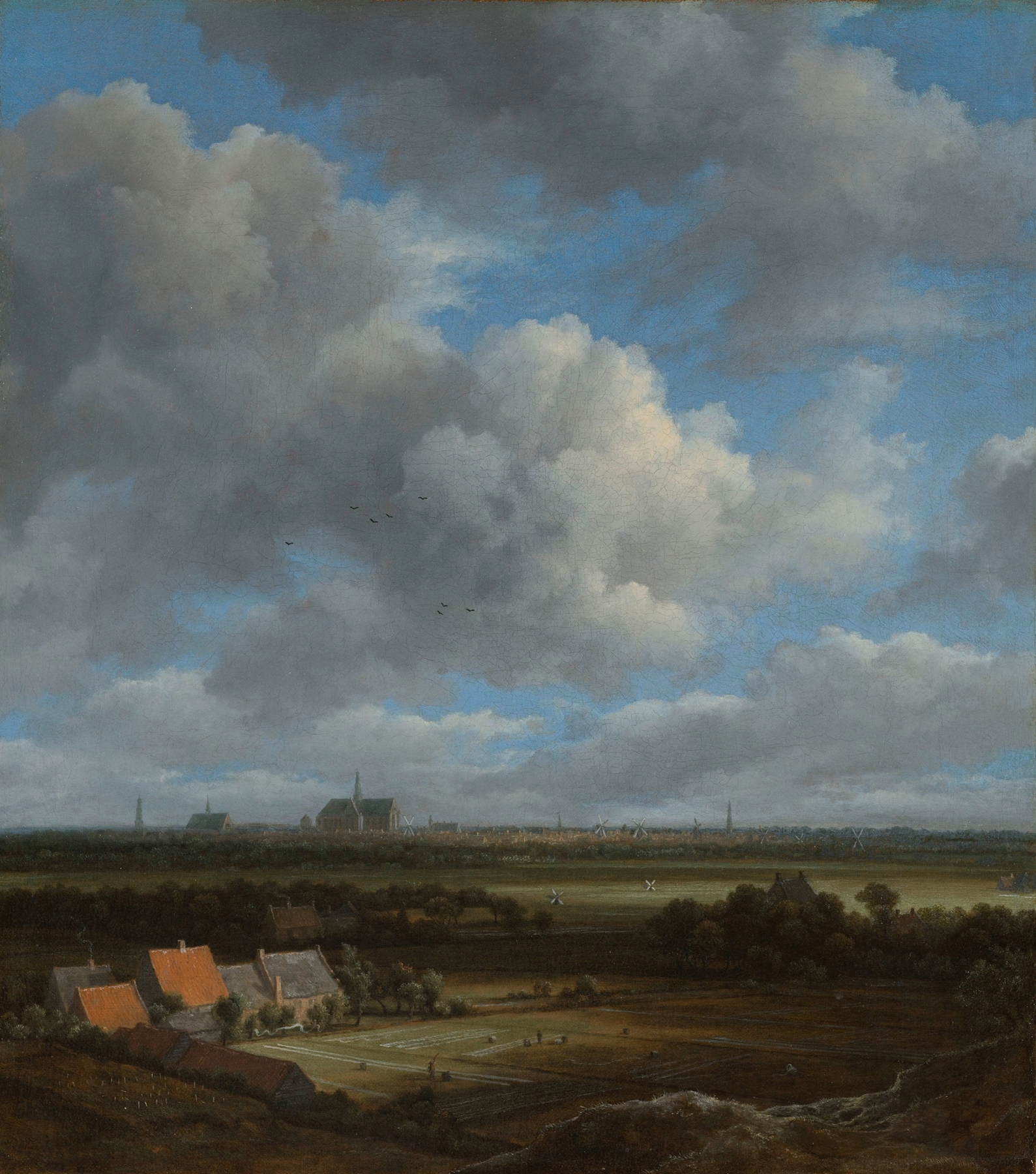
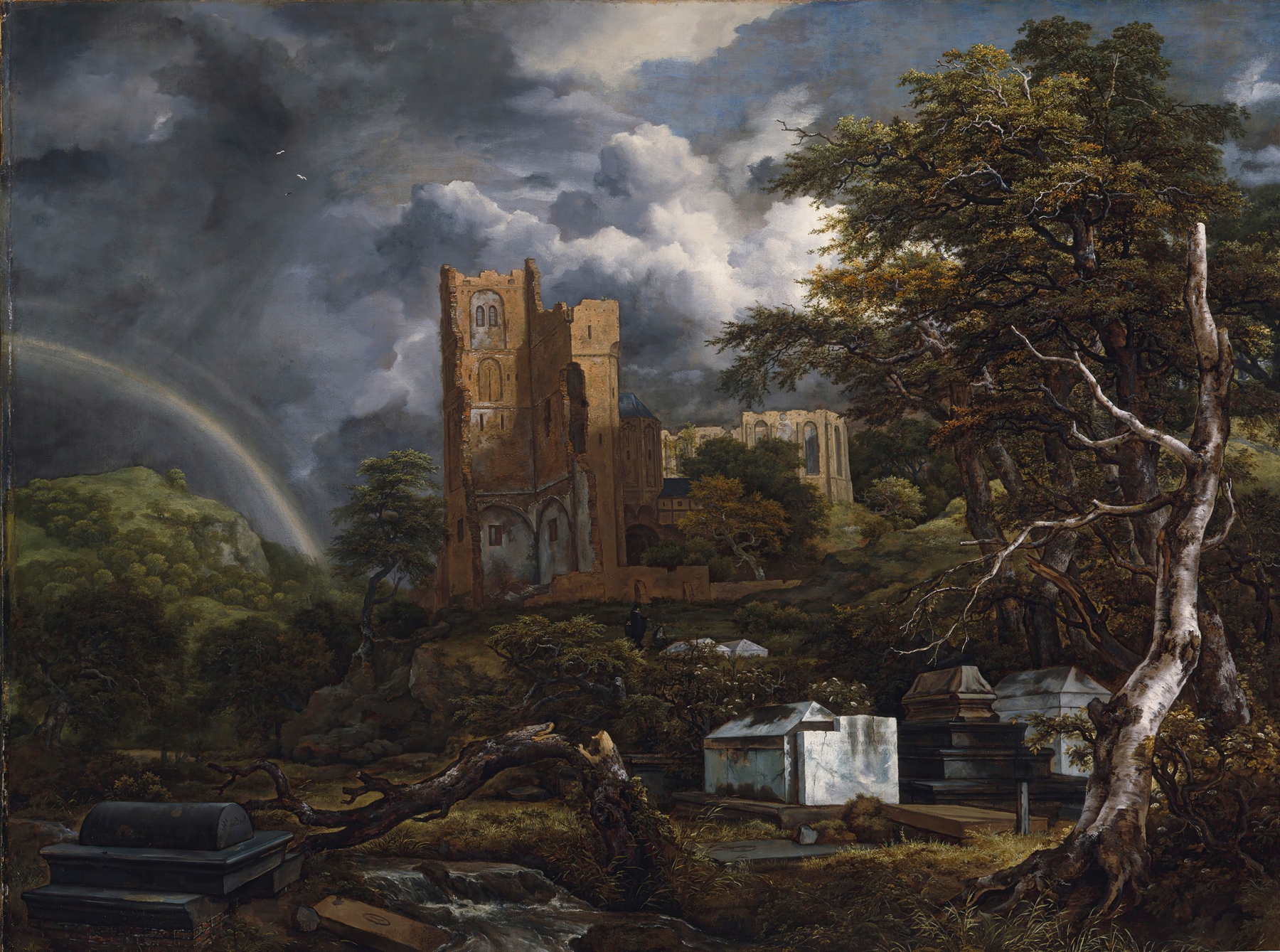
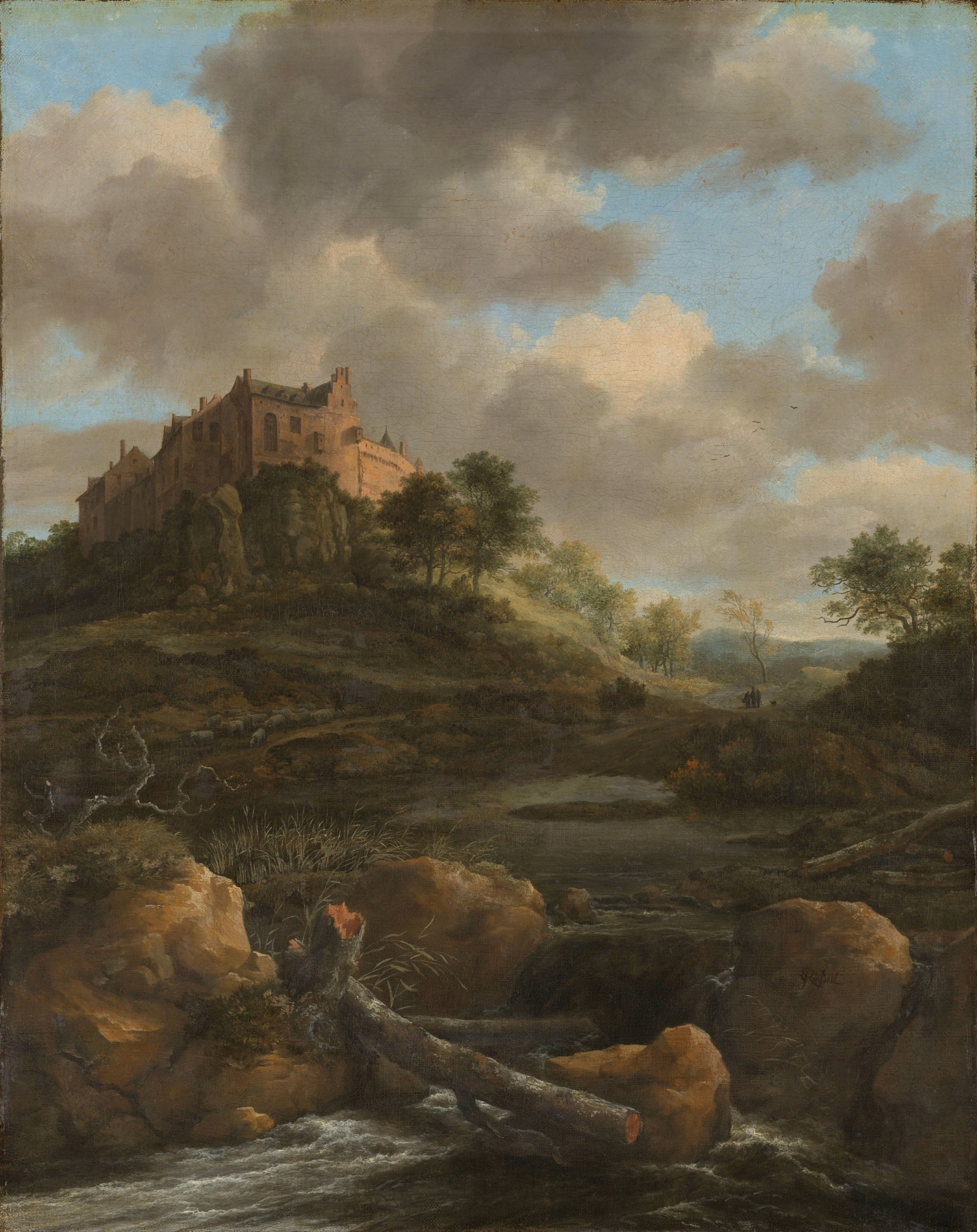
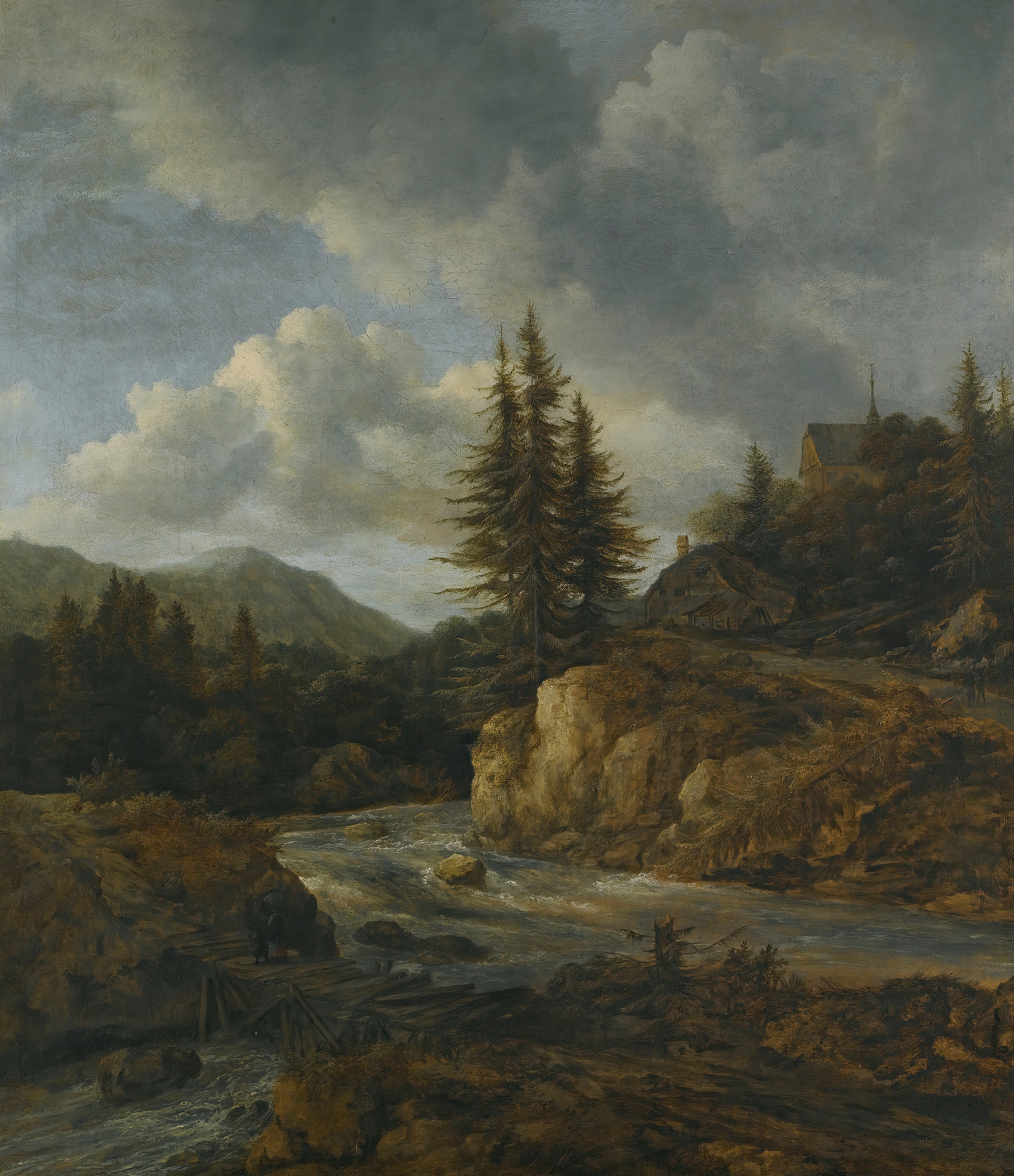
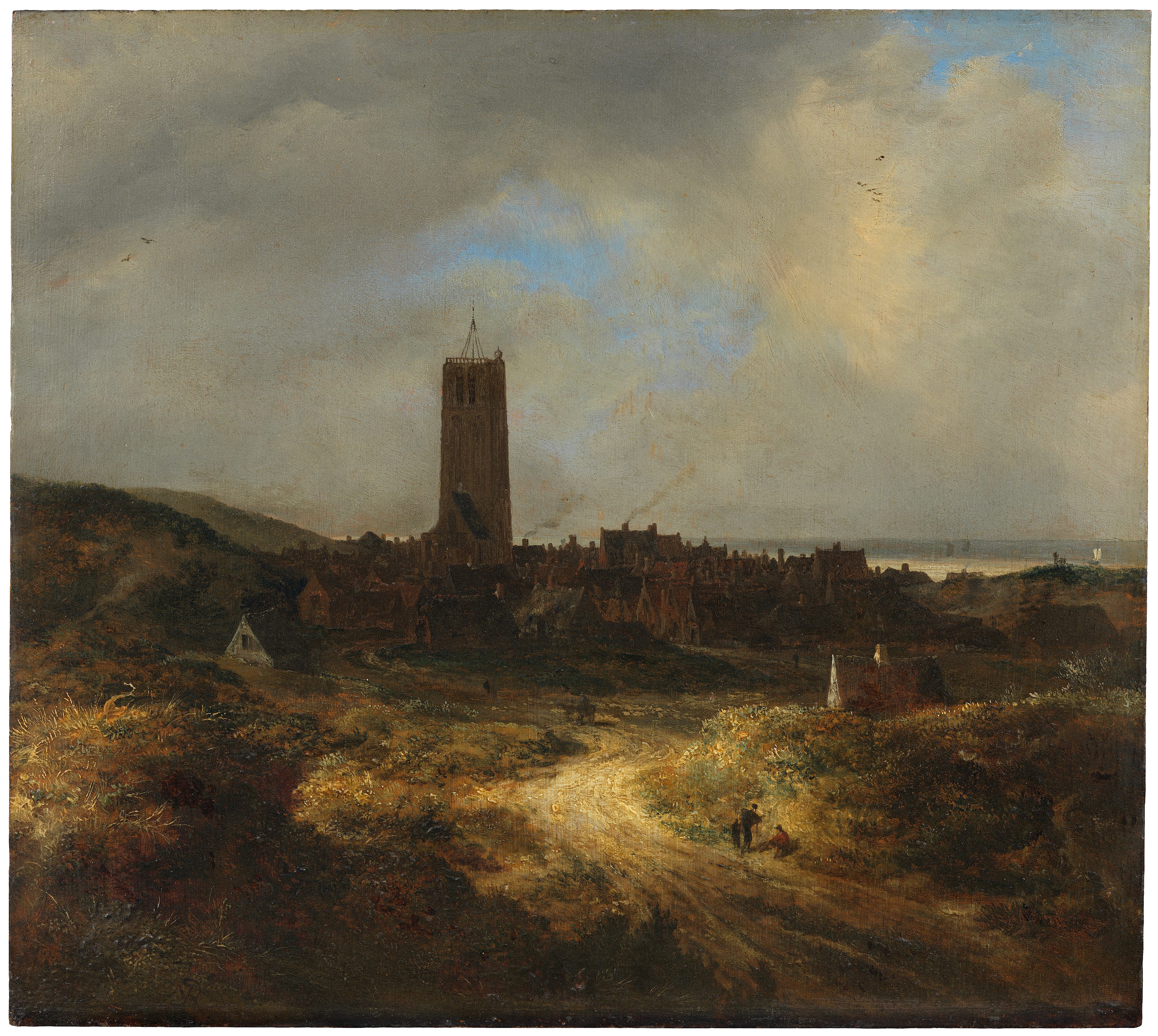
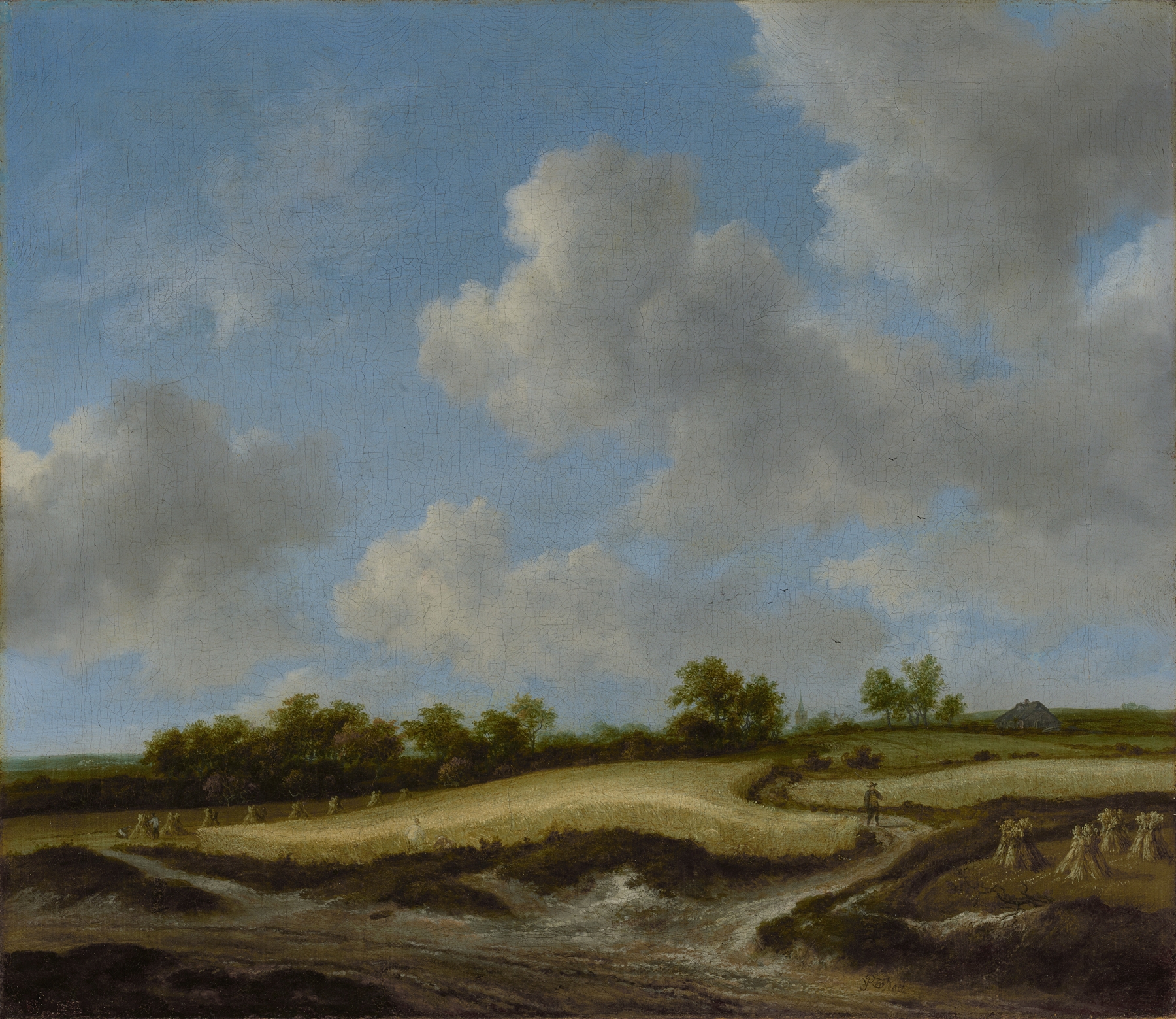
Can paint confess what words never could? In Landscape with a Wheatfield, fear lurks beneath the golden waves of grain, a quiet tension that pulses through the canvas. Look to the right at the stark contrast between the vibrant wheat and the dark, ominous clouds gathering above. The sun fights to penetrate the heavy atmosphere, casting a muted light that dances over the field, revealing intricate brushstrokes that evoke movement and life.
The horizon, both distant and imposing, structures the scene, while the looming clouds create a foreboding backdrop, leaving the viewer suspended in an emotional landscape of uncertainty. Here, subtleties emerge: the delicate sway of the wheat hints at an impending storm, a metaphor for the unpredictability of life itself. The juxtaposition of light and shadow embodies the duality of hope and fear, where the rippling field suggests both bounty and vulnerability. Each blade of grass sways with the weight of expectation, inviting contemplation on the fragility of existence amidst nature's grandeur.
In the late 1650s to early 1660s, Jacob van Ruisdael painted this work during a period marked by both artistic innovation and personal struggle. Living in the Dutch Golden Age, he navigated the complexities of a changing world, where landscapes began to reflect deeper emotional truths. This artwork encapsulates not only his mastery of light and composition but also his engagement with the human experience—an exploration of fear woven into the very fabric of the natural world.