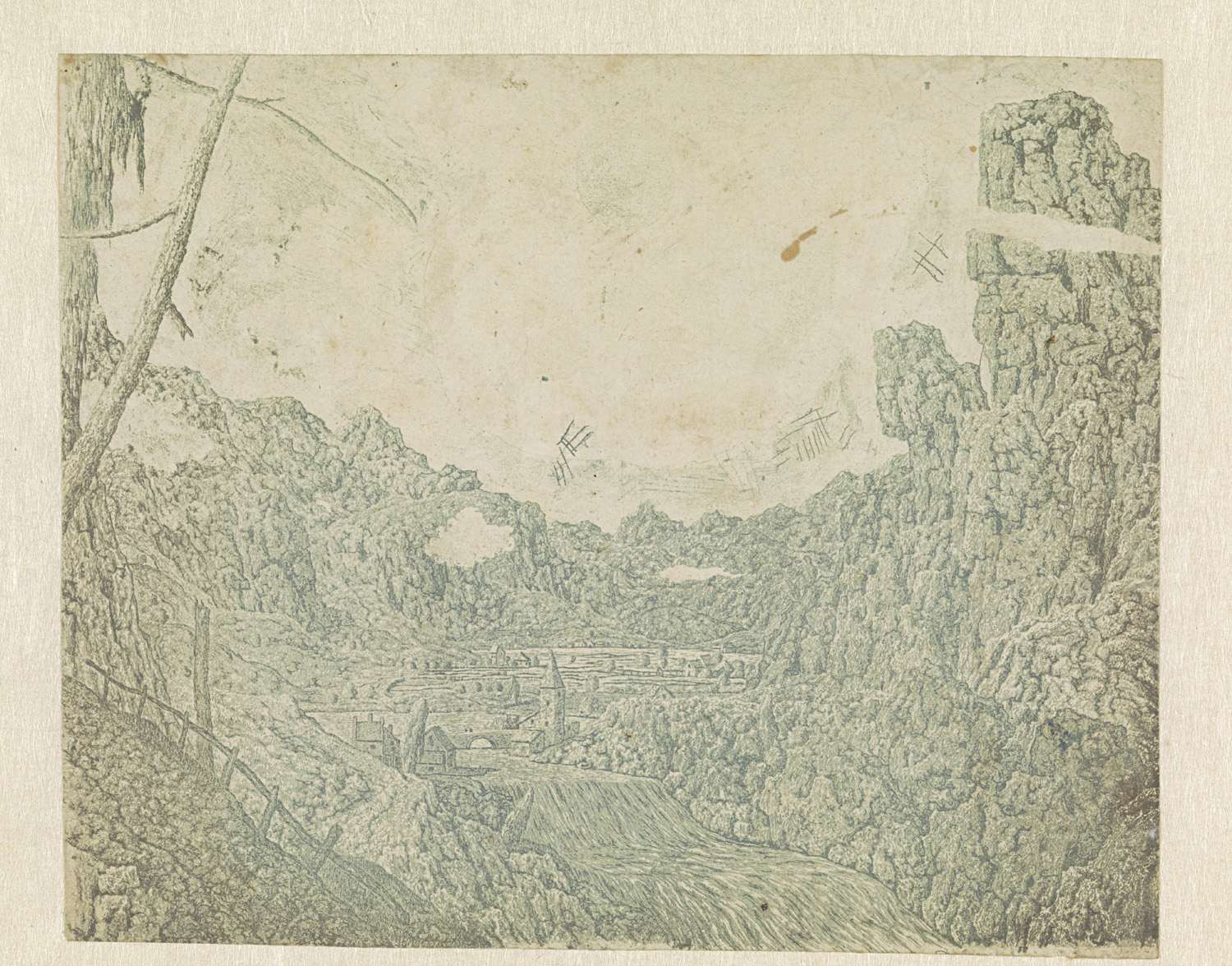
Landscape with an Oak Tree and a Distant View — History & Analysis
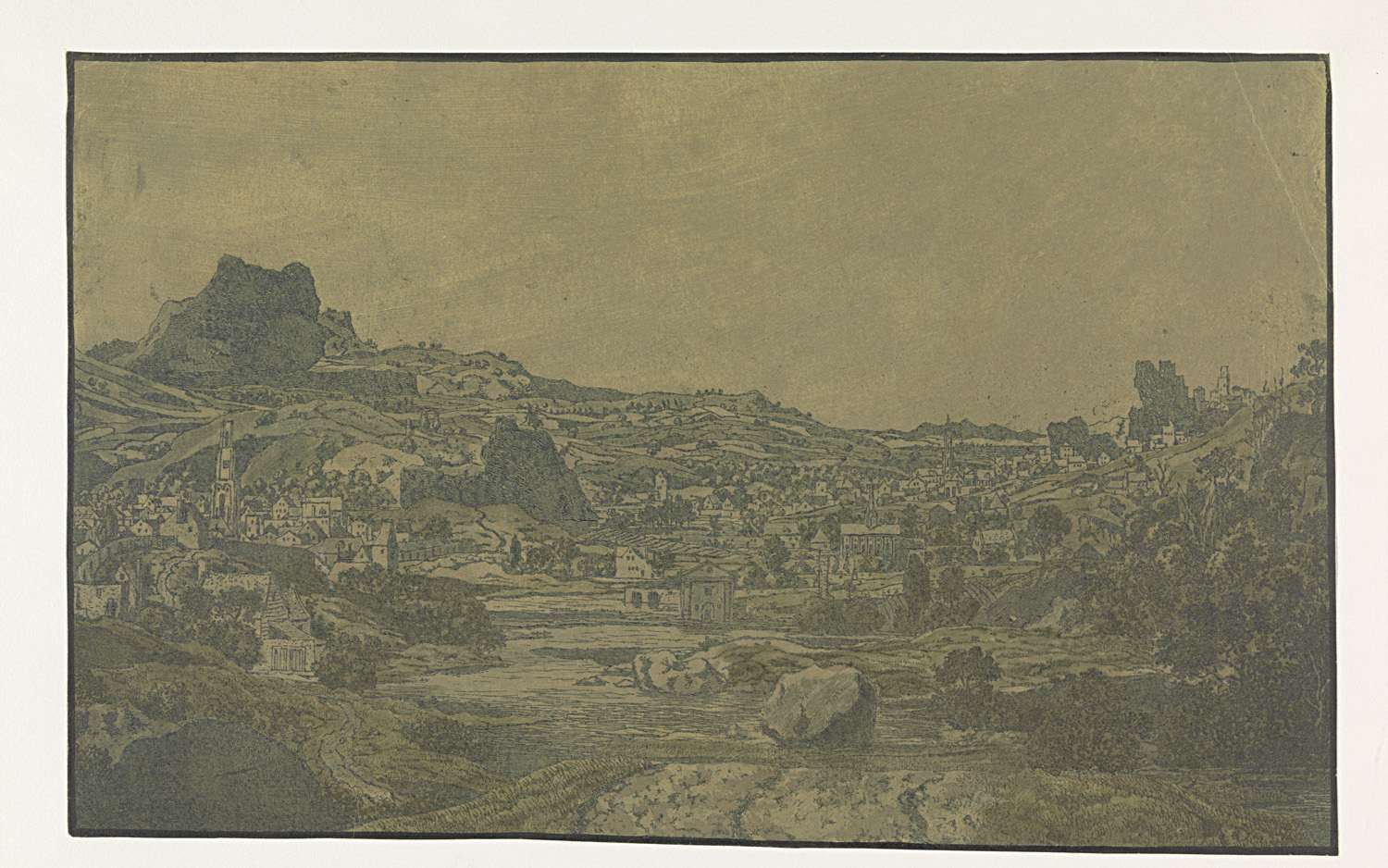
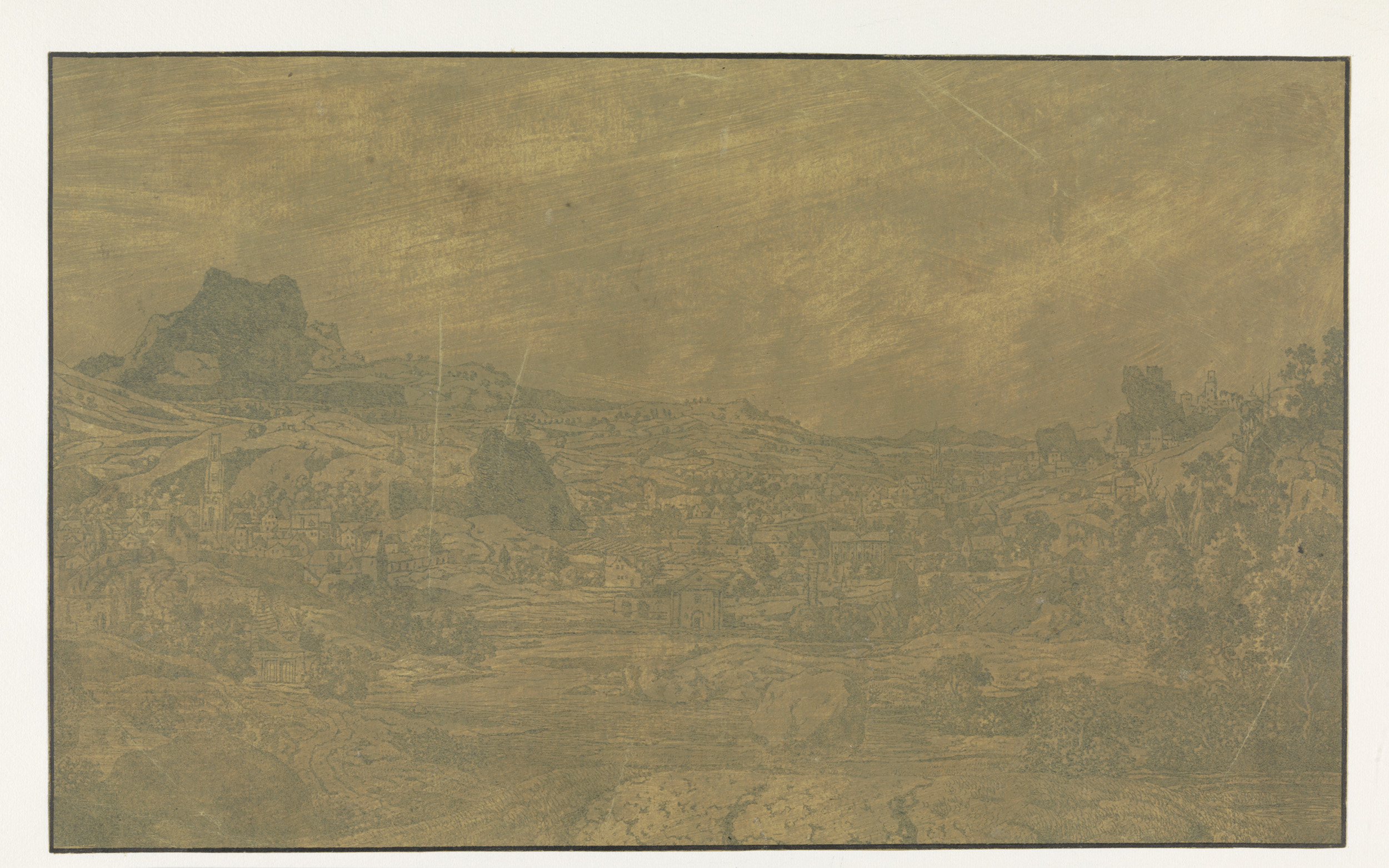
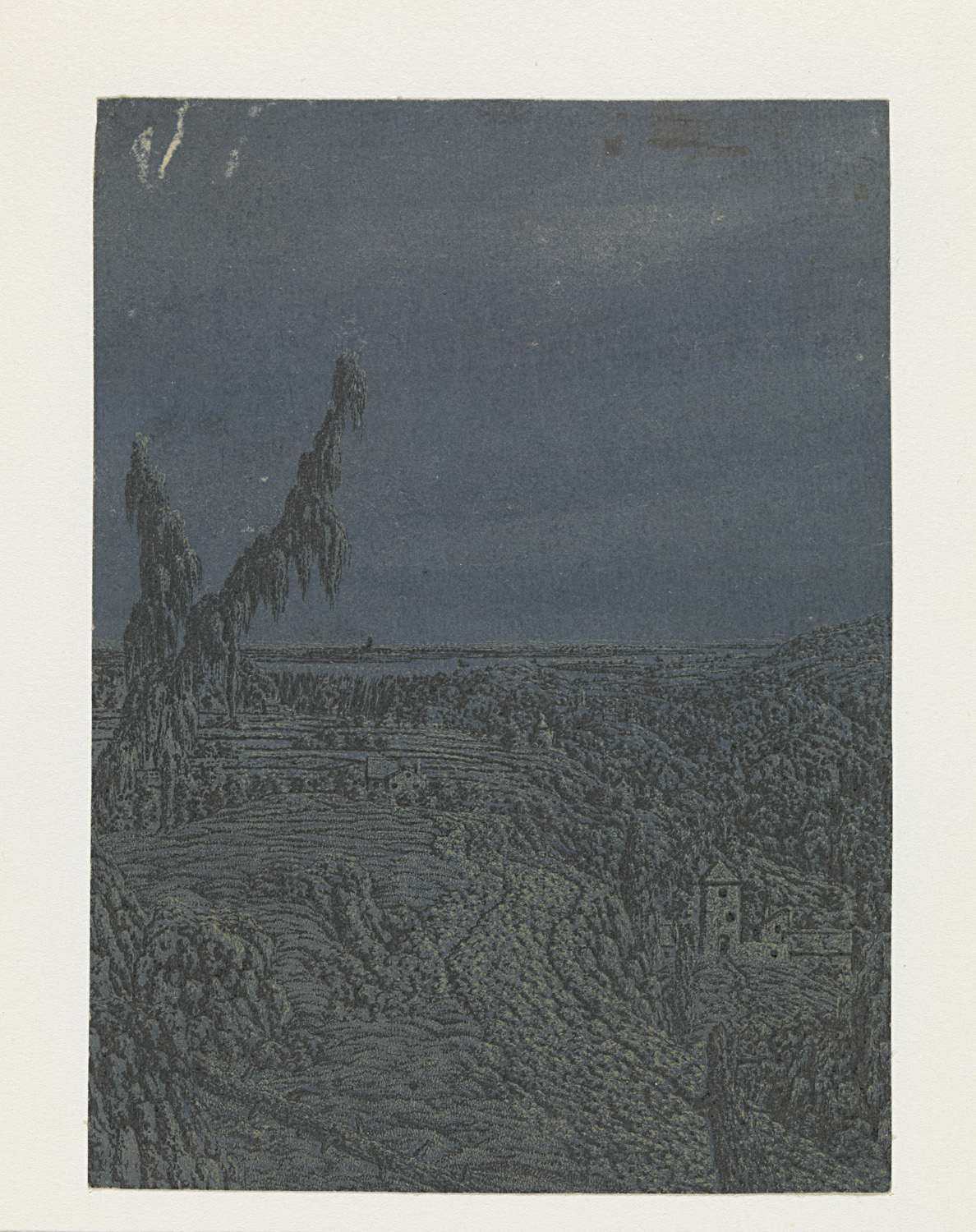
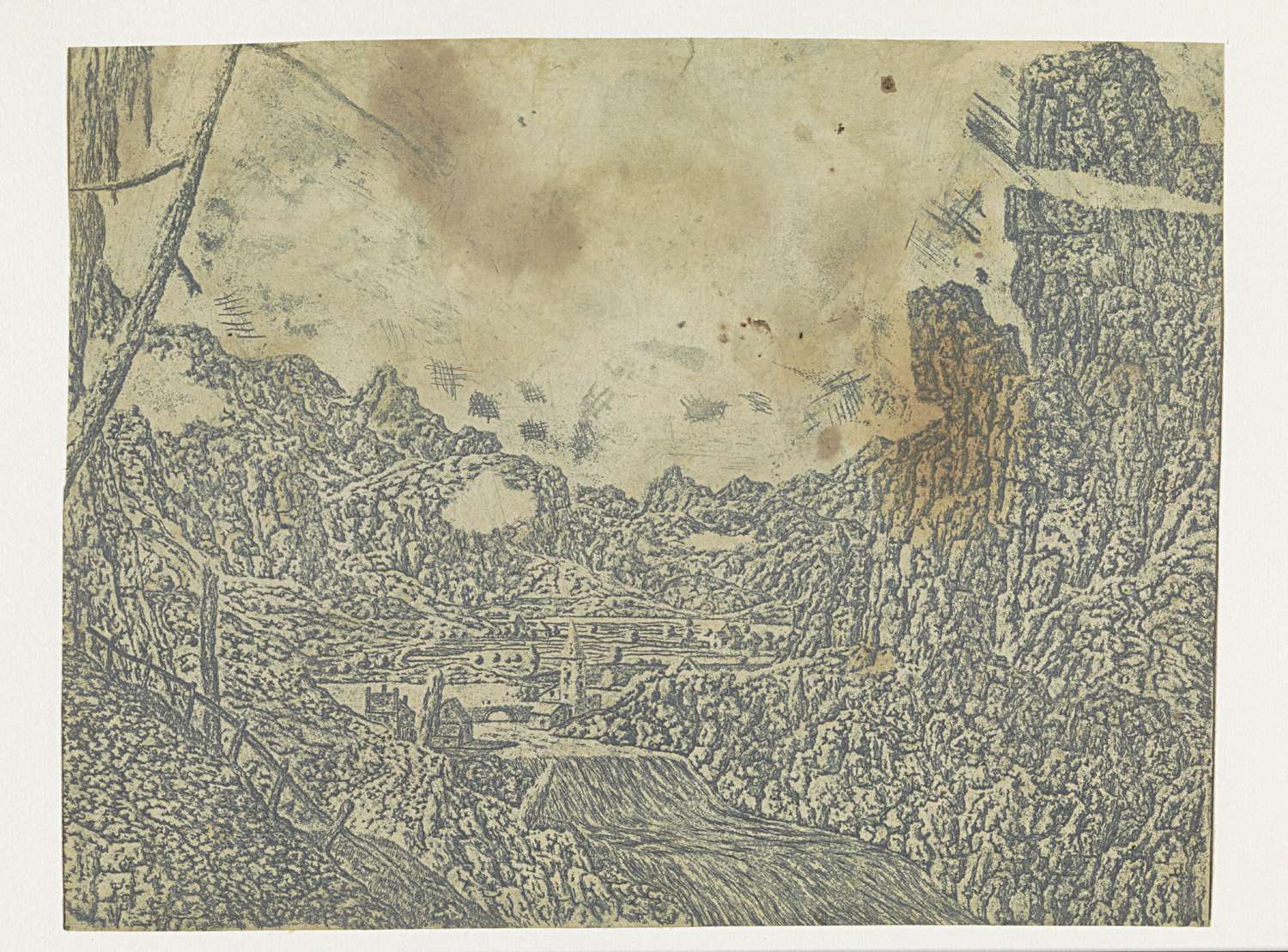
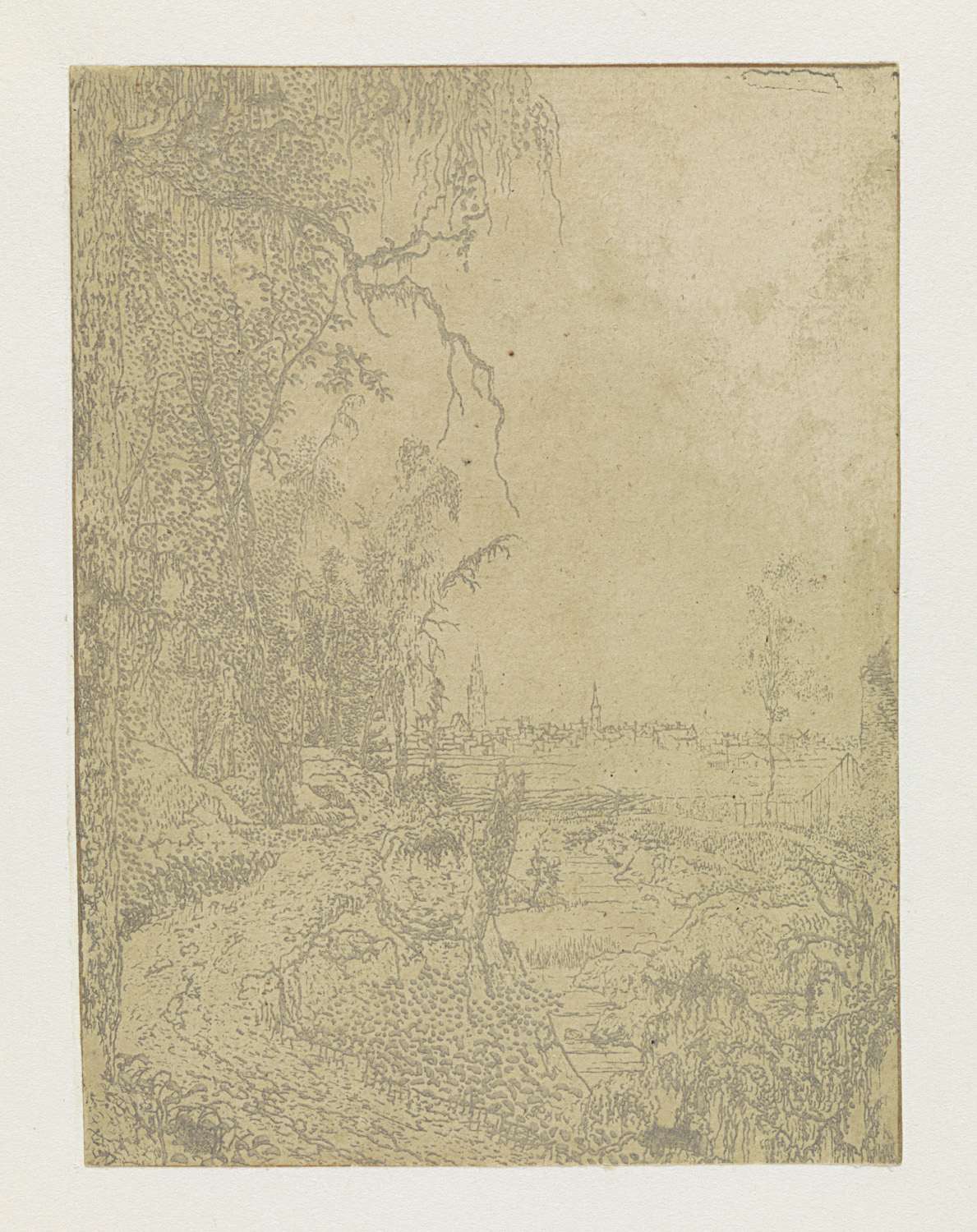
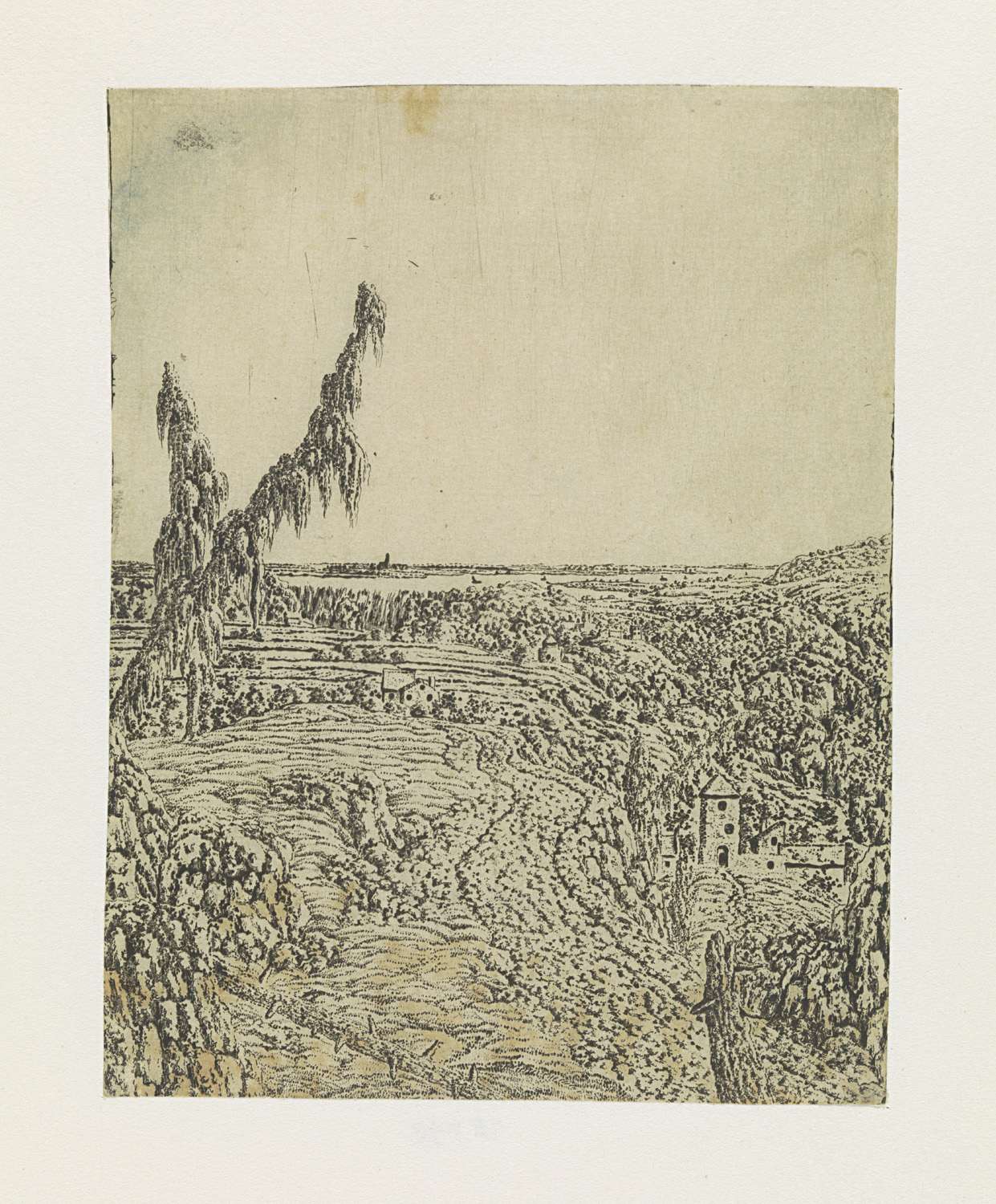
“To paint is to remember what time wants us to forget.” In a world teetering on the brink of chaos, art becomes a refuge for the mind, capturing fleeting moments of clarity amid the madness. Focus on the center of Landscape with an Oak Tree and a Distant View, where the oak stands tall and resolute against the tempestuous backdrop. Its gnarled branches stretch outward, a testament to resilience, while the landscape unfurls in haunting beauty around it. Notice how the muted earth tones blend seamlessly with the ethereal sky, creating a sense of both grounding and elevation.
The brushwork—delicate yet stark—draws your eye to the horizon, inviting contemplation of what lies beyond. Within this landscape, contrasts abound. The oak represents stability amid the swirling chaos of nature; its thick trunk juxtaposes the delicate wisps of cloud overhead. There’s a tension that emerges between the tangible and the intangible, the real and the imagined, urging viewers to confront the fragility of existence.
Each stroke embodies a memory, a whisper of a world both familiar and distant, as if inviting us to consider what we choose to remember and what we desperately wish to forget. Hercules Segers painted this work around 1618 to 1622, during a time when he was experimenting with innovative print techniques and exploring the boundaries of landscape painting in the Dutch Golden Age. Living in Amsterdam, he faced personal struggles, including financial instability, yet his artistic vision flourished. This piece reflects his introspective inquiry into nature's beauty and turmoil, echoing the complexities of his own life and the broader artistic movements of his time.