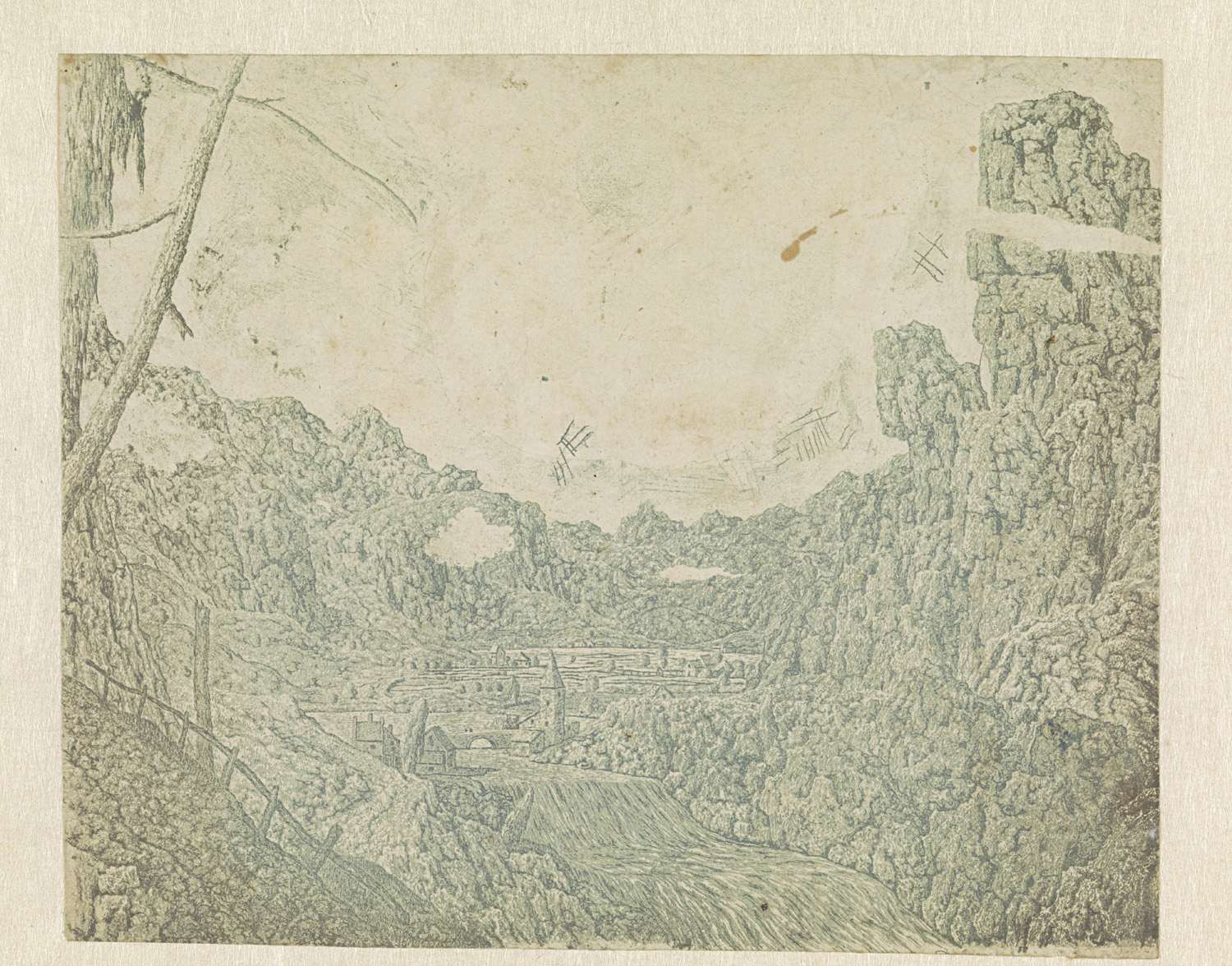
Landscape with an Oak Tree and a Distant View — History & Analysis
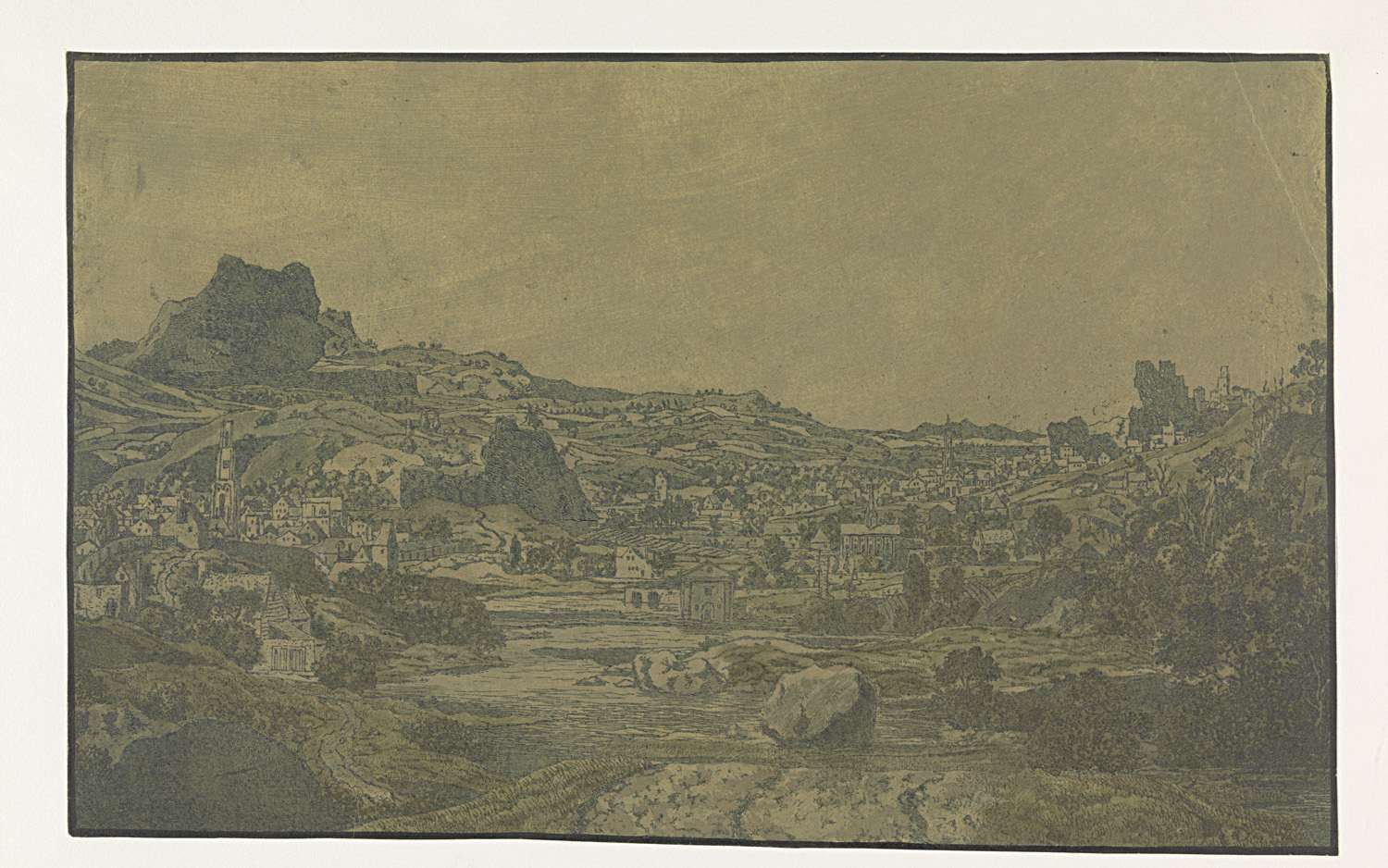
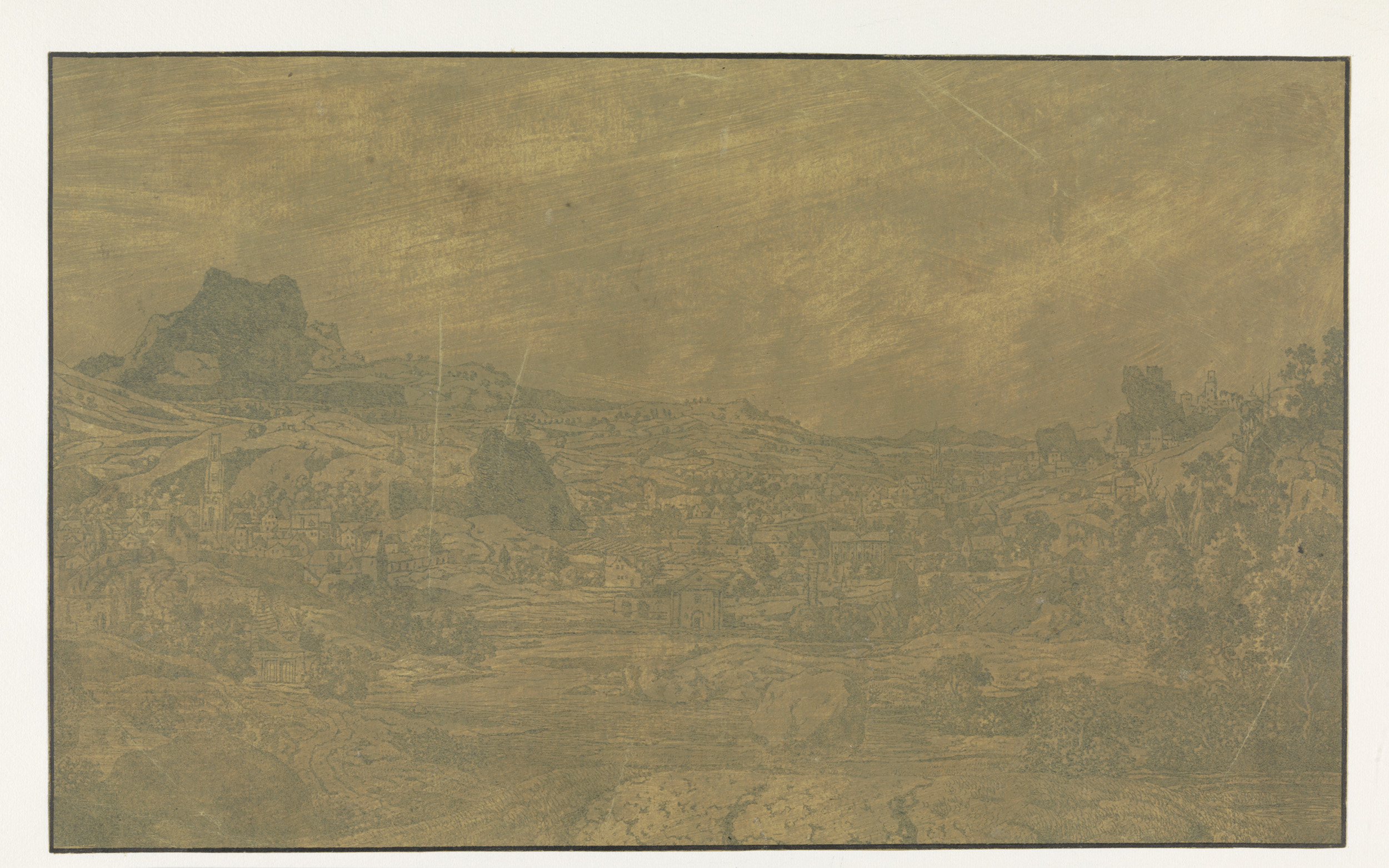
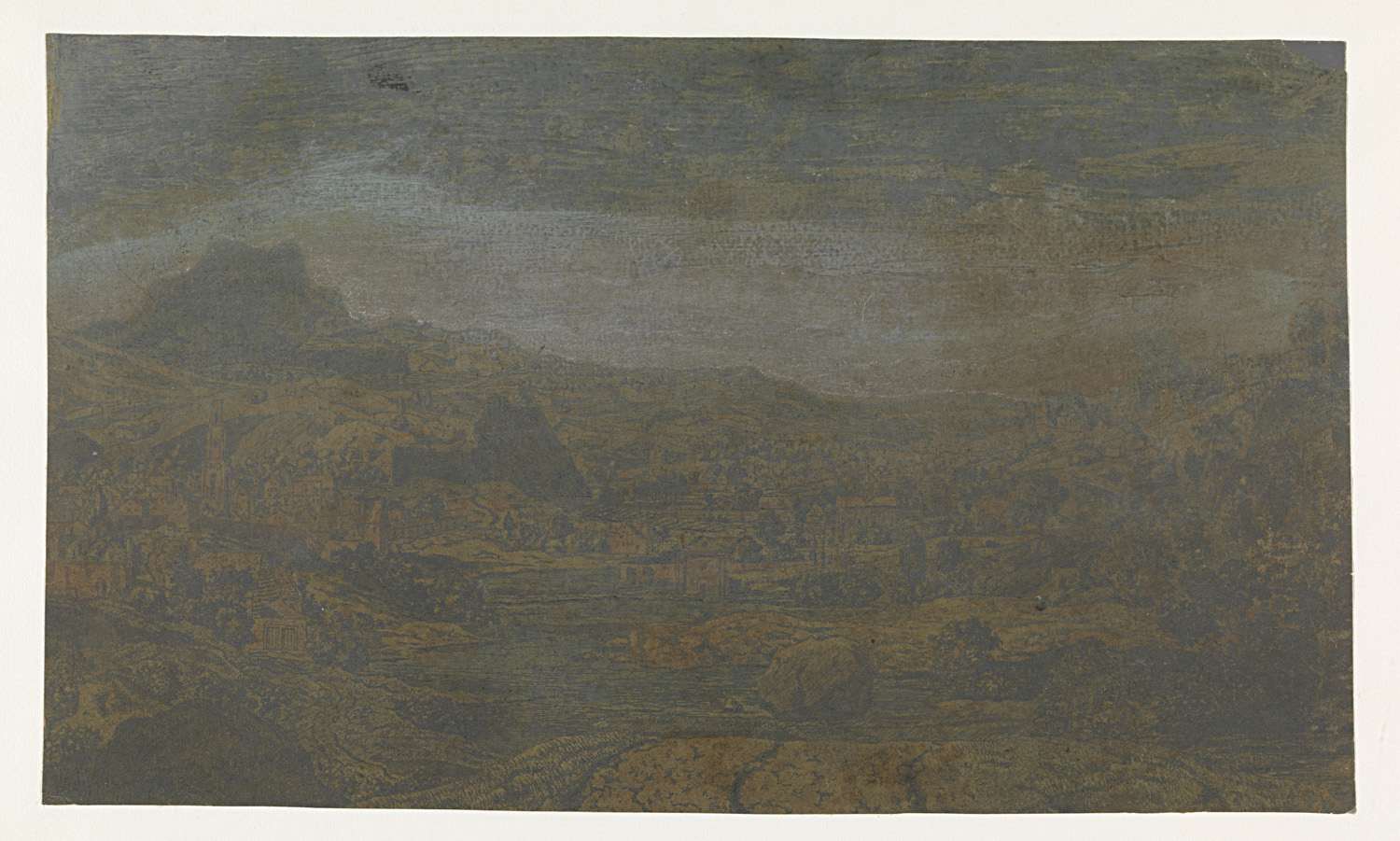
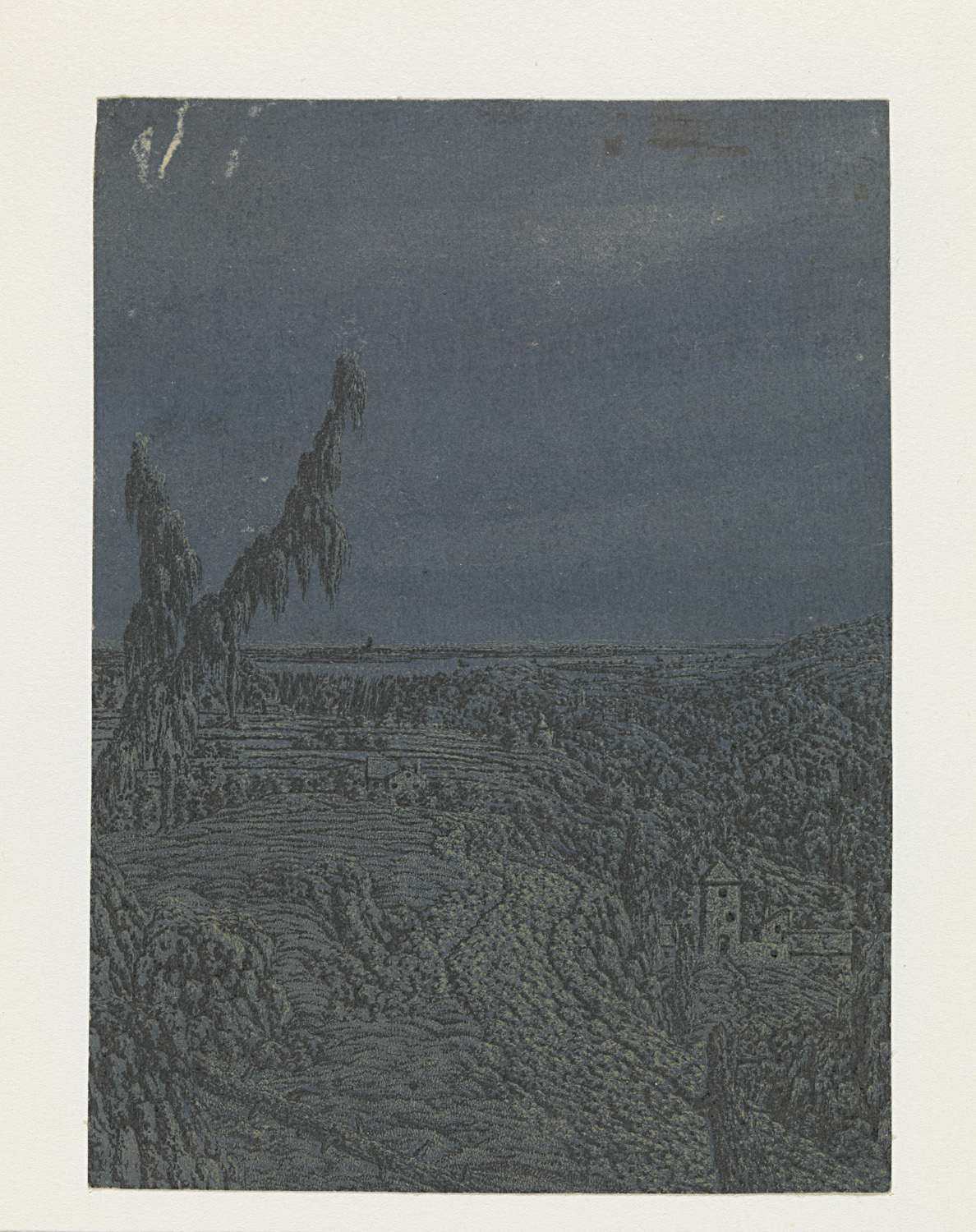
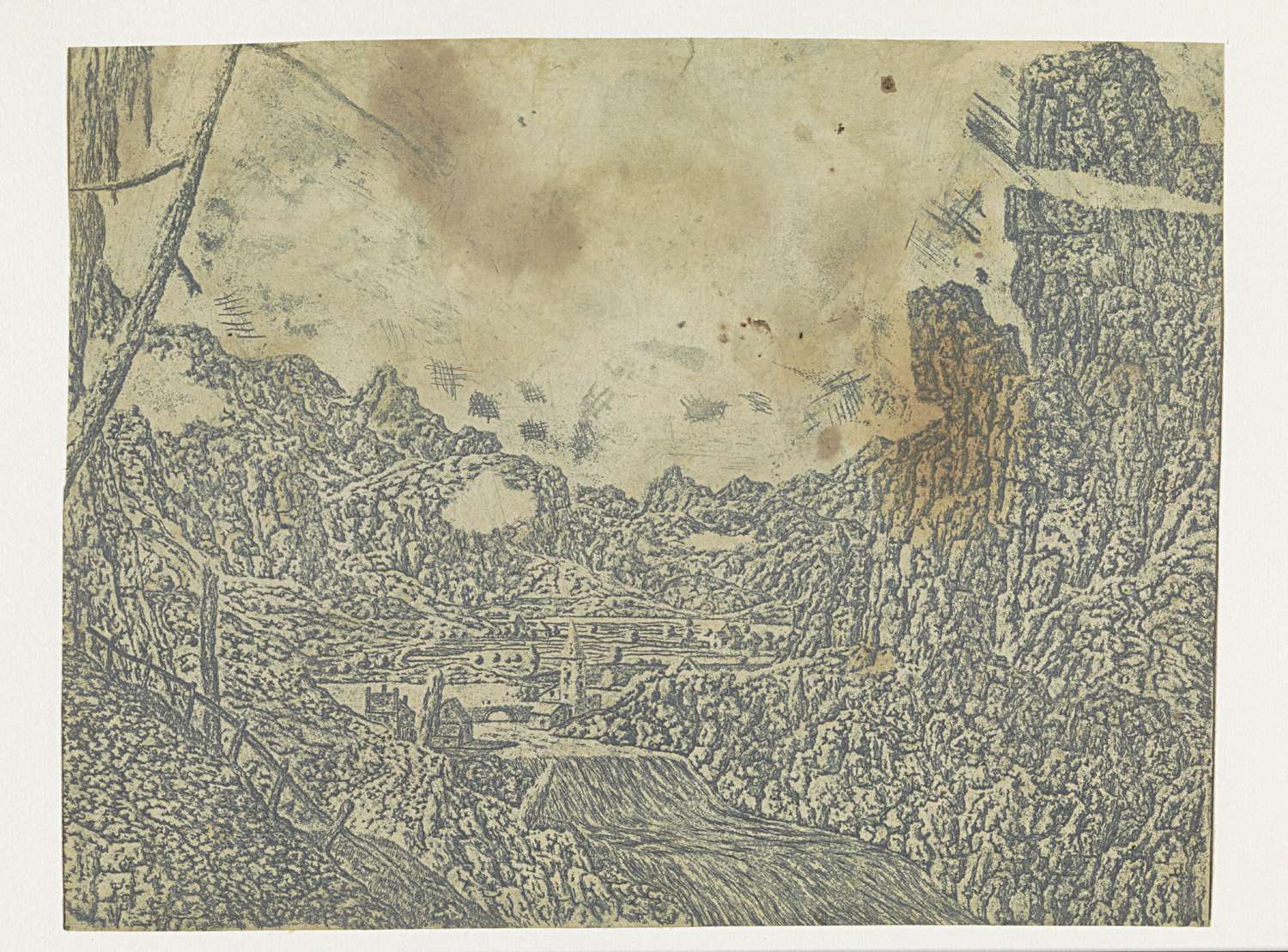
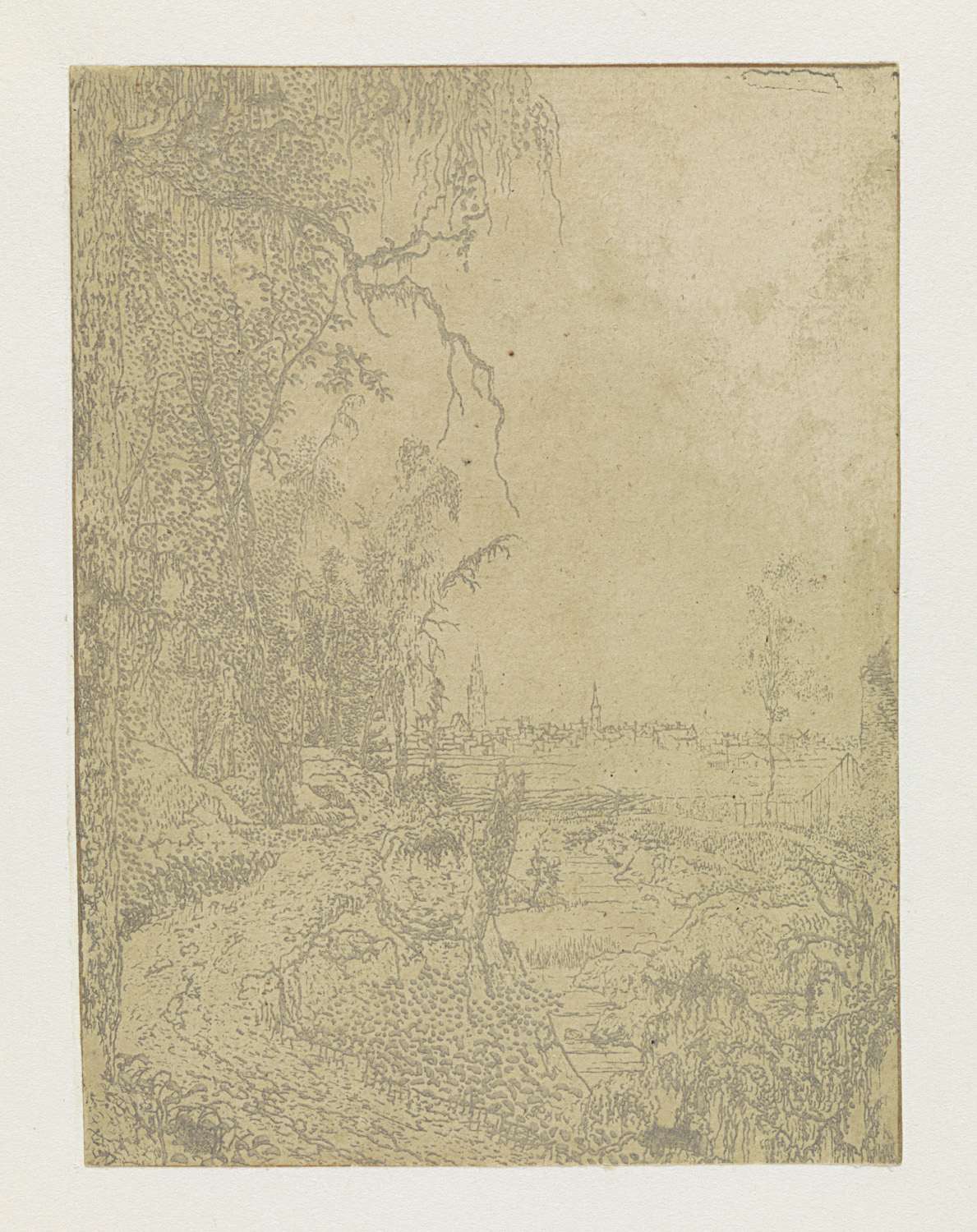
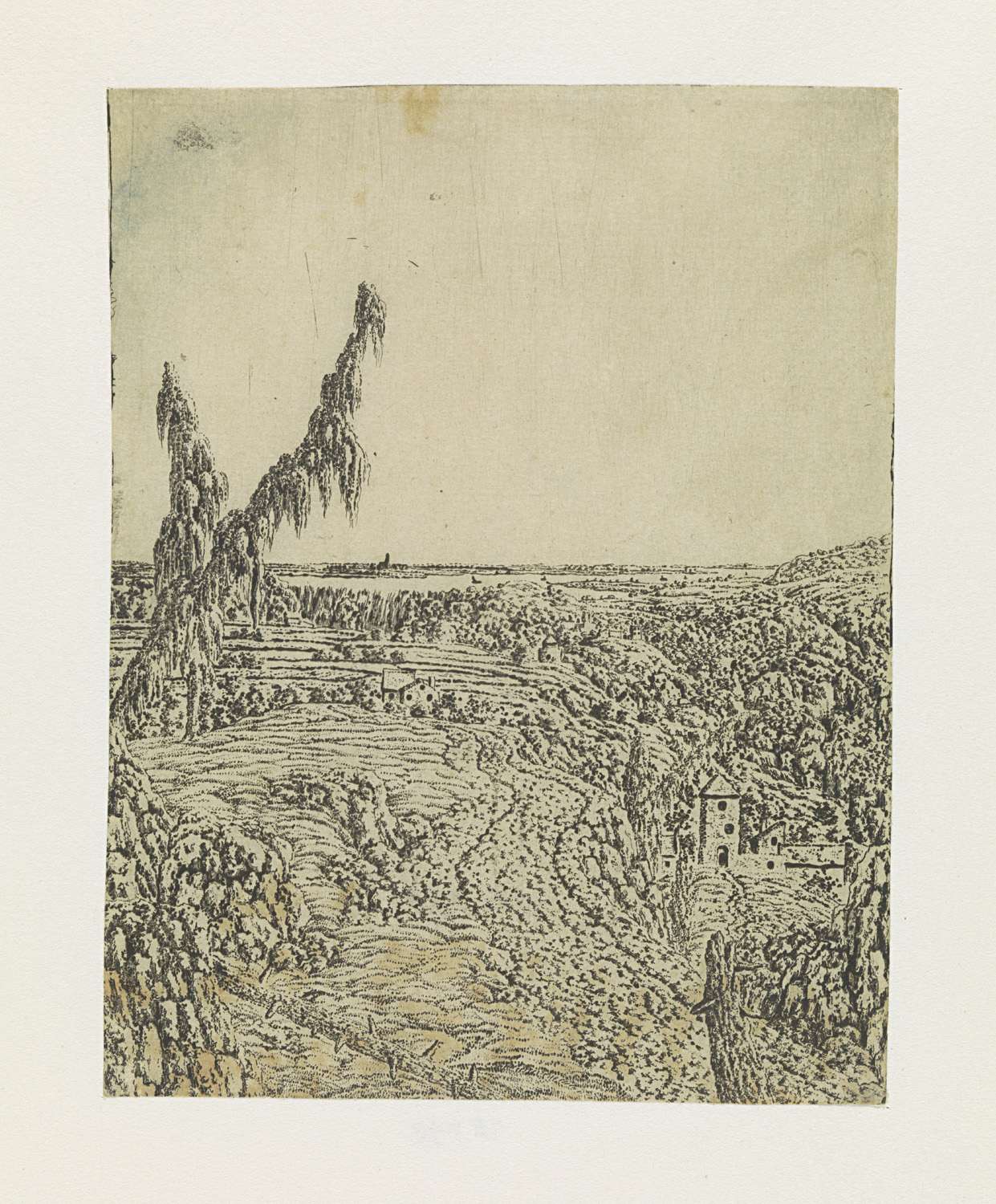
“Every silence here is a confession.” In the stillness of nature, where leaves whisper secrets to the wind, the essence of truth emerges quietly, enveloping the observer. Focus on the oak tree at the center, its gnarled branches reaching outward, as if inviting you to unravel its mysteries. Notice how Segers employs a gentle palette of greens and browns, creating a sense of harmony within the landscape. The distant hills fade into a soft, hazy blue, drawing your gaze towards the horizon, where the sky meets the earth in an embrace of ethereal light.
Each brushstroke conveys a sense of depth, pulling you into the serenity of this moment, while the delicate textures suggest a world both tranquil and profound. Beneath the surface, contrasts begin to emerge: the sturdy oak symbolizes resilience amid the ephemeral beauty of nature. The interplay of light and shadow evokes a tension between permanence and transience. Every detail—the flutter of grass, the faint curves of the hills—holds a significance that speaks to the broader themes of existence.
Here lies the tension between the solidity of the tree and the fleeting view beyond, prompting reflections on truth, memory, and the passage of time. Hercules Segers created this work between 1618 and 1622, during a transformative period in Dutch art. Emerging as a pioneer of landscape painting, Segers explored innovative techniques and unconventional perspectives that would influence future generations. Living in a time when the art world was experiencing a shift, he found himself amidst the burgeoning Dutch Golden Age, where nature began to hold a profound significance for artists and viewers alike.