Landscape with Haywain — History & Analysis
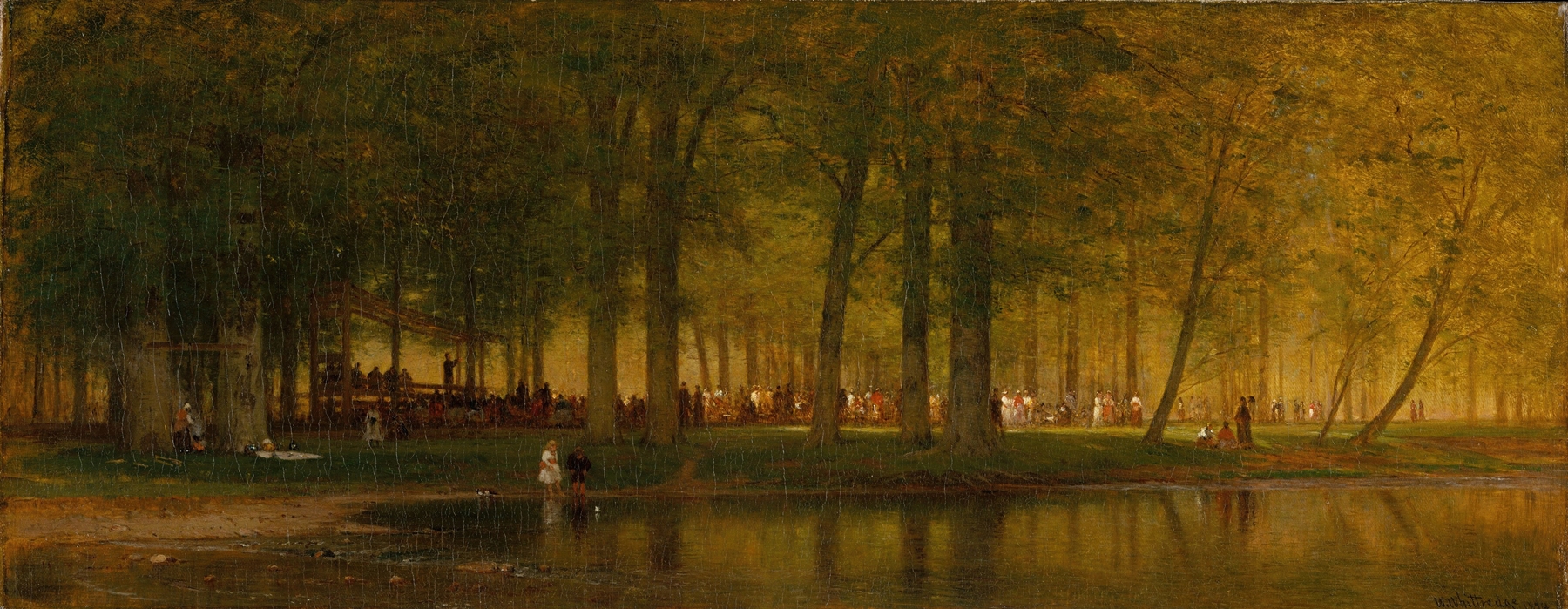
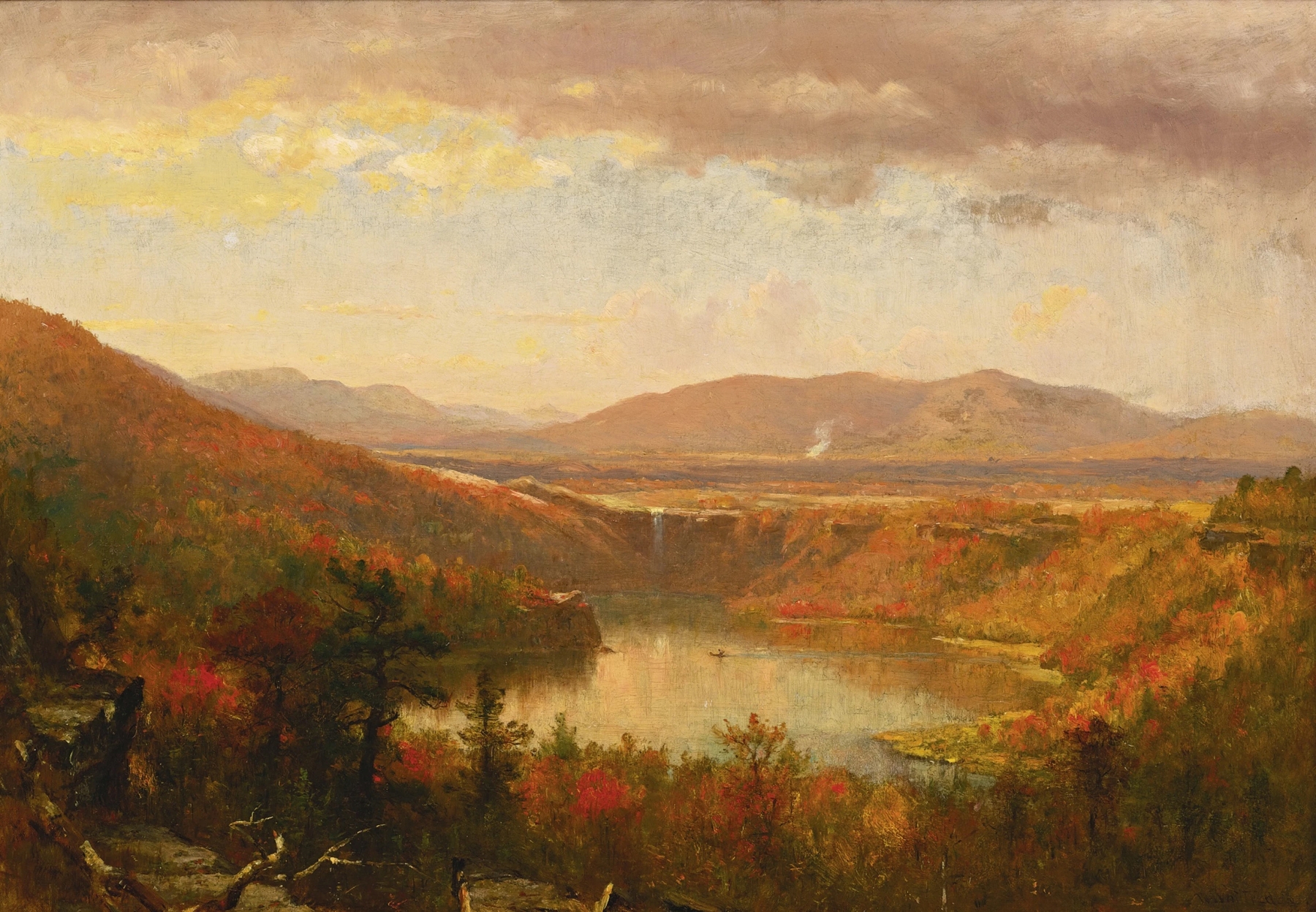
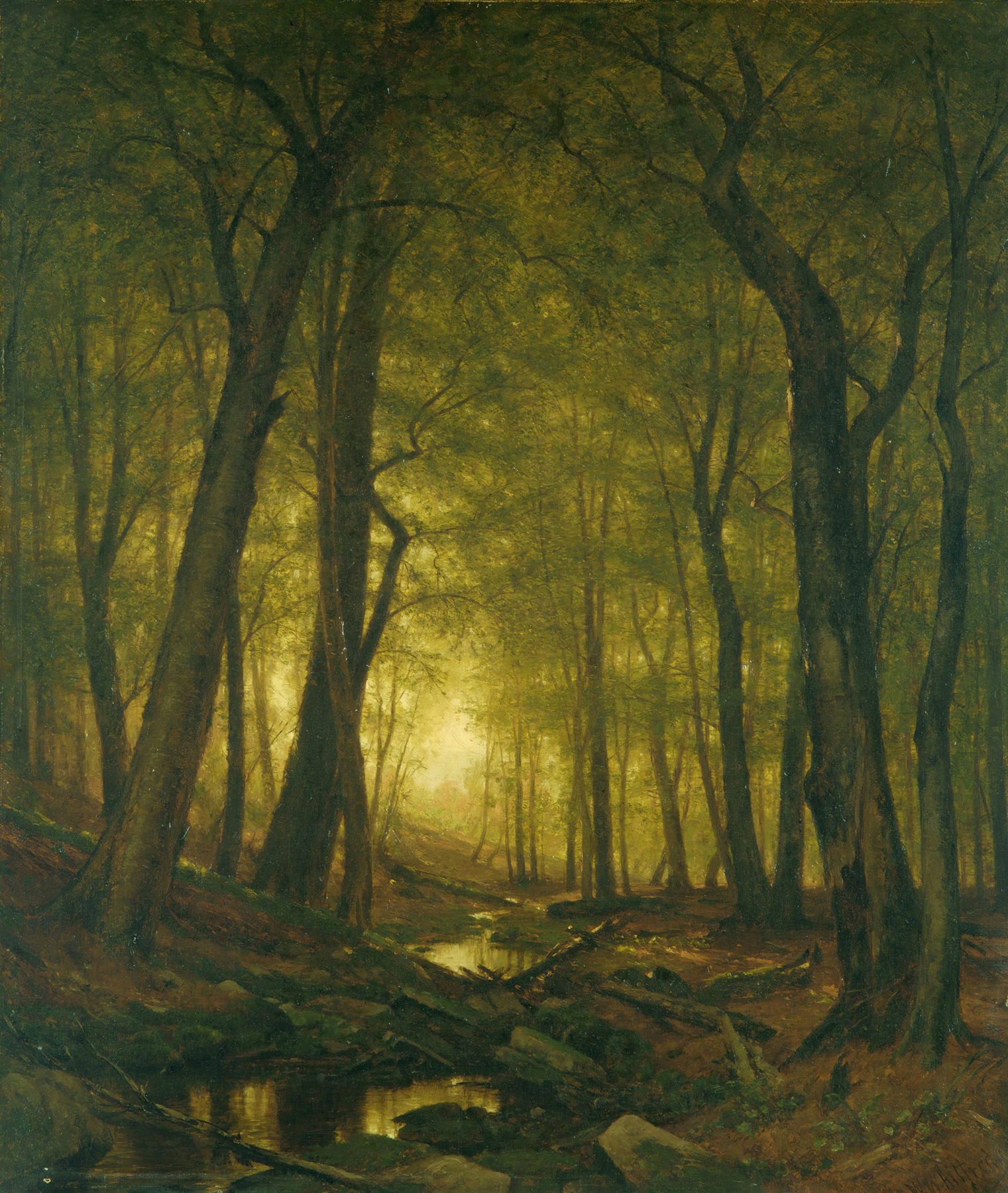
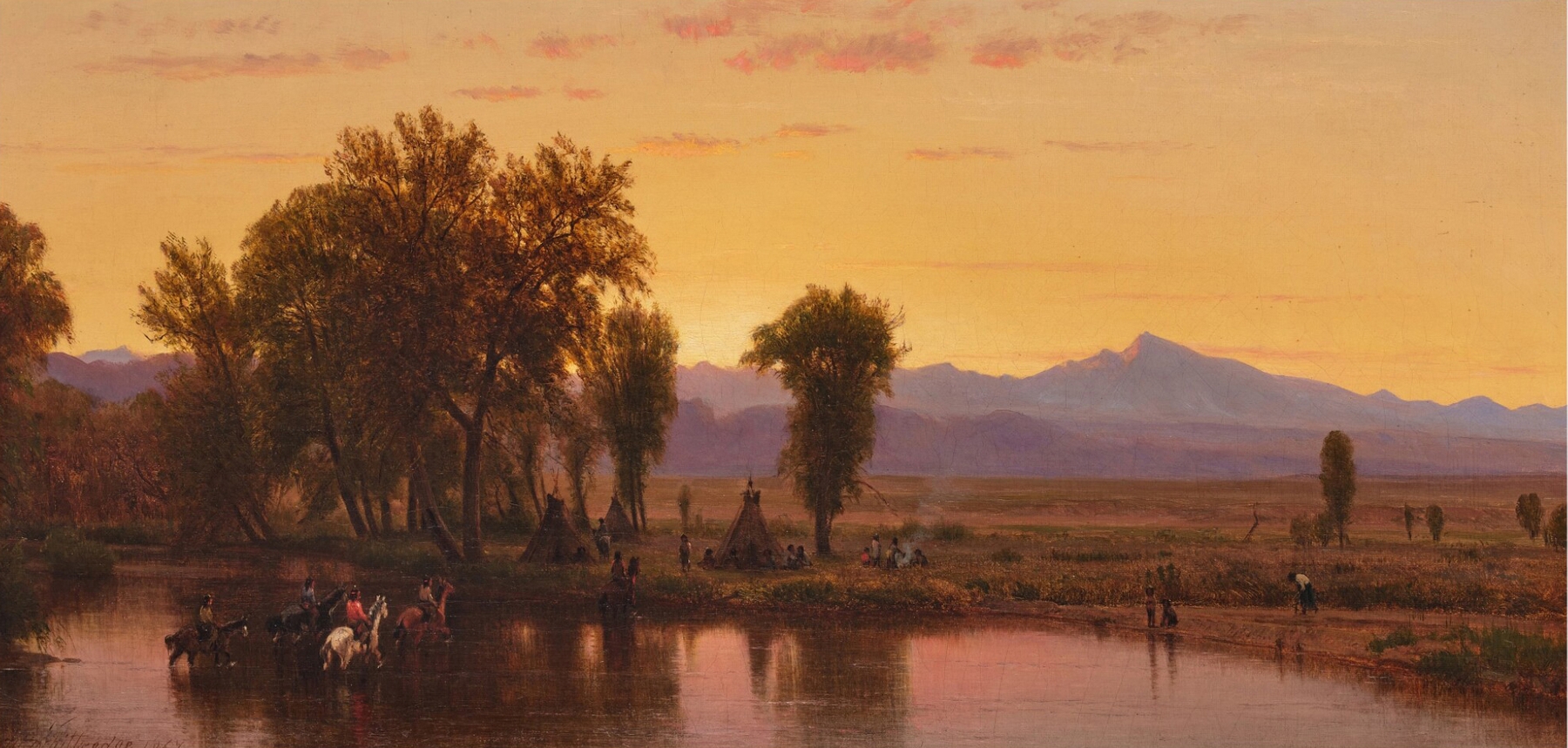
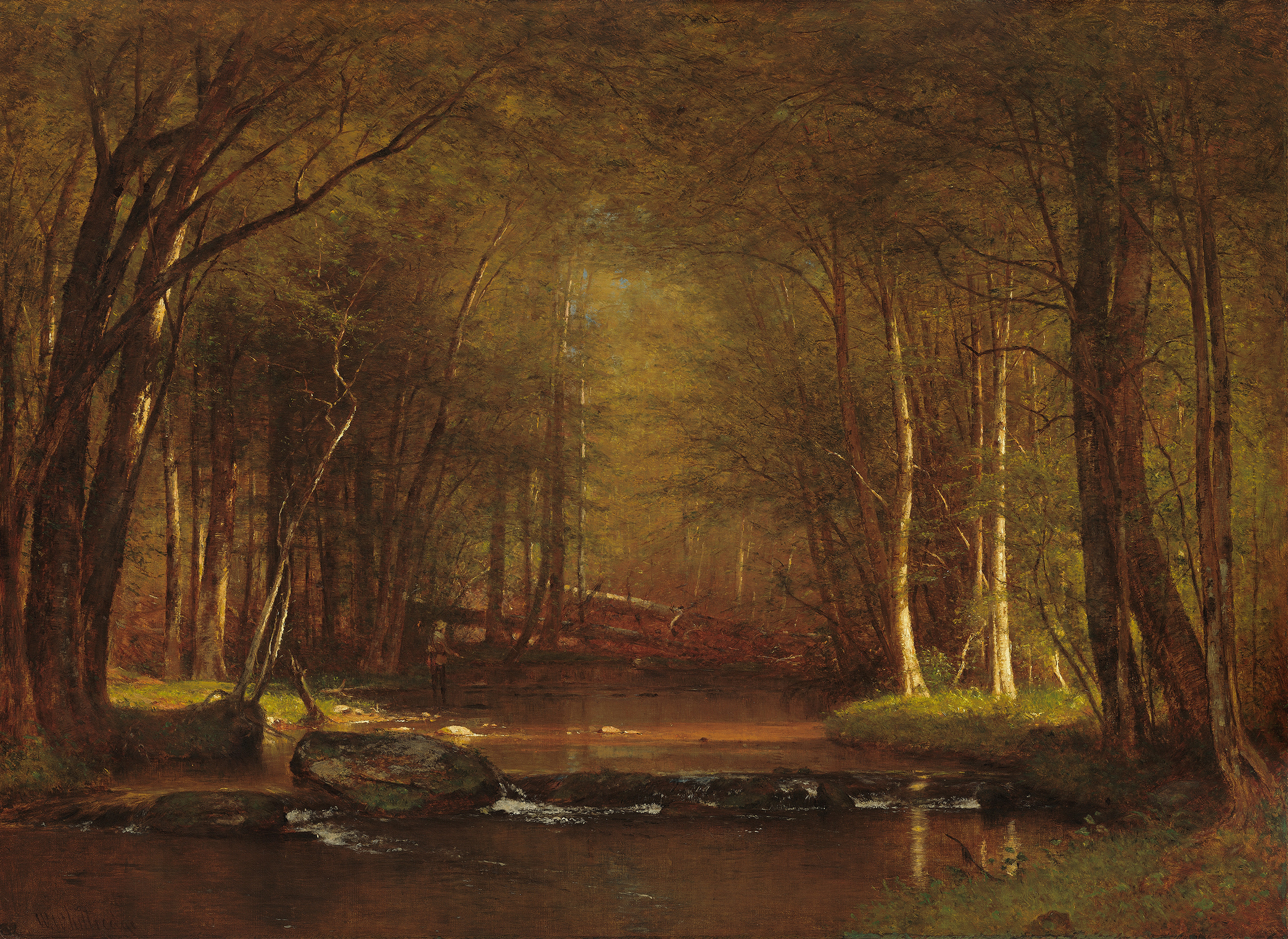
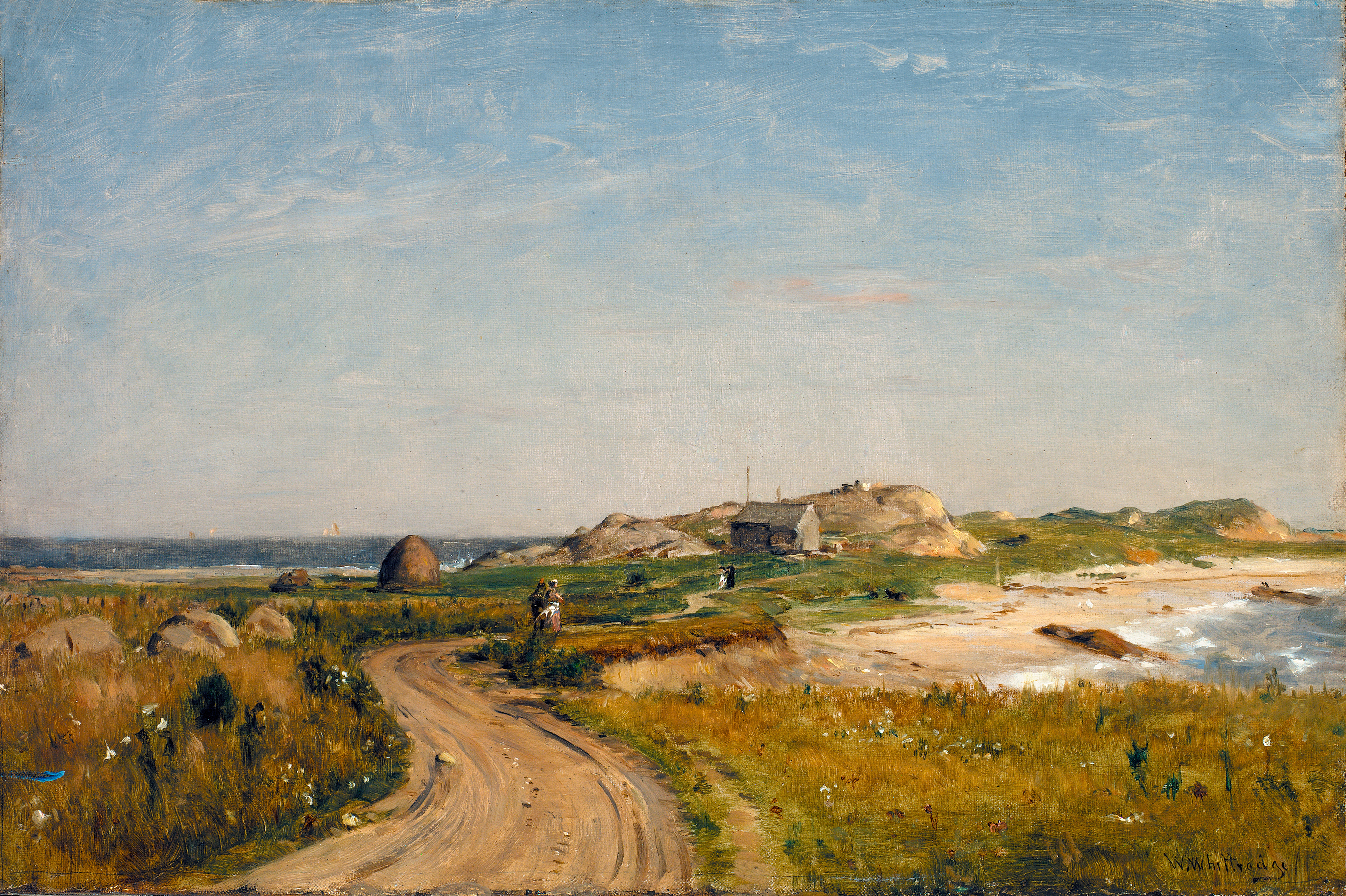
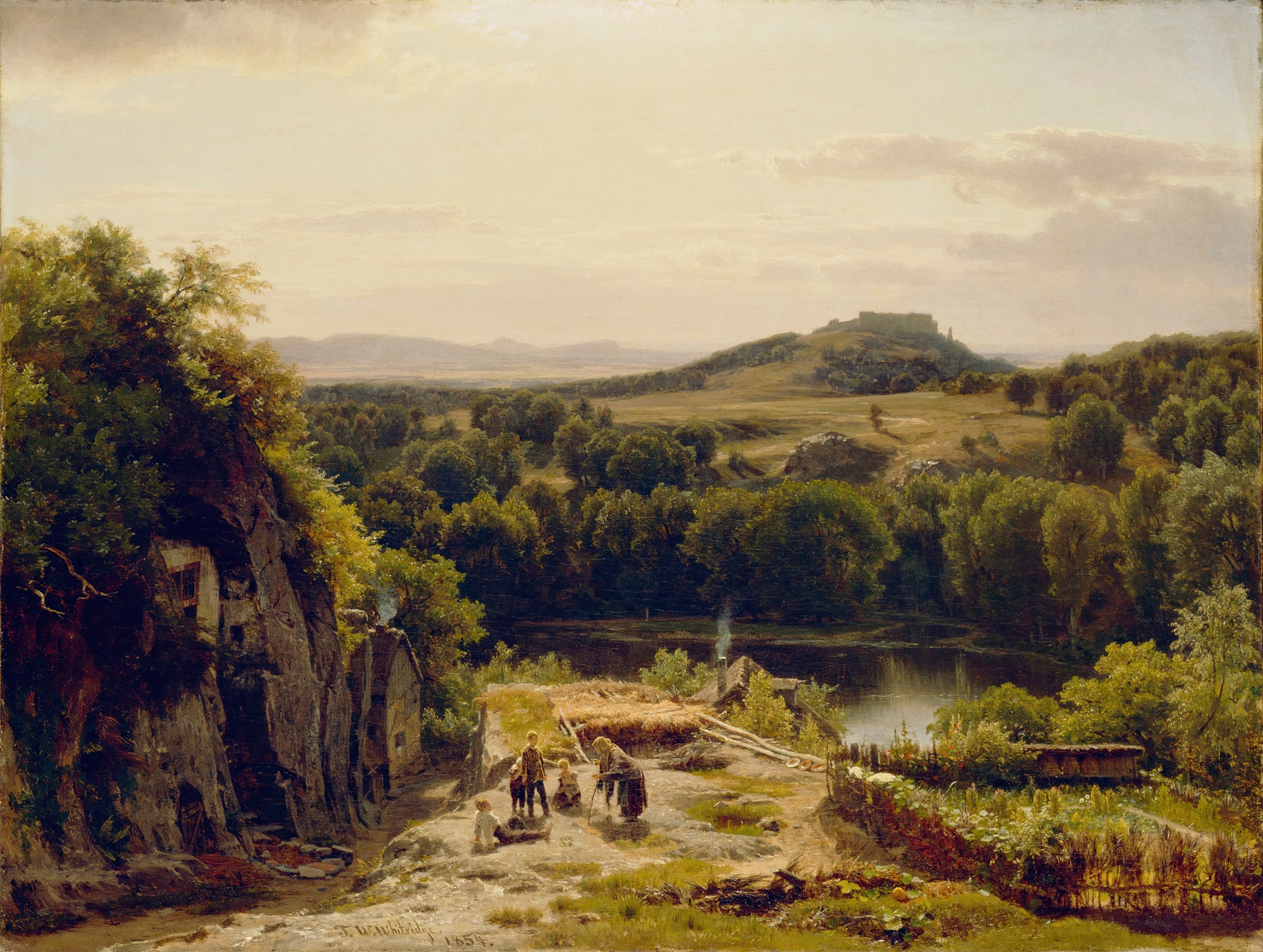
“The canvas doesn’t lie — it simply waits.” In a world where time ebbs and flows, we often seek solace in nature’s embrace, where every blade of grass whispers untold stories. Look to the foreground, where the haywain rests, a wooden wagon immersed in shimmering water, reflecting the gentle azure sky above. The vibrant greens of the surrounding landscape draw the eye, creating a sense of tranquility that belies the passage of time. Notice how the artist employs delicate brushstrokes to convey the softness of the foliage, each stroke harmonizing with the subtle interplay of light and shadow, inviting you to linger longer.
As you delve deeper, consider the contrast between the serene human presence and the untamed wildness encapsulated in the scene. The haywain, a symbol of pastoral labor, stands still against the currents, evoking feelings of nostalgia and the inevitability of change. The play of light accentuates the tension between the transient beauty of nature and the enduring memories we carry, suggesting that every moment, while fleeting, leaves an indelible mark.
In 1861, Whittredge was immersed in the Hudson River School movement, which celebrated the American landscape. This period in his life was marked by a burgeoning appreciation for nature’s grandeur, as the nation grappled with its identity amidst the upheaval of the Civil War. The painting reflects both his deep familial ties to the rural life and the broader artistic trend, capturing a moment of peaceful coexistence between man and nature, a fleeting glimpse into a world both present and timeless.