Landscape with Rider — History & Analysis
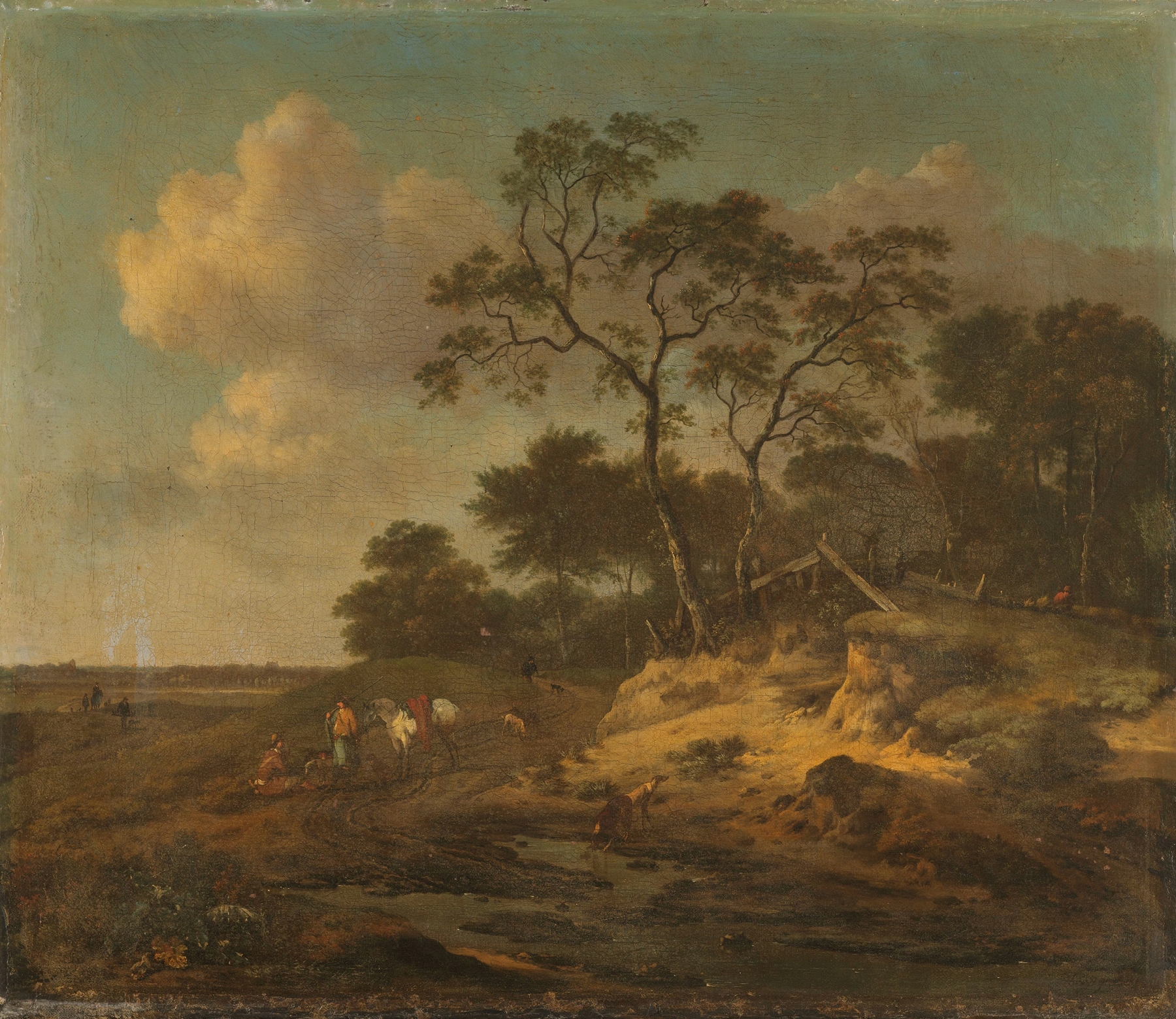
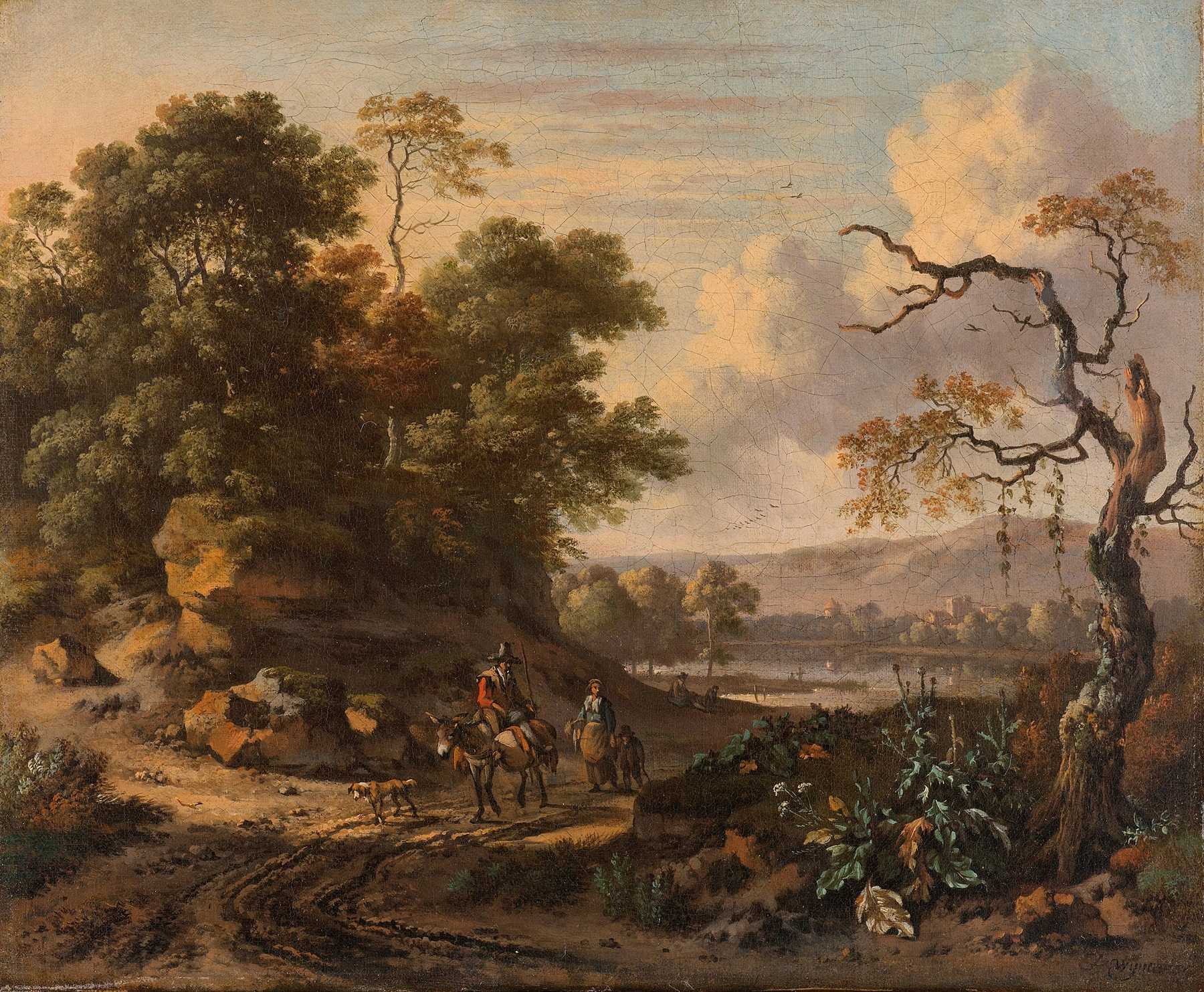
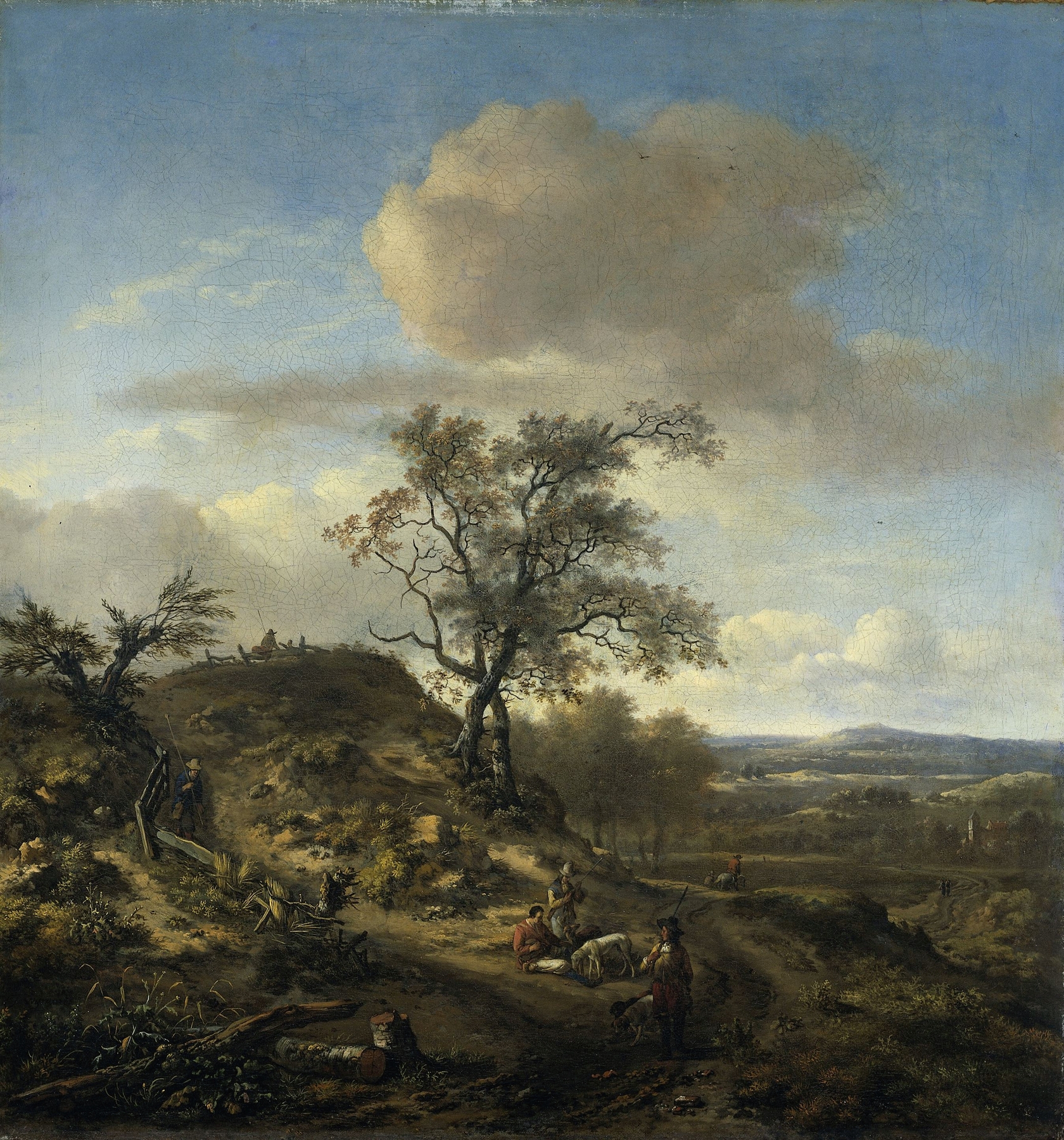
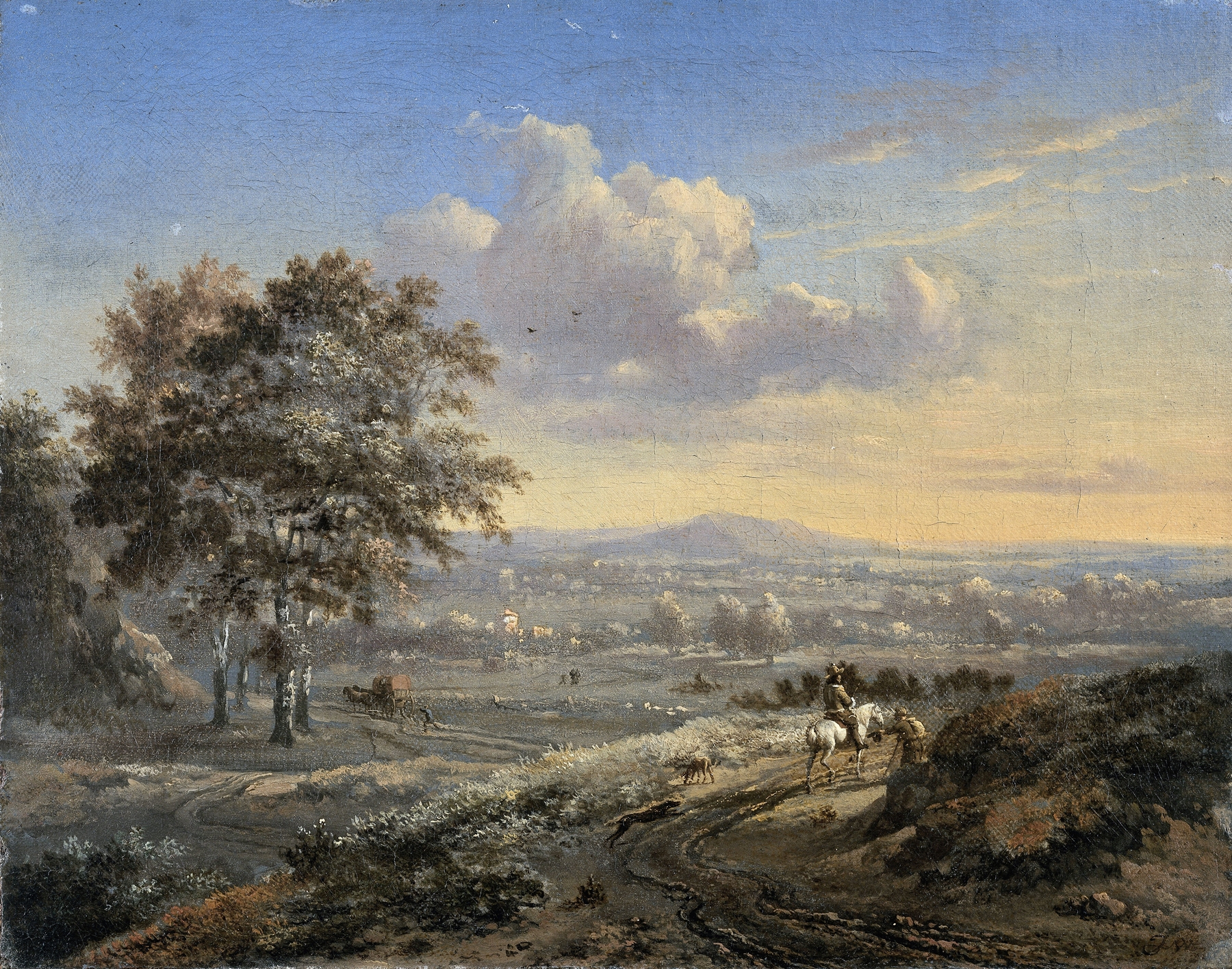
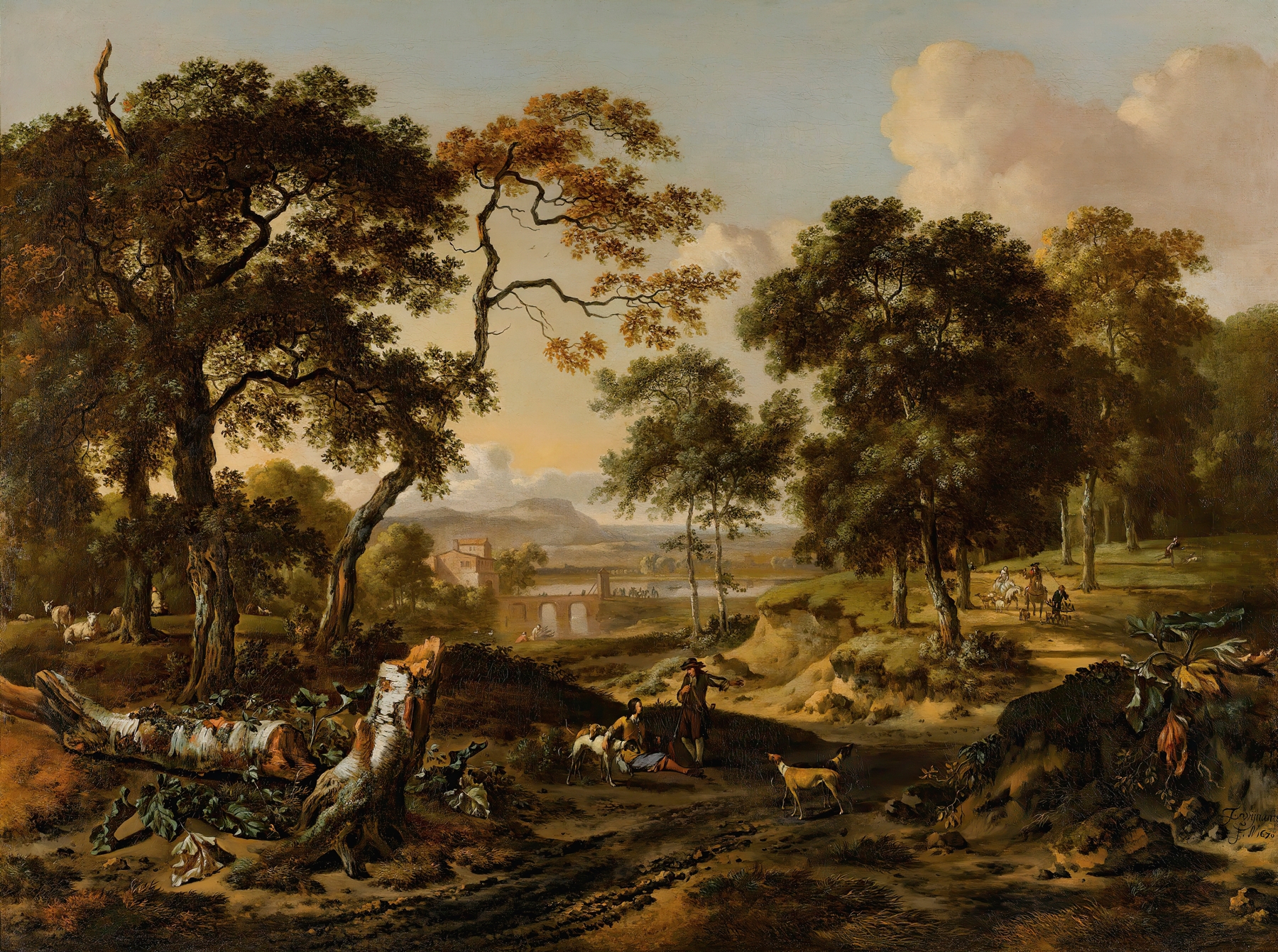
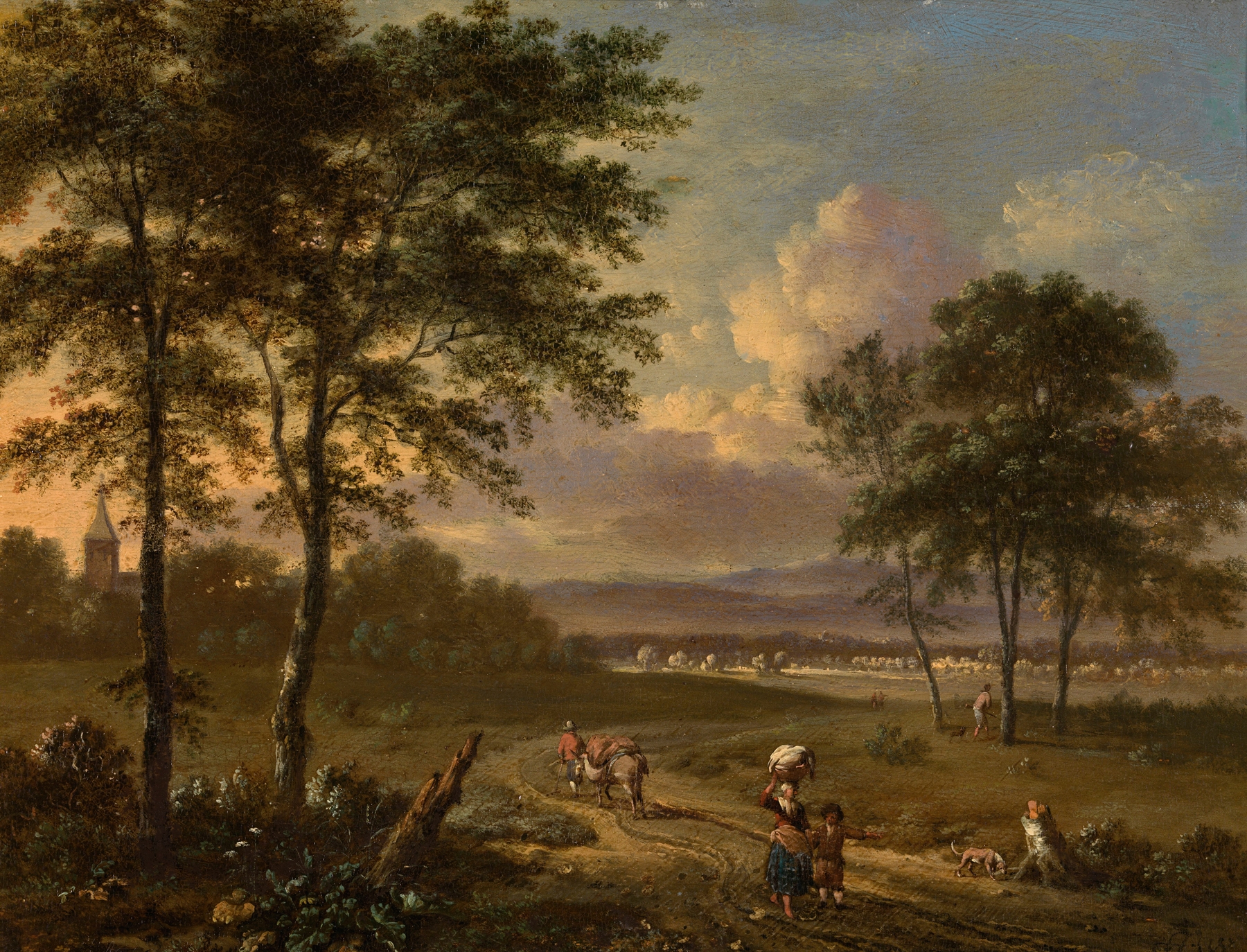
“Between color and silence, truth hides.” In the delicate balance of chaos and calm, a landscape unfolds where the whispers of nature coexist with the echo of madness—a paradox within serenity. Begin by looking to the left at the verdant fields that stretch towards the horizon, an inviting green punctuated by dappled sunlight. Notice how the deep, earthy tones of the foliage contrast with the lighter hues of the sky, an expanse of blue that seems to breathe. The lone rider, placed slightly off-center, draws your gaze as he navigates this vast expanse, his figure both a part of the scene and an isolated note within this symphony of color.
The way light dances upon the leaves, illuminating them while casting deeper shadows beneath, hints at both the beauty and unpredictability of the world. As you explore further, consider the rider’s expression—calm yet distant, suggesting an internal struggle between the tranquility of the land and the tumult within. The intricate detailing of the grass, swaying gently, evokes a sense of vulnerability, as if the earth itself is aware of the madness that lurks in human hearts.
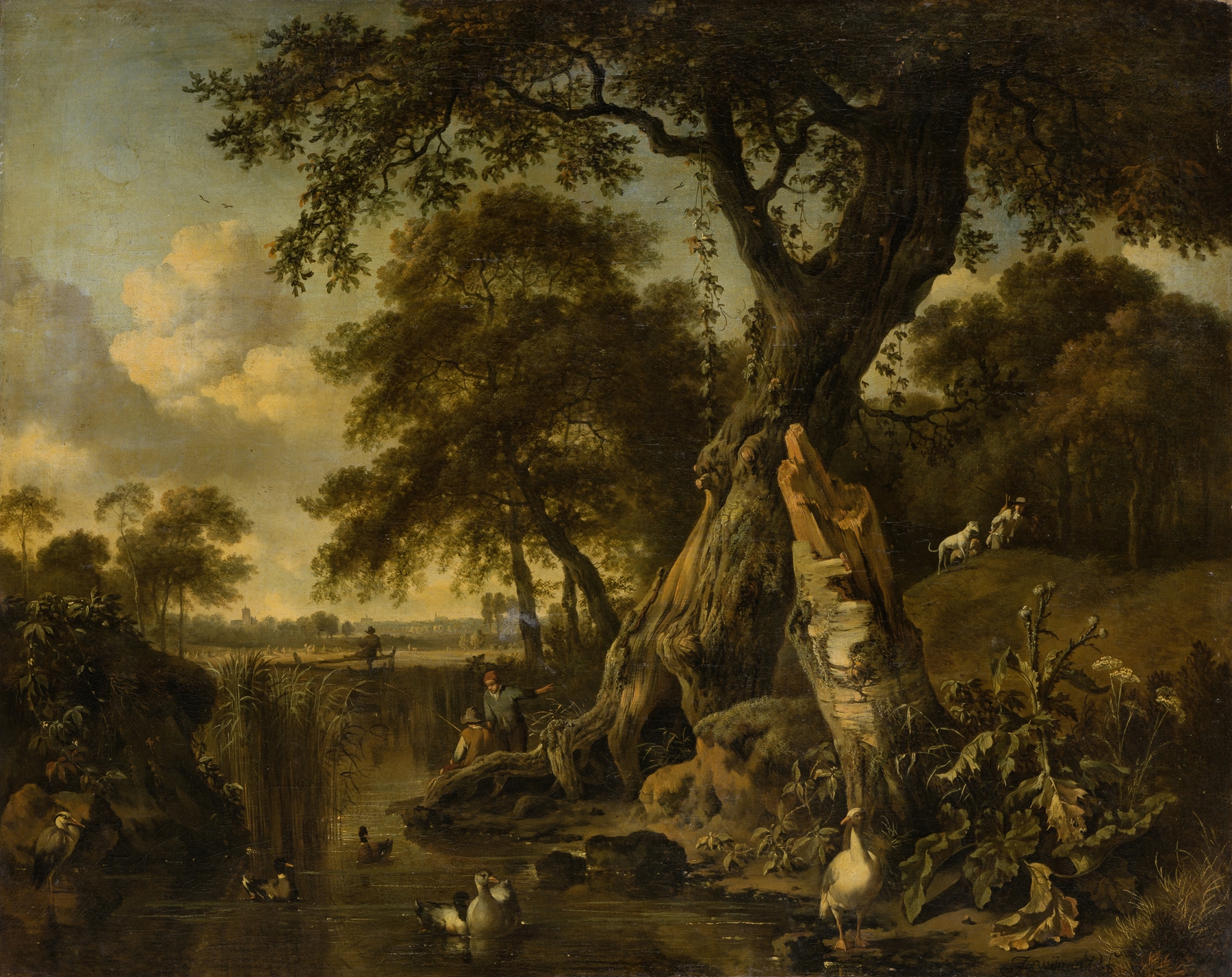
The juxtaposition of nature's tranquility against the solitary figure amplifies the emotional tensions embedded within the scene, revealing a landscape where peace and impending chaos coexist. In 1670, Wijnants painted this piece during a period characterized by an interest in landscape as a genre, echoing the shift from baroque to a more tranquil approach to nature. Living in the Netherlands, where the art scene was flourishing with the likes of Rembrandt, he sought to capture not just the outward beauty of the countryside, but also the complexities of human emotion intertwined with it.