Landscape with the Ruins of the Castle of Egmond — History & Analysis
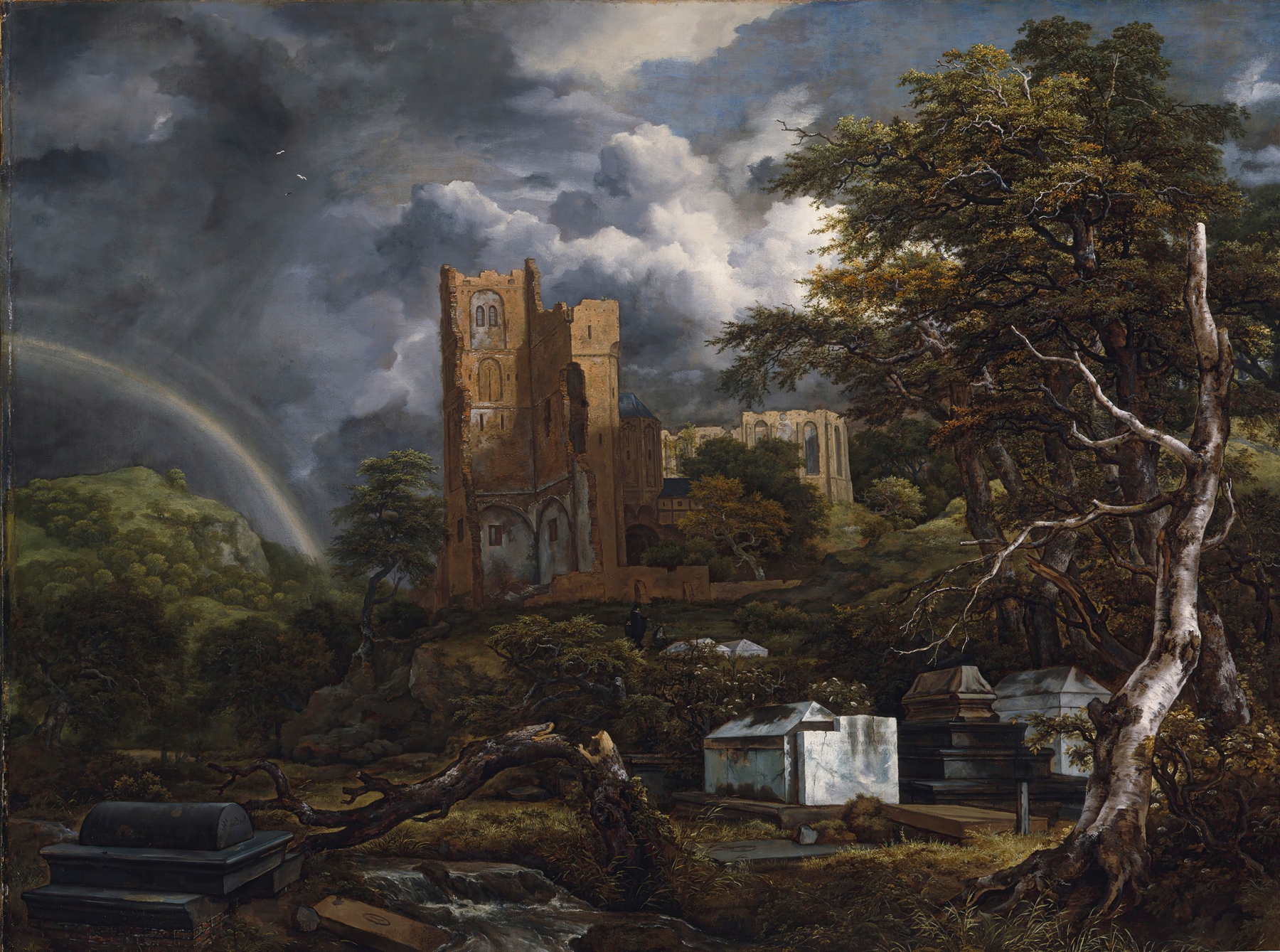
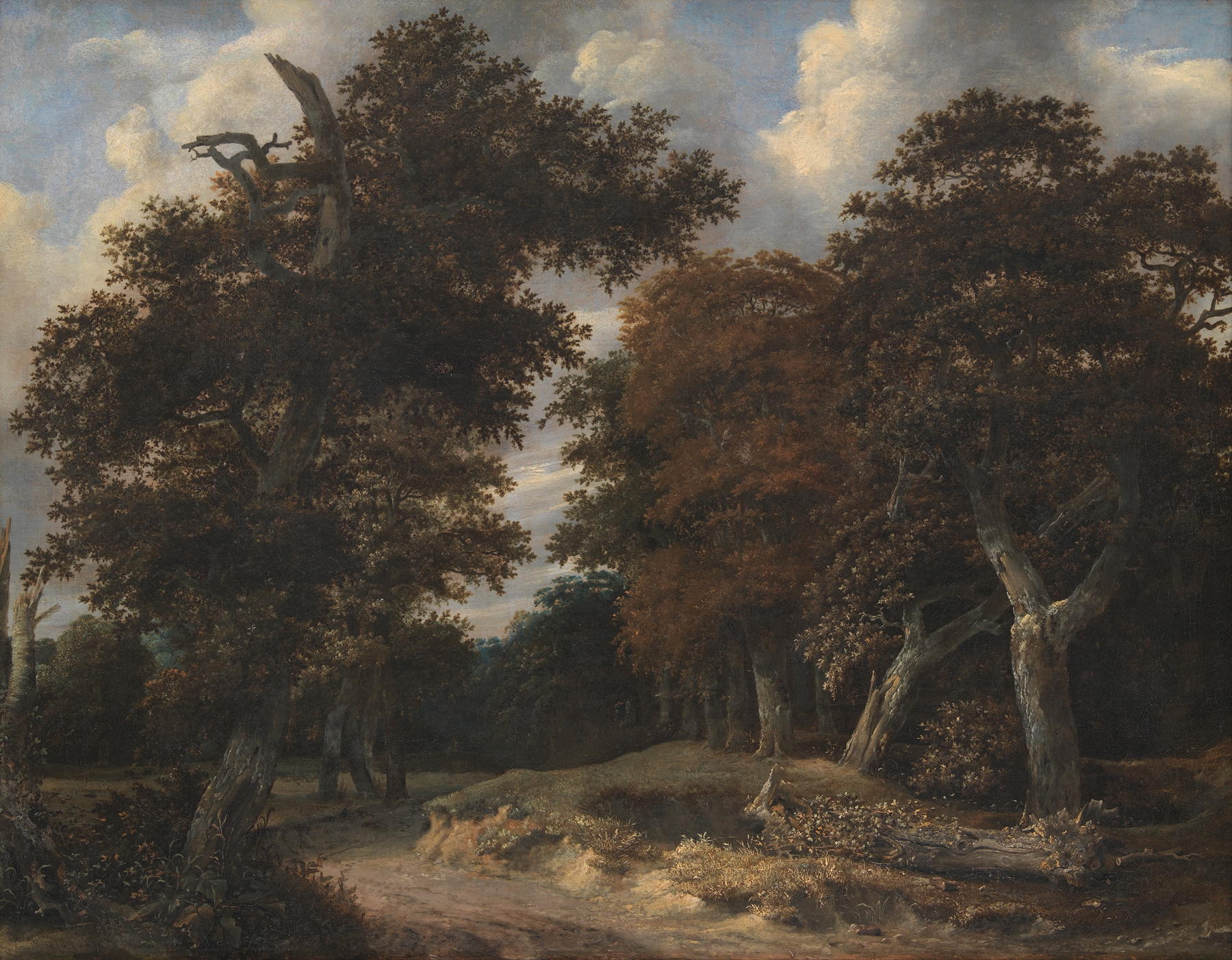
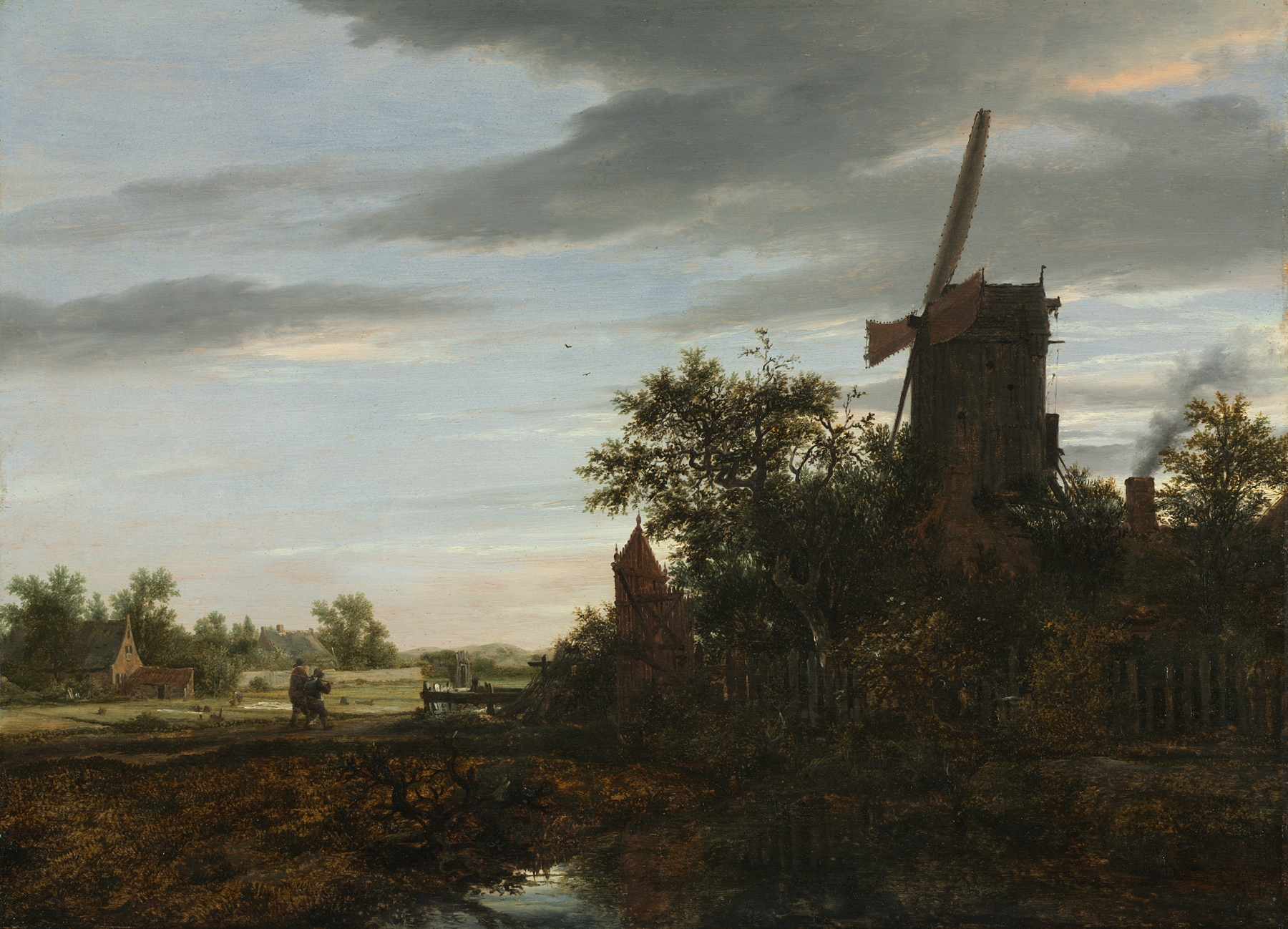
Could a single brushstroke hold eternity? In Landscape with the Ruins of the Castle of Egmond, the artist invites us to explore not just the remnants of a forgotten structure, but the deeper implications of time and memory entwined with color. Look to the left at the majestic ruins, rising like a ghost from the verdant landscape. The earthy browns of the stone contrast sharply with the vibrant greens and soft blues of the surrounding fields and sky. Notice how the light plays upon the surfaces, creating a delicate balance between shadow and brilliance, which draws the eye toward the horizon where the castle stands silhouetted against the vast expanse.
The meticulous detail of the foliage surrounding the ruins demonstrates a masterful command of texture, revealing the artist's dedication to both realism and atmospheric depth. Beneath the surface, the painting evokes an emotional tension between decay and vitality. The crumbling edifice suggests lost grandeur, while the lush nature surrounding it symbolizes resilience and rebirth. The color palette, rich with earthy tones and flecks of brightness, hints at the cyclical nature of existence—highlighting the inevitable passage of time yet celebrating the beauty that perseveres.
Every brushstroke contrasts the fragility of human creations with the enduring spirit of the landscape. During the years 1650 to 1655, Jacob van Ruisdael was deeply engaged in capturing the Dutch landscape, reflecting both national pride and personal introspection. Living in Haarlem, at a time when the art world was flourishing in the Netherlands, he was influenced by the burgeoning interest in naturalistic representation. This painting stands as a testament to his mastery and contemplative exploration of the relationship between humanity and nature.