Landscape with Trees and Windmill — History & Analysis
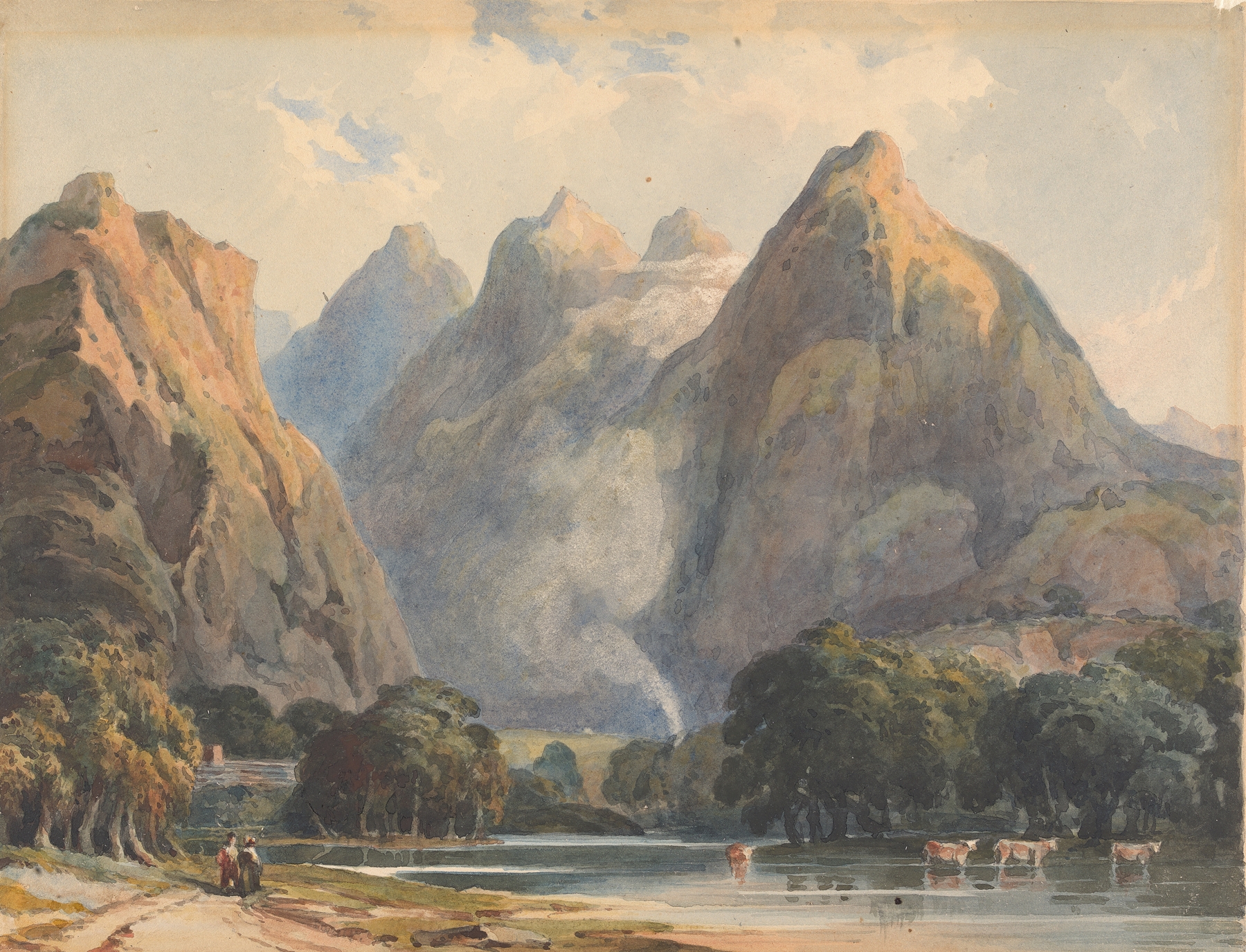
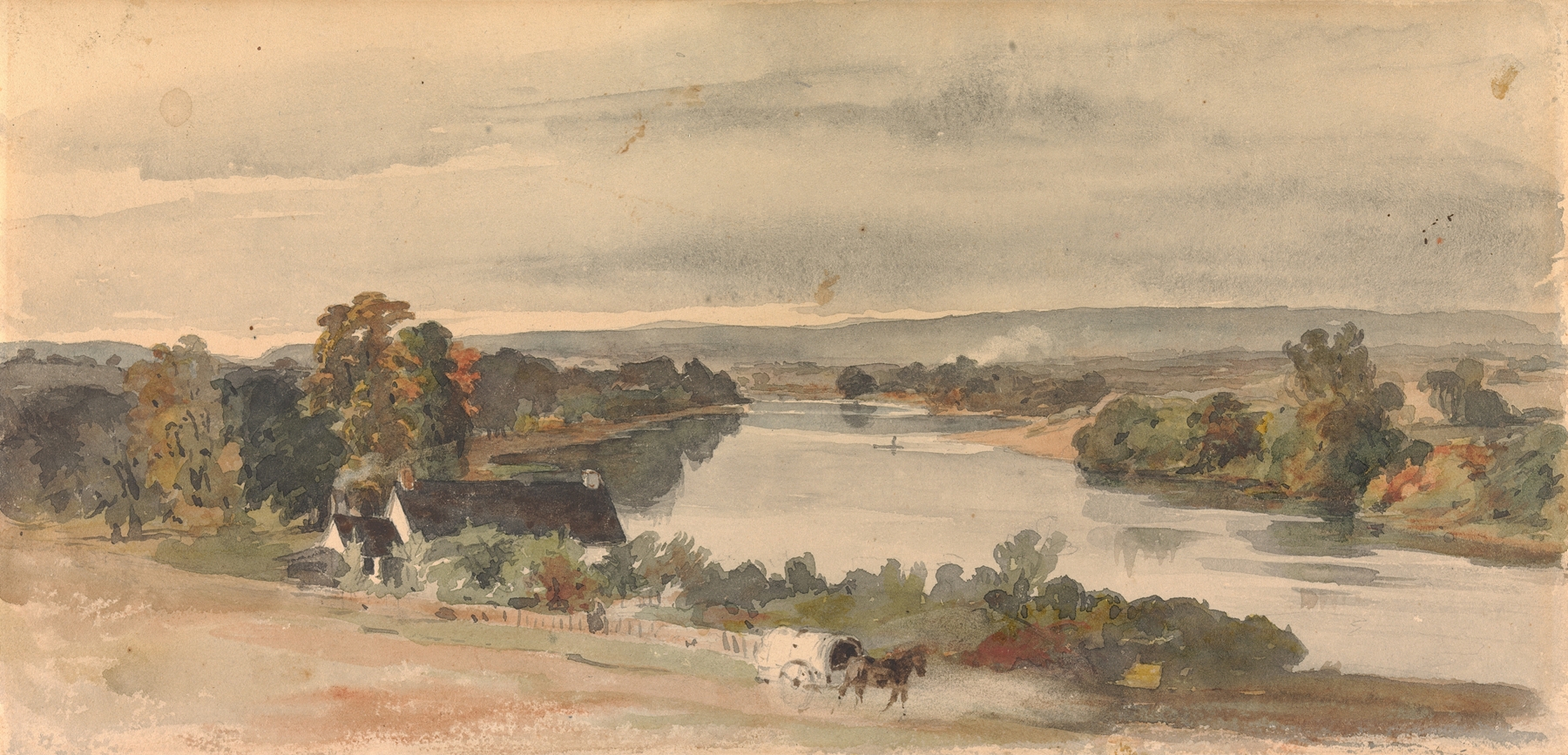
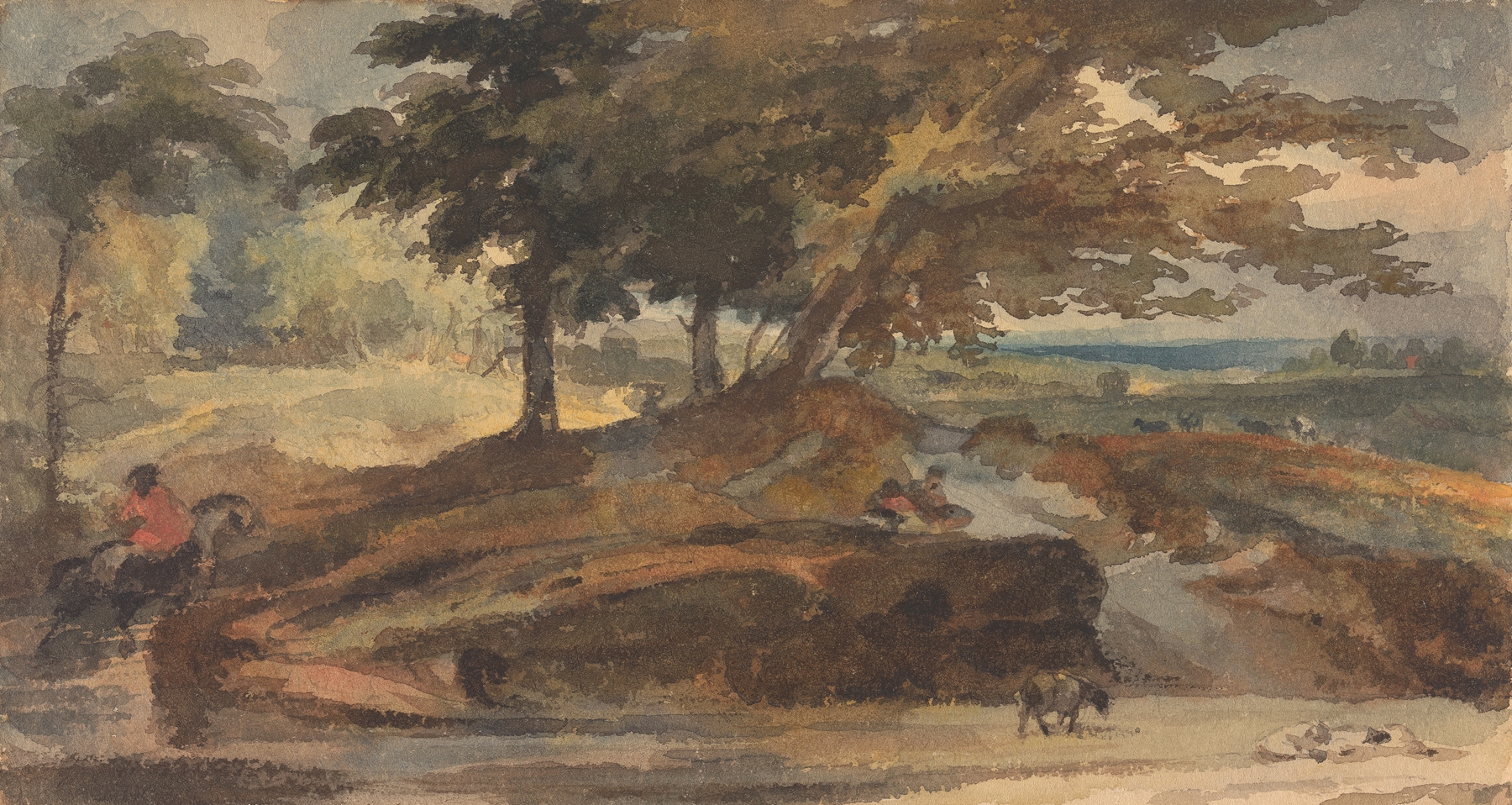
Is this a mirror — or a memory? In Landscape with Trees and Windmill, the lush greenery and the gentle curve of the river beckon viewers to ponder the illusions of time and the stories that nature holds close. Look to the right at the windmill, its white sails stark against the deep blues and greens of the foliage. The delicate strokes of the artist's brush breathe life into the scene, inviting your gaze to travel across the canvas from the serene foreground to the distant horizon.
Soft light filters through the clouds, casting a warm glow that enhances the vibrancy of the landscape, suggesting a moment suspended in serene beauty. Yet, beneath this tranquil surface lies an undercurrent of tension. The trees, swaying slightly as if whispering secrets to one another, evoke a sense of longing or betrayal, hinting at stories untold. The windmill, a symbol of human endeavor, stands resolutely against the movement of nature, perhaps representing the conflict between man's ambition and the enduring force of the environment.
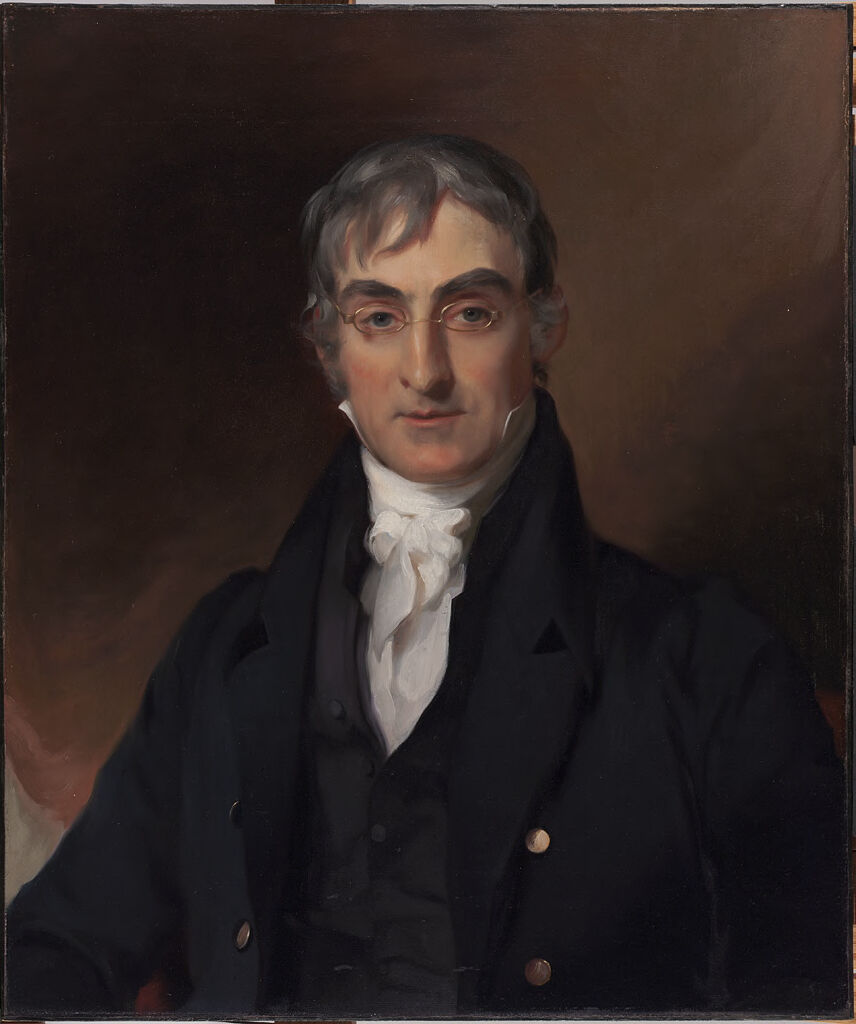
This juxtaposition creates a profound dialogue, one that speaks to the fragility of peace in the face of change. During the mid-19th century, Thomas Sully painted this work while grappling with the complexities of his own artistic journey. Living in America, he was influenced by a growing appreciation for landscape painting as a distinct genre. The art world was evolving, and his contributions marked a significant departure from earlier styles, capturing not just the beauty of nature but also its more intricate emotional layers.