From ‘Charley’s Hope’ Mrs. Griffiths Place, Near Brunswick, New Jersey — History & Analysis
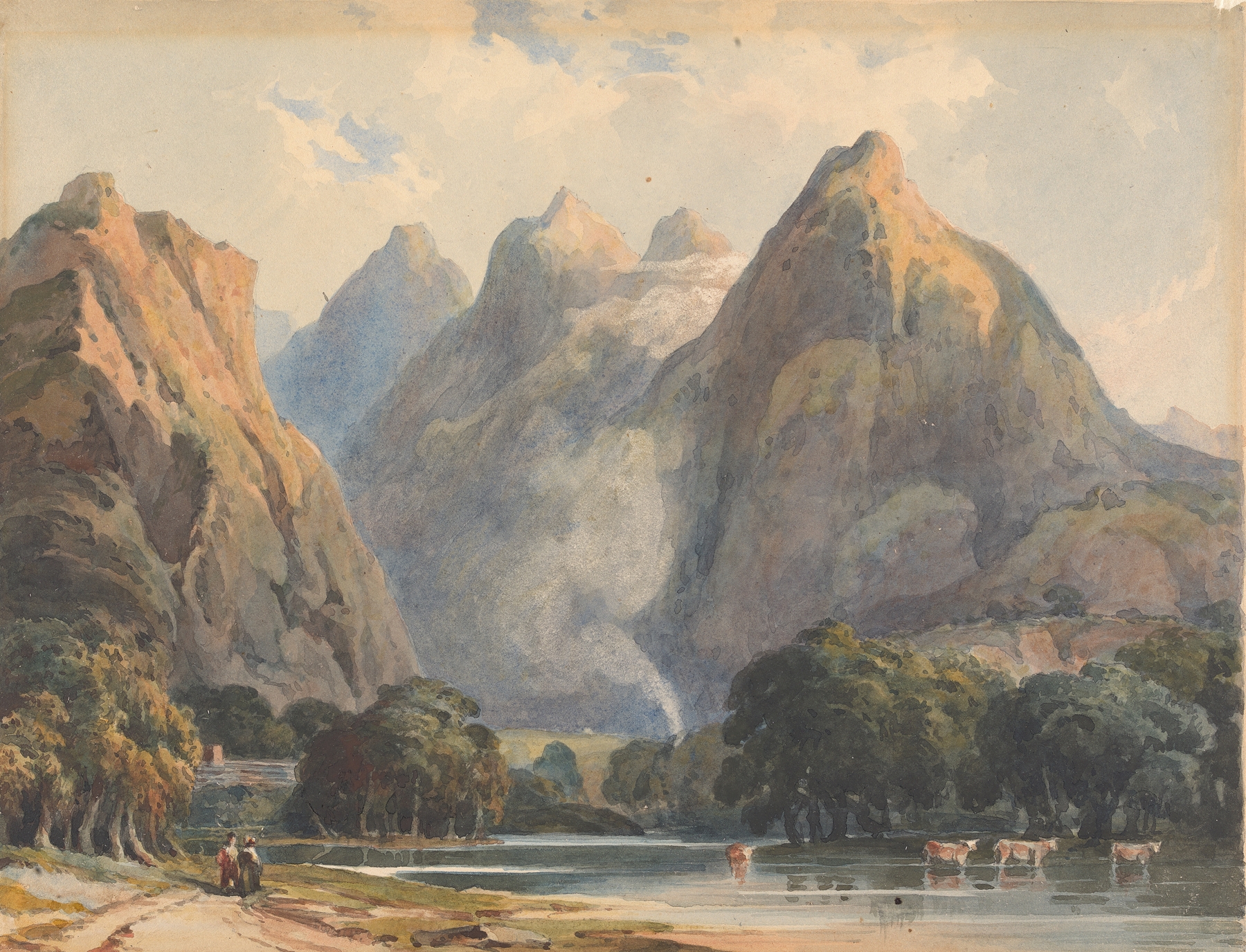
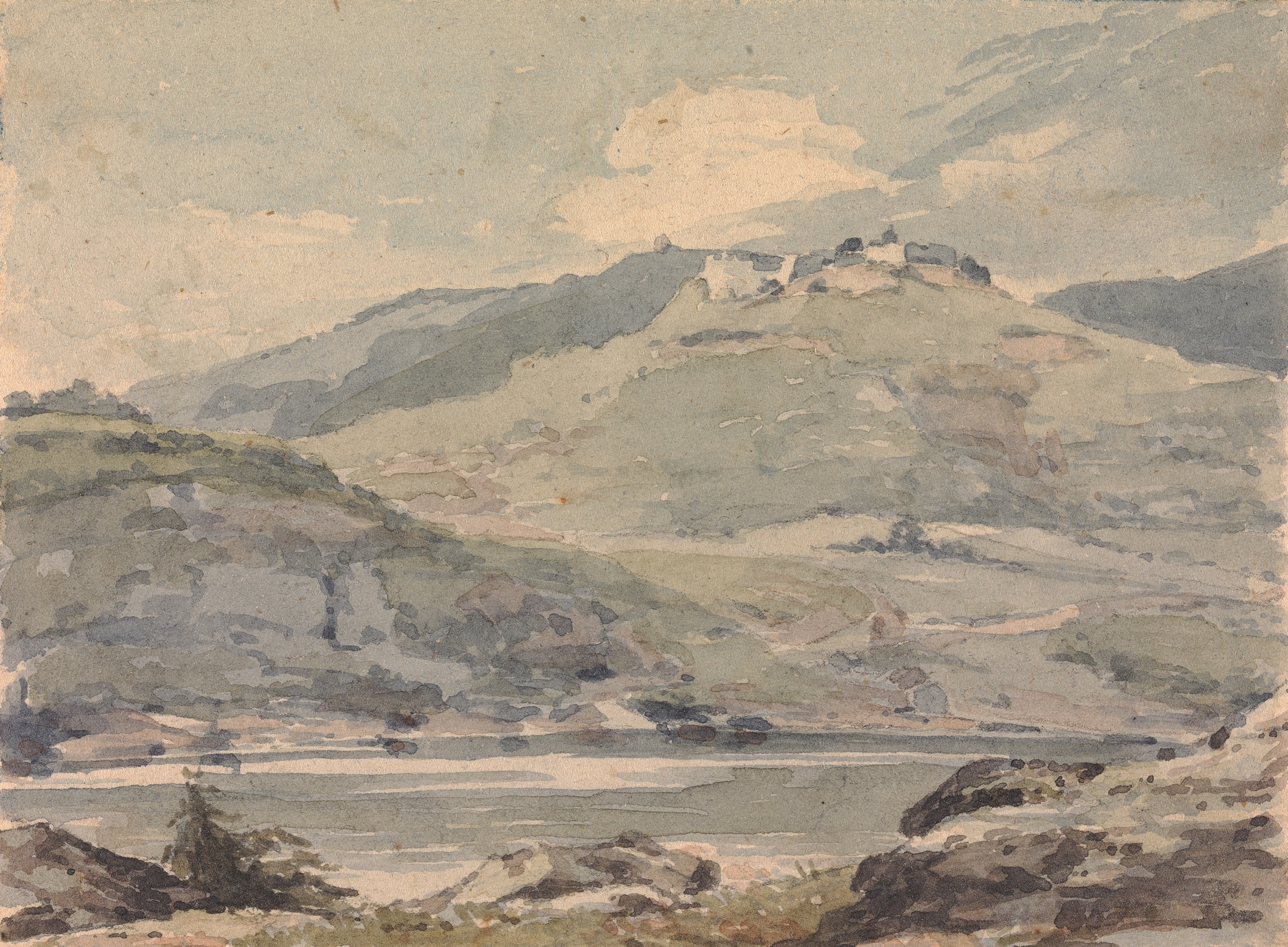
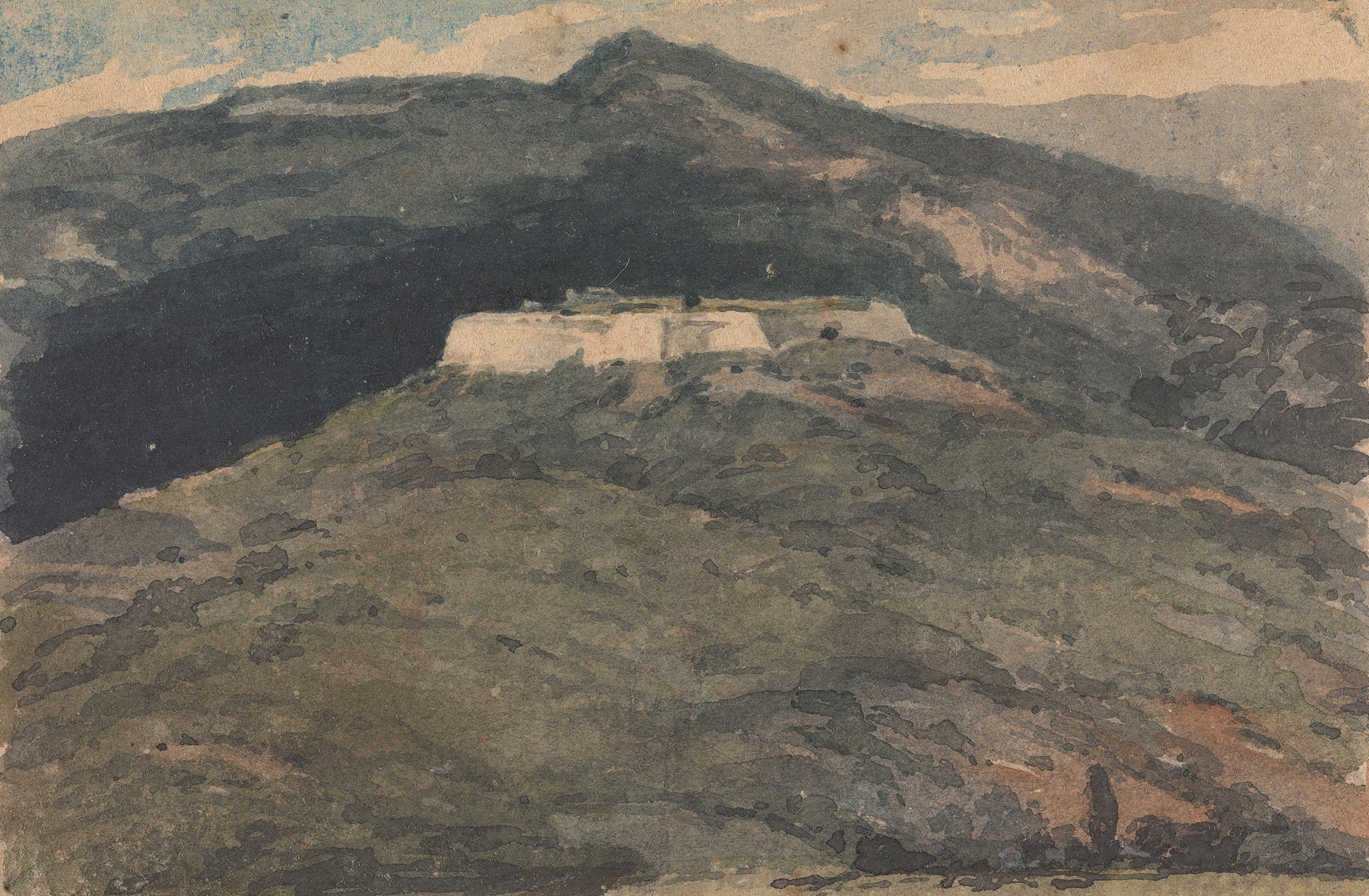
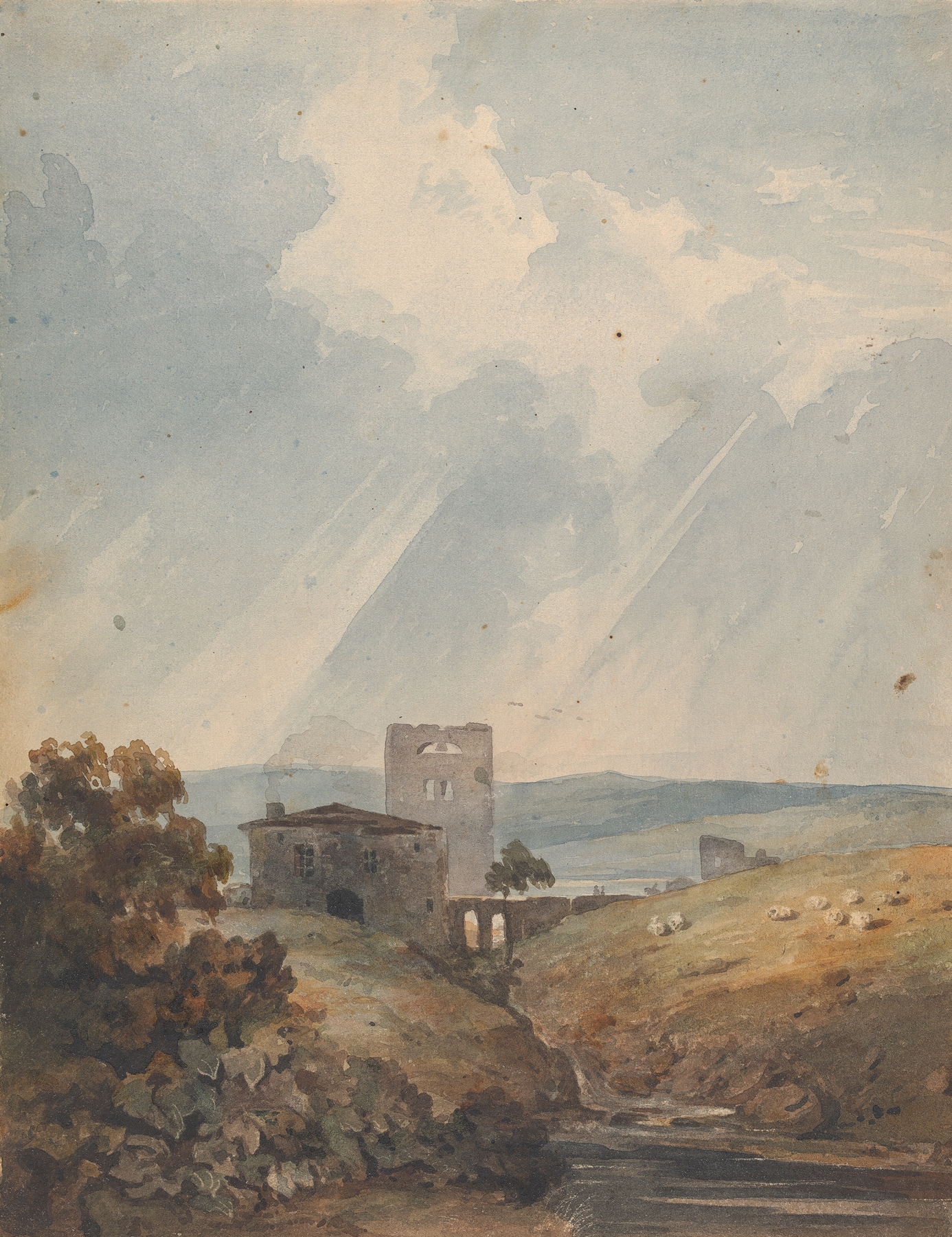
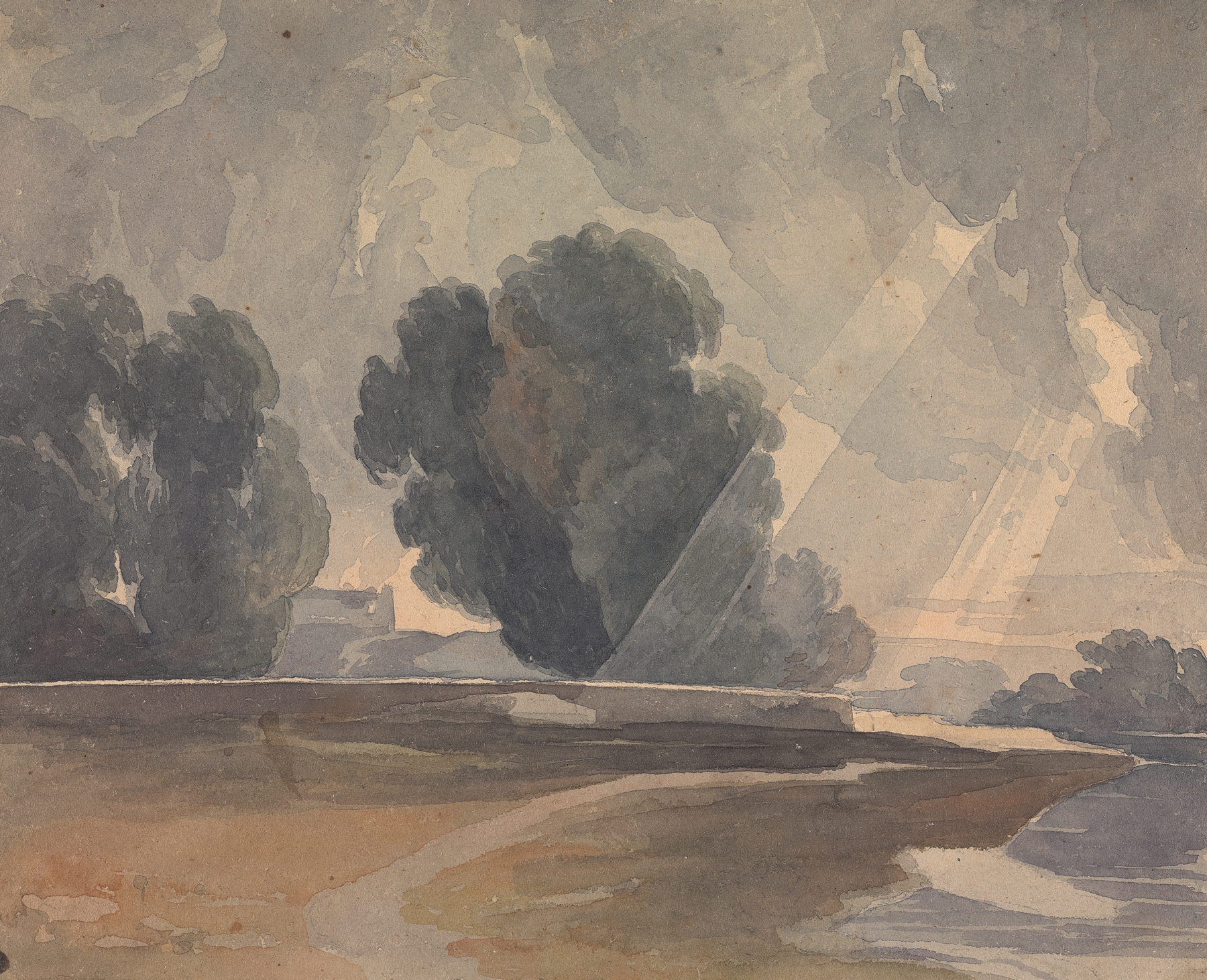
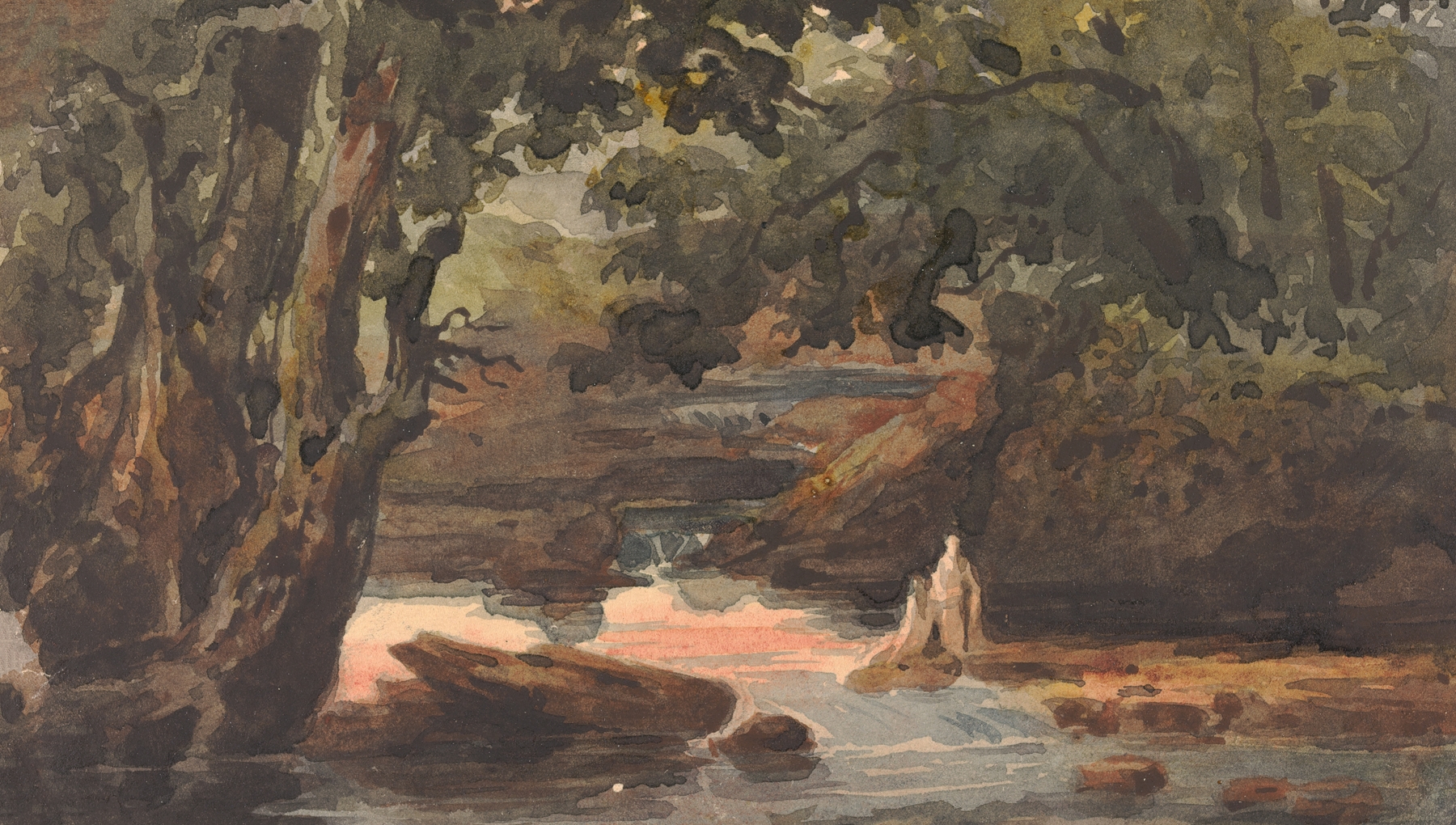
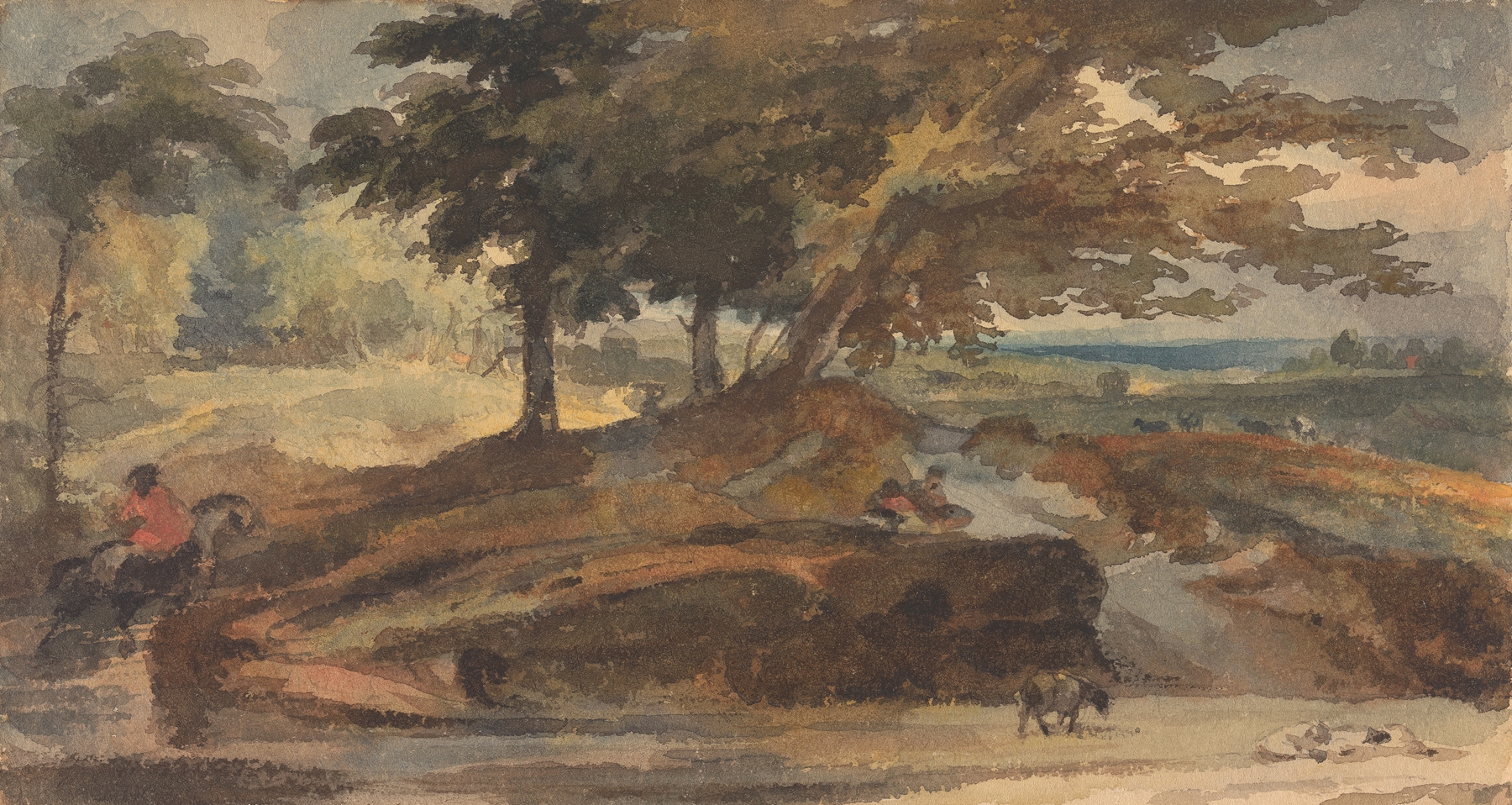
Where does light end, and longing begin? In the soft embrace of a subtle dusk, that question finds its home in an exquisite moment captured by the artist. Look to the center of the canvas, where ethereal rays spill gently across a tranquil landscape. The muted palette, woven with soft greens and golds, invites your gaze to linger on the delicate interplay of light and shadow. Notice how the light falls upon the trees, casting elongated silhouettes that seem to whisper secrets of solitude and peace.
Each brushstroke exudes a tenderness, crafting a serene atmosphere that beckons the viewer to step into the embrace of this quiet moment. Beneath the surface of this idyllic scene lies an undercurrent of emotional tension. The horizon stretches infinitely, symbolizing both possibility and the aching distance of unattainable dreams. The delicate balance between light and shadow reflects the duality of hope and melancholy, inviting contemplation of what is seen and what remains unseen.
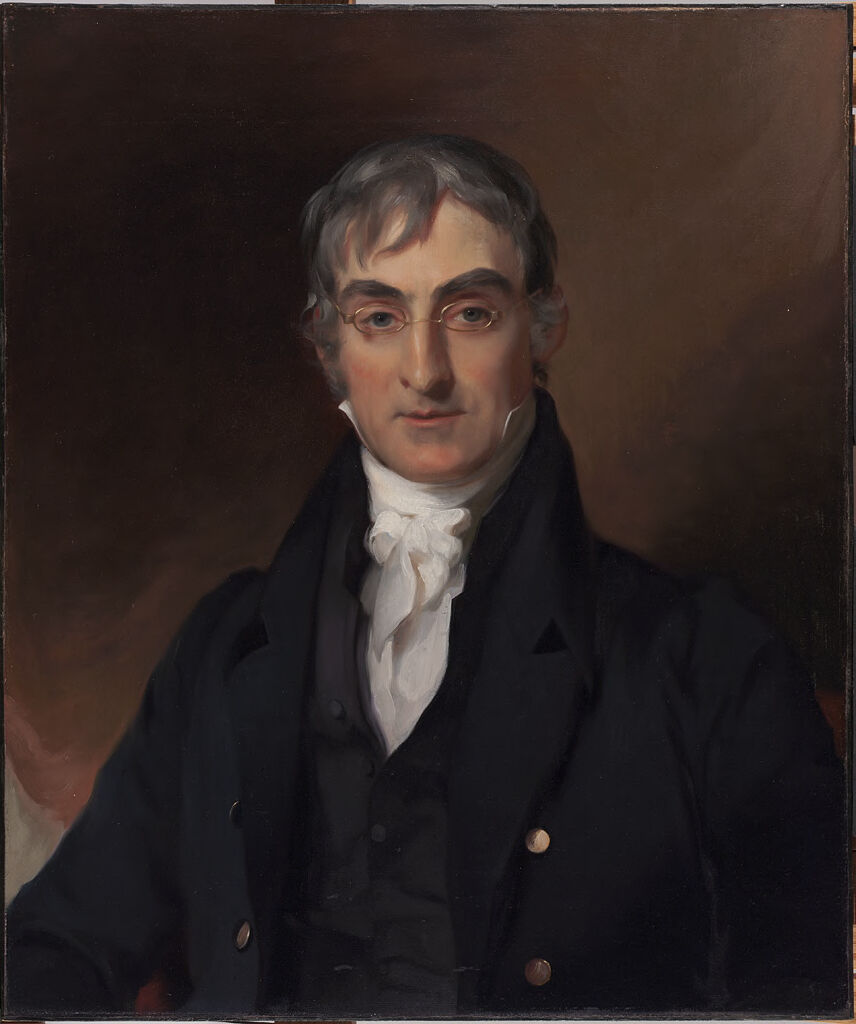
The blending of colors evokes a sense of serenity, yet hints at the impermanence of such tranquility, urging the observer to consider the transient nature of time. Thomas Sully created this work during a period of artistic exploration in the mid-19th century, when the American landscape was evolving in the eyes of its artists. Painting in an era marked by romanticism and a deepening appreciation for nature, Sully found inspiration in the serene beauty of rural New Jersey. His work reflects not only his personal artistic journey but also the broader currents of a nation grappling with its identity, where serenity and longing intertwined on the canvas of life.