Fort Putnam From Capn. Philips Parlour. W. P. 1st Attempt, From Nature — History & Analysis
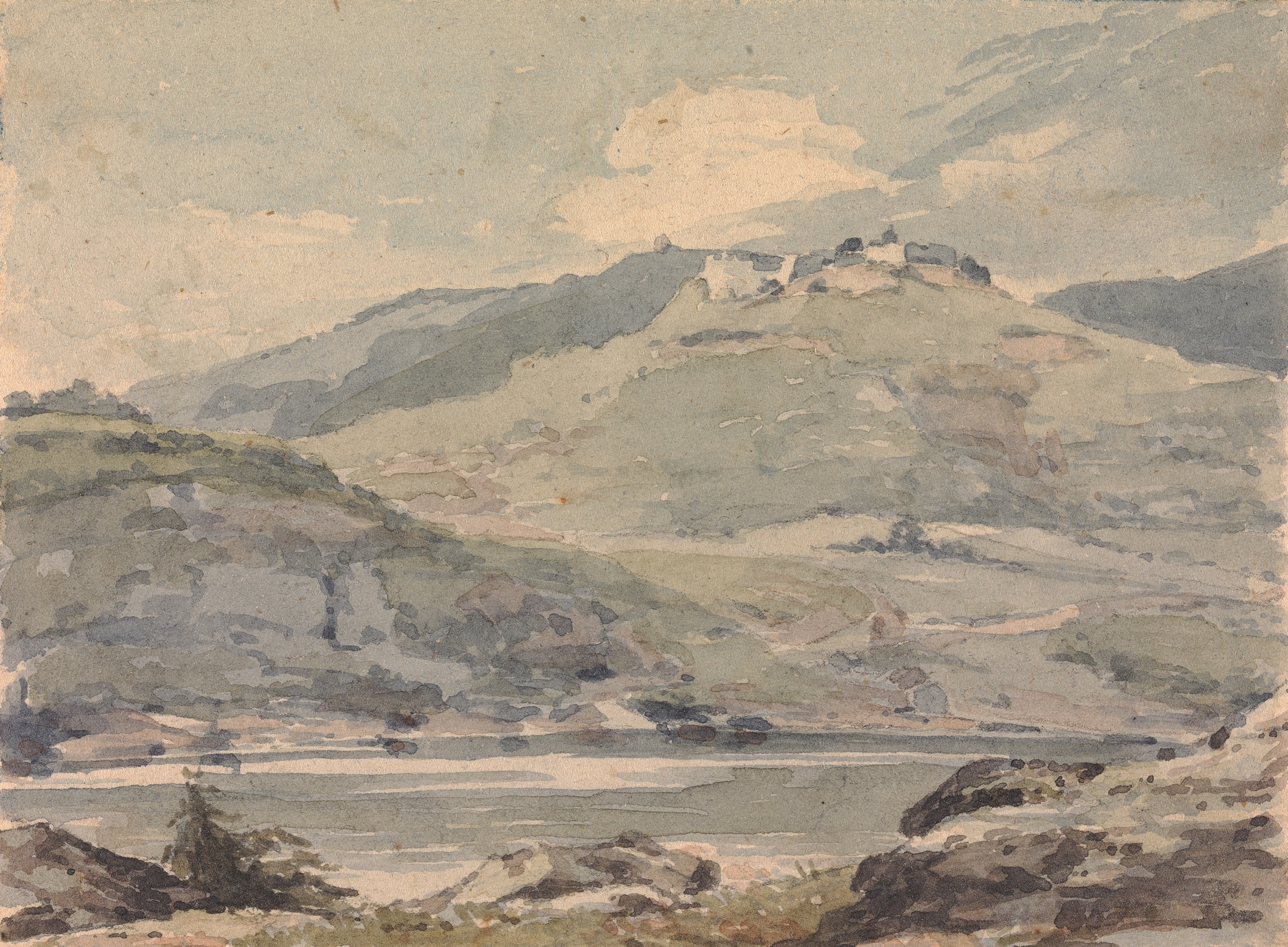
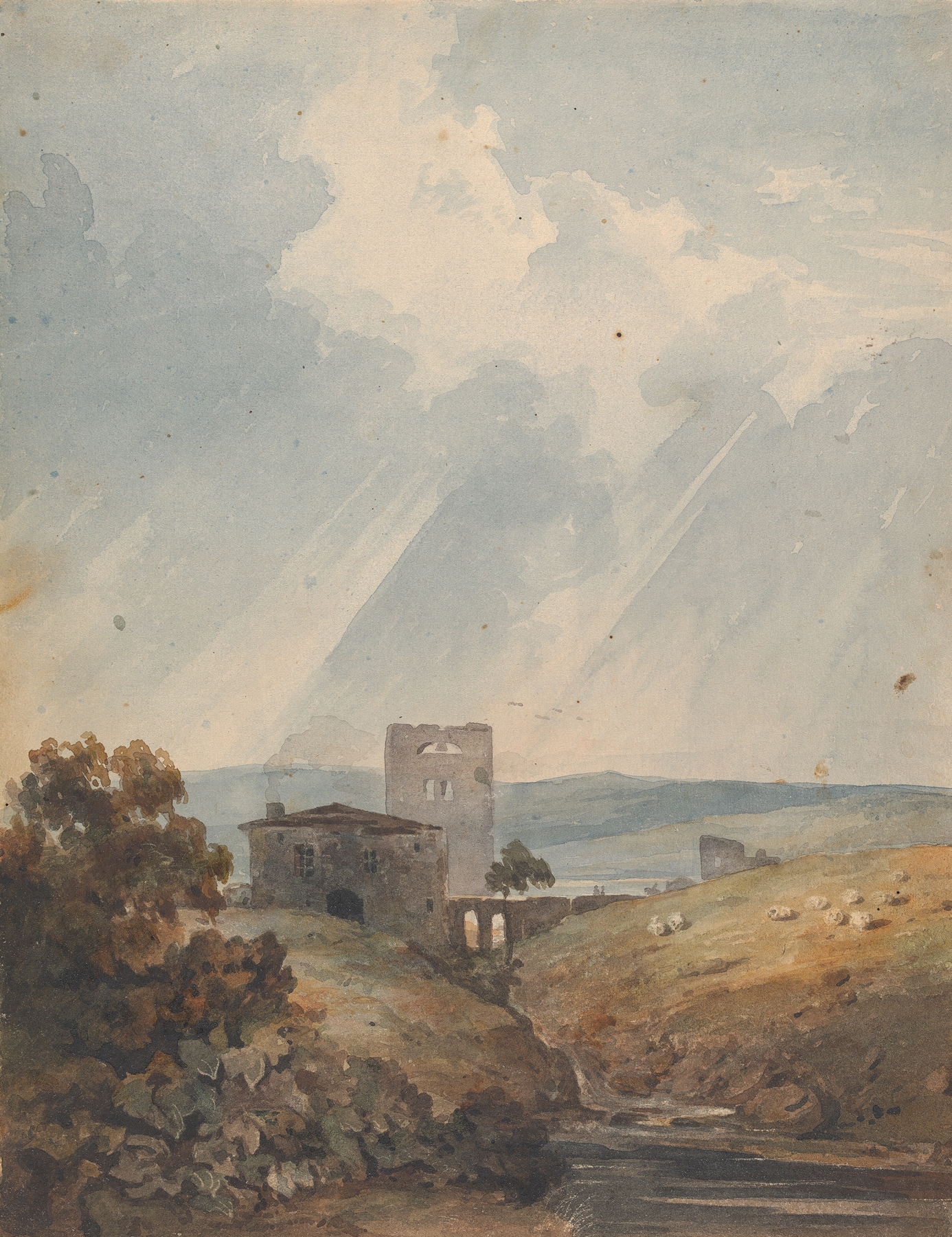
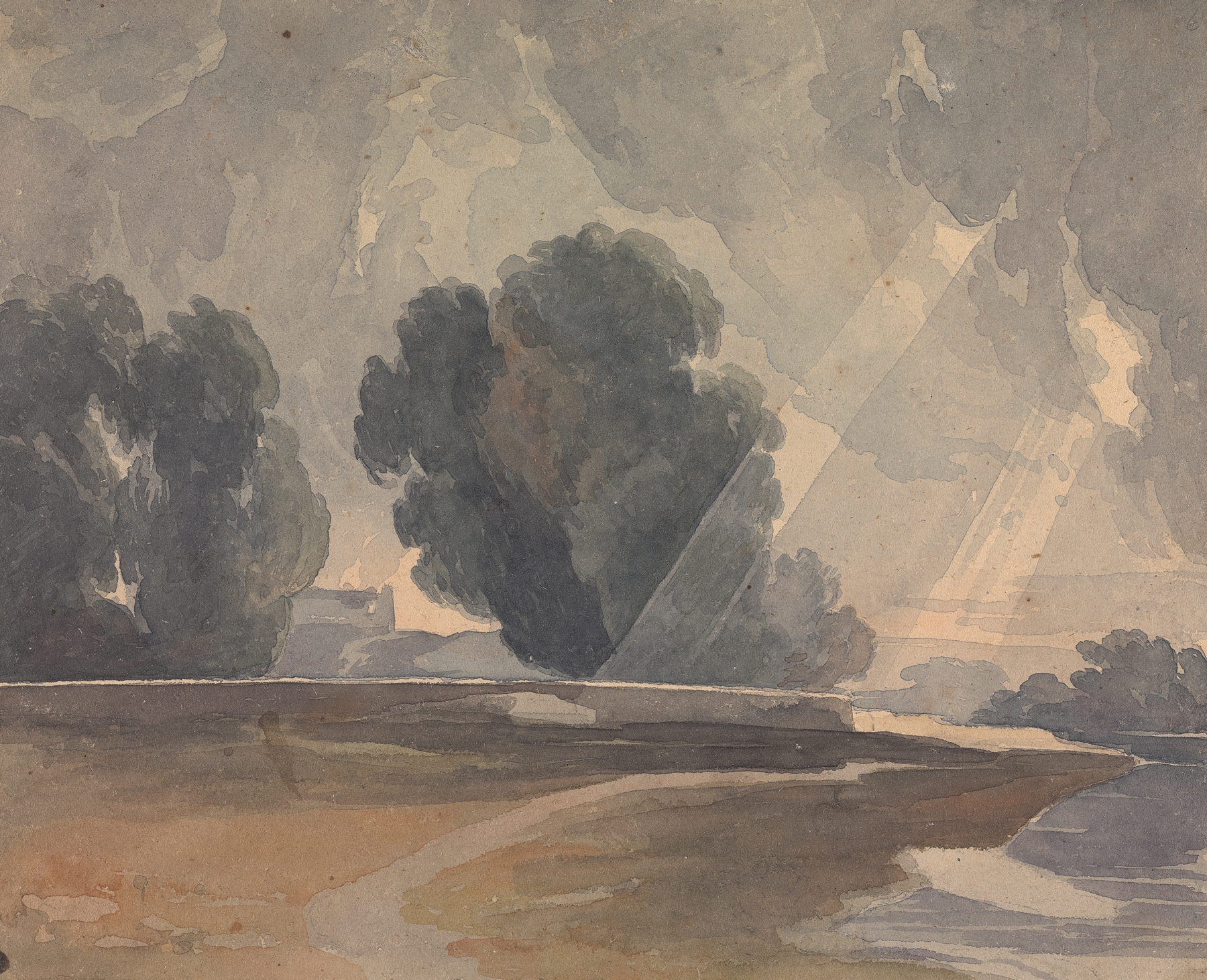
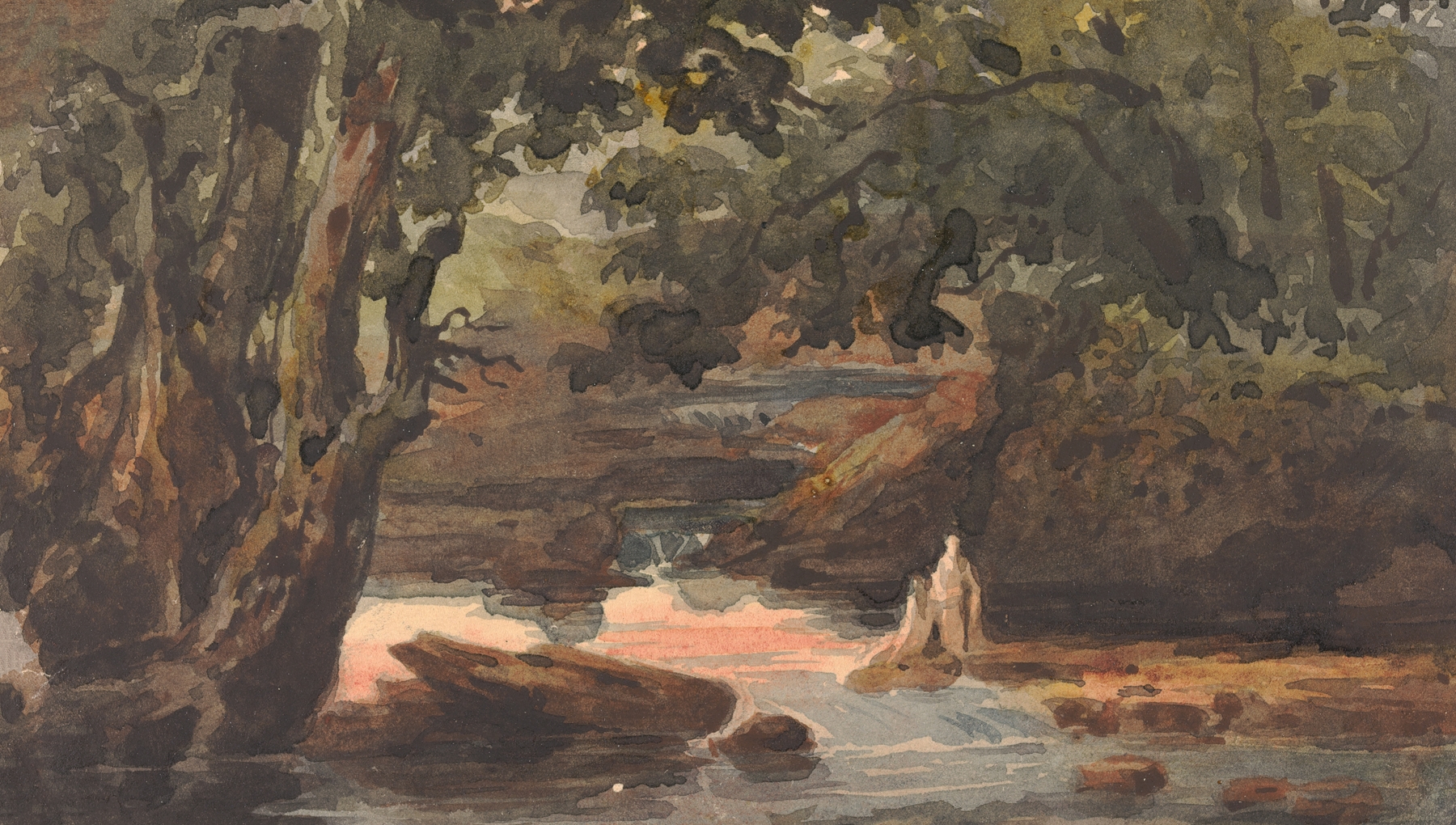
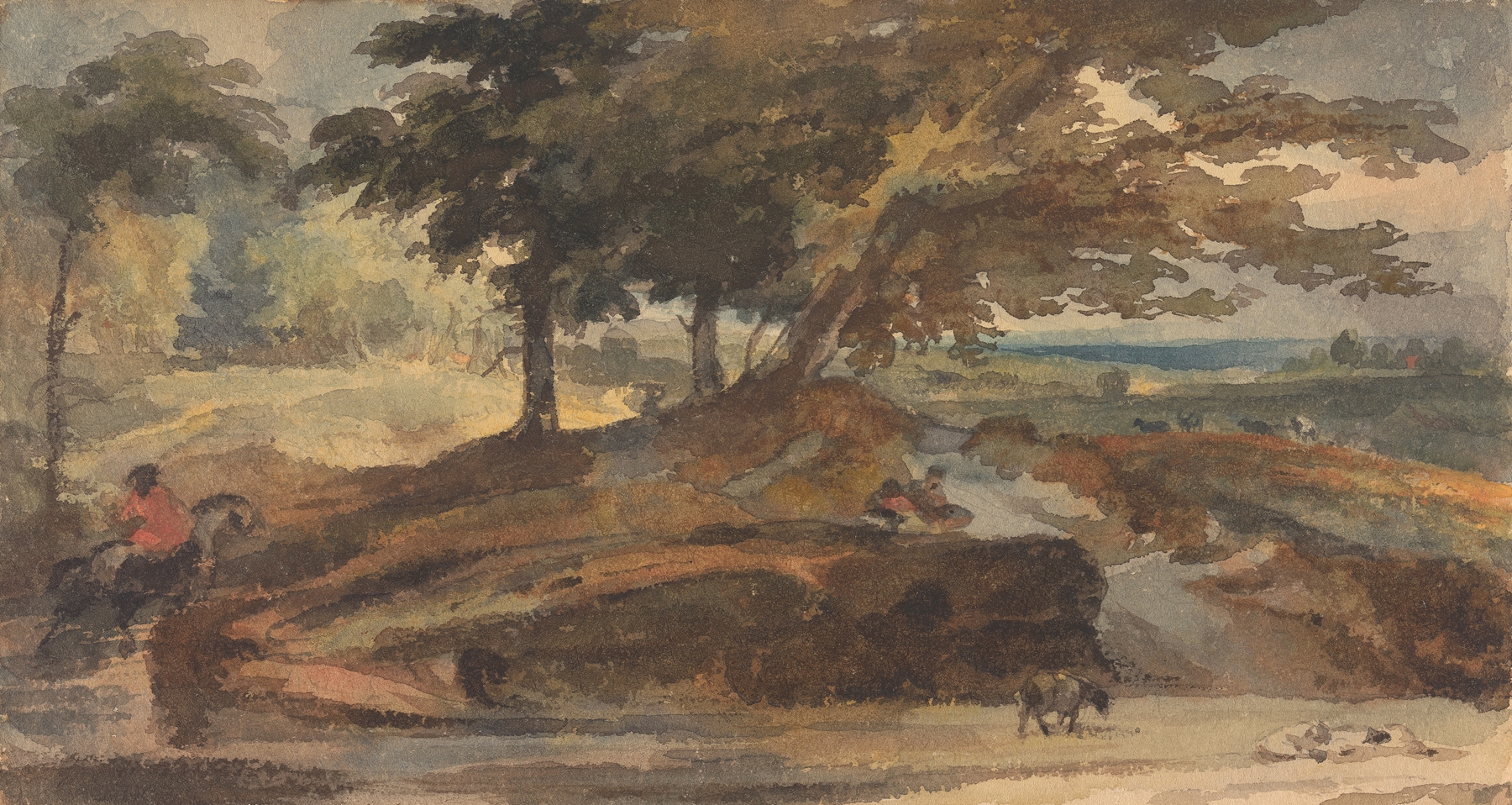
When did color learn to lie? In the hands of a master, hues weave stories of longing, unspoken desires lingering just beneath the surface. Look to the foreground of the painting, where soft blues and greens cradle the viewer’s gaze. Notice how the delicate brushwork captures the subtle ripples of the water, reflecting the bright sky above. The composition balances the vibrant landscape with the distant fort, nestled against the horizon, an ironic symbol of both protection and separation.
The interplay of light and shadow breathes life into this natural scene, drawing a line between the serene setting and the emotions it evokes. Hidden within the canvas lies an interplay of nostalgia and yearning. The fort represents safety, yet it stands as a boundary, symbolizing the tension between ambition and restraint. Sully's careful layering of color hints at the emotional depth; the vibrant sky contrasts with the muted earth tones, capturing a moment suspended between hope and melancholy.
The viewer is left to ponder what lies beyond the fort – dreams unfulfilled, journeys not taken. In 1814, Thomas Sully painted this work amid a period of personal and artistic transition. Living in Philadelphia, he was navigating the aftermath of the War of 1812 while redefining his style from portraiture to landscapes. As American art began to evolve, Sully's exploration of light and emotion reflected a broader search for identity in a burgeoning nation, marking a significant step in his career and in the narrative of American art.