Mrs. George Lingen — History & Analysis
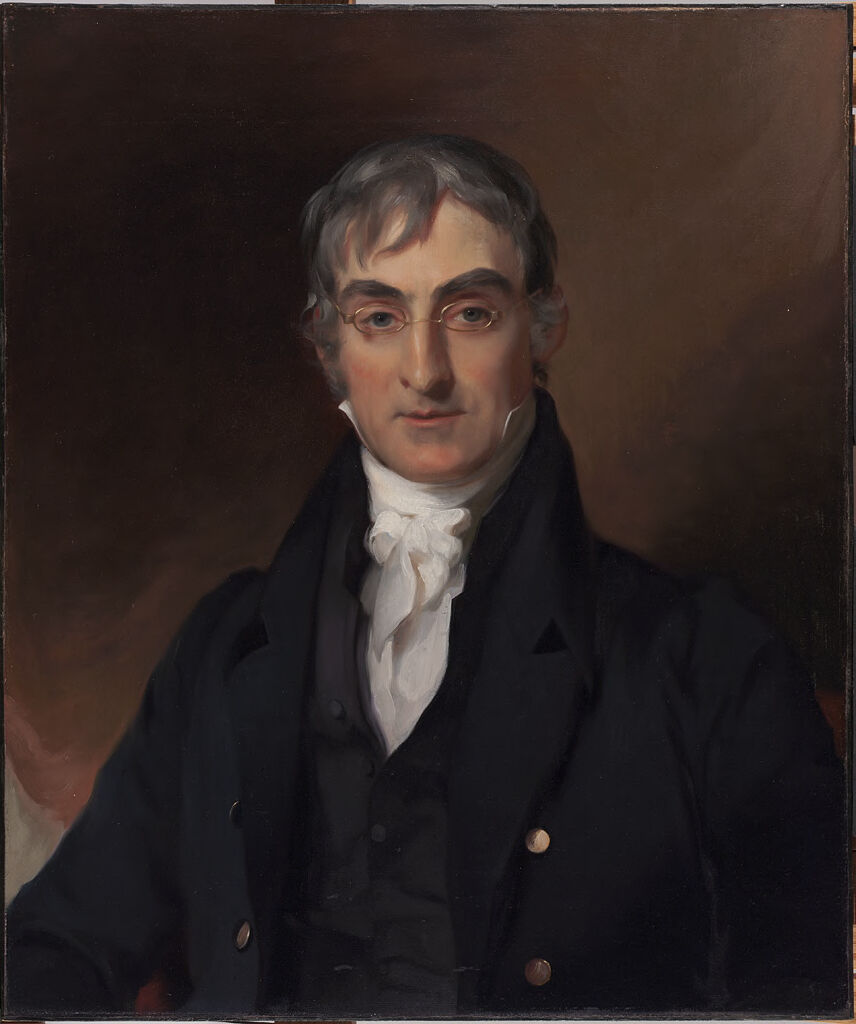
Who listens when art speaks of silence? In the hush of a moment, Mrs. George Lingen captures the essence of tranquility and poised movement, inviting us to ponder the narrative that unfolds beyond the canvas's edge. Look to the left at the graceful figure of Mrs. Lingen, her elegant gown cascading like flowing silk, a whisper of movement frozen in time.
Notice how the soft light bathes her face, illuminating her delicate features while casting gentle shadows that suggest an inner life. The carefully chosen palette of muted greens and soft whites enhances her presence, creating a harmonious balance between the figure and the understated background. Yet, within this serene tableau lies an intricate dance of emotional tension. The slight tilt of her head seems to convey both contemplation and vulnerability, as if she is caught in a moment of reflection. Her right hand, poised yet relaxed, gestures toward the viewer, inviting connection while simultaneously hinting at her isolation.
This duality captures the essence of the 19th-century woman's experience—caught between societal expectations and personal desires. Thomas Sully painted this portrait in 1842, during a vibrant period in American art characterized by a growing fascination with realism and portraiture. At this time, he was establishing his reputation in Philadelphia, navigating the complexities of a changing artistic landscape while capturing the intimate stories of his subjects. The world was shifting, and his work stood as a testament to both personal and cultural evolution, echoing the silent movements of lives lived in quiet grace.