Landscape with Waterfall — History & Analysis
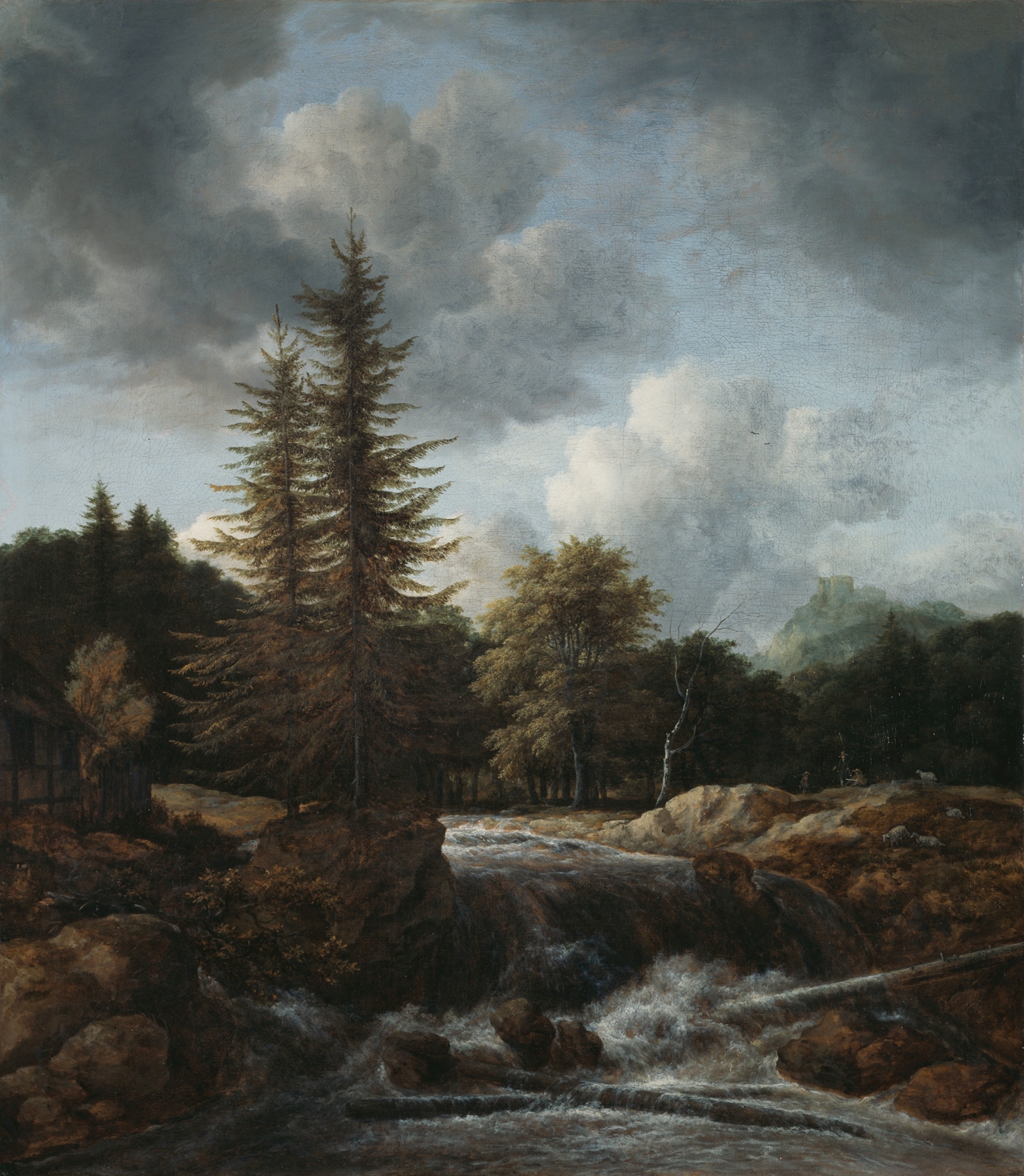
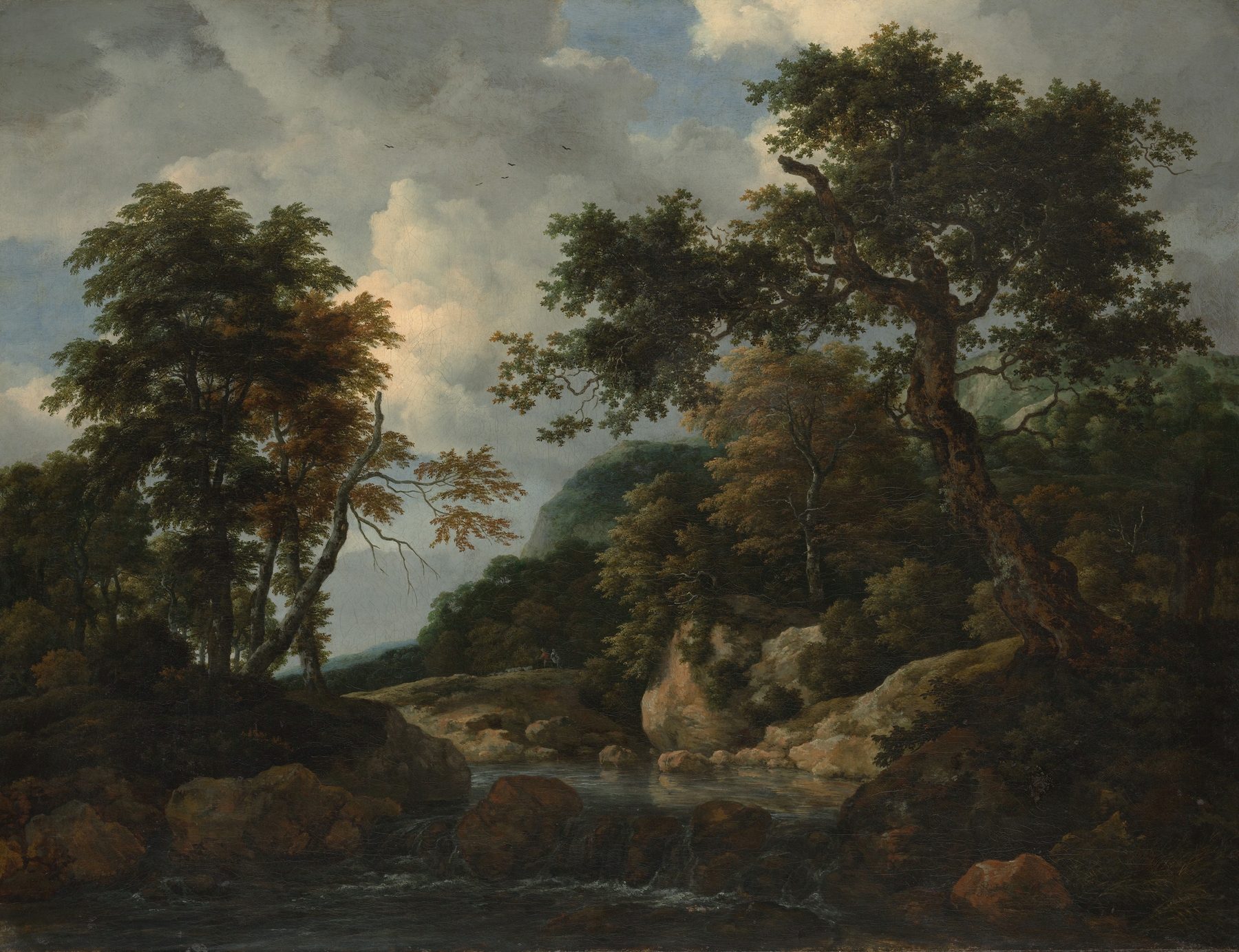
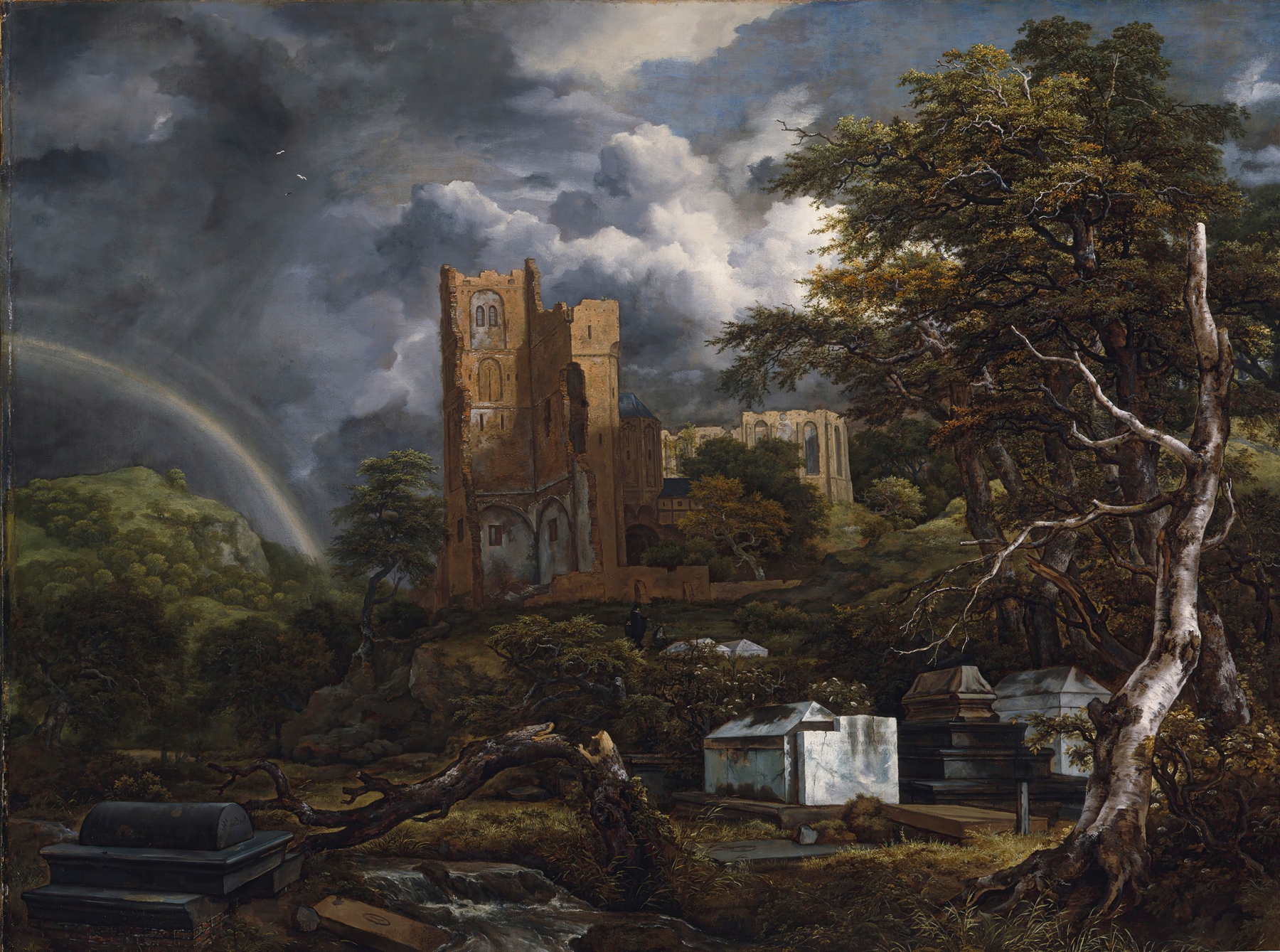
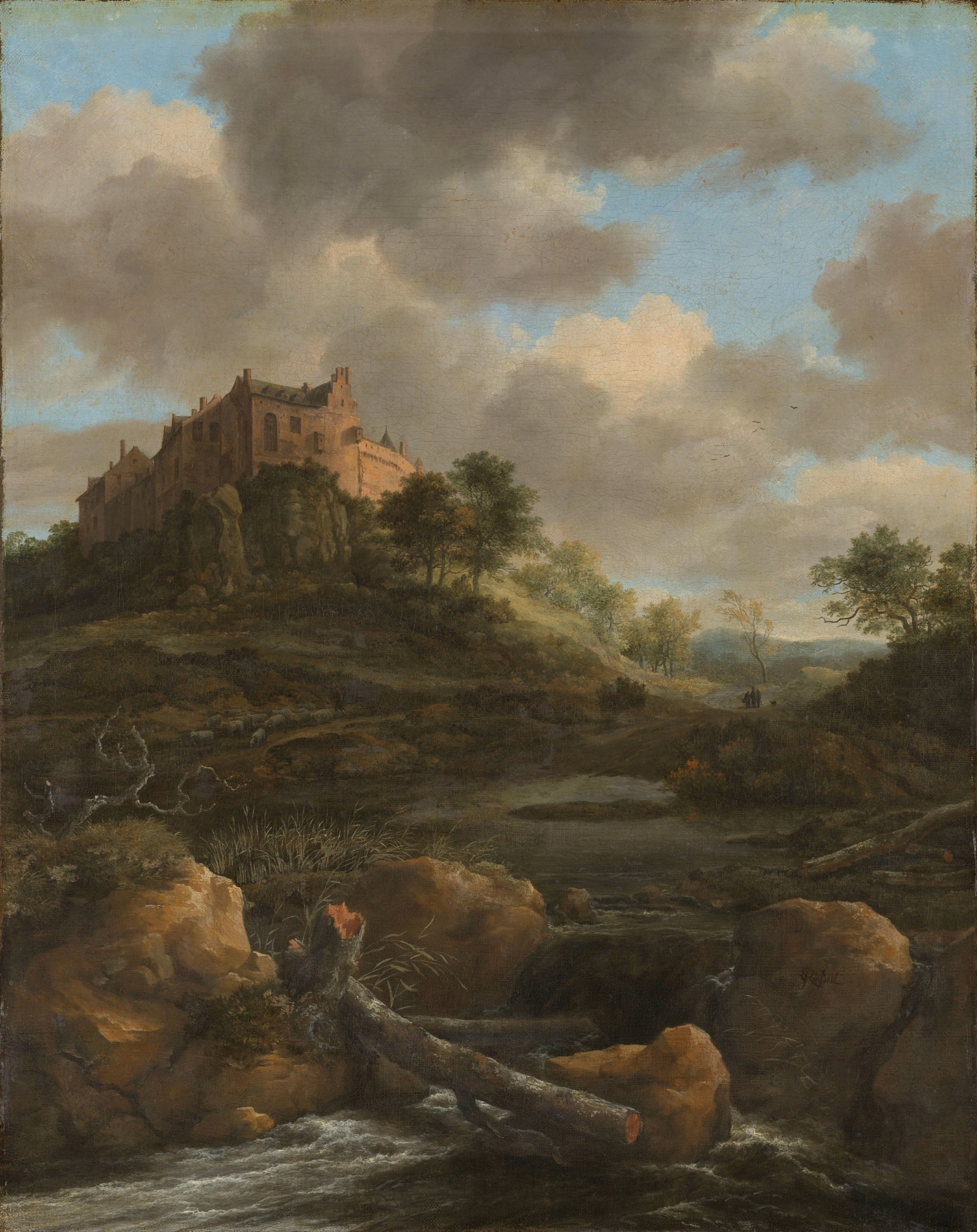
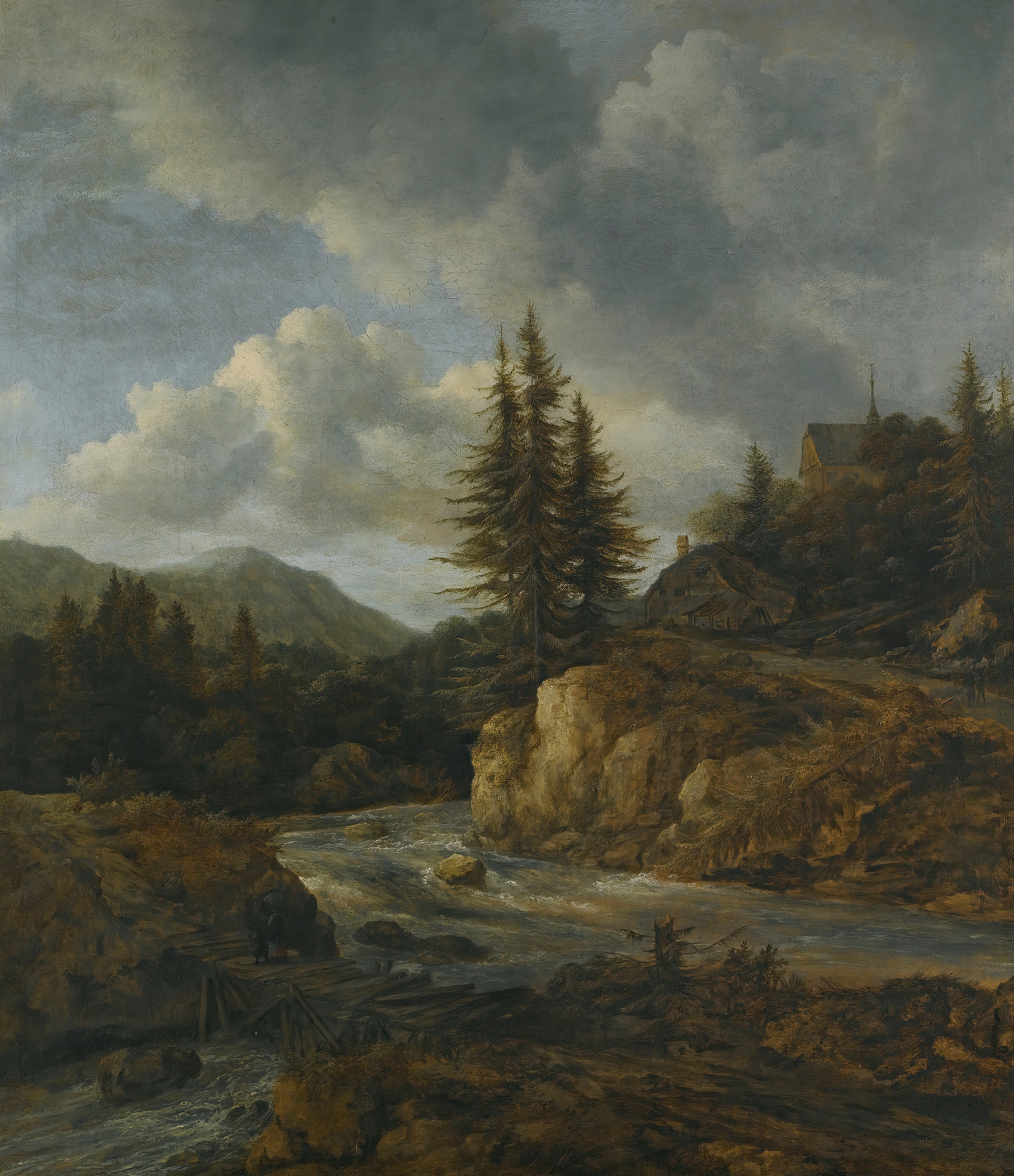
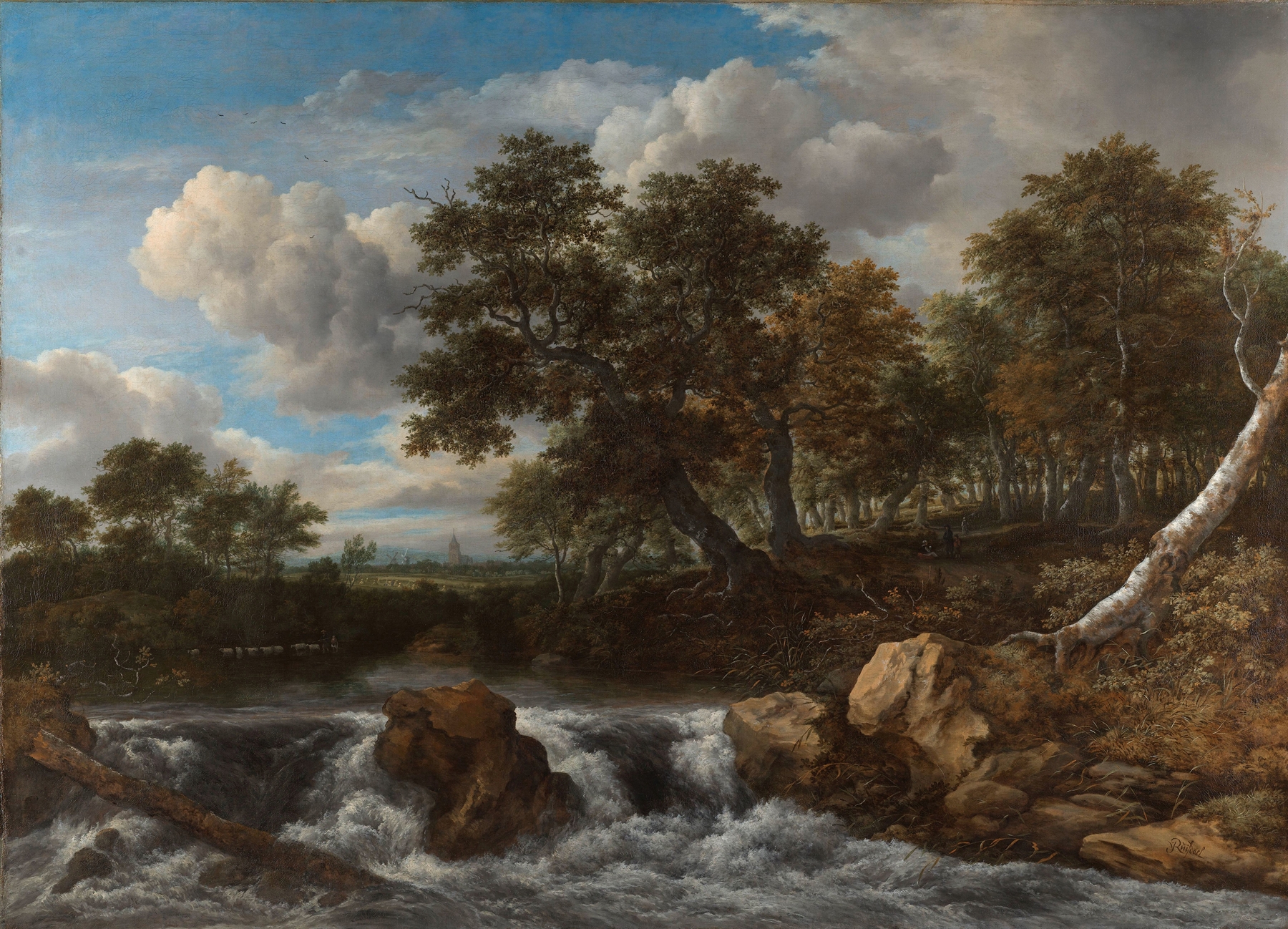
What if silence could speak through light? In the stillness of nature, divinity resonates in the delicate balance between majesty and tranquility. Look to the left at the cascading waterfall, where sunlight dances upon the water's surface, illuminating each droplet as it plunges into the rocky pool below. The lush greenery frames the scene, vibrant greens contrasting with the deep browns of the earth, inviting the eye to wander.
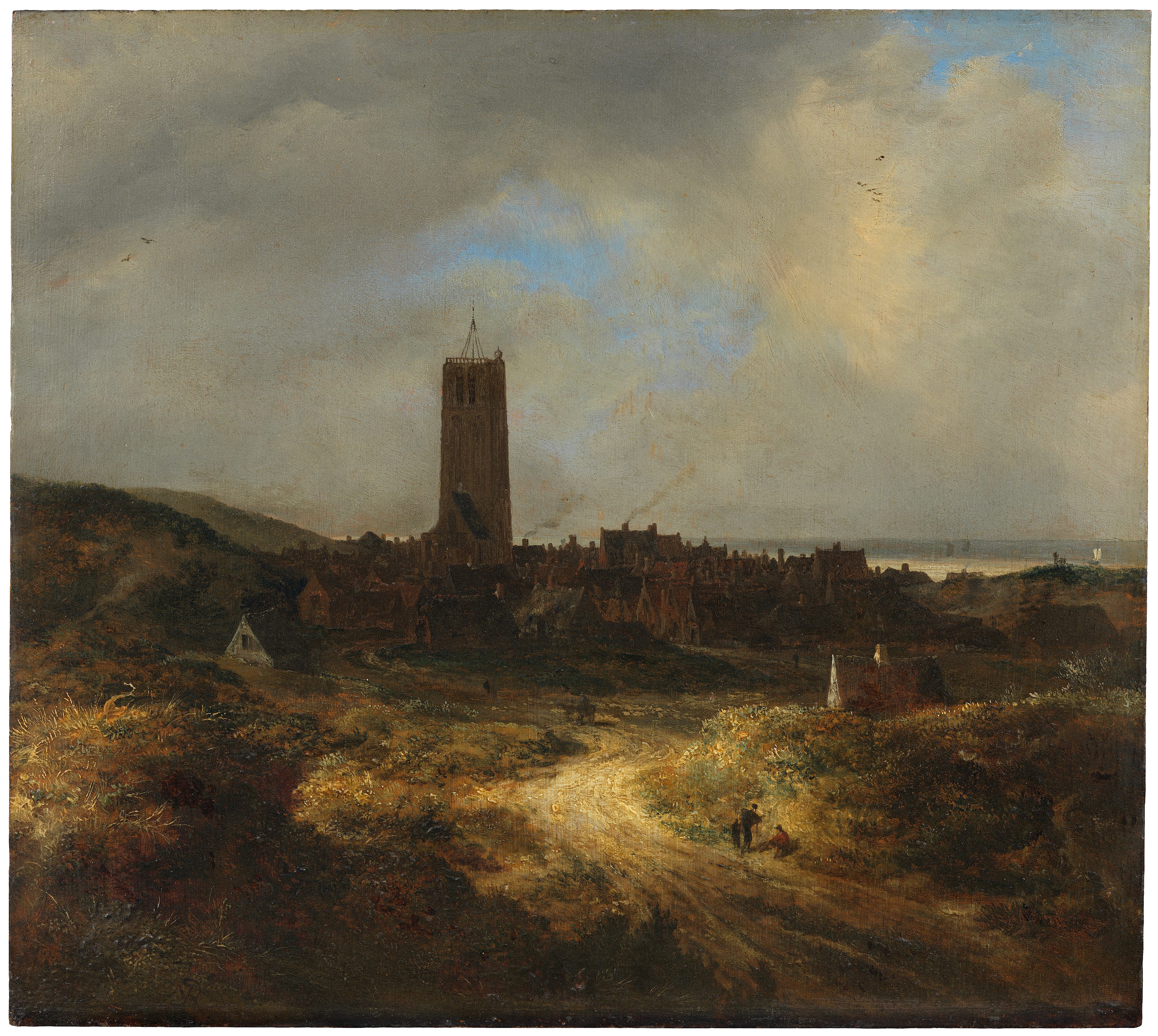
Notice how the clouds hover gently in the sky, their soft hues reflecting the ethereal light that bathes the entire landscape, creating a sense of harmony and serenity. Beneath the surface beauty lies a tension between the powerful force of nature and the calming presence of the idyllic landscape. Each element—the rushing water, the peaceful trees, the distant horizon—holds a deeper significance, suggesting a dialogue between chaos and serenity. The viewer may sense the divine in the interplay of shadow and light, where the sublime reveals itself within the quietude of the natural world, evoking contemplation and introspection.
In 1668, during the height of the Dutch Golden Age, Jacob van Ruisdael painted this landscape amidst a flourishing of artistic exploration and scientific advancement. Working in Haarlem, he captured the essence of nature with a keen eye for detail and atmospheric effects, reflecting a growing interest in the sublime. The art world was shifting toward a deeper appreciation of landscapes, and his contributions solidified his reputation as one of the foremost landscape painters of his time.