Landscapes after Ancient Masters Pl.09 — History & Analysis
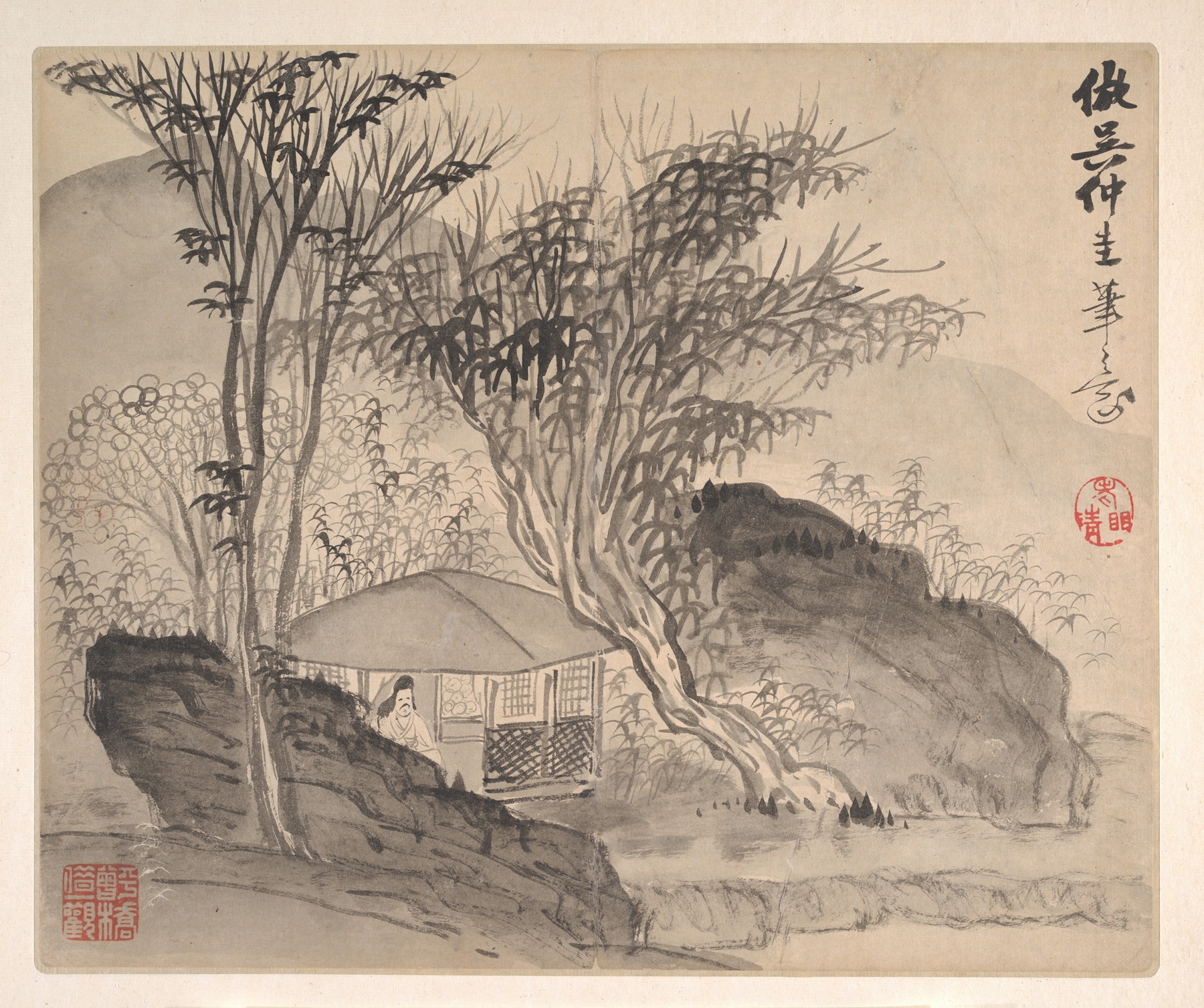
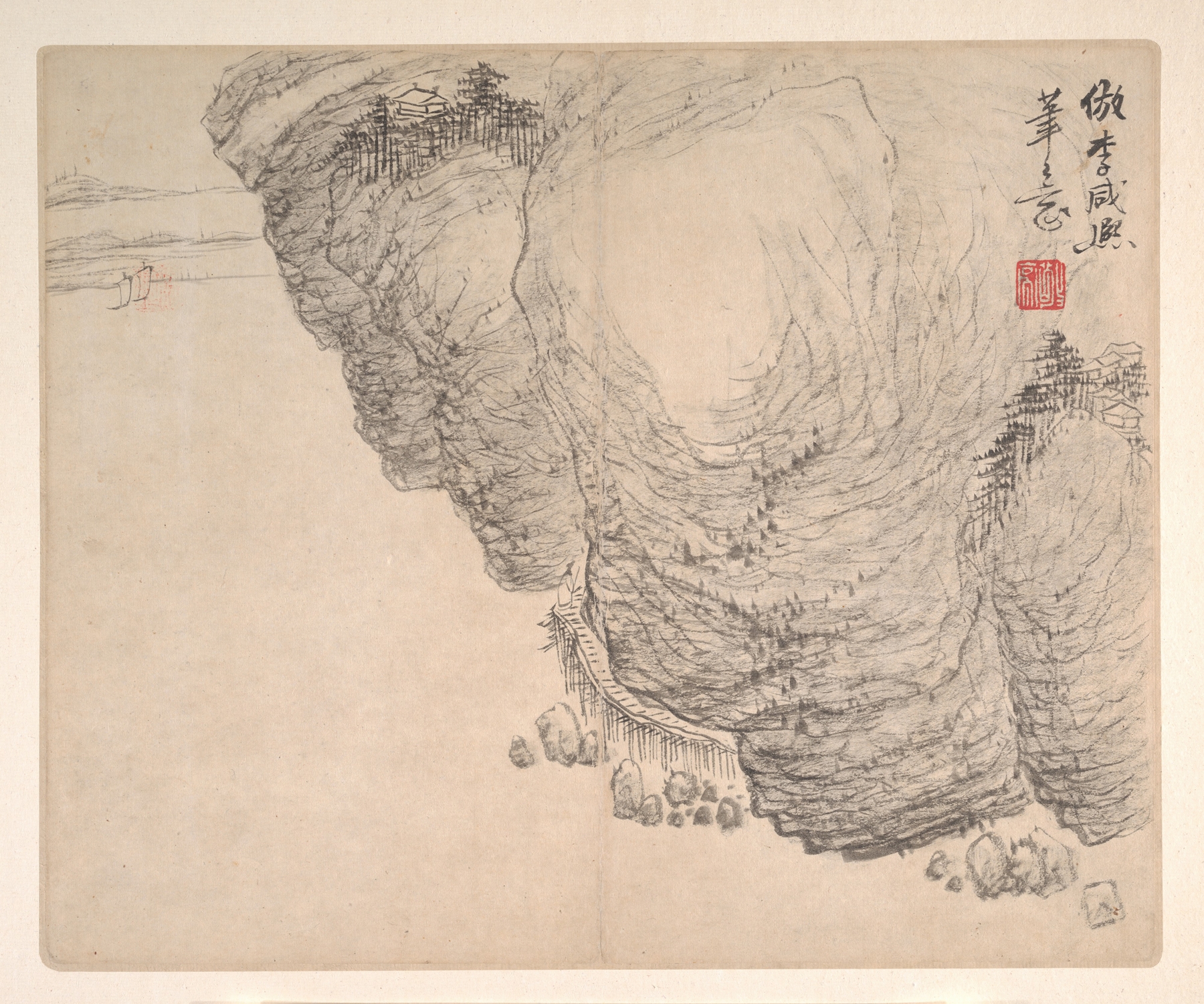
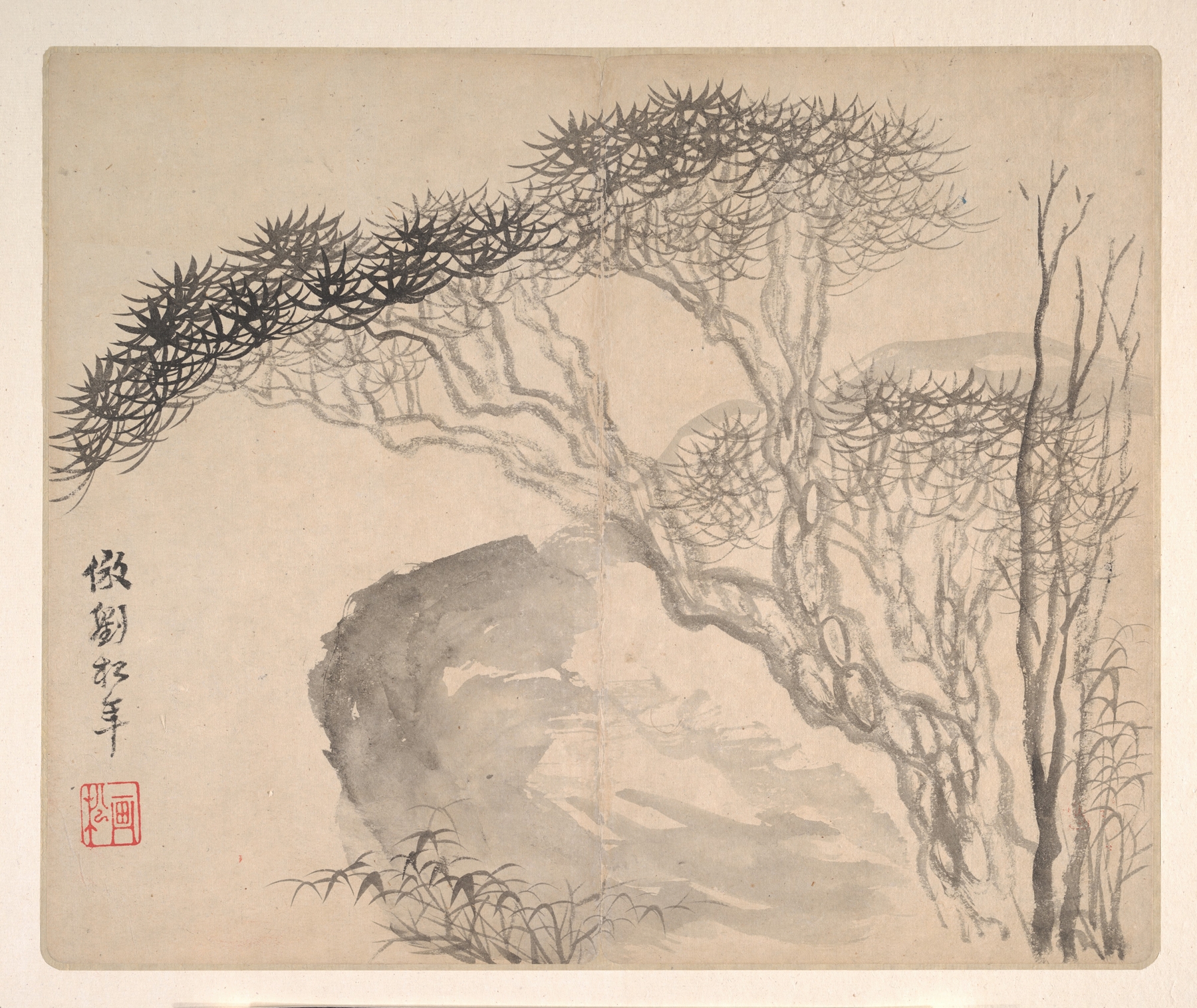
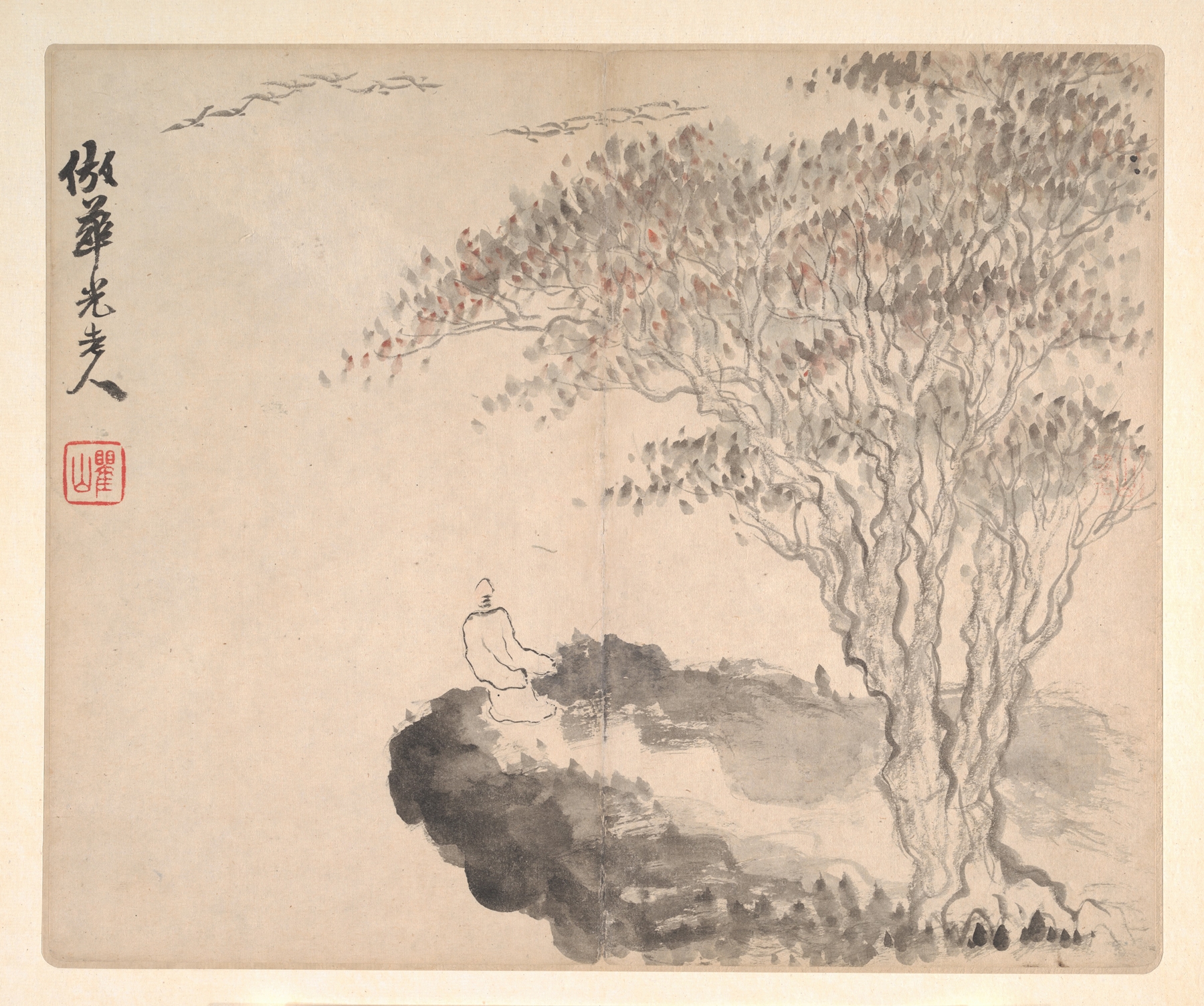
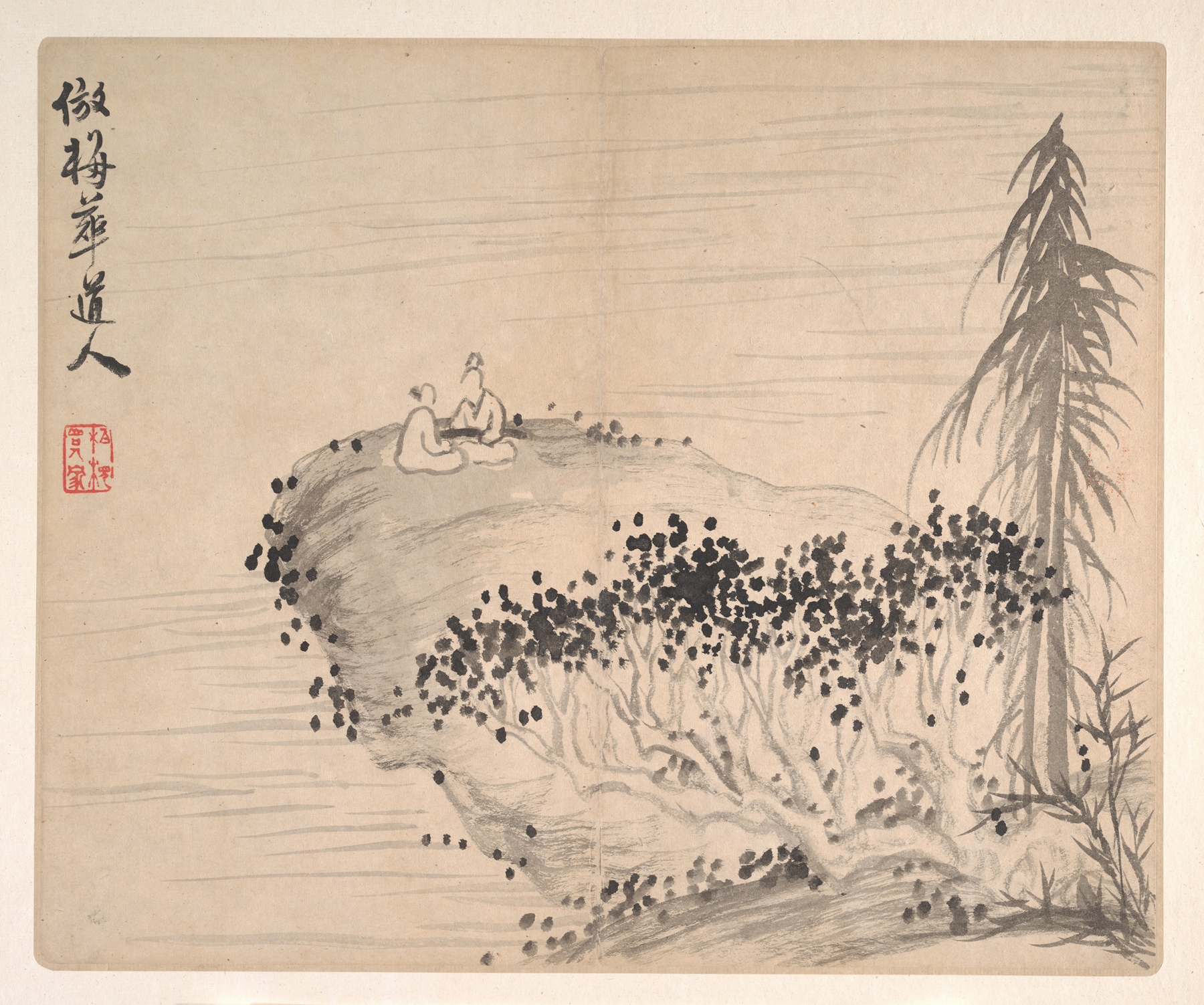
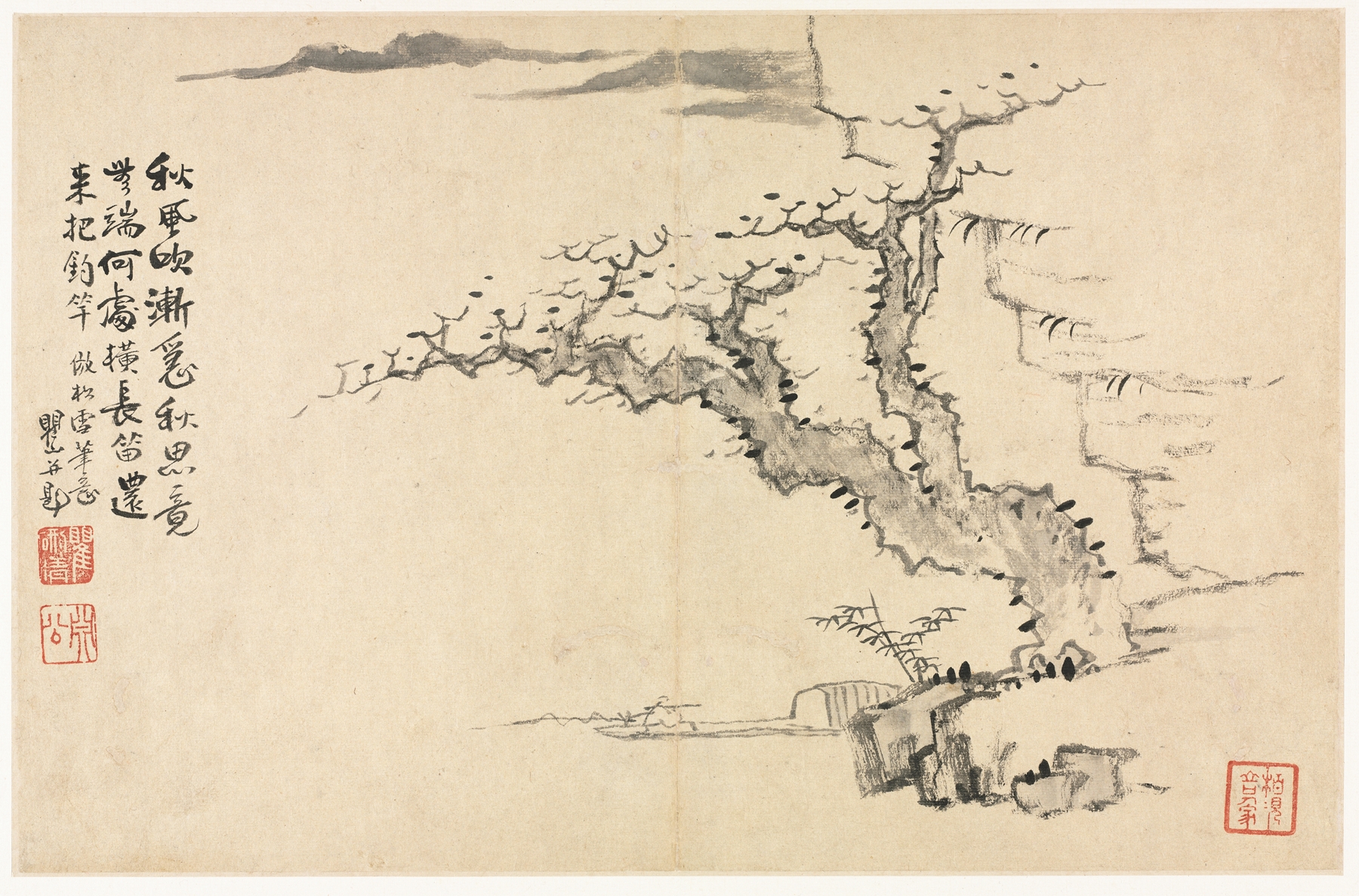
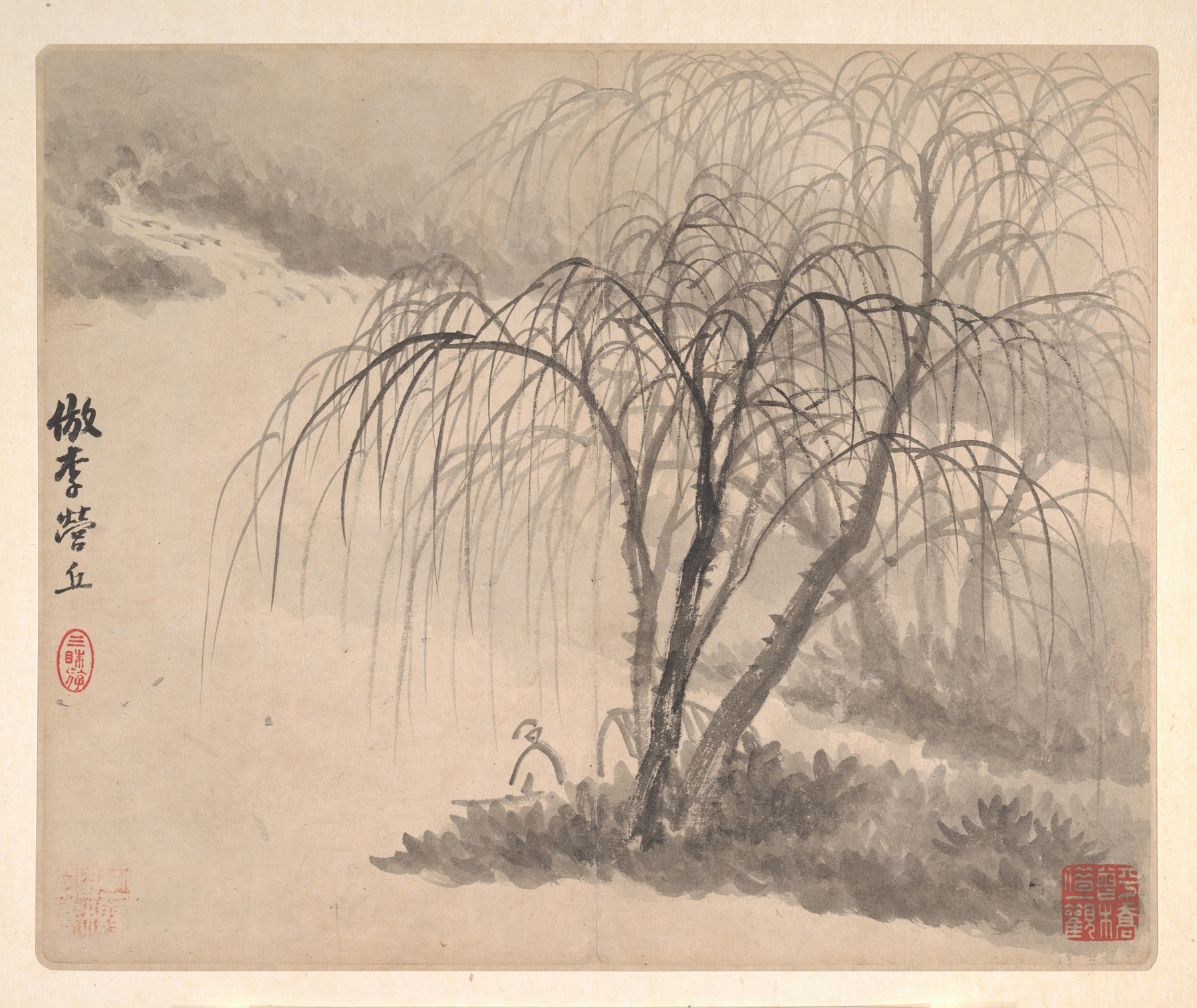
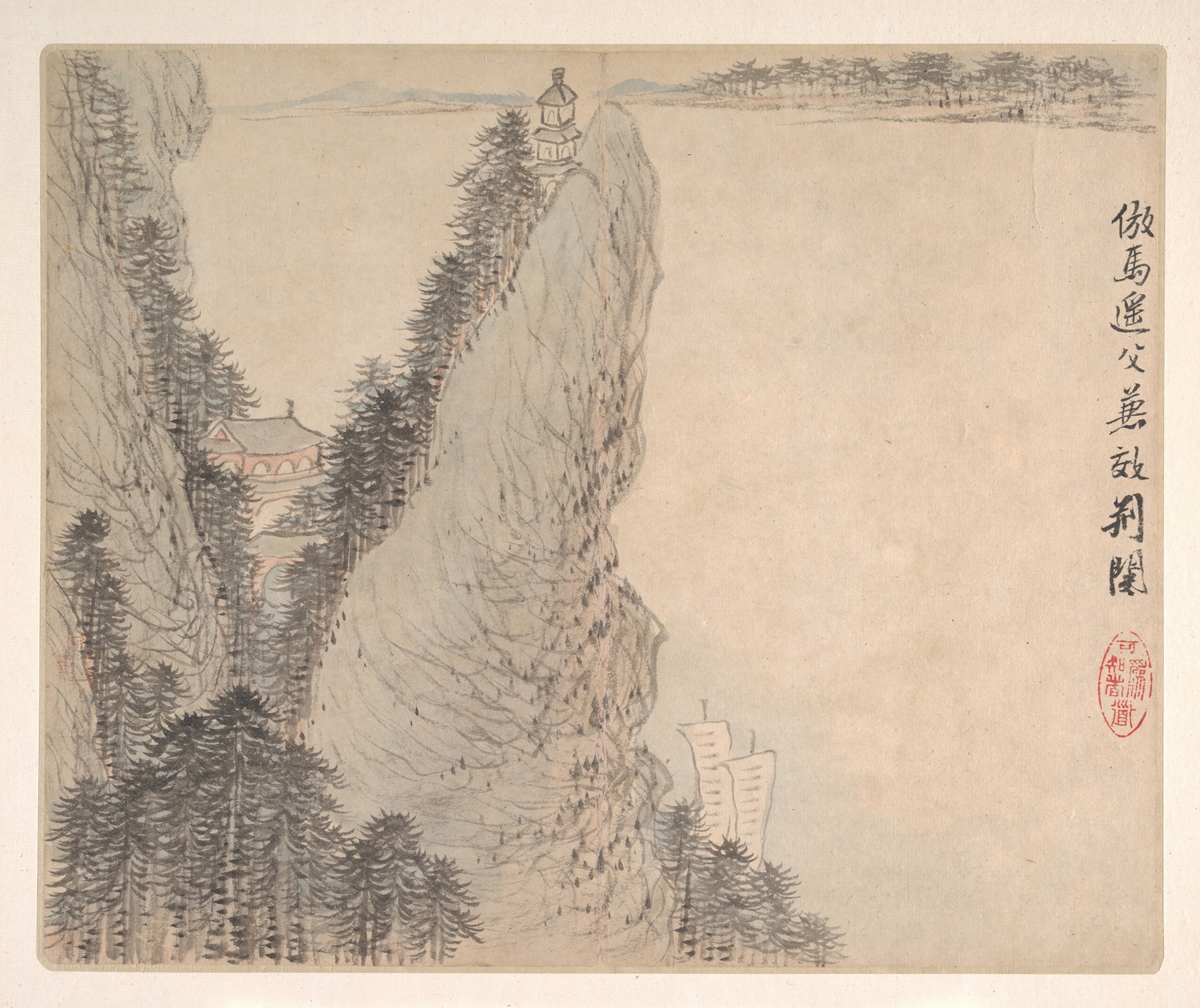
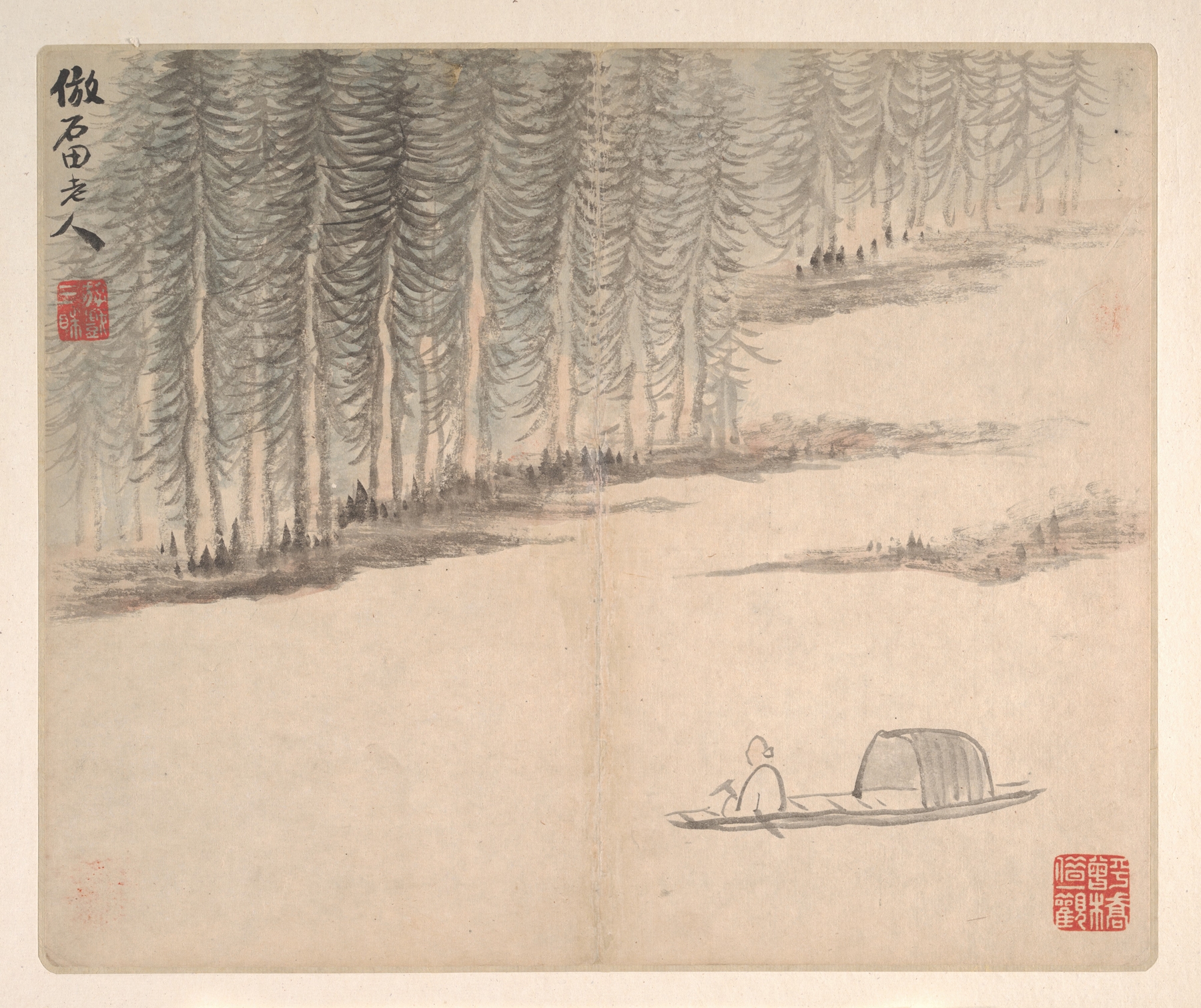
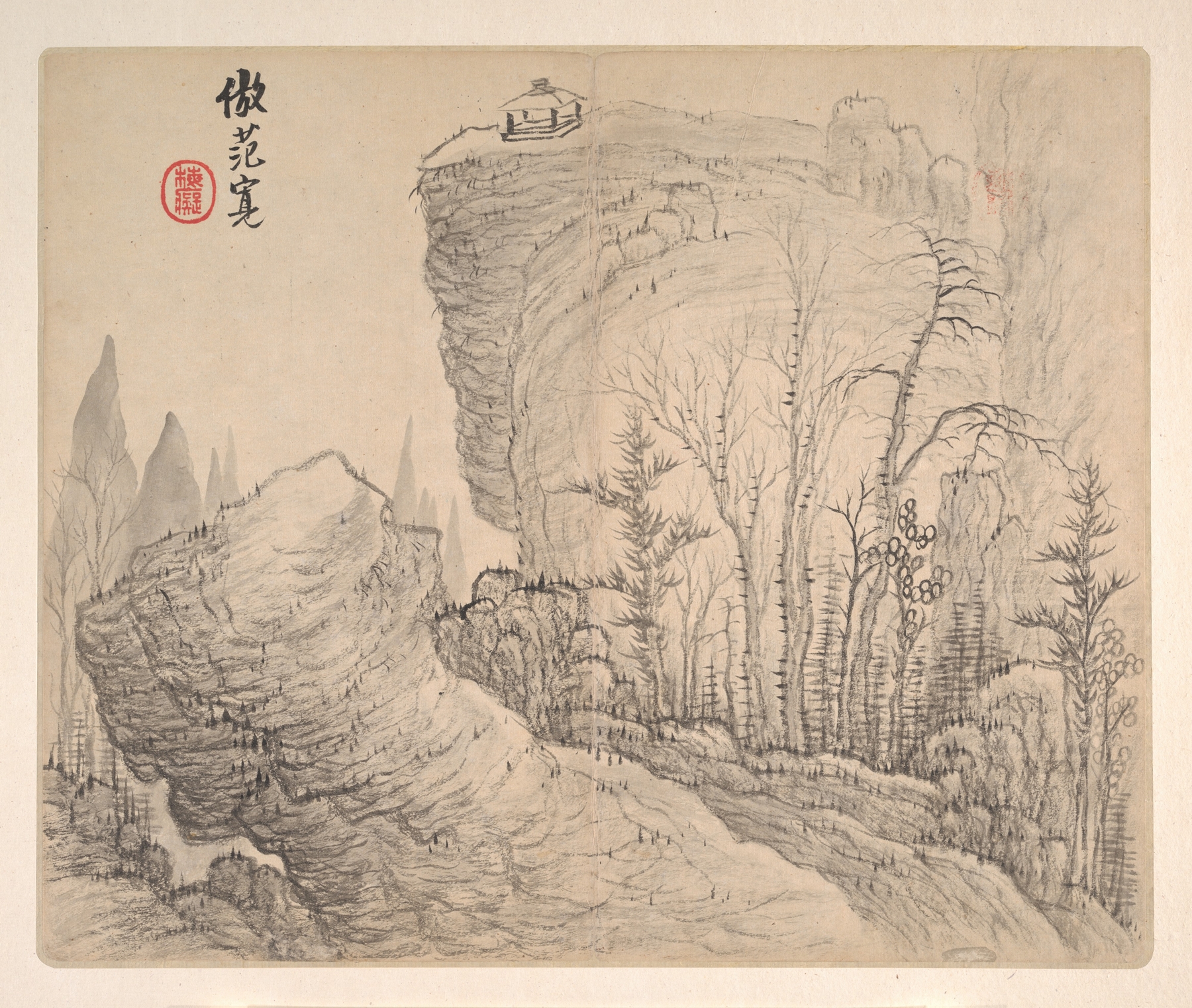
Who listens when art speaks of silence? In Landscapes after Ancient Masters Pl.09, the stillness of nature evokes a divine presence, inviting contemplative reflection. Look to the mist-cloaked mountains in the background, where delicate brushstrokes create an ethereal quality that suggests both distance and reverence. The muted palette, composed of soft greens and blues, draws your gaze across the tranquil expanse, while the figures, painted with a remarkable economy of detail, stand as mere whispers against the vastness of the landscape.
Notice how the light gently bathes the scene, illuminating the subtle textures of the trees, which seem to sway in an unseen breeze, harmonizing with the serene atmosphere. Within this quiet tableau lies a rich interplay of solitude and spirituality. The solitary figures are not just observers; they embody the human quest for connection with the divine within nature. The balance between the vastness of the mountains and the smallness of the human form evokes a profound sense of humility, suggesting that true beauty often resides in the silent dialogue between humanity and the cosmos.
The subtle layering of ink and color reflects the fragility of existence, creating a meditative space where time is suspended. In 1693, Mei Qing painted this work during a period of significant change in Chinese art, as traditional ideals began to blend with new philosophies. Living in a world where the Qing Dynasty was consolidating its power, the artist was influenced by both classical traditions and emerging individual expression. This piece serves as a bridge between the ancient masters and a burgeoning modernity, capturing the essence of an artist in dialogue with the past while gazing forward into the future.