Landscapes after Ancient Masters Pl.11 — History & Analysis
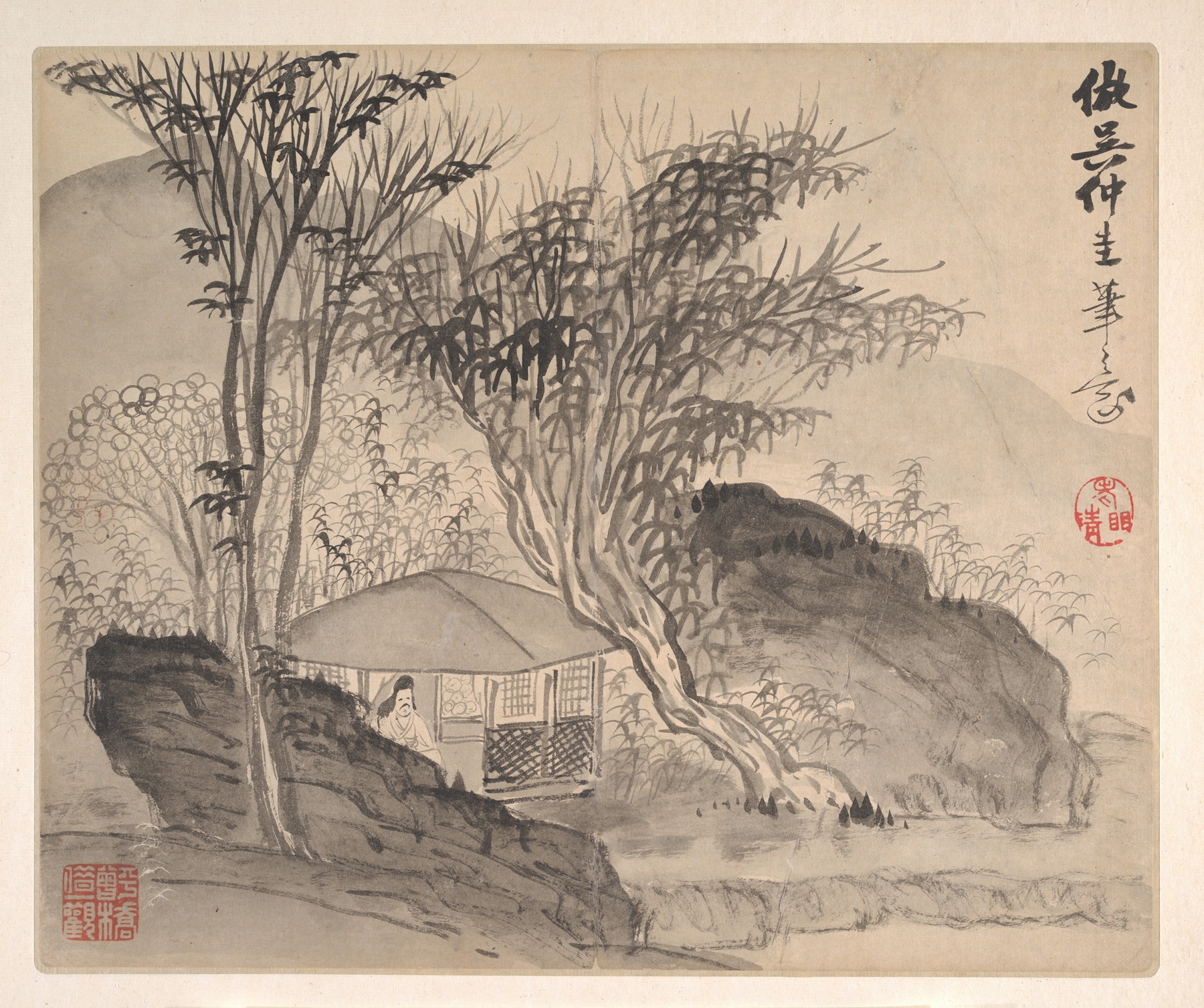
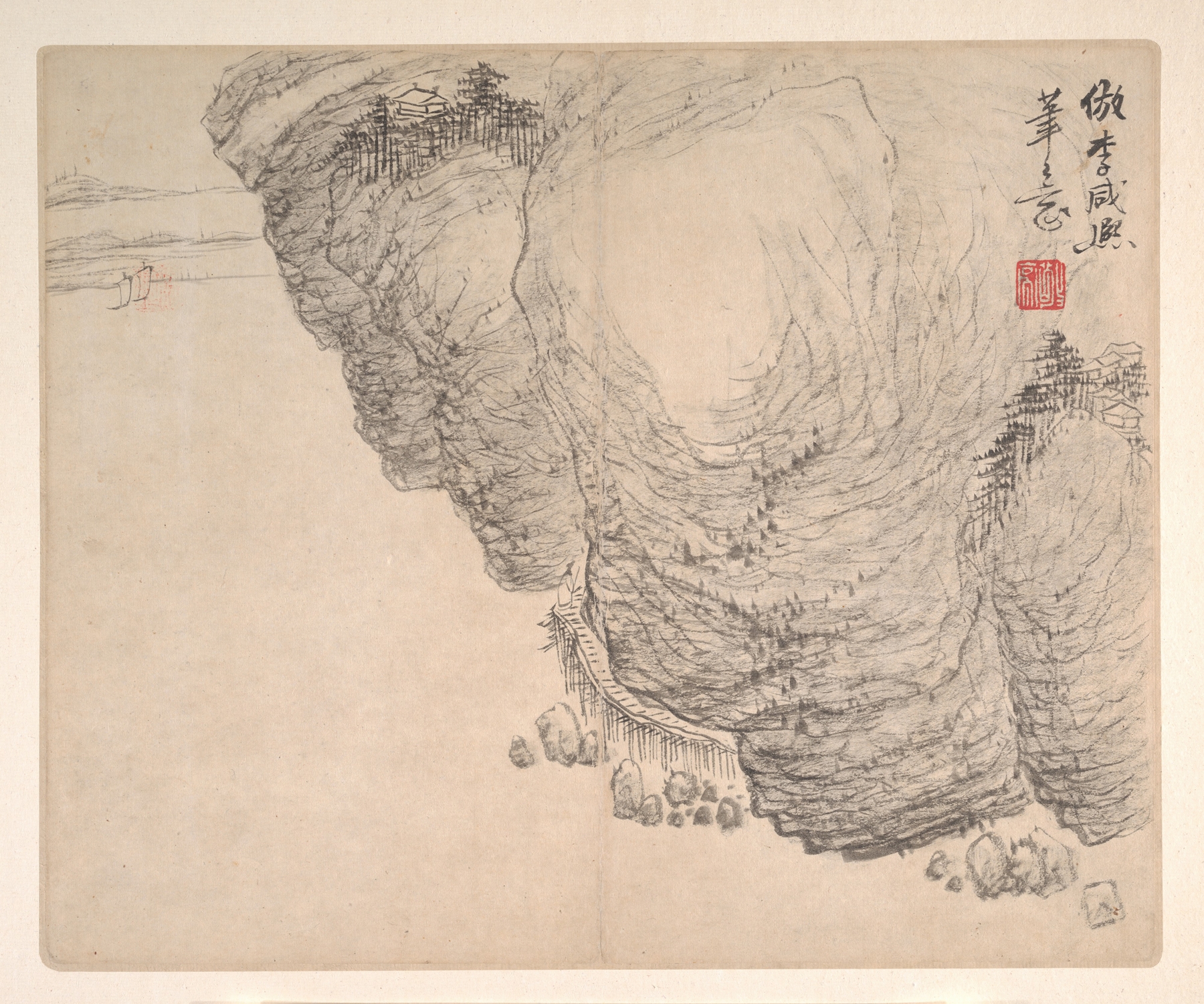
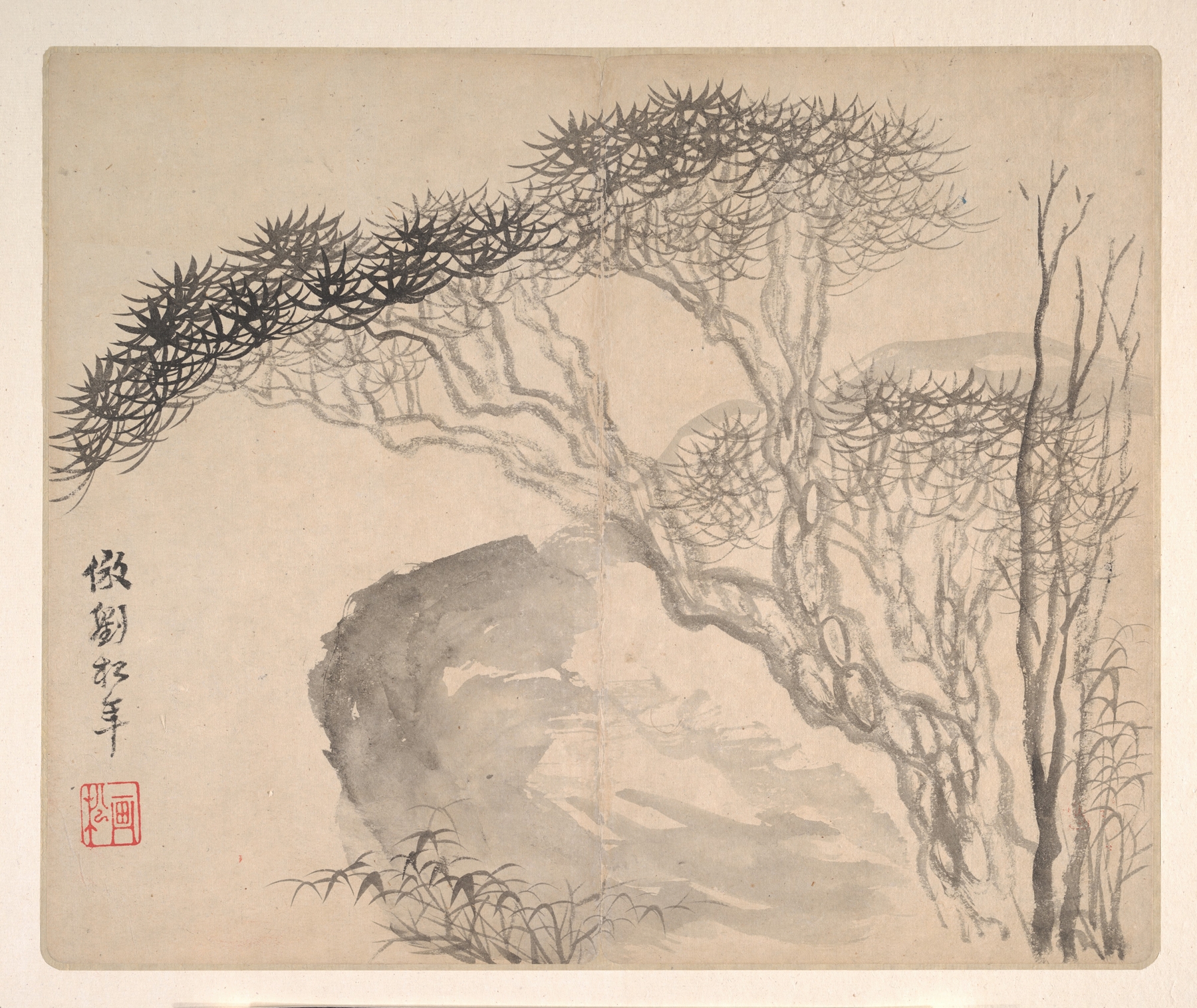
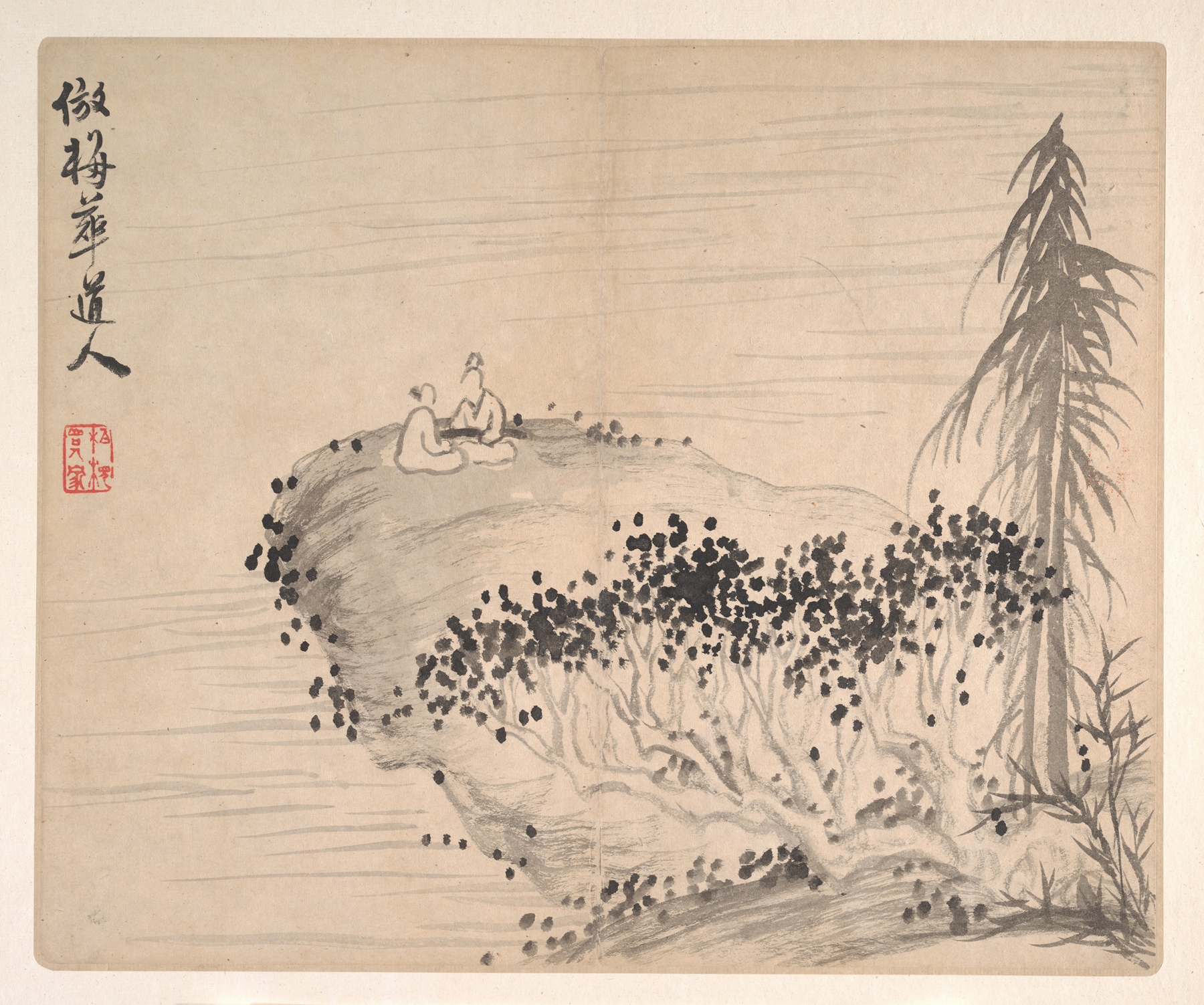
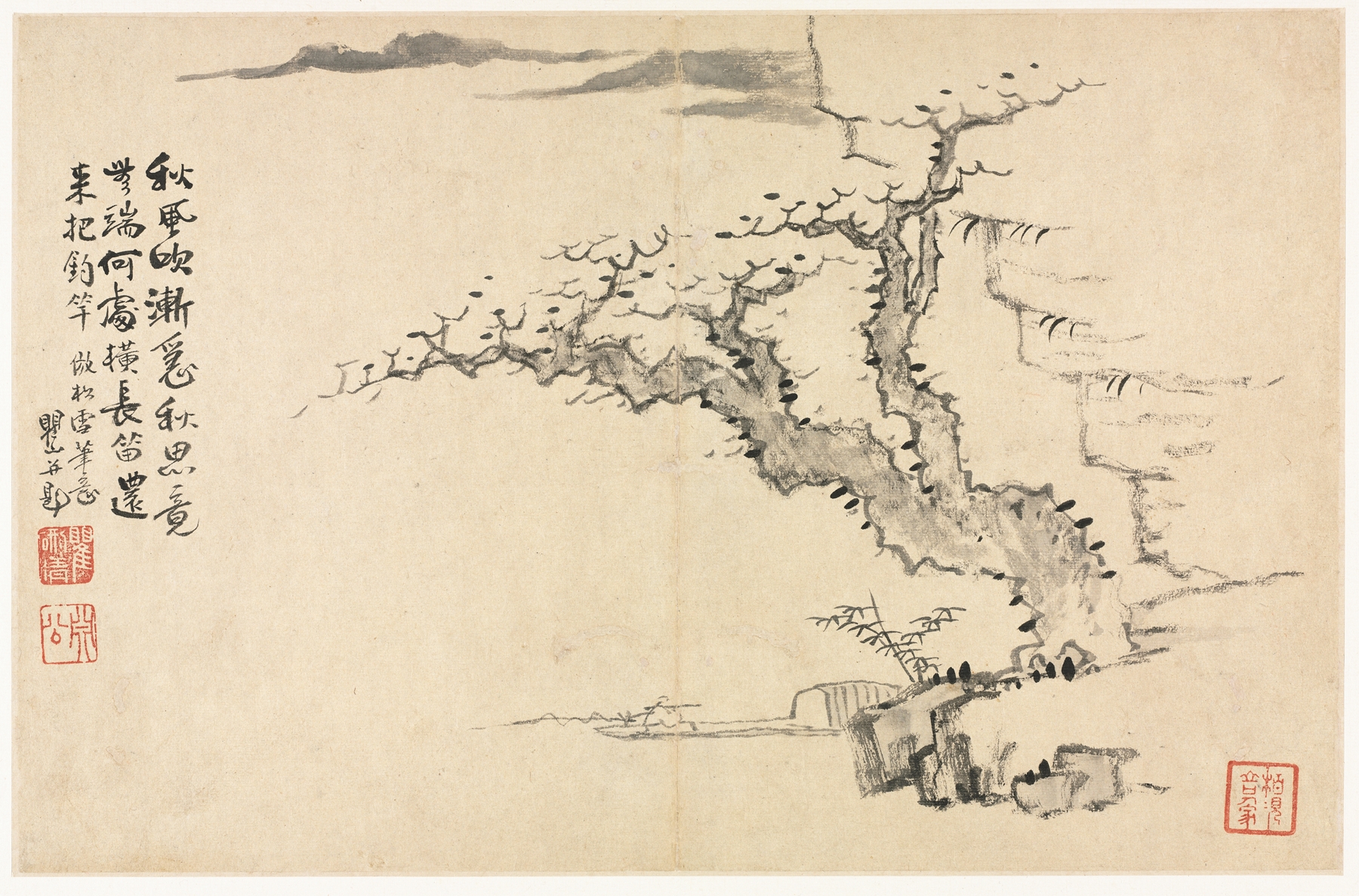
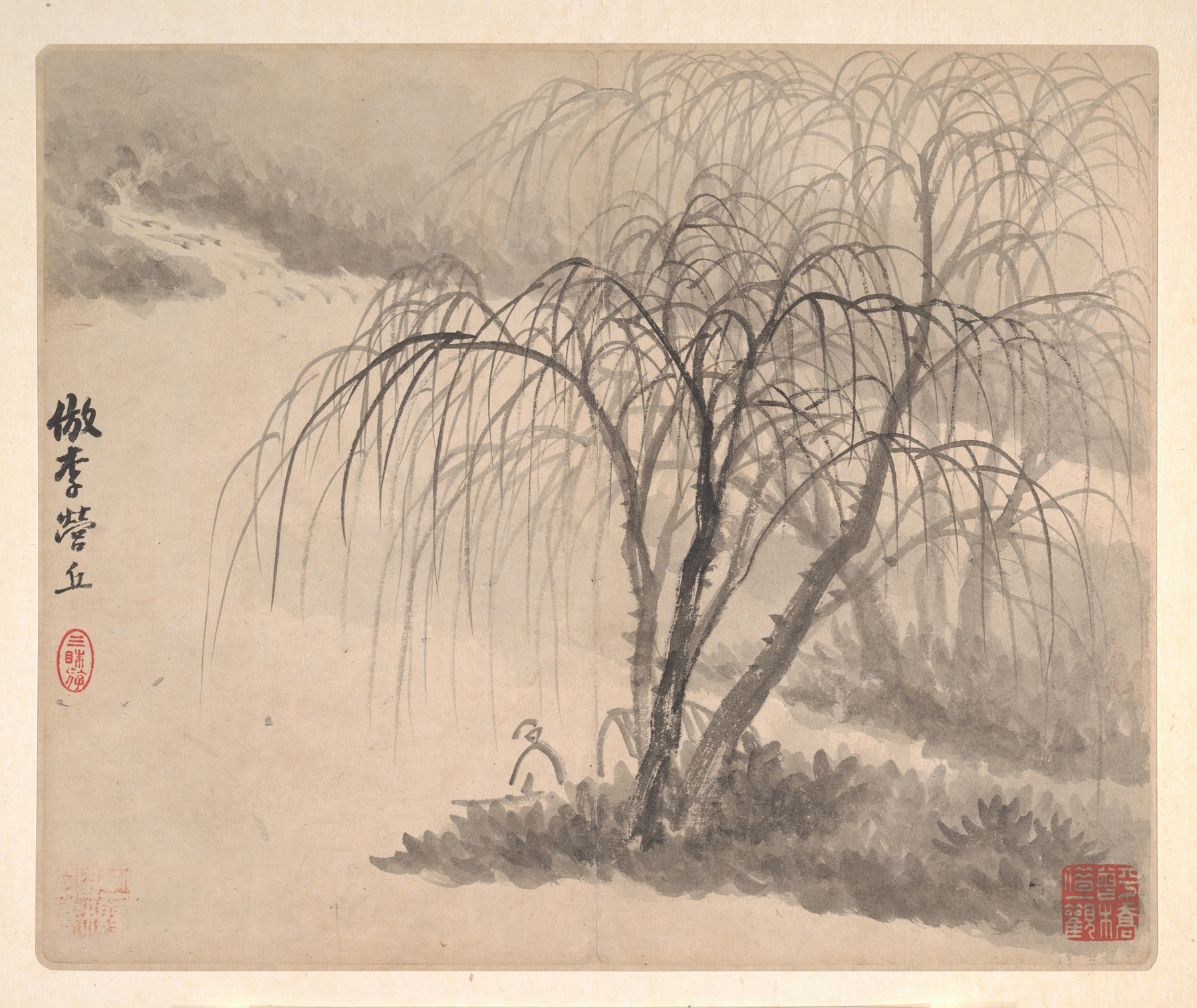
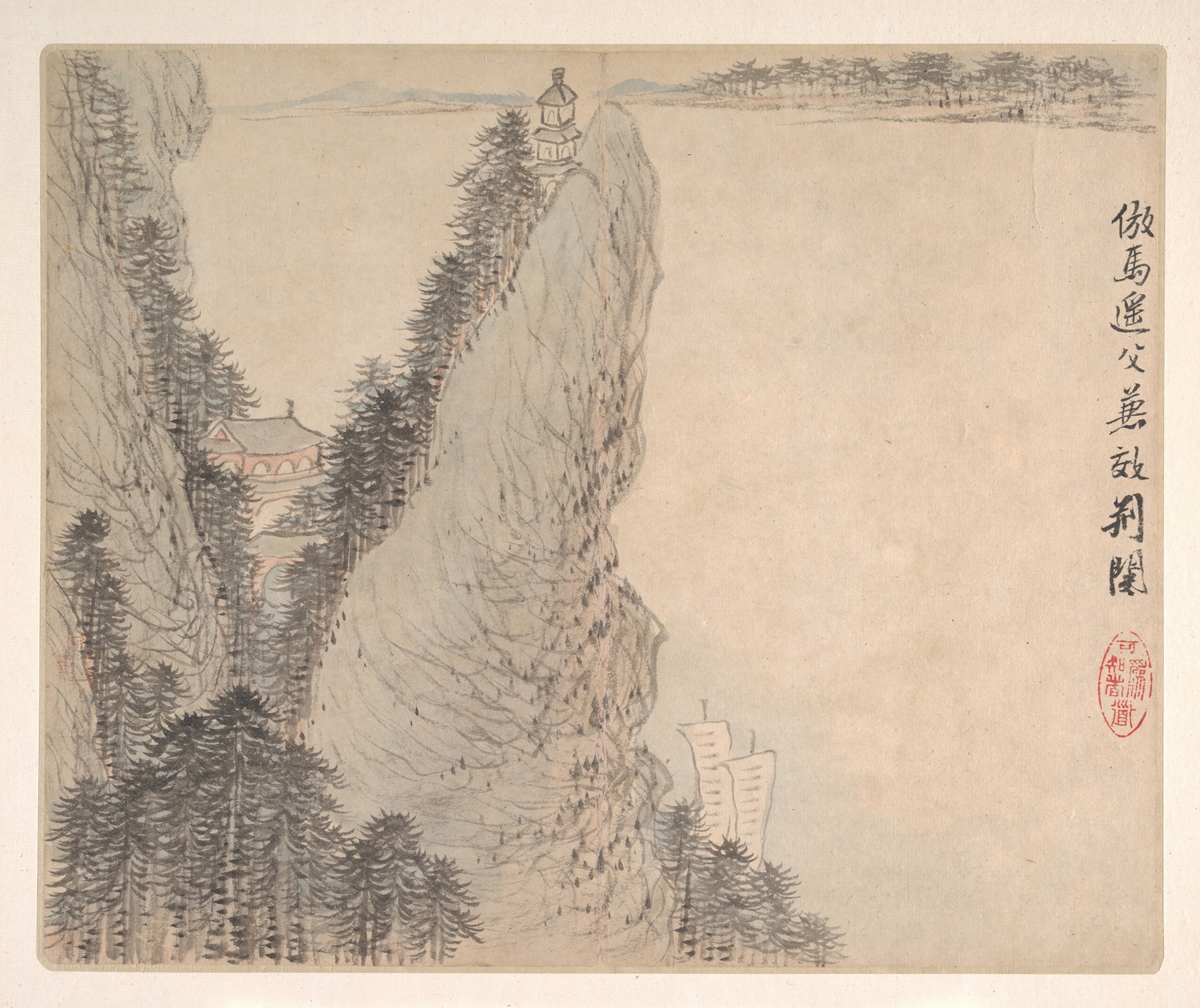
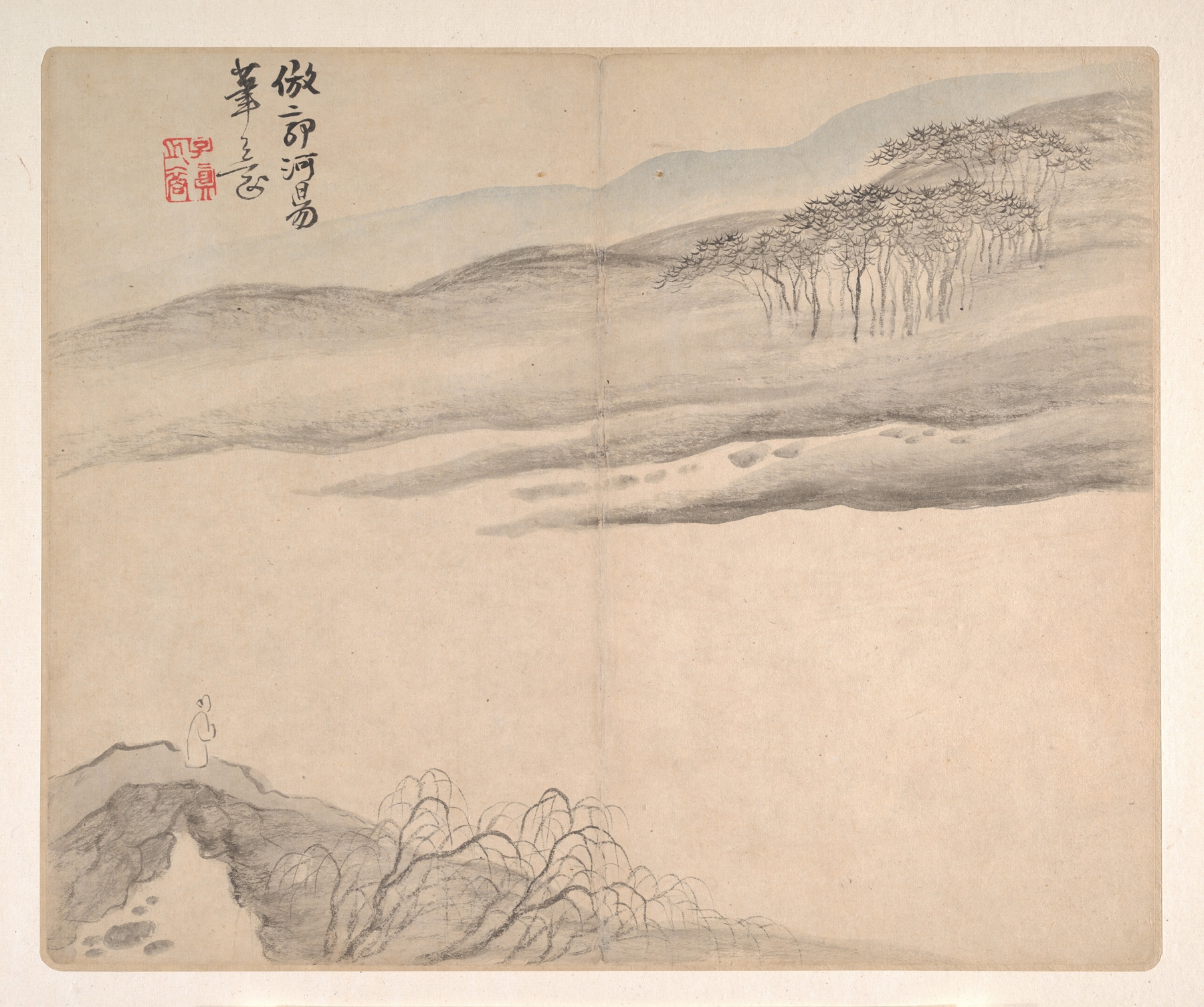
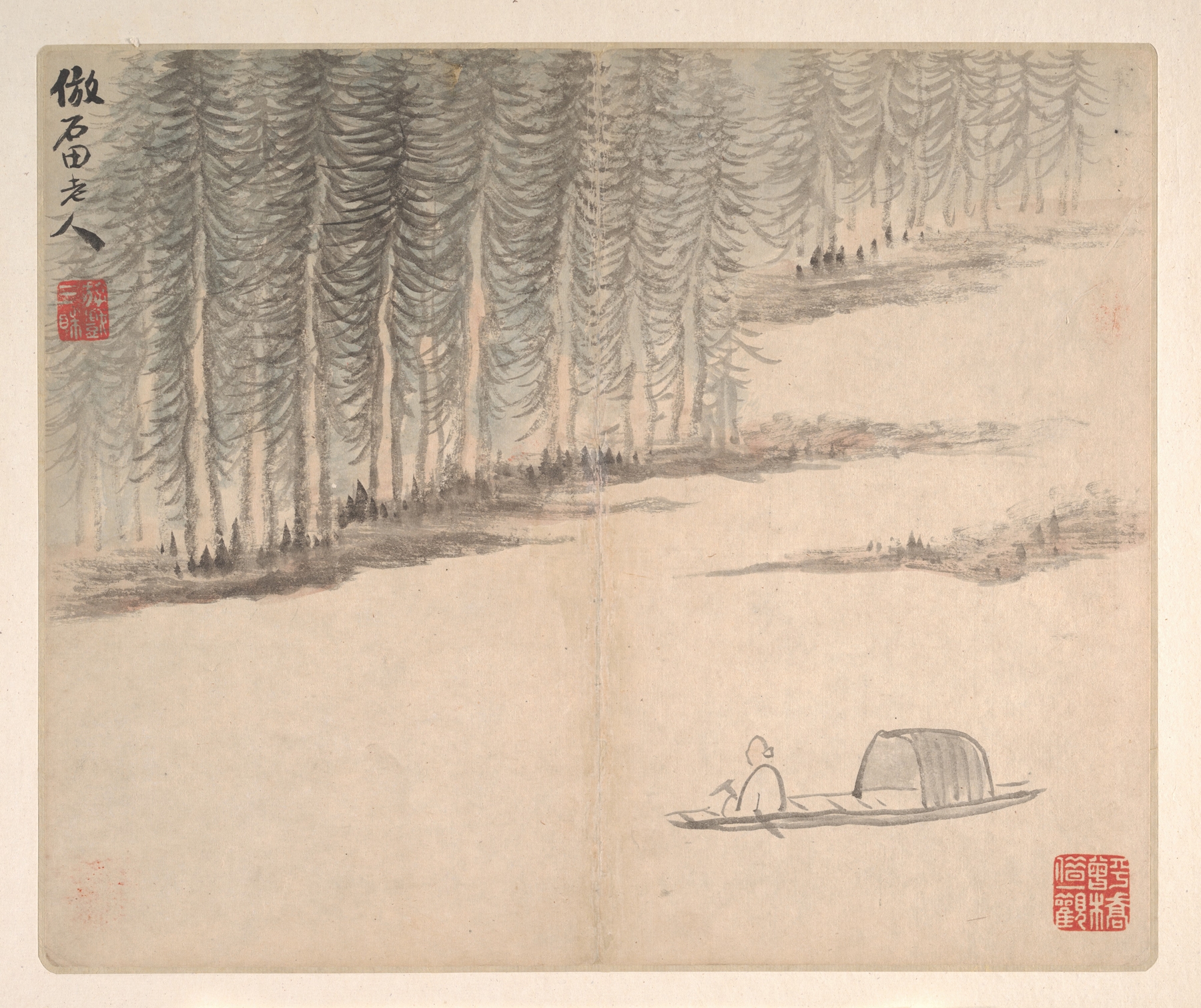
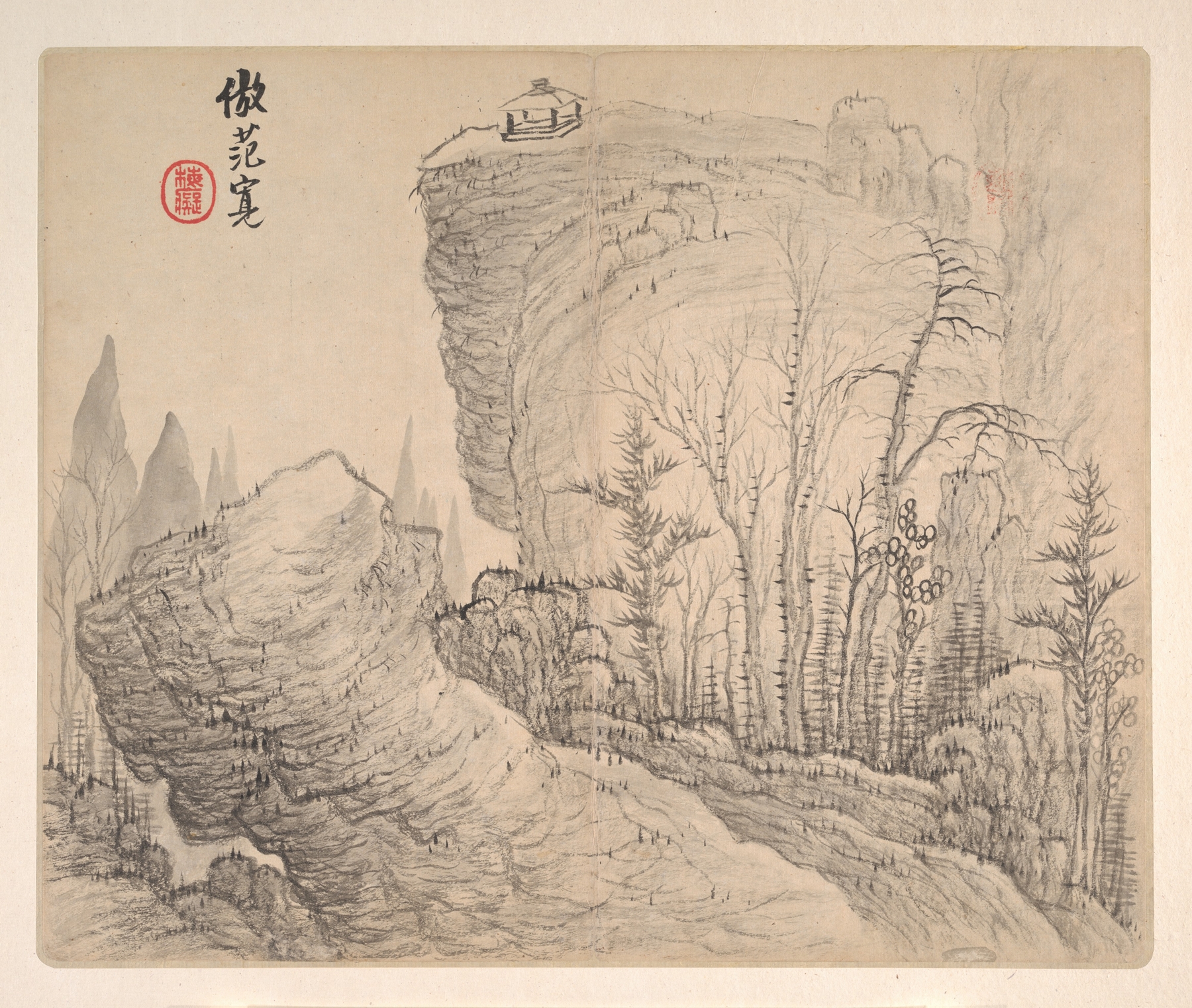
Did the painter know this moment would outlive them? In a whisper of madness that seeps through the canvas, Landscapes after Ancient Masters Pl.11 invites us to ponder the echoes of the past and the fragile grasp of reality. Focus on the winding river, where silken strokes suggest water flowing under a moonlit sky. Look closely at the trees, their branches twisting like delicate fingers reaching toward an unseen fate.
The hues of blue and green dance together, embodying tranquility, yet the erratic brushwork hints at an underlying chaos, as if nature itself teeters on the brink of insanity. Within this serene landscape lies a multitude of contrasts—calm against chaos, reality against imagination. The mountains loom in the background, a steadfast presence that suggests permanence amidst the fleeting moment captured in the foreground. It also speaks to the artist's struggle with tradition and originality; he pays homage to ancient masters while infusing his own emotional turbulence into the serene beauty of nature.
The tension between these elements creates an unsettling yet captivating experience, inviting the viewer to explore their own sense of madness. Mei Qing completed this piece in 1693 during a time of significant change in China. He was part of a cultural renaissance in landscape painting, deeply influenced by the classical traditions yet pushing boundaries in his own practice. The late Ming and early Qing dynasties saw a flourishing of artistic expression, and Qing was at the forefront of this movement, grappling with his inner conflicts while striving to honor the legacy of his predecessors.