Landscapes after Ancient Masters Pl.03 — History & Analysis
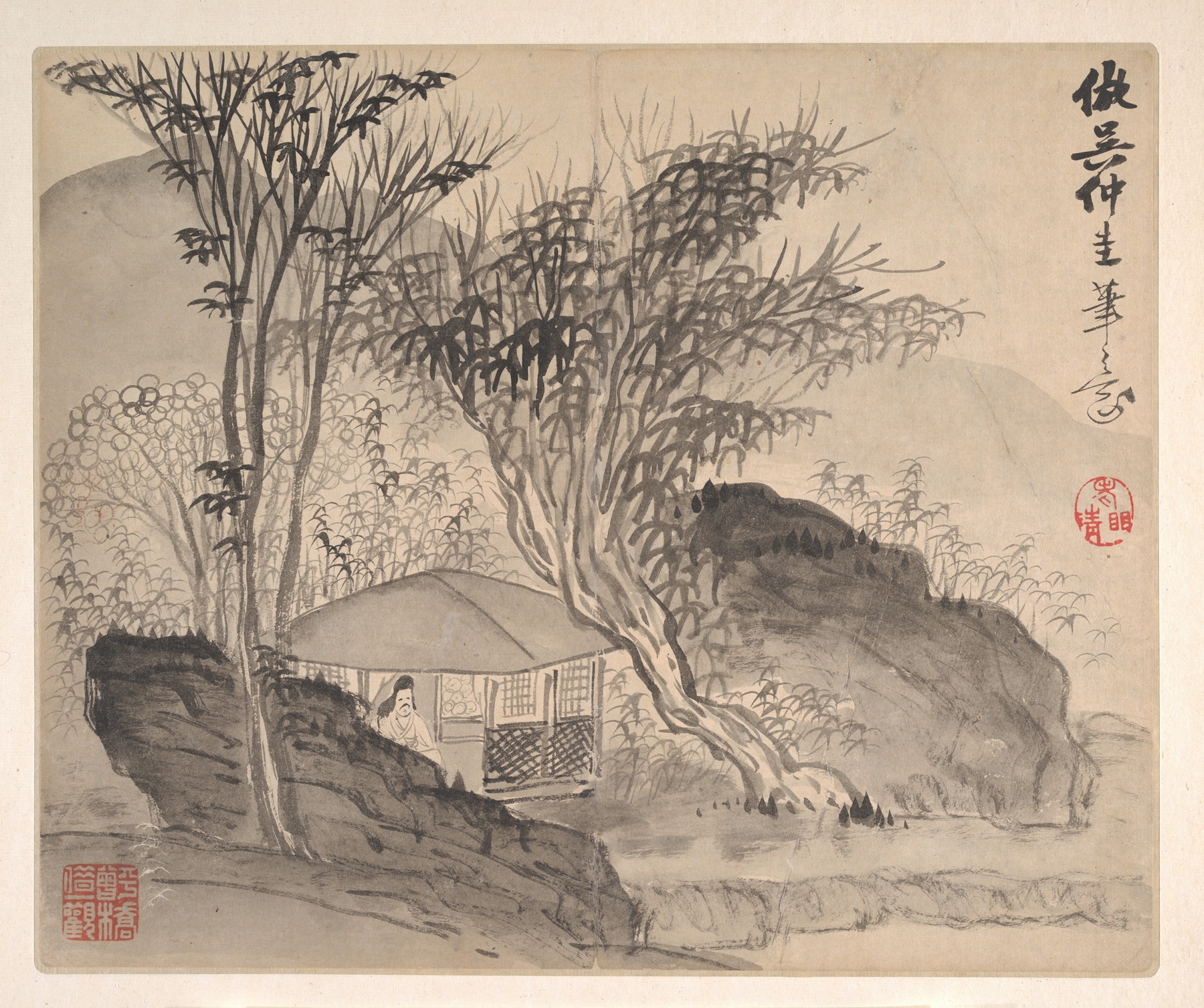
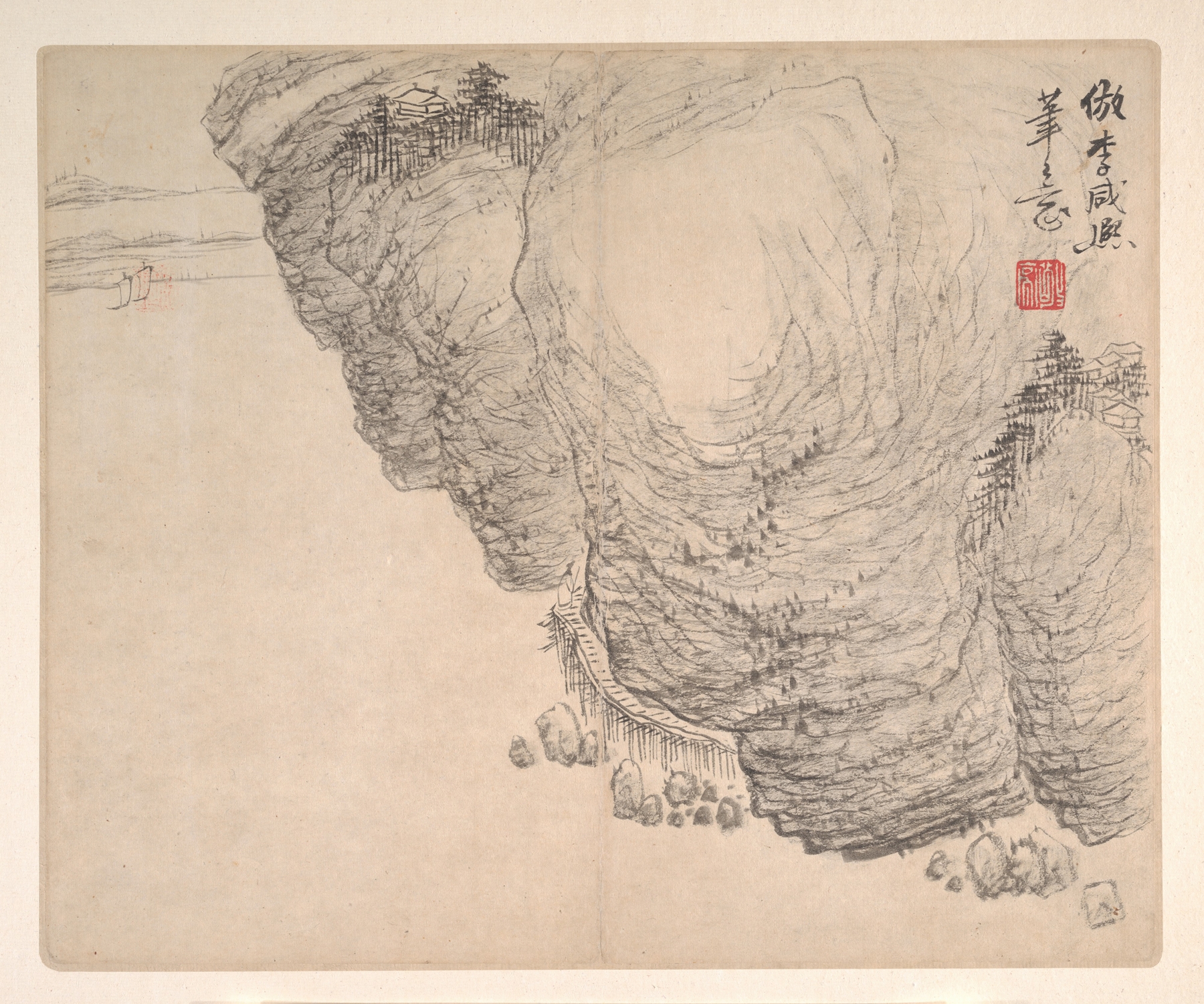
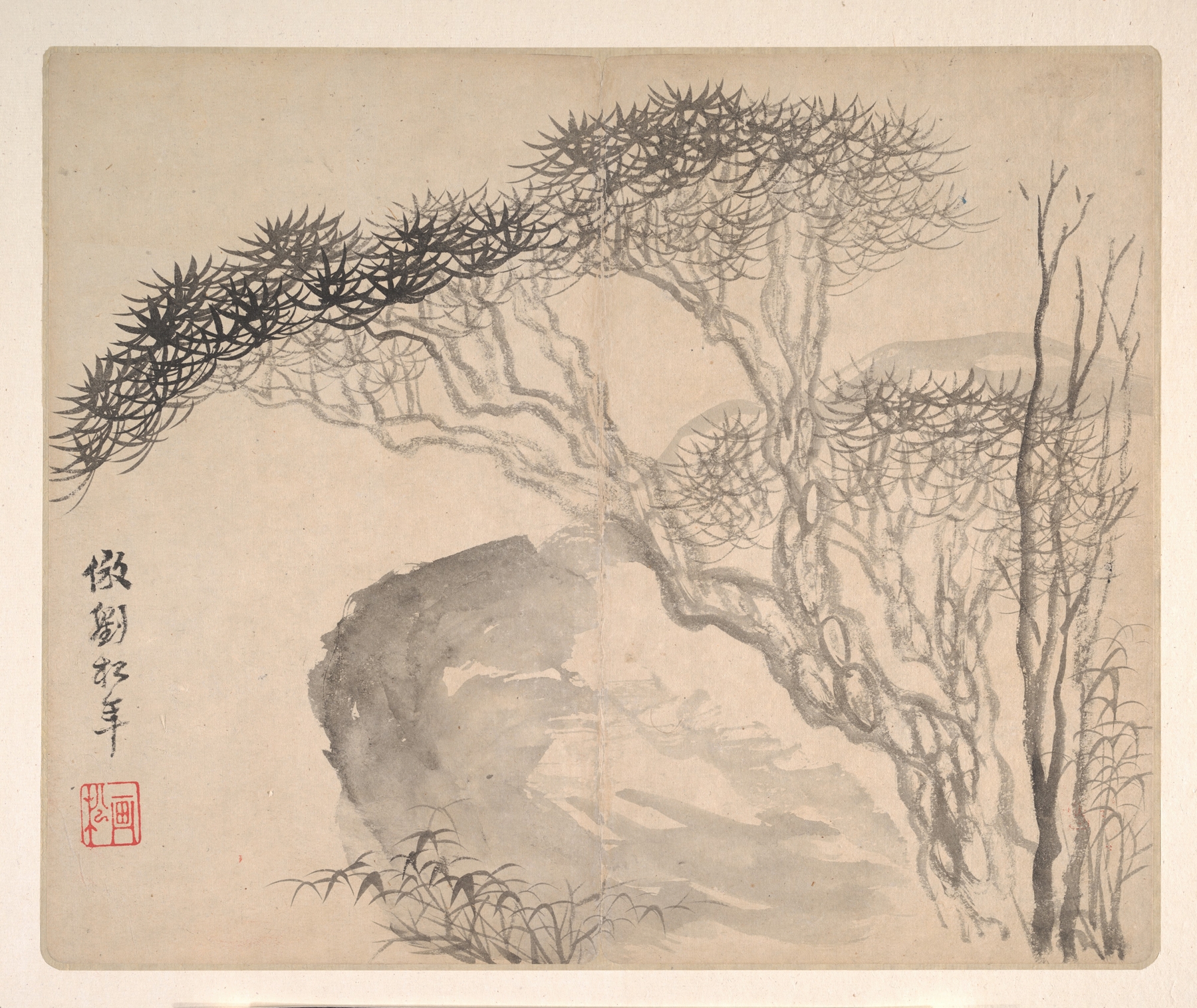
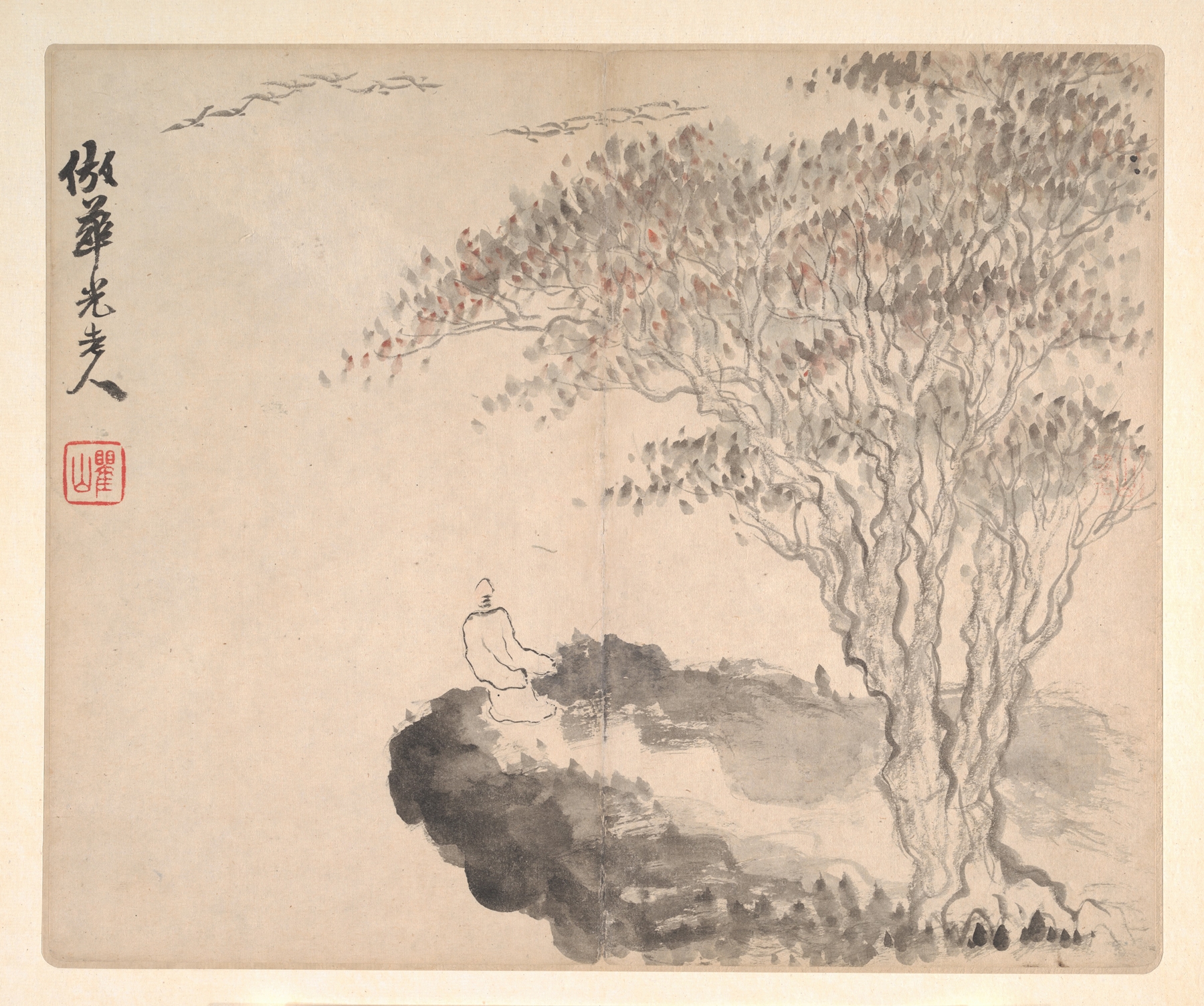
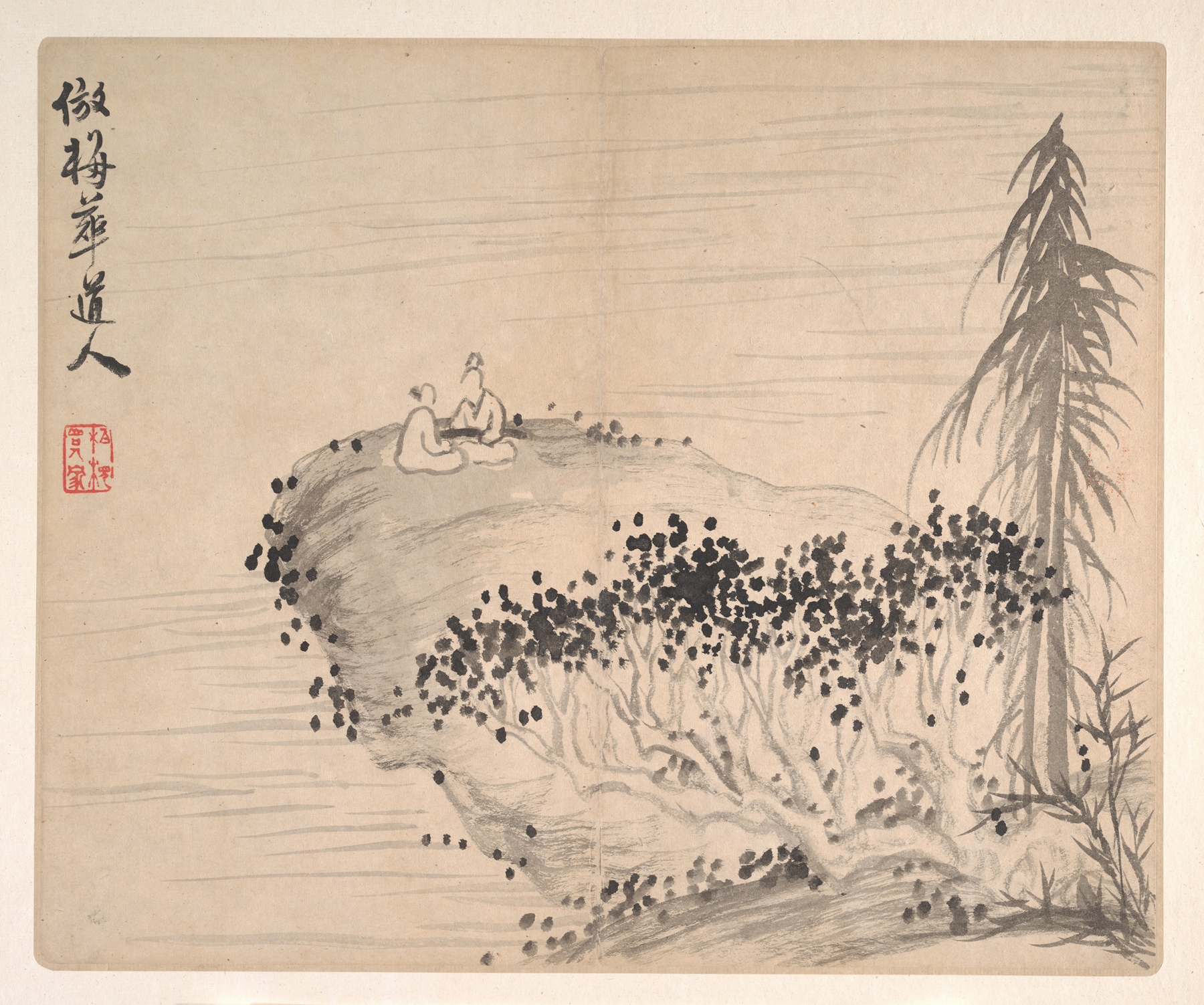
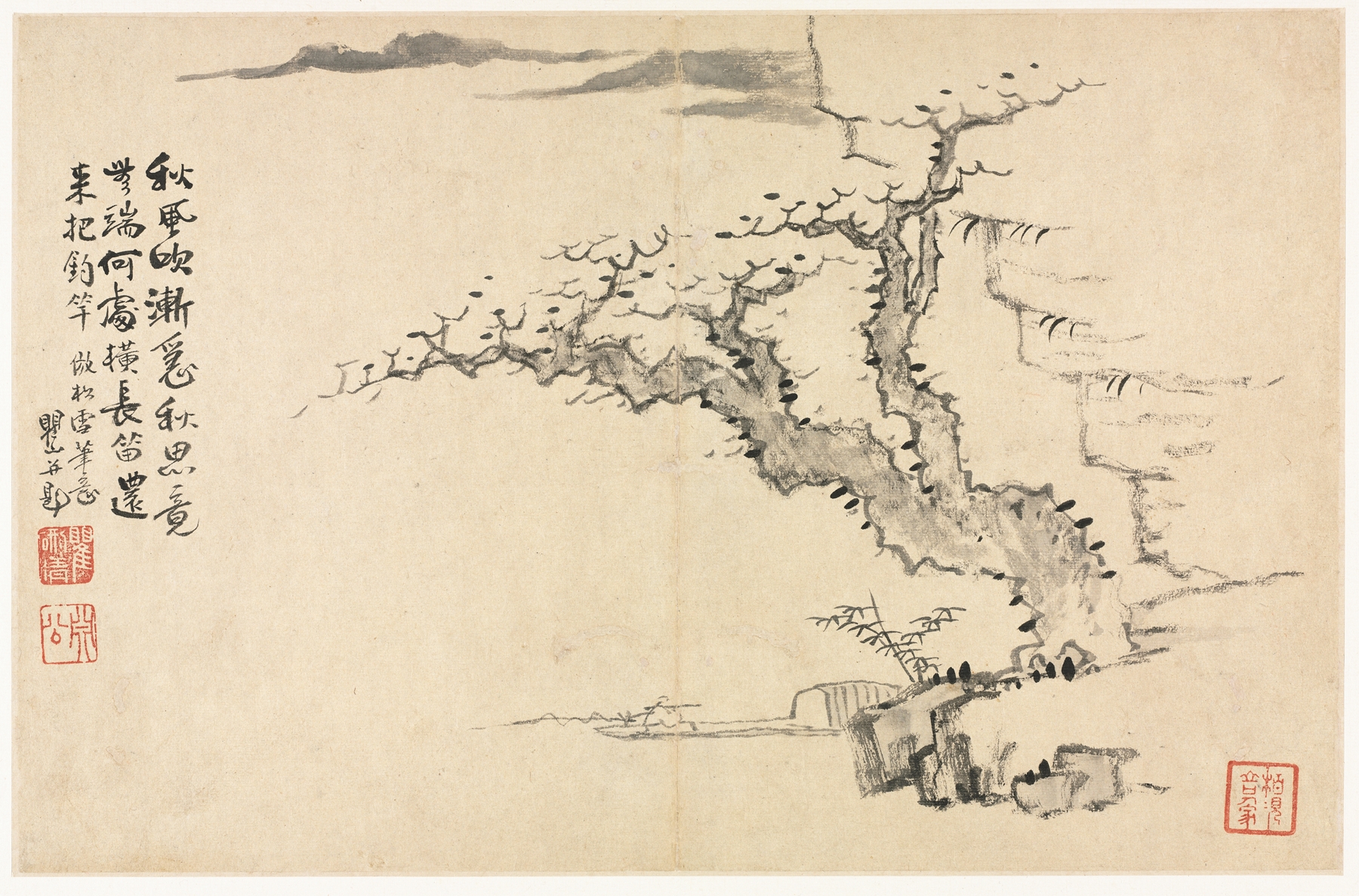
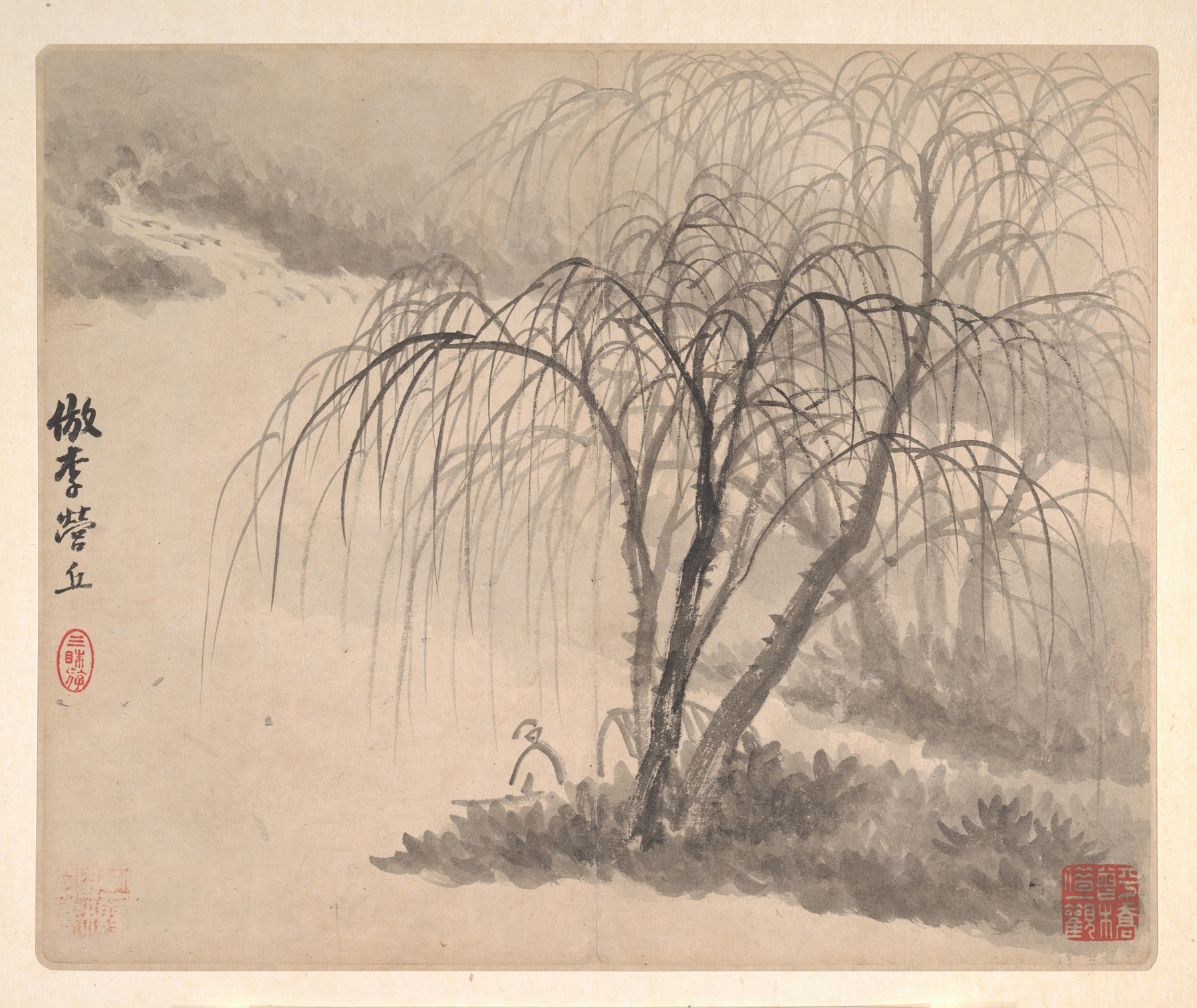
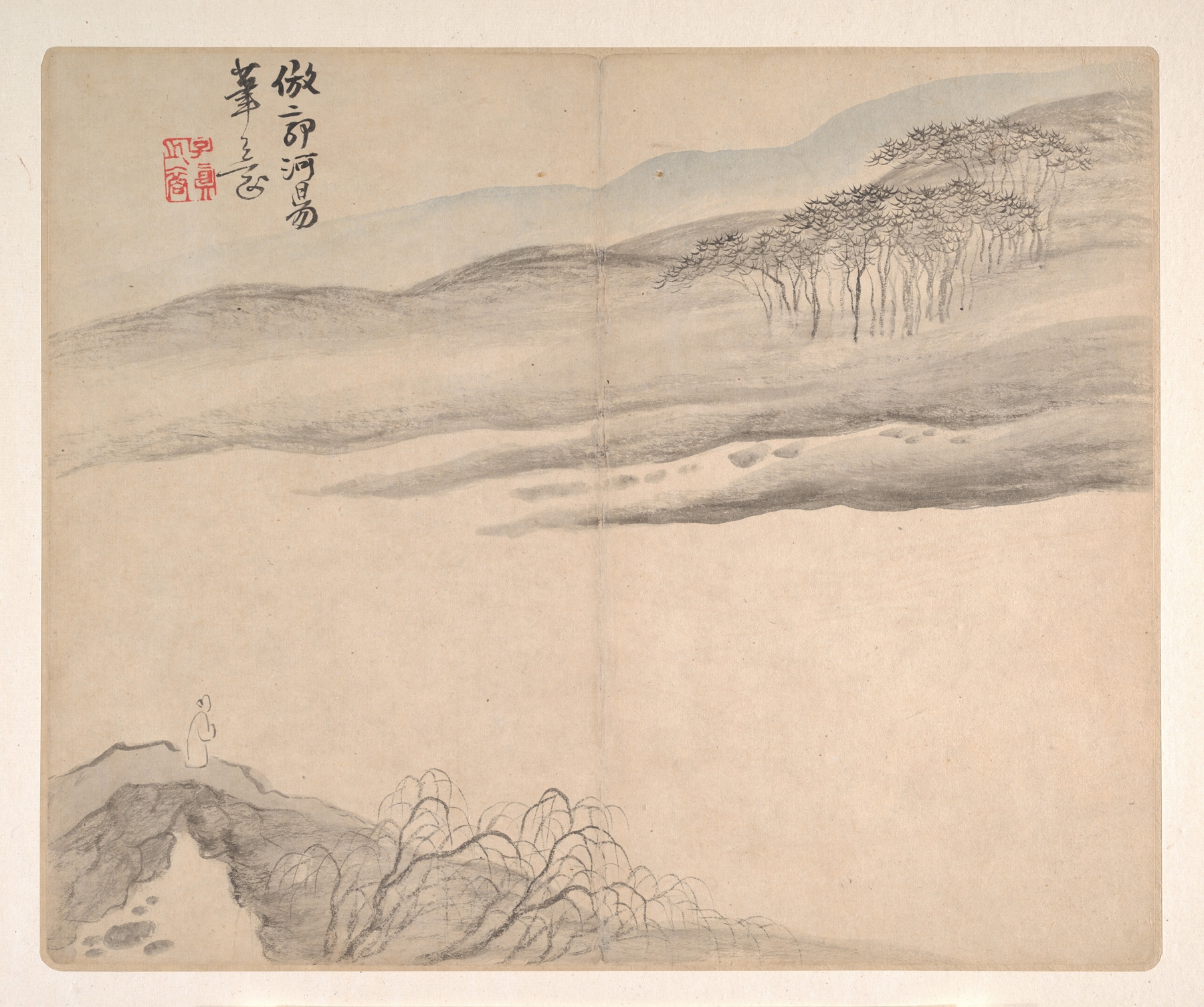
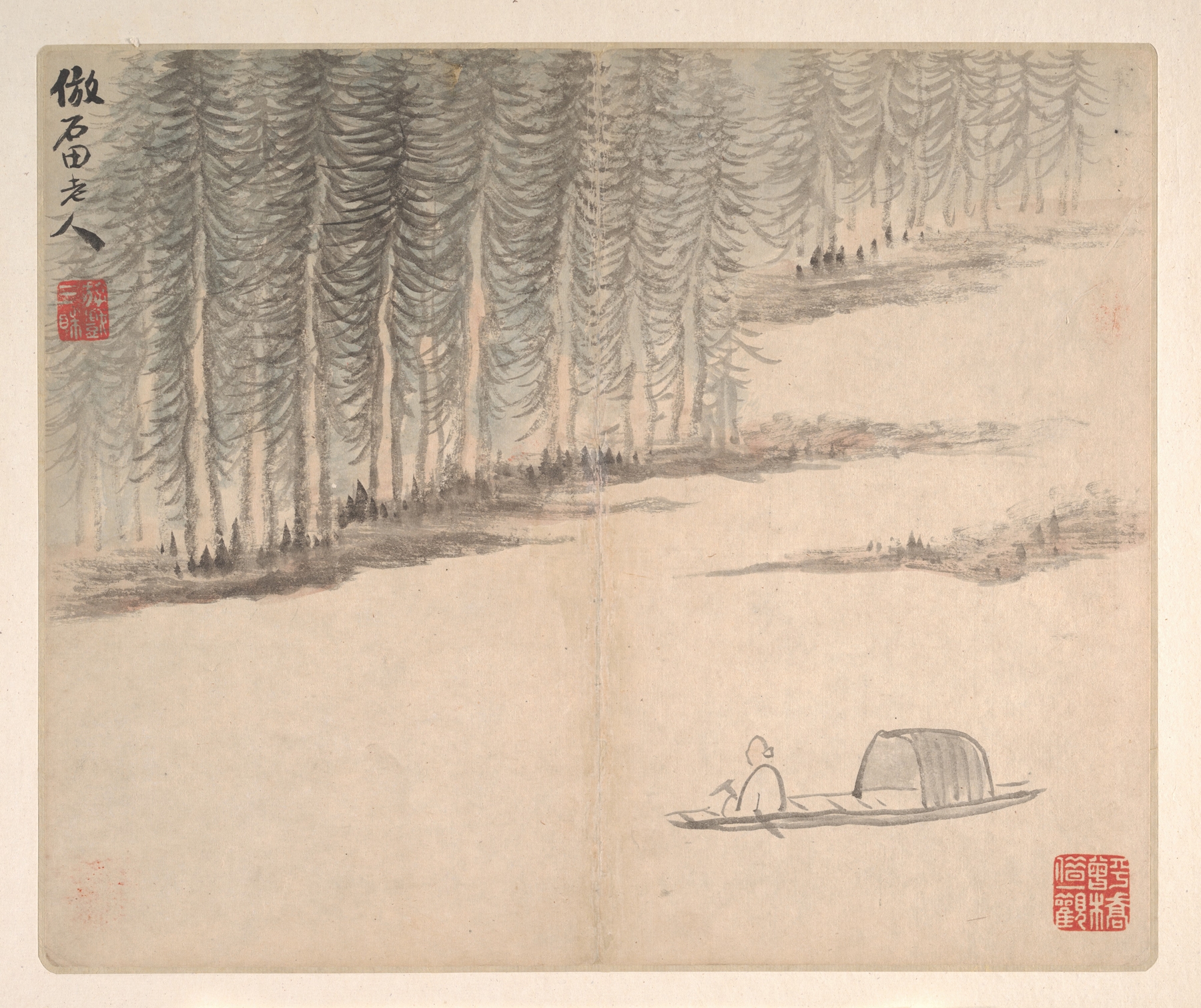
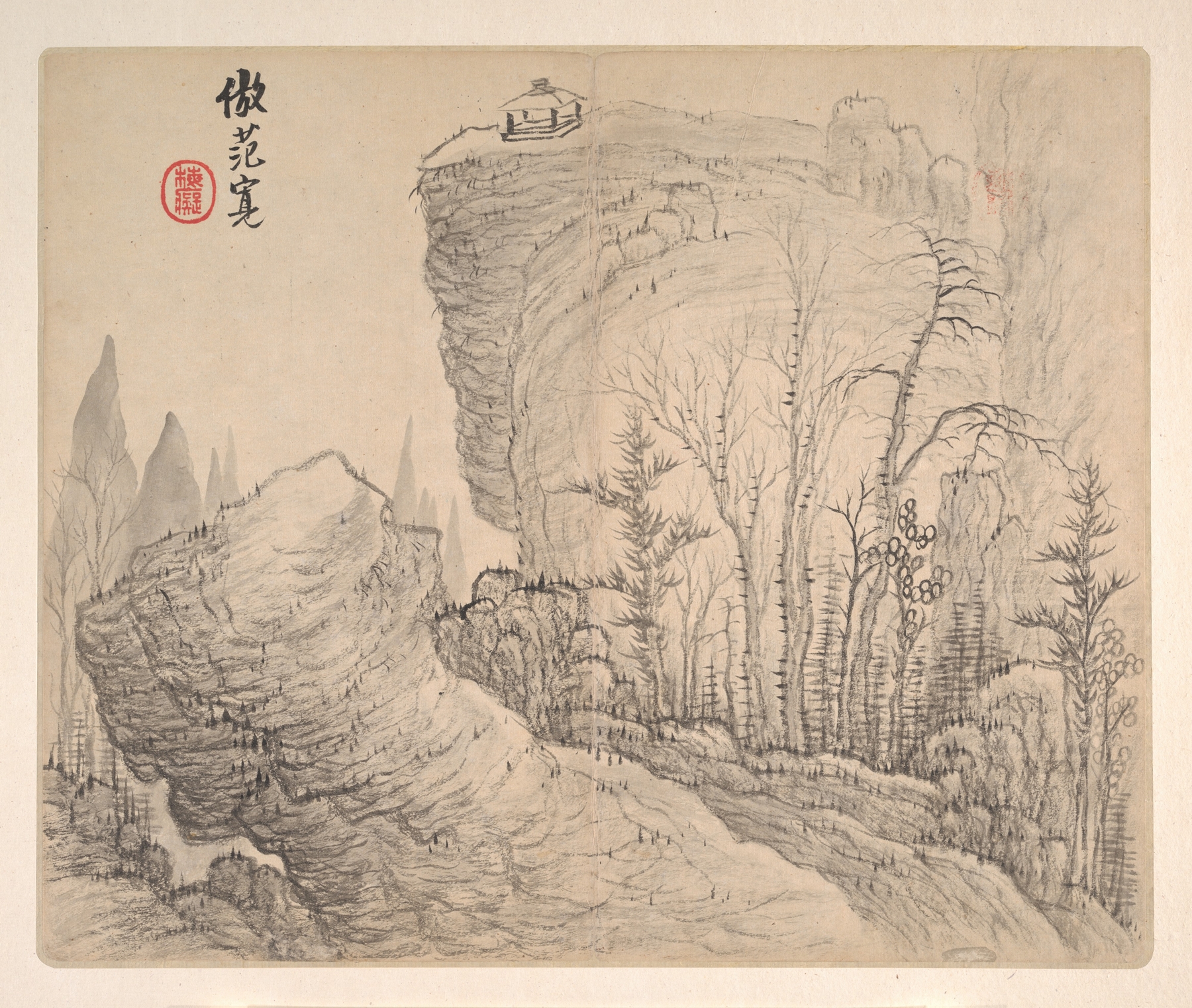
“The canvas doesn’t lie — it simply waits.” In the stillness of ancient landscapes, fragility emerges through brushstrokes, whispering tales of time and nature’s quiet resilience. Look to the left at the gentle undulations of hills, painted in soft greens and browns that evoke a sense of calm. Notice how the delicate strokes of Mei Qing's brush create a harmonious blend of land and sky, inviting an exploration of the serene horizon. The composition reveals a balance between the vastness of nature and the intimate details of flora, with each element meticulously placed, guiding the viewer's eye toward the distant peaks.
Yet, it is in the subtleties where deeper truths reside. The interplay of light and shadow on the mountains hints at the passage of time, suggesting both permanence and transience. Each cloud, though ethereal, holds a weight that speaks to the fragility of existence, reminding us of the fleeting nature of beauty itself. The quietude encapsulated in this piece becomes a meditation on harmony, yet it stirs an underlying tension with its portrayal of life’s ephemeral moments.
In 1693, Mei Qing was immersed in the artistic dialogues of the Qing dynasty, reflecting a shift toward integrating Chinese landscape traditions with influences from ancient masters. As he crafted Landscapes after Ancient Masters Pl.03, he was navigating the complexities of his era, marked by a burgeoning appreciation for nature and a desire to capture its essence on canvas. This period saw a blending of personal expression and cultural heritage, allowing for a profound exploration of landscapes that resonated deeply with both his own experiences and the broader world.