Landscapes after Ancient Masters Pl.10 — History & Analysis
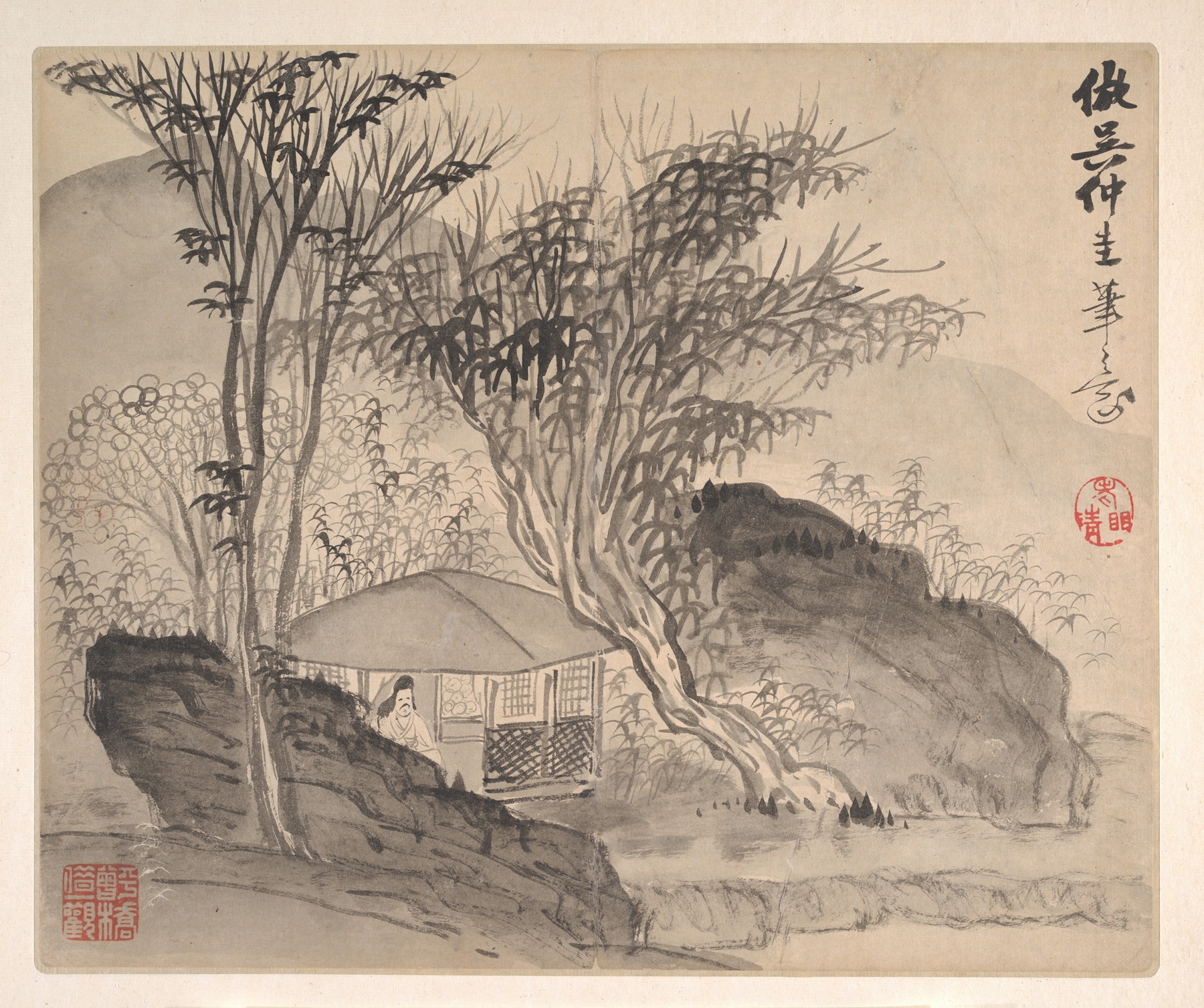
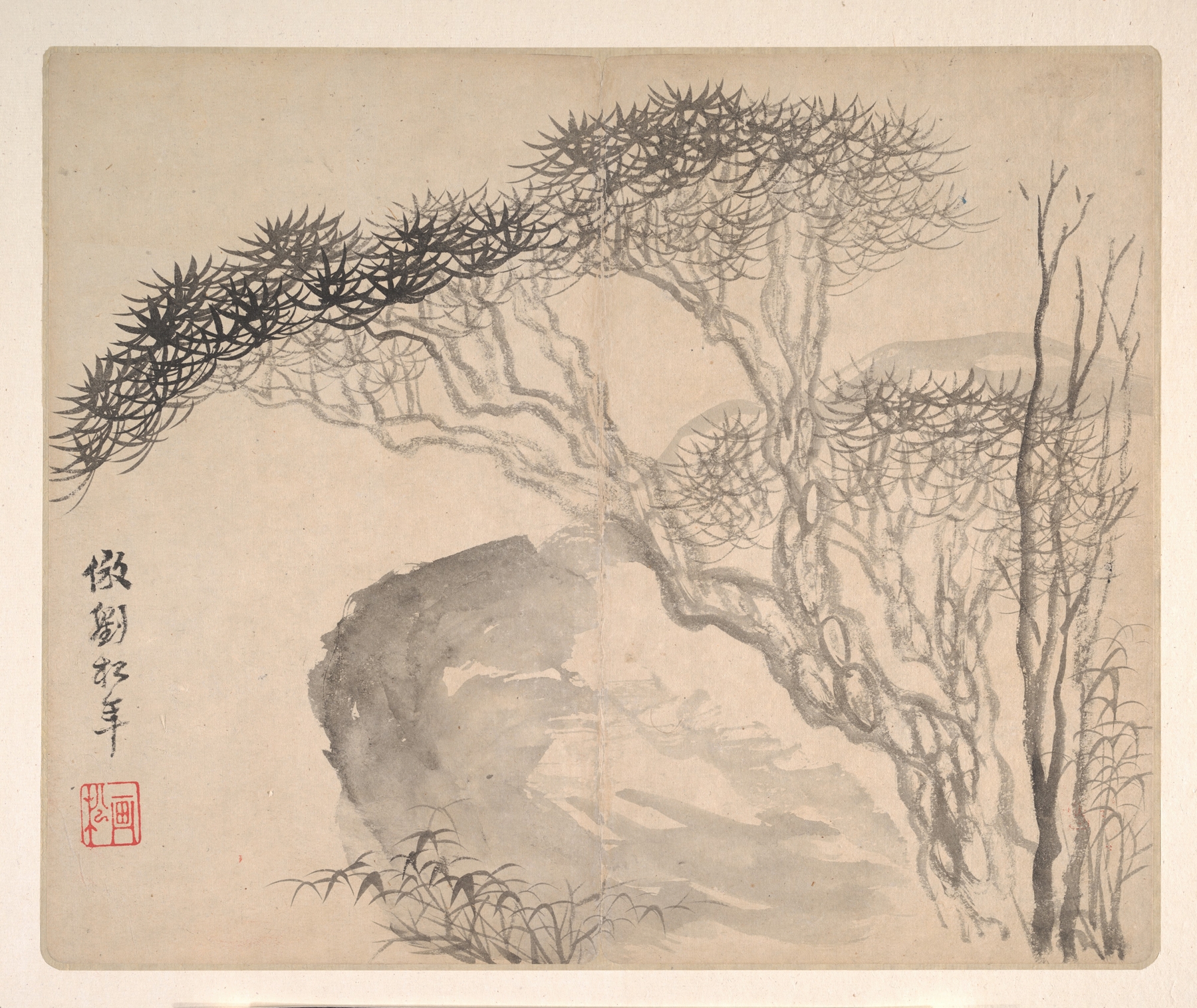
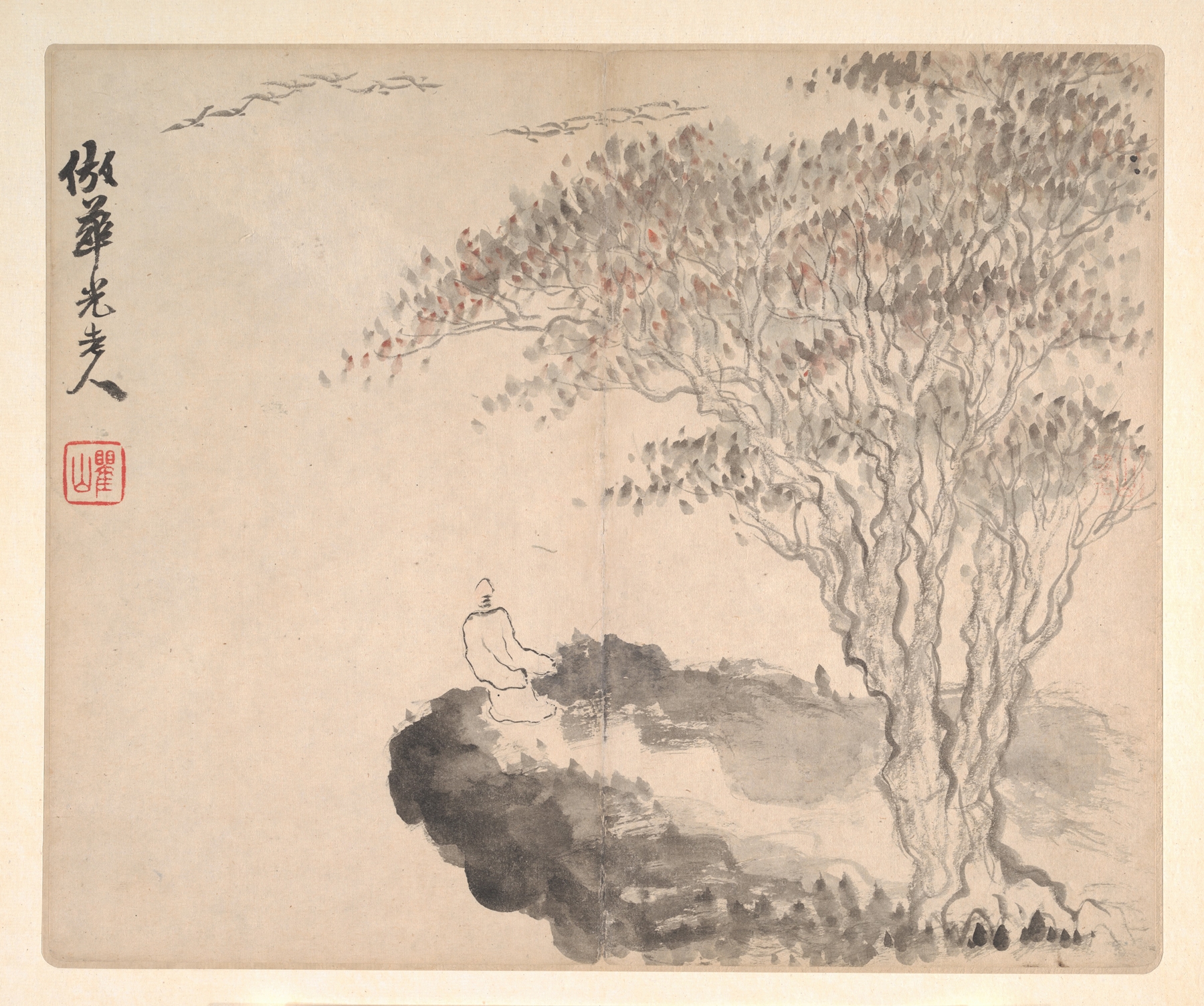
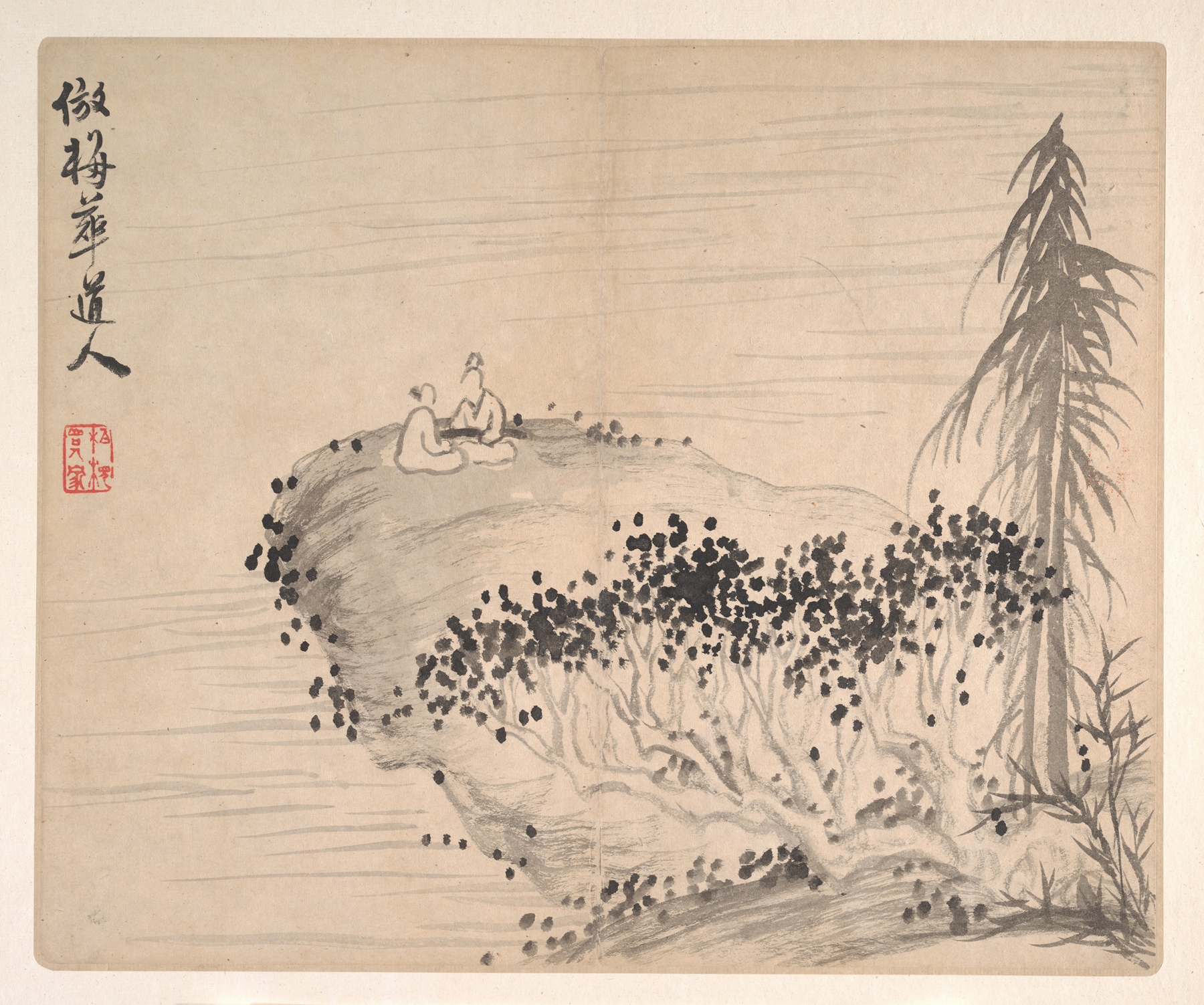
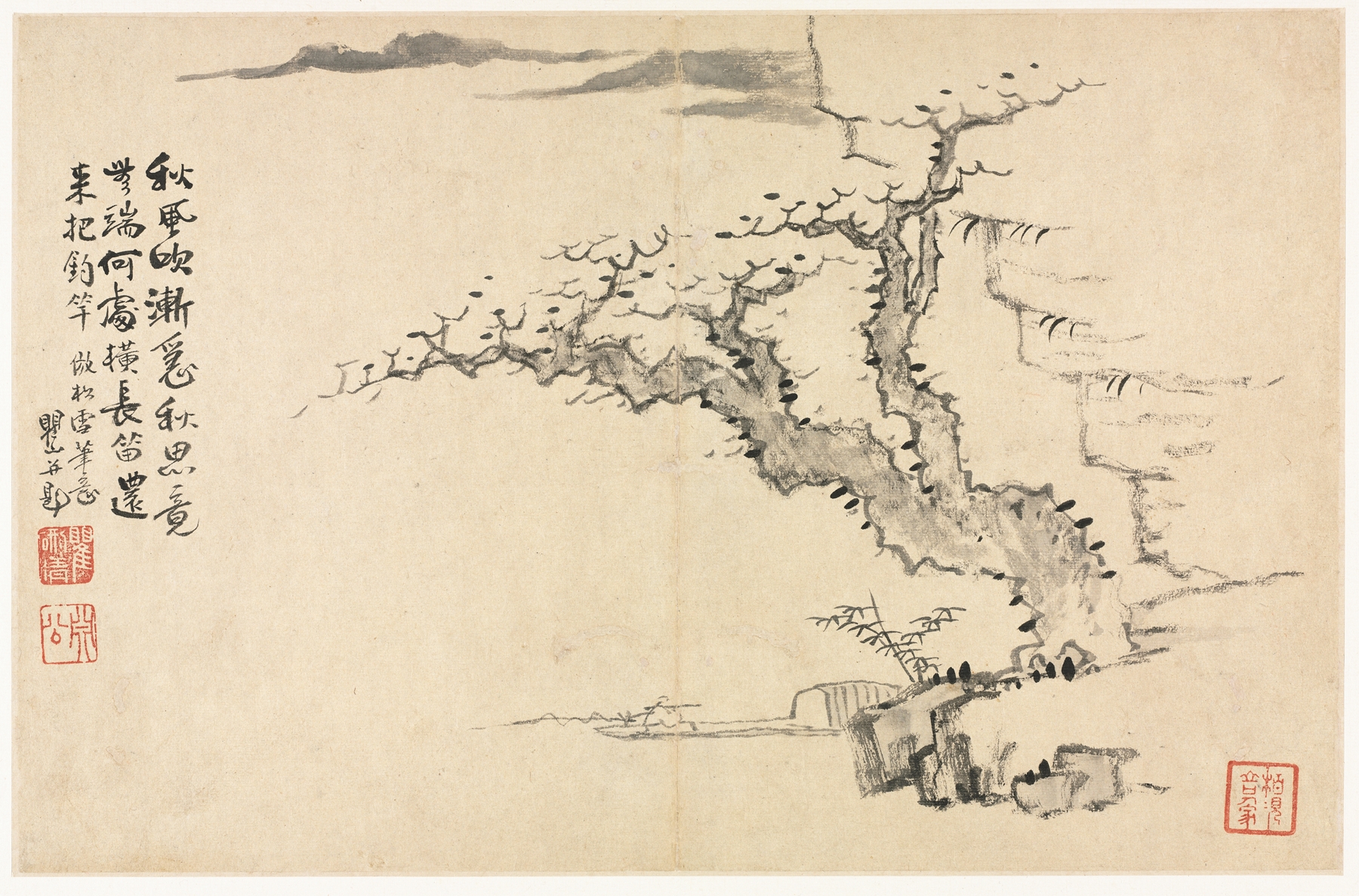
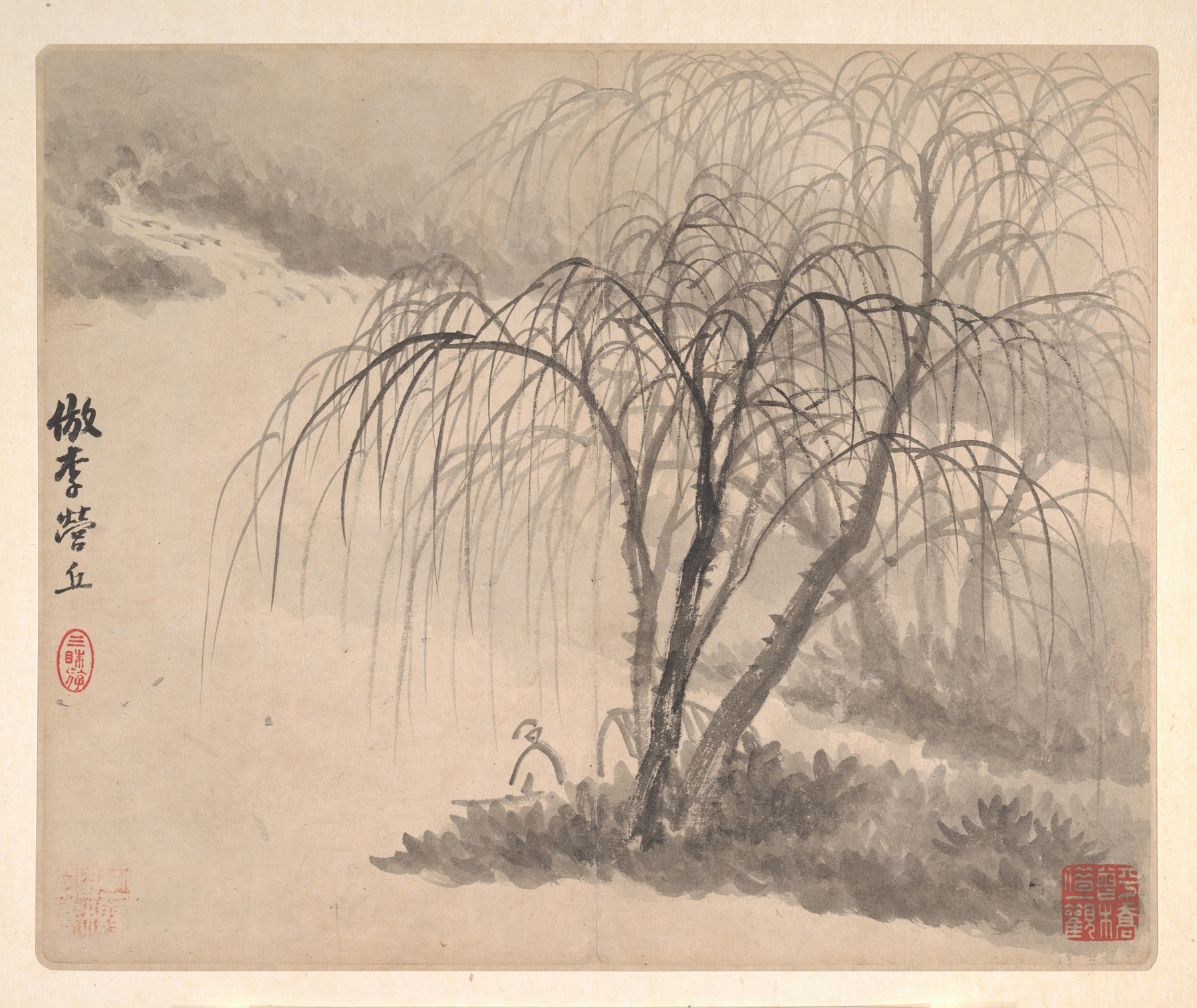
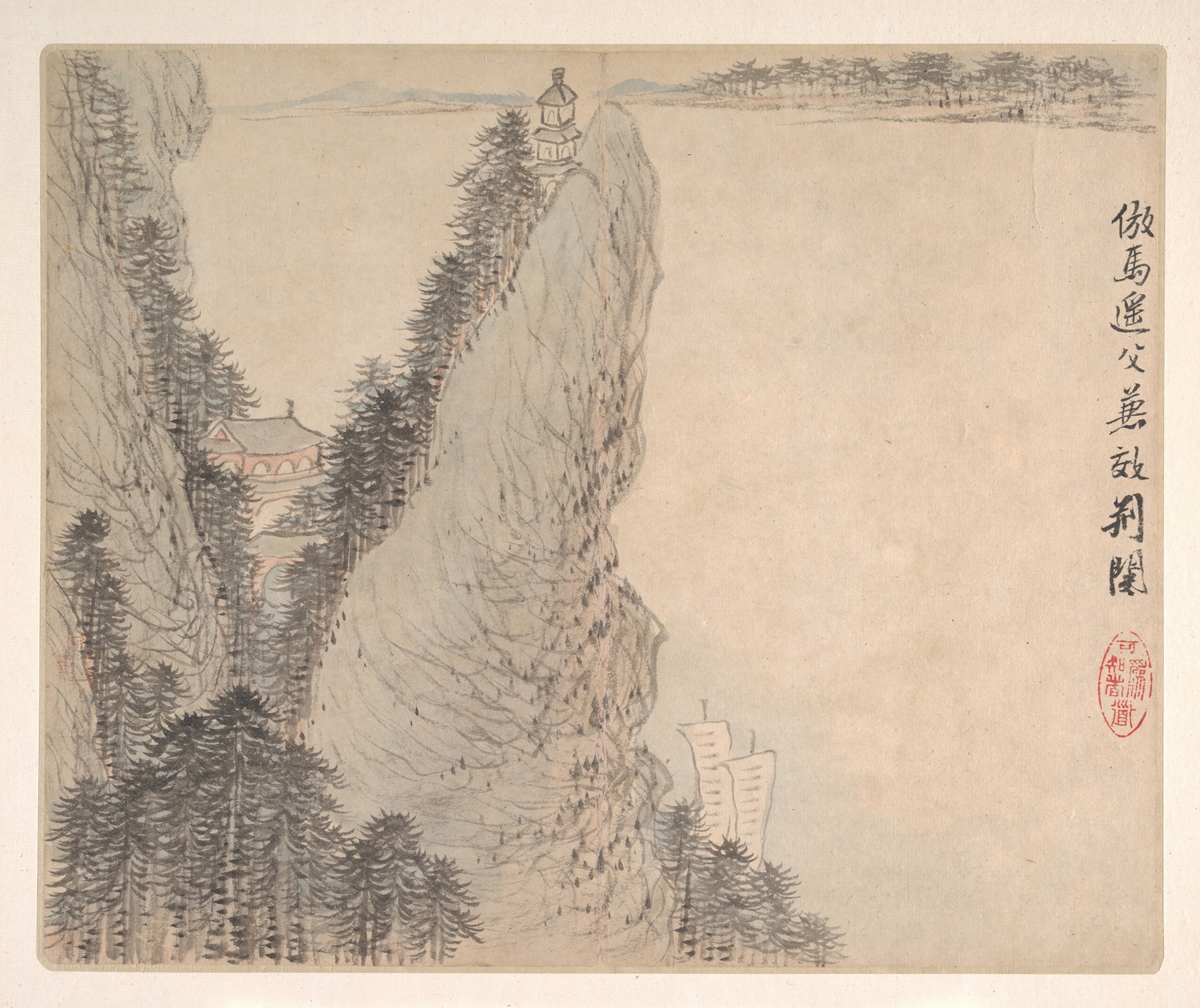
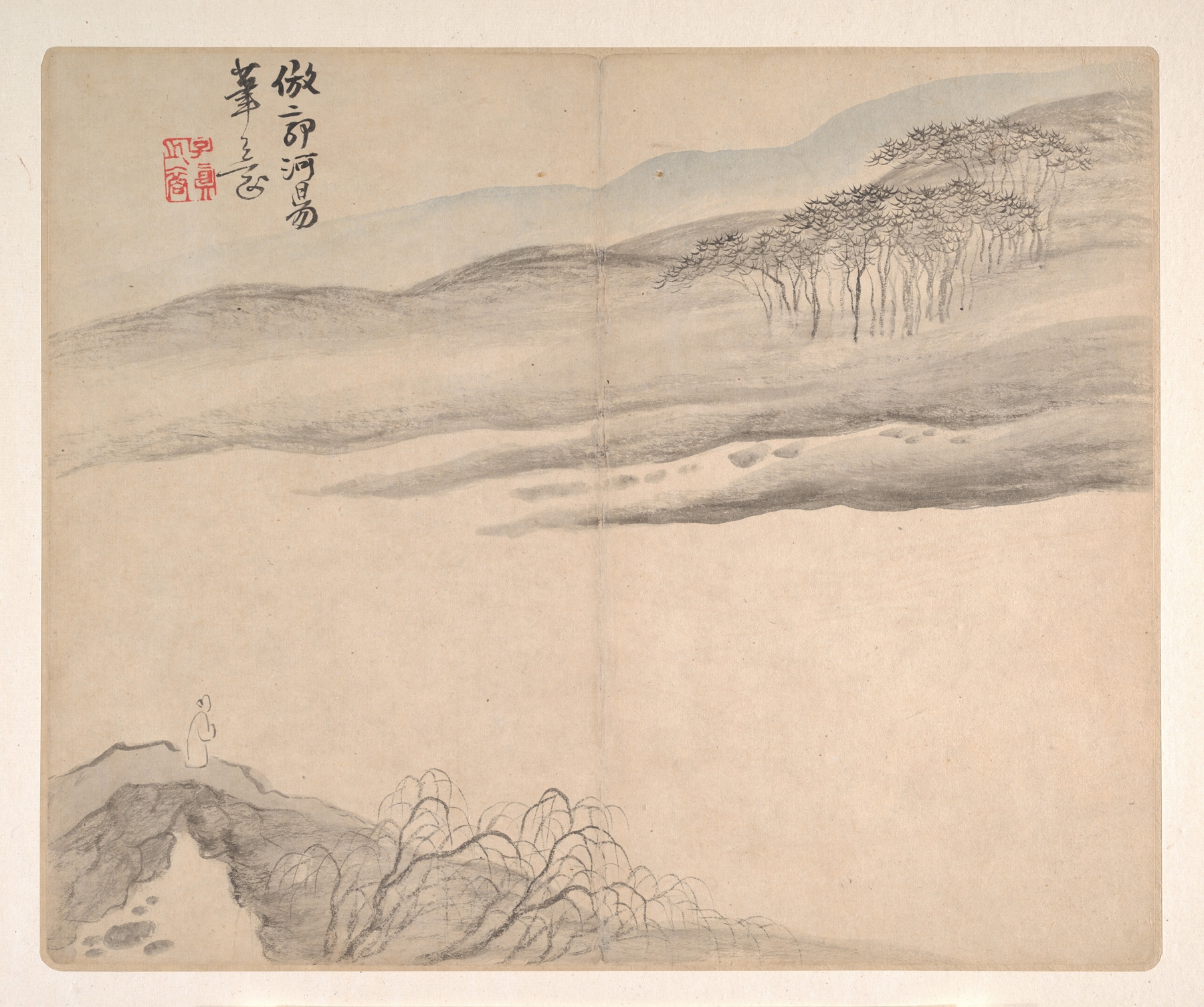
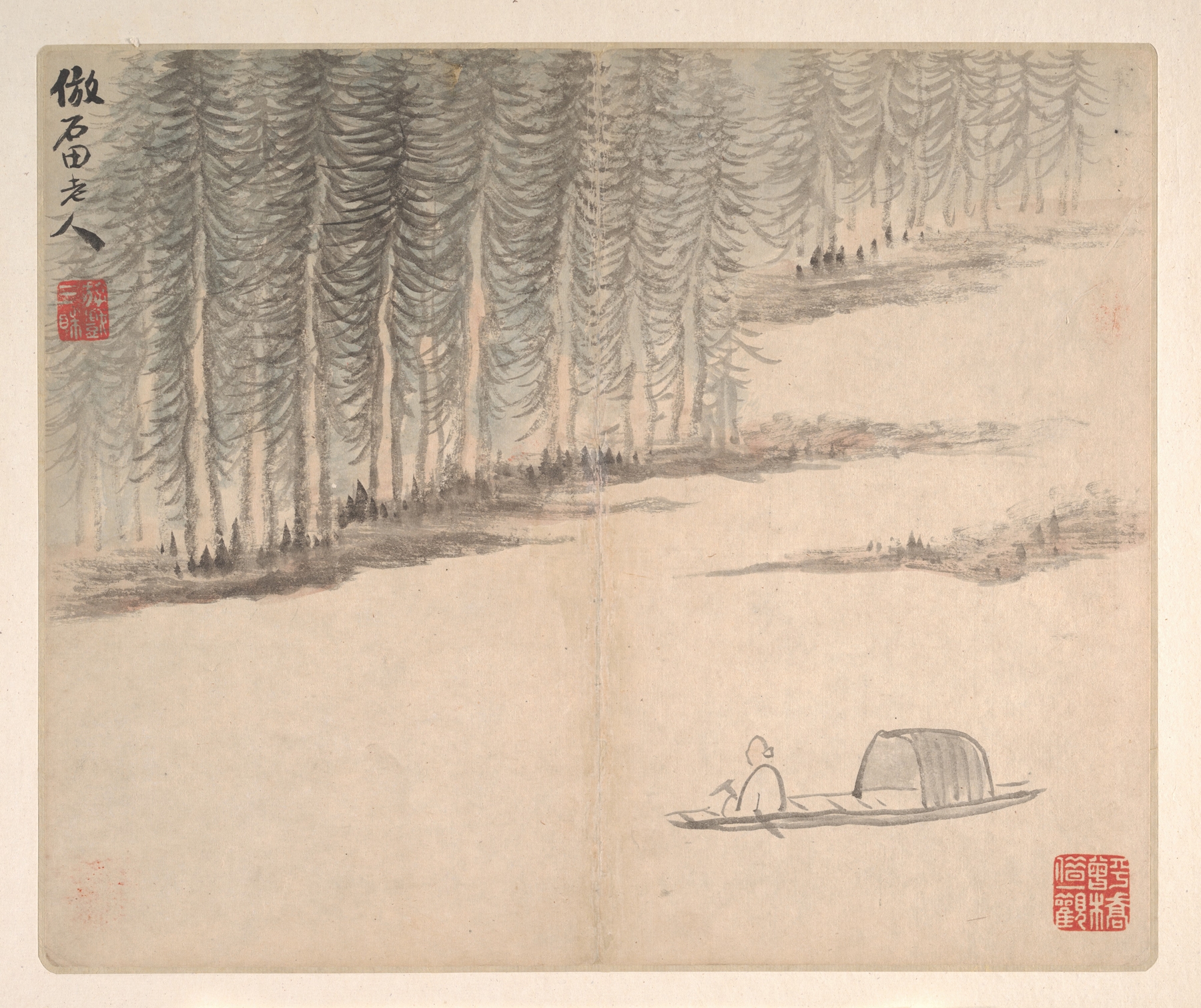
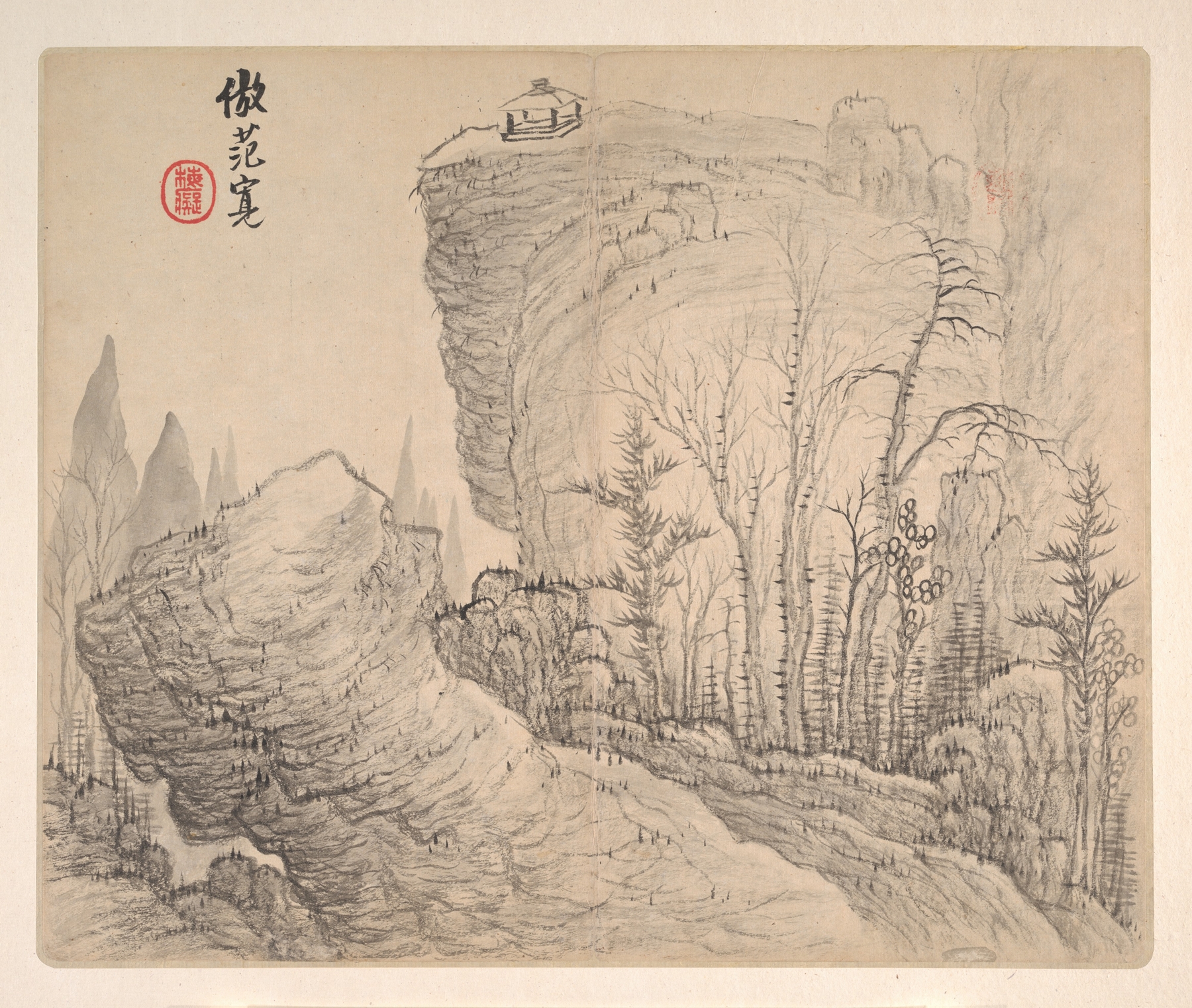
“Under the brush, chaos becomes grace.” In the stillness of this artwork, an unspoken conversation unfolds—inviting contemplation and reflection. Focus on the delicate interplay of ink and paper, where the landscape emerges softly from a sea of muted tones. The sweeping strokes suggest mountains rising majestically in the distance, while trees appear like whispers against the horizon. Notice how the subtle gradations of black and gray create a sense of depth, drawing your eye towards the tranquil waters that mirror the sky’s quietude.
Each line and curve seems intentional, capturing the essence of a serene moment suspended in time. As you study the scene further, you’ll find rich layers of meaning hidden within its simplicity. The absence of human figures conveys a profound solitude, inviting viewers to engage with their own thoughts in this peaceful expanse. The dialogue between light and shadow reflects the tension of nature’s beauty and fragility, suggesting a harmony that transcends chaos.
Here, the viewer feels the weight of silence, allowing for introspection and a sense of connection to the broader world. In 1693, Mei Qing created this piece during a period marked by a resurgence of interest in classical Chinese landscape painting. Living in a time when the Qing Dynasty was experiencing both political stability and cultural richness, the artist sought to harmonize tradition with his own interpretations of nature. This work exemplifies his mastery of ink techniques and his ability to evoke tranquility, embodying the sentiments of a society deeply connected to the natural world.