Landscapes in Various Styles after Old Masters 6 — History & Analysis
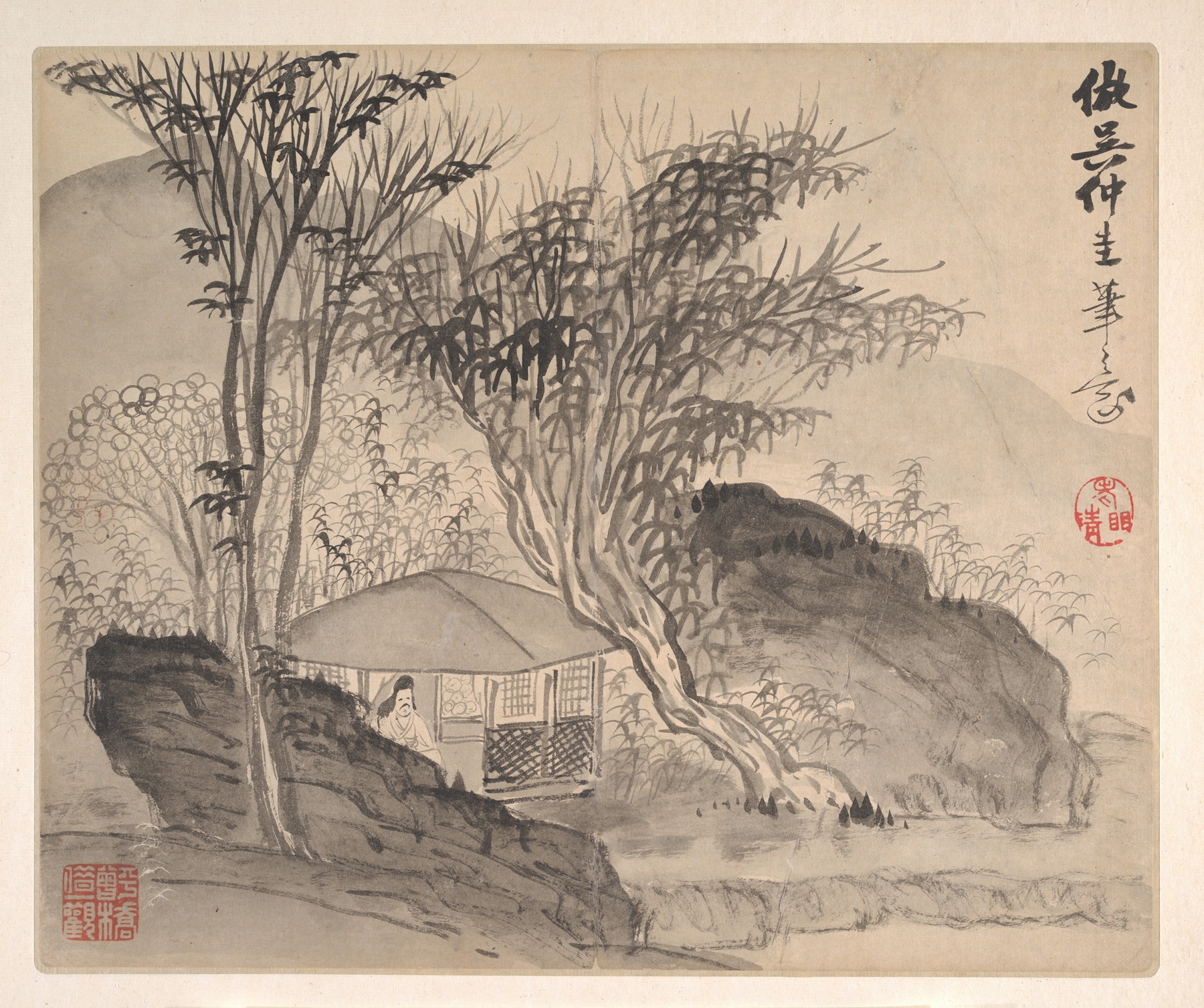
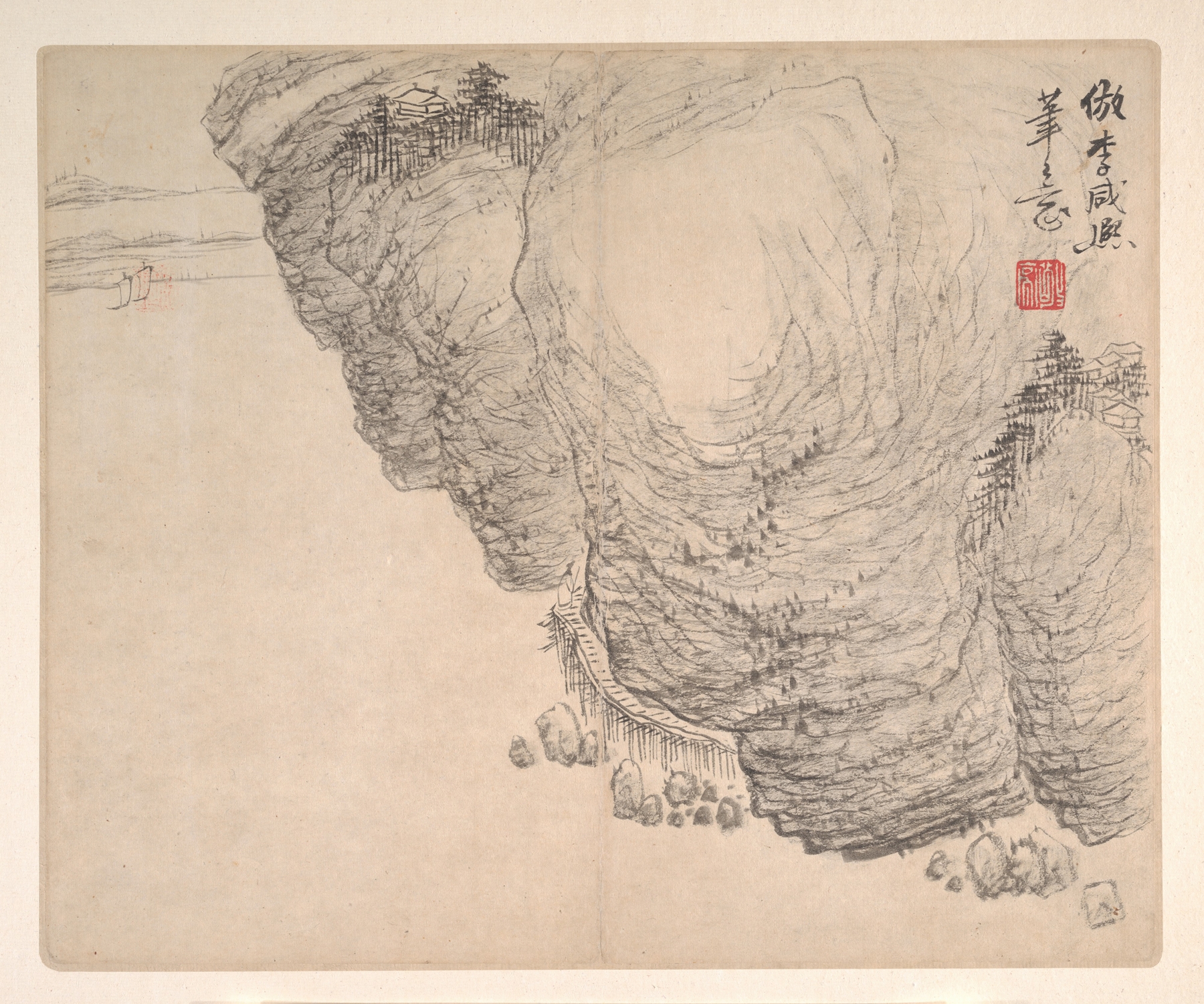
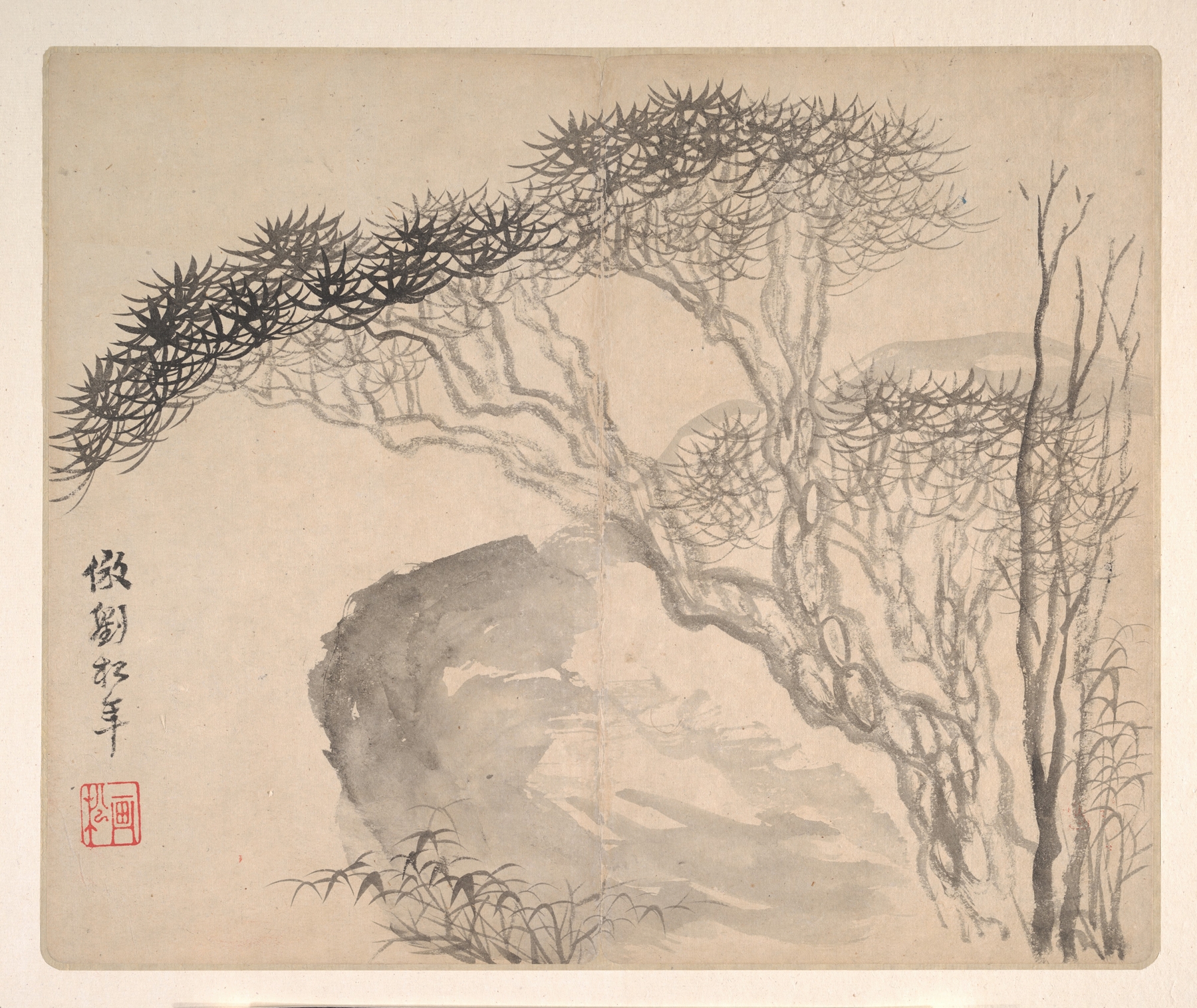
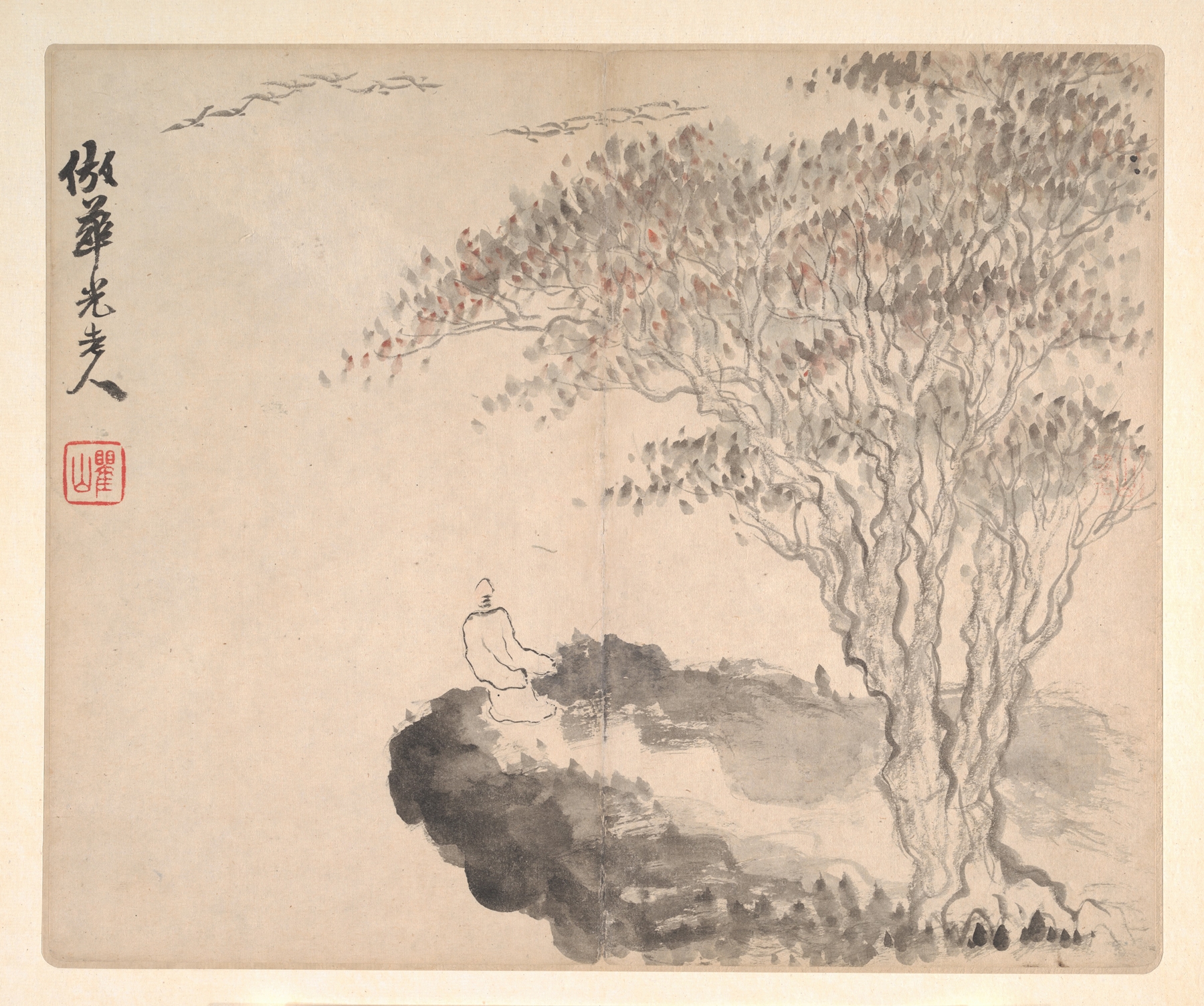
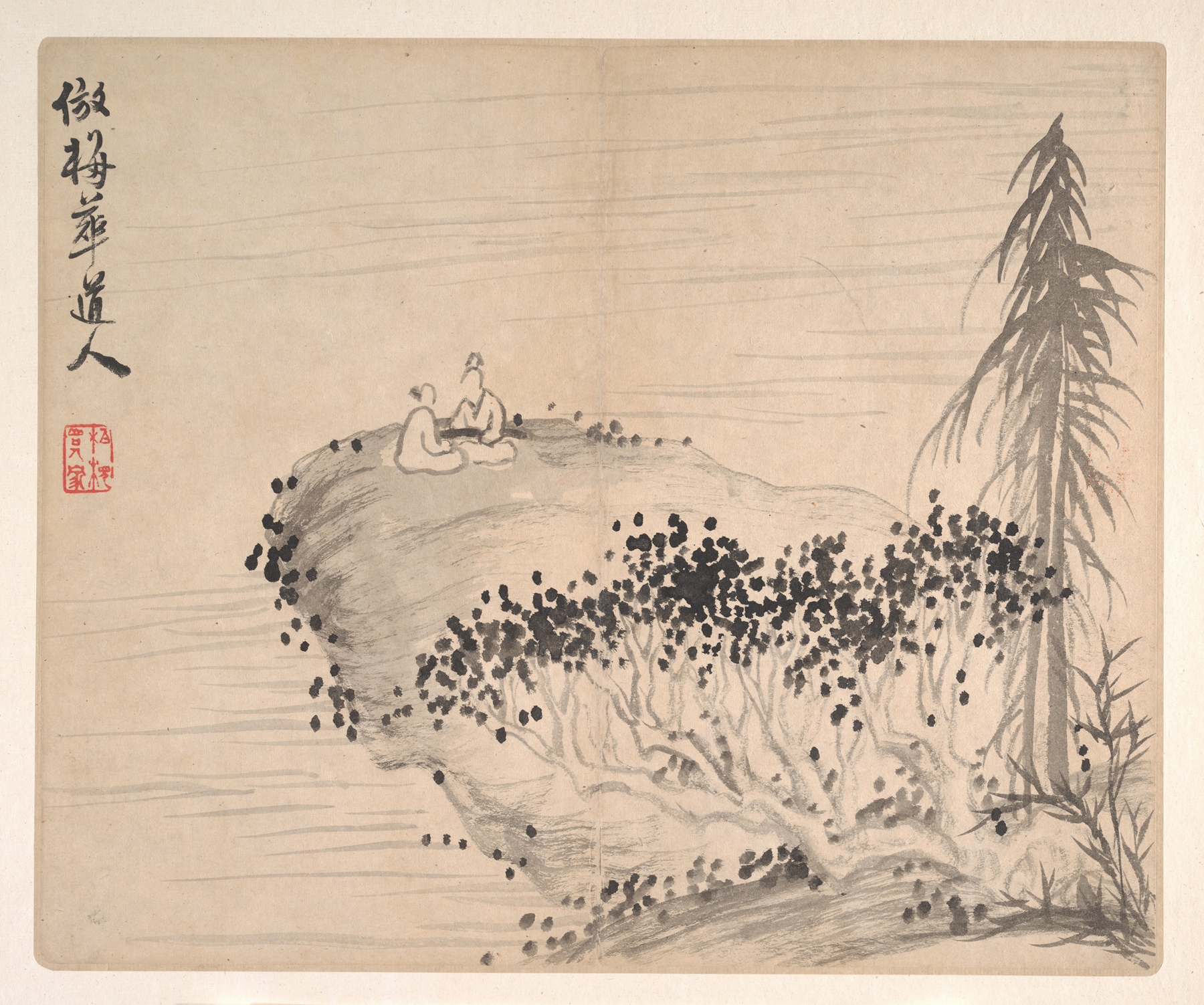
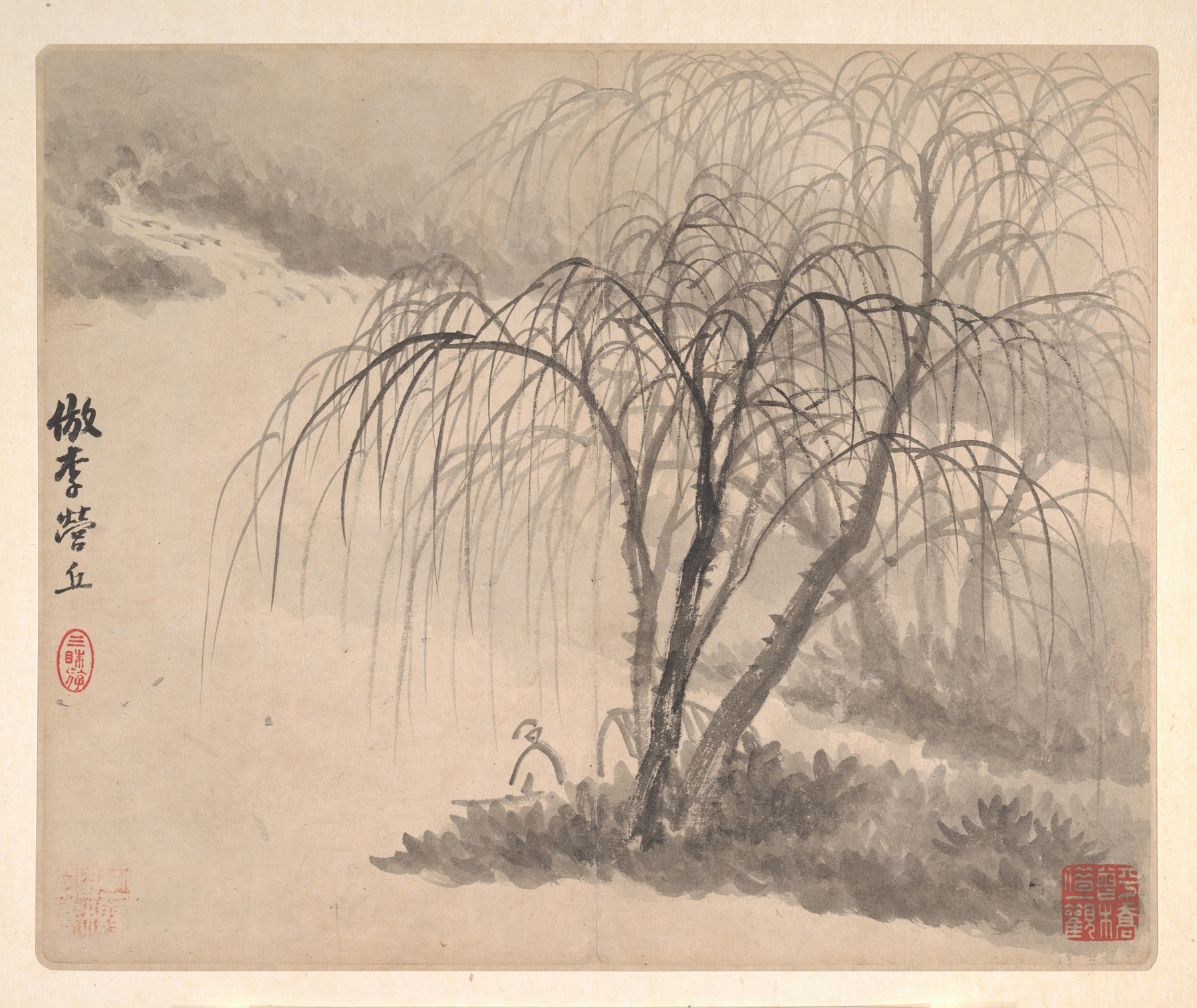
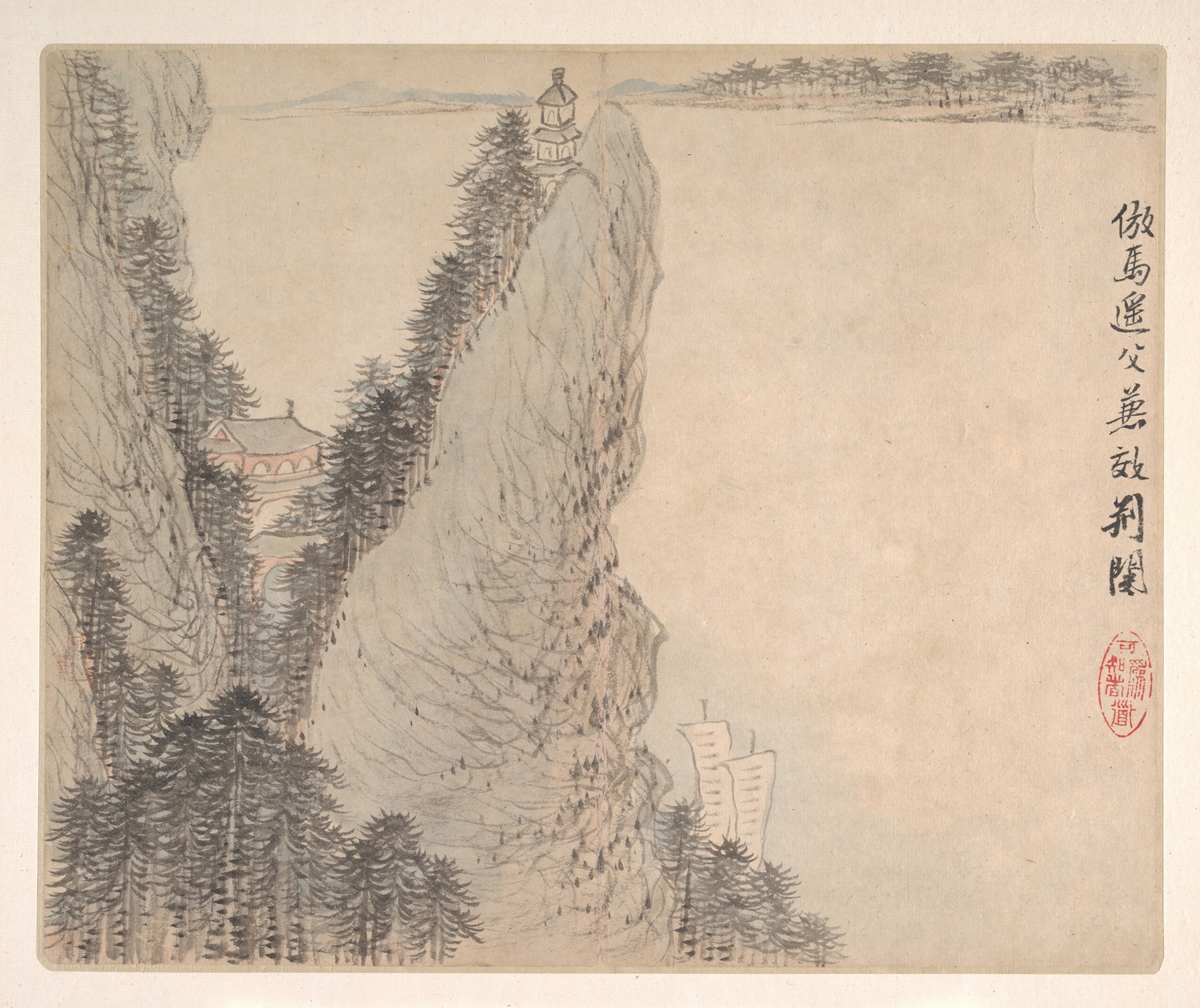
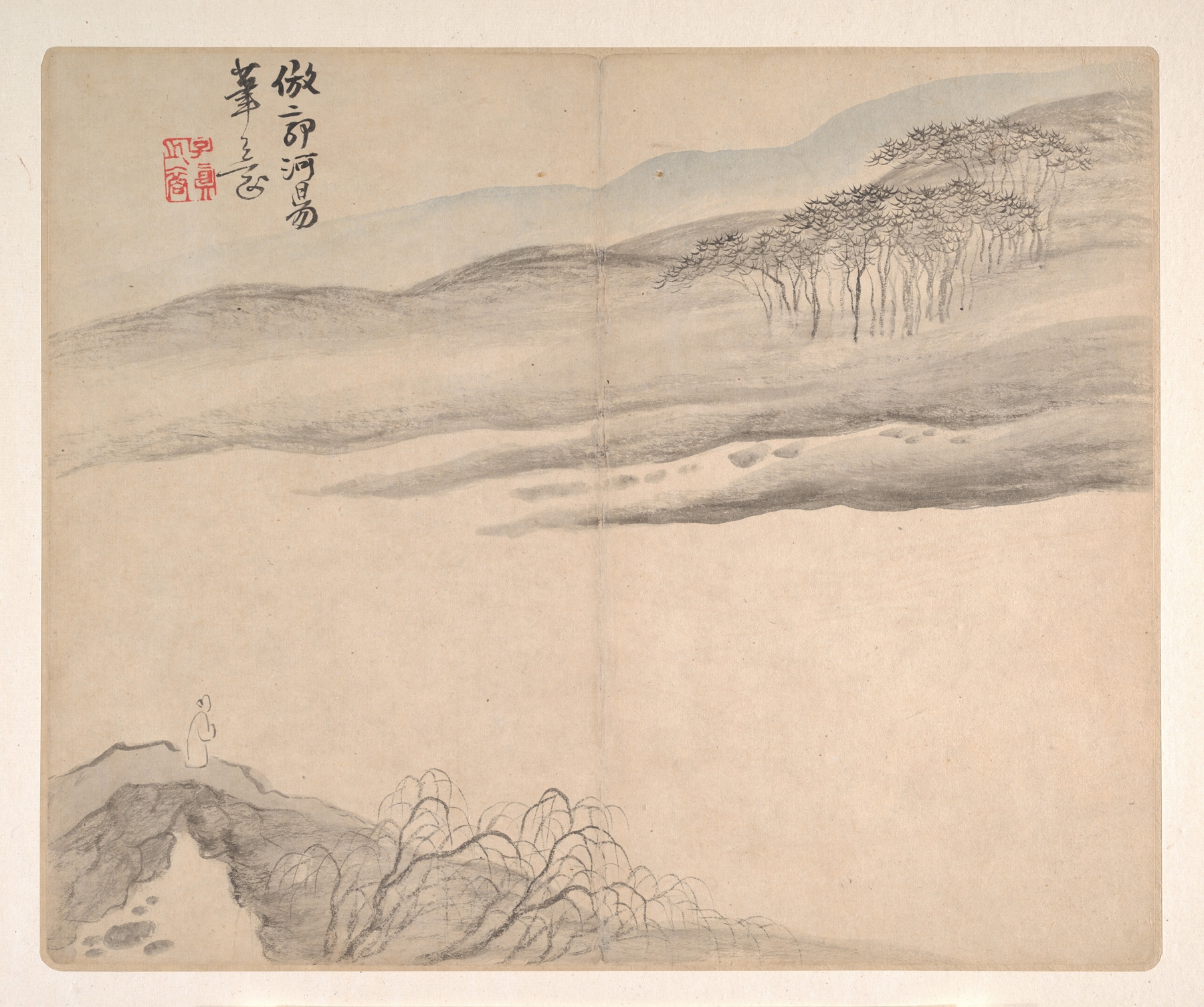
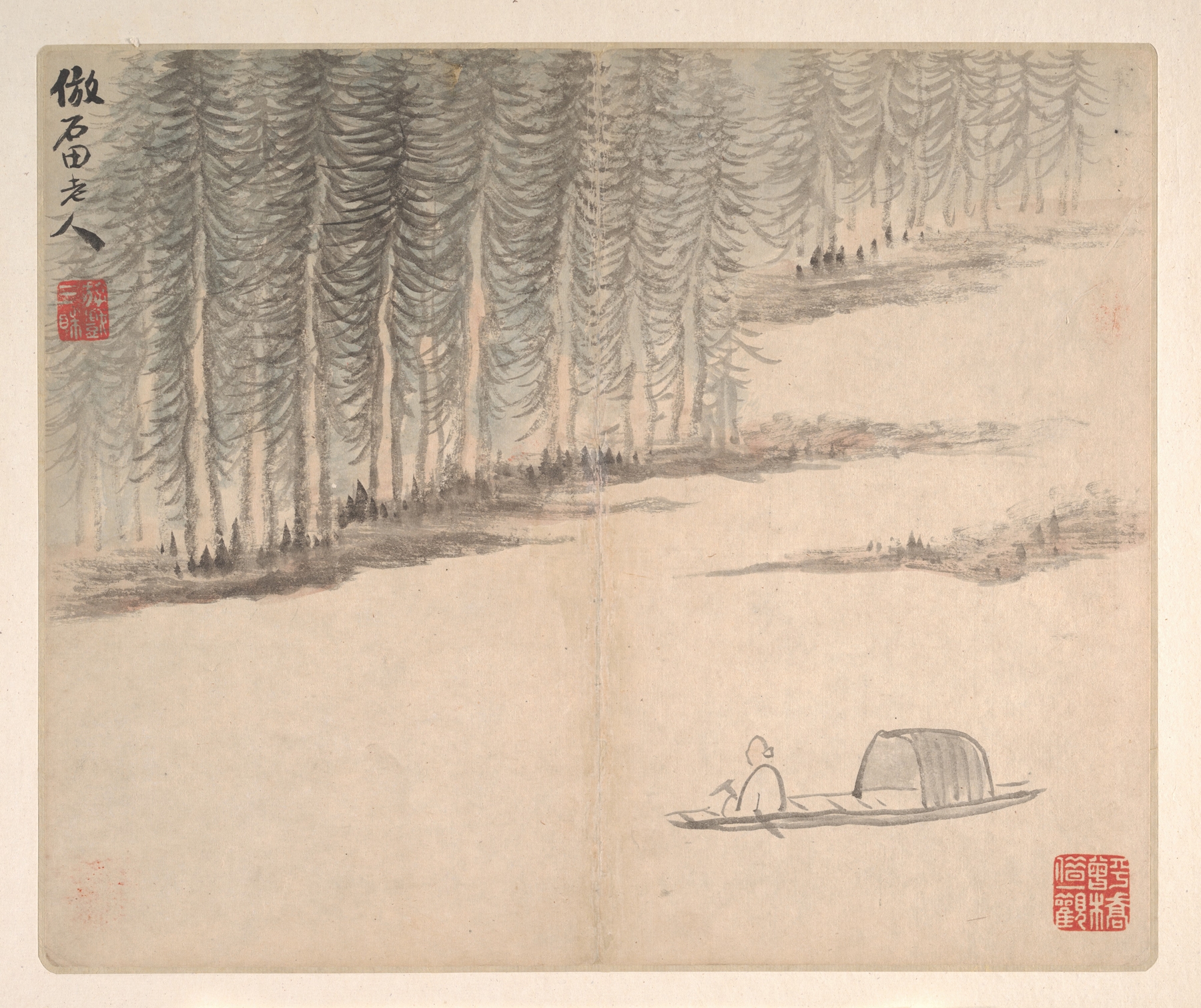
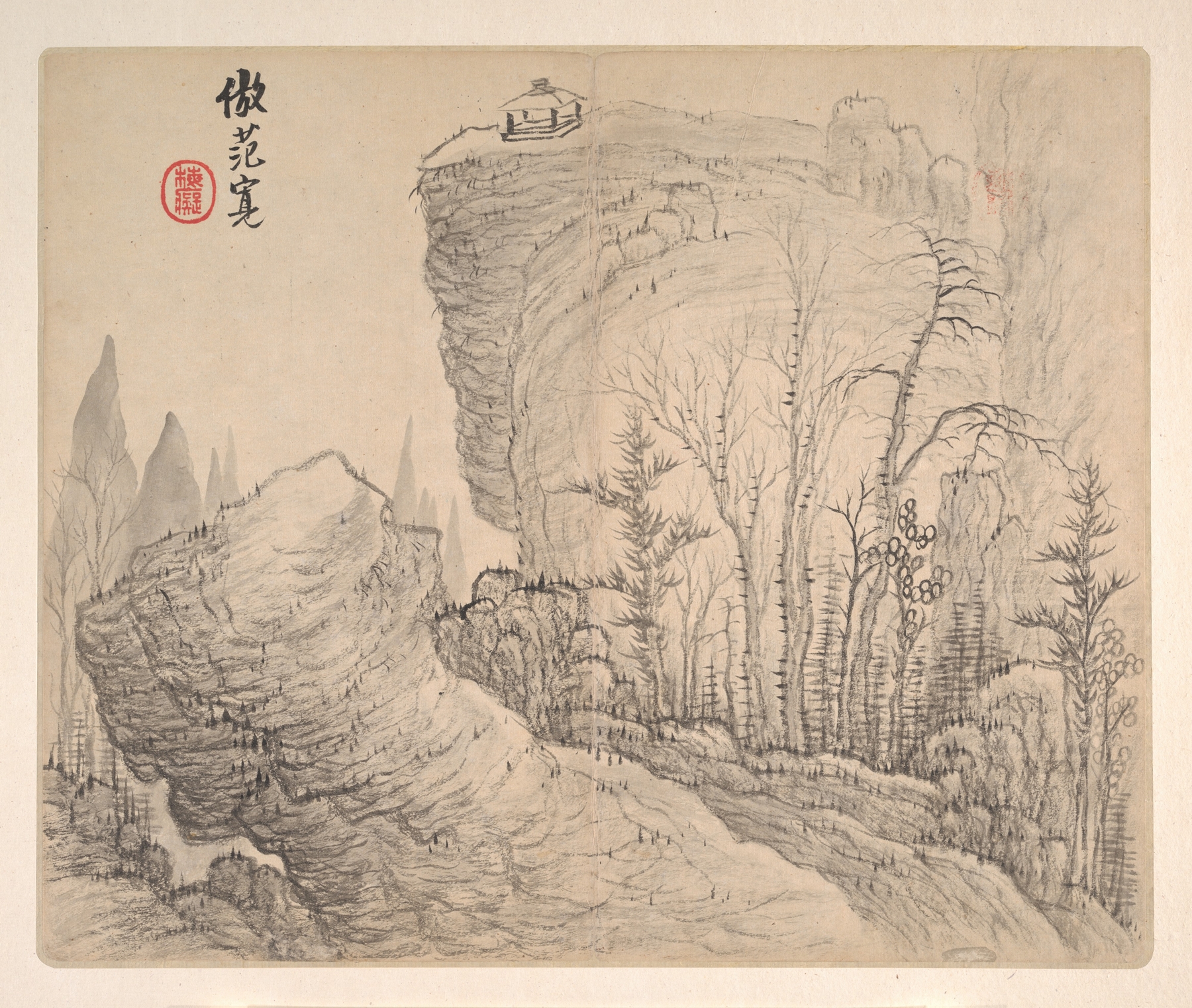
“Between color and silence, truth hides.” In the gentle embrace of Mei Qing’s brushwork, serenity emerges from the quiet interplay between nature and artistry. The essence of calm invites reflection, urging the viewer to explore the delicate balance found within the landscapes. Look closely at the harmonious gradient of blues and greens that breathe life into the scene. The painter’s deft strokes create an atmosphere where mountains melt into the horizon, while soft clouds cradle the sky. Notice how the light seems to dance over the water, casting rippling reflections that shimmer with an ethereal glow.
Each element is carefully composed, revealing the artist's masterful understanding of perspective and layering. As you delve deeper, note the contrasting elements of movement and stillness. The flowing waterways evoke a sense of journey, while the stoic mountains whisper of timelessness. This dialogue between transient and enduring captures the duality of existence.
Hidden within the layers are subtle symbols of philosophical contemplation, prompting the viewer to consider their own place within nature’s vast tapestry. In 1690, Mei Qing created this remarkable piece during a time when the Ming dynasty was transitioning, alongside significant changes in the world of Chinese painting. Residing in the fertile Jiangsu province, he was influenced by both classical techniques and emerging styles that emphasized a connection to nature. This work stands as a testament to his exploration of tranquility, encapsulating the spirit of an era while revealing a distinct personal vision.