Landschaft mit weidenden Kühen — History & Analysis
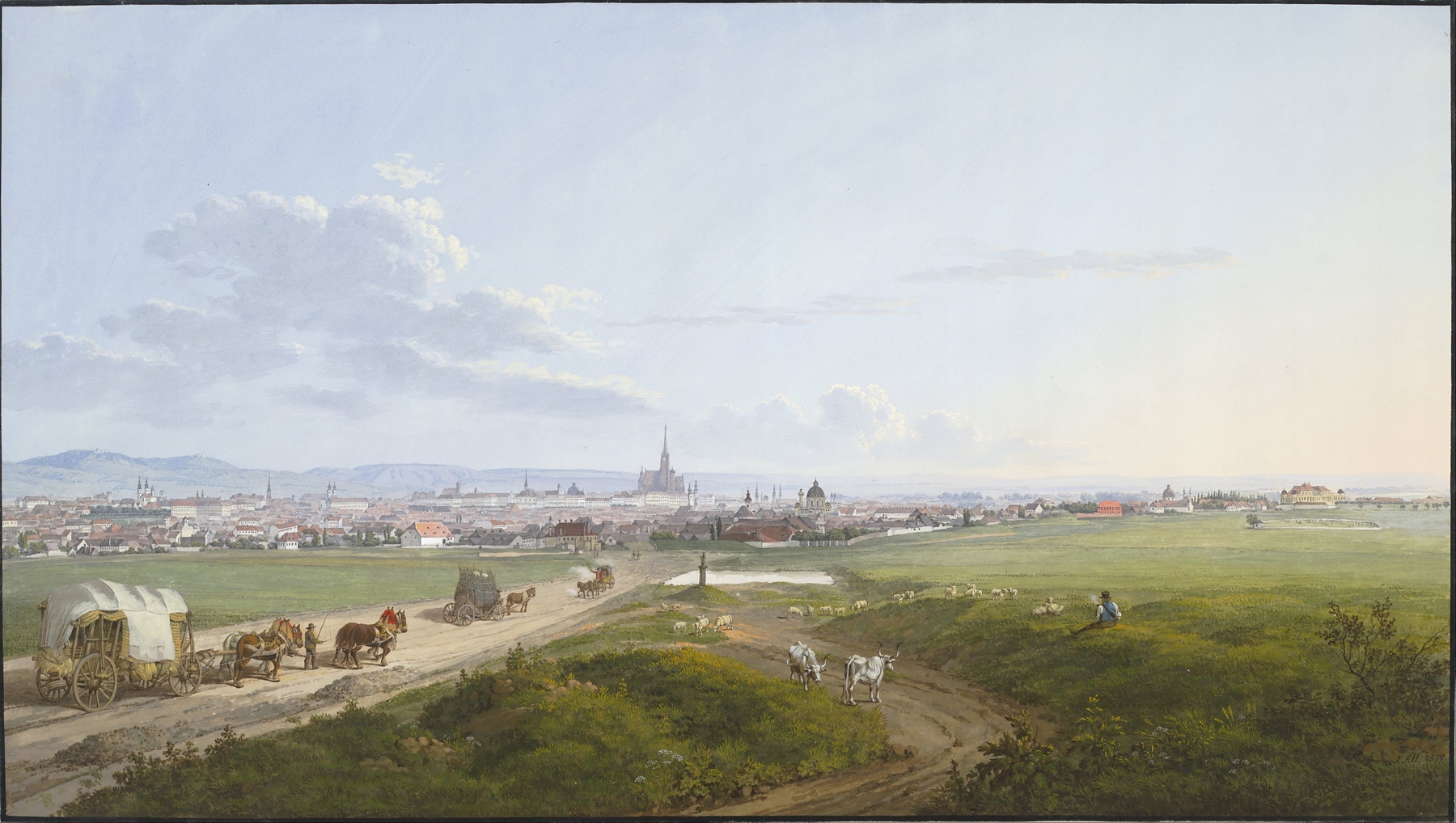
“Every brushstroke is a heartbeat remembered.” In a world yearning for truth, landscapes whisper secrets of existence through their colors and forms. Focus on the serene expanse that unfolds before you. The gentle rolling hills cradle the herds of cows, their soft browns and whites harmonizing with the vibrant greens of the meadow. Notice how the light delicately bathes the scene, casting subtle shadows that elongate across the terrain, inviting you to walk among them.
Each cow, though static, seems animated by the gentle brushstrokes, each one a testament to life’s rhythmic pulse in this pastoral setting. There is a profound stillness at play here, a contrast between the tranquility of the land and the underlying tension of time itself. The cows graze peacefully, yet they embody a fleeting moment, a reminder of the transitory nature of life and sustenance. The horizon, where the sky meets the earth, evokes a sense of infinity, hinting at the eternal cycle of nature and the simple truths that endure beyond human existence.
In 1817, while creating this piece, the artist found himself in Vienna, where the art world was slowly moving towards Romanticism. This period was marked by a growing appreciation for the beauty of nature, as well as the complexities of human emotion. Amidst political changes and evolving aesthetics, the artist captured a moment in time, reflecting both personal and collective truths through the lens of the natural world.