Landschap met kromme kale bomen voor boerderijen — History & Analysis
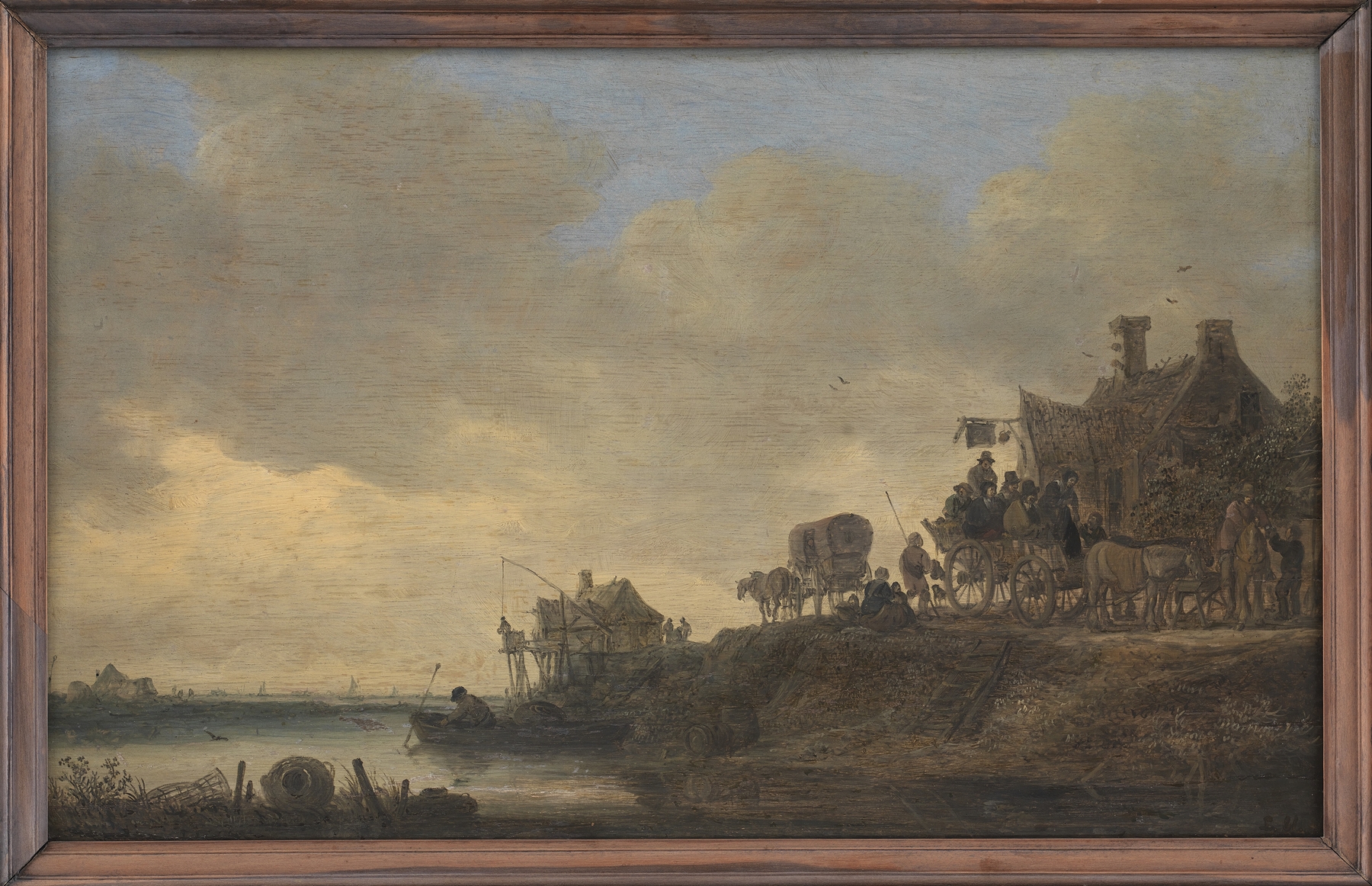
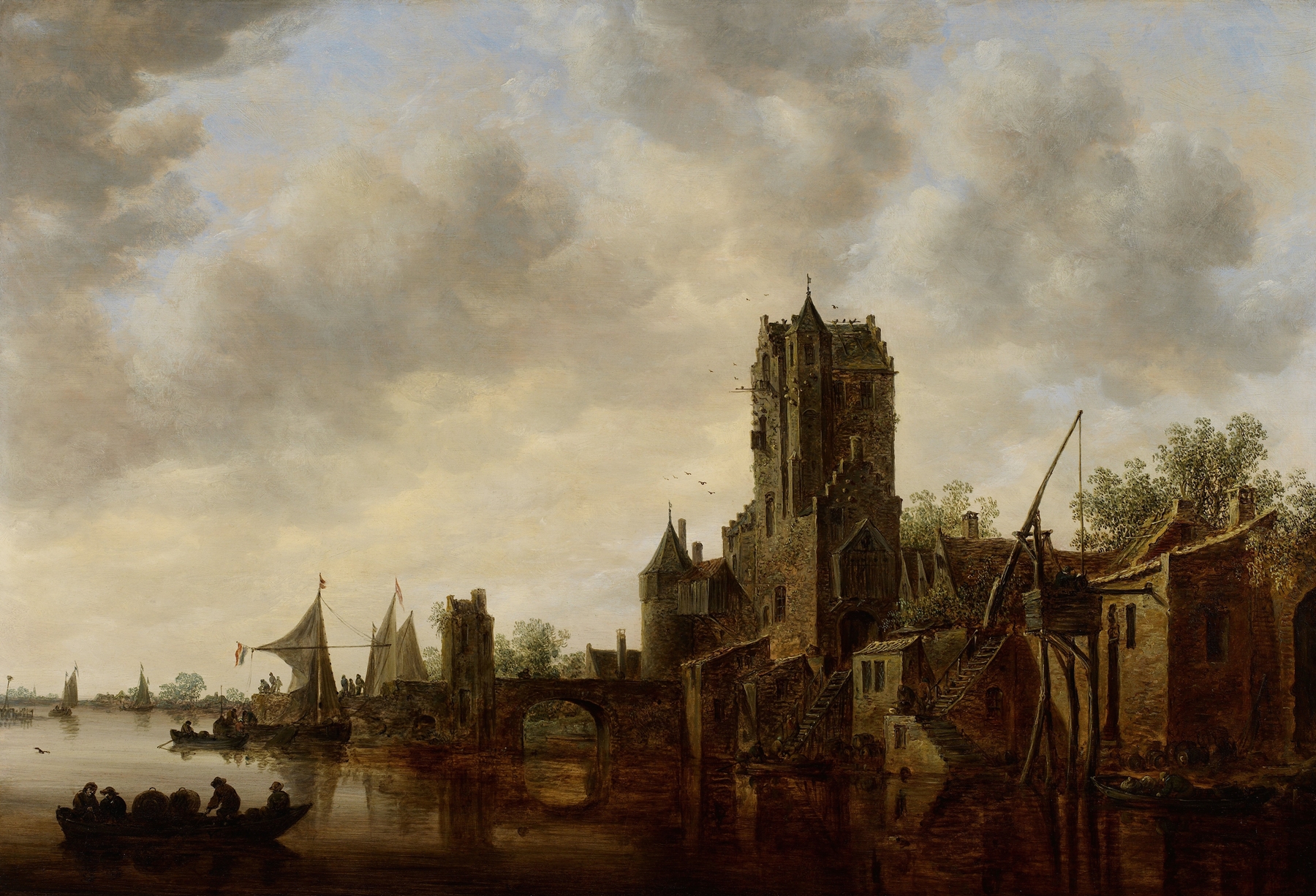
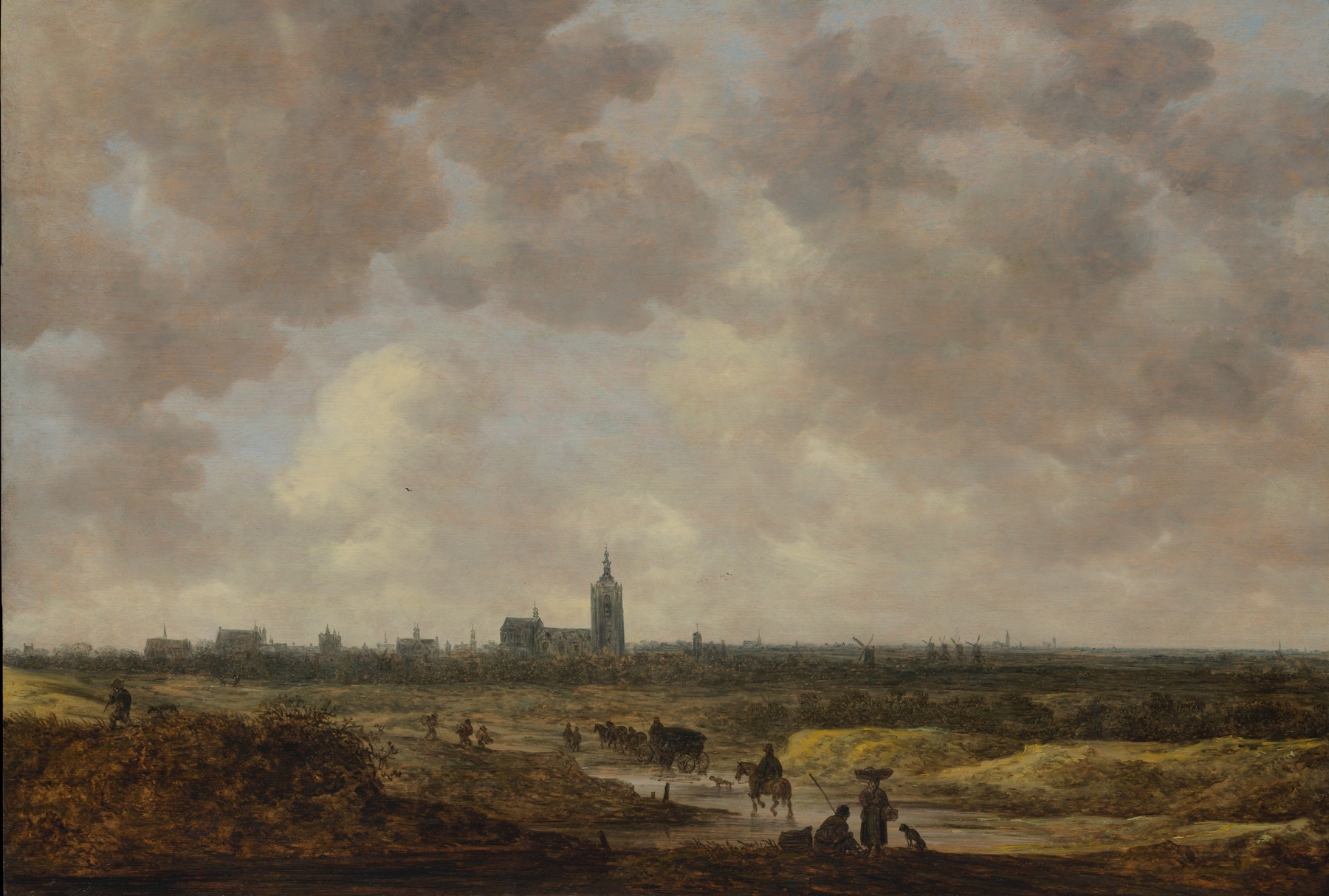
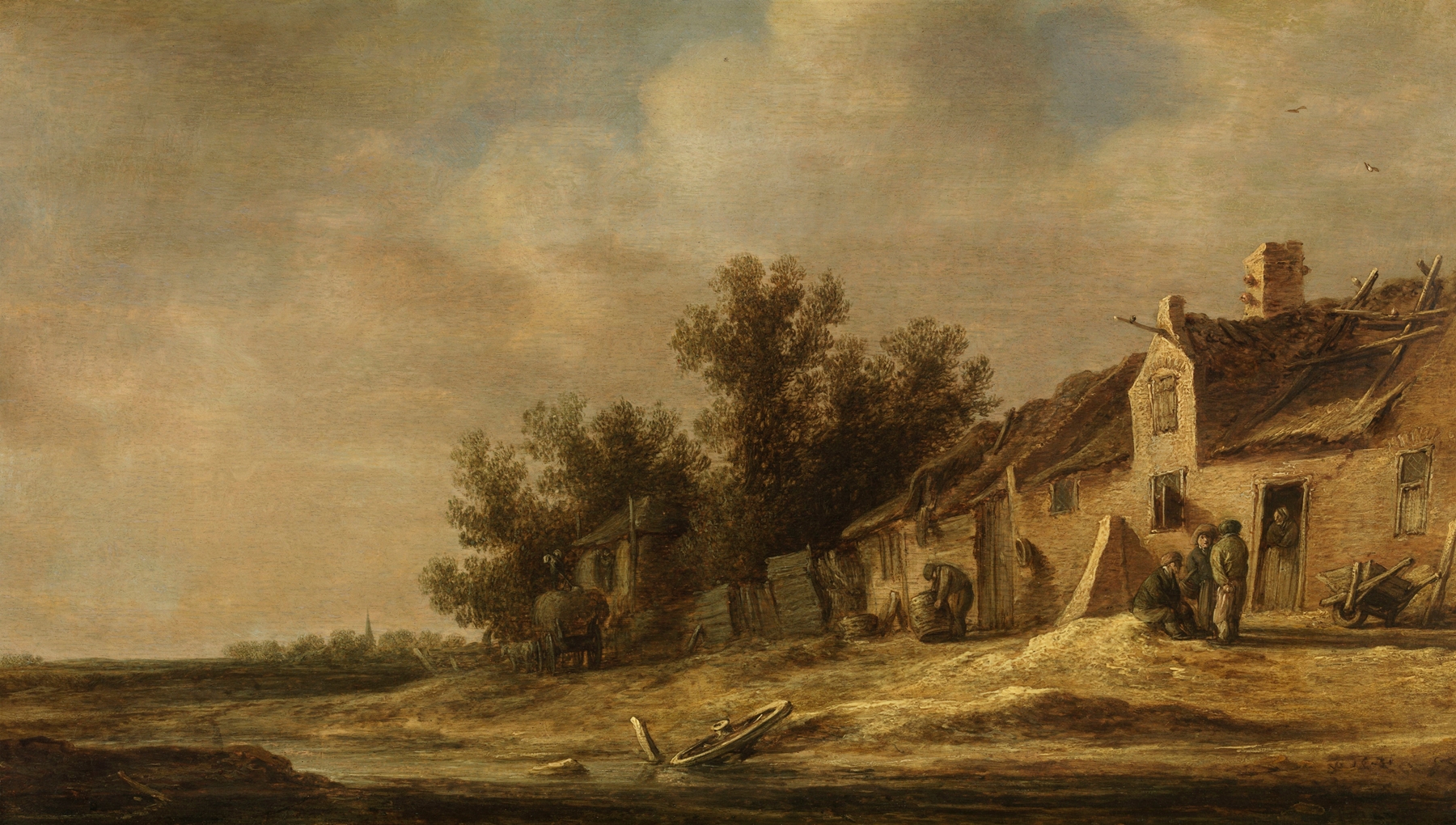
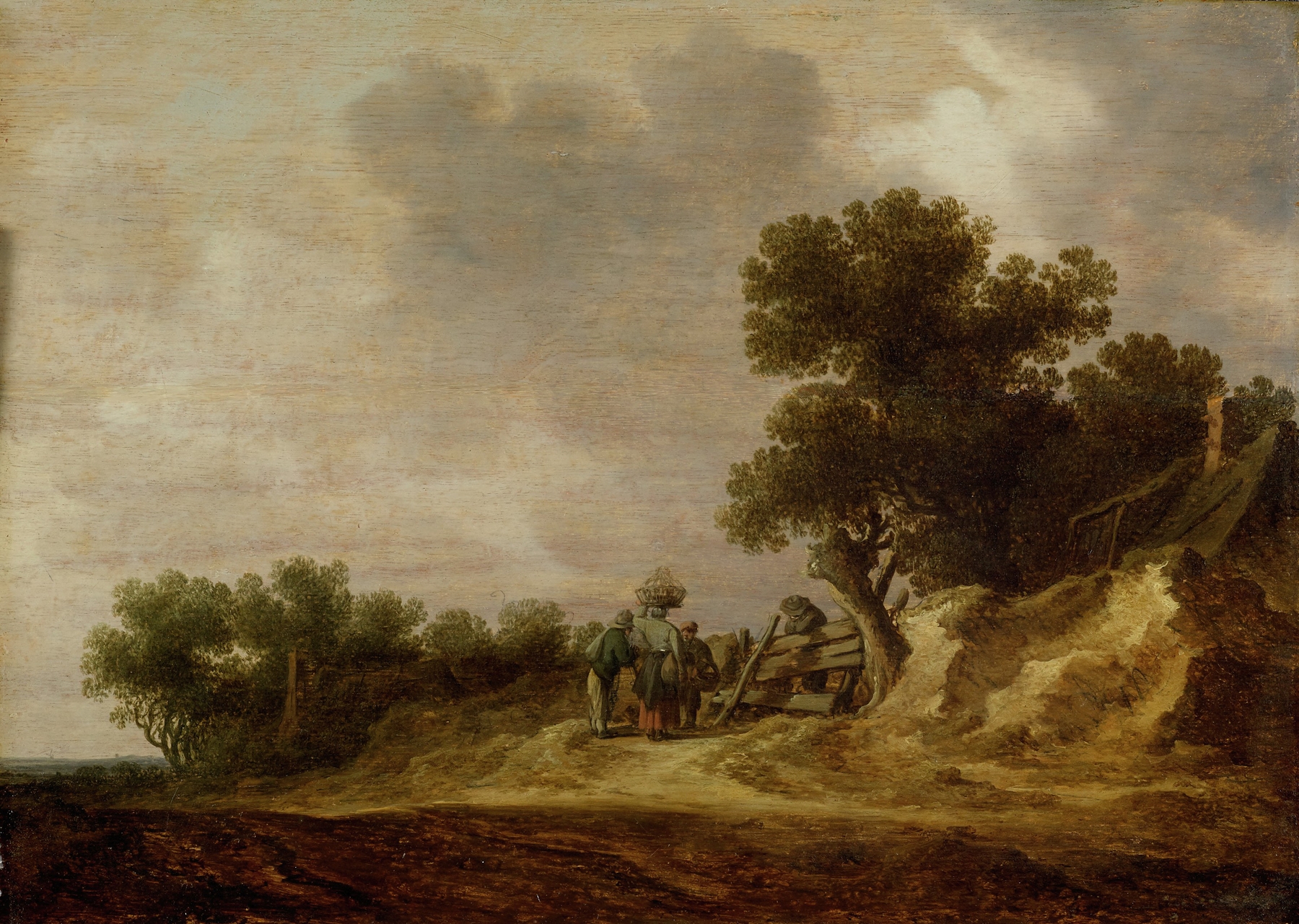
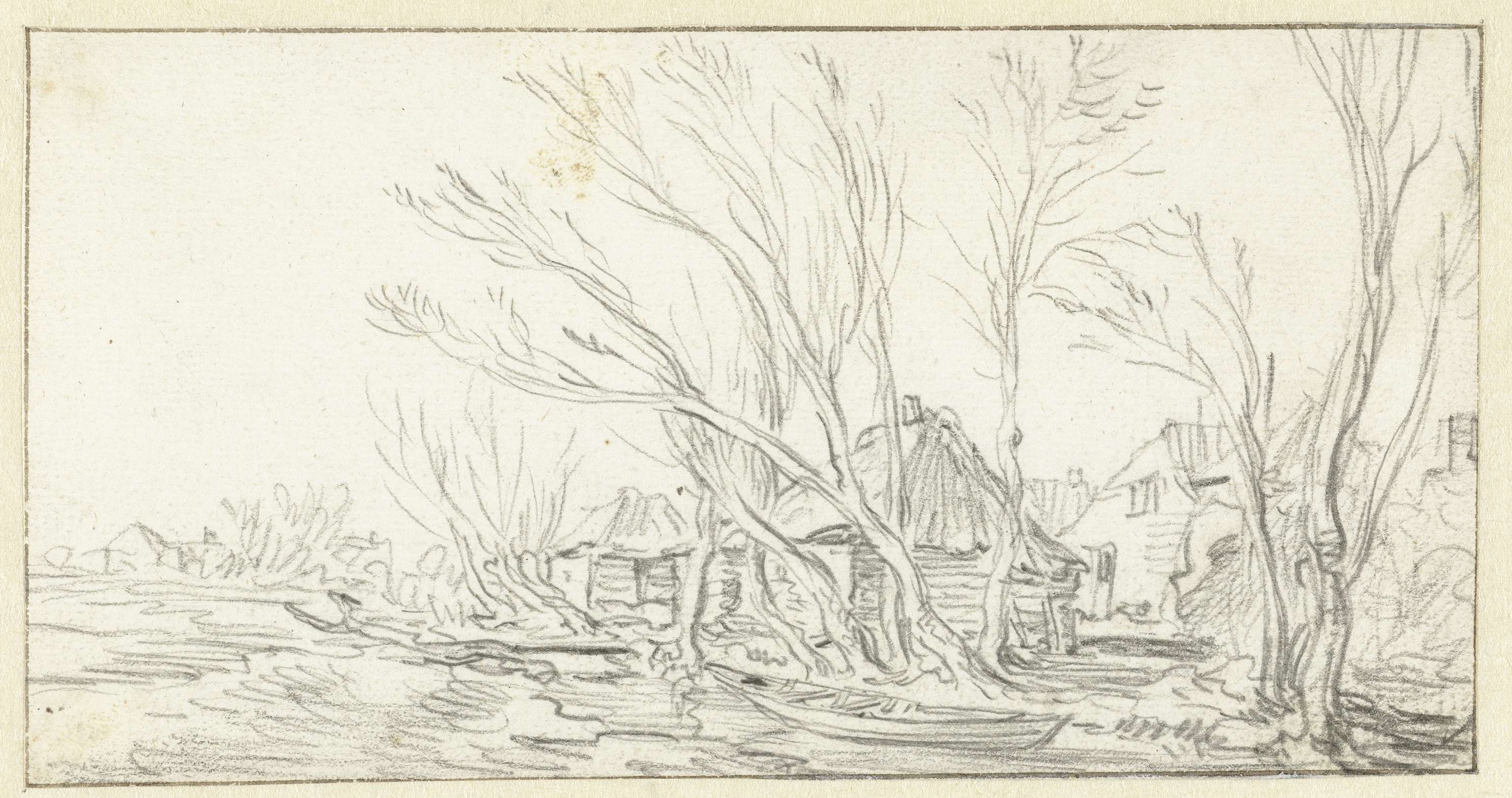
“Between color and silence, truth hides.” In the vast expanse of solitude, the palpable weight of loneliness resonates in the forms of bare trees, their twisted limbs aching against the horizon. Look to the center, where the skeletal silhouettes of gnarled trees emerge, their starkness a stark contrast against the muted earth tones of the landscape. Notice the gentle sloping hills that cradle the humble farmhouses, seemingly untouched by time.
The soft strokes of the artist's brush create a delicate interplay of light that dances over the terrain, lending both depth and dimension to the scene while evoking a profound sense of stillness. A closer inspection reveals the emotional tension woven within the canvas: the juxtaposition of life represented by the distant farms and the poignant absence of foliage in the trees. Each barren branch seems to whisper tales of forgotten springs, while the muted palette underscores the theme of isolation.
The horizon stretches infinitely, enhancing the feeling of emptiness, yet the faint hint of light suggests hope or a lingering presence that is just out of reach. During his prolific period between 1606 and 1656, the artist was situated in the Netherlands, a time when landscape painting began to flourish. As he explored the nuances of natural light and atmospheric effects, he captured the essence of the Dutch countryside through a lens of introspection, reflecting not only his world but also the collective sentiment of an era grappling with change and identity within the art community.