Landschap met schaatsenrijders — History & Analysis
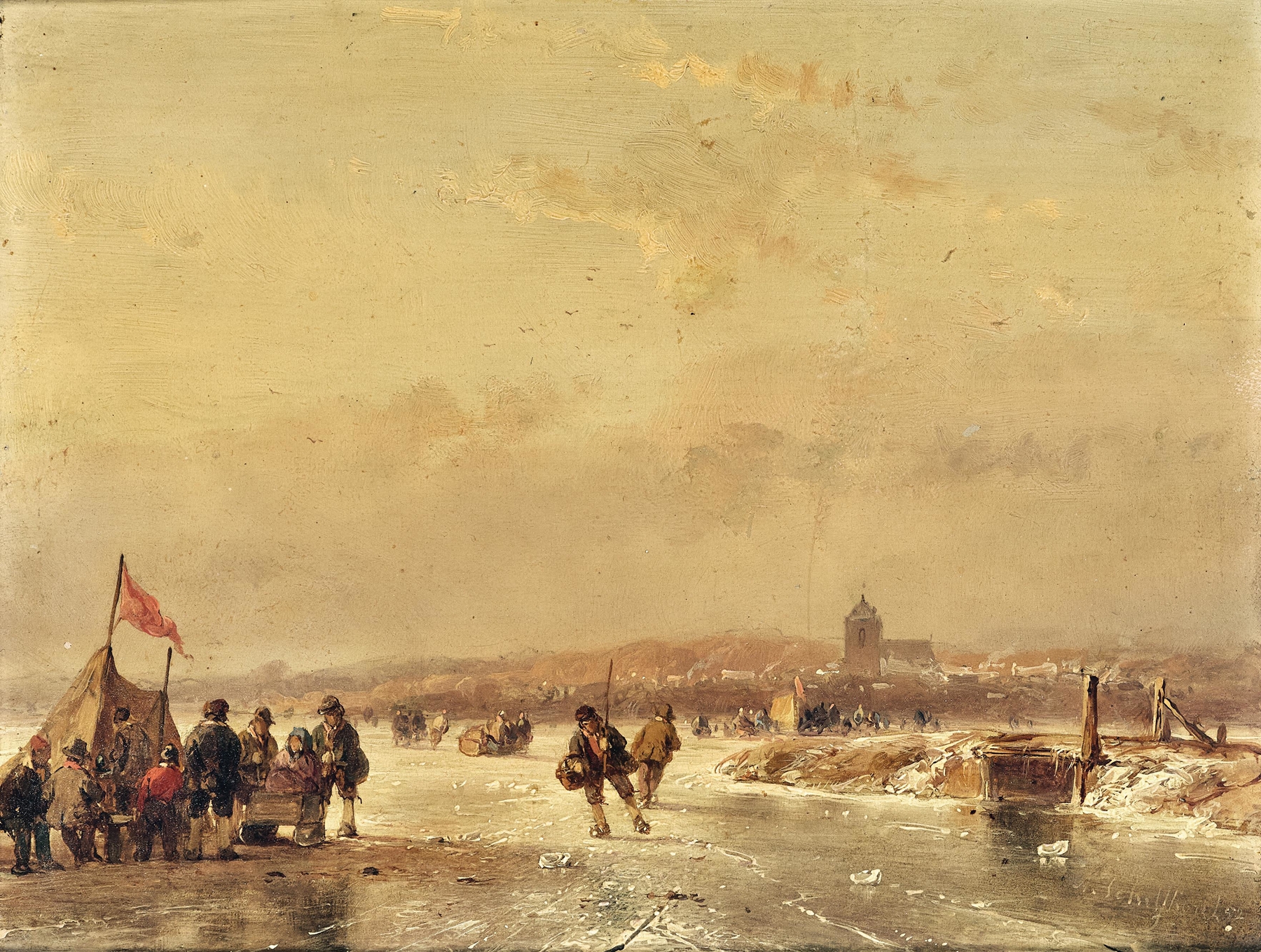
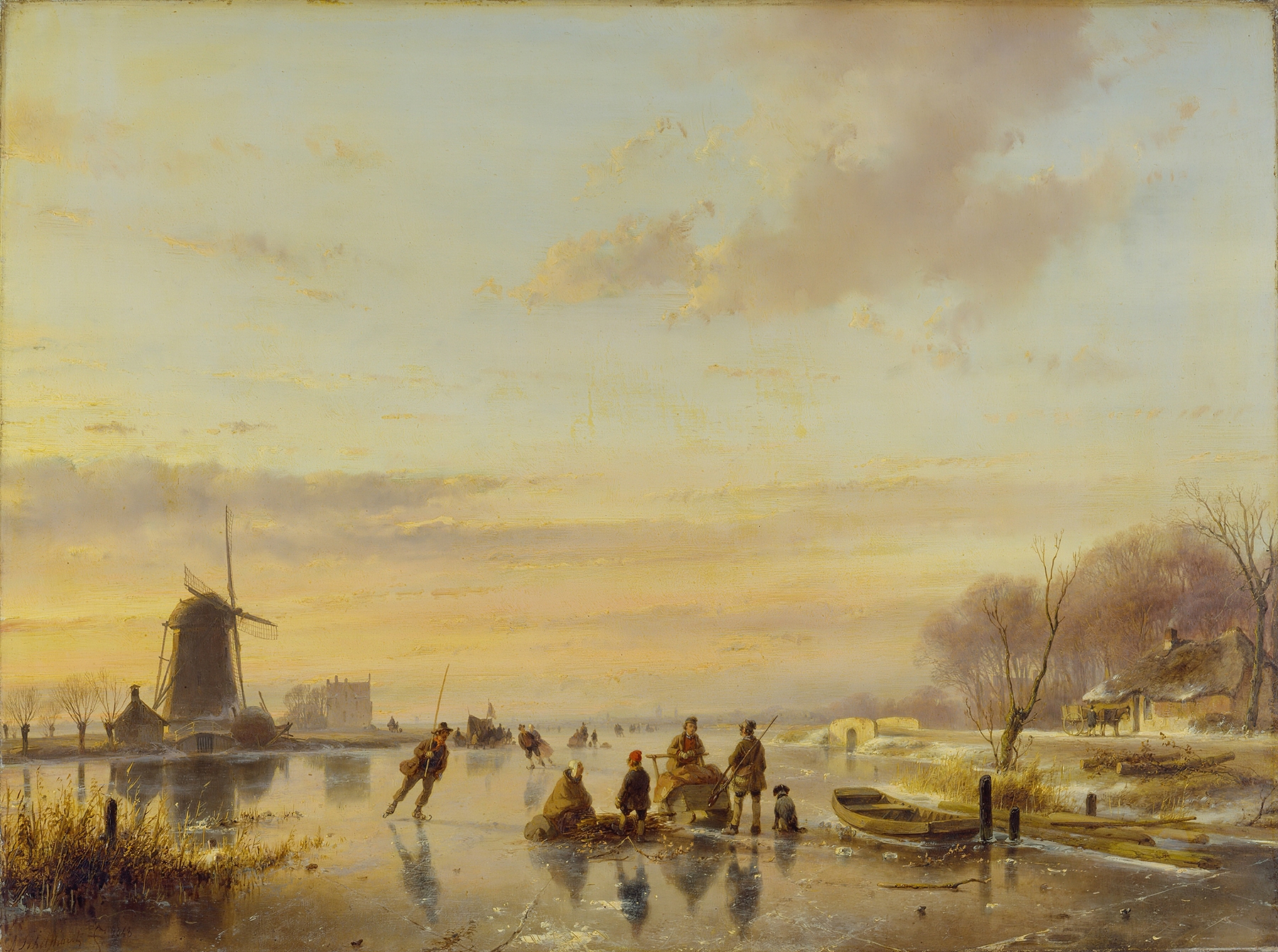
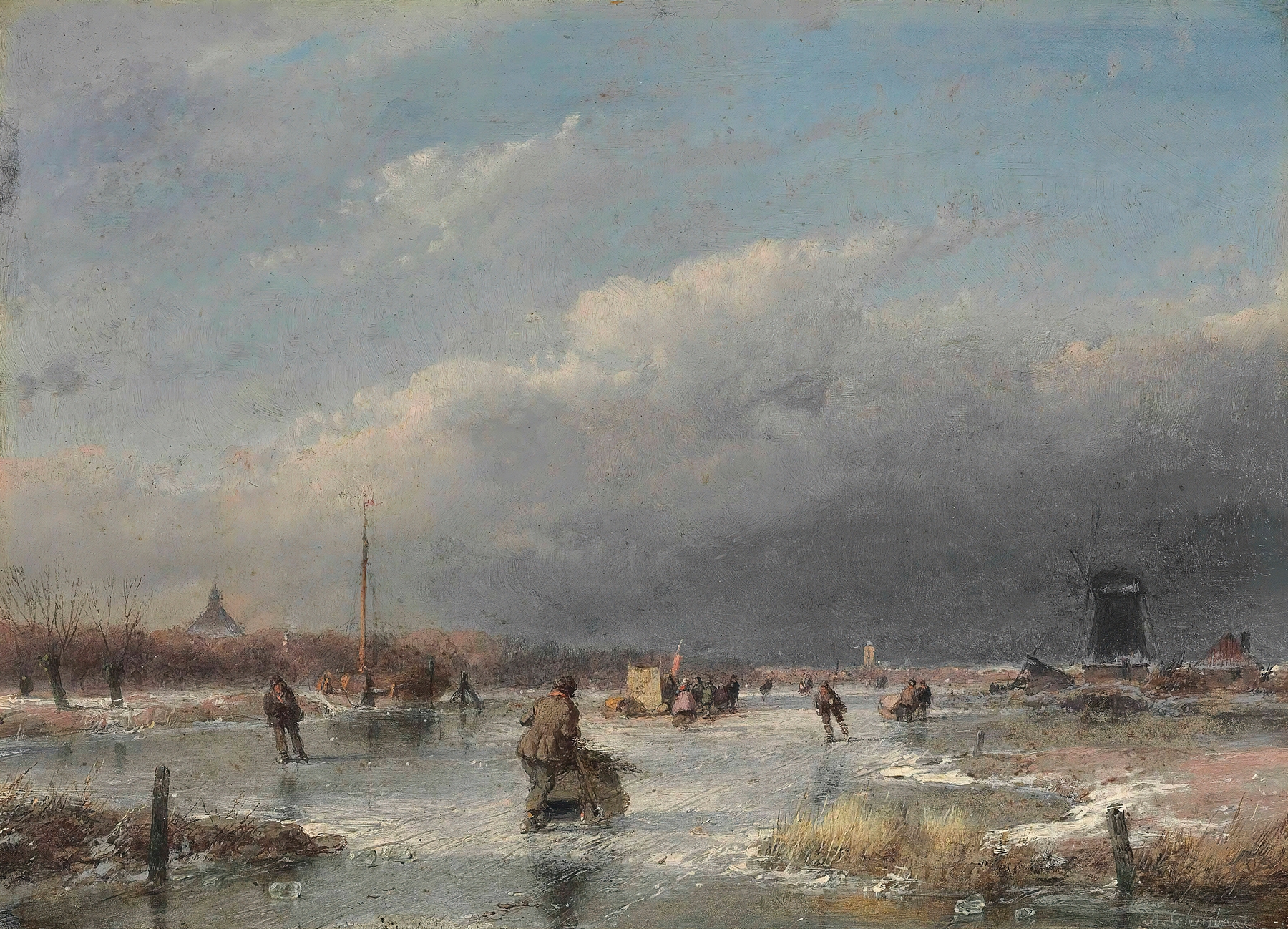
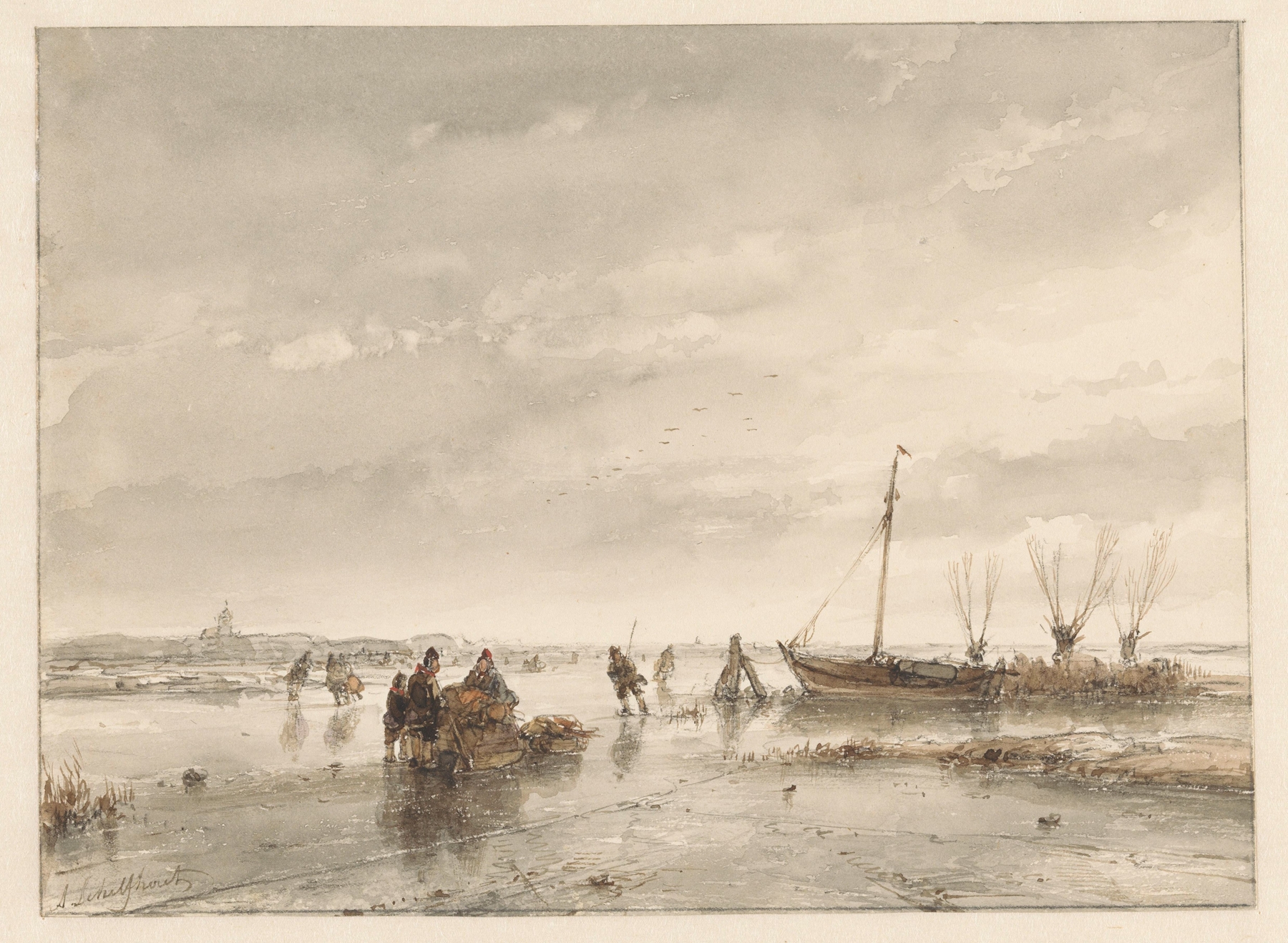
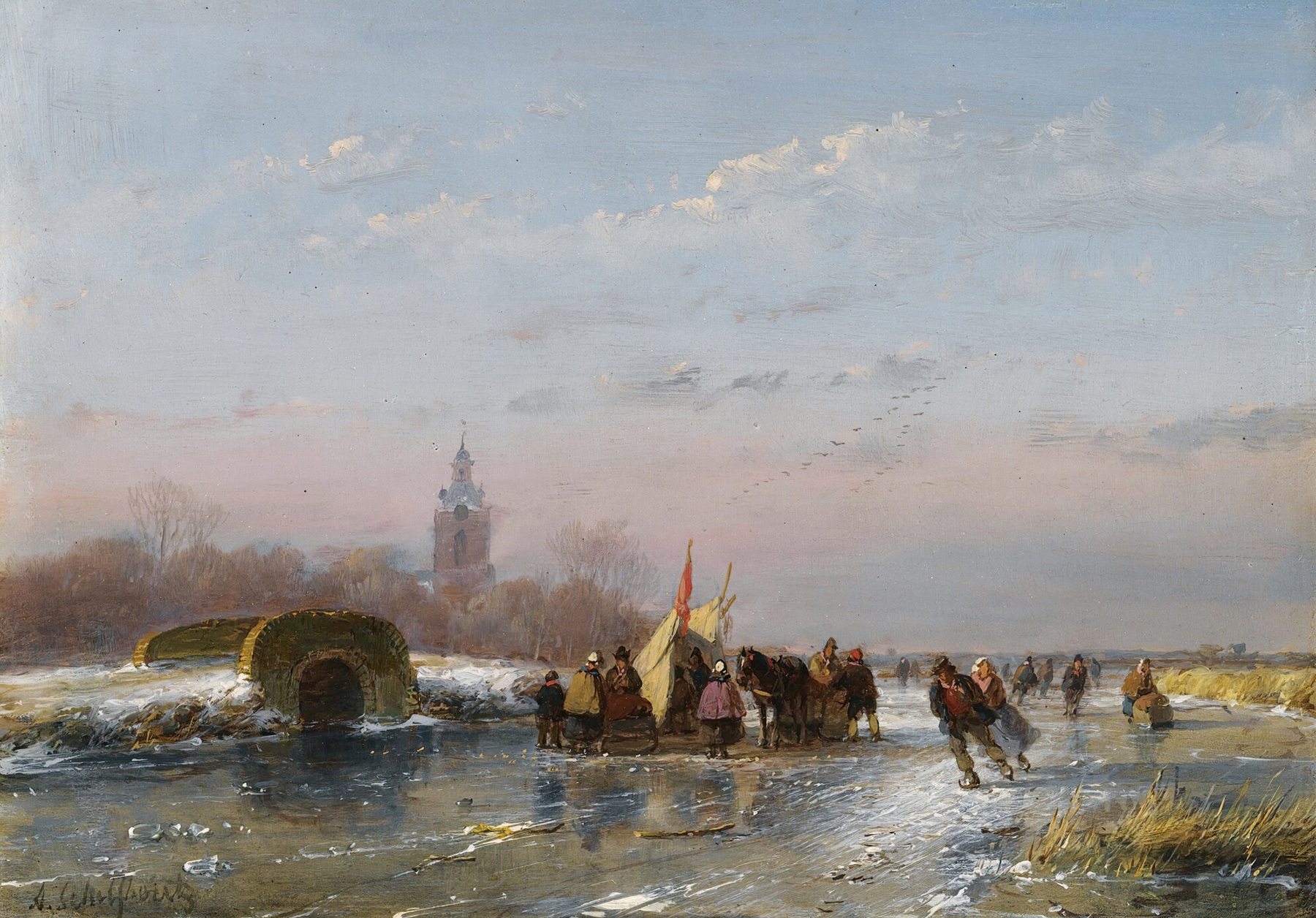
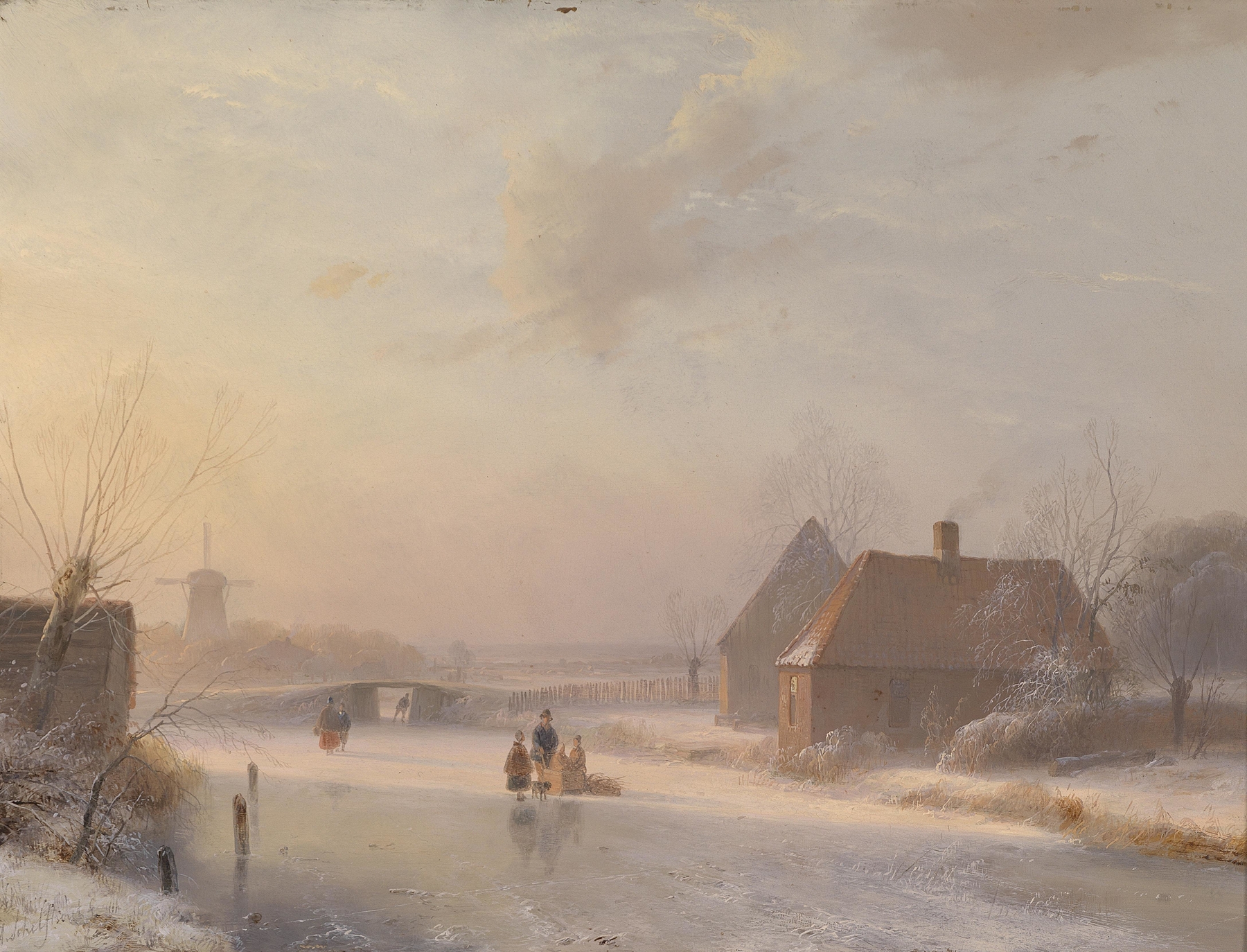
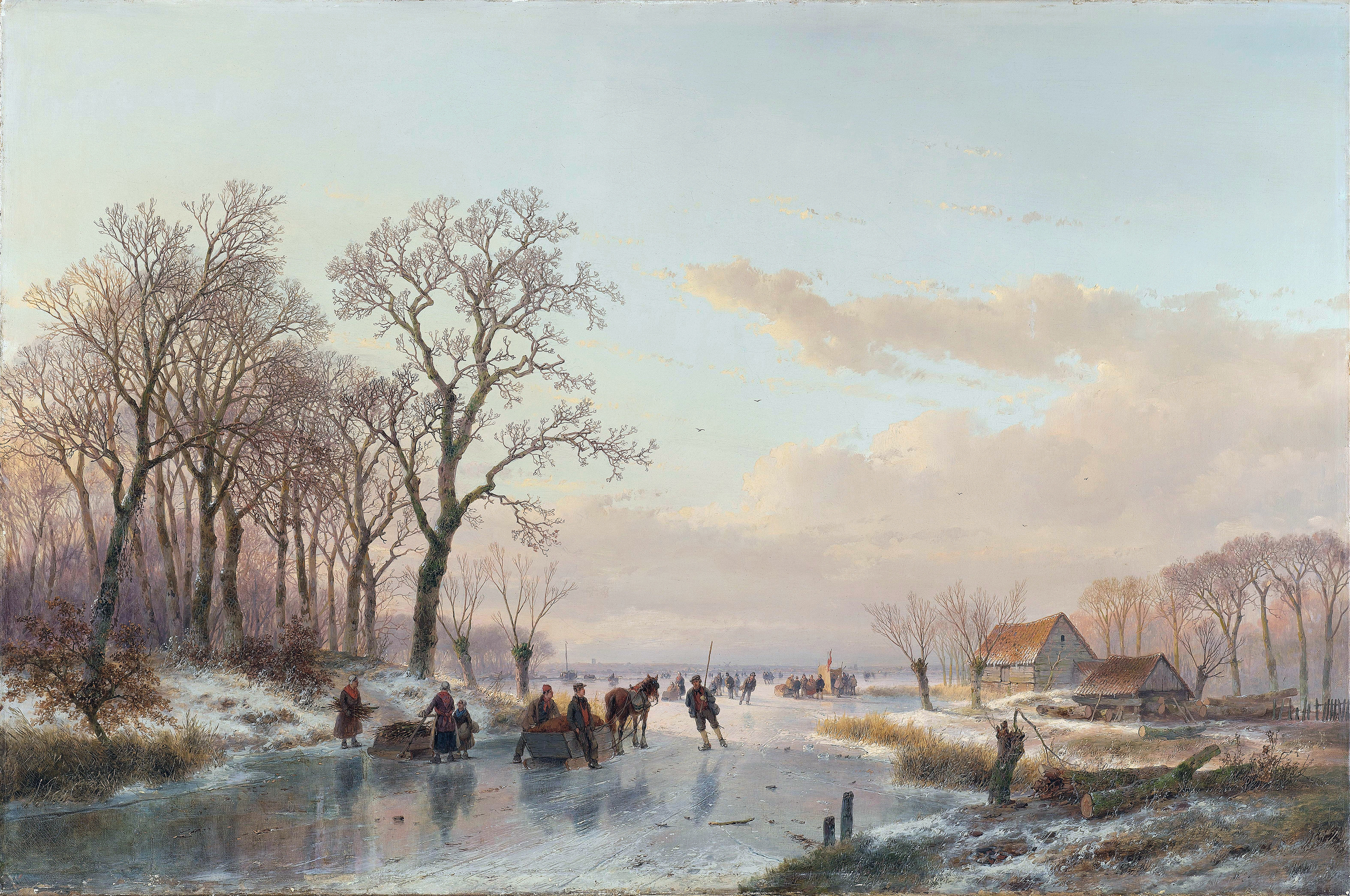
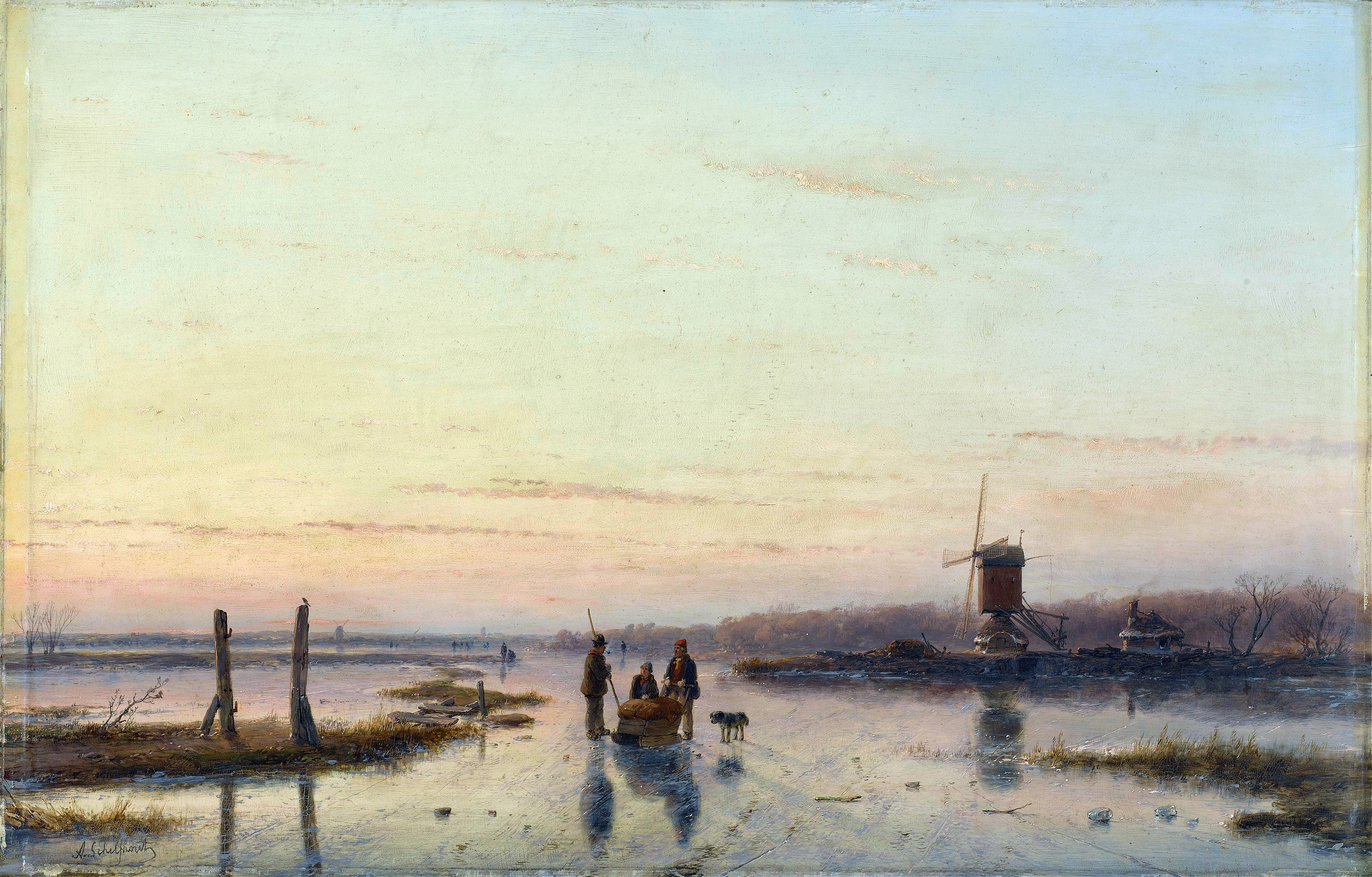
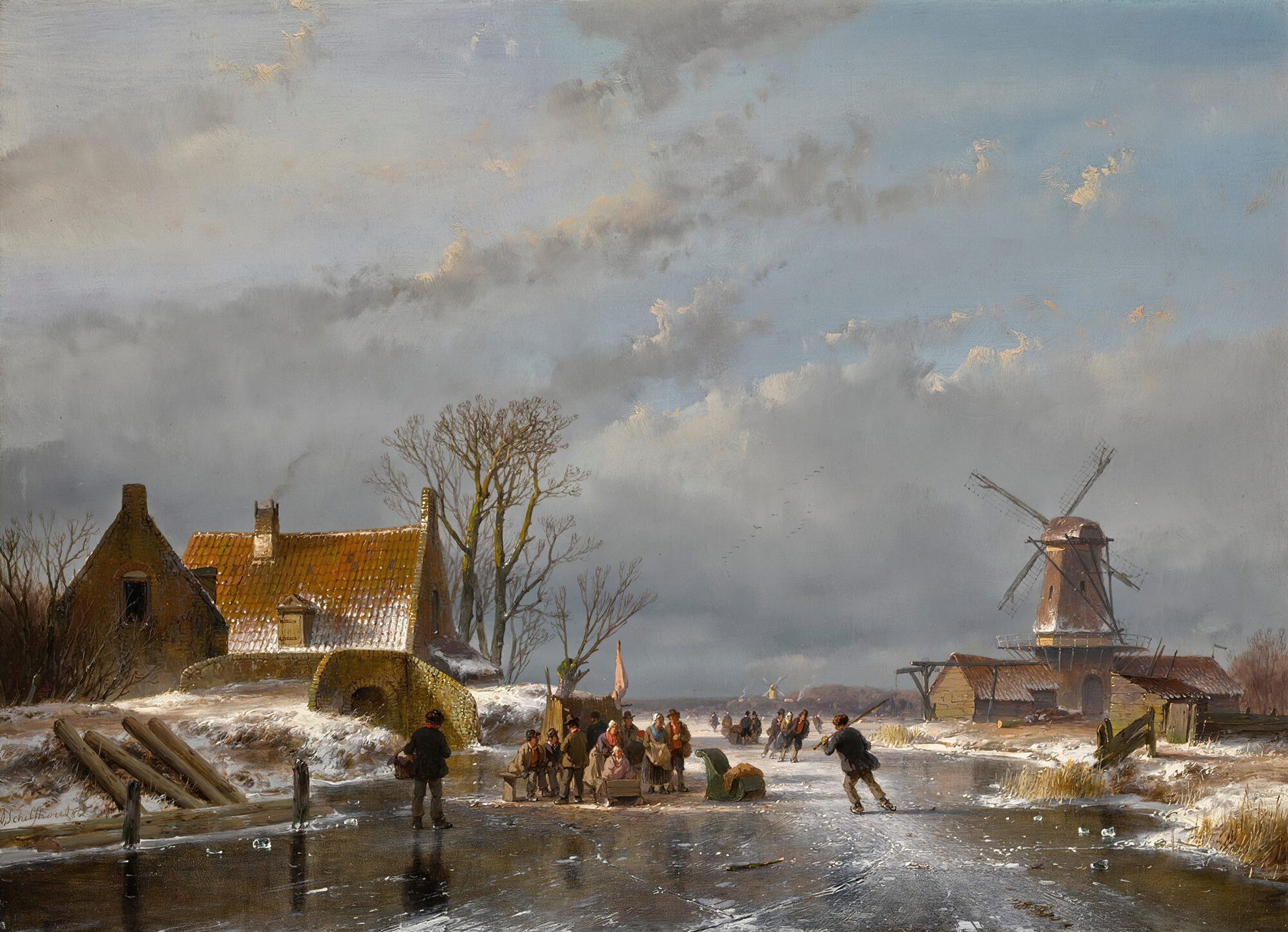
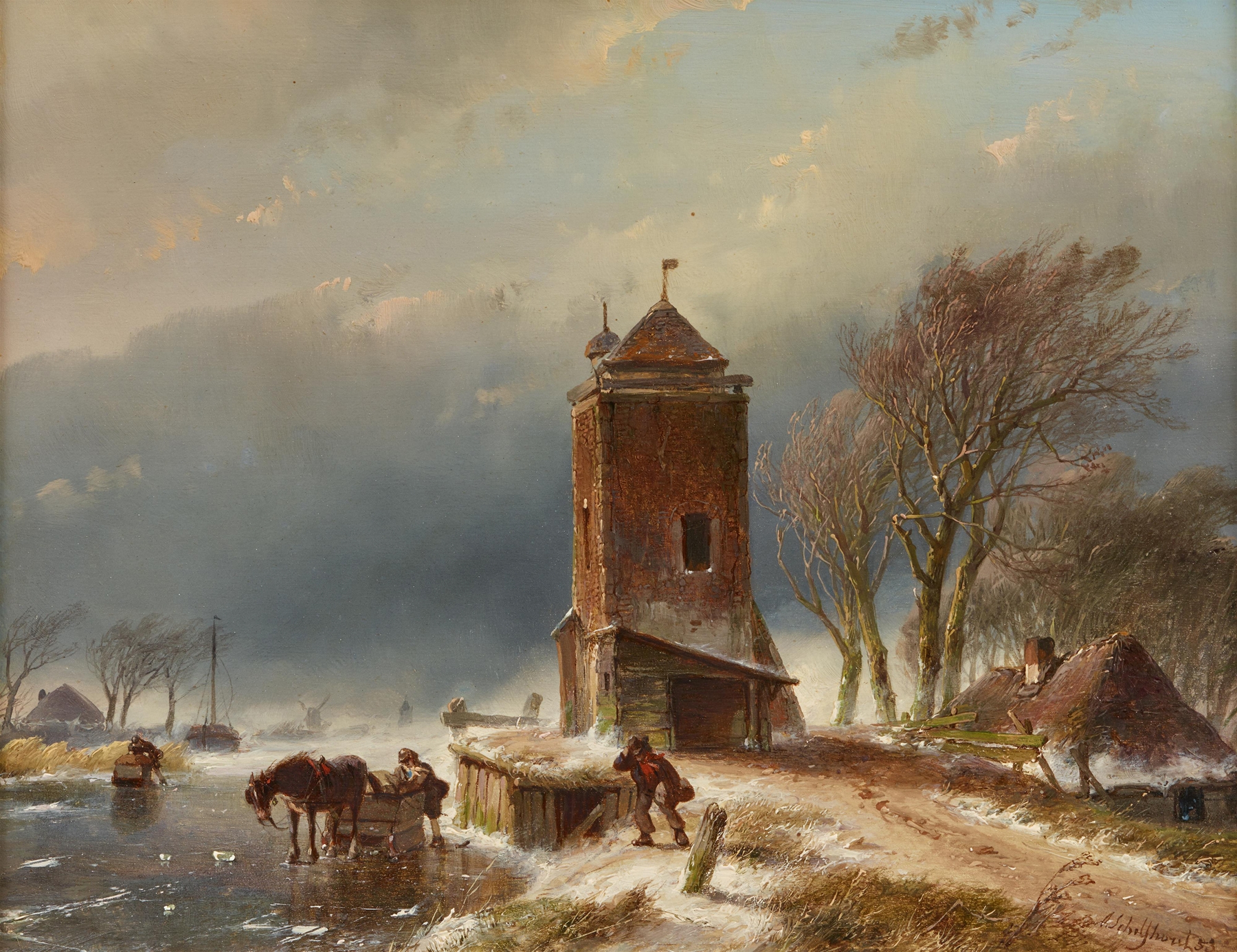
Can paint confess what words never could? In Landschap met schaatsenrijders, the canvas whispers of fear hidden beneath the icy surface—a tension that fills the air and lingers in the shadows of the scene. Look to the center where skaters glide effortlessly across the frozen expanse. The crisp blues and whites evoke the chill of winter, while the gentle brushstrokes articulate the subtle movements of each figure.
Notice how the sunlight breaks through the clouds above, illuminating the skaters' faces, revealing a mix of joy and trepidation. The distant trees loom like sentinels, their dark forms contrasting with the light, creating an atmosphere ripe with uncertainty. Amidst the serene beauty lies an undercurrent of anxiety; the fragile ice hints at danger, a reminder of nature's unpredictable temperament. The skaters' leisurely motions juxtapose the looming threat—each glide is a dance with risk.
The landscape itself seems to hold its breath, as if the scene is suspended in time, teetering on the edge of joy and fear, celebrating life while acknowledging its inherent vulnerabilities. Created in the mid-19th century during his time in the Netherlands, Schelfhout captured the essence of winter sports that were becoming increasingly popular. As industrialization began to reshape society, his work reflected both a connection to the natural world and a growing apprehension about change. In this context, the painting stands as a testament to the duality of human experience, embracing beauty while hinting at the fears that lie beneath.