Windmill beside a frozen river — History & Analysis
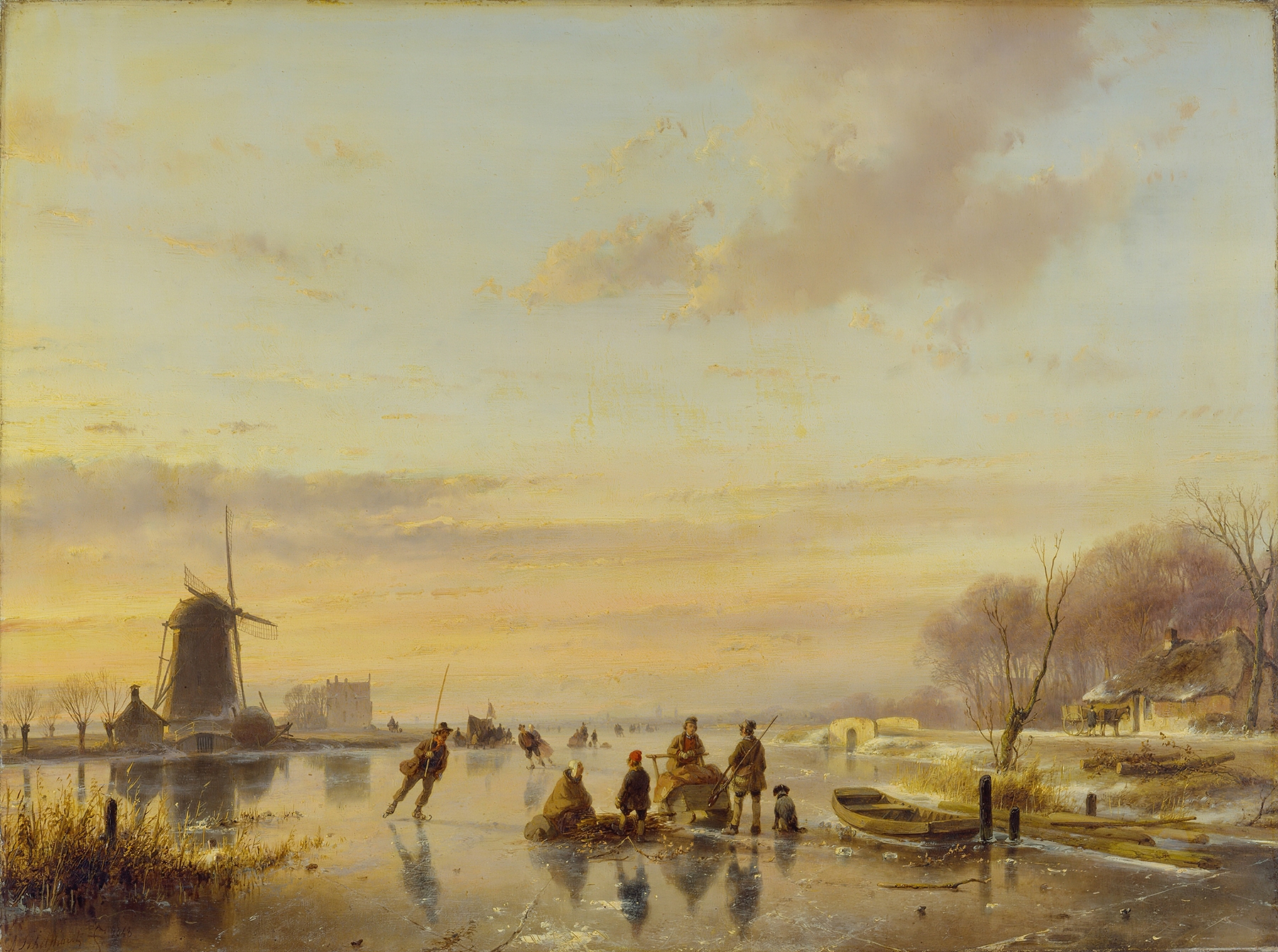
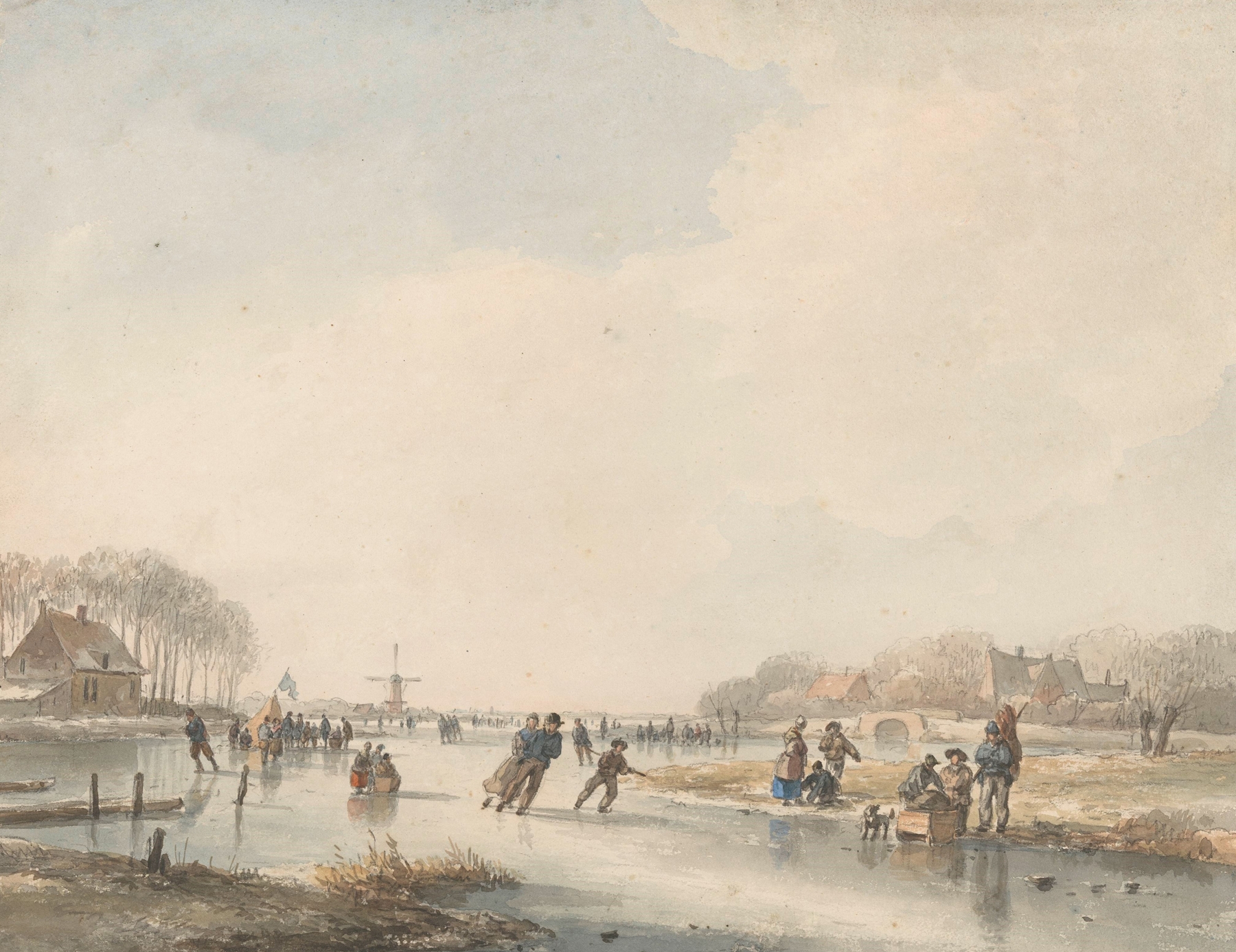
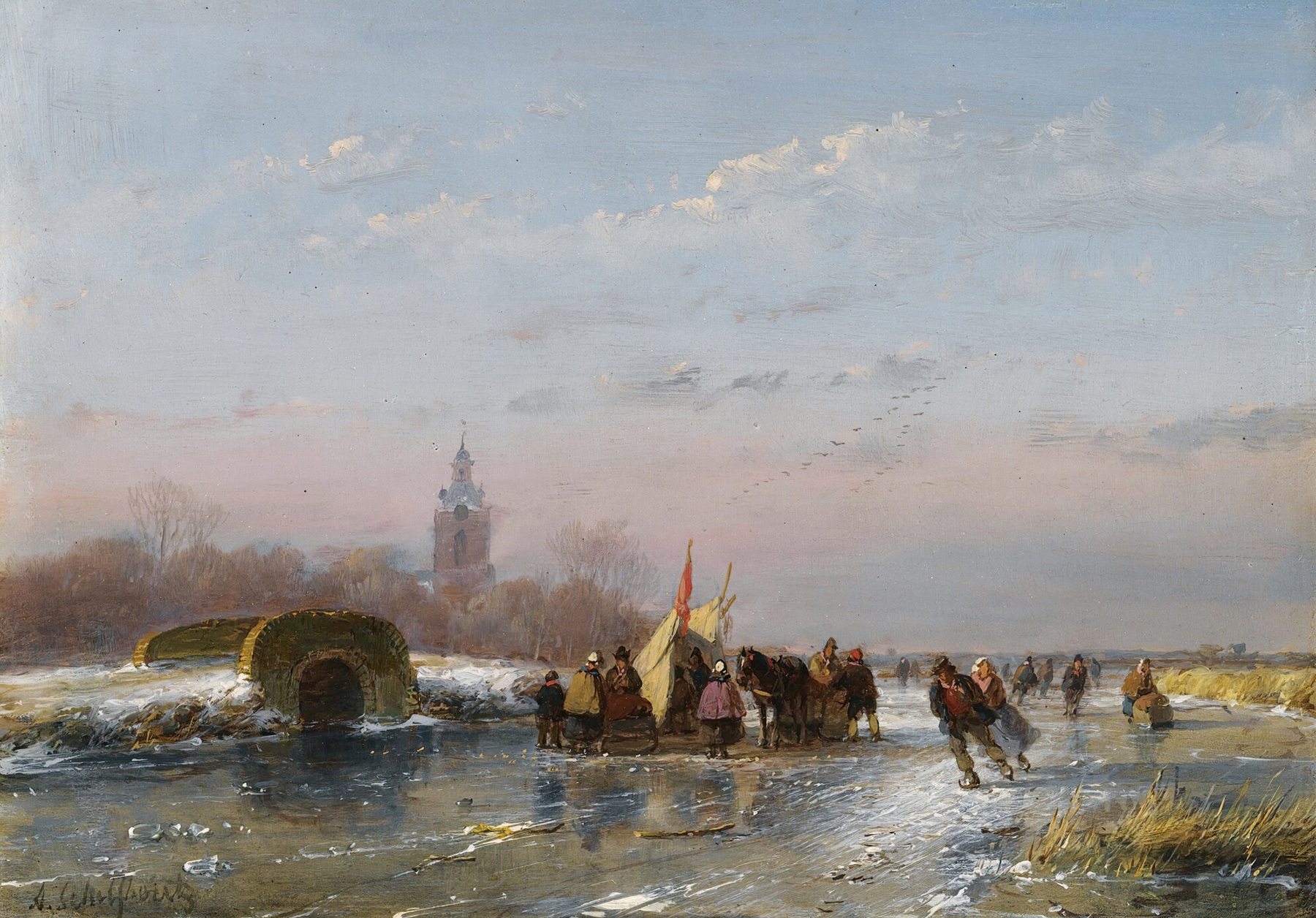
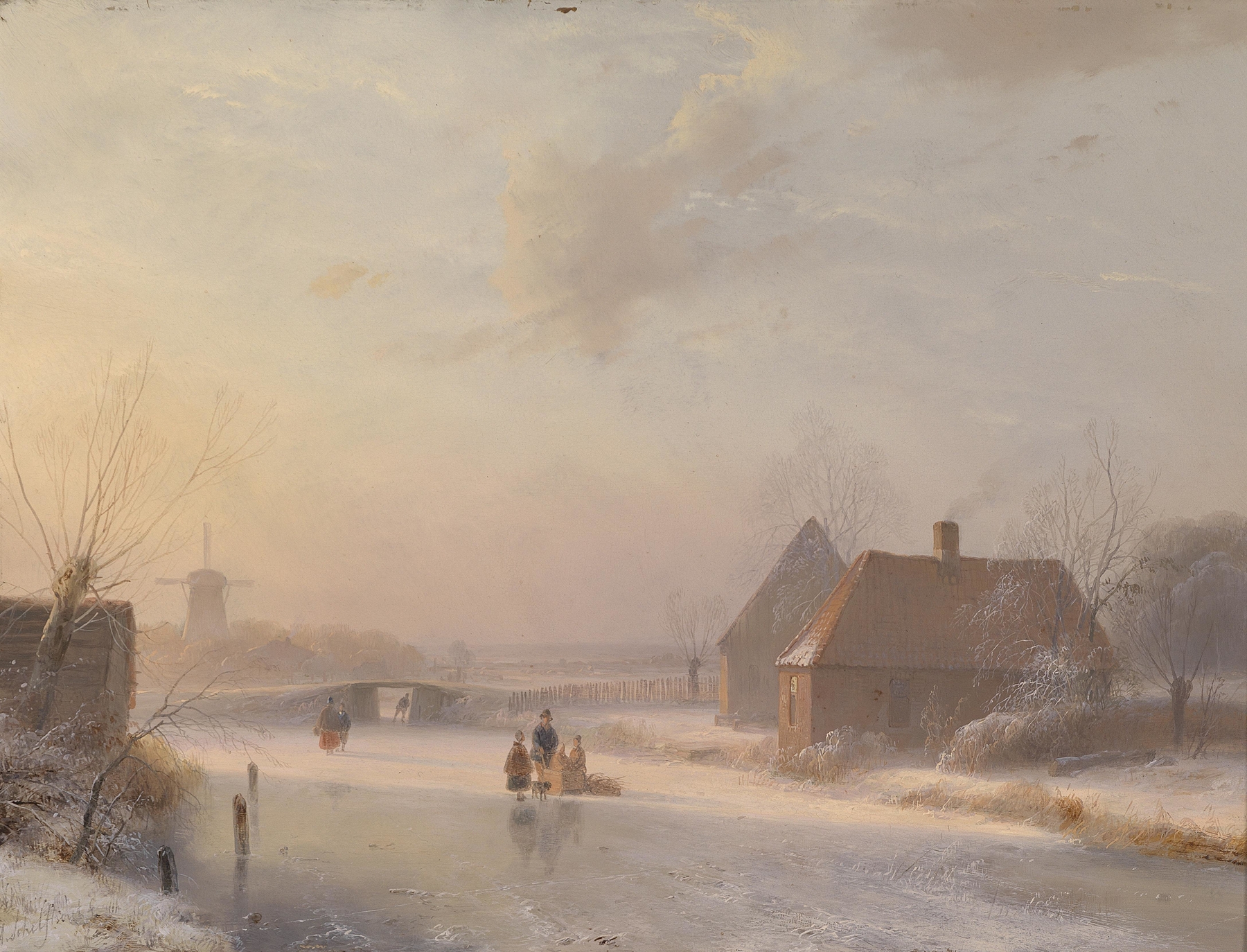
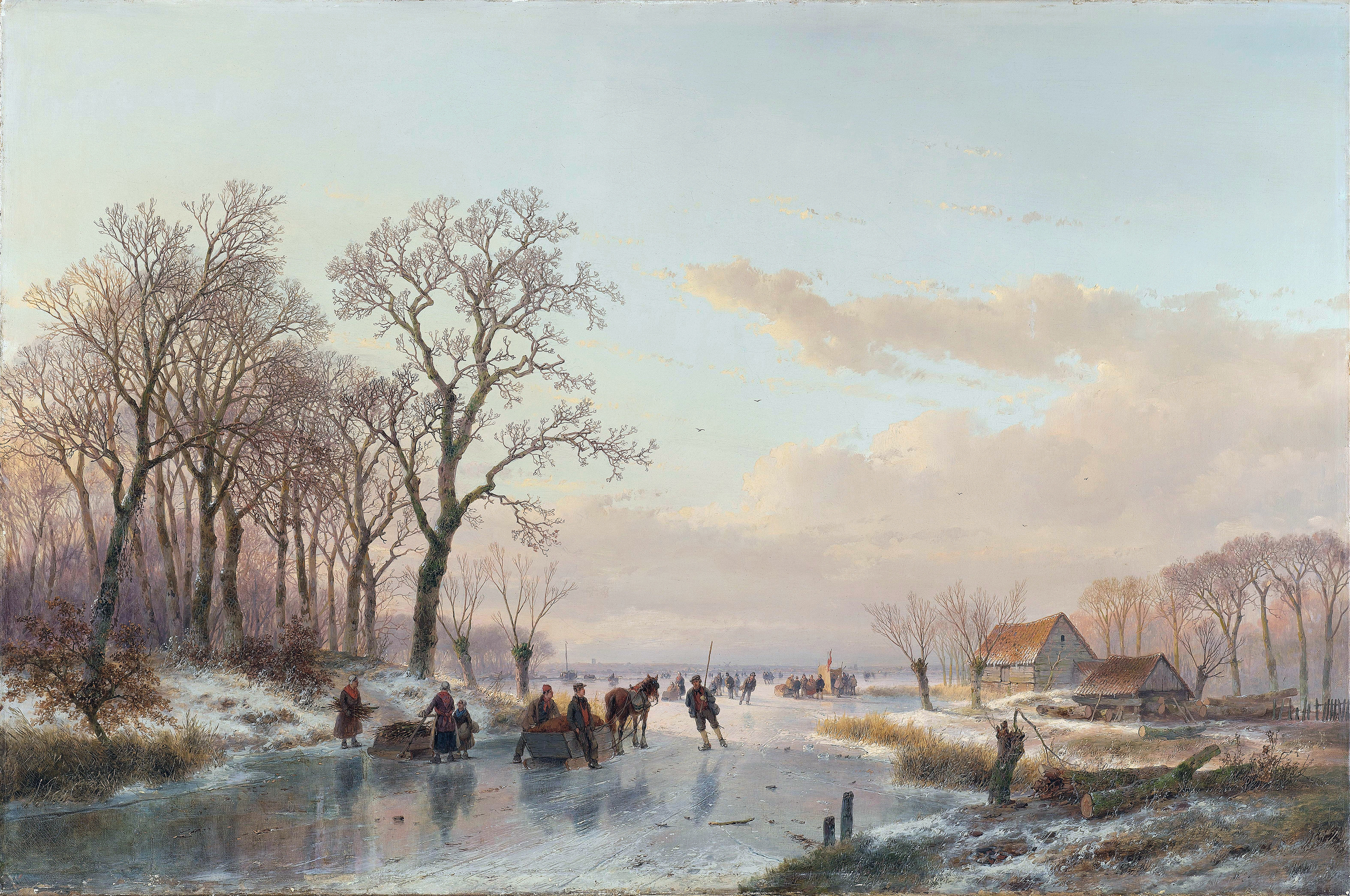
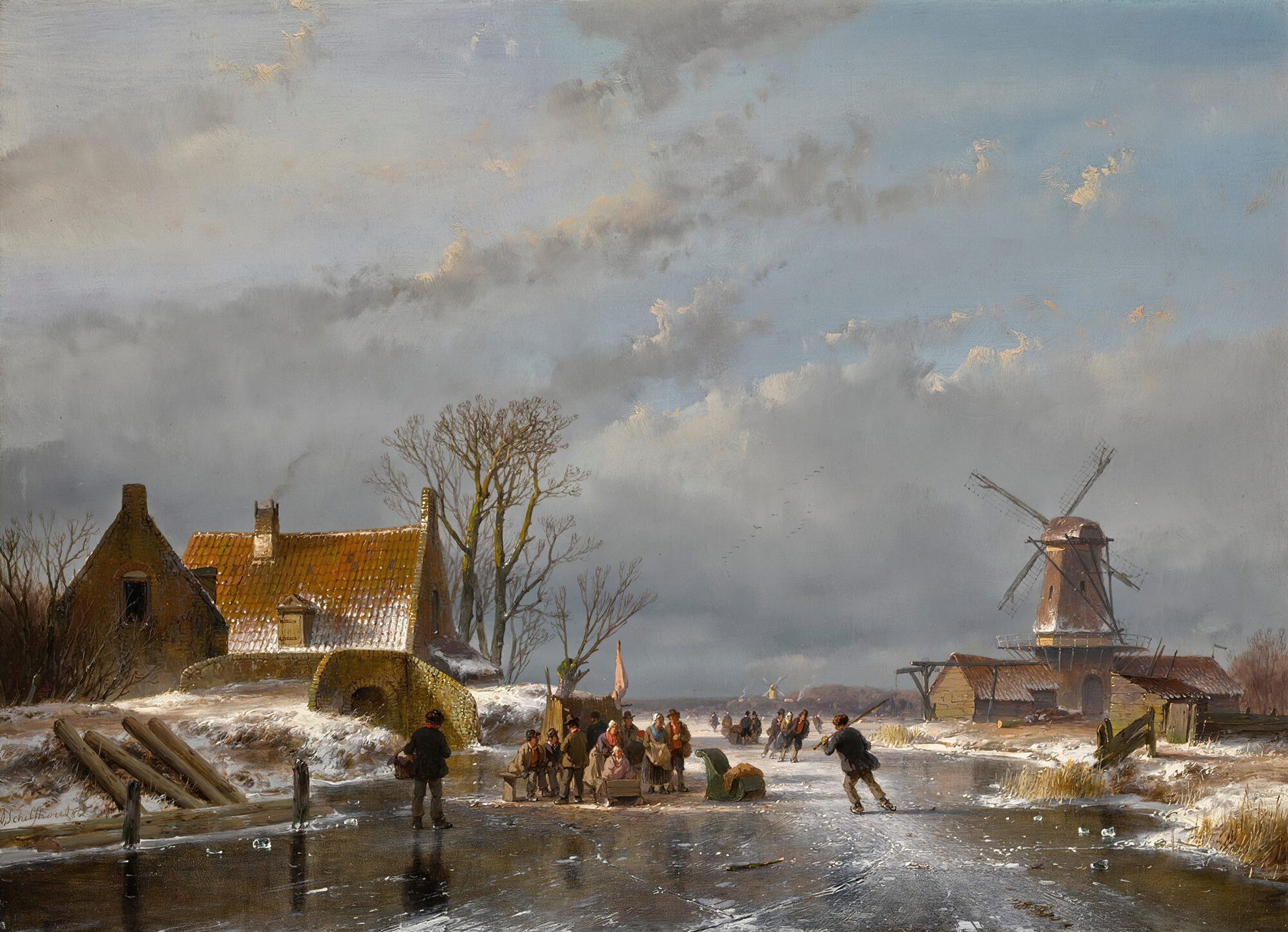
“Between color and silence, truth hides.” In the delicate balance between the vibrant hues of the landscape and the muted tones of winter, a narrative of fragility unfolds. Look to the left at the windmill, its sturdy structure juxtaposed against the ethereal beauty of the frozen river. Notice how the soft blue shadows on the ice reflect the fading light of the low winter sun, painting a serene yet poignant scene of stillness. The subtle brushwork captures the texture of the snow, inviting the viewer to feel the chill that permeates the air.
Schelfhout’s palette speaks of a quiet beauty, where each color choice emphasizes the tranquility that belies the underlying tension of nature's inevitable cycles. Amidst the serene landscape lies a deeper story of vulnerability and resilience. The frozen river, a temporary barrier, hints at the passage of time and the cycles of life that ebb and flow like the water beneath the ice. The presence of the windmill—a symbol of human ingenuity—stands defiantly against the starkness of winter, yet also embodies fragility, suggesting that both nature and humanity are at the mercy of the seasons.
This contrast creates a dialogue between permanence and transience, inviting contemplation on our place within the natural world. During the years between 1860 and 1862, the artist was honing his ability to convey emotion through landscape painting, drawn largely from his surroundings in the Netherlands. This period saw a rising interest in capturing the interactions between light and landscape, reflective of the broader Romantic movement. Schelfhout sought to express not only the beauty of the region but also the fleeting nature of existence, connecting deeply with the spirit of his time.