Winter Pleasures — History & Analysis
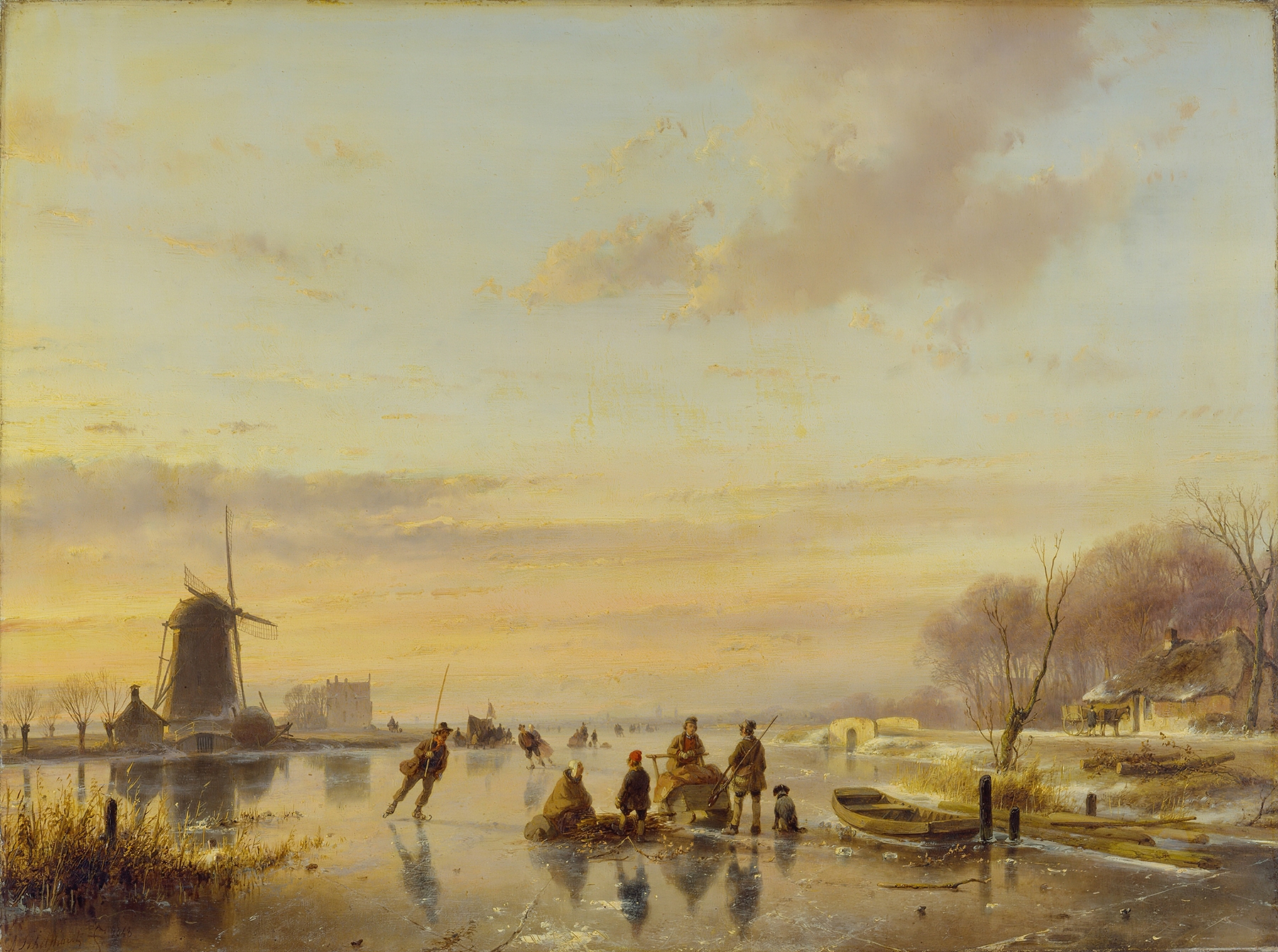
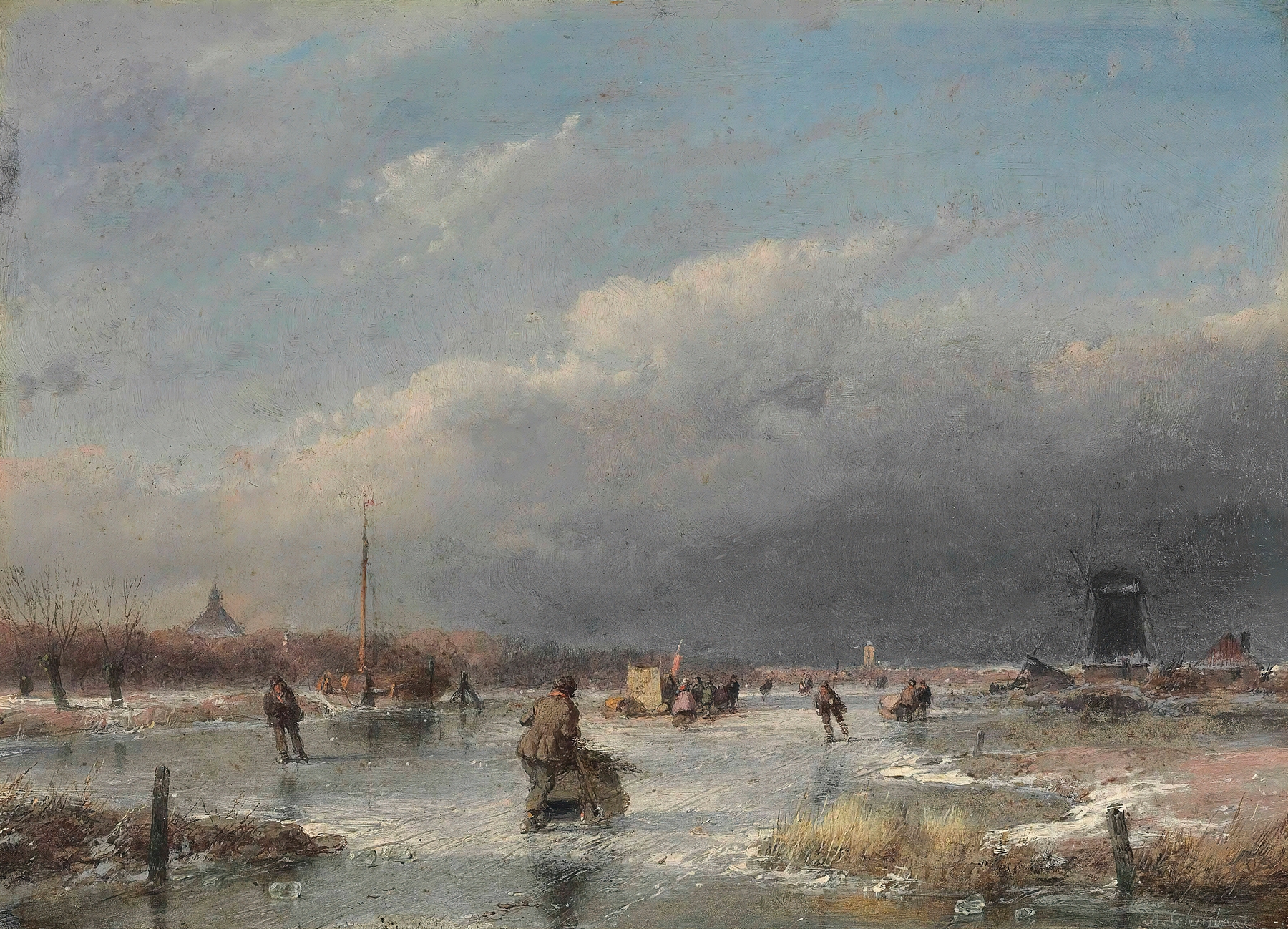
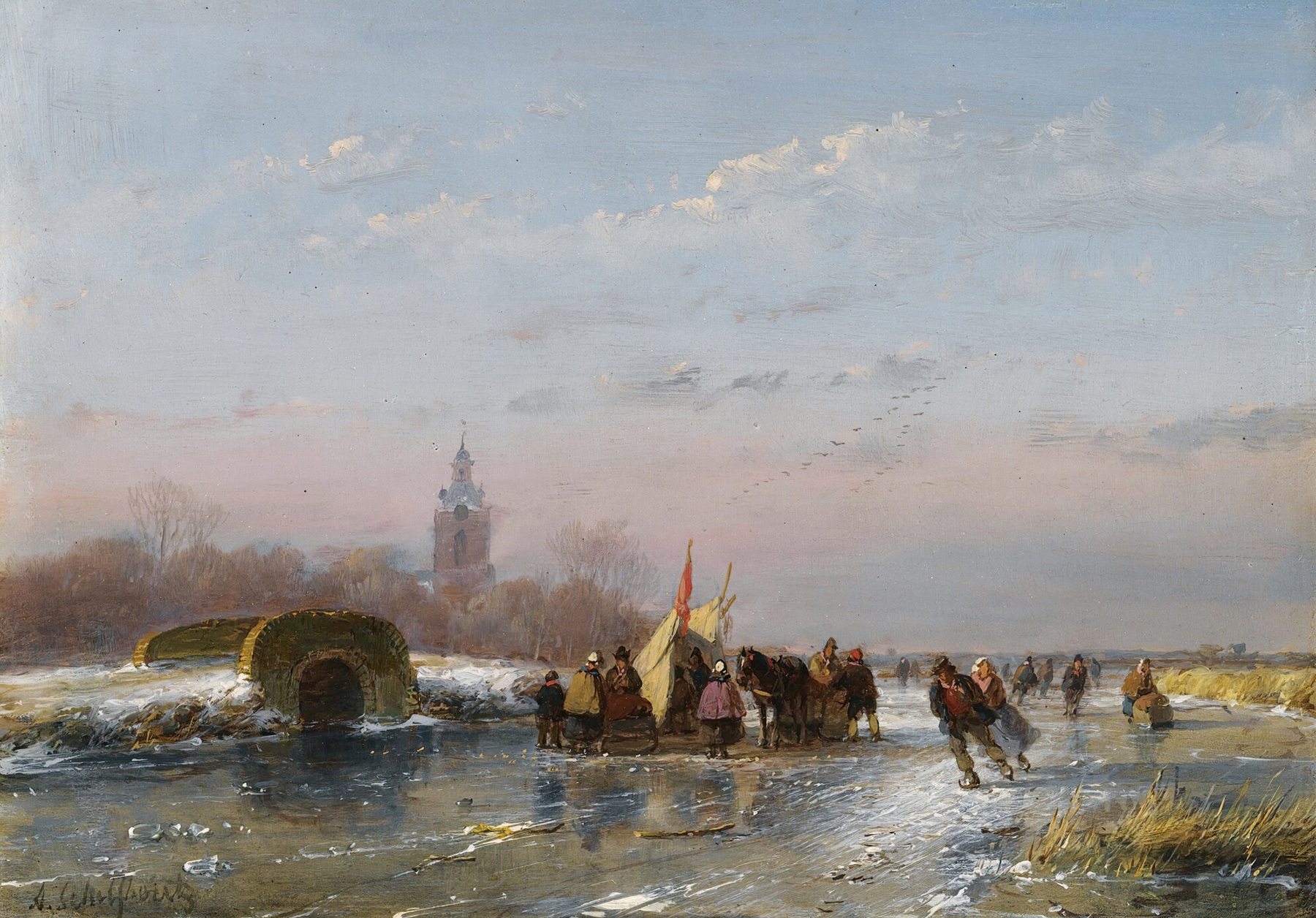
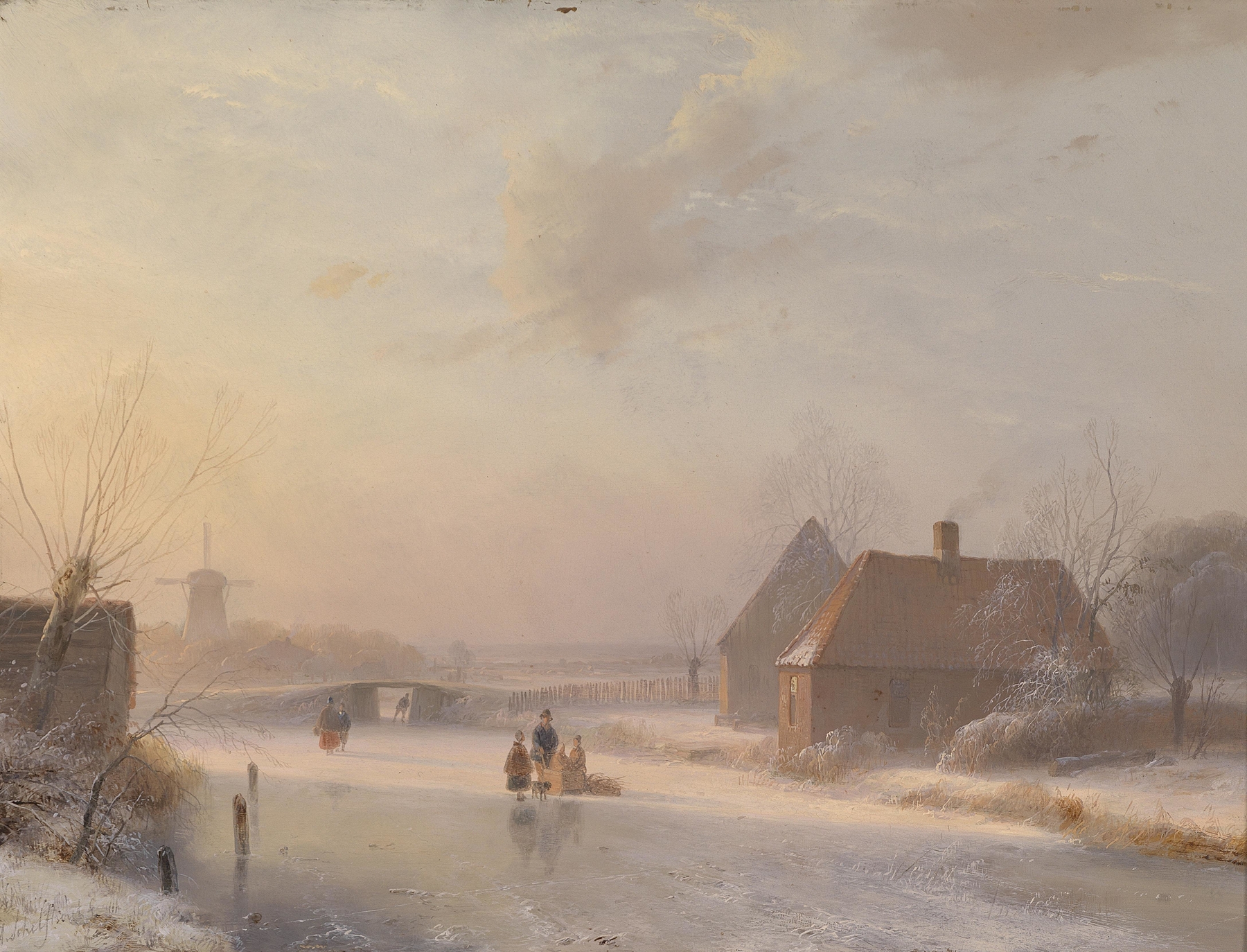
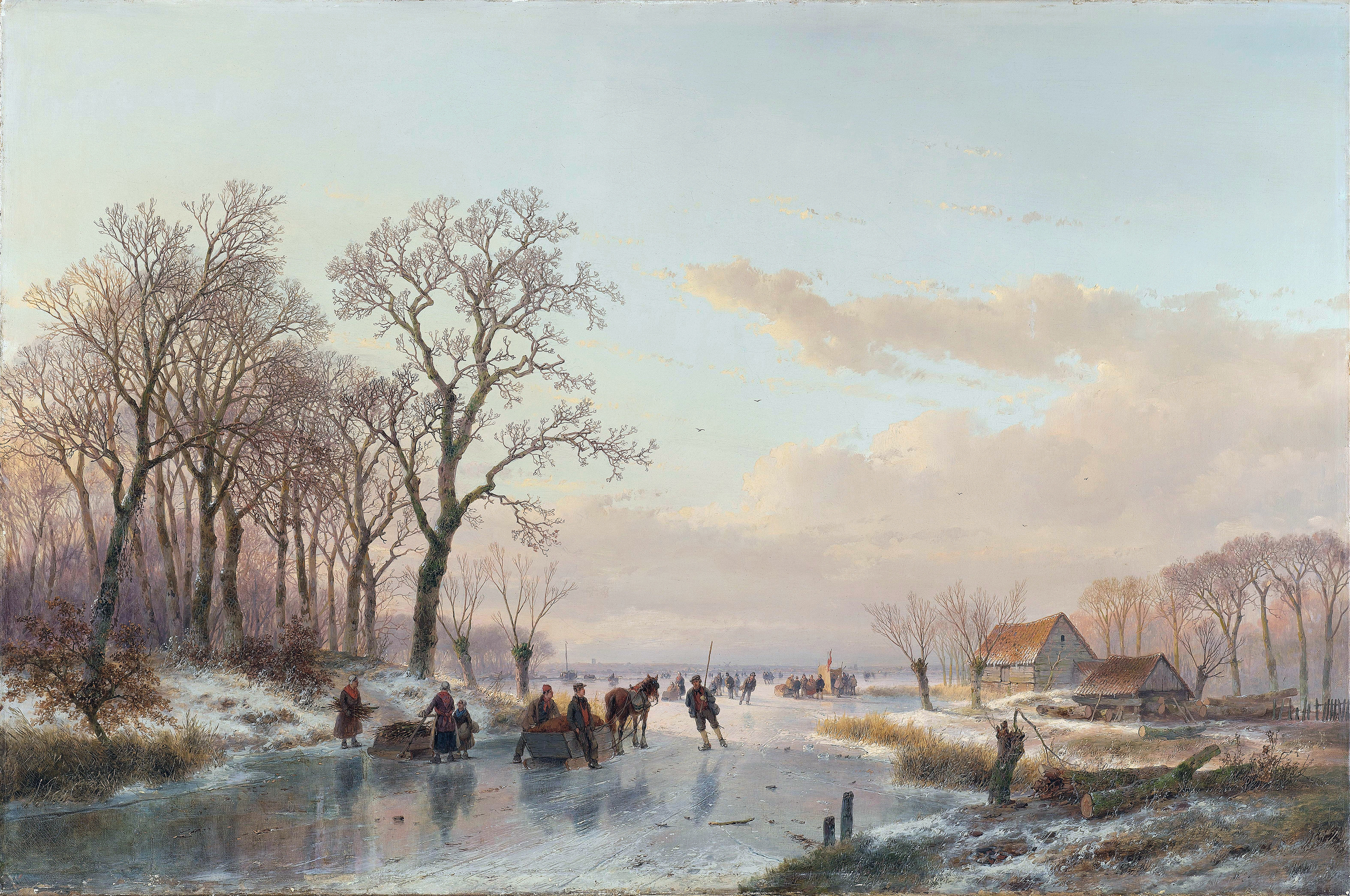
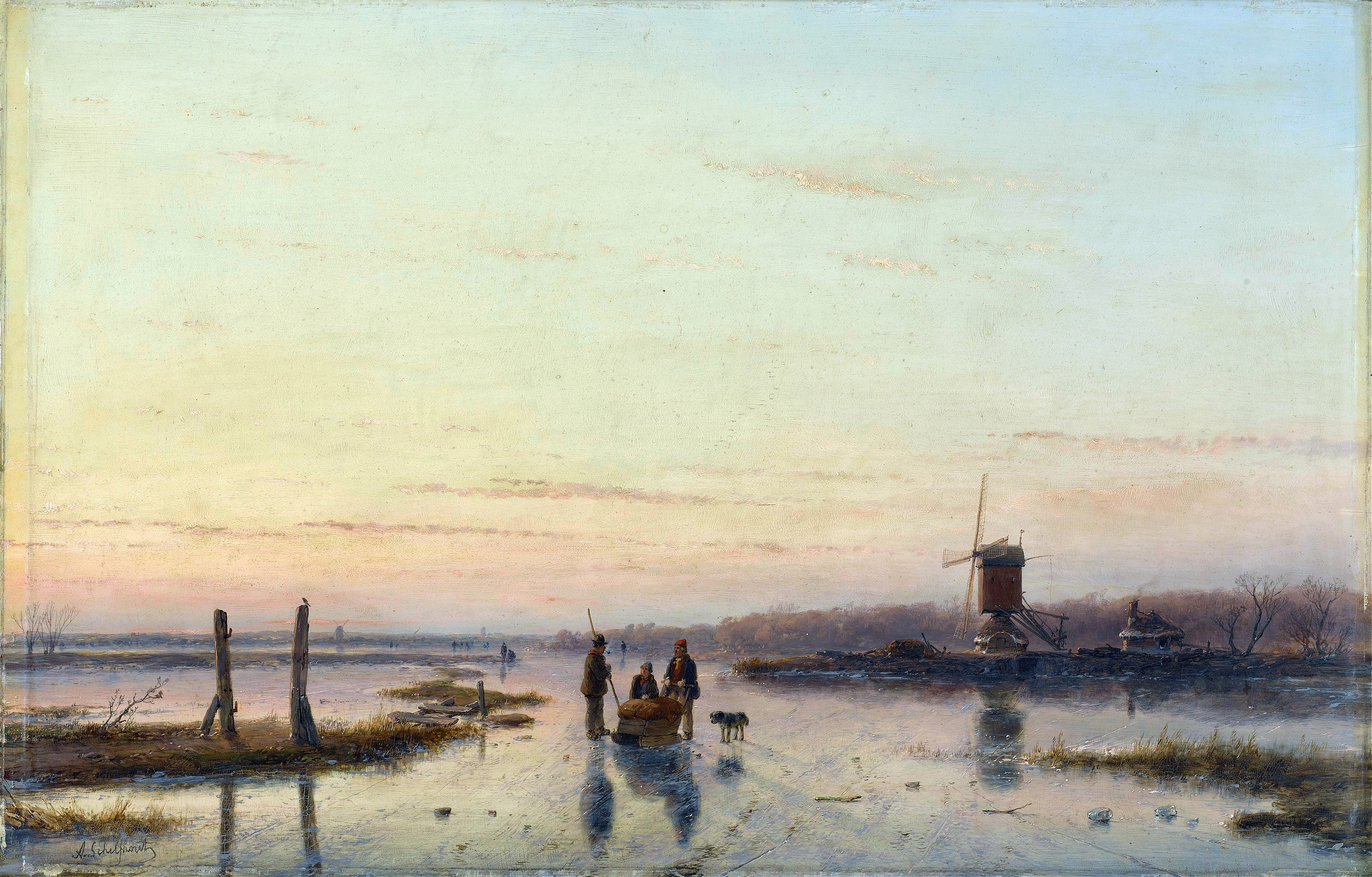
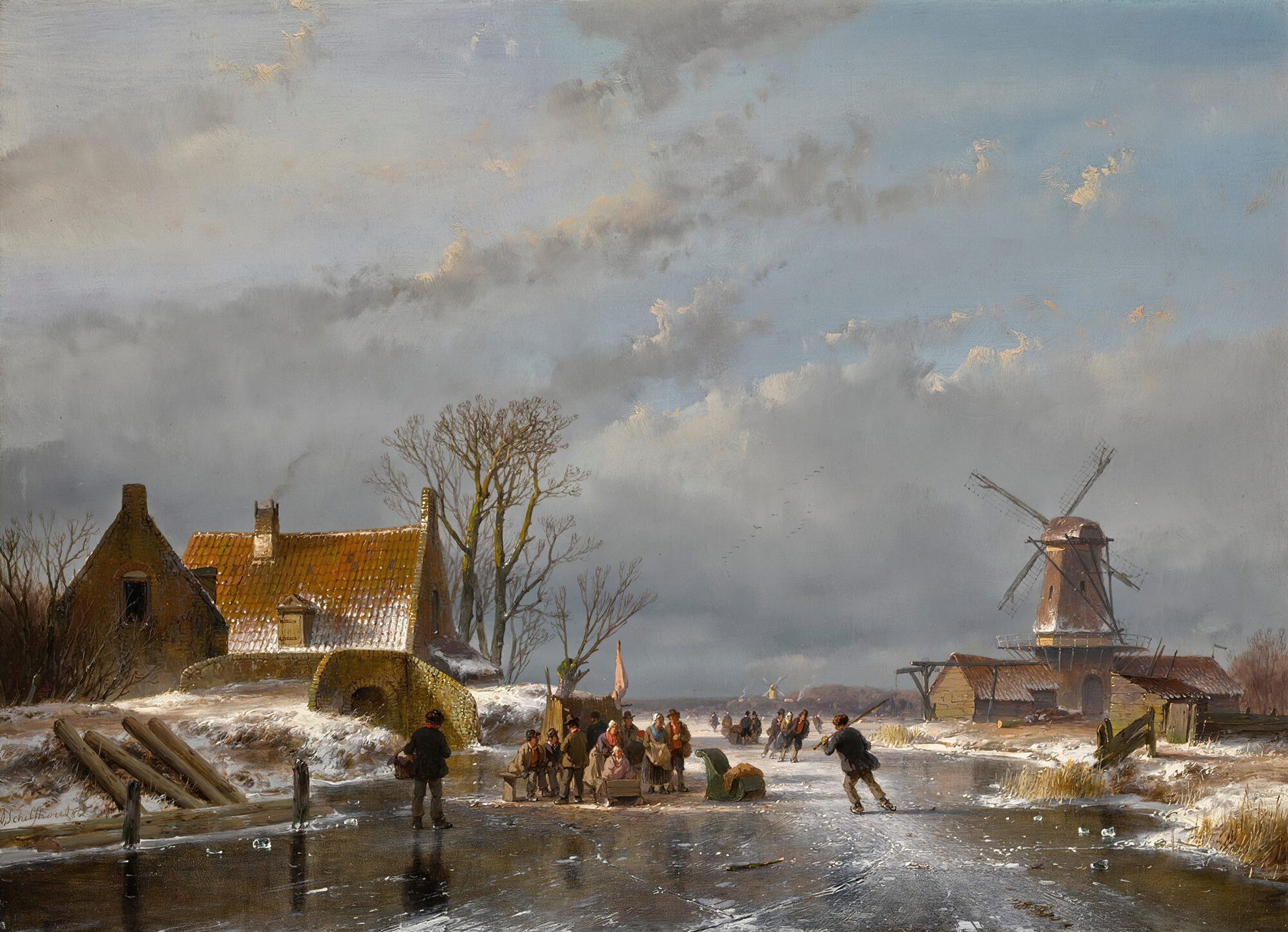
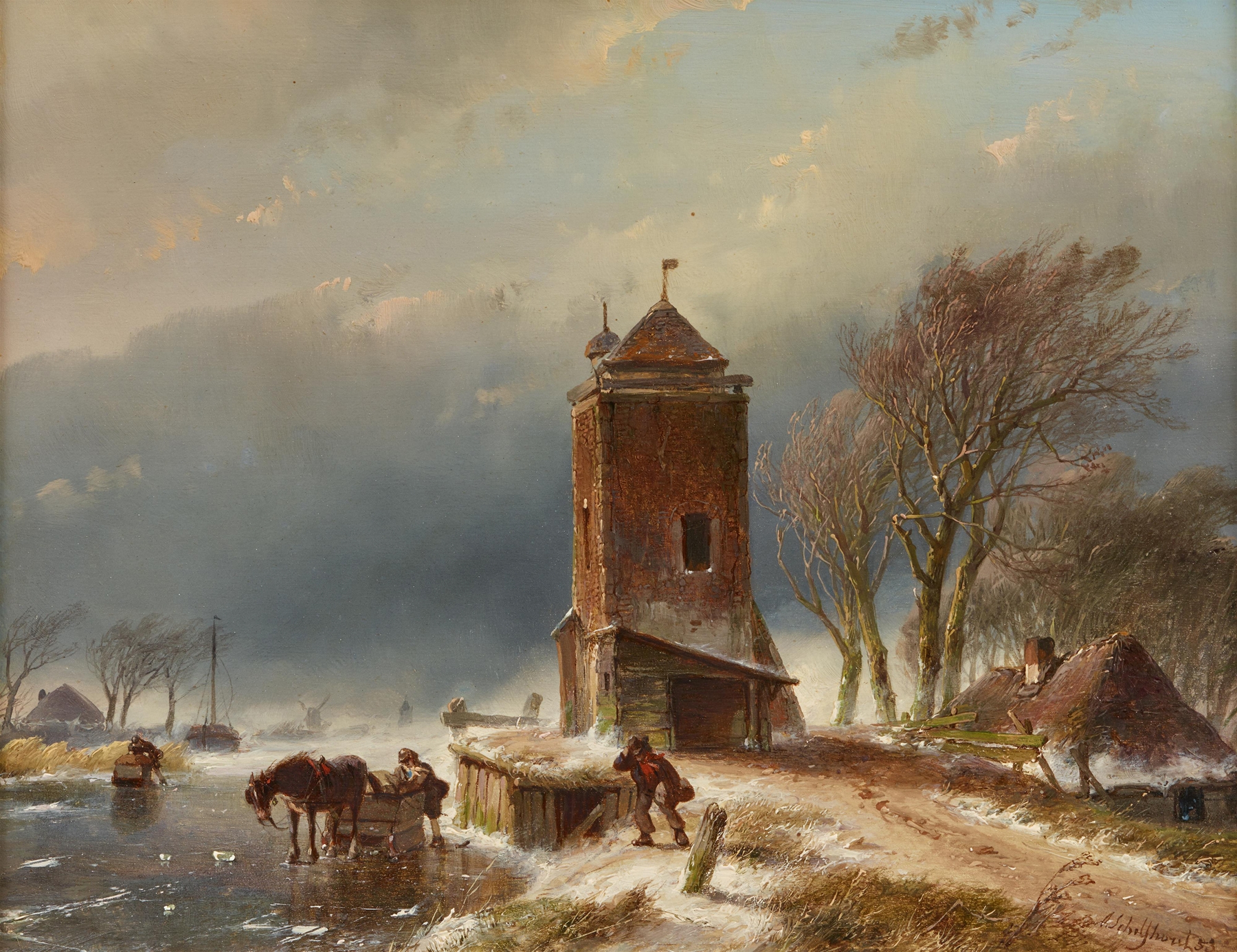
Could beauty survive in a century of chaos? Amid swirling snowflakes and the laughter of children, serenity finds its place in the heart of winter. Look to the left at the delicate figures gliding across the ice, their silhouettes framed against the muted tones of the season. The artist’s brushstrokes create a sense of movement, each skater caught in the moment of joy and freedom.
Notice how the soft blues and whites envelop the scene, casting an ethereal glow that contrasts with the dark, gnarled trees in the background, grounding the jovial activity in a stark, wintry reality. Within this harmonious composition lies a subtle tension—between the warmth of human connection and the coldness of nature. The playful children on the ice invoke a sense of nostalgia and innocence, while the looming trees serve as a reminder of the harshness that winter can bring. This duality reflects an emotional landscape, where joy and solitude coexist, inviting the viewer to ponder the intricacies of human experience amidst nature's unyielding beauty.
In 1852, the artist created Winter Pleasures during a period when Romanticism was giving way to new artistic movements. Living in the Netherlands, Schelfhout was deeply influenced by the changing seasons and the effects of light on winter landscapes. As the world faced political and social upheavals, he found solace in nature's beauty, capturing moments of simple joy that offered respite from the chaos surrounding him.